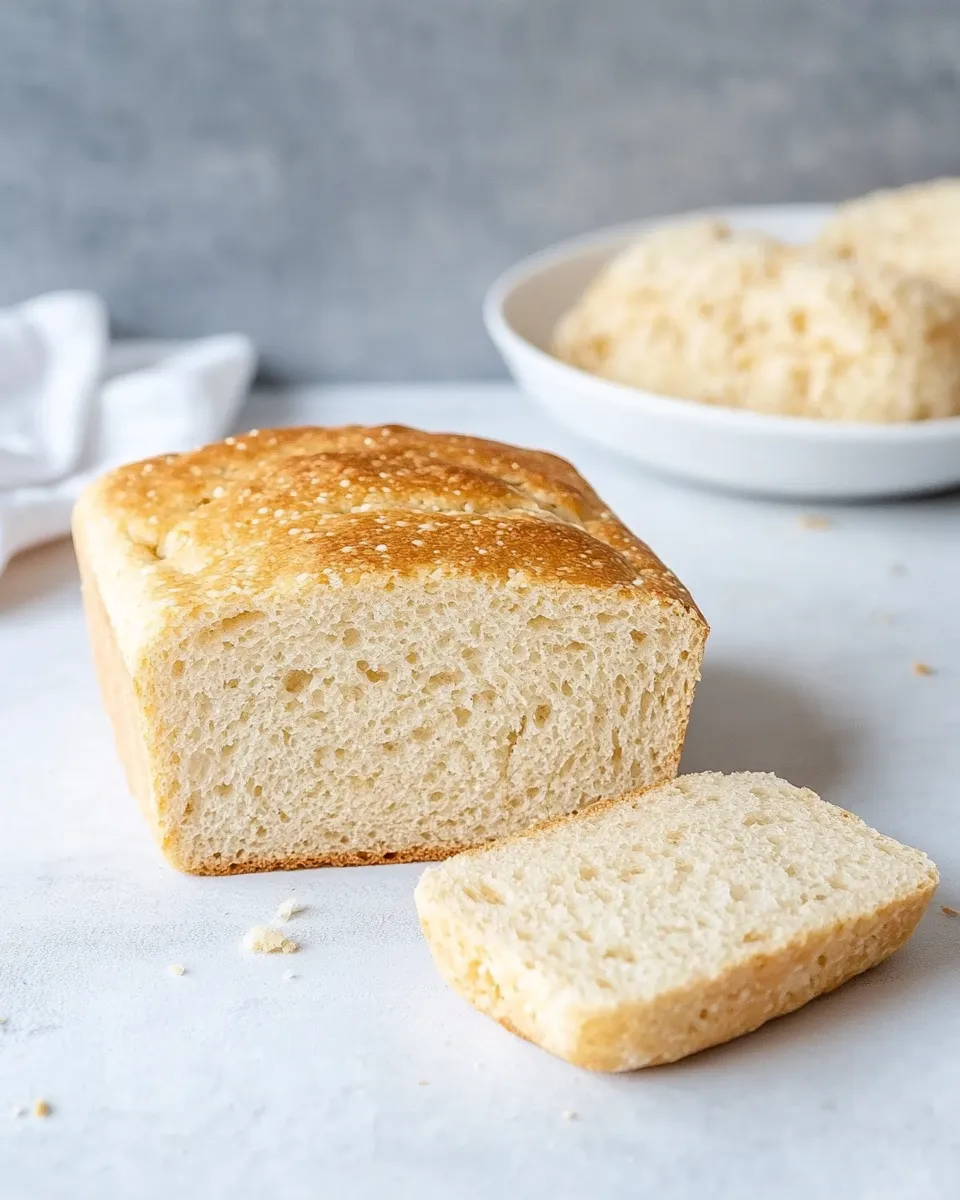
This recipe gives you that craggy, nooks-and-crannies texture of an English muffin in convenient sandwich-loaf form. It’s one of those baked goods I make when I want crisp edges and a soft, open crumb for toasting—without shaping dozens of rounds. The method is straightforward: a batter-like dough, a short rise, and a hot oven. You’ll end up with slices that toast beautifully and soak up butter, jam, or a poached egg yolk like a dream.
Don’t be intimidated by the word “dough” here; it behaves more like a thick muffin batter than a kneaded loaf. There’s no elaborate stretching or intensive mixing—just combine, add a little flour to finish, proof in the pan, and bake. The result is versatile: for breakfast sandwiches, quick afternoon toast, or a base for avo-toast. It’s reliable, forgiving, and fast enough for a weekday project.
Ingredient Rundown
Ingredients
- 2 1/2 cups all-purpose flour — the bulk of the structure; split use in the recipe keeps the dough tender.
- 1 tablespoon sugar — feeds the yeast a little and adds a touch of caramelized flavor to the crust.
- 1 1/4 teaspoons fine sea salt — balances flavor; fine salt dissolves evenly in the batter.
- 1/4 teaspoon baking soda — a small lift that helps the interior develop those characteristic nooks.
- 1 packet (2 1/4 teaspoons) instant yeast — the leavening agent; instant yeast works straight into the dry mix here.
- 1 cup milk — adds tenderness and a mild richness; whole milk gives the best texture, but lower-fat milk will work.
- 1/4 cup water — thins the milk slightly so the batter reaches the right consistency and temperature.
- 2 tablespoons vegetable oil or olive oil — fat for tenderness and a softer crumb; vegetable oil is neutral, olive oil will add a gentle flavor.
- Cornmeal — used to coat the pan so the loaf doesn’t stick and to add a little texture to the crust.
English Muffin Bread: How It’s Done
- In a large bowl, stir together 2 cups of the all-purpose flour, 1 tablespoon sugar, 1 1/4 teaspoons fine sea salt, 1/4 teaspoon baking soda, and 1 packet (2 1/4 teaspoons) instant yeast until evenly combined.
- In a microwave-safe bowl or measuring cup, combine 1 cup milk, 1/4 cup water, and 2 tablespoons vegetable or olive oil. Heat in the microwave on high in 30-second increments, stirring between increments, until the mixture reaches 120–130°F. If you don’t have a thermometer, it should feel noticeably hot (hotter than lukewarm) but not uncomfortably hot.
- Pour the hot liquid into the dry ingredients and stir with a wooden spoon or spatula until the mixture is combined and resembles muffin batter.
- Add the remaining 1/2 cup of flour, 1/4 cup at a time, stirring after each addition, until the mixture forms a very sticky, soft dough.
- Lightly grease an 8×4-inch loaf pan and sprinkle the bottom and sides with cornmeal.
- Transfer the sticky dough into the prepared pan and use a rubber spatula to level the top as needed.
- Cover the pan with plastic wrap (you can lightly oil the side of the plastic that will touch the dough to prevent sticking) and place the pan in a warm spot to rise until the dough has just barely crowned over the rim of the pan, about 45 minutes to 1 hour. From eye level the dough should be visible at the rim but not more than about 1/4 inch over it.
- While the dough is rising, preheat the oven to 400°F.
- Remove the plastic wrap and bake the loaf for 22 to 27 minutes, until the top is golden brown.
- Remove the pan from the oven and let the bread rest in the pan for 5 minutes. Then turn the loaf out onto a wire rack and cool completely before slicing.
Why This Recipe is a Keeper
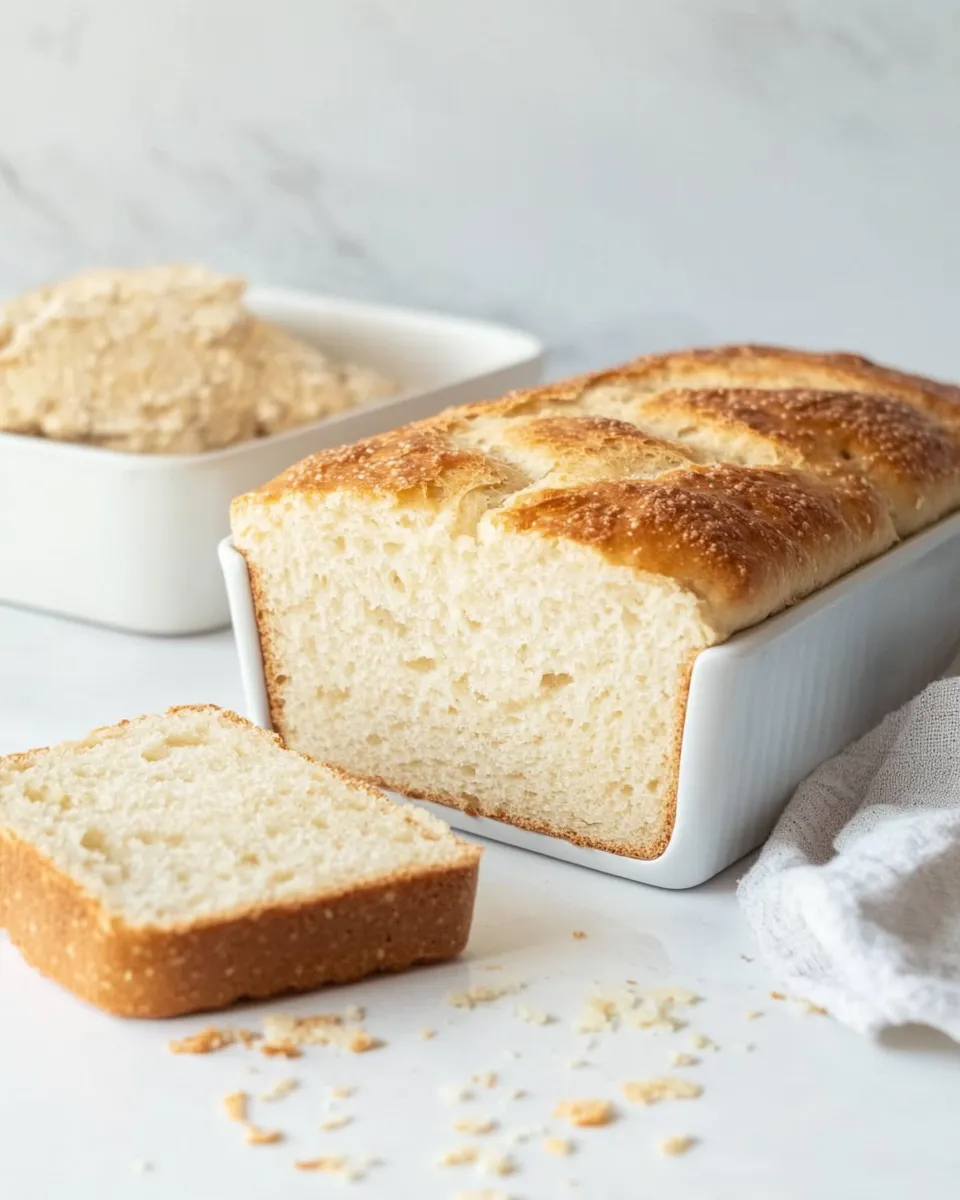
There are two main reasons I make this loaf more often than traditional English muffins: ease and texture. The batter-like dough eliminates the fiddly shaping step and the whole loaf bakes in one pan. That makes cleanup simpler and production faster—perfect when you want a batch of toasts without a long workshop of small rounds. The texture is the other standout: you get the irregular crumb that creates pockets for melting butter or jam, which is the whole point.
It’s also incredibly flexible. The base recipe is neutral enough to work with savory additions like herbs and cheese, or a hint of sweetness from honey in place of some sugar. Because the loaf is sturdy yet tender, it holds up well to sandwich fillings and toasting at high heat. In short, this is one of those recipes that pays dividends in your weekly rotation.
No-Store Runs Needed
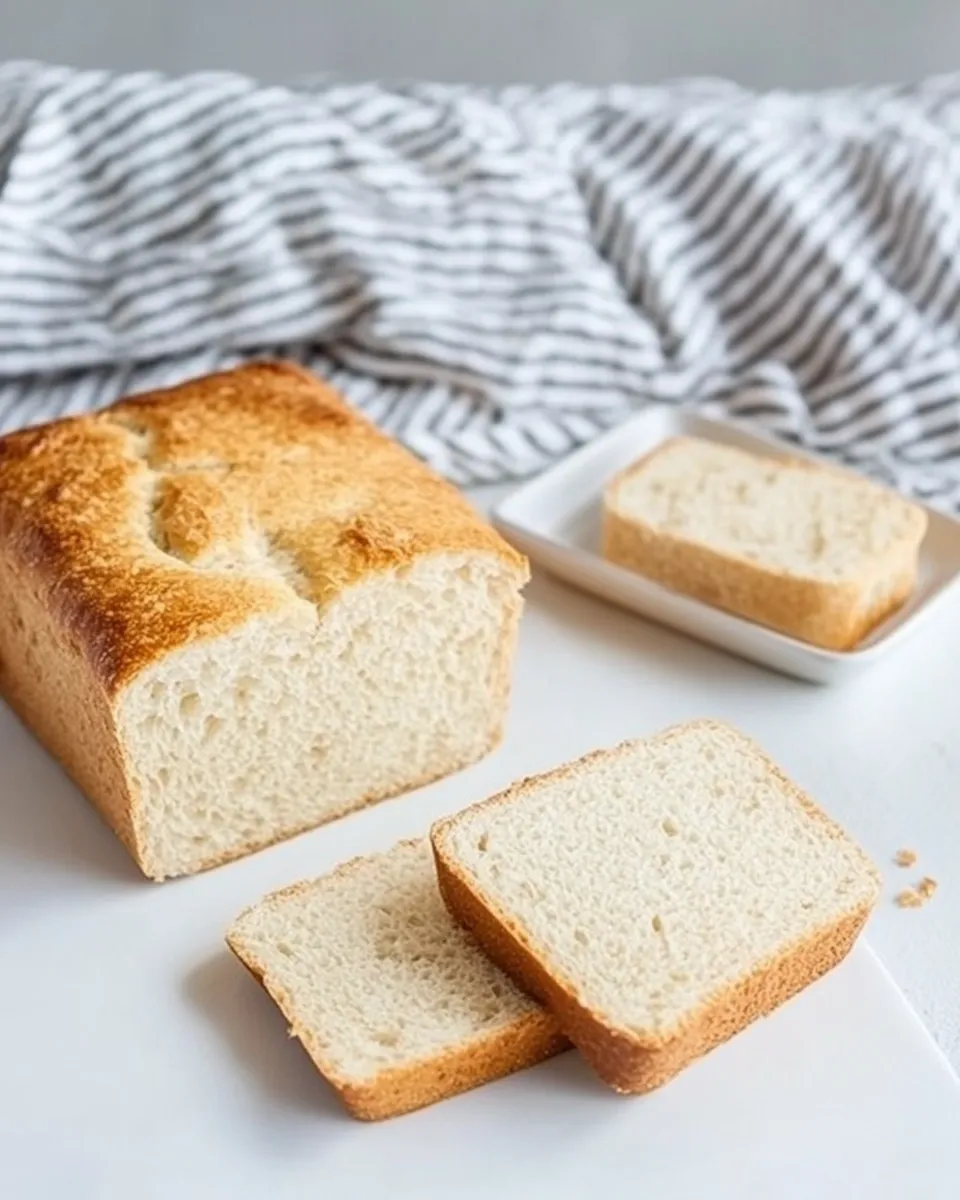
Most kitchens will already have everything you need. Flour, sugar, salt, baking soda, and a bit of oil are pantry staples. If you’ve got instant yeast tucked away, you’re all set. Milk and water are a common pair—use what you have on hand. Cornmeal at the bottom of the pan is optional but recommended for texture; if you don’t have cornmeal, a light dusting of flour or semolina can stand in for the nonstick effect, though the crust won’t be quite the same.
Cook’s Kit
Minimal gear makes this an approachable bake:
- Large mixing bowl.
- Wooden spoon or sturdy spatula for mixing the sticky dough.
- 8×4-inch loaf pan (it’s important to use this size for crumbing and rise expectations).
- Plastic wrap (lightly oiled where it touches the dough to prevent sticking).
- Wire cooling rack for finishing the loaf.
- Optional: instant-read thermometer to check liquid temperature (120–130°F).
Mistakes That Ruin English Muffin Bread
There are a few common missteps that will change the outcome in ways you won’t like. Watch out for these:
- Using liquids that are too hot. Temperatures above 130–140°F can kill yeast or create an uneven rise. If you don’t have a thermometer, aim for noticeably warm but not scalding.
- Not adding that final 1/2 cup of flour gradually. The recipe relies on a sticky consistency; under- or over-flouring will ruin the crumb. Add the last 1/2 cup in increments as directed.
- Overproofing. Letting the dough rise well past the rim will collapse the crown and make the crumb dense. The recipe calls for just barely crowning the rim—about 45 minutes to an hour.
- Baking in the wrong pan size. A larger pan will spread the dough too thin and change baking time and texture; a smaller pan can overflow.
Dietary Swaps & Alternatives
Here are reliable tweaks when you need them:
- If you want dairy-free, replace the milk with a plant milk of similar viscosity (soy or oat work best). The texture will be close, but the flavor shifts slightly.
- For a flavor nudge, swap the 2 tablespoons vegetable oil for extra-virgin olive oil; expect a more savory note that pairs well with herbs or cheese additions.
- If you prefer a slightly sweeter loaf, increase the sugar a teaspoon or two, or brush the top with a little honey right after baking for a gloss and extra flavor.
- To make the crumb a bit heartier, replace up to 1/2 cup of the all-purpose flour with whole-wheat flour, but expect a denser texture and a slightly longer rise.
Author’s Commentary
I keep this loaf in my rotation because it hits the sweet spot between effort and reward. The dough is forgiving: it’s forgiving of imperfect measurements, variations in ambient temperature, and the kind of distracted timing that happens in busy kitchens. I often make it on Sunday evening so there’s fresh toast for breakfasts that week. Slice it thin for crisp toasts, or thick for sandwich bases.
One small trick I picked up: if you want a slightly crisper top, remove the plastic wrap a few minutes before the end of the rise so the top skims over. It’s subtle but makes a difference in texture. Also, using cornmeal in the pan is a habit from making English muffins by hand; it’s not strictly necessary, but it contributes to the signature bottom texture and helps release the loaf cleanly.
Freezer-Friendly Notes
This loaf freezes beautifully. Cool it completely, wrap the whole loaf tightly in plastic, then in foil, or slice and freeze individual slices in a resealable bag. To use, thaw slices briefly at room temperature and toast directly from frozen for best texture. If you’re freezing the whole loaf, allow it to cool completely before wrapping to prevent condensation and ice crystals.
Troubleshooting Q&A
Q: My loaf didn’t rise much—what happened?
A: Check three things: yeast freshness, liquid temperature, and proofing environment. Old yeast loses activity. If the liquid was too cool, the yeast won’t wake up; too hot and you risk killing it. Also, proof in a warm, draft-free spot.
Q: The interior is gummy after baking—why?
A: Underbaking or too much moisture can leave a gummy crumb. Make sure the oven is fully preheated to 400°F and bake the full 22–27 minutes, checking for a golden top. Let the loaf cool completely before slicing to finish setting the crumb.
Q: The crumb is too dense.
A: Density often comes from overflouring, not adding the last 1/2 cup as directed, or overproofing and collapsing. Measure flour properly (spoon it into the cup and level) and add the final flour gradually until the dough is very sticky but cohesive.
Q: Can I use active dry yeast instead of instant?
A: Yes, but proof it first in a portion of the warmed liquid with a pinch of sugar until foamy, then add as directed. That extra step wakes the active dry yeast before mixing into the batter.
Ready, Set, Cook
Pull your loaf pan and mixing bowl out now. Gather the flour, sugar, salt, baking soda, yeast, milk, water, oil, and cornmeal. Preheat your oven while the dough does its short rise, and plan for about an hour of active time from mixing to pan. This is a practical bake with a high payoff: fresh slices that toast to crispy, buttery perfection. Follow the steps (especially the little ones about liquid temperature and the final 1/2 cup of flour) and you’ll have a terrific English Muffin Bread that becomes a favorite for regular breakfasts and last-minute sandwiches.
English Muffin Bread
Ingredients
Ingredients
- 2 1/2 cupsall-purpose flour
- 1 tablespoonsugar
- 1 1/4 teaspoonfine sea salt
- 1/4 teaspoonbaking soda
- 1 packetinstant yeast2 1/4 teaspoons
- 1 cupmilk
- 1/4 cupwater
- 2 tablespoonsvegetable oilor olive oil
- cornmealto sprinkle in pan
Instructions
Instructions
- In a large bowl, stir together 2 cups of the all-purpose flour, 1 tablespoon sugar, 1 1/4 teaspoons fine sea salt, 1/4 teaspoon baking soda, and 1 packet (2 1/4 teaspoons) instant yeast until evenly combined.
- In a microwave-safe bowl or measuring cup, combine 1 cup milk, 1/4 cup water, and 2 tablespoons vegetable or olive oil. Heat in the microwave on high in 30-second increments, stirring between increments, until the mixture reaches 120–130°F. If you don’t have a thermometer, it should feel noticeably hot (hotter than lukewarm) but not uncomfortably hot.
- Pour the hot liquid into the dry ingredients and stir with a wooden spoon or spatula until the mixture is combined and resembles muffin batter.
- Add the remaining 1/2 cup of flour, 1/4 cup at a time, stirring after each addition, until the mixture forms a very sticky, soft dough.
- Lightly grease an 8×4-inch loaf pan and sprinkle the bottom and sides with cornmeal.
- Transfer the sticky dough into the prepared pan and use a rubber spatula to level the top as needed.
- Cover the pan with plastic wrap (you can lightly oil the side of the plastic that will touch the dough to prevent sticking) and place the pan in a warm spot to rise until the dough has just barely crowned over the rim of the pan, about 45 minutes to 1 hour. From eye level the dough should be visible at the rim but not more than about 1/4 inch over it.
- While the dough is rising, preheat the oven to 400°F.
- Remove the plastic wrap and bake the loaf for 22 to 27 minutes, until the top is golden brown.
- Remove the pan from the oven and let the bread rest in the pan for 5 minutes. Then turn the loaf out onto a wire rack and cool completely before slicing.
Equipment
- Silicone Spatula Set
- Mixing bowl set
Notes
To coat the sides of the loaf pan with cornmeal, I just tossed in about a 1/4 of cornmeal and tilted the pan and tapped the sides until the inside was thoroughly coated.
If you are using an instant-read thermometer to check your bread’s doneness, you will want to watch for an interior temperature of 190°F.