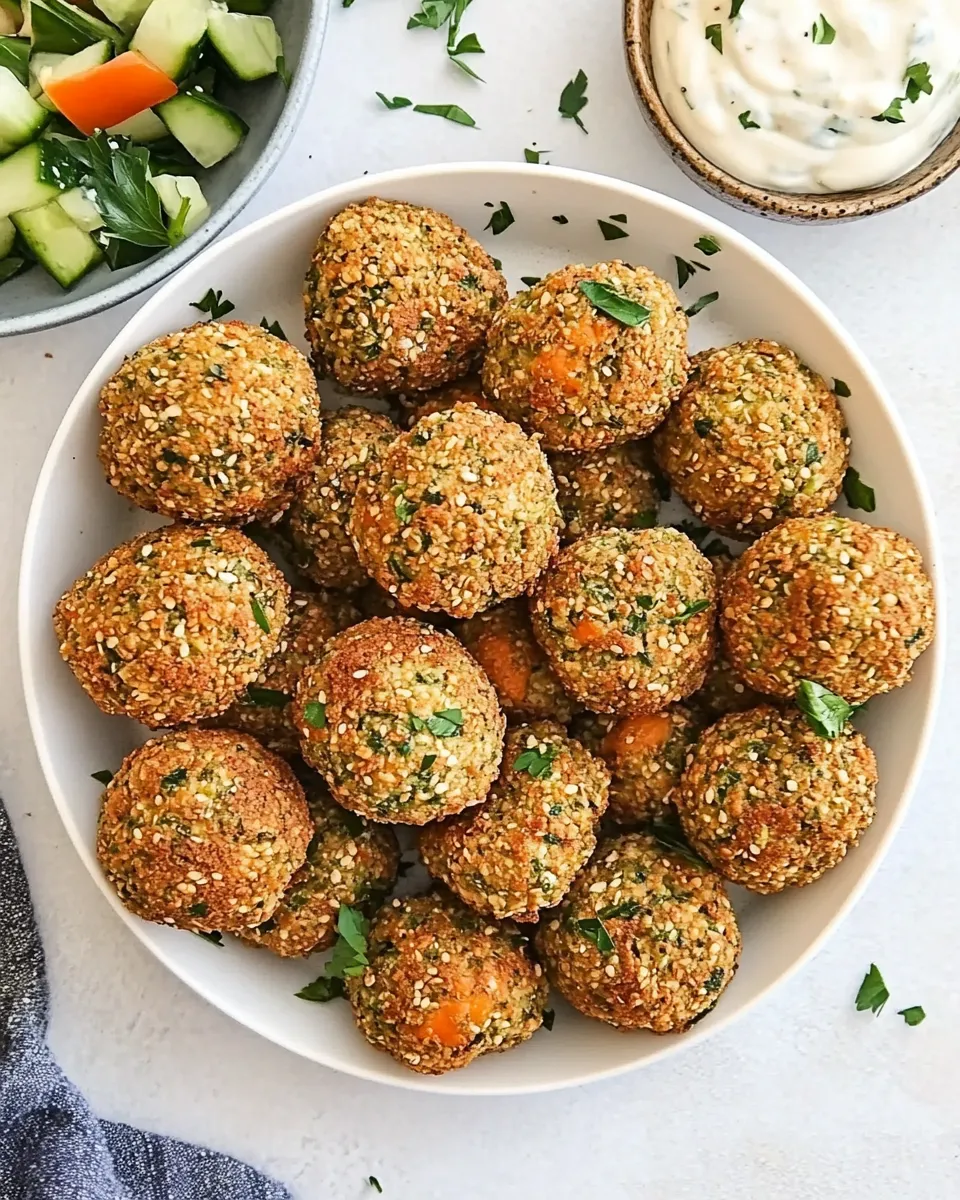
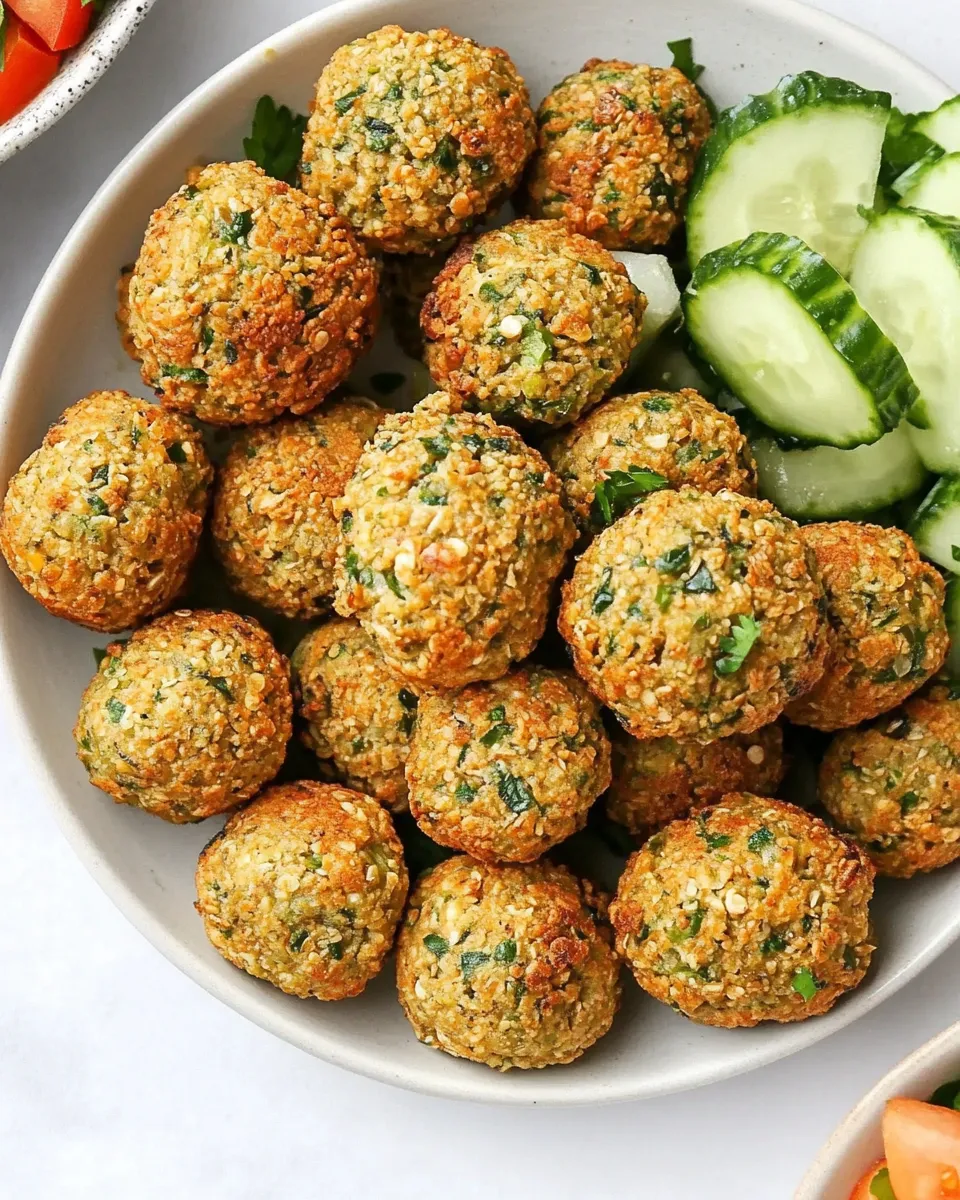
Crunchy on the outside, tender inside, and fragrant with herbs and spices—this falafel is one of those straightforward recipes that feels special every time you make it. It starts with dried chickpeas, soaked overnight so they keep their texture through processing and frying, and finishes with a simple tahini sauce that brings a bright, creamy balance.
I write this recipe the way I cook it: practical, with clear steps and small tips to avoid the usual pitfalls. You don’t need fancy equipment—just a food processor, a bowl, and a saucepan for frying. Read through the ingredients and the method before you start so you know timing (soaking is the only true waiting period).
If you’re serving a crowd or prepping ahead, there are sensible make-ahead options and storage tips later on. I include notes from testing and common mistakes I see in kitchens so you can skip the guesswork and get crispy, well-seasoned falafel every time.
What to Buy
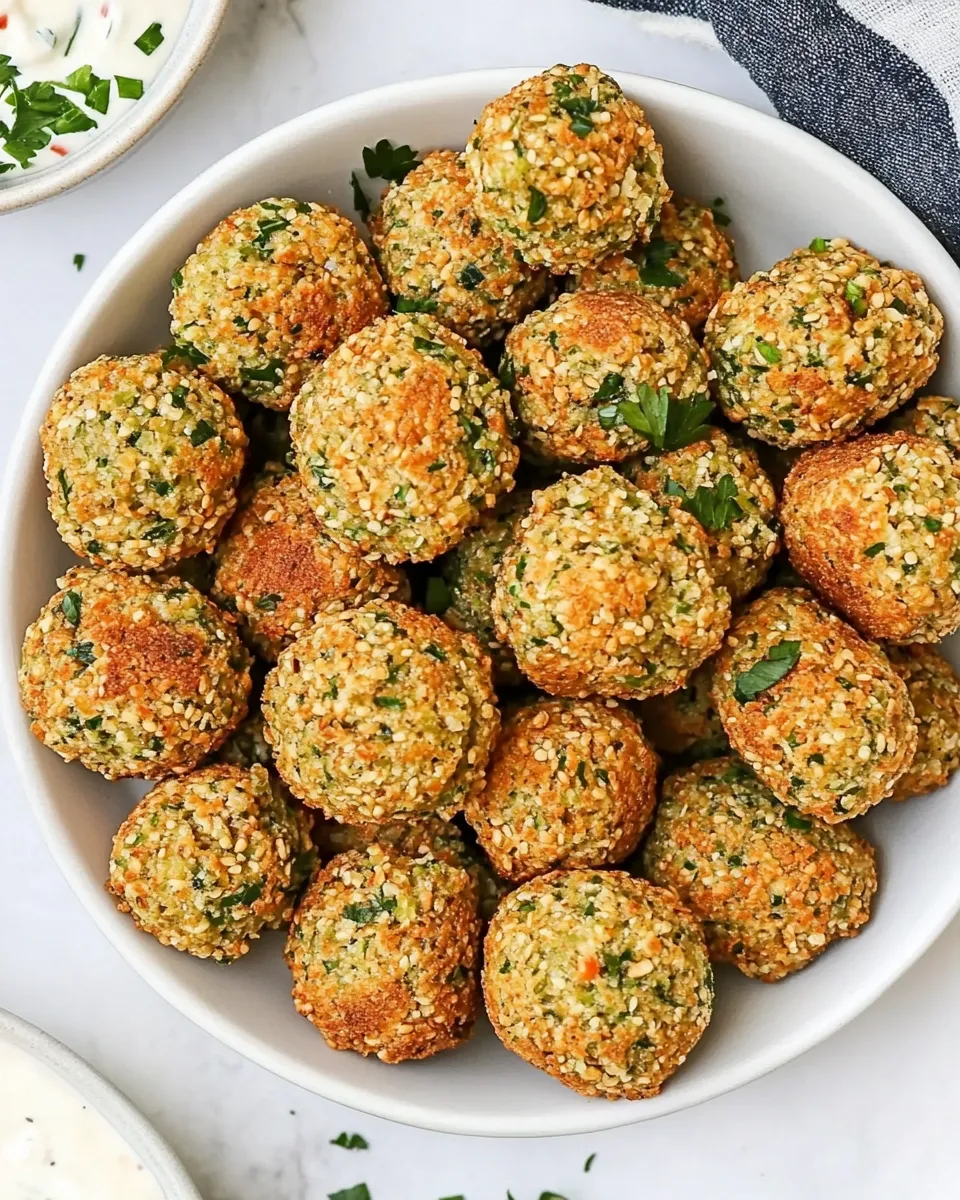
Buy good-quality dried chickpeas and fresh parsley if possible—those two ingredients control the texture and flavor more than almost anything else. The rest are pantry staples. For frying, pick a neutral oil with a high smoke point (see gear checklist for options).
Ingredients
- 2 cups chickpeas — dried, not canned; these must be soaked overnight so they hold their shape and crisp properly.
- 1 cup parsley — see note; fresh parsley brightens the mixture and adds color.
- 1 small yellow onion — provides sweetness and moisture; chop roughly for the processor.
- 3 garlic cloves — sharp aromatics; they meld into the base when processed.
- 2 teaspoons coriander — warm, slightly citrusy spice that pairs with cumin.
- 1 tablespoon ground cumin — essential falafel flavor; use fresh ground for best aroma.
- 2 teaspoons dried dill — adds a subtle herb note; evenly distributed in the mix.
- ½ teaspoon salt — seasons the base; adjust to taste but include as stated for structure.
- ¼ teaspoon black pepper — a little heat and depth.
- 1 teaspoon baking powder — added later to lighten the interior and create lift.
- oil for frying — a neutral, high-smoke-point oil like vegetable, canola, or sunflower.
- ½ cup tahini — for the tahini sauce; provides richness and sesame flavor.
- 3 tablespoons lemon juice — brightens the tahini sauce and balances richness.
- 5 tablespoons water — thins the tahini to sauce consistency; add more if needed.
- 1 teaspoon minced garlic — in the sauce for an extra garlic kick.
- ½ teaspoon salt — seasons the tahini sauce; taste and adjust as you process it.
Stepwise Method: Falafel
- Rinse 2 cups dried chickpeas and place them in a large bowl. Add enough cold water to cover the chickpeas by about 3 inches (they will expand). Let soak overnight (~12 hours).
- Drain and rinse the soaked chickpeas thoroughly.
- In a food processor, add the drained chickpeas, 1 cup parsley, 1 small yellow onion (roughly chopped), 3 garlic cloves, 2 teaspoons coriander, 1 tablespoon ground cumin, 2 teaspoons dried dill, ½ teaspoon salt, and ¼ teaspoon black pepper. Do not add the baking powder yet.
- Pulse/process the mixture until it holds together but is not a smooth paste—stop when the mixture is coarse and can be formed when pinched. Do not overprocess.
- Transfer the mixture to a bowl, cover with plastic wrap, and chill in the refrigerator for 30 minutes.
- After chilling, add 1 teaspoon baking powder to the falafel mixture and stir until evenly combined.
- Pour oil into a deep saucepan so it comes up about 3 inches on the sides and heat the oil to 375°F.
- Shape the falafel mixture into balls using about 2 tablespoons of mixture per ball.
- Fry the falafel in batches (do not overcrowd the pan) at 375°F, turning as needed, until golden brown and crispy. Remove with a slotted spoon and place on a paper-towel-lined plate to drain. Repeat with the remaining mixture.
- To make the tahini sauce, combine ½ cup tahini, 3 tablespoons lemon juice, 5 tablespoons water, 1 teaspoon minced garlic, and ½ teaspoon salt in a food processor. Process for about 15 seconds; add a little more water if needed to reach a thick sauce consistency.
- Serve the fried falafel with the tahini sauce.
Why This Recipe Works
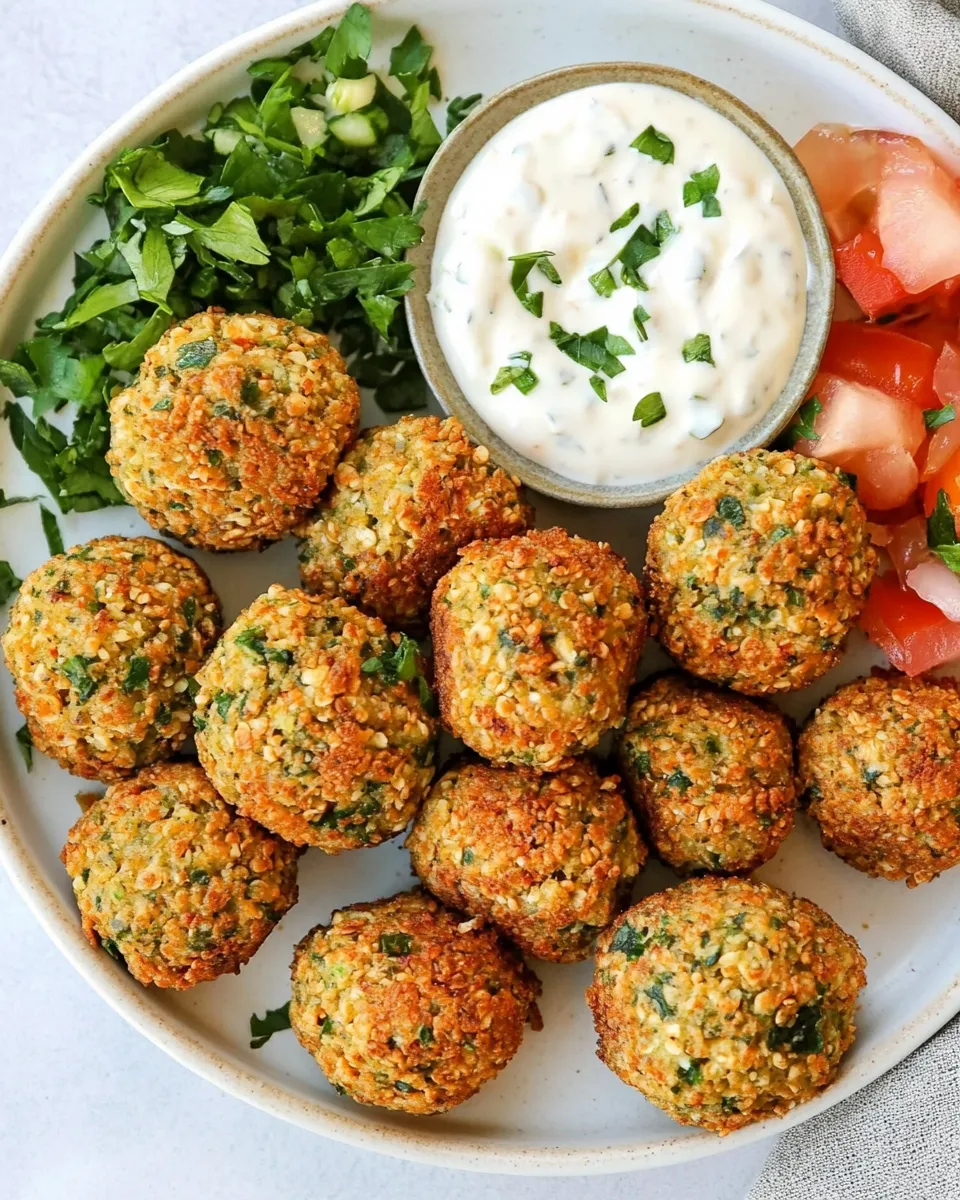
This falafel relies on a few key principles. First, using dried soaked chickpeas—not canned—preserves structure. Canned chickpeas are already hydrated and yield a mushy paste when processed. Second, pulsing rather than pureeing keeps a coarse crumb that crisps on the outside while remaining tender inside. Third, chilling the mixture firms it up so the balls hold their shape during frying.
The addition of baking powder at the end is intentional: it’s a leavening lift that reacts in hot oil and gives the interior a lighter texture. The tahini sauce is simple but crucial—a balance of lemon and salt cuts through the fried richness and ties the herb-forward falafel together.
Healthier Substitutions
- Bake instead of fry — form patties, brush with a little oil, and bake at 400°F until crisp, flipping once; texture will be slightly different but lower in fat.
- Oil choice — use avocado oil for a higher smoke point and better fatty profile than some vegetable oils.
- Reduce salt in the base — keep the amount listed while testing, then lower the ½ teaspoon salt in the mixture by half if you’re sodium-conscious, adjusting the sauce salt to taste.
- Tahini sauce lightening — thin tahini with more lemon and water and swap some tahini for plain yogurt if dairy is acceptable to you.
Kitchen Gear Checklist
- Large mixing bowl — for the chickpea soak and for chilling the mixture.
- Food processor — essential for pulsing the chickpeas and making the tahini sauce.
- Deep saucepan or heavy-bottomed pot — for frying; choose one that can safely hold 3 inches of oil.
- Candy/deep-fry thermometer — to keep oil at 375°F for even frying and crisp texture.
- Slotted spoon — for removing falafel from hot oil and draining.
- Paper towels or cooling rack — to drain excess oil after frying.
- Spoons or a small ice-cream scoop — handy for portioning about 2 tablespoons per ball.
Mistakes Even Pros Make
Overprocessing the chickpeas: it’s tempting to make a silky paste, but that yields dense, gluey falafel. Stop when the mixture clumps when pinched.
Using canned chickpeas: it shortens prep time but ruins texture. The water content in canned beans makes it harder to form a coarse crumb that crisps.
Skipping the chill: shaping immediately after processing can lead to loose balls that fall apart in the oil. Thirty minutes in the fridge makes a big difference.
Frying at the wrong temperature: too hot and the exterior will burn before the inside cooks, too cool and the falafel will soak up oil and be greasy. Keep it at 375°F and fry in small batches.
Health-Conscious Tweaks
If you want to keep the spirit of the recipe but reduce oil or increase whole-food elements, these tweaks work well:
- Air-fryer option — press the mixture into patties and air-fry at 375°F, turning halfway; results are lighter, though not identically textured to deep-frying.
- Partial baking then broiling — start in the oven to set the interior, then finish under a hot broiler for crispness.
- Fresh herbs — swap some parsley for cilantro for a different herb profile and a boost of micronutrients.
Notes from the Test Kitchen
Soak timing
We tested 8–14 hour soaks. The chickpeas should at minimum be comfortably expanded and pliable. Overnight (~12 hours) is reliable and convenient.
Texture checks
When you pinch a bit of processed mixture, it should hold together but still show small flecks of chickpea and herb. If the mix feels wet, pulse a few more times; if it’s turning past coarse toward paste, stop immediately.
Seasoning
Taste the mixture raw? You can’t eat it raw safely, but pinch-and-fry a tiny test piece to check seasoning and frying time before shaping everything—this saves a ruined batch.
Make-Ahead & Storage
Make the base mixture and refrigerate for up to 24 hours after Step 5 (before adding baking powder). Add the baking powder only when you’re ready to fry. Shaped, unfried falafel balls can be frozen on a tray, then transferred to a bag for up to 2 months—fry from frozen, adding a minute or two to the frying time and turning carefully.
Leftover cooked falafel store in the fridge up to 3 days. Reheat in a 375°F oven or toaster oven to regain crispness rather than microwaving, which makes them soft.
Tahini sauce keeps in a sealed container in the fridge for about 4–5 days. If it thickens, stir in a little water or lemon to loosen before serving.
Helpful Q&A
Q: Can I use canned chickpeas?
A: The recipe calls for dried, soaked chickpeas. Canned chickpeas are too soft and will make an overly wet paste that won’t hold texture well.
Q: My falafel falls apart in the oil—why?
A: Common causes are under-processing (not cohesive), not chilling before shaping, or frying at oil that’s too cool. Ensure you chill for 30 minutes and fry at 375°F.
Q: How do I make these gluten-free?
A: The base recipe is naturally gluten-free—no flour needed. Check any condiments or store-bought tahini for cross-contamination if you’re strictly avoiding gluten.
Q: Can I swap parsley for something else?
A: You can use cilantro if you prefer its flavor profile, or a mix of parsley and cilantro. Keep the total herb volume similar to maintain moisture and color.
Hungry for More?
If you loved this falafel, try pairing it with warm pita, pickled vegetables, and a simple cucumber-tomato salad. Leftover hummus and roasted eggplant are great companions. On the blog I also share variations—baked falafel methods, green herb-only versions, and wraps assembled for quick lunches. Happy cooking, and enjoy those crunchy bites!

Falafel Recipe
Ingredients
Ingredients
- 2 cupschickpeasdried not canned
- 1 cupparsleysee note
- 1 small yellow onion
- 3 garlic cloves
- 2 teaspoonscoriander
- 1 tablespoonground cumin
- 2 teaspoonsdried dill
- 1/2 teaspoonsalt
- 1/4 teaspoonblack pepper
- 1 teaspoonbaking powder
- oilfor frying
- 1/2 cuptahini
- 3 tablespoonslemon juice
- 5 tablespoonswater
- 1 teaspoonminced garlic
- 1/2 teaspoonsalt
Instructions
Instructions
- Rinse 2 cups dried chickpeas and place them in a large bowl. Add enough cold water to cover the chickpeas by about 3 inches (they will expand). Let soak overnight (~12 hours).
- Drain and rinse the soaked chickpeas thoroughly.
- In a food processor, add the drained chickpeas, 1 cup parsley, 1 small yellow onion (roughly chopped), 3 garlic cloves, 2 teaspoons coriander, 1 tablespoon ground cumin, 2 teaspoons dried dill, ½ teaspoon salt, and ¼ teaspoon black pepper. Do not add the baking powder yet.
- Pulse/process the mixture until it holds together but is not a smooth paste—stop when the mixture is coarse and can be formed when pinched. Do not overprocess.
- Transfer the mixture to a bowl, cover with plastic wrap, and chill in the refrigerator for 30 minutes.
- After chilling, add 1 teaspoon baking powder to the falafel mixture and stir until evenly combined.
- Pour oil into a deep saucepan so it comes up about 3 inches on the sides and heat the oil to 375°F.
- Shape the falafel mixture into balls using about 2 tablespoons of mixture per ball.
- Fry the falafel in batches (do not overcrowd the pan) at 375°F, turning as needed, until golden brown and crispy. Remove with a slotted spoon and place on a paper-towel-lined plate to drain. Repeat with the remaining mixture.
- To make the tahini sauce, combine ½ cup tahini, 3 tablespoons lemon juice, 5 tablespoons water, 1 teaspoon minced garlic, and ½ teaspoon salt in a food processor. Process for about 15 seconds; add a little more water if needed to reach a thick sauce consistency.
- Serve the fried falafel with the tahini sauce.
Equipment
- Large Bowl
- Food Processor
- deep saucepan
- Slotted spoon
- Paper Towels
Notes
This recipe makes about 20 falafel balls.
Please note, that the nutrition value can vary depending on what product you use. The information below is an estimate. Always use calorie counter you are familiar with.