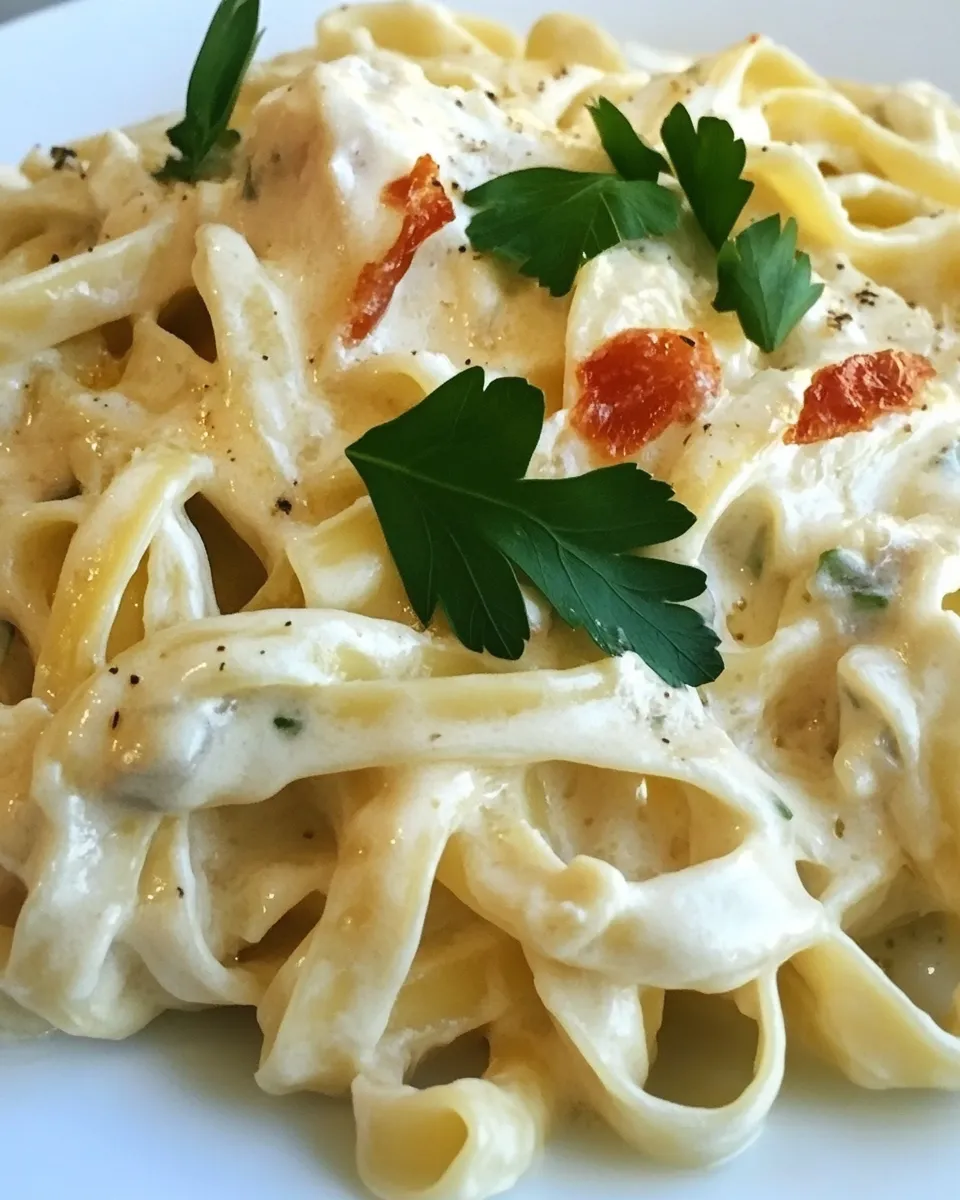
There’s something quietly showy about homemade pasta and a simple, silky Alfredo sauce. Fresh fettuccine cooks in minutes and the cream wraps the strands in a way dried pasta can’t match. This version keeps things straightforward: flour, eggs, a touch of butter, cream and Parmesan. You’ll taste the difference the first forkful.
I test and retest recipes in my small kitchen and have learned that timing and texture matter more than fancy ingredients. The dough needs a little patience while you knead and roll, but once you have smooth sheets the rest is fast — and satisfying. This post walks you through each step, equipment to have ready, and realistic troubleshooting notes so you can pull this dinner together confidently.
If you’re new to homemade pasta, don’t be intimidated. I’ll explain the why behind each step and offer swaps and storage tips so nothing goes to waste. By the end you’ll have nests of fresh fettuccine, a gentle Alfredo sauce, and a dinner that feels special without being stressful.
Ingredient Checklist
- 1 cup (125 g) all-purpose flour — the base for the pasta dough; gives structure and bite.
- 2 large eggs — provide moisture, fat and elasticity to bind the dough.
- ½ cup (119 ml) heavy cream — the backbone of the Alfredo sauce; creates richness and body.
- 1 tablespoon butter — adds gloss and flavor to the sauce.
- ½ cup (50 g) grated Parmesan cheese — melts into the cream for savory, nutty depth.
- Freshly ground black pepper and salt, to taste — season both the pasta water and the finished sauce for balance.
Fettuccine Alfredo with Fresh Pasta: How It’s Done
- Put the 1 cup (125 g) all-purpose flour on a clean work surface and make a well in the center. Crack the 2 large eggs into the well.
- Using a fork, beat the eggs in the well and gradually draw in a little flour from the sides until the eggs start to thicken. Continue incorporating more flour a bit at a time until a shaggy dough forms.
- Bring the dough together with your hands. If it is sticky, dust it lightly with more flour. Knead the dough by pushing it away with the heel of your hand, folding it back over itself, giving it a quarter turn, and repeating for about 8 minutes, or until the dough is smooth and elastic.
- Shape the dough into a ball, divide it in half, and cover both pieces with a kitchen towel (or plastic wrap) to keep them from drying while you work.
- Lightly flour your work surface, rolling pin, and pasta machine (if using). Flatten one half of the dough with a rolling pin into a rectangle thin enough to feed through the widest setting of your pasta machine.
- Feed the dough through the widest roller setting. Lightly flour the sheet, fold it into thirds lengthwise, flatten it with the rolling pin, and pass it through the widest setting again. Repeat this flour–fold–flatten process about 10 times total (or until the sheet is smooth and supple).
- Thin the sheet by moving the machine to the next narrow setting and passing the sheet through. Continue one setting at a time until the sheet reaches the thickness you want for fettuccine (for many machines this is the second-thinnest setting). If the sheet becomes too long, cut it in half and continue with one piece at a time.
- Dust a parchment-lined baking sheet lightly with flour. Lay the finished pasta sheets on the sheet, separating layers with parchment and light flour dusting. Cover with a kitchen towel to prevent drying. Repeat steps 5–7 with the second half of the dough.
- Wrap the tray of pasta lightly with plastic wrap (or cover with a towel) and let it rest for at least 10 minutes before cutting so the sheets are easier to handle.
- When ready to cut, dust the pasta sheets and cutter with flour. Feed each sheet through a fettuccine cutting attachment or use a sharp knife to cut into fettuccine-width strands. Dust the strands lightly with flour, gather them lengthwise, and form small nested mounds. Transfer the nests to the prepared baking sheet.
- If you are not cooking the pasta immediately, cover it tightly with plastic wrap and refrigerate up to 3 days or freeze up to 1 month.
- To cook the pasta, bring a large pot of salted water to a rolling boil. Add the fresh fettuccine and cook for 1 1/2–2 minutes, or until al dente. Drain the pasta.
- While the pasta cooks or immediately after draining, make the Alfredo sauce: in a small saucepan over low heat, simmer the 1/2 cup (119 ml) heavy cream and 1 tablespoon butter for about 5 minutes, stirring occasionally, until the cream slightly thickens.
- Remove the pan from the heat and stir in the 1/2 cup (50 g) grated Parmesan cheese until mostly melted and the sauce is smooth. Season with freshly ground black pepper and salt to taste.
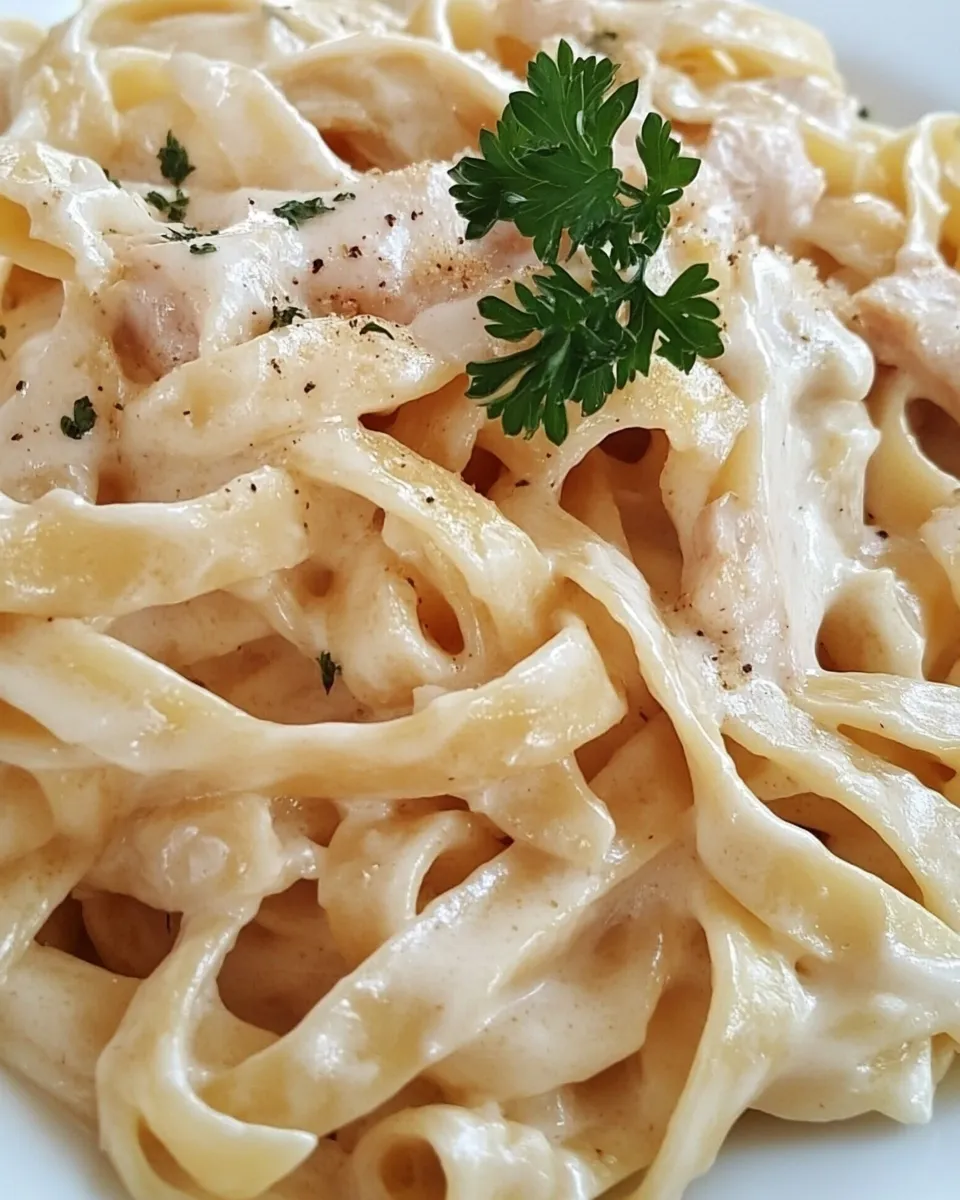
- Toss the drained pasta with the Alfredo sauce until evenly coated, then serve immediately.
Why You’ll Keep Making It
This recipe checks the boxes: it’s faster than you think, it rewards the small investment of hands-on time, and the flavor is honest. Fresh pasta has a tender chew and bright wheat flavor that turns an everyday cream sauce into something memorable. The sauce itself is simple — no heavy techniques, just low heat and good cheese — which means it’s approachable on weeknights and impressive for guests.
Another reason: once you’ve made the dough and rolled sheets, you can vary the finish. Fold in peas and lemon zest for brightness, top with crispy pancetta for texture, or finish with extra black pepper and shaved Parmesan. The base technique scales well, and you can keep the dough in the fridge or freezer, so you’ll always have a shortcut ready.
Dairy-Free/Gluten-Free Swaps
If you need to avoid dairy or gluten, there are practical workarounds, but they change the result. For gluten-free, use a high-quality store-bought gluten-free pasta made for boiling — fresh GF dough is possible, but it behaves differently and often needs binders. For dairy-free Alfredo, choose a shelf-stable or refrigerated plant-based cream and a plant-based butter. A sprinkle of nutritional yeast can mimic the savory hit of Parmesan if you don’t have a vegan Parmesan alternative.
Notes: swaps will change texture and flavor. A lighter dairy-free sauce won’t have the same silkiness as heavy cream with Parmesan, and gluten-free pasta tends to be softer and less elastic than fresh wheat pasta. Experiment in small batches until you find a combination you like.
Setup & Equipment
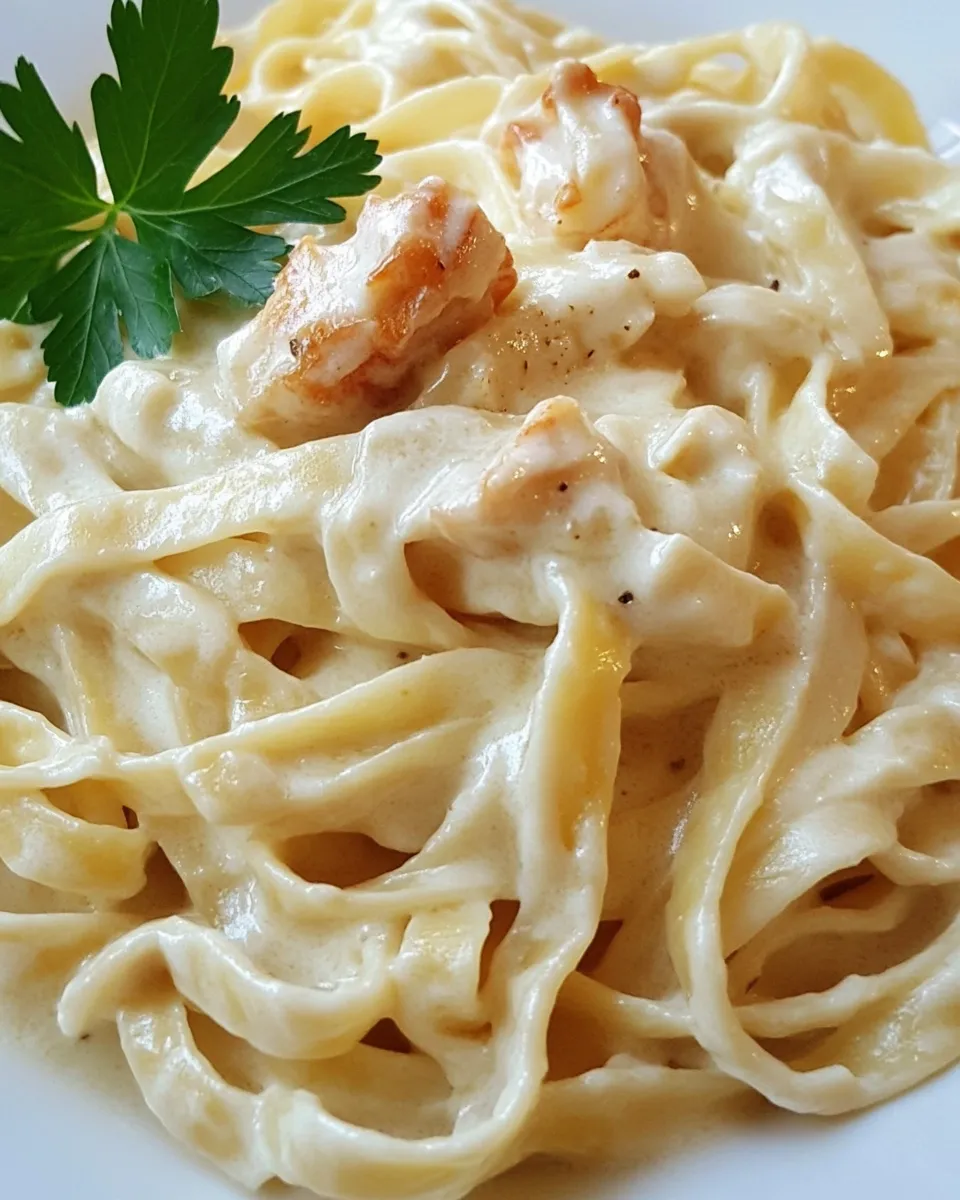
Having the right tools makes this a smooth process. You don’t need professional gear, but a few items earn their place on the counter.
- Clean work surface — for mixing and kneading the dough.
- Rolling pin — to flatten dough before using a pasta machine or if you’re rolling by hand.
- Pasta machine (optional) — speeds up thinning and gives consistent sheets.
- Baking sheet lined with parchment — to rest sheets and hold nests without sticking.
- Kitchen towel or plastic wrap — to keep dough from drying while you work.
- Large pot and colander — for boiling and draining the pasta.
- Small saucepan — to gently simmer cream and butter for the sauce.
- Grater — fresh-grated Parmesan melts best and gives the creamiest sauce.
What Not to Do
Don’t rush the kneading or skip resting. Under-kneaded dough won’t develop enough gluten and will tear when rolling; skipping rest makes the sheets spring back and become difficult to thin. Also, don’t let your cream boil hard — keep it low and steady to avoid separating or scorching.
Avoid over-salting the sauce before you’ve tasted it with the pasta. Parmesan adds saltiness, and the pasta water should be properly seasoned instead. Finally, don’t overload the sauce with extras while you’re still learning the balance — get the technique right first, then build variations.
How to Make It Lighter
If you want the flavor without the same richness, try one or two small adjustments: use slightly less cream and add a splash of the pasta cooking water to thin and stretch the sauce; it keeps the sauce glossy without more fat. Another approach is to toss in blanched vegetables like broccolini or peas — they add bulk and freshness so you can serve smaller portions of the Alfredo itself.
For portion control, serve the pasta alongside a bright salad or roasted vegetables so the meal feels balanced. Finally, swap half the heavy cream for whole milk in the sauce if you prefer, but be aware the texture will be looser and slightly less velvety.
Notes on Ingredients
All-purpose flour: provides enough gluten for a supple dough with a tender bite. If you prefer a chewier pasta, a mix of all-purpose and “00” flour works well, but this recipe uses just all-purpose for simplicity.
Eggs: room temperature eggs incorporate more easily into the flour and give the dough elasticity. Two eggs for one cup of flour yields a rich but workable dough.
Heavy cream, butter and Parmesan: the trio forms a simple emulsion where the warm cream softens the cheese and the butter adds sheen. Stirred off the heat the sauce finishes smoothly; avoid high heat once the cheese is introduced.
Salt and pepper: salt the pasta water generously; the pasta should taste like the sea. Freshly ground black pepper gives a bright, sharp counterpoint to the creamy sauce.
Shelf Life & Storage
Fresh pasta nests: if you’re not cooking them right away, cover the nests tightly and refrigerate up to 3 days or freeze up to 1 month. To freeze, place the nests on a tray until firm, then transfer them to a sealed container or freezer bag; cook from frozen adding a bit more time to the boiling step.
Alfredo sauce: because it’s cream-based, store leftovers in an airtight container in the refrigerator and use within 2–3 days. Reheat gently over low heat, adding a splash of milk or water to loosen if it has tightened. Avoid high heat to prevent separation.
Helpful Q&A
- Can I make the dough ahead? — Yes. Wrapped tightly it will keep in the fridge up to 3 days. Let it come closer to room temperature before rolling so it relaxes.
- Why did my dough crack when rolling? — It needs more moisture or more kneading. If it’s very dry, sprinkle a few drops of water and knead until smooth; if it’s sticky, dust lightly with flour.
- How do I know the pasta is done? — Fresh fettuccine cooks fast: 1 1/2–2 minutes is typical. Taste a strand; it should be tender with a slight bite (al dente).
- My sauce is grainy after adding Parmesan — what happened? — The cheese likely overheated or was added to a very hot pan. Remove from heat and stir in off the heat so it melts gently. Freshly grated Parmesan blends better than pre-grated varieties.
Bring It to the Table
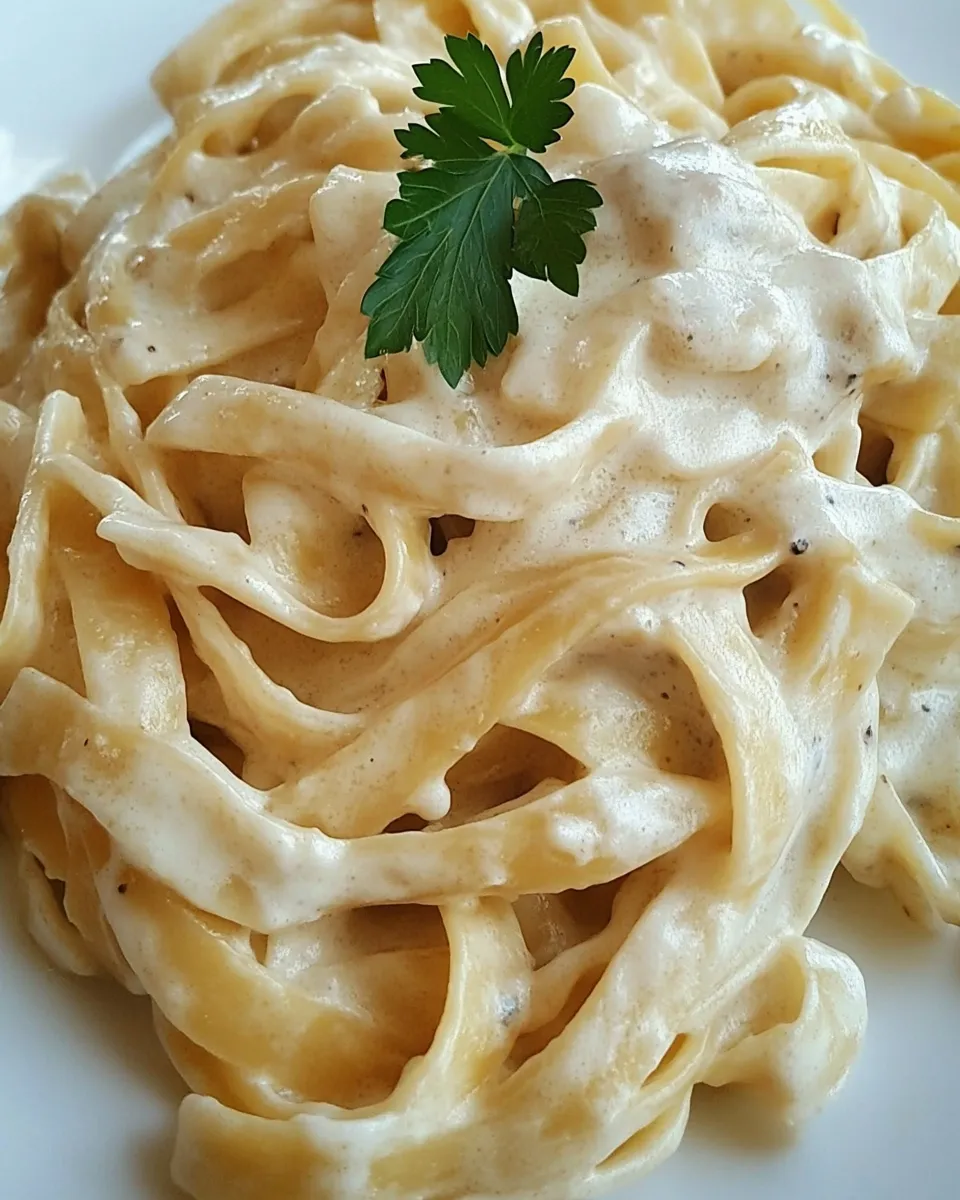
Serve the fettuccine immediately, plated in small nests and spooned with extra sauce. Finish with a grind of black pepper and a light dusting of additional Parmesan if you like. A crisp green salad and a glass of white wine round out the meal without competing with the rich flavors.
Leftovers reheat well if warmed gently. If you’ve frozen extra nests, boil from frozen and toss with the sauce just before serving. This dish is comfort food that also feels a little elevated — simple technique, big payoff. Make it once and you’ll see why it becomes a go-to for both weeknight dinners and small celebrations.

Fettuccine Alfredo with Fresh Pasta
Ingredients
Ingredients
- 1 cup 125 gall-purpose flour
- 2 large eggs
- 1/2 cup 119 mlheavy cream
- 1 tablespoonbutter
- 1/2 cup 50 ggrated Parmesan cheese
- Freshly ground black pepper and salt to taste
Instructions
Instructions
- Put the 1 cup (125 g) all-purpose flour on a clean work surface and make a well in the center. Crack the 2 large eggs into the well.
- Using a fork, beat the eggs in the well and gradually draw in a little flour from the sides until the eggs start to thicken. Continue incorporating more flour a bit at a time until a shaggy dough forms.
- Bring the dough together with your hands. If it is sticky, dust it lightly with more flour. Knead the dough by pushing it away with the heel of your hand, folding it back over itself, giving it a quarter turn, and repeating for about 8 minutes, or until the dough is smooth and elastic.
- Shape the dough into a ball, divide it in half, and cover both pieces with a kitchen towel (or plastic wrap) to keep them from drying while you work.
- Lightly flour your work surface, rolling pin, and pasta machine (if using). Flatten one half of the dough with a rolling pin into a rectangle thin enough to feed through the widest setting of your pasta machine.
- Feed the dough through the widest roller setting. Lightly flour the sheet, fold it into thirds lengthwise, flatten it with the rolling pin, and pass it through the widest setting again. Repeat this flour–fold–flatten process about 10 times total (or until the sheet is smooth and supple).
- Thin the sheet by moving the machine to the next narrow setting and passing the sheet through. Continue one setting at a time until the sheet reaches the thickness you want for fettuccine (for many machines this is the second-thinnest setting). If the sheet becomes too long, cut it in half and continue with one piece at a time.
- Dust a parchment-lined baking sheet lightly with flour. Lay the finished pasta sheets on the sheet, separating layers with parchment and light flour dusting. Cover with a kitchen towel to prevent drying. Repeat steps 5–7 with the second half of the dough.
- Wrap the tray of pasta lightly with plastic wrap (or cover with a towel) and let it rest for at least 10 minutes before cutting so the sheets are easier to handle.
- When ready to cut, dust the pasta sheets and cutter with flour. Feed each sheet through a fettuccine cutting attachment or use a sharp knife to cut into fettuccine-width strands. Dust the strands lightly with flour, gather them lengthwise, and form small nested mounds. Transfer the nests to the prepared baking sheet.
- If you are not cooking the pasta immediately, cover it tightly with plastic wrap and refrigerate up to 3 days or freeze up to 1 month.
- To cook the pasta, bring a large pot of salted water to a rolling boil. Add the fresh fettuccine and cook for 1 1/2–2 minutes, or until al dente. Drain the pasta.
- While the pasta cooks or immediately after draining, make the Alfredo sauce: in a small saucepan over low heat, simmer the 1/2 cup (119 ml) heavy cream and 1 tablespoon butter for about 5 minutes, stirring occasionally, until the cream slightly thickens.
- Remove the pan from the heat and stir in the 1/2 cup (50 g) grated Parmesan cheese until mostly melted and the sauce is smooth. Season with freshly ground black pepper and salt to taste.
- Toss the drained pasta with the Alfredo sauce until evenly coated, then serve immediately.
Equipment
- Mixing Bowl
- Rolling Pin
- pasta machine
- Parchment-lined Baking Sheet
- Kitchen Towel
- Large Pot
- Saucepan