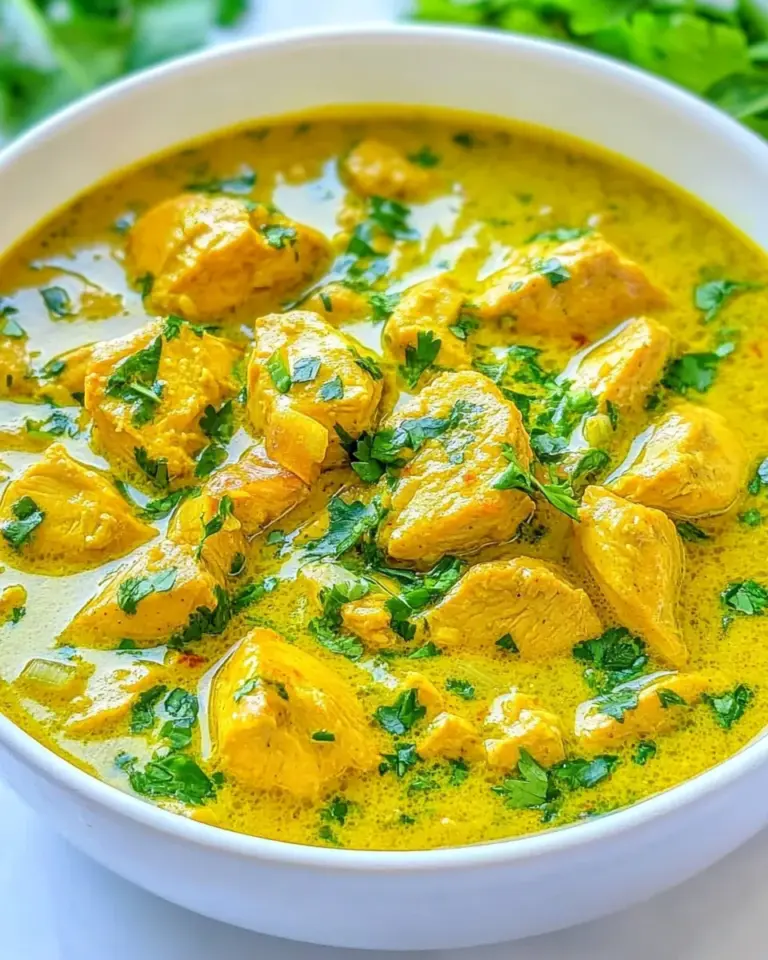
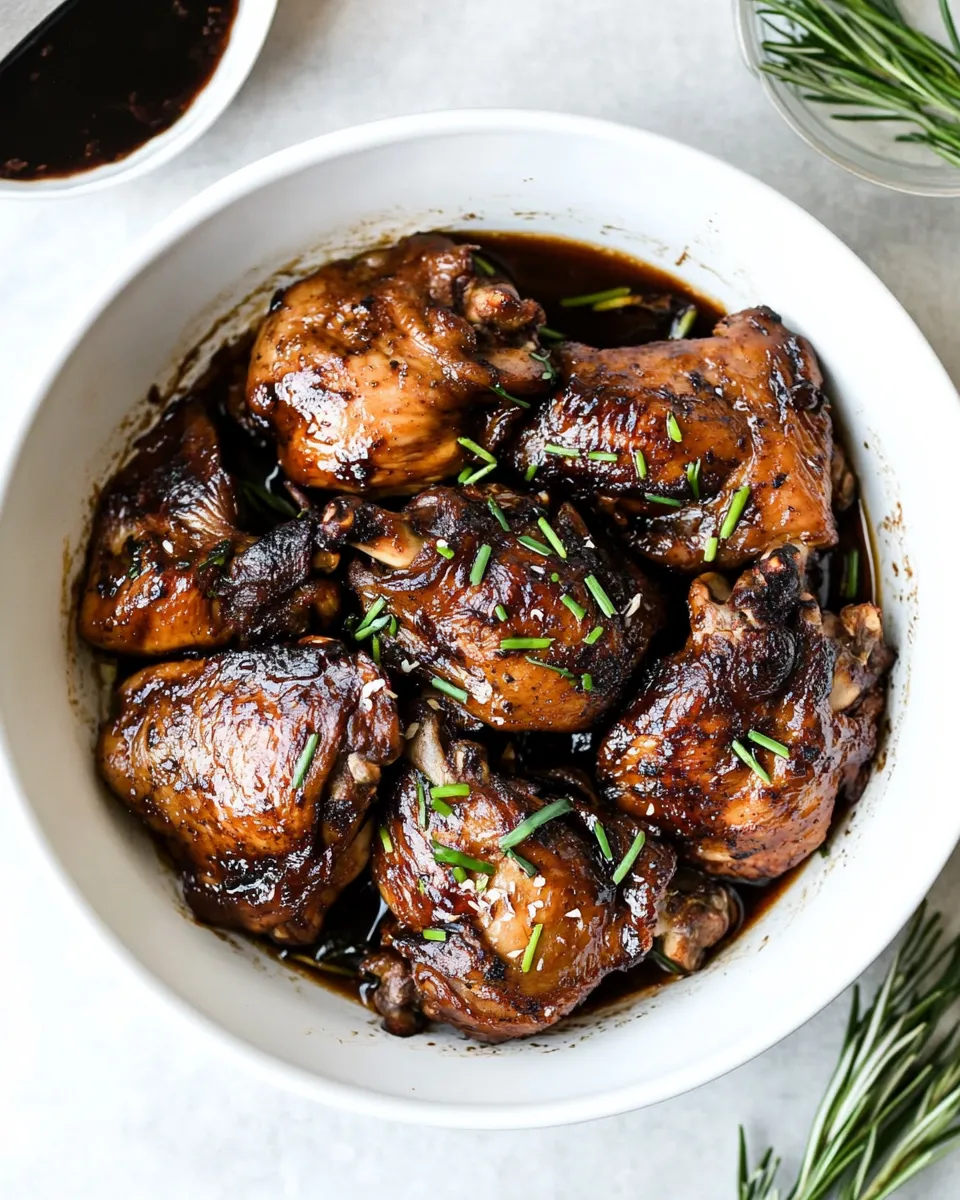
Chicken Adobo is one of those Filipino dishes that feels like home. It’s briny, tangy, slightly sweet and very forgiving. This version leans on coconut vinegar and dark soy sauce for that classic backbone, with palm sugar rounding the edges. The method is straightforward: a long, patient marinate, a careful browning, then a slow braise in the reserved marinade.
I test this exact process whenever I want the chicken to pick up deep color and a glossy, flavorful sauce. The split-marinate approach—reserving half the liquid for braising—keeps the dish clean and concentrated while still delivering that quintessential adobo tang. If you like bold flavors that come together with a bit of planning, this one is a keeper.
The Essentials
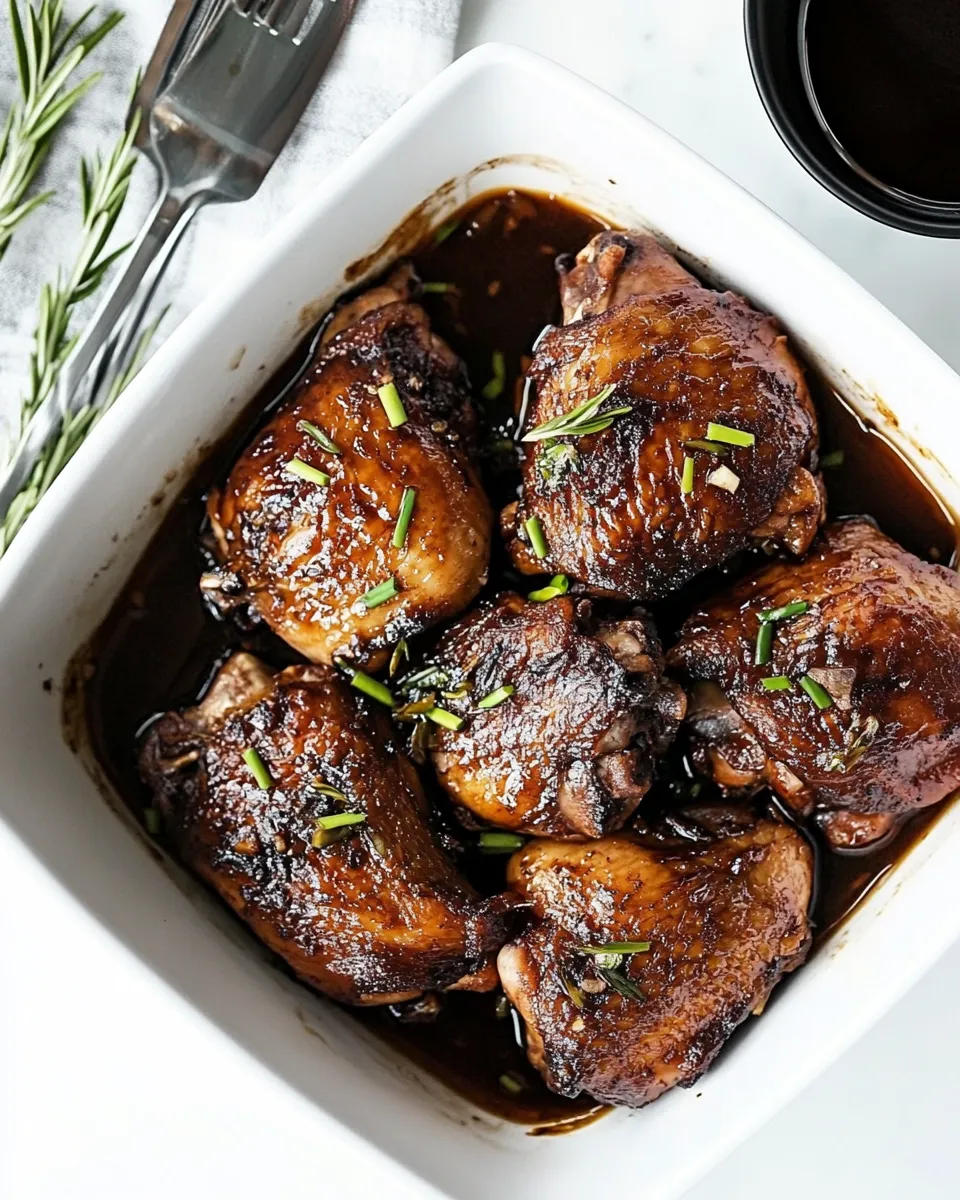
Adobong Manok (Chicken Adobo) is built on a few bold components: soy, vinegar, garlic and bay leaf. Each does a job—saltiness, acidity, aromatic lift—and the interplay is what gives adobo its signature balance. This recipe uses dark soy sauce and coconut vinegar for depth, with palm sugar to soften the acidity.
Time-wise: plan at least 12 hours for the marinade, which is non-negotiable here for flavor penetration. Active cooking time is compact: browning and braising take roughly 40–50 minutes. The payoff is rich, sticky-sauced chicken that tastes like it slow-cooked for hours.
Ingredients
- 1 peeled julienne yellow onion — provides sweetness and a light texture; julienne slices thinly and cook down into the sauce.
- 16 smashed garlic cloves — the garlic is a main flavor driver; smash to release juices and mellow in the braise.
- 1 ½ cups dark soy sauce — gives color and deep savory saltiness; dark soy is richer than regular.
- 1 cup coconut vinegar — the primary acid; sharp and slightly fruity compared with cane vinegar.
- 4 bay leaves — aromatic backbone; remove before serving if you prefer.
- 1 tablespoon peppercorns — whole peppercorns add gentle heat and fragrance as they simmer.
- ¼ cup palm sugar — balances the vinegar; dissolves into a glossy finish.
- 2 cups water — dilutes and creates the braising liquid so the sauce reduces properly.
- 1 whole broken-down chicken into parts — bone-in pieces are best for flavor and texture in the braise.
- 3 tablespoons peanut oil — used to brown the chicken; neutral and high smoke point.
Cooking (Chicken Adobo): The Process
- In a large bowl, whisk together 1 peeled julienne yellow onion, 16 smashed garlic cloves, 1 ½ cups dark soy sauce, 1 cup coconut vinegar, 4 bay leaves, 1 tablespoon peppercorns, ¼ cup palm sugar, and 2 cups water until the palm sugar is dissolved and the mixture is combined.
- Divide the mixture evenly into two bowls or containers. Cover and refrigerate both. One portion will be the marinade for the chicken; the other will be reserved for braising.
- Add the 1 whole broken-down chicken into parts to one of the refrigerated bowls (or put both chicken and marinade into a sealable plastic bag). Turn the chicken in the marinade so all pieces are coated. Refrigerate and marinate for at least 12 hours and up to 24 hours.
- When ready to cook, remove the marinated chicken from the refrigerator. Heat 3 tablespoons peanut oil in a large frying pan or rondeau pot over medium heat for about 2 minutes.
- Use tongs to lift each chicken piece from the marinade, letting excess drip back into the bowl, and place the chicken skin side down in the hot oil. Brown without moving for 10–12 minutes, until the skin is well browned. Do not add the reserved marinade to the pan at this stage.
- Flip the chicken pieces and cook 2 more minutes on the other side to color.
- Discard the marinade that the chicken was marinating in (do not add it back to the pan). Pour the reserved marinade (the second portion you set aside in step 2) into the pan with the browned chicken.
- Reduce the heat to low, cover the pan, and simmer for 20–30 minutes, until the chicken is cooked through and the sauce has reduced slightly. Uncover in the last few minutes if you want the sauce to thicken more.
- Remove the chicken from the pan and serve with some of the braising liquid spooned over the pieces.
Top Reasons to Make Chicken Adobo
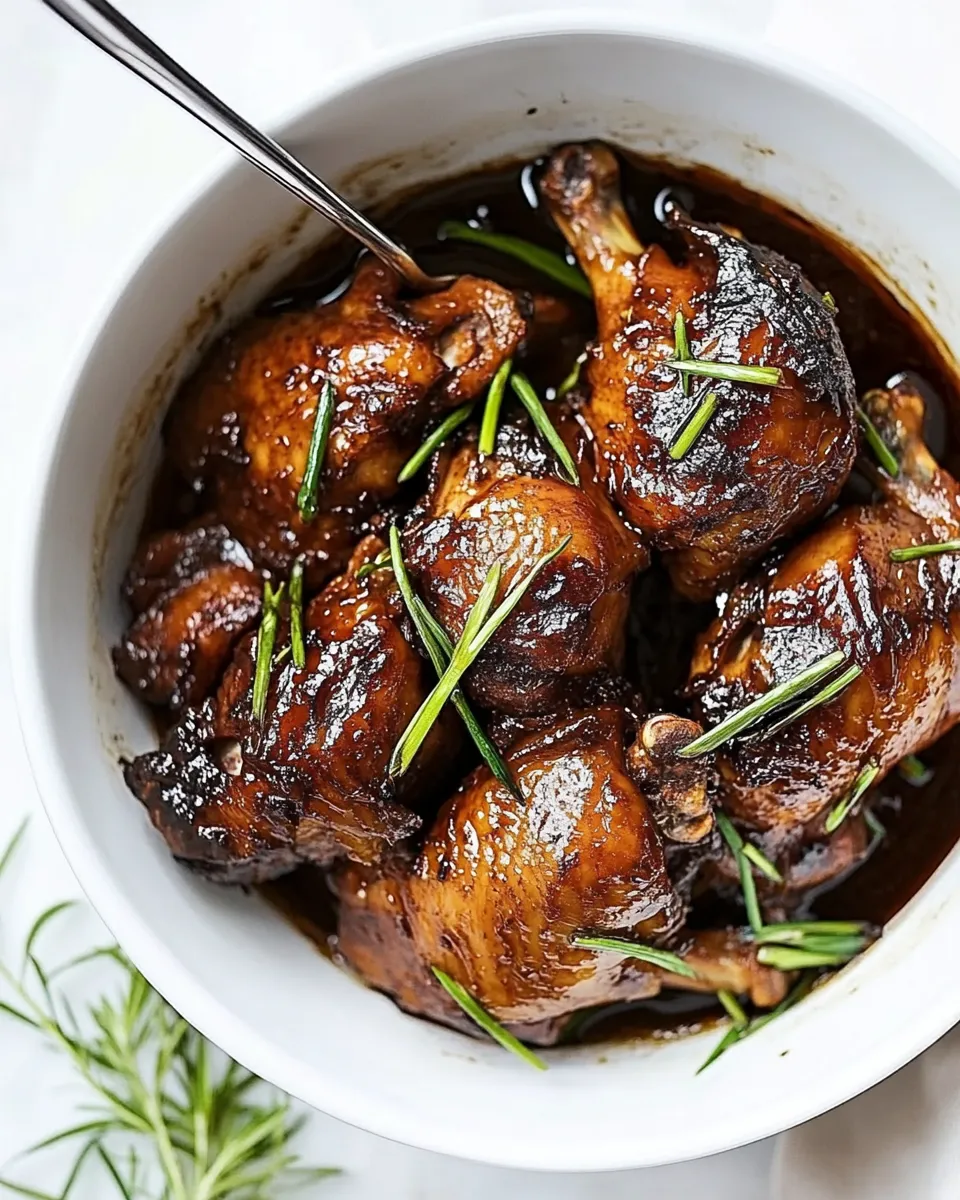
It’s reliable. The flavor profile is simple but layered, so even a novice cook can produce a meal that tastes complex. It stretches well—one whole chicken feeds multiple people—and suits rice beautifully. The long marinate gives you flexible timing: marinate overnight and cook the next day.
It’s also a one-pot win. After browning, everything finishes in the same pan, which means fewer dishes and a sauce that captures all the fond and aromatics. Finally, it stores and reheats beautifully; the flavors continue to meld over time.
Healthier Substitutions
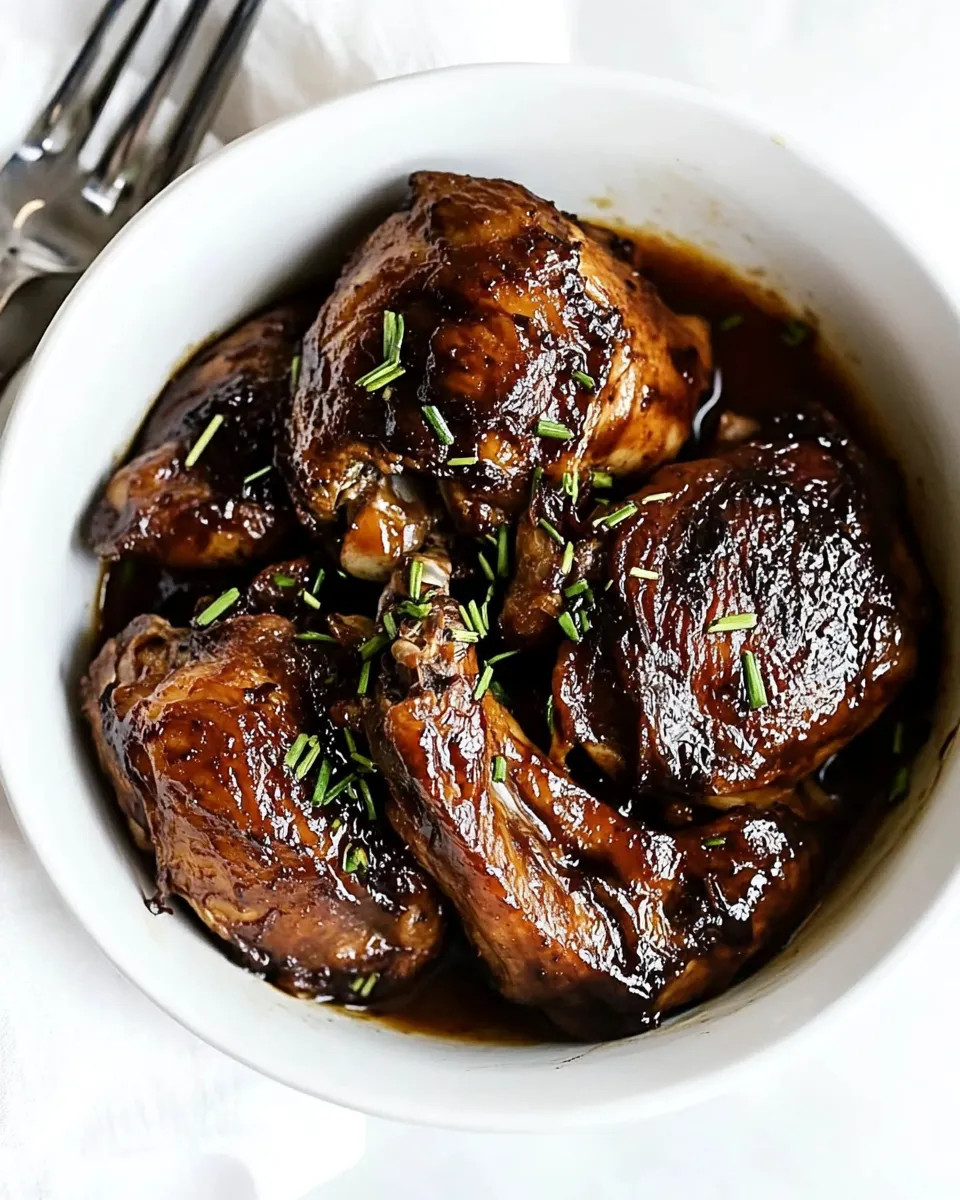
- Reduce sodium: Use low-sodium dark soy sauce in place of regular dark soy to cut salt while maintaining color. Taste and adjust—dark soy contributes a lot of the savory backbone.
- Lower fat: Omit or reduce the peanut oil for browning; use a nonstick pan and a light spray of oil. You lose some crispness but keep the essential flavors.
- Swap sugar: If palm sugar isn’t available, a smaller amount of brown sugar or coconut sugar can work, but keep quantity similar to preserve balance with the vinegar.
- Vinegar choice: Coconut vinegar gives a distinct profile; if unavailable, use cane or white vinegar but reduce slightly and taste as you go because acidity differs.
Equipment & Tools
- Large bowl(s) — for whisking and marinating; choose glass or food-safe plastic.
- Seal-able plastic bag (optional) — good for even contact during the 12–24 hour marinate.
- Large frying pan or rondeau pot — something with a lid and wide surface to brown the chicken well and braise evenly.
- Tongs — for transferring chicken without tearing the skin.
- Whisk — to dissolve palm sugar and combine the marinade smoothly.
Mistakes That Ruin Chicken Adobo
Here are the missteps I see most often, and how to avoid them.
- Skipping the long marinate: Under-marinating means flat flavor. At least 12 hours is essential for the soy and vinegar to penetrate the meat.
- Adding the used marinade back into the pan: That’s a food-safety risk and dilutes the sauce. Always discard the bowl marinade and use the reserved portion for braising.
- Not browning the chicken: Browning creates the caramelized notes and deep color. Be patient and don’t move the chicken during the 10–12 minute skin-side browning.
- Too high heat during braise: A vigorous boil tightens meat and evaporates liquid too fast. Keep it low and gentle; covered is best until the last few minutes if you need reduction.
Nutrition-Minded Tweaks
To nudge this recipe toward a lighter profile without losing character, focus on a few small swaps: lower-sodium soy, smaller oil quantity, and bone-in white meat for leaner portions. Serve with cauliflower rice or a vegetable-forward side to boost fiber and lower the carbohydrate impact.
Another tip: spoon off any surface oil after braising if you want to reduce fat on the final dish. The sauce will remain flavorful because of the concentrated soy-vinegar base.
Cook’s Commentary
I adore how forgiving adobo is. Small differences—time in the fridge, type of vinegar, even the variety of soy—change the mood of the dish but rarely break it. The reserved-marinate trick in this recipe is crucial. It keeps the braising liquid clean-tasting and concentrated without the safety concerns of pouring back contaminated marinade.
When I make this at home, I double the sauce quantities and reserve extra for reheating. The sauce only gets better after a day or two in the fridge, and a quick reheat over low heat tightens it back up beautifully.
Meal Prep & Storage Notes
Cool the braised chicken to room temperature, then refrigerate in an airtight container within two hours. Stored properly it keeps 3–4 days in the fridge. For longer storage, freeze portions in freezer-safe containers for up to 3 months. Thaw overnight in the fridge before reheating.
To reheat, warm gently on the stovetop over low heat to avoid drying the chicken. If the sauce has thickened too much, add a splash of water to loosen it. Leftover adobo is excellent over rice, with roasted vegetables, or shredded into sandwiches.
Helpful Q&A
- Can I use skinless chicken? Yes, but you’ll miss some of the caramelized skin flavor. Brown the pieces carefully to develop color even without skin.
- Do I have to marinate for 24 hours? No. Minimum 12 hours is recommended. Up to 24 hours is fine and will deepen flavor, but avoid longer to prevent overly acidic breakdown.
- Why split the marinade? One portion flavors the chicken as it marinates; the reserved portion is clean and intended for braising. Re-using the marinade that touched raw chicken is unsafe.
- Can I make this in a slow cooker? You can, but to get the browned skin and fond, brown the chicken first on the stovetop as directed, then transfer to the slow cooker with the reserved marinade and cook on low until tender.
- How do I make the sauce thicker? Uncover during the last few minutes of the braise and increase heat slightly to reduce. Alternatively, remove the chicken and reduce the sauce until desired consistency.
The Last Word
Chicken Adobo is comfort in a pan—simple ingredients, clear technique, and a flavor profile that improves with time. Follow the split-marinate method here, don’t rush the browning, and keep the braise slow and gentle. The result is a soulful, balanced dish that feeds a crowd and reheats beautifully.
Make it once with patience, and you’ll have a new go-to for weeknights and Sunday dinners alike. Serve it with steamed rice, a side of pickled cucumbers, or just a simple salad. It’s honest food that rewards a little planning and a lot of savoring.
Filipino Chicken Adobo Recipe (Adobong Manok)
Ingredients
Ingredients
- 1 peeled julienne yellow onion
- 16 smashed garlic cloves
- 1 1/2 cupsdark soy sauce
- 1 cupcoconut vinegar
- 4 bay leaves
- 1 tablespoonpeppercorns
- 1/4 cuppalm sugar
- 2 cupswater
- 1 whole broken-down chicken into parts
- 3 tablespoonspeanut oil
Instructions
Instructions
- In a large bowl, whisk together 1 peeled julienne yellow onion, 16 smashed garlic cloves, 1 ½ cups dark soy sauce, 1 cup coconut vinegar, 4 bay leaves, 1 tablespoon peppercorns, ¼ cup palm sugar, and 2 cups water until the palm sugar is dissolved and the mixture is combined.
- Divide the mixture evenly into two bowls or containers. Cover and refrigerate both. One portion will be the marinade for the chicken; the other will be reserved for braising.
- Add the 1 whole broken-down chicken into parts to one of the refrigerated bowls (or put both chicken and marinade into a sealable plastic bag). Turn the chicken in the marinade so all pieces are coated. Refrigerate and marinate for at least 12 hours and up to 24 hours.
- When ready to cook, remove the marinated chicken from the refrigerator. Heat 3 tablespoons peanut oil in a large frying pan or rondeau pot over medium heat for about 2 minutes.
- Use tongs to lift each chicken piece from the marinade, letting excess drip back into the bowl, and place the chicken skin side down in the hot oil. Brown without moving for 10–12 minutes, until the skin is well browned. Do not add the reserved marinade to the pan at this stage.
- Flip the chicken pieces and cook 2 more minutes on the other side to color.
- Discard the marinade that the chicken was marinating in (do not add it back to the pan). Pour the reserved marinade (the second portion you set aside in step 2) into the pan with the browned chicken.
- Reduce the heat to low, cover the pan, and simmer for 20–30 minutes, until the chicken is cooked through and the sauce has reduced slightly. Uncover in the last few minutes if you want the sauce to thicken more.
- Remove the chicken from the pan and serve with some of the braising liquid spooned over the pieces.
Equipment
- Large Bowl
- Frying pan or rondeau pot
- Tongs
- Sealable plastic bag (optional)
Notes
Chef Notes:
Make-Ahead:
This is meant to be eaten as soon as it is done cooking. You can keep it warm in the braising liquid in the pan and cover it for up to 1 hour over very low heat.
How to Store:
Cover and keep in the refrigerator for up to4 days. Cover and freeze for up to 3 months. Thaw in the refrigerator for 1 day before reheating.
How to Reheat:
Add the chicken to a cookie sheet tray lined with parchment paper and bake at 350° for 8-10 minutes or until warm. You can also heat in the microwave until hot. If you reserved some of the braising liquid, you could also reheat the chicken in some of the liquid in a pan over low heat until warm.
You do not have
to double the marinade and then split it, you can cook the chicken in the marinade but first, bring it to a boil for 5 minutes before putting the chicken in and finishing cooking it.
Feel free to use
all chicken thighs or drums for this recipe.
If you do not
have dark soy sauce you can substitute with light soy sauce or you can even use coconut aminos if you are soy-free.
Substitute the palm sugar
with brown sugar.