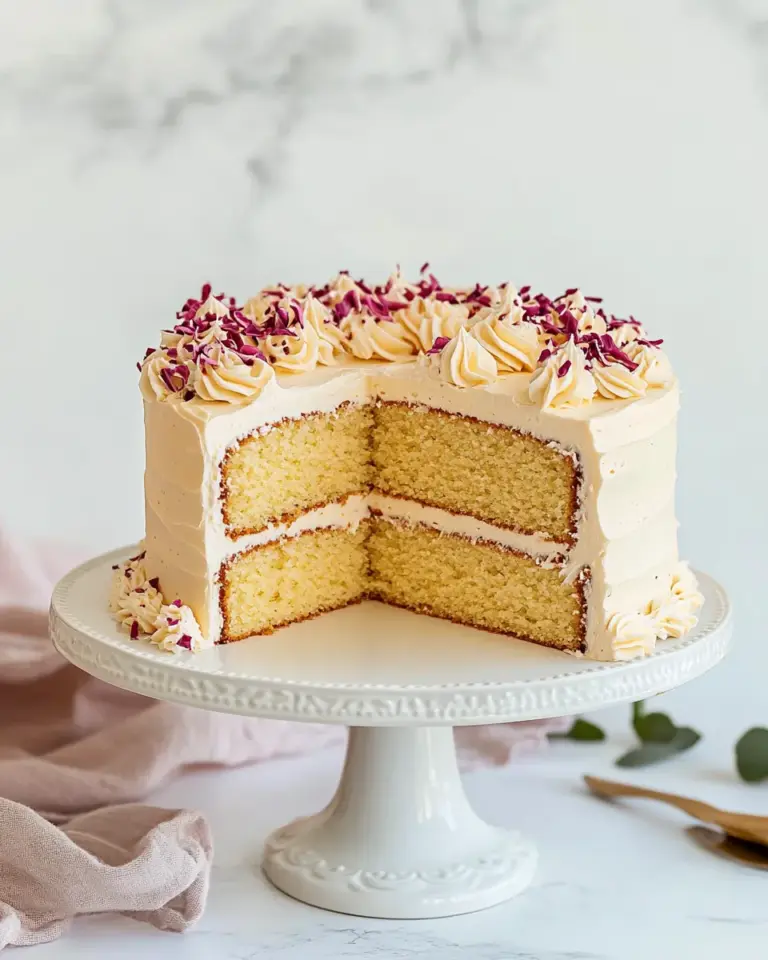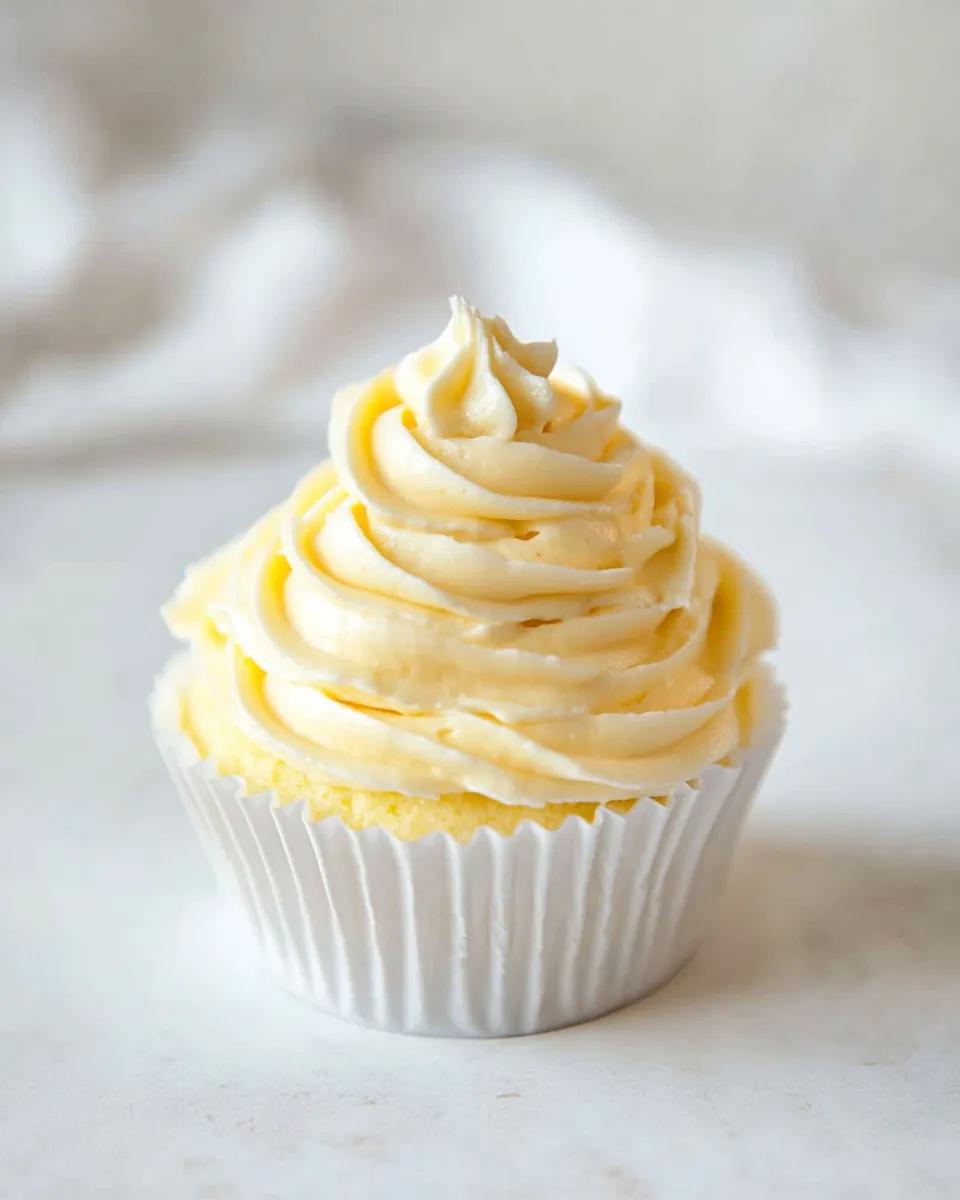
I fell in love with French buttercream the first time I spread it between cake layers—silky, rich, and just the right kind of indulgent. It’s less sweet than American buttercream, velvety in texture, and it leans on egg yolks for that plush mouthfeel. Once you get the technique down, it becomes a go-to frosting for layered cakes, delicate cupcakes, and anywhere you want a refined finish.
This recipe is straightforward but precise. Temperature and timing matter: a candy thermometer and a reliable stand mixer make the process predictable. I’ll walk you through the exact steps I use in the test kitchen so you can replicate the same glossy, stable buttercream at home.
Expect practical tips, common pitfalls and a few flavor ideas to make this your own. No fluff—just reliable guidance so your next celebration cake looks and tastes like it came from a small patisserie.
Ingredient List
- 8 large egg yolks — the base of the emulsion; provide silkiness and structure.
- 1 ½ cups granulated sugar — dissolves into a syrup to cook the yolks and sweeten.
- ½ cup water — combines with sugar to create the syrup; use room-temperature water.
- 1 ½ cups unsalted butter, room temperature — adds richness and stability; keep it soft but not melty.
- 1 pinch salt — balances sweetness and lifts flavors.
- 2 teaspoons vanilla extract, or vanilla bean paste — primary flavor; vanilla bean paste gives flecks and depth.
French Buttercream Cooking Guide
- Combine the 1 ½ cups granulated sugar and ½ cup water in a small saucepan. Heat over medium-low until the mixture comes to a boil, then continue cooking until the syrup reaches 240°F (soft‑ball stage) on a candy thermometer.
- While the syrup heats, place the 8 large egg yolks in the bowl of a stand mixer fitted with the whisk attachment. Whip on medium-high until the yolks are thick, pale, and slightly foamy.
- When the syrup reaches 240°F, remove the pan from the heat. With the mixer running on low, slowly and carefully drizzle the hot sugar syrup into the whipping yolks in a thin, steady stream, avoiding the whisk head.
- After all the syrup has been added, increase the mixer speed to medium and whip until the mixer bowl feels cool to the touch and the mixture is noticeably thicker.
- Reduce the mixer speed to low or medium-low. Add the 1 ½ cups room-temperature unsalted butter 1 tablespoon at a time, waiting for each tablespoon to be fully absorbed before adding the next. Scrape the bowl as needed to incorporate any butter on the sides.
- Add the 2 teaspoons vanilla extract (or vanilla bean paste) and 1 pinch salt.
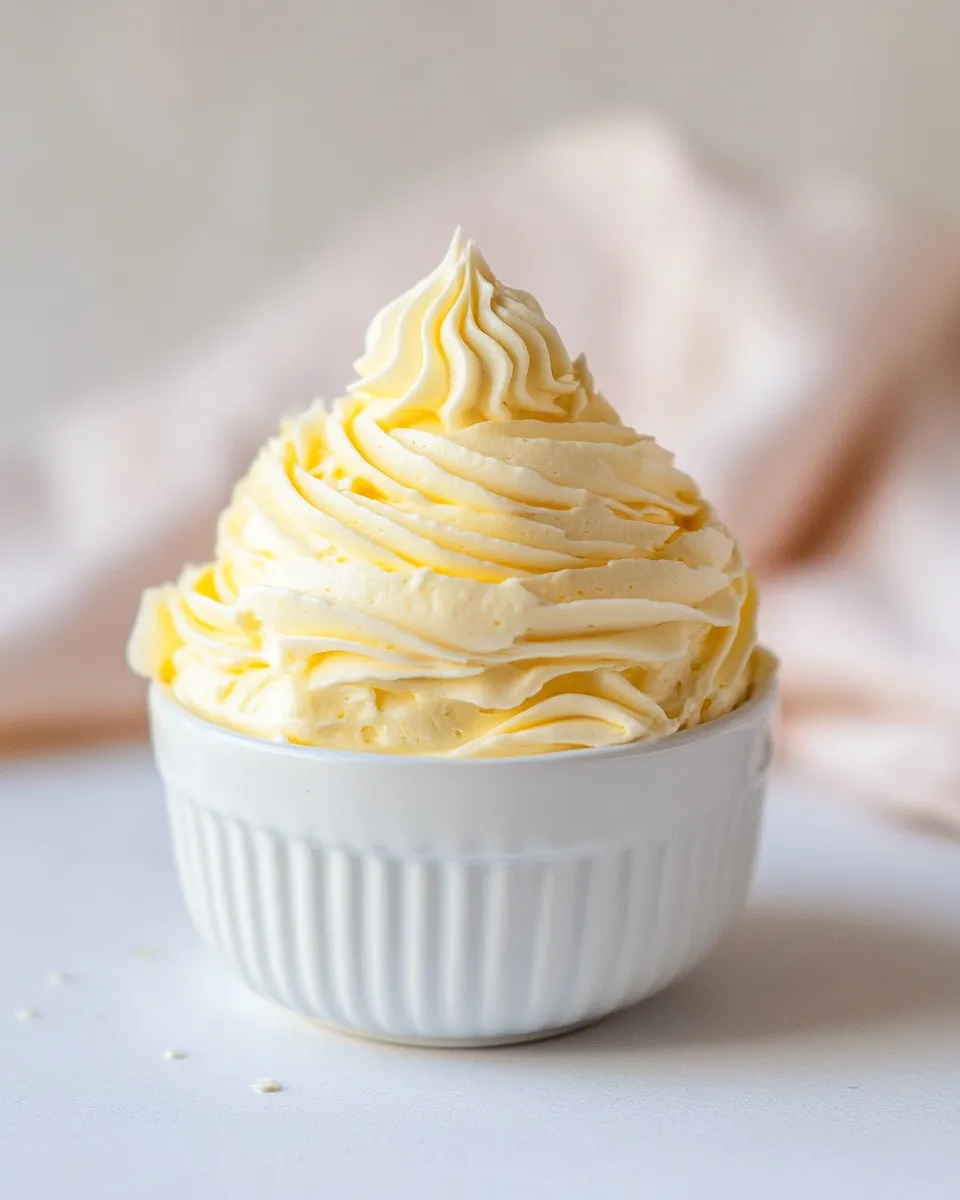
- Whip on medium until the buttercream is smooth, glossy, and completely combined.
Why You’ll Love This Recipe
This French buttercream sings for a few simple reasons. First, the egg yolks lend an unmatched silkiness that makes the frosting feel luxurious without being cloying. It’s less sweet than American buttercream, so you taste butter and vanilla more than sugar. Second, the texture is versatile—you can pipe rosettes, spread a crumb coat, or create clean, smooth finishes for sculpted cakes. Third, once you master the hot-syrup technique, the results are consistent: glossy, stable, and forgiving when adjusting flavors.
It’s also adaptable. Because the syrup cooks the yolks, the buttercream is safe to serve at room temperature for several hours, which is great for parties. And while it’s rich, it pairs beautifully with lighter cake layers—almond, sponge, and fruit-forward cakes benefit from its balance.
Flavor-Forward Alternatives
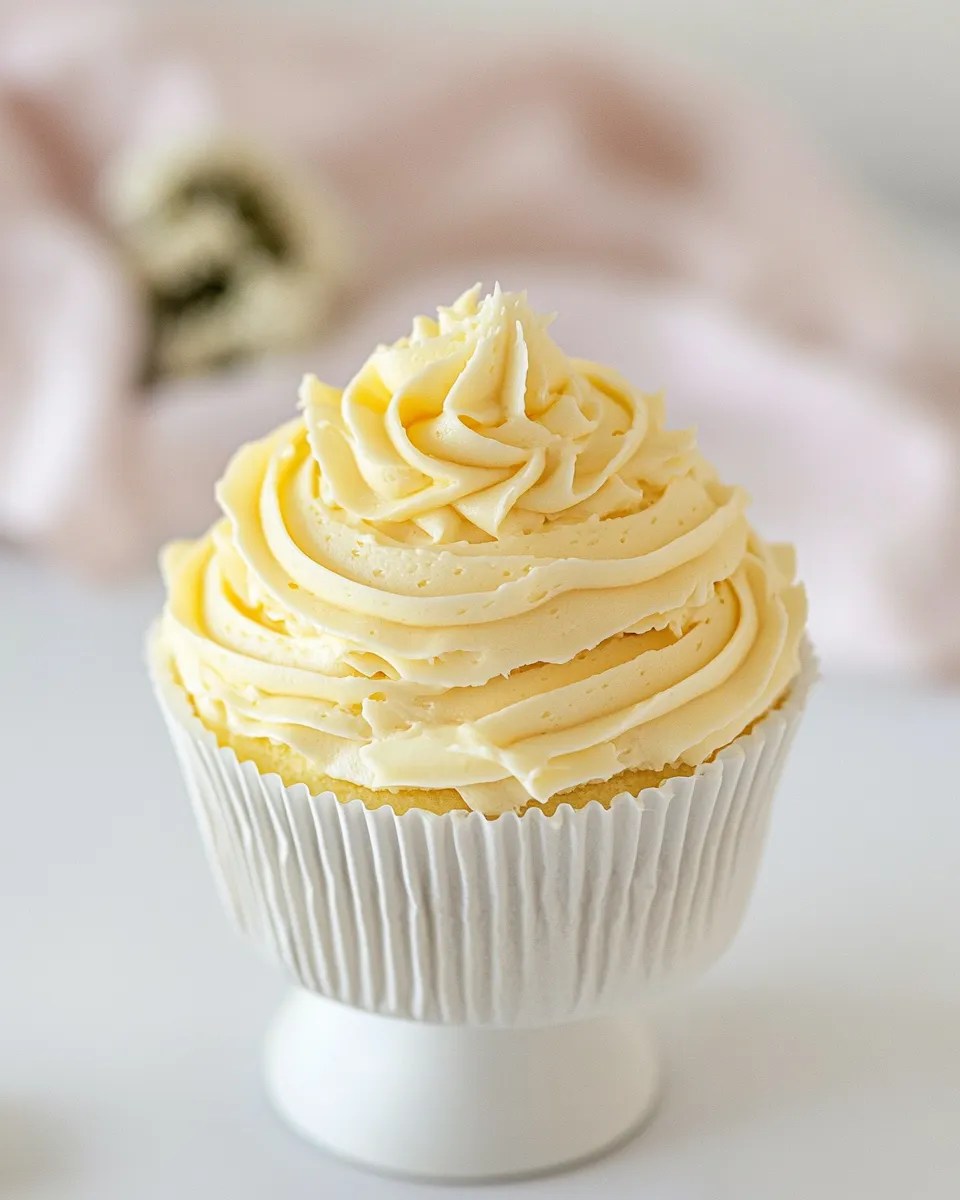
French buttercream is a great blank canvas. Here are practical swap-ins that won’t derail the emulsion.
- Chocolate: Fold in 3–4 oz of melted, tempered dark chocolate (cooled to just-warm) after the butter is fully incorporated for a silky chocolate finish.
- Citrus: Add 1–2 teaspoons zest (lemon, orange, or lime) and 1–2 tablespoons of freshly squeezed juice. Reduce other liquids slightly to maintain firmness.
- Fruit purée: Cook down and strain 1/4 to 1/3 cup concentrated purée (berries or passion fruit) and add sparingly; too much liquid can break the buttercream, so add in small amounts and watch consistency.
- Nut pastes: Stir in 2–3 tablespoons of almond paste, hazelnut praline paste, or pistachio paste for immediate depth—mix in after the butter is incorporated.
- Liquor or extracts: Replace a portion of vanilla with 1–2 tablespoons of rum, Grand Marnier, or coffee liqueur for adult-forward flavor; add after the butter is in.
Hardware & Gadgets
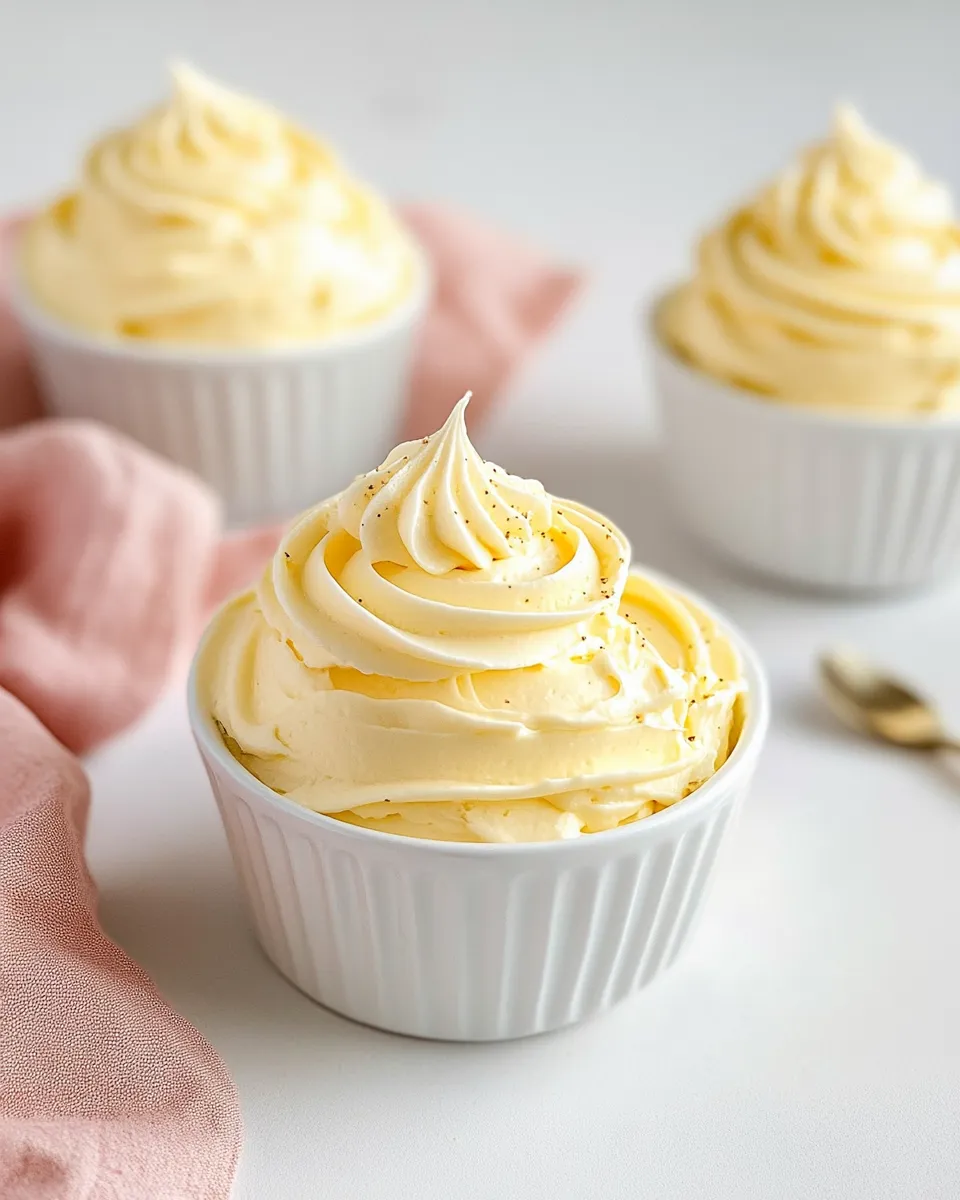
These tools make the process reliable and fast. You don’t need a long list—just the essentials:
- Stand mixer with whisk attachment: Efficient and hands-free for whipping yolks and incorporating butter.
- Candy thermometer: Non-negotiable. The syrup must hit 240°F for the proper soft-ball stage.
- Small saucepan: Heavy-bottomed for even heat; prevents hot spots that can overcook the syrup.
- Heatproof bowl: For whipping yolks; metal bowls cool quicker than glass, which helps reach the cool bowl stage.
- Spatula: For scraping the sides between additions and smoothing the buttercream.
Frequent Missteps to Avoid
French buttercream requires a bit of attention. These are the most common errors and how to fix or prevent them.
Temperatures and timing
Not reaching 240°F for the syrup is a sure way to end up with a runny or grainy buttercream. Use a reliable candy thermometer and watch closely; the syrup can go from soft-ball to hard-ball quickly. Conversely, overheating the syrup can cause it to darken and flavor the buttercream unpleasantly.
Adding syrup too fast
Pouring the hot syrup too quickly into the yolks can scramble them or destabilize the whip. Keep the mixer running on low and drizzle a thin, steady stream. If you see any lumps start to form, stop and whisk until smooth before continuing.
Butter temperature
Adding butter that’s too cold will cause the mixture to seize and appear curdled; too soft or melted butter will make the buttercream too loose. Aim for room-temperature butter that yields slightly under gentle pressure but keeps its shape.
Fixing broken buttercream
If the emulsion breaks (grainy or separated), chill the bowl briefly for 5–10 minutes, then whisk on medium to bring it back. If that fails, warm the bowl slightly over a warm water bath while whisking to re-emulsify. Adding a small spoonful of very cold butter or a splash of cold cream sometimes helps stabilize it back.
Spring to Winter: Ideas
Seasonality affects which complementary flavors shine with this buttercream. Here are quick ideas by season to pair with your cakes or cupcakes.
- Spring: Lemon sponge with a light lemon zest buttercream layer, or lavender-infused syrup for floral notes.
- Summer: Fold in a few tablespoons of macerated berry purée or top with fresh fruit; tropical cakes love a touch of passion fruit.
- Autumn: Stir in brown butter (use cooled brown butter added gradually) and a pinch of cinnamon or nutmeg for cozy layers.
- Winter: Add spiked flavors like Grand Marnier, espresso, or spiced praline; pair with ginger or dark chocolate cakes.
Chef’s Notes
Short, practical notes from regular kitchen runs with this recipe.
Mixing order matters
Always whip the yolks first and bring the syrup to temperature independently. The hot syrup cooks the yolks as it’s incorporated, creating the base that can hold the butter.
Monitor the bowl temperature
Whip until the bowl feels cool to the touch before adding butter. This ensures the mixture won’t melt the butter and will help the emulsion form properly.
Scaling the recipe
You can scale up, but keep the sugar-to-water ratio and temperatures identical. Larger batches will take longer for syrup to reach 240°F and longer for the whipped yolks to cool.
Leftovers & Meal Prep
Store leftovers in an airtight container in the refrigerator for up to 5 days. Bring to room temperature and re-whip briefly before using to restore texture. For longer storage, freeze in a sealed container for up to one month; thaw in the refrigerator overnight, then bring to room temperature and whip until smooth.
If you plan to prep ahead for an event, make the buttercream the day before. Keep it chilled and give it a good whip on the day of service to refresh the texture and sheen. When transporting cakes with this buttercream, keep them cool—air conditioning or a chilled carrier will help maintain shape and finish.
Quick Questions
Here are short answers to common quick questions.
- Can I use whole eggs instead of yolks? No. Whole eggs will change the texture and flavor balance; the yolks are key to the silkiness.
- Is it safe to eat because of the yolks? Yes, the hot sugar syrup cooks the yolks as it’s added. Follow the temperature and technique exactly for safety and texture.
- Can I color this buttercream? Yes. Use gel or paste colors sparingly after the butter is fully incorporated to avoid adding too much liquid.
- Will it hold up in warm weather? It’s more stable than Swiss meringue in cool to moderate climates, but in hot weather, keep cakes refrigerated or use a stabilized recipe with a higher butter ratio.
The Last Word
French buttercream is worth the little extra care it demands. It rewards you with a luxuriously smooth frosting that elevates any cake. Follow the steps, respect temperature and butter temperature, and you’ll have a versatile, restaurant-quality finish every time. Make it once, practice the rhythm of the syrup and yolks, and you’ll be reaching for it whenever you want an elegant, less-sweet buttercream.
French Buttercream
Ingredients
Ingredients
- 8 large egg yolks
- 1 1/2 cupgranulated sugar
- 1/2 cupwater
- 1 1/2 cupsunsalted butter room temperature
- 1 pinchsalt
- 2 teaspoonsvanilla extract or vanilla bean paste
Instructions
Instructions
- Combine the 1 ½ cups granulated sugar and ½ cup water in a small saucepan. Heat over medium-low until the mixture comes to a boil, then continue cooking until the syrup reaches 240°F (soft‑ball stage) on a candy thermometer.
- While the syrup heats, place the 8 large egg yolks in the bowl of a stand mixer fitted with the whisk attachment. Whip on medium-high until the yolks are thick, pale, and slightly foamy.
- When the syrup reaches 240°F, remove the pan from the heat. With the mixer running on low, slowly and carefully drizzle the hot sugar syrup into the whipping yolks in a thin, steady stream, avoiding the whisk head.
- After all the syrup has been added, increase the mixer speed to medium and whip until the mixer bowl feels cool to the touch and the mixture is noticeably thicker.
- Reduce the mixer speed to low or medium-low. Add the 1 ½ cups room-temperature unsalted butter 1 tablespoon at a time, waiting for each tablespoon to be fully absorbed before adding the next. Scrape the bowl as needed to incorporate any butter on the sides.
- Add the 2 teaspoons vanilla extract (or vanilla bean paste) and 1 pinch salt.
- Whip on medium until the buttercream is smooth, glossy, and completely combined.
Equipment
- Stand mixer
- whisk attachment
- Saucepan
- Candy thermometer
- Spatula