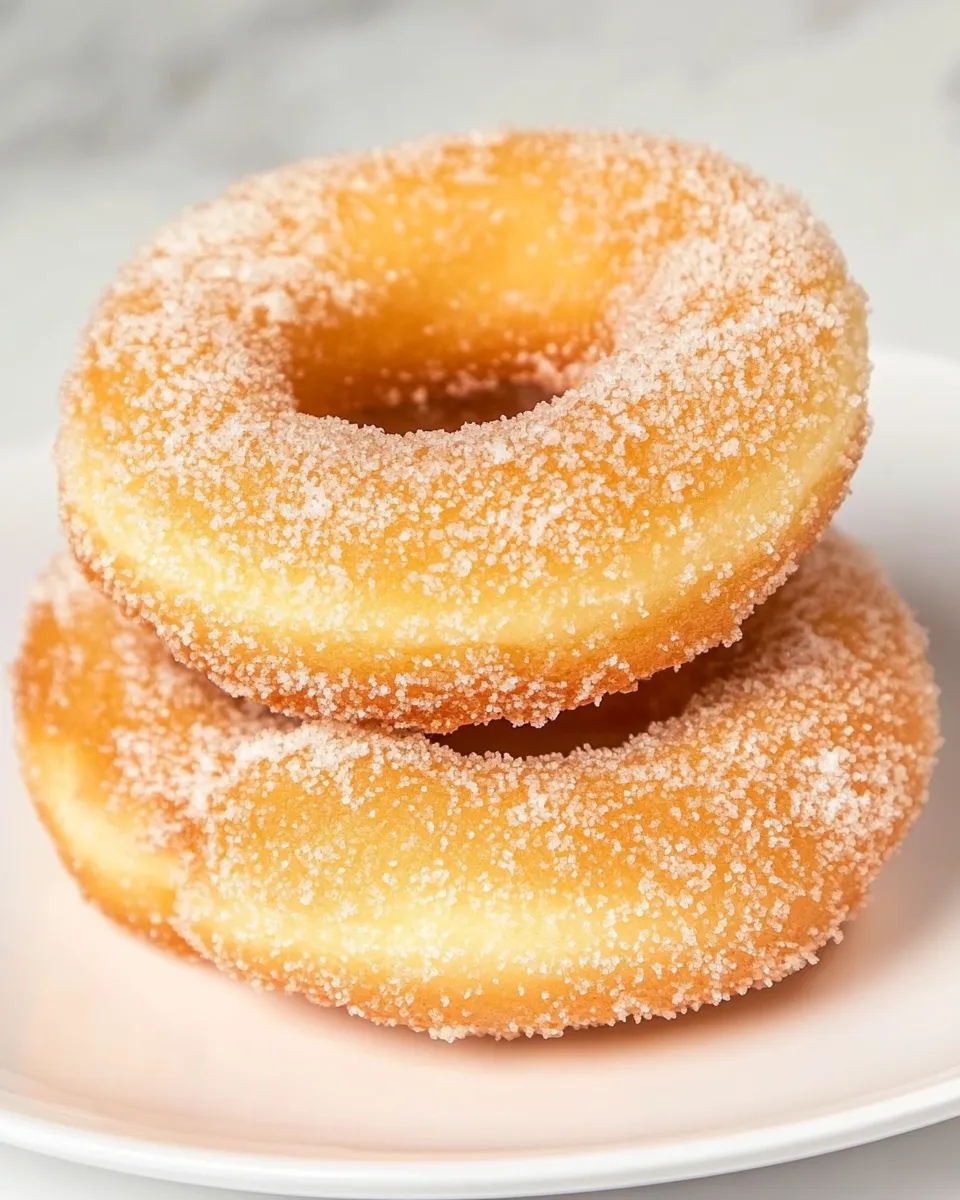
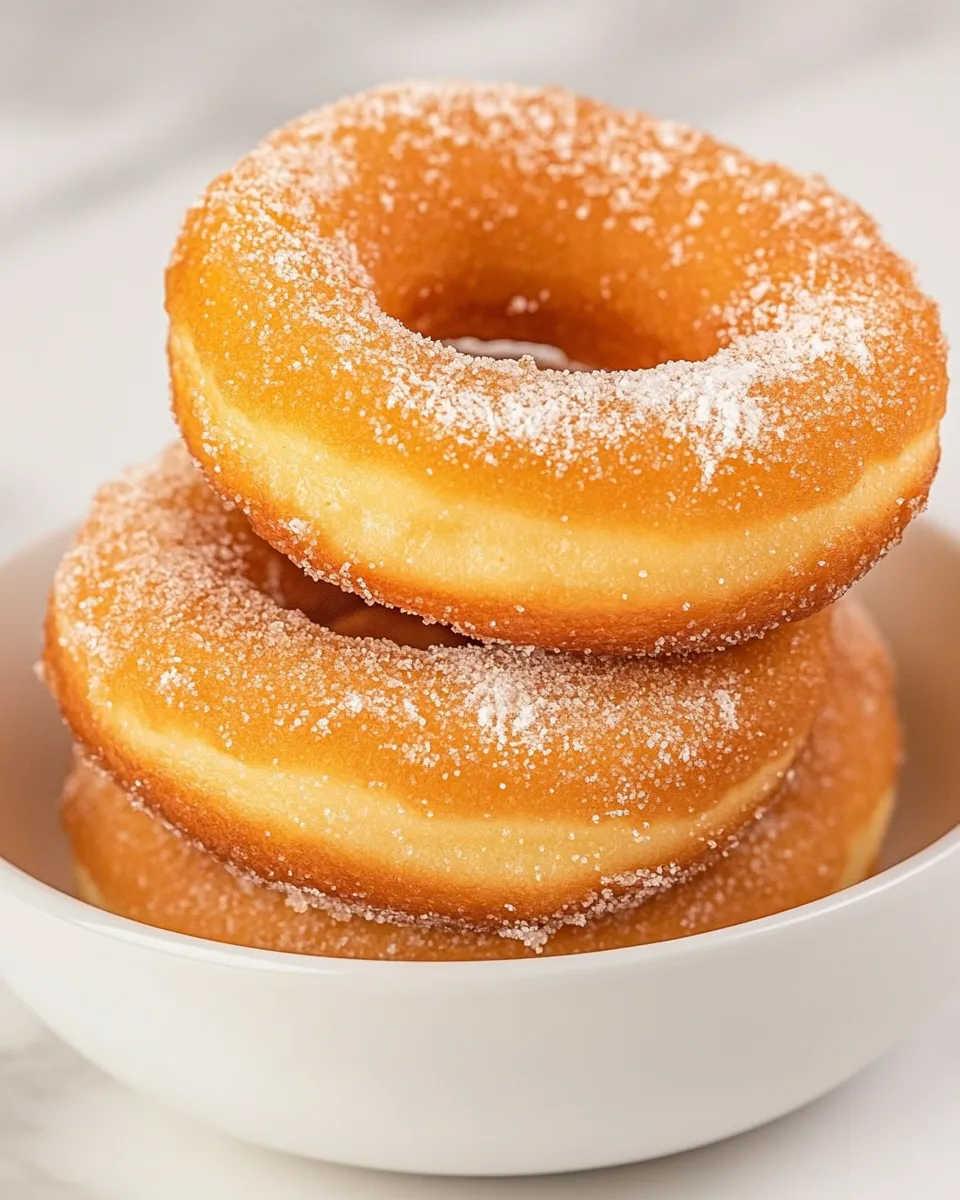
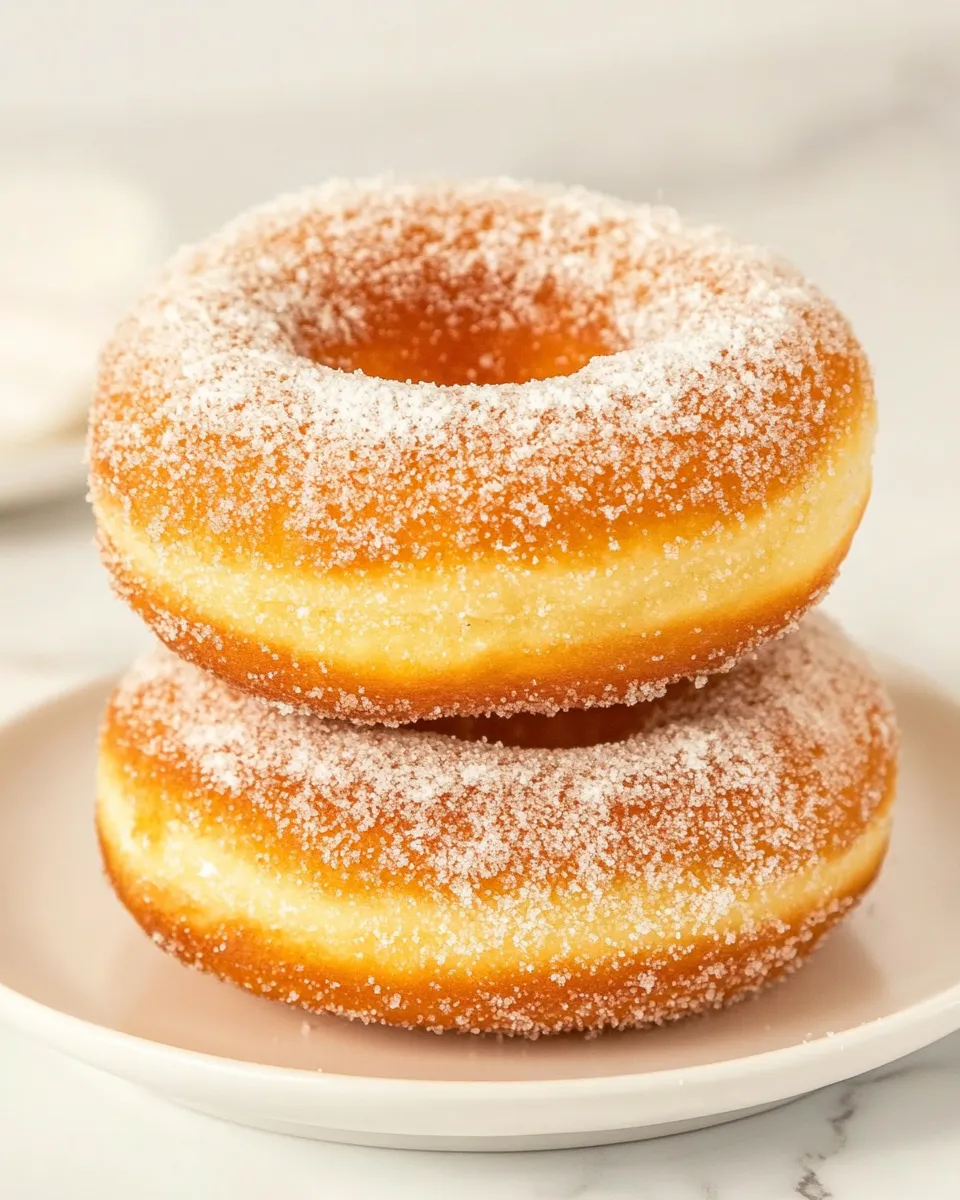
There’s something instant and comforting about warm fried dough tossed in sugar or slicked with glaze. These fried donuts are a classic: soft, tender inside with a thin, golden crust that gives just the right chew. They’re worth the little bit of effort they take, and once you get a feel for the dough and the oil temperature, they come together reliably.
I test recipes the practical way — in a busy kitchen, with interruptions and a standard stove. This version uses straightforward pantry ingredients and a traditional yeast dough. It’s forgiving, and it rewards patience at the rises. If you follow the steps and respect the oil temperature, your batch will be consistent every time.
Below you’ll find a tight ingredient list, step-by-step instructions I follow exactly, then notes on why each step matters and how to adapt if you need to. Read through before you start, gather your tools, and let’s get to work.
What Goes Into Fried Donut
Ingredients
- 1/3 cup warm water (105–115°F) — Activates the yeast; temperature is important for a good rise.
- 2 1/4 teaspoons active dry yeast — The leavening agent that gives the donuts their lift and airy crumb.
- 6 tablespoons granulated sugar, divided; use 1 teaspoon for yeast activation — Sugar feeds the yeast and sweetens the dough; divided use balances fermentation and final flavor.
- 2 large eggs, slightly beaten — Adds richness, structure, and helps with browning.
- 3/4 cup warm milk — Contributes to tenderness and hydrates the flour; warm helps the yeast stay active.
- 1/2 cup melted butter — Adds flavor, keeps the crumb soft, and enriches the dough.
- 1/4 teaspoon salt — Balances sweetness and tightens the dough’s structure.
- 4 1/2 cups all-purpose flour — The bulk of the dough; provides gluten for structure and chew.
- Canola oil for frying — Neutral-flavored oil with a high smoke point; use enough so the donuts can float.
- Granulated sugar or donut glaze for coating, optional — Finishing options to sweeten and dress the warm donuts.
Build Fried Donut Step by Step
- In a mixing bowl combine 1/3 cup warm water (105–115°F), 2 1/4 teaspoons active dry yeast, and 1 teaspoon of the granulated sugar. Stir once and let sit 5 minutes, until the mixture is frothy.
- Add the remaining granulated sugar (the rest of the 6 tablespoons after the 1 teaspoon used above), 2 slightly beaten large eggs, 3/4 cup warm milk, 1/2 cup melted butter, and 1/4 teaspoon salt to the yeast mixture. Stir to combine.
- Gradually add 4 1/2 cups all-purpose flour to the wet mixture, stirring until a shaggy dough forms and the flour is incorporated.
- Turn the dough onto a lightly floured surface and knead for several minutes (about 5–8 minutes) until the dough is smooth and elastic.
- Shape the dough into a ball, place it in a clean bowl, cover with a clean towel, and let it rise in a warm place about 1 1/2 hours, or until doubled in size.
- After the dough has doubled, gently deflate it. Roll the dough on a floured board to about 1/4 inch thickness. Cut out donut shapes with a donut cutter.
- Place the cut donuts on a sheet of parchment paper, cover loosely with a towel, and let them rest and rise for an additional 30 minutes.
- While the donuts are resting, heat canola oil in a heavy pan to 375°F. Use enough oil so the donuts can float while frying.
- Fry the donuts in batches, 2–3 minutes per side, until golden brown. Turn once to brown both sides evenly. Remove donuts with a slotted spoon and drain on paper towels.
- While still warm, optionally toss the donuts in granulated sugar or coat them with a donut glaze.
Why It Works Every Time

There are a few dependable mechanics at play that make this recipe reliable. First, activating the yeast in warm water with a touch of sugar wakes it predictably; you can visually confirm activity when the mixture becomes frothy. That first proof sets the tone for the dough’s rise.
Enrichment—milk, eggs, and melted butter—softens the crumb and slows down hard gluten development so the finished donut is tender, not chewy. Kneading develops enough gluten to hold gas bubbles, but because the dough is enriched and handled gently, you won’t get an overly dense result.
Temperature control during frying is critical. Oil at 375°F creates a quick, even browning while the inside sets without absorbing excess oil. If the oil is too cool, donuts soak up grease; too hot and the exterior burns before the center cooks. The specified resting times and two rises allow flavor development and consistent internal structure.
Allergy-Friendly Substitutes
- Milk: Use an unsweetened plant milk (soy, oat, or almond) warmed to the same temperature as the recipe calls for; this keeps yeast activity predictable.
- Butter: Swap in a plant-based stick margarine that melts similarly, or use a neutral oil in the dough if you need to avoid dairy. Expect a slight texture difference.
- Eggs: For an egg-free version, reduced structural strength will follow. Common replacements include commercial egg replacers or a thickener like applesauce or mashed banana for small batches, but results vary; test one at a time.
- Wheat/Gluten: Use a proven gluten-free all-purpose flour blend with xanthan gum already included for best results. Texture will differ and handling will be more delicate.
- Frying oil: If canola is unavailable, use another oil with a high smoke point and neutral flavor like vegetable oil, peanut oil (if no allergy), or sunflower oil.
Essential Tools for Success
- Heavy-bottomed frying pan or Dutch oven — holds steady temperature better than a thin skillet.
- Instant-read thermometer — for checking oil temperature and keeping it at 375°F.
- Mixing bowls — at least one for proofing and one for mixing dough.
- Donut cutter (or two round cutters) — for consistent shapes and thickness.
- Slotted spoon or spider skimmer — removes donuts cleanly and drains oil.
- Parchment paper and clean towels — for proofing and to prevent sticking.
Common Errors (and Fixes)
- Dough doesn’t rise: Check yeast freshness and water temperature; it should be 105–115°F for activation. If you didn’t see froth in step 1, start over with new yeast.
- Donuts are greasy: Oil was likely too cool. Use your thermometer and maintain 375°F; fry in small batches so the oil temperature doesn’t drop excessively.
- Donuts collapse after frying: Overproofing or very warm oil can cause collapse. Let the dough rest as directed and fry at the correct temperature.
- Dense or heavy texture: Under-kneading or not allowing the dough to double will produce a tight crumb. Knead until smooth and elastic and give the dough time to rise.
- Uneven browning: Oil temperature fluctuated or donuts were different thicknesses. Keep the dough uniform and watch the thermometer.
Make It Diet-Friendly
If you need a lighter approach, consider a couple of small adjustments. Replace half the butter with apple sauce or additional milk to cut calories, but note the texture will be less rich. For fewer calories and less oil absorption, try an air-fryer adapted method: brush the donuts with a little oil and air-fry at a moderate temperature until golden, flipping once. The exterior won’t match the exact crispness of deep frying, but it’s a lower-fat option.
Another path is to reduce sugar in the dough and use a lighter finishing approach like a dusting of cinnamon instead of a sugary glaze. These are small changes that can shave calories without derailing the technique.
Recipe Notes & Chef’s Commentary
I prefer to use room-temperature eggs and warm (not hot) milk when combining ingredients. This keeps the yeast happy and prevents butter from re-solidifying in clumps. The dough is slightly tacky after kneading but should be manageable; if it’s overly sticky, add flour a tablespoon at a time while kneading — avoid adding too much.
When cutting donuts, try to re-roll scraps only once; repeated handling tightens the gluten and yields denser donuts. For the glaze, a simple mix of powdered sugar and a few tablespoons of milk (or cream) whipped to a smooth pourable consistency is all you need. Dip warm donuts for a shiny, soft crust.
Meal Prep & Storage Notes
Donuts are best the day they’re made. If you need to store them, place cooled donuts in an airtight container at room temperature for up to 24 hours. For longer storage, freeze uncoated donuts in a single layer on a sheet pan until solid, then transfer to a freezer bag; freeze up to one month. Reheat from frozen in a 350°F oven or toaster oven for a few minutes until warmed through, then glaze or toss in sugar.
If you intend to prepare dough ahead, you can refrigerate the dough after the first rise (covered) for up to 24 hours. Bring it back to room temperature, deflate gently, roll, cut, and proof the second time before frying.
Top Questions & Answers
- Can I use instant yeast instead of active dry? Yes. If using instant yeast, sprinkle it directly into the flour and eliminate the initial activation step; adjust liquid slightly if needed. However, the current method helps confirm yeast activity.
- How do I know when oil is ready? Use an instant-read thermometer and hold it in the oil until it reads 375°F. If you don’t have a thermometer, test with a small piece of dough — it should sizzle and brown evenly within about 30 seconds to a minute.
- Why did my donuts soak up oil? The oil was too cool or the donuts were over-handled and dense. Keep oil hot and fry in small batches to maintain temperature.
- Can I flavor the glaze? Absolutely — add vanilla, citrus zest, or a splash of liqueur to the glaze. Add flavoring sparingly and taste as you go.
- Can I make mini donuts? Yes. Reduce frying time accordingly and monitor closely; mini donuts will cook faster and may need only about 1–2 minutes per side.
Save & Share
If this recipe earns a place in your weekend routine, save it, bookmark it, and pass it to a friend who appreciates homemade treats. Donuts are best shared warm — family, neighbors, or a potluck will appreciate a fresh batch. If you make substitutions, take a brief note for next time so you know what to tweak. Enjoy eating them warm, and enjoy the small ritual of making something simple and reliably delicious.

Fried Donut Recipe
Ingredients
Ingredients
- 1/3 cupwarm water105-115°F
- 2 1/4 teaspoonsactive dry yeast
- 6 tablespoonsgranulated sugardivided; use 1 teaspoon for yeast activation
- 2 large eggslightly beaten
- 3/4 cupwarm milk
- 1/2 cupmelted butter
- 1/4 teaspoonsalt
- 4 1/2 cupsall-purpose flour
- Canola oilfor frying
- Granulated sugar or donut glazefor coating optional
Instructions
Instructions
- In a mixing bowl combine 1/3 cup warm water (105–115°F), 2 1/4 teaspoons active dry yeast, and 1 teaspoon of the granulated sugar. Stir once and let sit 5 minutes, until the mixture is frothy.
- Add the remaining granulated sugar (the rest of the 6 tablespoons after the 1 teaspoon used above), 2 slightly beaten large eggs, 3/4 cup warm milk, 1/2 cup melted butter, and 1/4 teaspoon salt to the yeast mixture. Stir to combine.
- Gradually add 4 1/2 cups all-purpose flour to the wet mixture, stirring until a shaggy dough forms and the flour is incorporated.
- Turn the dough onto a lightly floured surface and knead for several minutes (about 5–8 minutes) until the dough is smooth and elastic.
- Shape the dough into a ball, place it in a clean bowl, cover with a clean towel, and let it rise in a warm place about 1 1/2 hours, or until doubled in size.
- After the dough has doubled, gently deflate it. Roll the dough on a floured board to about 1/4 inch thickness. Cut out donut shapes with a donut cutter.
- Place the cut donuts on a sheet of parchment paper, cover loosely with a towel, and let them rest and rise for an additional 30 minutes.
- While the donuts are resting, heat canola oil in a heavy pan to 375°F. Use enough oil so the donuts can float while frying.
- Fry the donuts in batches, 2–3 minutes per side, until golden brown. Turn once to brown both sides evenly. Remove donuts with a slotted spoon and drain on paper towels.
- While still warm, optionally toss the donuts in granulated sugar or coat them with a donut glaze.
Equipment
- Mixing Bowl
- clean towel
- floured board
- Donut cutter
- Parchment Paper
- heavy pan
- Slotted spoon