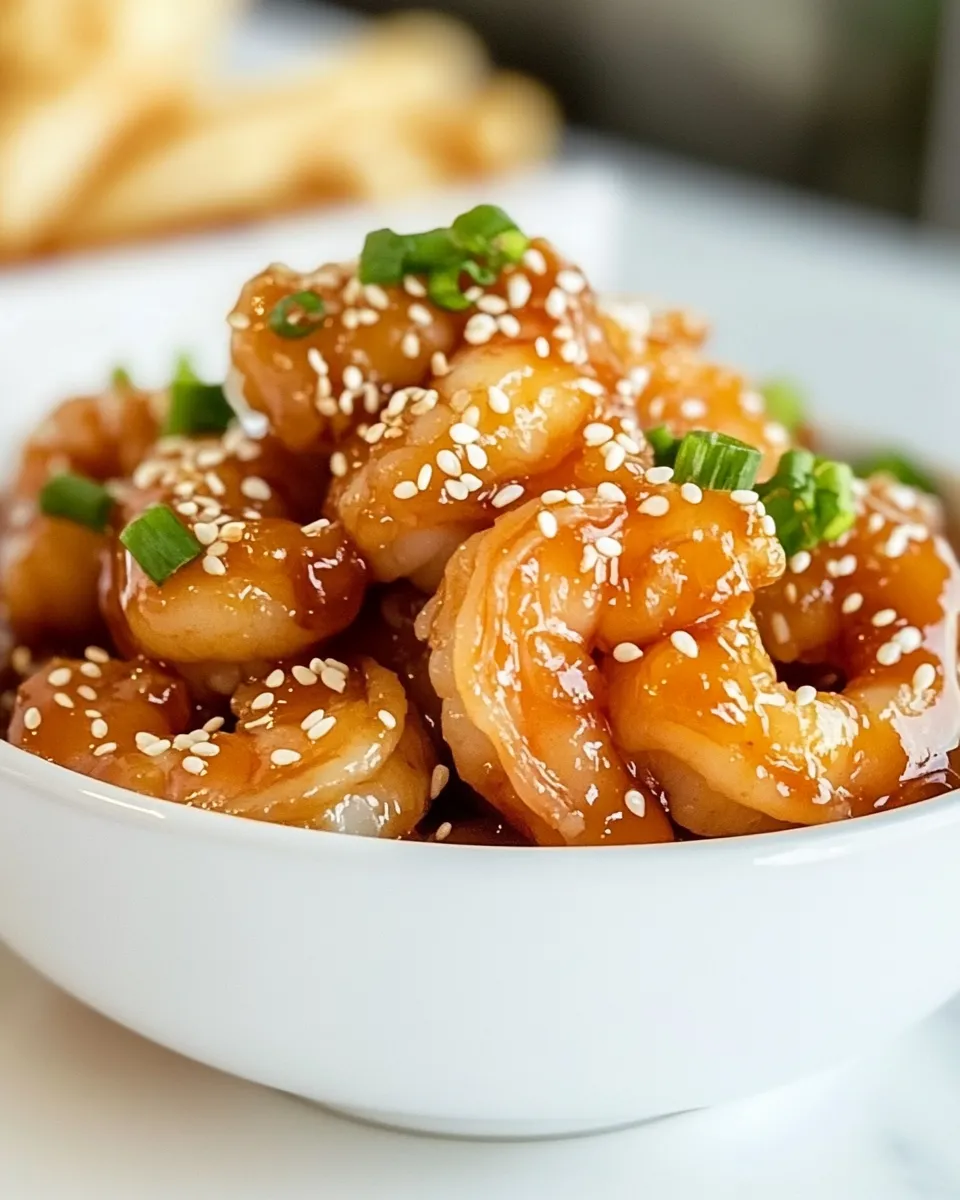
I love dishes that feel indulgent but come together quickly on a weeknight. This General Tso Shrimp is exactly that: bright, sticky sauce, punchy ginger and garlic, and shrimp that cook in minutes. It’s built to be practical—no deep-frying, no long prep—and still delivers the familiar sweet, tangy heat that makes General Tso-style plates so addictive.
Think of this as a shortcut that respects the flavors: a simple sauce you whisk, shrimp you sear, then a quick finish in the pan so every piece gets glossy, saucy coverage. If you keep the mise en place tight, dinner is on the table in under 15 minutes once the shrimp hits the pan.
I test this in a small kitchen and on a crowded weeknight. The technique scales, the steps are forgiving, and the sauce plays well with rice or steamed greens. Read through the ingredients and the step-by-step, then follow the timing notes—those minutes matter for perfectly cooked shrimp.
What Goes In
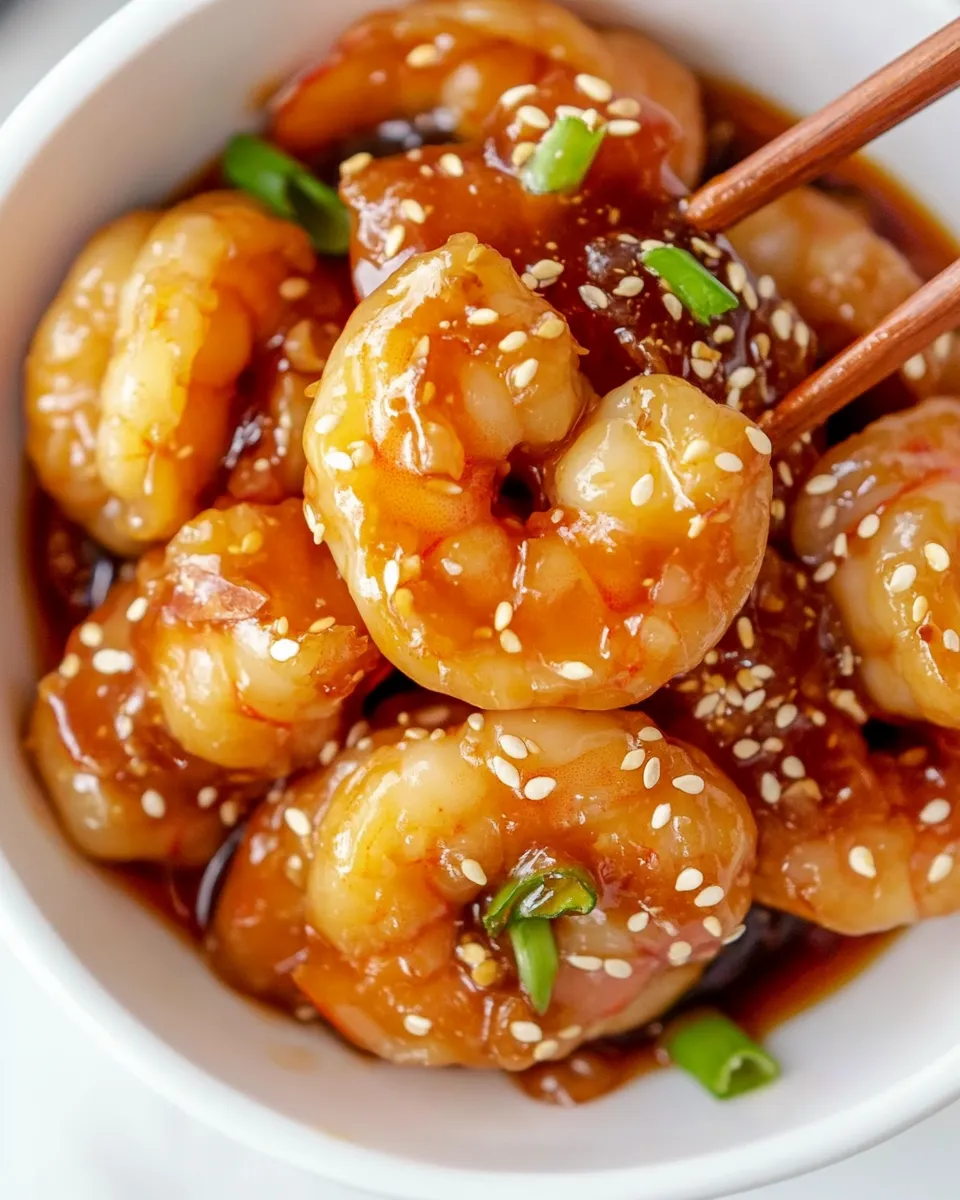
Ingredients
- ½ cup low-sodium chicken stock (or vegetable broth) — forms the saucy base and adds gentle savory depth.
- 3 tablespoons low-sodium soy sauce — provides the salty, umami backbone without overpowering the dish.
- 1 tablespoon rice vinegar — brightens the sauce with a clean acidity.
- 1 tablespoon Hoisin sauce — adds sweetness and a rounded, slightly tangy complexity.
- 1 tablespoon brown sugar — balances the vinegar and salt with caramel sweetness.
- 2 teaspoons Sriracha — gives controlled heat; adjust at the end if you want it milder or hotter.
- 2 cloves garlic, minced — fresh garlic drives the savory aromatics.
- 1 inch fresh ginger root, peeled and grated — adds sharp warmth and freshness.
- 2 teaspoons cornstarch — thickens the sauce quickly when heated.
- ½ tablespoon UNTOASTED sesame oil, or canola oil — used for cooking the shrimp; choose neutral oil if you prefer less sesame flavor.
- 1 pound large shrimp, peeled, deveined, tails removed — the star protein; large shrimp cook fast and stay juicy.
Build (General Tso Shrimp) Step by Step
- In a small mixing bowl or large glass measuring cup, whisk together ½ cup low-sodium chicken stock (or vegetable broth), 3 tablespoons low-sodium soy sauce, 1 tablespoon rice vinegar, 1 tablespoon Hoisin sauce, 1 tablespoon brown sugar, 2 teaspoons Sriracha, 2 cloves garlic (minced), 1 inch fresh ginger root (peeled and grated), and 2 teaspoons cornstarch until smooth and the cornstarch is dissolved. Set aside.
- Heat ½ tablespoon UNTOASTED sesame oil (or canola oil) in a large skillet or wok over medium-high heat until the oil is shimmering.
- While the oil heats, pat 1 pound large shrimp (peeled, deveined, tails removed) dry with paper towels to reduce splattering.
- Add the shrimp to the hot pan in a single layer and cook 1–2 minutes per side, flipping once, until the shrimp are opaque, pink, and nearly cooked through.
- Whisk the prepared sauce briefly to reincorporate any settled cornstarch, then pour the sauce into the skillet over the shrimp.
- Stir constantly and cook for 1–2 minutes, until the sauce thickens and the shrimp are fully cooked and coated in the sauce.
- Remove from heat and serve immediately.
Why I Love This Recipe
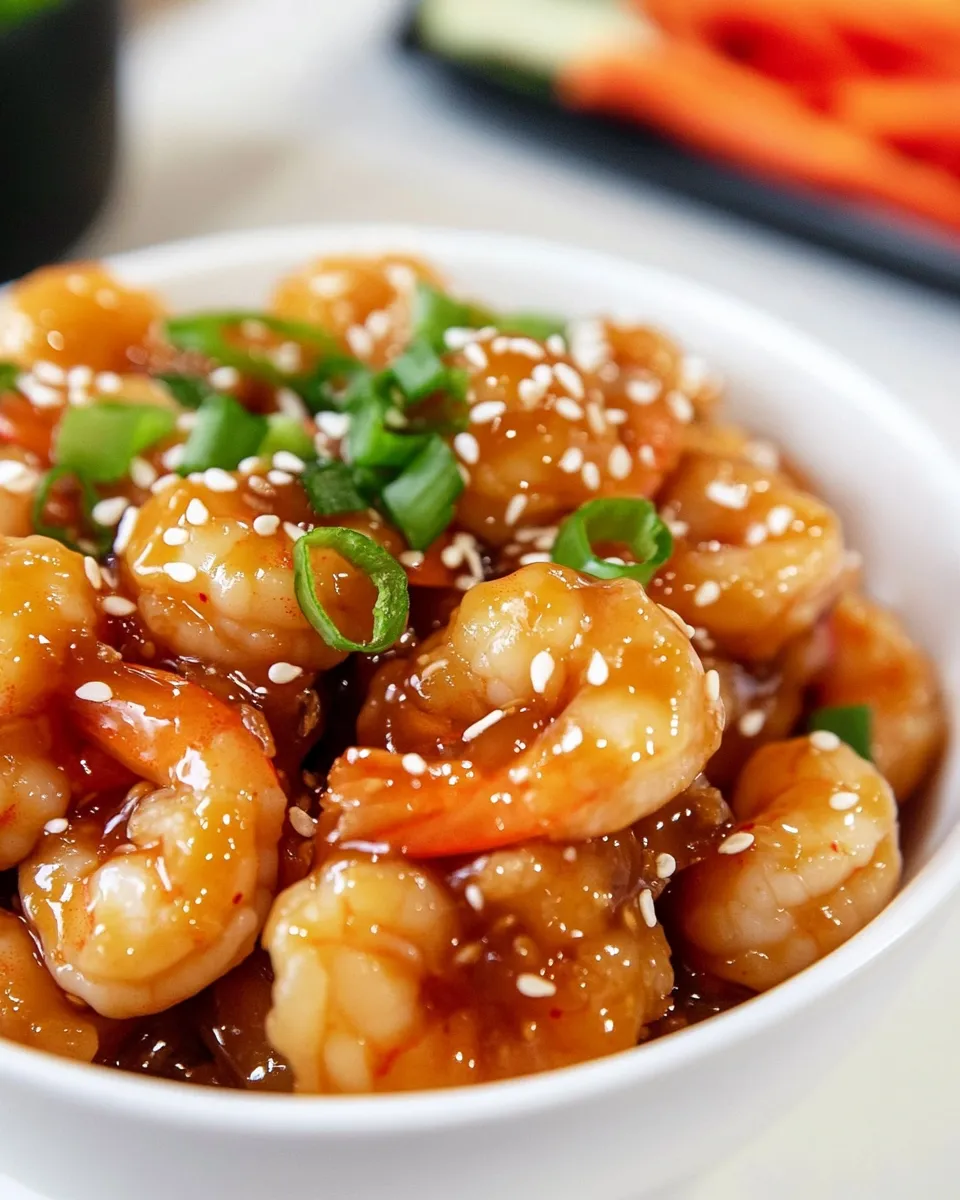
It hits the sweet-heat-savory balance without fuss. The sauce is layered: stock and soy sauce give umami depth, Hoisin and brown sugar bring that familiar sweetness, rice vinegar cuts through with brightness, and Sriracha supplies warmth. All of that hangs on the shrimp thanks to cornstarch, which creates a glossy coating in under two minutes.
The technique favors speed and texture. Patting the shrimp dry and cooking them in a single layer ensures a quick sear and prevents steaming. There’s no batter, no frying, and still a restaurant-worthy finish. It’s fast enough for a weeknight but tasty enough for guests.
Finally, it’s flexible. Serve it with steamed rice, toss it into noodles, or spoon it over a bed of greens. The fundamental flavors are familiar and reliable, which makes this a go-to when I want a dinner that’s both quick and satisfying.
Dairy-Free/Gluten-Free Swaps
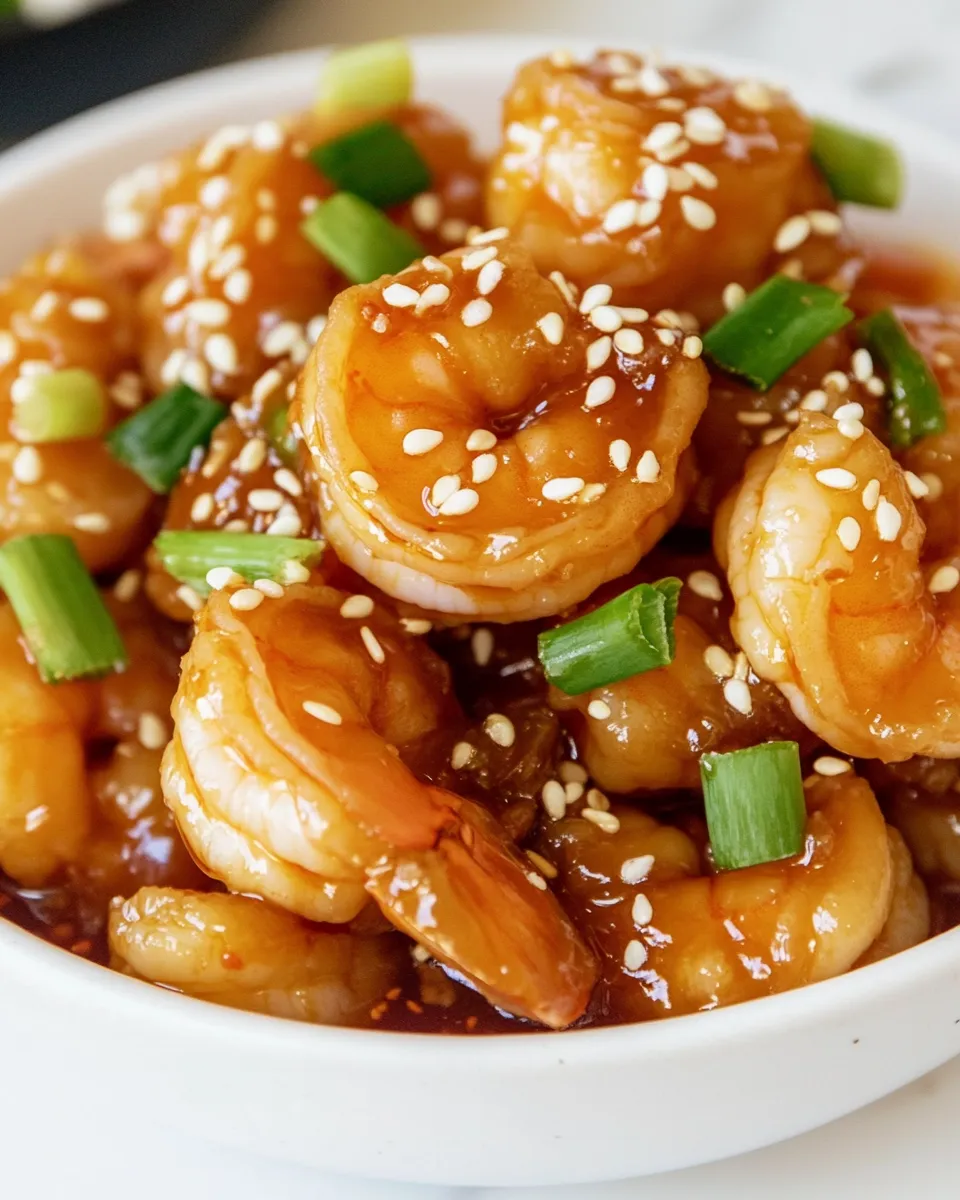
- Gluten-free option: Replace the 3 tablespoons low-sodium soy sauce with a gluten-free tamari or coconut aminos. These maintain the salty-umami element—tamari is closest in flavor, coconut aminos are milder and slightly sweeter.
- Dairy-free: The recipe is naturally dairy-free; no swaps needed. Keep to the listed ingredients and you’re set.
- Vegan adaptation: Use vegetable broth in place of the ½ cup chicken stock and swap shrimp for firm tofu or cauliflower florets. Cooking times will change, so sear until golden before adding the sauce.
Gear Checklist
- Large skillet or wok — a wide bottom gives quick, even searing and makes stirring easy.
- Small mixing bowl or large glass measuring cup — used to whisk and hold the sauce before adding it to the pan.
- Whisk or fork — to dissolve the cornstarch smoothly into the liquid.
- Microplane or grater — for peeling and grating the 1 inch fresh ginger efficiently.
- Paper towels — for patting the shrimp dry, which reduces splatter and helps with searing.
- Spatula or tongs — for flipping the shrimp gently without tearing them.
Pitfalls & How to Prevent Them
- Overcooked shrimp: Shrimp cook very fast. Follow the 1–2 minutes per side guideline and watch for an opaque, pink color. Remove from heat as soon as the sauce thickens.
- Sauce too thin or lumpy: Whisk the cornstarch into the liquid thoroughly until dissolved before it hits the pan. If the sauce separates, whisk vigorously; a short simmer will bring it back together.
- Poor sear or soggy shrimp: Don’t overcrowd the pan. Cook in a single layer so each shrimp gets direct contact with the hot oil.
- Splashing oil: Pat shrimp dry. Excess moisture causes splattering when it hits hot oil.
- Too salty sauce: Use low-sodium soy sauce and low-sodium stock as listed. Taste the prepared sauce before adding if you want to adjust sweetness or heat, but avoid adding more soy sauce.
Make It Year-Round
General Tso Shrimp is a great year-round dish because the core steps don’t depend on seasonal produce. Use frozen, deveined shrimp when fresh isn’t available—defrost in the fridge overnight or under cold running water and pat dry thoroughly before cooking. Keep ginger and garlic on hand in the fridge or freezer; both freeze well if grated and stored in a small airtight container.
In summer, serve it on cool rice noodles with crisp cucumber and scallions for contrast. In winter, spoon it over hot steamed rice with wilted bok choy or quick-blanched broccoli. The sauce is forgiving: tweak acidity with the rice vinegar or heat with more or less Sriracha depending on the season and your palate.
Behind-the-Scenes Notes
Two small details make a big difference. First, the recipe calls for UNTOASTED sesame oil as a cooking oil option. I include that because toasted sesame oil has an assertive flavor and a low smoke point; if you use toasted, add it off-heat at the end for aroma. The neutral oil option (canola) avoids extra sesame notes while letting the shrimp sear properly.
Second, cornstarch is both a thickener and a glaze agent. Dissolving it fully prevents graininess and ensures the sauce clings to the shrimp. The sequence—sear shrimp first, then add sauce and stir constantly—keeps the shrimp tender and creates that glossy finish restaurants aim for.
Prep Ahead & Store
- Make the sauce ahead: Whisk the sauce ingredients (through the cornstarch) and refrigerate up to 24 hours. Whisk again before using to reincorporate any settled cornstarch.
- Prep aromatics: Mince garlic and grate ginger up to two days ahead and store in a small airtight container in the fridge.
- Store leftovers: Cool shrimp completely, then transfer to an airtight container and refrigerate up to 3 days. The sauce may thin slightly; reheat gently in a skillet over medium-low heat to preserve texture.
- Freeze for later: I don’t recommend freezing the cooked shrimp—texture declines. If you must, freeze in a shallow container for up to 1 month and thaw overnight in the fridge before reheating.
Handy Q&A
- Can I crowd the pan to speed things up? No—crowding traps steam and prevents a good sear. Work in batches if your pan isn’t large enough.
- My sauce thickened too much. What now? Add a tablespoon of stock or water and stir until you reach the desired consistency, then finish heating for a moment to incorporate.
- Can I use frozen shrimp? Yes—defrost and pat dry thoroughly. Shrimp that are still partially frozen will release water and steam instead of searing.
- Is Hoisin mandatory? Hoisin gives that rounded flavor typical of General Tso-style sauces. Omit it and increase brown sugar slightly if you don’t have it, but the profile will change.
- How spicy is this? The base uses 2 teaspoons Sriracha. Adjust to taste at the end; start lower if you’re sensitive to heat.
That’s a Wrap
This General Tso Shrimp is practical cooking: clear steps, short cook time, and a sauce that truly sticks to the shrimp. Stick to the timing, keep the shrimp dry before searing, and whisk the cornstarch fully—those small actions are what make the dish come together. Serve it with steamed rice and a quick green on the side, and you have a weeknight dinner that feels like more than the sum of its parts.
Try it once, note any tweaks you make for spice or sweetness, and you’ll have a reliable, quick recipe to reach for whenever you want bold, saucy shrimp with minimal fuss.
General Tso Shrimp
Ingredients
Ingredients
- 1/2 cuplow-sodium chicken stock or vegetable broth
- 3 tablespoonslow-sodium soy sauce
- 1 tablespoonrice vinegar
- 1 tablespoonHoisin sauce
- 1 tablespoonbrown sugar
- 2 teaspoonsSriracha
- 2 clovesgarlic minced
- 1 inchfresh ginger root peeled and grated
- 2 teaspoonscornstarch
- 1/2 tablespoonUNTOASTED sesame oil or canola oil
- 1 poundlarge shrimp peeled, deveined, tails removed
Instructions
Instructions
- In a small mixing bowl or large glass measuring cup, whisk together ½ cup low-sodium chicken stock (or vegetable broth), 3 tablespoons low-sodium soy sauce, 1 tablespoon rice vinegar, 1 tablespoon Hoisin sauce, 1 tablespoon brown sugar, 2 teaspoons Sriracha, 2 cloves garlic (minced), 1 inch fresh ginger root (peeled and grated), and 2 teaspoons cornstarch until smooth and the cornstarch is dissolved. Set aside.
- Heat ½ tablespoon UNTOASTED sesame oil (or canola oil) in a large skillet or wok over medium-high heat until the oil is shimmering.
- While the oil heats, pat 1 pound large shrimp (peeled, deveined, tails removed) dry with paper towels to reduce splattering.
- Add the shrimp to the hot pan in a single layer and cook 1–2 minutes per side, flipping once, until the shrimp are opaque, pink, and nearly cooked through.
- Whisk the prepared sauce briefly to reincorporate any settled cornstarch, then pour the sauce into the skillet over the shrimp.
- Stir constantly and cook for 1–2 minutes, until the sauce thickens and the shrimp are fully cooked and coated in the sauce.
- Remove from heat and serve immediately.
Equipment
- mixing bowl or glass measuring cup
- Whisk
- Large skillet or wok
- Paper Towels
Notes
Add Veggies
: If desired, sauté quick-cooking vegetables, like bell peppers, mushrooms, green onions, or sugar snap peas with the shrimp.
Gluten-Free
: In place of soy sauce, use Tamari and ensure your stock/broth is gluten-free.
Cornstarch
: Feel free to use equal part arrowroot or tapioca starch in place of the cornstarch.
Sesame Oil:
For this recipe, I love using untoasted sesame oil (light in color) as it has a high smoking point and lends a nutty flavor that General Tso recipes are known for. Feel free to use peanut oil, canola oil, or vegetable oil in place of the sesame oil.
Hot Sauce:
If you don't have Sriracha on hand, use your favorite hot sauce or replace with ½ teaspoon crushed red pepper flakes. Feel free to increase or decrease the amount as desired to control the heat level.
Storage
: Leftovers can be stored in the refrigerator for up to 3 days in an airtight container. For best results, reheat in a dry skillet over low heat until warmed through.