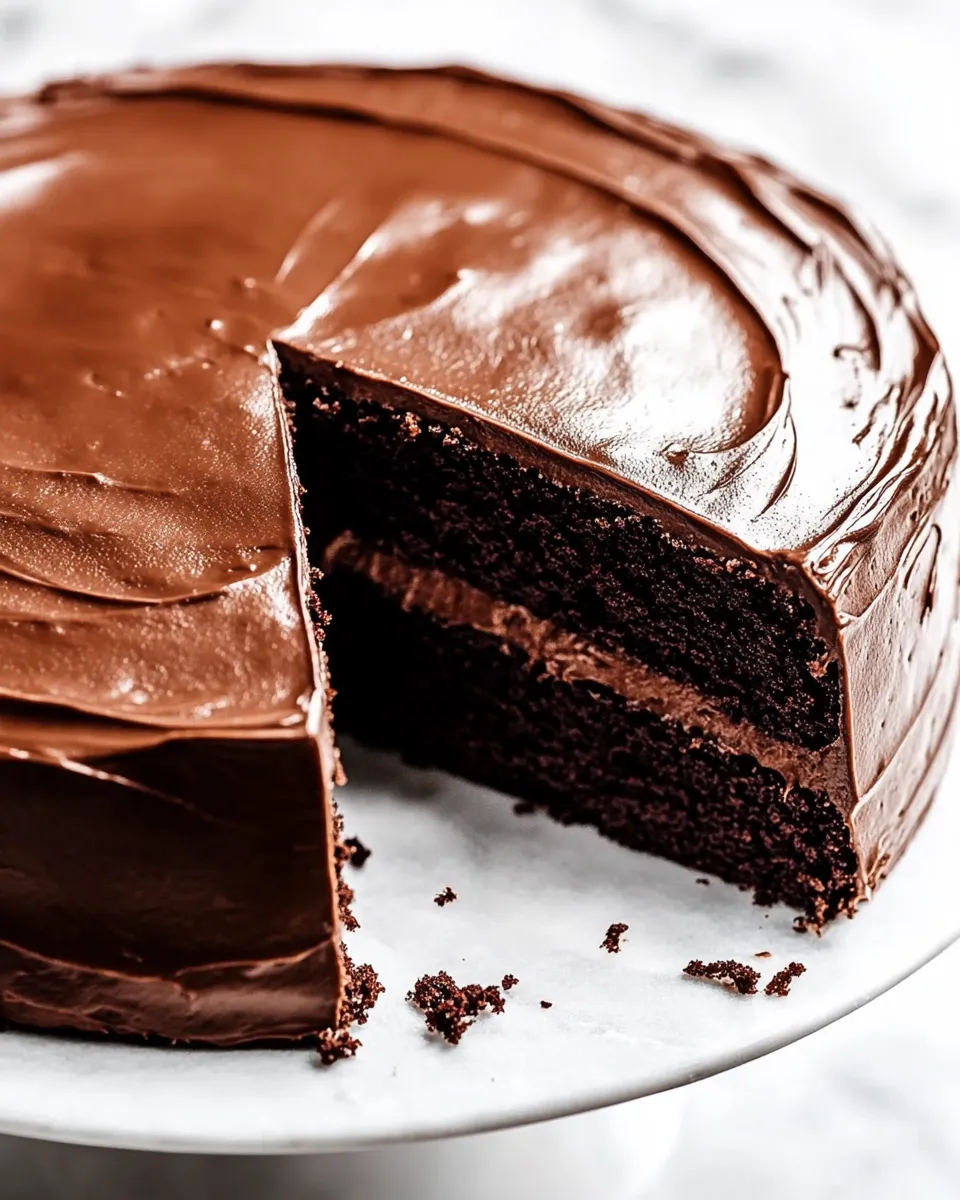
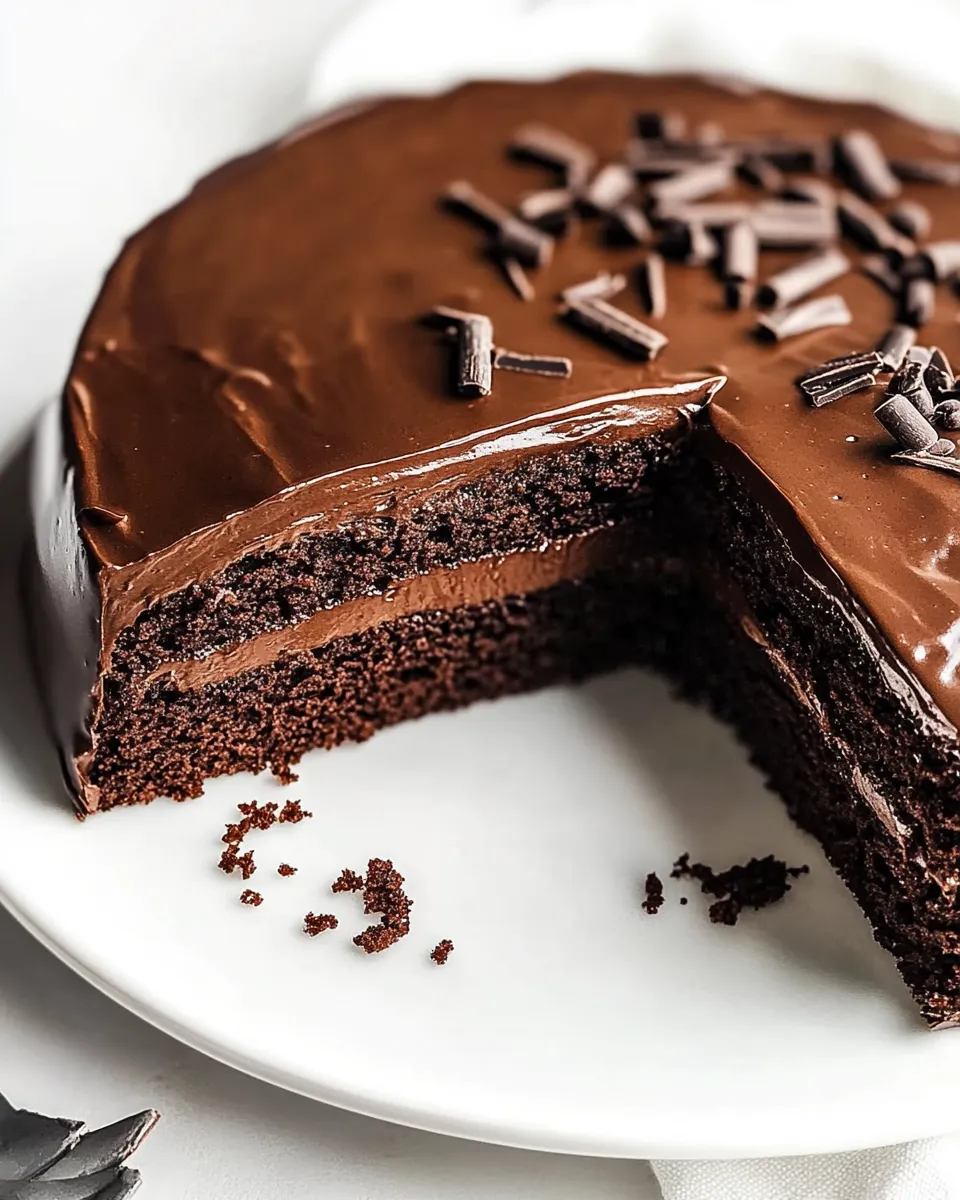
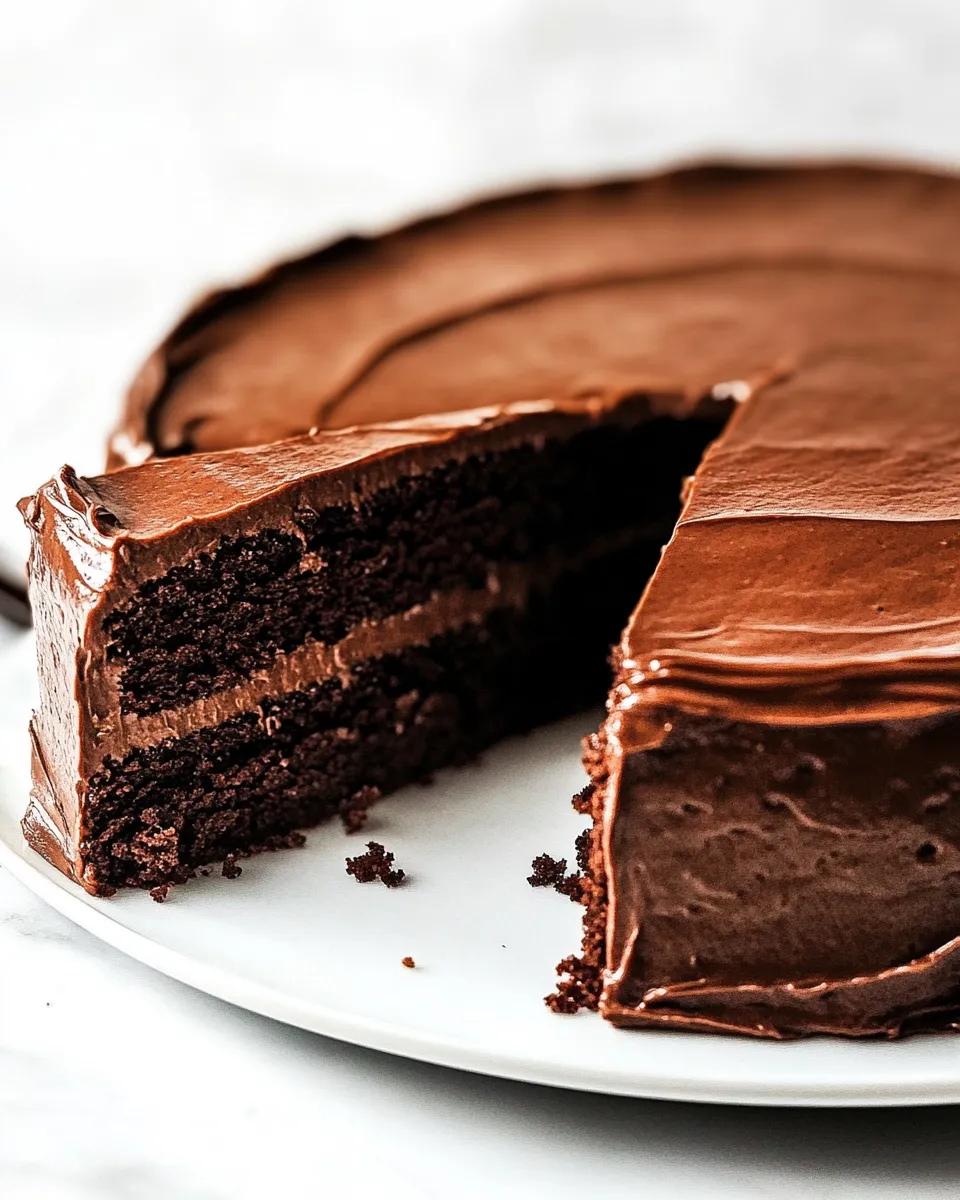
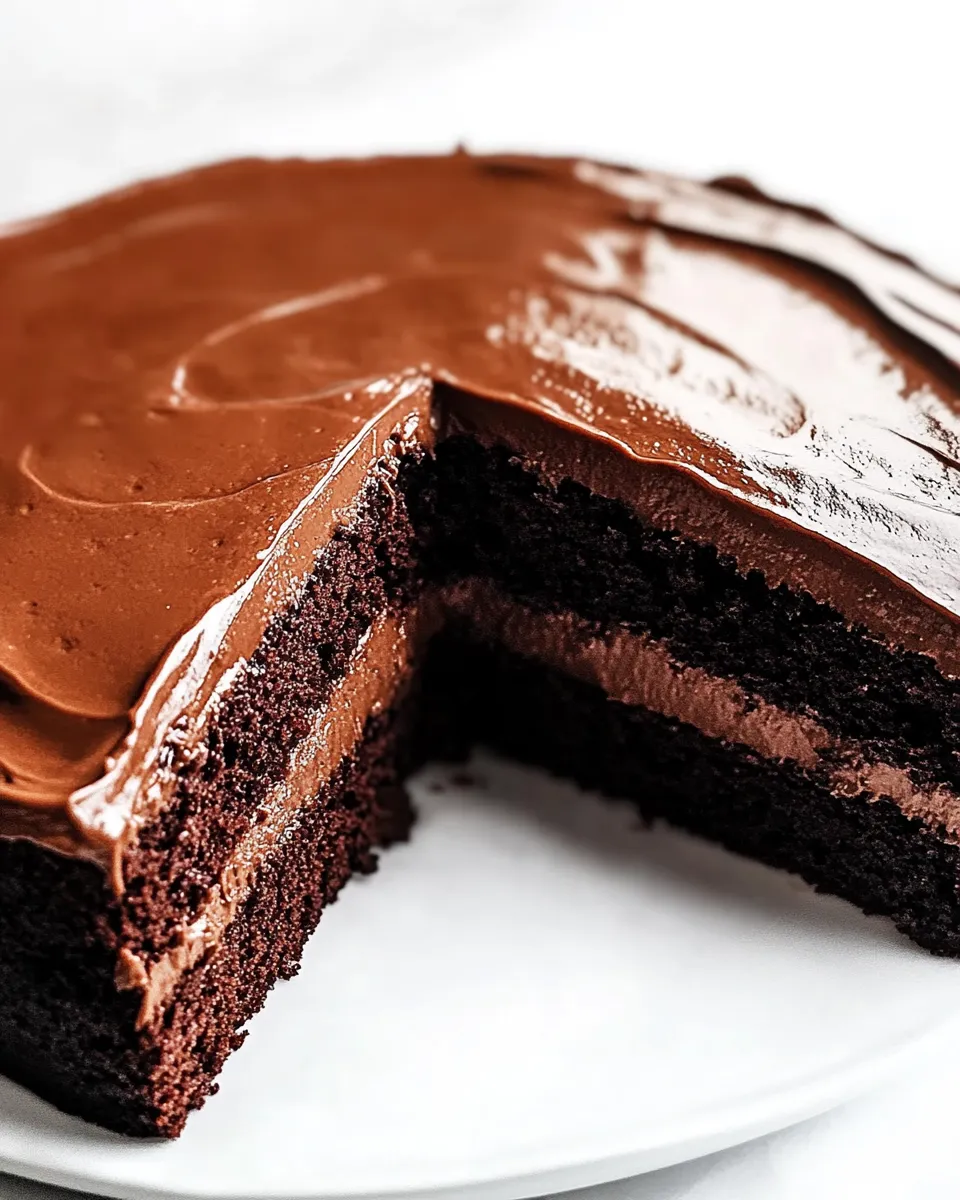
This is the chocolate cake I reach for when friends tell me they’re avoiding gluten but still want something seriously chocolatey. It’s reliably moist, has a pleasant crumb courtesy of cooked quinoa, and layers well with a simple chocolate frosting. The texture surprises people in the best way—the cake is dense without being heavy, and small pockets of chocolate chips give it those joyful bites.
I developed this version because I wanted a cake that didn’t lean on a single substitute flour. Using cold cooked quinoa as a base keeps the batter naturally gluten-free and adds a subtle nuttiness. The recipe comes together quickly in a blender for the wet ingredients and a single large bowl for the dry, so it’s practically set-and-forget once the pans are in the oven.
If you’re used to traditional wheat-based cakes, read through the notes before you bake. There are a few small technique differences—how you measure, how you cool, and how you slice—that make a big difference in the finished cake. Follow the method exactly and you’ll have a two-layer cake that holds up for parties and slices cleanly for plates or packed lunches.
Ingredients at a Glance
- 2 cups cold cooked quinoa — provides the cake’s structure and moisture; make sure it’s fully cooled to keep the batter from getting too warm.
- ¾ cup melted butter — adds richness and helps the cake stay tender; melted is easiest to blend smooth.
- 4 eggs — supply structure and lift; use room temperature eggs if possible for better emulsification.
- ⅓ cup milk — adds liquid to the batter and softens the quinoa’s texture.
- 1 ½ teaspoons vanilla extract — brightens the chocolate flavor and rounds the sweetness.
- 1 ¼ cups white sugar — sweetens and contributes to the cake’s tender crumb.
- 1 cup cocoa powder — the primary chocolate flavor; sift or whisk to remove lumps for an even batter.
- 1 ½ teaspoons baking powder — helps the cake rise; check freshness if your rise is weak.
- 1 teaspoon baking soda — works with the acidic components to lift and lighten the crumb.
- ½ teaspoon salt — balances sweetness and enhances chocolate flavor.
- 1 cup chocolate chips — folded into the batter for melty pockets of chocolate.
- 2 cups chocolate frosting — to sandwich and finish the cake; choose a frosting you like for texture and intensity.
Method: Gluten-Free Chocolate Cake
- Preheat oven to 350°F. Grease two round cake pans, line the bottoms with parchment paper, then grease the parchment and sides of the pans.
- In a blender combine 2 cups cold cooked quinoa, ¾ cup melted butter, 4 eggs, ⅓ cup milk, and 1 ½ teaspoons vanilla extract. Blend until smooth, stopping to scrape down the sides if needed.
- In a large bowl whisk together 1 ¼ cups white sugar, 1 cup cocoa powder, 1 ½ teaspoons baking powder, 1 teaspoon baking soda, and ½ teaspoon salt until evenly combined.
- Pour the quinoa mixture into the bowl with the dry ingredients and stir until the batter is well combined.
- Fold 1 cup chocolate chips into the batter.
- Divide the batter evenly between the two prepared pans and smooth the tops.
- Bake in the preheated oven for 35 minutes, or until a toothpick inserted into the centers comes out with just a few moist crumbs.
- Cool the cakes in their pans on a wire rack for 10–15 minutes. Run a knife around the edges, invert the cakes onto the wire rack, remove the parchment, and let the cakes cool completely.
- Using the 2 cups chocolate frosting, spread frosting between the two layers and over the top (and sides, if desired). Allow the frosting to set before slicing and serving.
What Sets This Recipe Apart
This cake uses cooked quinoa as the base instead of a straight flour replacement. That choice does three things: it keeps the cake gluten-free without relying solely on nut flours, it contributes body and moisture, and it adds a subtle, earthy background note that plays well with cocoa. Another distinct point is the blender step for the wet mixture. That yields a very smooth batter quickly and minimizes overmixing.
The combination of baking powder and baking soda steadies the rise so the cake develops a stable crumb rather than doming aggressively and cracking. And finally, folding in chocolate chips before baking gives you melty pockets without overwhelming the batter—bite-sized bursts of chocolate that make every slice feel a little celebratory.
Low-Carb/Keto Alternatives
For low-carb or keto diets, this exact recipe will need structural swaps because it’s built around quinoa and sugar. If you want to keep a similar technique, consider replacing the quinoa with a puréed cooked cauliflower or a thick custard base—but be aware those change texture and require recipe testing. For sweetening, use granular erythritol blends labeled for baking or monk fruit blends that measure cup-for-cup with sugar, then adjust baking time watchfully—sugar replacements can change browning and moisture.
If nuts are acceptable, a fine almond or macadamia meal can sometimes stand in as the dry body when you rework liquid ratios. Those changes are less plug-and-play; if you try low-carb swaps, start with a small test pan to fine-tune bake time and binding.
Hardware & Gadgets
A few tools make this recipe easier and more consistent: a good blender for the quinoa-wet mix (high-speed or strong personal blender), two same-size round cake pans, parchment paper, and a reliable oven thermometer. A wire rack for cooling is essential; it prevents trapped steam that would make the bottom soggy. An offset spatula helps you spread frosting smoothly. If you have a digital scale, it’s handy for confirming ingredient quantities—even small errors with cocoa or sugar can shift texture.
Learn from These Mistakes
Undercooked centers
If the centers are wet or gummy, the most common cause is insufficient bake time or an oven that runs cool. Use a toothpick to check: you want just a few moist crumbs, not raw batter. If the top browns quickly but the center lags, lower the oven by 25°F and bake a bit longer, covering with foil if the tops brown too much.
Crumbly slices
Slices that fall apart usually mean the cake cooled too briefly before slicing, or the recipe lacked enough binder. Allowing the cake to cool completely and using a long serrated knife with a gentle sawing motion helps produce clean slices. Chilling briefly after frosting can also firm the layers for neater cuts.
Dense texture
Overmixing the batter after adding the dry ingredients or using quinoa that’s too hot can yield a heavy cake. Fold just until combined and ensure the quinoa mixture has cooled a bit so it doesn’t scramble the eggs when blended.
Seasonal Ingredient Swaps
Chocolate pairs beautifully with seasonal flavors, so you can tweak the cake without changing structure. In winter, add a teaspoon of finely grated orange zest to the batter or fold in candied citrus pieces into the frosting. In fall, a pinch of cinnamon and a little espresso powder in the cocoa will deepen the chocolate and add warmth. For spring and summer, fold chopped fresh strawberries into the frosting or sandwich a thin layer of fruit jam between layers for brightness.
When swapping, keep additions minimal so they don’t upset the batter’s moisture balance—think tablespoons, not cups, unless you’re ready to test-adjust bake time.
What Could Go Wrong
Cake collapse: If the cake rises fast and then falls, it may have been over-leavened or exposed to a draft when cooling. Make sure your oven temperature is accurate and don’t open the door during the final part of baking.
Frosting slide-off: A warm cake or very soft frosting can result in slippage. Cool the layers completely and, if needed, chill briefly before applying a thicker crumb coat and final layer of frosting.
Grainy crumb: If you notice a gritty texture, it could be from not blending the quinoa fully or from un-sifted cocoa. Make sure the blender puree is smooth and whisk the dry cocoa to remove lumps before combining.
Storing Tips & Timelines
Room temperature: Covered lightly, the frosted cake will keep at room temperature for up to 24 hours in a cool pantry. For longer, refrigeration is best to preserve freshness.
Refrigerator: Store the cake in an airtight cake carrier or wrapped well for up to 5 days. Bring slices to room temperature before serving for the best flavor and texture—the butter in the frosting firms up when cold and masks some of the chocolate’s nuance.
Freezing: You can freeze individual unfrosted layers wrapped tightly in plastic and foil for up to 2 months. Thaw overnight in the refrigerator, then bring to room temperature before frosting and serving. If you freeze a fully frosted cake, expect a change in frosting texture; freeze-dry like effects can make it slightly grainy on thawing.
Common Qs About Gluten-Free Chocolate Cake
Can I use freshly cooked quinoa instead of cold?
You should cool quinoa completely before blending. Warm quinoa can affect batter temperature and cause eggs to cook or the batter to split, changing texture.
Do I need to rinse quinoa before cooking?
Yes, rinse quinoa to remove the natural bitter coating (saponin) before cooking. That keeps any off-flavors out of the cake.
What frosting pairs best?
A simple chocolate buttercream complements this cake well. Ganache works if you want a more intense, fudgier finish. The recipe calls for 2 cups of chocolate frosting—choose the texture you prefer (pipable buttercream vs. pourable ganache).
Is this cake nut-free?
As written, the recipe does not include nuts. However, always check labels for cross-contamination if you need a strict nut-free product, and ensure your chocolate chips and frosting are safe.
Can I make this in one pan?
You can, but adjust baking time: a single thicker cake will take longer to bake through. Watch with a toothpick and expect additional 10–20 minutes depending on pan size. The texture will be similar, though a single deep cake can be denser in the middle.
Ready, Set, Cook
Preheat the oven, prepare the pans, and get your quinoa cool and ready. This recipe is forgiving and fast once you’ve organized the mise en place. Blend the wet mix, whisk the dry, combine gently, fold in chocolate chips, and bake until set with a few moist crumbs. Let the layers cool fully before assembling with your chosen frosting. Then slice, serve, and soak up the compliments.
If you make this Gluten-Free Chocolate Cake, tell me how you layered and flavored it—did you add orange zest, or did you go classic with ganache? Small adjustments make the recipe your own, and I love hearing which ones worked for you.
Gluten-Free Chocolate Cake
Ingredients
Ingredients
- 2 cupscold cooked quinoa
- 3/4 cupmelted butter
- 4 eggs
- 1/3 cupmilk
- 1 1/2 teaspoonsvanilla extract
- 1 1/4 cupswhite sugar
- 1 cupcocoa powder
- 1 1/2 teaspoonsbaking powder
- 1 teaspoonbaking soda
- 1/2 teaspoonsalt
- 1 cupchocolate chips
- 2 cupschocolate frosting
Instructions
Instructions
- Preheat oven to 350°F. Grease two round cake pans, line the bottoms with parchment paper, then grease the parchment and sides of the pans.
- In a blender combine 2 cups cold cooked quinoa, ¾ cup melted butter, 4 eggs, ⅓ cup milk, and 1 ½ teaspoons vanilla extract. Blend until smooth, stopping to scrape down the sides if needed.
- In a large bowl whisk together 1 ¼ cups white sugar, 1 cup cocoa powder, 1 ½ teaspoons baking powder, 1 teaspoon baking soda, and ½ teaspoon salt until evenly combined.
- Pour the quinoa mixture into the bowl with the dry ingredients and stir until the batter is well combined.
- Fold 1 cup chocolate chips into the batter.
- Divide the batter evenly between the two prepared pans and smooth the tops.
- Bake in the preheated oven for 35 minutes, or until a toothpick inserted into the centers comes out with just a few moist crumbs.
- Cool the cakes in their pans on a wire rack for 10–15 minutes. Run a knife around the edges, invert the cakes onto the wire rack, remove the parchment, and let the cakes cool completely.
- Using the 2 cups chocolate frosting, spread frosting between the two layers and over the top (and sides, if desired). Allow the frosting to set before slicing and serving.
Equipment
- Oven
- Blender
- Large Bowl
- round cake pans
- Parchment Paper
- Wire Rack
- Knife
Notes
Notes:
Peanut butter frosting, chocolate ganache and small Reeses Peanut Butter cups would be an amazing addition. It’s also delicious with vanilla or raspberry frosting.
Storage:
Store leftovers in an airtight container in the fridge.