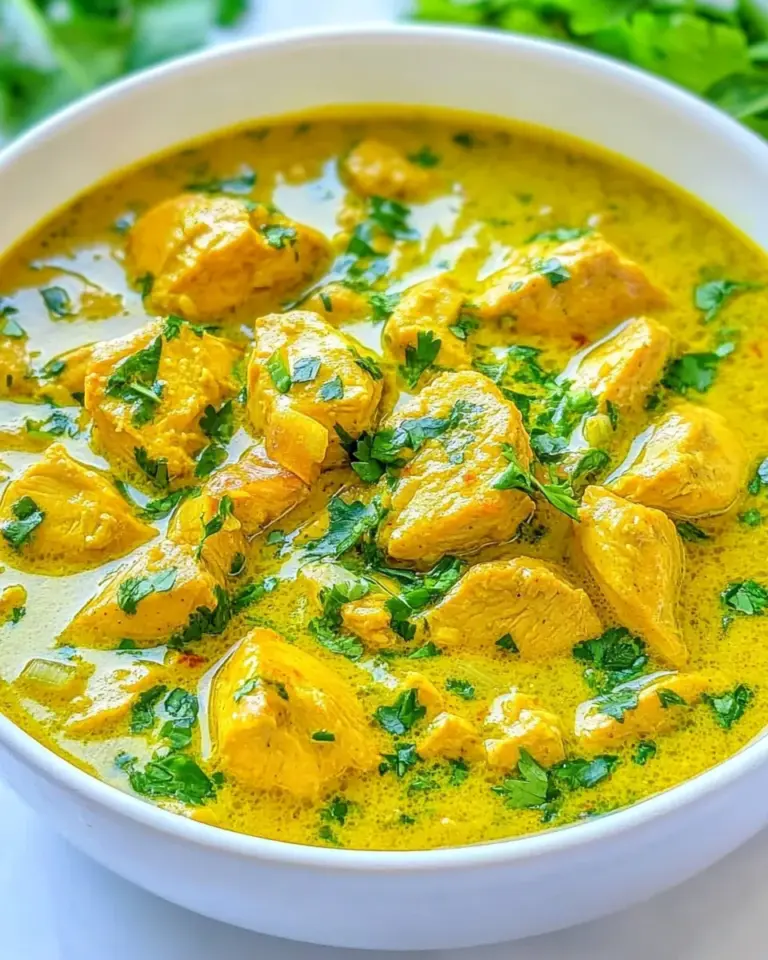
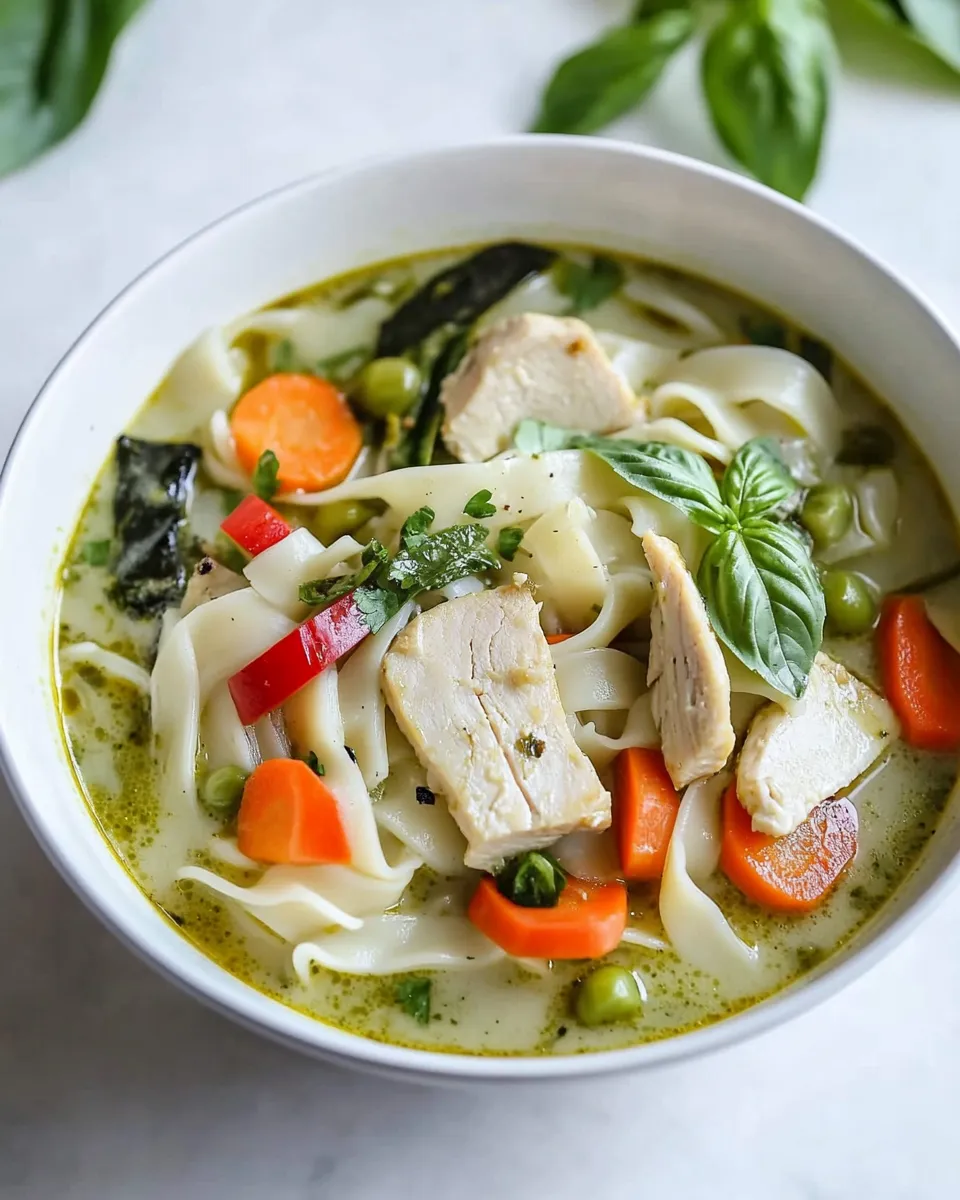
There are dinners that show up and everyone notices, and then there are dinners that quietly become family favorites. This green curry Thai noodle soup does both: it arrives with bold fragrant notes of coconut and green curry, and it settles into your weeknight rotation because it’s straightforward and forgiving. The heat and brightness pair beautifully with tender chicken and soft rice noodles, making it comfort food with personality.
I love this recipe for the way it balances speed with depth. It starts with a jar of green curry paste—don’t be shy, it’s doing the heavy lifting—and builds richness with full‑fat coconut milk. Vegetables keep it bright and add texture, while the rice noodles soak up the curry and make each spoonful satisfying. In less than an hour you have a bowl that tastes like you spent all day on it.
Below you’ll find the ingredient list with quick notes, a step‑by‑step method you can follow without fuss, plus tips for shortcuts, substitutions, and common mistakes to avoid. Read through once, then get cooking. This is the sort of recipe you can rely on and tweak to your taste.
Ingredients at a Glance
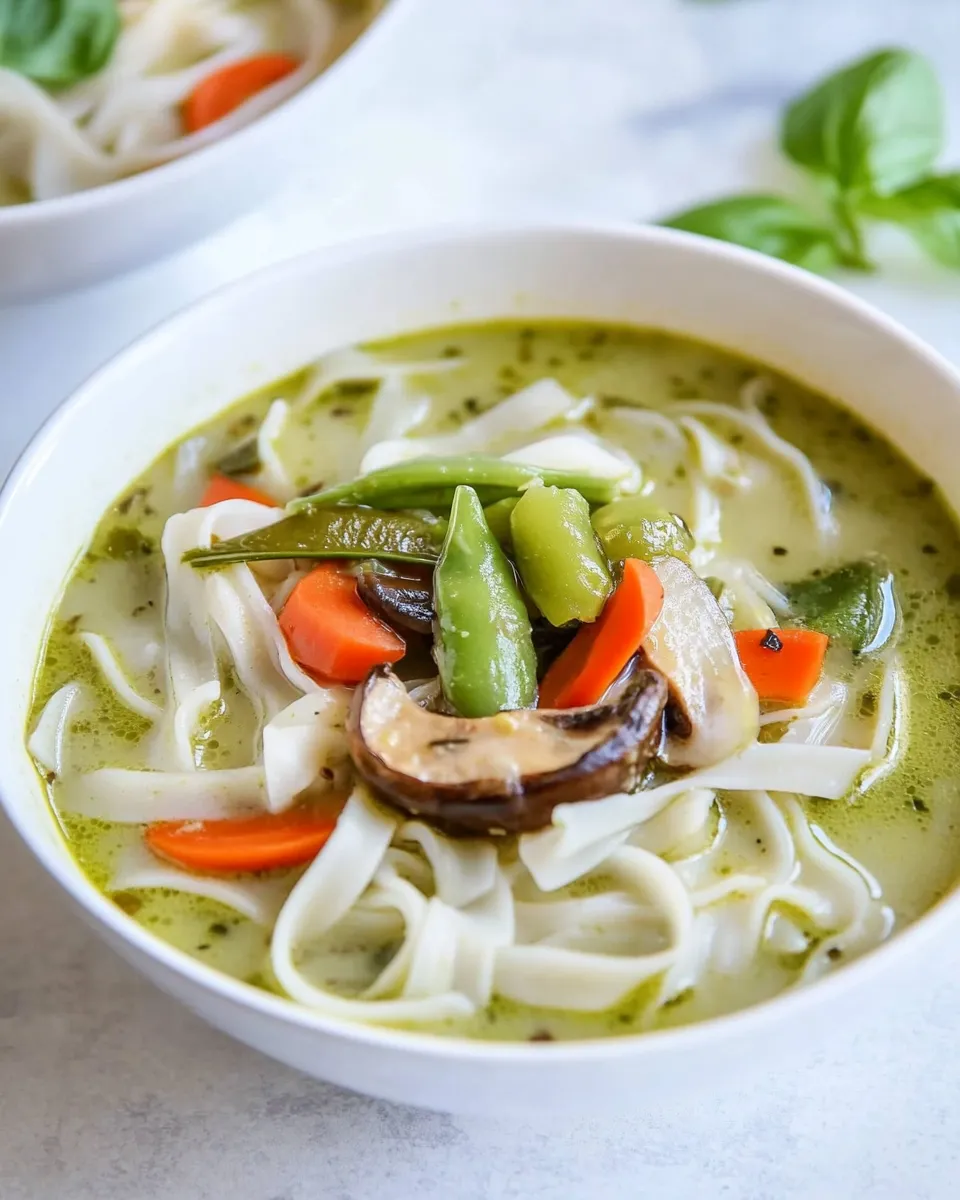
- 16 ounces rice noodles — the base of the soup; choose medium-width rice noodles and follow package instructions so they don’t go mushy.
- 2 Tbsp avocado oil — for sautéing; neutral oil with a high smoke point so the onion and chicken brown nicely.
- 1/2 medium onion, finely chopped — builds savory depth; cook until translucent for a sweeter background note.
- 3 cloves garlic, minced — aromatic backbone; add with the chicken so it infuses the oil without burning.
- 3 lbs chicken breasts, chopped — protein for the soup; chop into bite-sized pieces so they cook quickly and evenly.
- 2 15-ounce cans full-fat coconut milk — creates the creamy broth; full-fat gives the soup body and balances the curry paste.
- 13.5-ounce jar Green Curry Paste — concentrated flavor; use the whole jar as directed for a pronounced curry profile.
- 1 large crown broccoli, chopped — texture and color; adds a pleasant bite and soaks up the curry flavor.
- 2 large carrots, chopped — sweetness and crunch; chop into rounds or half-moons so they cook through in the simmer.
- 1 red bell pepper, cut into match sticks — freshness and color; add for a slight crunch and sweet note.
- 2 medium zucchini squash, chopped — tender vegetable that takes on flavor quickly; chop into similar size to the other veg.
- 2 tsp fish sauce (optional) — umami boost; add if you want extra savory depth (start with less if you’re sensitive to salt).
- 1/4 tsp red pepper flakes (optional) — extra heat; add only if you like a bit more bite beyond the curry paste.
Green Curry Thai Noodle Soup, Made Easy
- Cook the rice noodles according to package instructions; drain, set aside, and keep warm.
- Heat the 2 Tbsp avocado oil in a large stockpot over medium-high heat.
- Add the 1/2 medium finely chopped onion and sauté 5–8 minutes, stirring occasionally, until translucent.
- Add the 3 cloves minced garlic and the 3 lbs chopped chicken breasts. Cook 3–4 minutes, stirring, until the chicken is lightly browned on the outside but not fully cooked through.
- Add both cans of full‑fat coconut milk and the entire jar of Green Curry Paste to the pot. Stir well to combine and dissolve the paste into the coconut milk.
- Add the chopped broccoli crown, chopped carrots, red bell pepper match sticks, and chopped zucchini squash. If using, add the 2 tsp fish sauce and 1/4 tsp red pepper flakes now.
- Bring the mixture to a boil, then reduce heat to a simmer. Cover and cook about 10 minutes, or until the chicken is cooked through (165°F/74°C) and the vegetables are tender.
- Stir in the cooked rice noodles and heat 1–2 minutes until the noodles are warmed through. Serve immediately.
Why It Deserves a Spot
This soup earns its place because it’s quick, flavorful, and adaptable. It’s fast enough for a busy weeknight but has enough layers—garlic, onion, coconut, and curry—to feel like a special meal. The whole jar of green curry paste ensures a bright, herbal backbone that stands up to the creaminess of the coconut milk and the tender chicken.
It also travels well. Leftovers reheat nicely on the stovetop, and the ingredients are widely available. The dish is forgiving: you can swap veggies or add more spice, and it still holds up. That kind of flexibility is exactly what makes a recipe go from “one-time” to “go-to.”
What to Use Instead
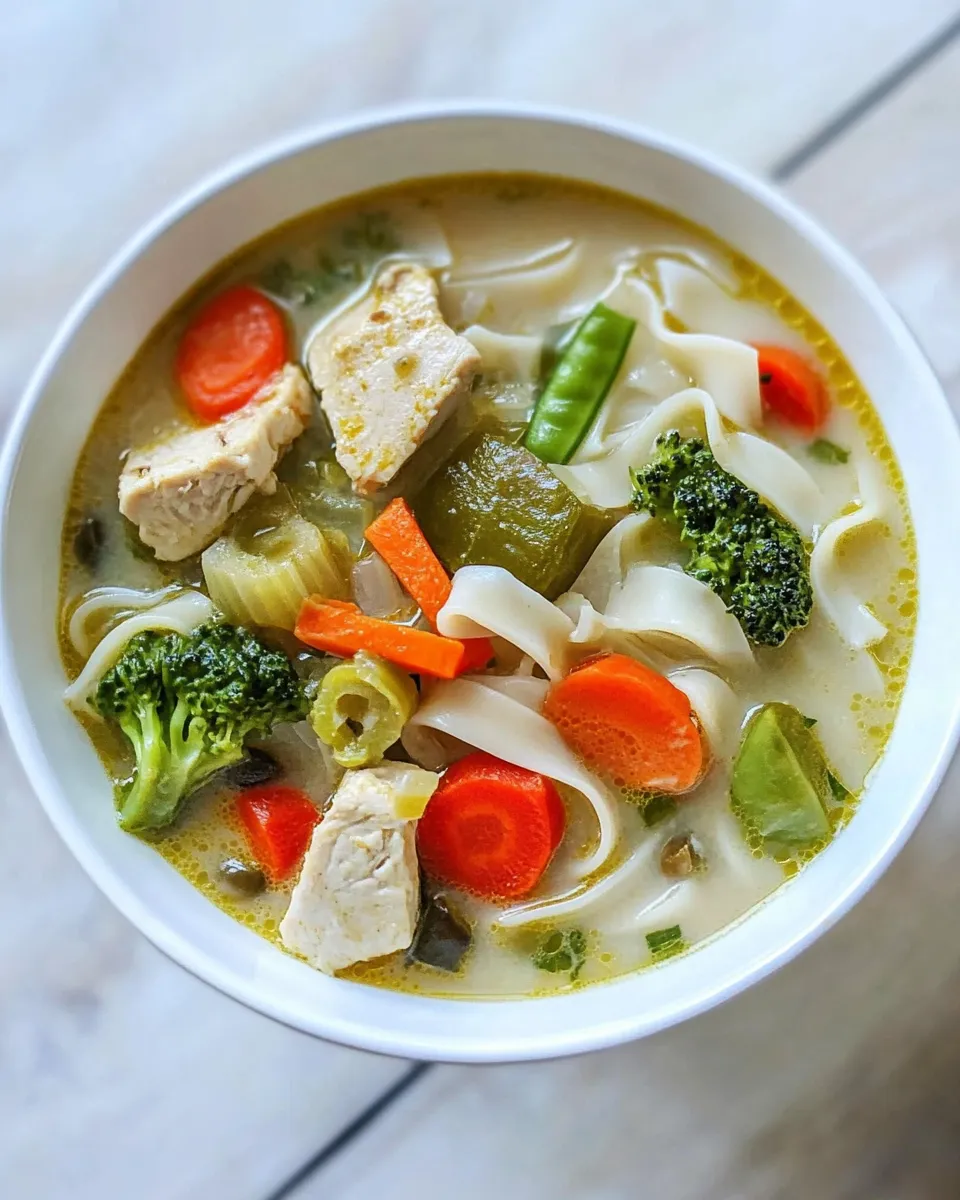
Not everything on hand? No problem. Here are safe swaps that keep the spirit of the dish without derailing it:
– Rice noodles: use udon or thin wheat noodles in a pinch, but expect a different texture.
– Avocado oil: any neutral oil (canola, vegetable) works for sautéing.
– Full-fat coconut milk: light coconut milk will thin the broth; if using light, consider stirring in a tablespoon of butter or a splash of cream for richness.
– Chicken breasts: boneless thighs are a juicier alternative and tolerate longer simmering without drying out.
– Green curry paste: if the jar isn’t available, you can blend fresh cilantro, Thai basil, green chilies, lemongrass, and garlic, but that’s more effort—using the jarred paste keeps this recipe fast.
– Fish sauce: soy sauce or tamari can provide saltiness if you prefer no fish products, though the flavor profile shifts slightly.
Hardware & Gadgets
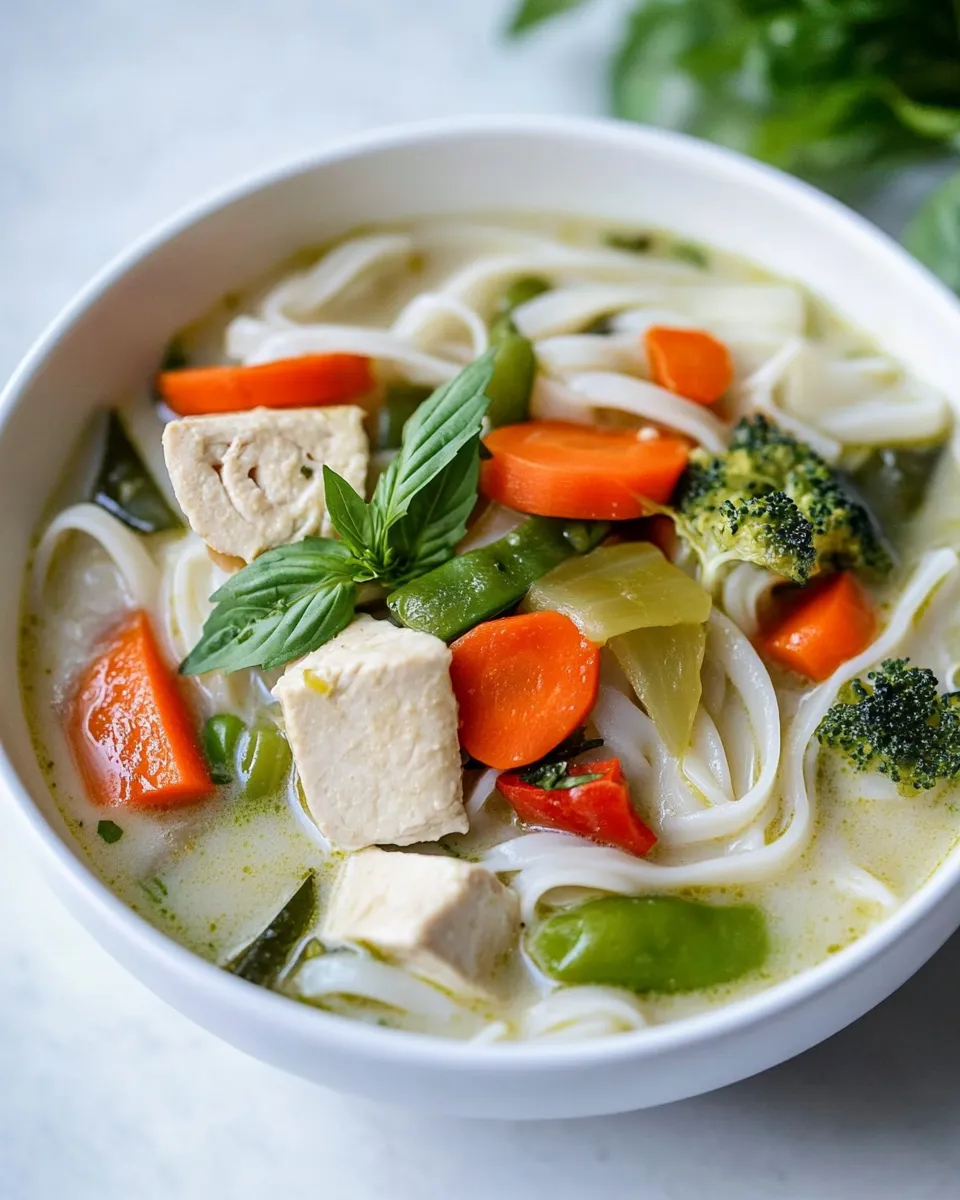
You don’t need fancy equipment. Here’s what helps:
– Large stockpot: necessary for cooking the broth, chicken, and vegetables together.
– Sharp knife and cutting board: for quick, even chopping—especially with three pounds of chicken and multiple vegetables.
– Tongs or a slotted spoon: handy for removing noodles and serving.
– Instant-read thermometer (optional): ensures the chicken reaches 165°F/74°C without overcooking.
Mistakes That Ruin Green Curry Thai Noodle Soup
There are a few common missteps that turn this into a disappointment. Avoid them:
– Overcooking the rice noodles. If you let them sit in the hot broth for long after cooking, they become mushy. Cook them separately, drain, and add at the end just to warm through.
– Using light coconut milk without compensating. The soup will lose its silky texture and feel thin. If you only have light coconut milk, add a spoonful of butter or coconut cream for body.
– Adding too much curry paste without tasting. Jarred pastes vary in intensity. While this recipe uses the whole jar, be ready to adjust to your heat tolerance—taste before serving and be prepared to mellow with extra coconut milk or a squeeze of lime if needed.
– Crowding the pot when browning chicken. If the chicken pieces steam instead of sear, they won’t develop that extra layer of flavor. Brown in batches if necessary.
How to Make It Lighter
Want a lighter version without losing too much flavor? Try these adjustments:
– Use light coconut milk and increase the vegetable-to-chicken ratio so the broth feels substantial without the same fat content.
– Swap half the chicken for extra vegetables or mushrooms. This reduces calories per serving while adding fiber and volume.
– Reduce the amount of oil used for sautéing. Use a nonstick pan or a cooking spray and sauté the onions in a splash of broth instead.
– Skip the optional fish sauce, or use a low-sodium alternative to control salt. Finish with fresh lime juice to brighten flavors without added fat.
What Could Go Wrong
Even simple recipes can run into trouble. Here’s what to watch for and how to fix it:
– Broth too thin: coconut milk separates or feels watery if heated too rapidly or if light coconut milk is used. Simmer gently and finish with a small spoon of coconut cream or a pat of butter to round it out.
– Bland flavor: if the soup tastes flat, it likely needs acidity or salt. A squeeze of lime and a pinch more fish sauce (or soy sauce) will lift the flavors instantly.
– Too spicy: if the curry is hotter than you like, add more coconut milk or a splash of plain yogurt (dairy will mellow heat). Sweetness from a tiny pinch of sugar can also help balance heat.
– Vegetables overcooked: if the veg turn to mush, serve remaining fresh or quickly blanched vegetables on the side for texture, or stir in quick-cooking greens (baby spinach, bok choy) at the end to add freshness.
Prep Ahead & Store
This soup is very friendly to prep and make-ahead strategies. Cook the rice noodles and refrigerate them separately in an airtight container for up to one day. Chop the vegetables and store them in containers so you can toss them into the pot without delay. You can also chop the chicken in advance and keep it chilled until you’re ready to cook.
Leftovers: allow the soup to cool, then refrigerate in a sealed container for up to 3 days. Reheat gently on the stovetop; avoid boiling, which can split the coconut milk. If the noodles have soaked up too much broth overnight, store them separately and add fresh noodles or warm the stored noodles in a small amount of broth before serving.
Top Questions & Answers
Q: Can I use shrimp instead of chicken?
A: Yes. Add peeled shrimp in the final 3–4 minutes of simmering so they cook through but remain tender. Shrimp cooks much faster than chicken, so adjust timing accordingly.
Q: Is this spicy?
A: Green curry paste has heat, but jars vary. This recipe uses an entire jar, which yields a pronounced curry flavor with a moderate to medium heat level. Dial it back by using less paste or balance it with extra coconut milk, lime juice, or a touch of sugar.
Q: Can I make it vegetarian?
A: Omit the chicken and use firm tofu or extra vegetables. Use soy sauce instead of fish sauce, and ensure the green curry paste is vegetarian (some contain shrimp paste).
Q: Why did my coconut milk separate?
A: Rapid high heat can cause separation. Simmer gently and stir frequently. If it separates, whisk in a spoonful of coconut cream or remove from the heat and blend briefly to reincorporate.
See You at the Table
This Green Curry Thai Noodle Soup is a dependable weeknight star—fast to make, generous on flavor, and kind to leftovers. It’s the kind of meal you’ll find yourself repeating: cozy enough to feel like comfort food, but vibrant enough to keep you coming back for the next bowl. Make it your own with the vegetables you love, adjust the spice to your family’s taste, and don’t forget a lime wedge at the table for bright finishing acid.
When you serve it, take a moment to stir the bowl so the noodles and broth mingle, and garnish with fresh herbs if you have them—cilantro or Thai basil make a beautiful lift. I’ll see you at the table, ladle in hand.
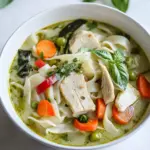
Green Curry Thai Noodle Soup
Ingredients
Ingredients
- 16 ouncesrice noodles
- 2 Tbspavocado oil
- 1/2 medium onionfinely chopped
- 3 clovesgarlicminced
- 3 lbschicken breastschopped
- 215- ounce cans full-fat coconut milk
- 13.5- ounce jar Green Curry Paste
- 1 large crown broccolichopped
- 2 large carrotschopped
- 1 red bell peppercut into match sticks
- 2 medium zucchini squashchopped
- 2 tspfish sauceoptional
- 1/4 tspred pepper flakesoptional
Instructions
Instructions
- Cook the rice noodles according to package instructions; drain, set aside, and keep warm.
- Heat the 2 Tbsp avocado oil in a large stockpot over medium-high heat.
- Add the 1/2 medium finely chopped onion and sauté 5–8 minutes, stirring occasionally, until translucent.
- Add the 3 cloves minced garlic and the 3 lbs chopped chicken breasts. Cook 3–4 minutes, stirring, until the chicken is lightly browned on the outside but not fully cooked through.
- Add both cans of full‑fat coconut milk and the entire jar of Green Curry Paste to the pot. Stir well to combine and dissolve the paste into the coconut milk.
- Add the chopped broccoli crown, chopped carrots, red bell pepper match sticks, and chopped zucchini squash. If using, add the 2 tsp fish sauce and 1/4 tsp red pepper flakes now.
- Bring the mixture to a boil, then reduce heat to a simmer. Cover and cook about 10 minutes, or until the chicken is cooked through (165°F/74°C) and the vegetables are tender.
- Stir in the cooked rice noodles and heat 1–2 minutes until the noodles are warmed through. Serve immediately.
Equipment
- large stockpot
- stove
- Colander