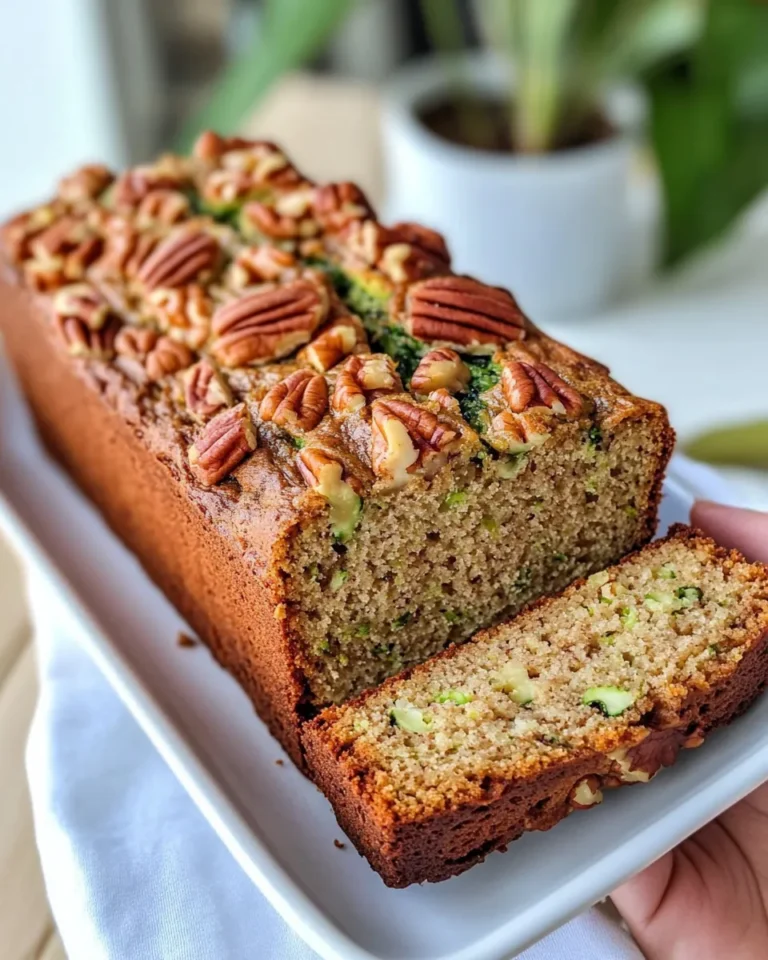
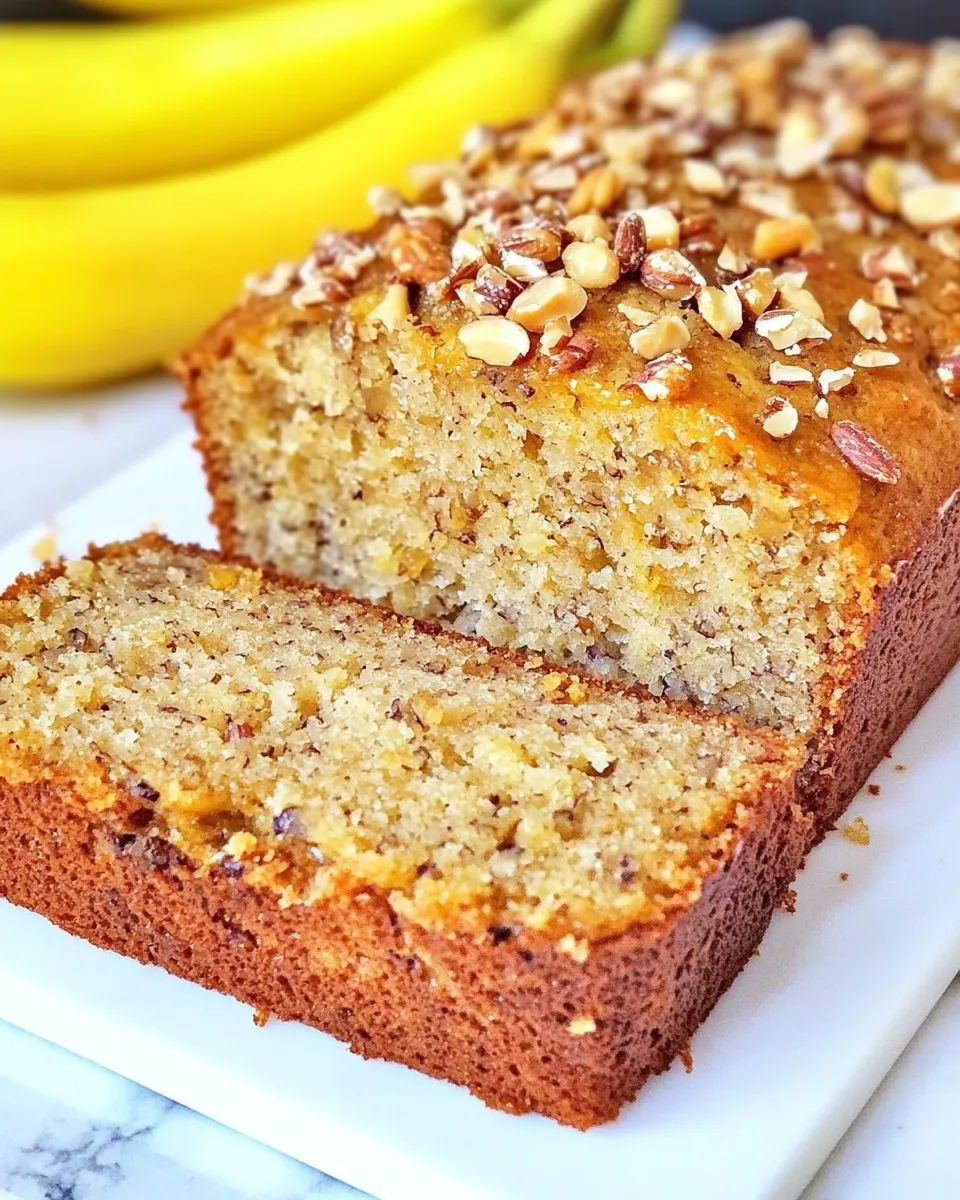
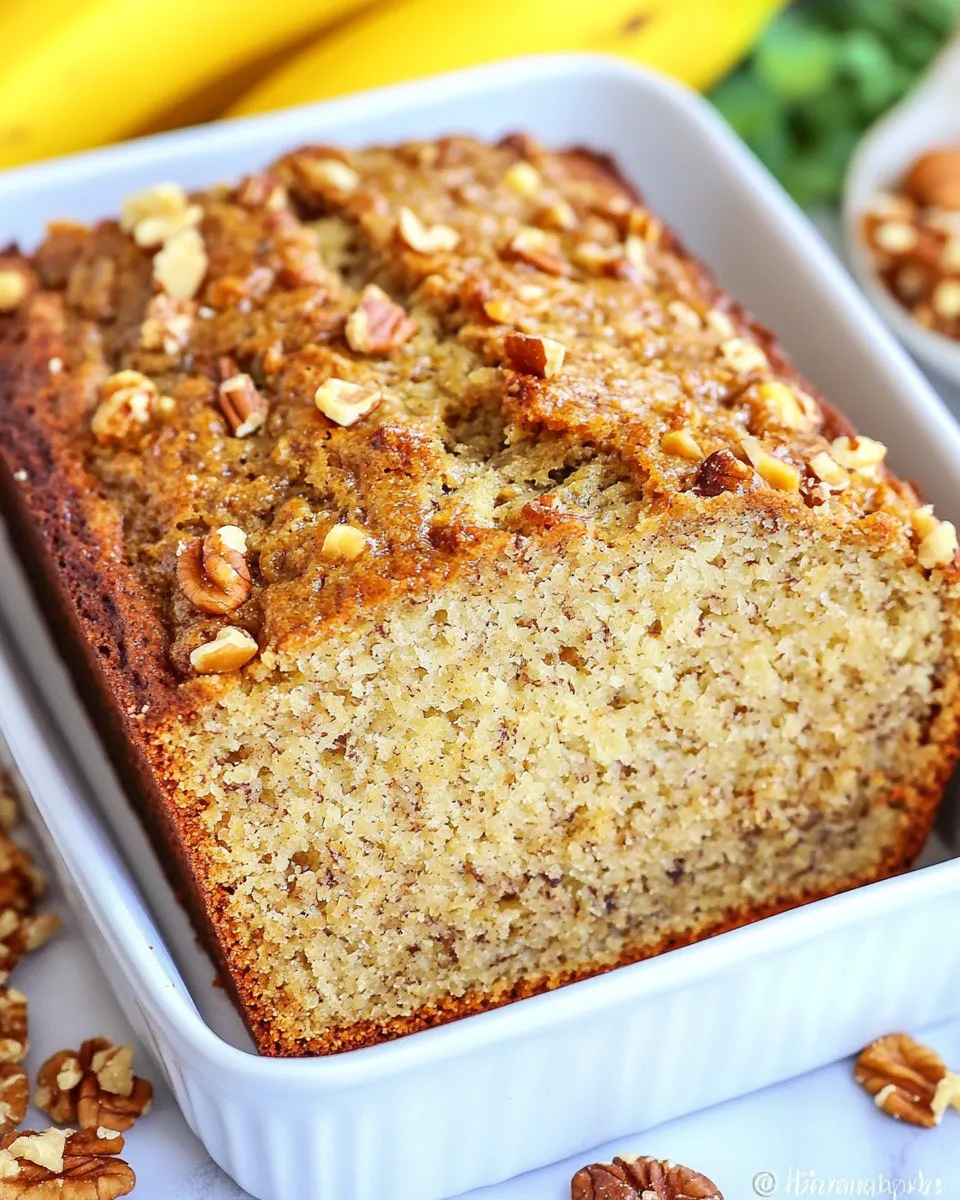
This Hawaiian Banana Nut Bread is the kind of loaf that brightens a morning and travels well to potlucks. It folds tropical flavors into a familiar, comforting crumb: ripe bananas, a touch of coconut and pineapple, and crunchy pecans. It’s straightforward to make, forgiving when it comes to mixing, and rewarded with a golden crust and tender center.
I tested this recipe until the balance felt right—moist but not dense, sweet but not cloying, with that little pop of texture from turbinado sugar on top. If you keep a bowl of overripe bananas on the counter, you already have everything you need. The loaf freezes beautifully, which makes it a practical choice when you want a homemade treat without daily baking.
Below you’ll find the exact ingredients and method I follow every time, plus notes on equipment, what to avoid, and seasonal ways to serve it. Read straight through if you’re baking now, or bookmark it and come back when the bananas are at their sweetest.
What We’re Using
Ingredients
- 3 eggs, lightly beaten — bind the batter and add richness.
- 2 cups mashed bananas — primary sweetener and moisture; use very ripe bananas for best flavor.
- 1½ cups canola oil — keeps the loaf tender and helps with a moist crumb.
- 1 Tbsp vanilla extract — rounds and deepens the banana flavor.
- 2 tsp coconut extract — gives the bread a subtle tropical note without adding texture.
- 1 (8-oz) can crushed pineapple, drained — adds brightness and extra moisture; be sure to drain to avoid excess liquid.
- 3 cups all-purpose flour — structure for the loaf; spoon and level for accuracy if using volume measurements.
- 2 cups sugar — sweetens and helps with crust color; turbinado on top adds crunch.
- 1 tsp baking soda — leavens and lightens the crumb.
- 1 tsp salt — balances sweetness and enhances flavor.
- 1½ tsp cinnamon — warms and complements banana and coconut.
- 1 cup chopped pecans — adds crunch and a toasty, nutty element.
- 1 cup shredded sweetened coconut — chewy texture and extra coconut flavor.
- ¼ cup turbinado sugar — sprinkled on top for a coarse, crackly crust.
Method: Hawaiian Banana Nut Bread
- Preheat oven to 350°F. Spray two 9×5-inch loaf pans with cooking spray.
- In a large bowl, whisk together the 3 lightly beaten eggs, 2 cups mashed bananas, 1½ cups canola oil, 1 Tbsp vanilla extract, 2 tsp coconut extract, and the drained 8-oz can crushed pineapple.
- In a separate bowl, whisk together 3 cups all-purpose flour, 2 cups sugar, 1 tsp baking soda, 1 tsp salt, and 1½ tsp cinnamon.
- Add the dry ingredients to the wet ingredients and stir until just combined, avoiding overmixing.
- Stir in 1 cup chopped pecans and 1 cup shredded sweetened coconut until evenly distributed.
- Divide the batter evenly between the prepared loaf pans and smooth the tops. Sprinkle the tops with ¼ cup turbinado sugar.
- Bake at 350°F for about 1 hour and 15 minutes, or until a toothpick inserted in the center comes out clean or with a few moist crumbs.
- Remove the pans from the oven and place on wire racks. Let the loaves cool in the pans for 10 minutes.
- Loosen the edges with a knife, invert the loaves onto the wire racks, remove the pans, and let the breads cool completely before slicing.
Why It’s My Go-To
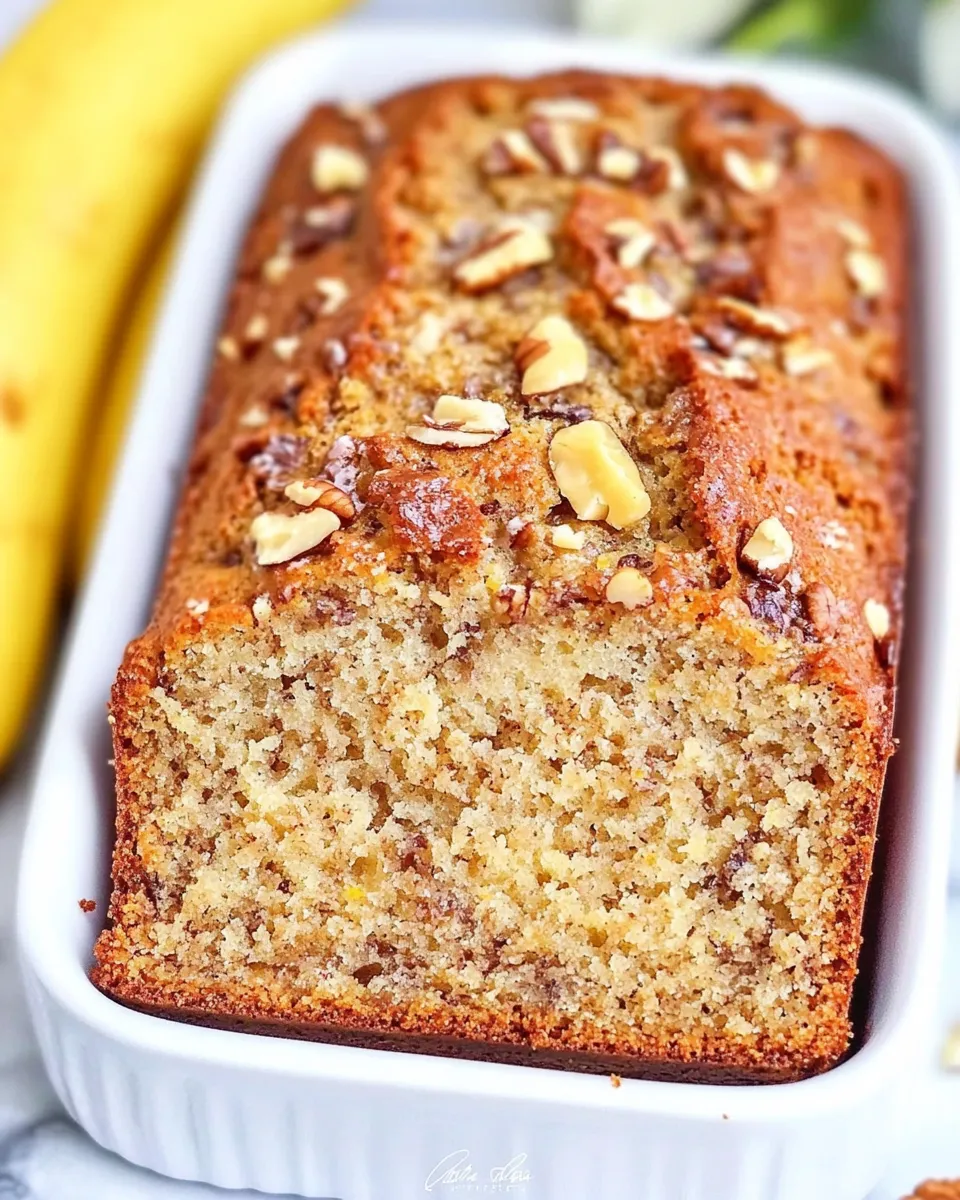
This loaf is dependable. The recipe tolerates variance in banana size and ripeness better than many quick breads because of the oil and pineapple—both bring moisture and forgiveness. The coconut extract and shredded coconut layer in a tropical profile without overshadowing the familiar banana notes, and pecans give a satisfying contrast in texture.
It also travels well. I’ve taken this to brunches and picnics; it stays moist for days if wrapped properly, and it slices cleanly when cooled fully. The turbinado sugar on top is a small flourish that makes the loaf feel special—caramelized, slightly crunchy, and just rustic enough for the kitchen table.
Flavor-Forward Alternatives
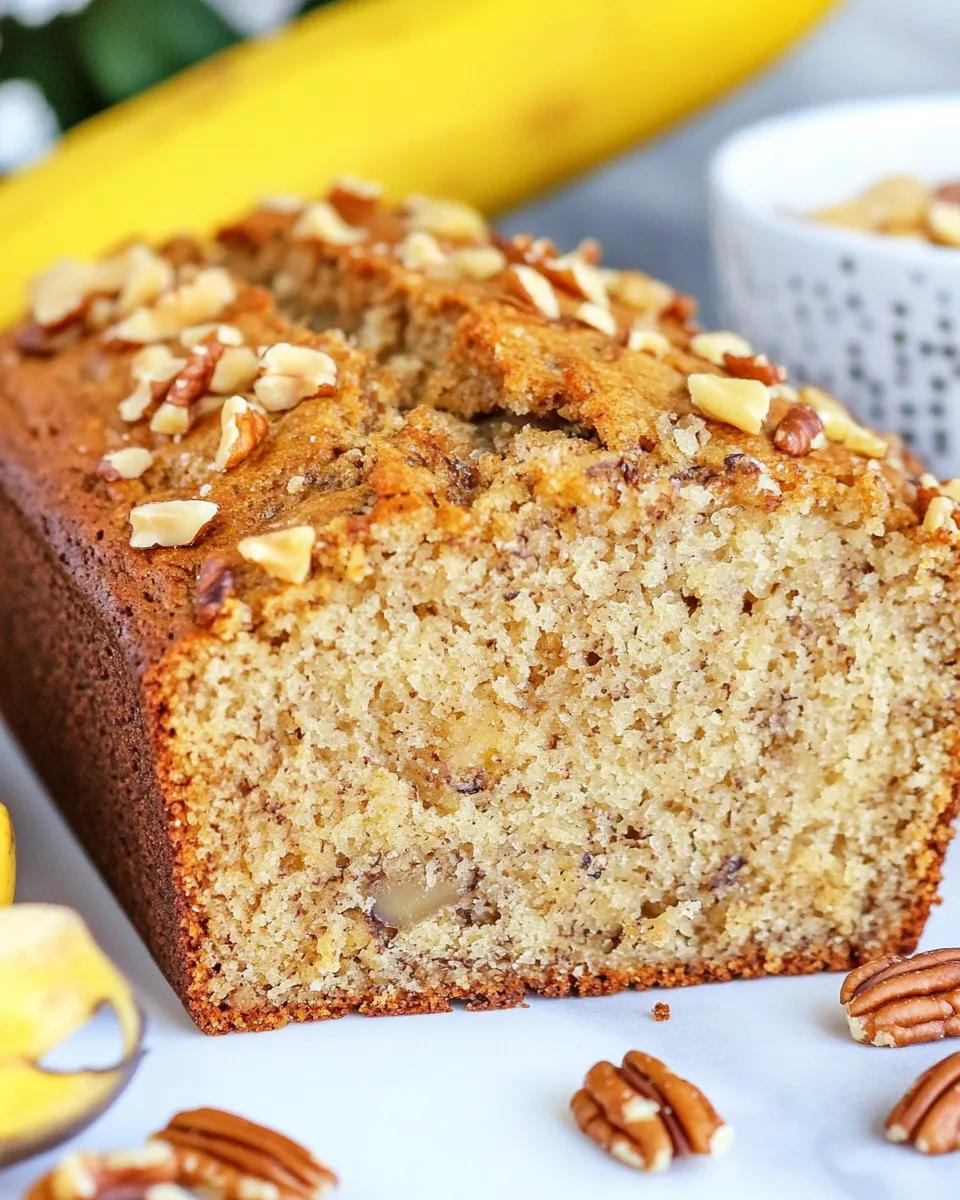
If you want to tweak the flavor, small, simple swaps deliver big results without reworking the method:
- Swap the pecans for another toasted nut to change the tone of the loaf (toasty, buttery, or sweeter).
- Switch shredded sweetened coconut for unsweetened if you want less sweetness and a drier texture from the coconut bits.
- Top with a simple glaze or a smear of softened butter and a sprinkle of sea salt for a different finish—keep amounts light so the bread’s texture stays moist, not soggy.
Hardware & Gadgets
These are the tools that make the bake predictable and effortless:
- Two 9×5-inch loaf pans — the recipe is sized for two loaves so baking time is consistent.
- Wire rack — cools loaves evenly; don’t skip this for clean slicing.
- Large mixing bowls — one for wet, one for dry to keep things organized.
- Measuring cups and spoons — accurate measuring prevents over-dense bread.
- Rubber spatula and wooden spoon — for folding without overmixing.
Steer Clear of These
There are a few pitfalls that turn a good loaf into a meh one:
- Overmixing the batter — this develops gluten and yields a tough crumb. Stir until the dry ingredients are just incorporated.
- Using under-ripe bananas — you won’t get the depth of sweetness and banana aroma. Aim for heavily spotted, soft bananas.
- Not draining the pineapple well — excess liquid can make the batter too wet and the loaf dense or gummy. Give the crushed pineapple a good squeeze or drain in a fine mesh for a minute.
- Skipping the 10-minute rest in the pan — removing too soon can lead to a collapsed top. Let it set before inverting.
Fresh Takes Through the Year
Seasonality is easy with this loaf because the base is neutral and flexible. In spring and summer, serve slices slightly warm with a smear of citrus-laced cream cheese or alongside fresh fruit. In cooler months, pair a slice with a strong cup of coffee or a mug of spiced tea for a cozy breakfast.
For outdoor gatherings, slice the loaf and layer it into a picnic basket with cured meats and cheeses; the tropical notes play nicely against savory flavors. Around holidays, bake both loaves and freeze one whole for later—defrost in a warm oven to refresh the crust.
Chef’s Notes
Banana ripeness
Ripe bananas should be heavily freckled, very soft, and fragrant. They mash easily with a fork and integrate smoothly into the batter. If you prefer a more pronounced banana texture, leave some small chunks when mashing.
On coconut extract
Coconut extract is concentrated—measure carefully. It provides the aroma of coconut without adding moisture. If you’re particularly coconut-forward, increase the shredded coconut rather than the extract to avoid an artificial note.
Texture tips
For a slightly more open crumb, don’t overpack the flour when measuring. Spoon flour into the cup and level it off. If your kitchen is humid, the batter may vary slightly in thickness; that’s normal—batter should be pourable but not runny.
Leftovers & Meal Prep
Cool the loaves completely before wrapping. For short-term storage, wrap tightly in plastic wrap and keep at room temperature for up to 3 days. For longer storage, wrap in plastic then foil and freeze for up to 3 months. Thaw at room temperature and refresh in a 325°F oven for 10–15 minutes if you want a just-baked feel.
Slice only what you need. Cut pieces keep fresher when the loaf remains mostly whole. Slices warm quickly in the toaster oven or on a skillet with a pat of butter for a crusty edge.
Questions People Ask
- Can I use oil substitutes? — This recipe depends on canola oil for moisture and tenderness. Substitutes will change texture; if you must swap, use another neutral oil but expect differences.
- Do I have to use sweetened coconut? — The recipe calls for shredded sweetened coconut for flavor and chew. If you prefer less sweetness, you can use unsweetened shredded coconut, but the overall sweetness will be reduced.
- Why drain the pineapple? — Draining prevents excess liquid from loosening the crumb and changing bake time. A moist, not wet, batter is key.
- Can I make this in a single pan? — You could, but bake time will change. Two 9×5 pans give reliable timing and doneness.
Time to Try It
When your bananas are dark and fragrant, pull this recipe out. The method is straightforward, and the results are consistently rewarding: a moist, lightly tropical loaf with crunch and a caramelized top. Bake one for now and freeze the other—you’ll be glad you did. Tell me how yours turns out, and if you made any tweaks that worked especially well.
Hawaiian Banana Nut Bread
Ingredients
Ingredients
- 3 eggs lightly beaten
- 2 cupsmashed bananas
- 1 1/2 cupscanola oil
- 1 Tbspvanilla extract
- 2 tspcoconut extract
- 1 8-ozcan crushed pineapple, drained
- 3 cupsall-purpose flour
- 2 cupssugar
- 1 tspbaking soda
- 1 tspsalt
- 1 1/2 tspcinnamon
- 1 cupchopped pecans
- 1 cupshredded sweetened coconut
- 1/4 cupturbinado sugar
Instructions
Instructions
- Preheat oven to 350°F. Spray two 9×5-inch loaf pans with cooking spray.
- In a large bowl, whisk together the 3 lightly beaten eggs, 2 cups mashed bananas, 1½ cups canola oil, 1 Tbsp vanilla extract, 2 tsp coconut extract, and the drained 8-oz can crushed pineapple.
- In a separate bowl, whisk together 3 cups all-purpose flour, 2 cups sugar, 1 tsp baking soda, 1 tsp salt, and 1½ tsp cinnamon.
- Add the dry ingredients to the wet ingredients and stir until just combined, avoiding overmixing.
- Stir in 1 cup chopped pecans and 1 cup shredded sweetened coconut until evenly distributed.
- Divide the batter evenly between the prepared loaf pans and smooth the tops. Sprinkle the tops with ¼ cup turbinado sugar.
- Bake at 350°F for about 1 hour and 15 minutes, or until a toothpick inserted in the center comes out clean or with a few moist crumbs.
- Remove the pans from the oven and place on wire racks. Let the loaves cool in the pans for 10 minutes.
- Loosen the edges with a knife, invert the loaves onto the wire racks, remove the pans, and let the breads cool completely before slicing.
Equipment
- Loaf Pan
Notes
Check bread at 1 hour and cover with foil if starting to get too brown.
Can freeze baked loaves.
I used Sugar in the Raw for the turbinado sugar on top of the loaves.