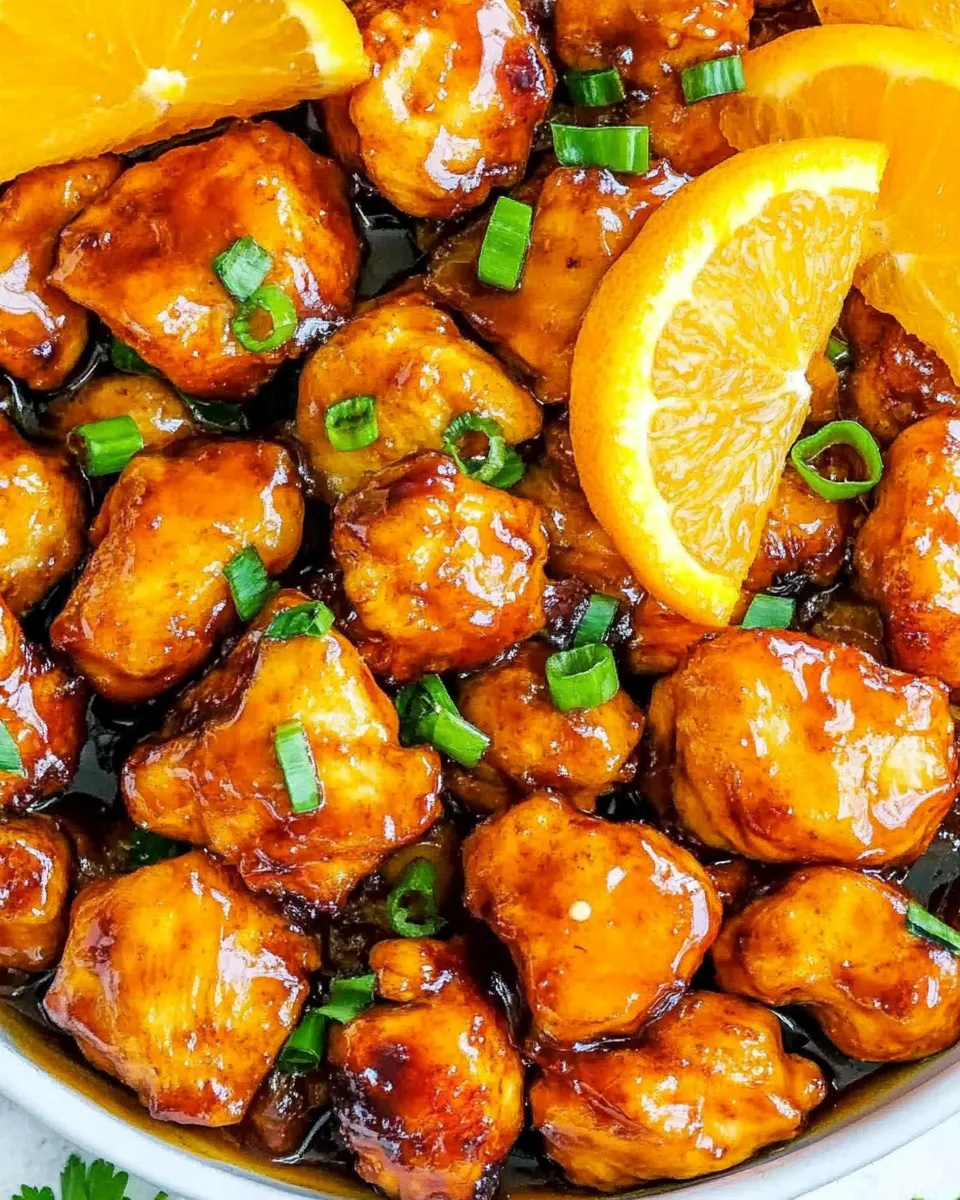
I started making this version of orange chicken when I wanted the bright, citrusy comfort of takeout without the heaviness that usually follows. It keeps the sweet-and-savory balance we all love but trims the oil and batter, using cornstarch in a way that gives a light coating and a glossy sauce. The result is familiar, satisfying, and quicker than ordering in.
This recipe is straightforward. Bite-sized chicken cooks right in the pan with orange juice, soy, and honey for a sauce that reduces and clings to each piece. Green onions finish it with freshness. There are no complicated steps, and you’ll be able to adapt it from weeknight dinners to a casual weekend meal.
I’ll walk through the ingredients and the exact method I follow, plus practical tips for equipment, storage, and troubleshooting. If you want a reliable, healthier orange chicken that still feels indulgent, this is the one I come back to most often.
Ingredient Checklist
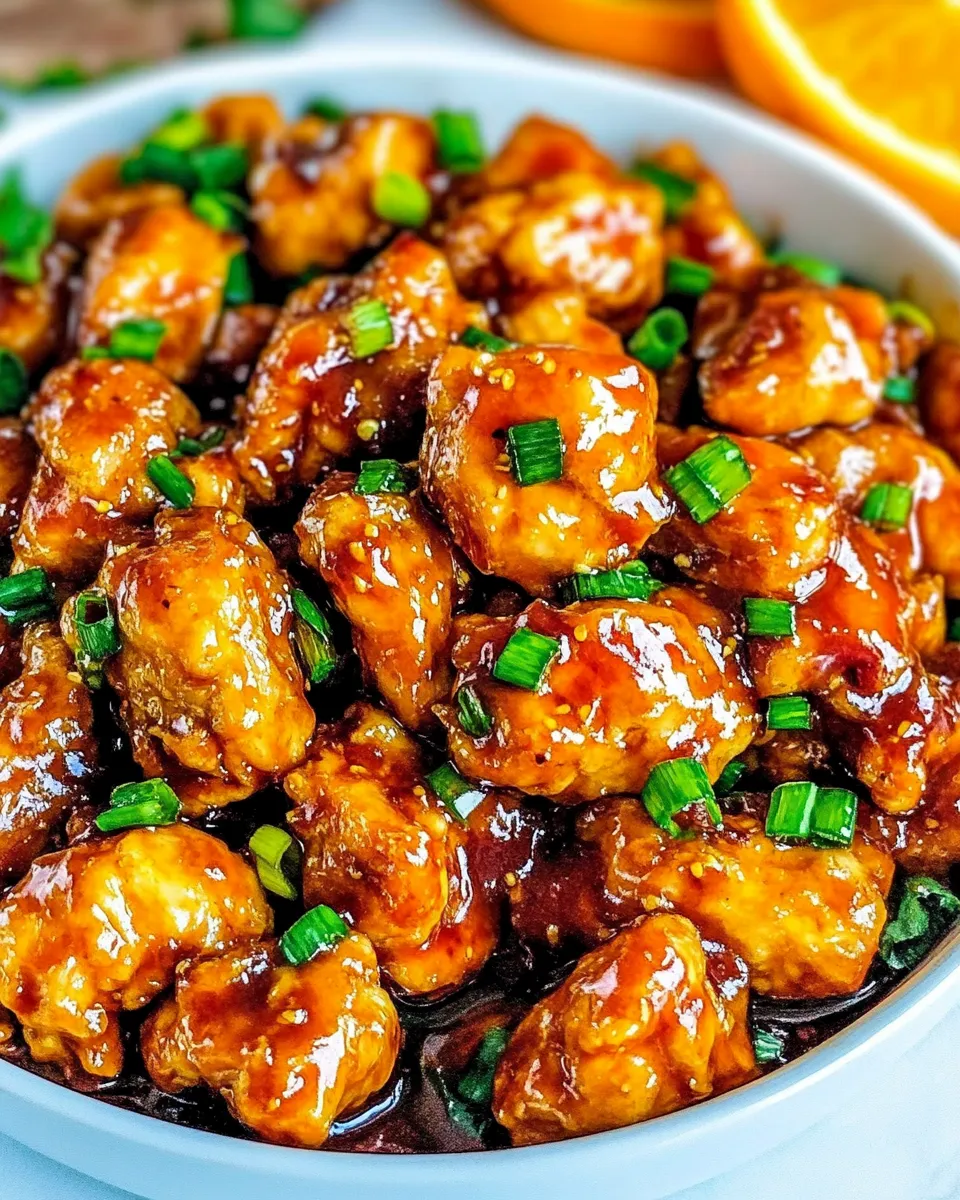
Ingredients
- 1.25 pounds boneless skinless chicken breast, diced into bite-sized pieces — lean protein; cutting into small pieces speeds cooking and helps sauce cling.
- ½ cup cornstarch — light coating to give a thin, crisp shell and help thicken the sauce; shake off the excess before cooking.
- 2 tablespoons toasted sesame oil — adds toasted, nutty depth; a little goes a long way for flavor.
- 2 tablespoons olive oil — primary cooking fat for searing; choose a light-tasting olive oil for minimal flavor interference.
- 2 large oranges, juiced; plus more orange juice if necessary — provides the citrus base and sweetness; fresh juice brightens the sauce and lets you adjust consistency.
- ⅓ cup lite soy sauce — salty, savory backbone that balances the orange and honey; lite keeps sodium lower than regular.
- ¼ cup honey — natural sweetener that caramelizes lightly as the sauce reduces; measure carefully to control sweetness.
- 1 tablespoon green onions, diced into thin rounds — finishing garnish for color and a mild onion bite; add right at the end for freshness.
Make Healthier Orange Chicken: A Simple Method
Follow the steps below in order. I don’t skimp on tossing or stirring—those small actions make the texture and sauce come together.
- In a large bowl or zip-top bag, add the diced chicken and the cornstarch. Toss or shake until the chicken is evenly coated. Lift the coated pieces out, letting any loose cornstarch fall back into the bowl or bag, and discard that excess cornstarch—do not add it to the skillet.
- Heat a large skillet over medium heat. Add the toasted sesame oil and olive oil and warm until the oil shimmers but is not smoking.
- Add the coated chicken pieces to the skillet in a single layer as much as possible.
- Pour in the juice from the two oranges, the lite soy sauce, and the honey. Stir gently to combine the sauce with the chicken.
- Cook over medium heat, stirring frequently and flipping pieces as needed so they brown evenly and the sauce cooks with the chicken. Continue cooking until the chicken is cooked through (no pink in the center) and the sauce has thickened and coats the chicken. If the sauce thickens or tightens before the chicken is done, add additional orange juice as needed to loosen it and continue stirring.
- Remove from heat, evenly sprinkle the diced green onions over the chicken, and serve immediately.
What Sets This Recipe Apart
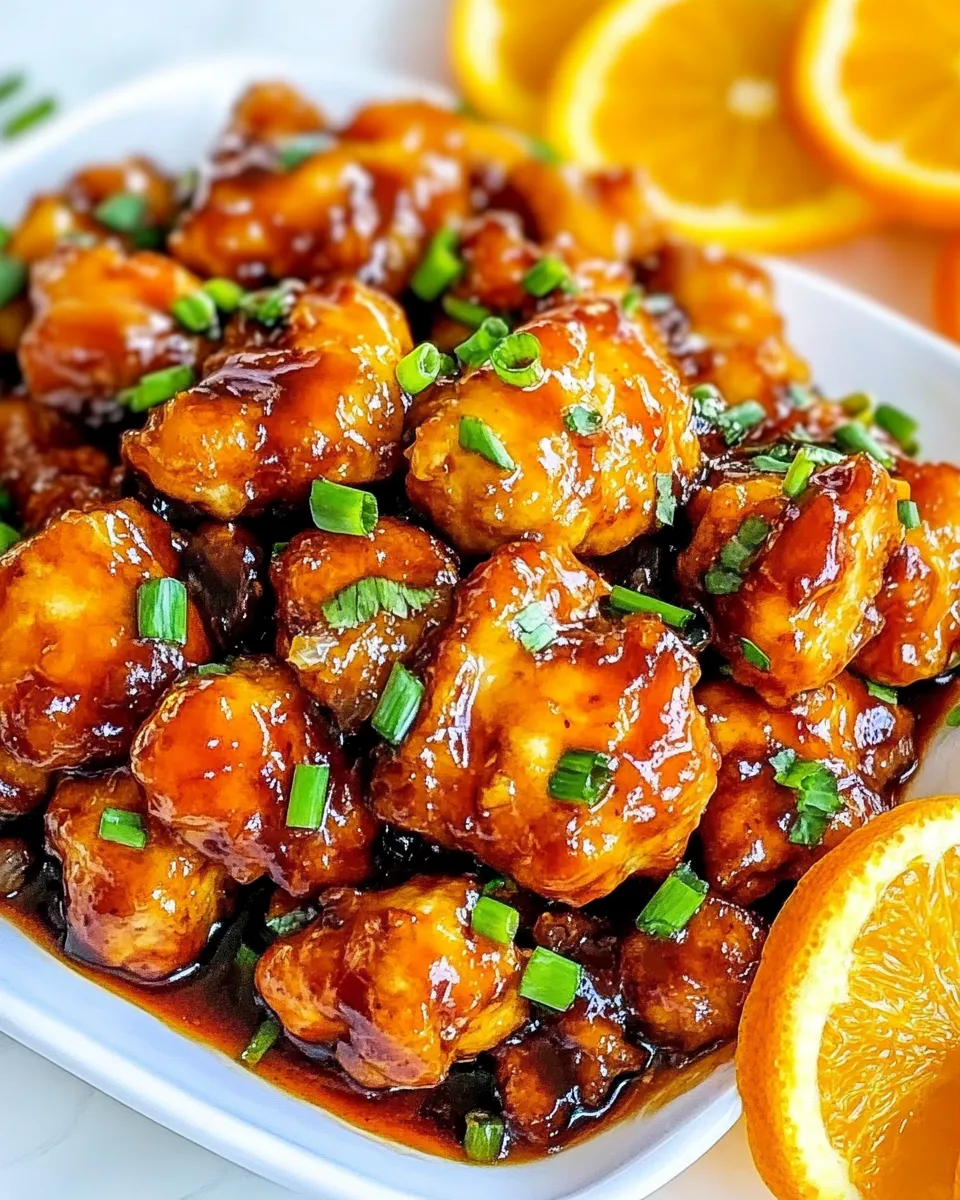
This version keeps the spirit of orange chicken but trims unnecessary calories and oil. There’s no deep-frying or heavy batter. Instead, cornstarch gives a light exterior that crisps slightly against a buttery-sweet orange sauce. Using toasted sesame oil in small measure layers in savory depth without overpowering the citrus.
Another difference: the sauce is made partly from fresh orange juice. That brightness cuts the cloying sweetness often found in restaurant versions and lets you control thickness by adding juice if needed. The lite soy sauce reduces sodium relative to standard soy, and honey provides an unrefined sweetness that caramelizes well.
International Equivalents
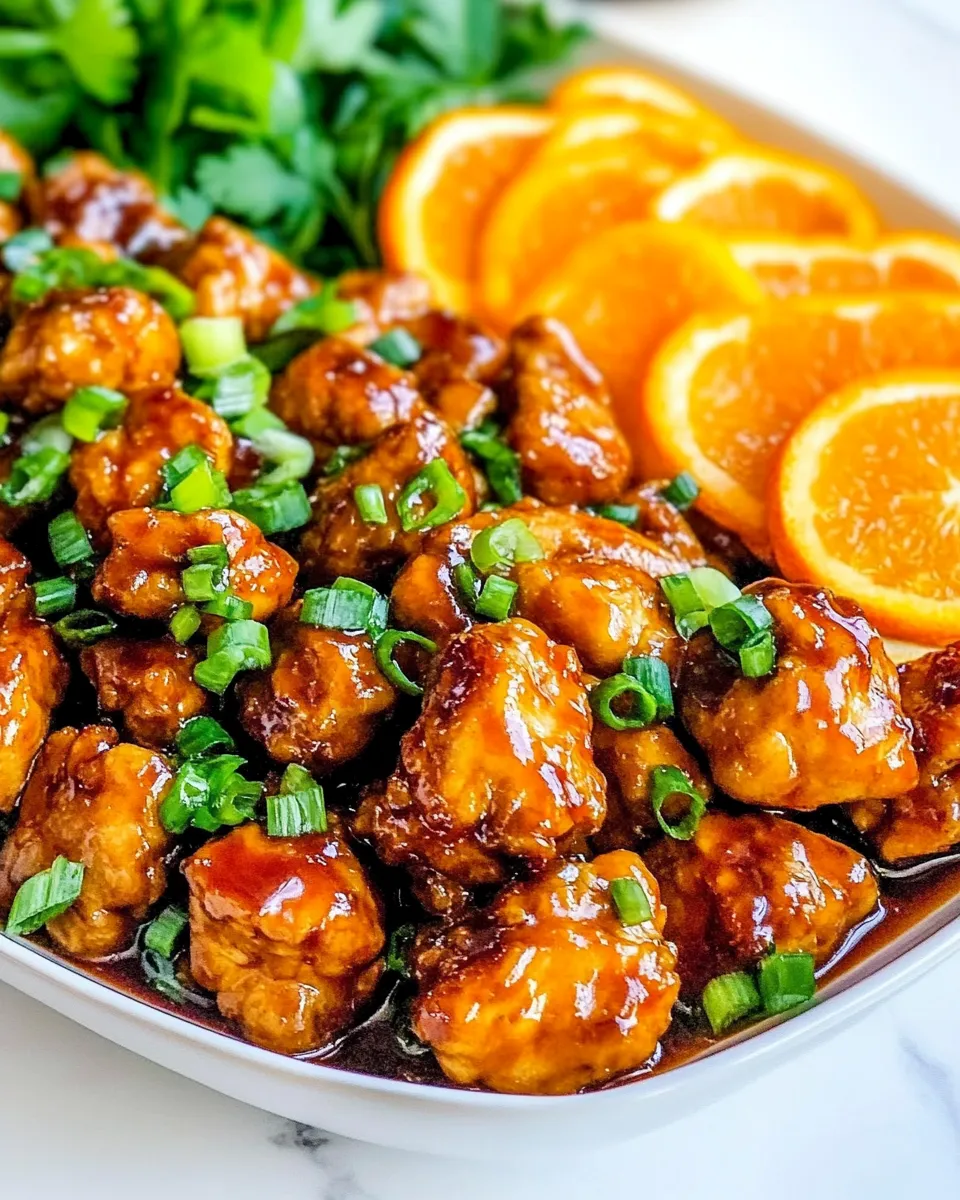
Orange chicken resonates across cuisines because its core elements—protein, citrus, sweet, and salty—are universal. Here are quick equivalents or swaps if you want to shift it toward another regional profile:
- East Asian-style: Keep the soy, add a splash of rice vinegar, and finish with a few drops of toasted sesame oil (extra) or a pinch of five-spice for aroma.
- Southeast Asian-style: Substitute part of the orange juice with lime for a sharper tang and top with thinly sliced Thai chili for heat.
- Mediterranean-leaning: Replace lite soy with a splash of low-sodium fish sauce very sparingly and use a little lemon mixed with orange if you want a brighter acidity.
Kitchen Gear Checklist
- Large skillet (10–12 inches) — gives enough surface area to keep chicken pieces in a single layer for even browning.
- Large bowl or zip-top bag — for coating the chicken in cornstarch without extra mess.
- Citrus juicer or reamer — fresh juice is central to the sauce; a small hand juicer works fine.
- Heatproof spatula or wooden spoon — for stirring and flipping without scraping the pan.
- Sharp knife and cutting board — for consistent, bite-sized chicken pieces and thinly slicing green onions.
Easy-to-Miss Gotchas
These are the common small mistakes that change the result. Watch for them.
- Excess cornstarch in the pan: If you add the loose cornstarch that falls off the chicken, the sauce can become gummy. Lift the pieces out and discard the excess before cooking.
- Overcrowding the pan: When chicken pieces are packed, they steam instead of browning. Cook in a single layer as much as possible.
- Oils too hot: If your oils smoke, they’ll taste bitter and burn the coating. Heat until shimmering but not smoking.
- Rushing the sauce: Reduce over medium heat so the sauce thickens and develops flavor; high heat can burn the sugar in honey.
Season-by-Season Upgrades
Small seasonal tweaks make the dish feel fresh year-round.
Spring
Add a handful of snap peas or blanched asparagus tips in the last minute of cooking for color, crunch, and a fresh snap that pairs well with the citrus.
Summer
Use the sweetest oranges you can find. Toss in a tablespoon of finely chopped fresh basil or mint just before serving for a surprising bright lift.
Fall
Swap half the orange juice for apple cider for a deeper sweetness, or add a pinch of ground clove and cinnamon for warmth—use sparingly so they don’t overpower.
Winter
Blood oranges, if available, bring a richer flavor and deeper color. Serve with a side of roasted root vegetables to make the meal heartier.
What Could Go Wrong
It’s normal to hit a snag the first few times. Here’s what typically goes wrong and how to fix it quickly.
- Sauce too thin: Simmer a little longer over medium heat to reduce. If you need thicker immediately, remove chicken, reduce sauce alone, then return chicken to the pan.
- Sauce too thick before chicken is done: Add more orange juice, a tablespoon at a time, to loosen and continue cooking until the chicken cooks through.
- Chicken dry: Small dice cooks quickly; avoid overcooking. Remove when no pink remains and let residual heat finish gentle browning.
- Bitter or burnt flavor: Oils overheated or honey scorched. Start over with fresh oil and reduce heat; honey burns at high heat.
Keep It Fresh: Storage Guide
Proper storage preserves texture and flavor. Follow these simple rules.
Refrigerator
Cool the chicken to room temperature, then transfer to an airtight container. Refrigerate up to 3 days. Reheat gently on the stovetop over low-medium heat with a splash of orange juice to loosen the sauce and keep the chicken from drying out.
Freezer
Freeze cooked chicken in a freezer-safe container for up to 2 months. Label with the date. Thaw in the refrigerator overnight before reheating. Expect a slight change in texture; the sauce can separate a bit but will come back together with gentle stirring when reheated with added juice.
Reader Q&A
Can I use dark meat or other proteins?
Yes. Thighs will be juicier and are forgiving if slightly overcooked. For shrimp, reduce cooking time dramatically—add shrimp after sauce has warmed and cook until just opaque.
Is there a gluten-free option?
Substitute tamari or a gluten-free soy sauce in place of lite soy sauce. Cornstarch is naturally gluten-free, so the rest of the method stays the same.
How do I make it less sweet?
Reduce the honey by a tablespoon or replace some honey with extra orange juice and a small splash of rice vinegar to balance sweetness with acidity.
Can I make the sauce thicker without cornstarch?
Cornstarch is already in the recipe to lightly coat the chicken and help thicken the sauce. If you prefer not to add more, reduce the sauce longer over medium heat to concentrate it, or mix a small slurry of cornstarch and water and add at the end—although that adds cornstarch back into the pan, which the recipe avoids for excess.
In Closing
This Healthier Orange Chicken is the practical, everyday answer to cravings for something bright, sweet, and savory. It’s designed to be doable on a weeknight, friendly to a tighter calorie budget, and flexible for whatever you have on hand. Stick to the method: coat, shake off the excess, use fresh orange juice, and finish with green onions. Small attentions—like not overcrowding the pan and adjusting sauce thickness with extra juice—make the difference between a good meal and a great one.
Make it once as written, and you’ll find easy places to personalize without losing what makes the dish work. Pair it with brown rice, a simple salad, or steamed broccoli. Then, when someone asks for the recipe, you’ll have a quick, healthier version ready to share.
Healthier Orange Chicken
Ingredients
Ingredients
- 1.25 poundsboneless skinless chicken breast diced into bite-sized pieces
- 1/2 cupcornstarch
- 2 tablespoonstoasted sesame oil
- 2 tablespoonsolive oil
- 2 large oranges juiced; plus more orange juice if necessary
- 1/3 cuplite soy sauce
- 1/4 cuphoney
- 1 tablespoongreen onions diced into thin rounds
Instructions
Instructions
- In a large bowl or zip-top bag, add the diced chicken and the cornstarch. Toss or shake until the chicken is evenly coated. Lift the coated pieces out, letting any loose cornstarch fall back into the bowl or bag, and discard that excess cornstarch—do not add it to the skillet.
- Heat a large skillet over medium heat. Add the toasted sesame oil and olive oil and warm until the oil shimmers but is not smoking.
- Add the coated chicken pieces to the skillet in a single layer as much as possible.
- Pour in the juice from the two oranges, the lite soy sauce, and the honey. Stir gently to combine the sauce with the chicken.
- Cook over medium heat, stirring frequently and flipping pieces as needed so they brown evenly and the sauce cooks with the chicken. Continue cooking until the chicken is cooked through (no pink in the center) and the sauce has thickened and coats the chicken. If the sauce thickens or tightens before the chicken is done, add additional orange juice as needed to loosen it and continue stirring.
- Remove from heat, evenly sprinkle the diced green onions over the chicken, and serve immediately.
Equipment
- Large Bowl
- Zip-Top Bag
- Large Skillet