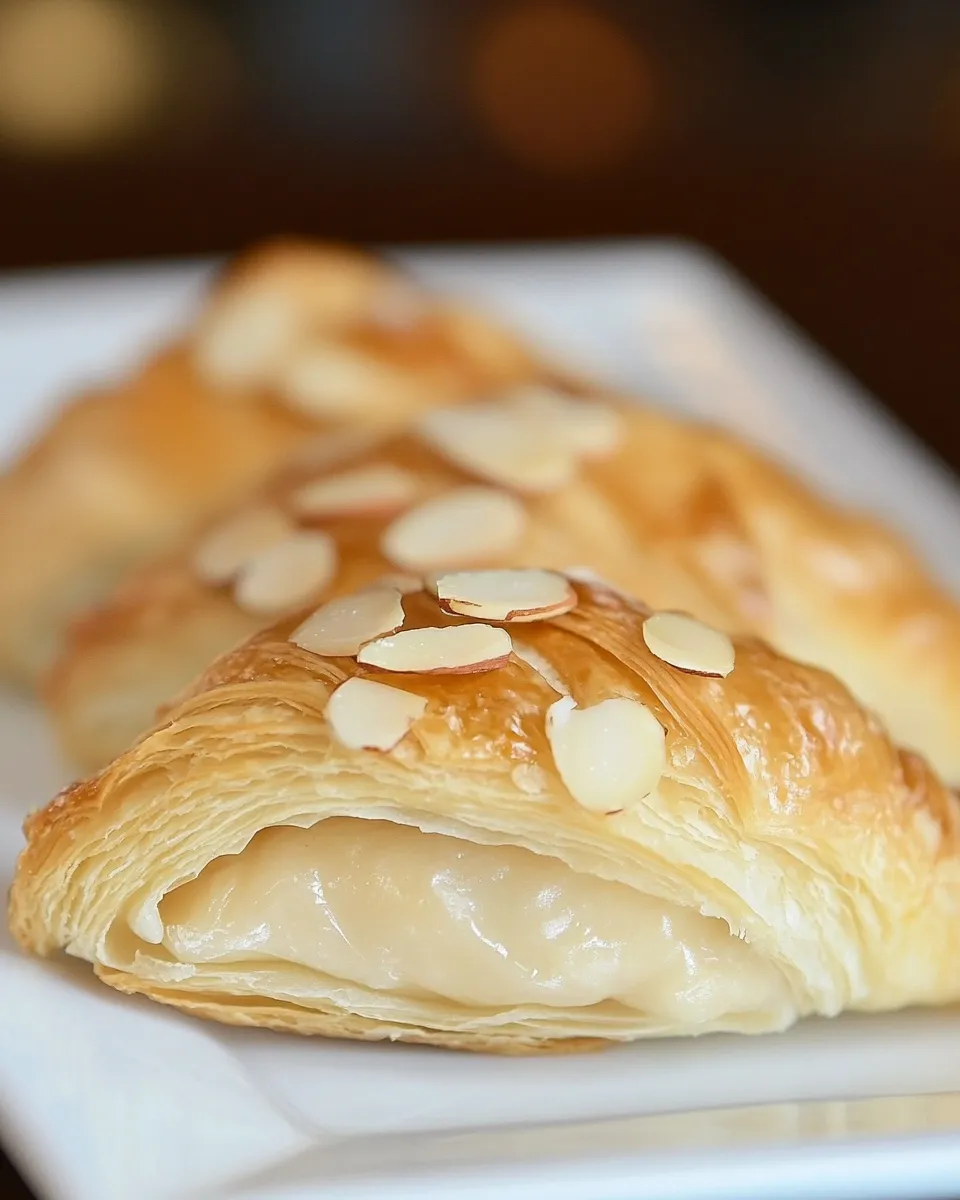
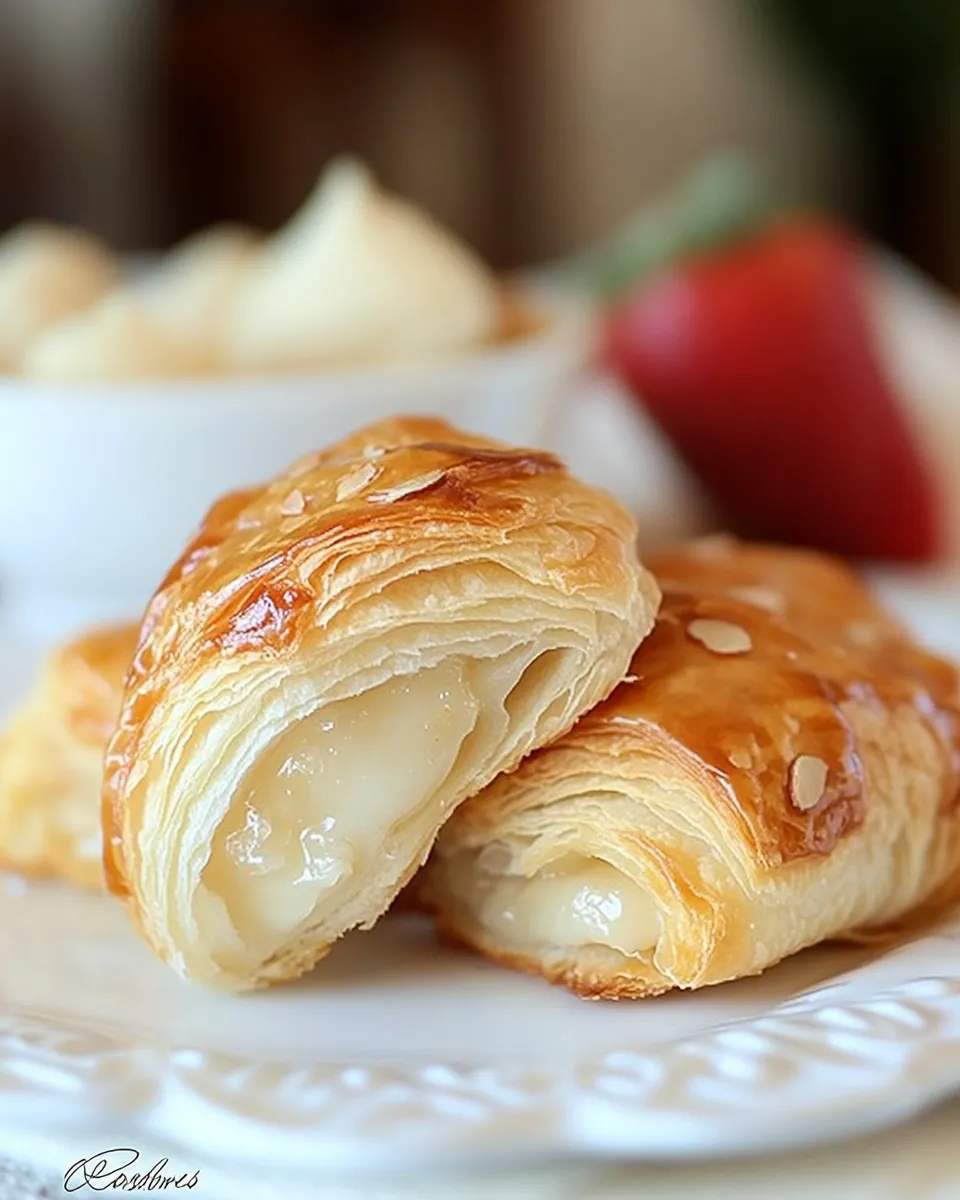
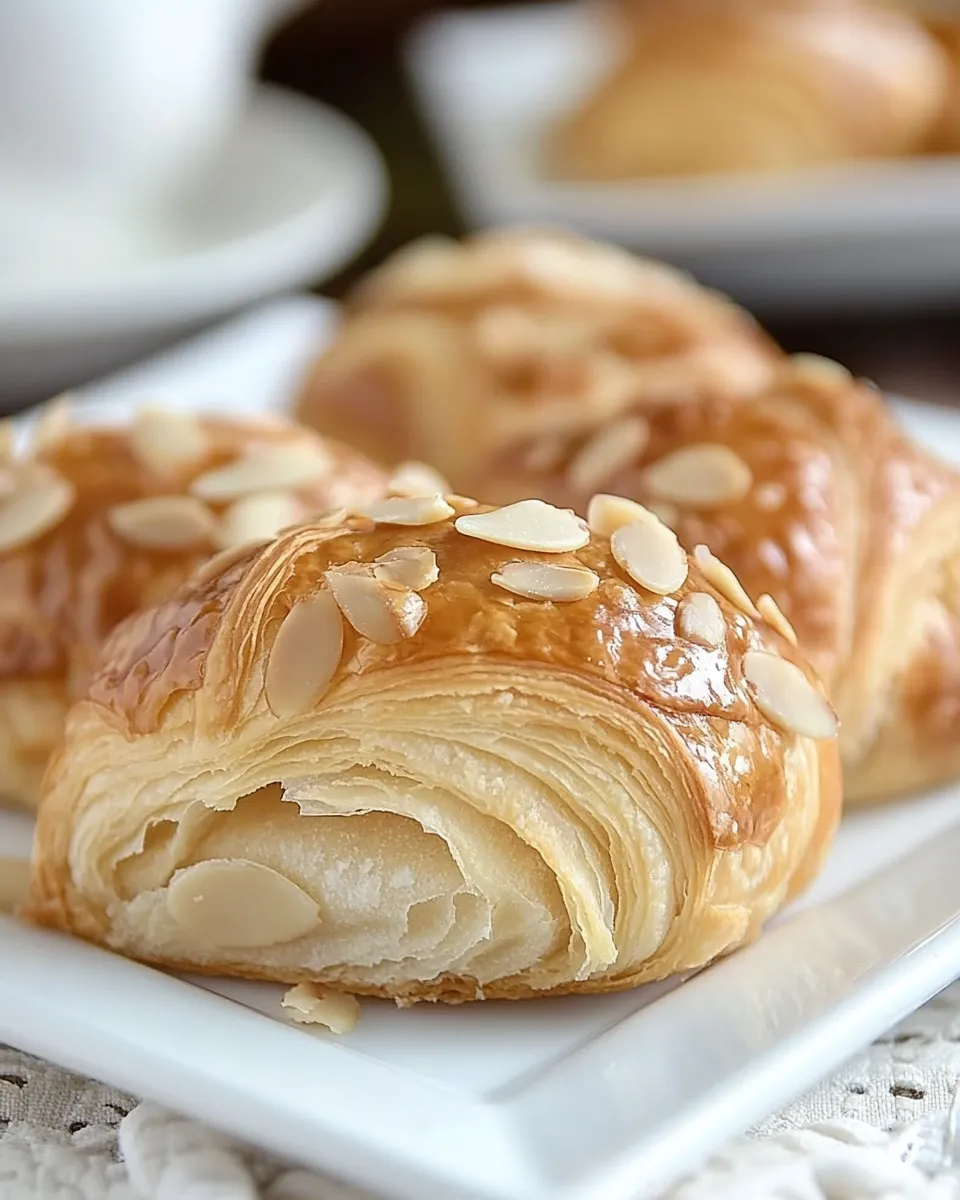
These rolls are the kind of thing you make when you want a bakery feel at home without an entire weekend devoted to laminated dough. The method here uses a straightforward enriched yeast dough and a patient overnight chill to develop flavor and make shaping easy. You’ll get deep, golden rolls with a tender crumb and a hint of buttery richness even though this recipe keeps the ingredient list intentionally short.
I test recipes so you don’t have to guess. The technique focuses on temperature, timing, and gentle handling—three things that matter more than fancy tools. There’s room for improvisation later, but the step-by-step below gives you a reliable base that rises predictably and bakes up evenly.
Read through the ingredients and the method once before you start. Have a thermometer, a stand mixer or a sturdy bowl, and a cool refrigerator space. Then set aside a chunk of time: a short active session, a long rest in the fridge, and a patient, puffy proof before baking. Let’s get on with it.
Gather These Ingredients
- 4 ½ teaspoons active dry yeast — the leavening agent; proofing it in warm milk verifies activity.
- 1 + cup warm milk — provides moisture, fat, and flavor; warm to about 95–105°F for yeast activation.
- 3 ¾ cups unbleached all-purpose flour — the structure; unbleached gives a slightly better flavor and color.
- ⅓ cup sugar — feeds the yeast and adds a light sweetness and browning to the crust.
- 2 teaspoons salt — balances flavor and controls yeast activity for an even rise.
Stepwise Method: Homemade Almond Croissants
- Warm the milk to about 95–105°F (warm to the touch, not hot). Reserve 1 tablespoon of the warm milk for brushing later, then combine the remaining 1 + cup warm milk with 4 ½ teaspoons active dry yeast in a small bowl. Stir gently and let sit 5–10 minutes, until foamy and aromatic.
- In the bowl of a stand mixer fitted with the dough hook, add 3 ¾ cups unbleached all-purpose flour, ⅓ cup sugar, and 2 teaspoons salt. Mix briefly on low to combine the dry ingredients.
- Pour the milk/yeast mixture into the mixer bowl with the dry ingredients. With the mixer on the lowest speed, mix 1–2 minutes until a soft, moist dough forms on the hook and most of the flour is incorporated.
- If the dough seems too dry or there are dry pockets of flour, add additional warm milk 1 tablespoon at a time until all the flour is moistened and the dough comes together on the hook.
- Increase the mixer to a low-medium speed (the highest speed your machine recommends for dough; for many machines this is speed 2). Knead until the dough is smooth, elastic, and slightly tacky but not sticky—about 6–8 minutes total kneading time. The dough should pull away from the sides of the bowl and form a smooth ball on the hook.
- Remove the dough from the mixer and place it in a large clean plastic bag or an airtight container, leaving room for expansion. Let the dough sit at room temperature for 30 minutes.
- After 30 minutes, refrigerate the dough for 8 hours or overnight to develop flavor and make the dough easier to handle.
- When ready to shape, lightly flour a work surface. Remove the chilled dough from the refrigerator and dust the top lightly with flour.
- Cut the dough in half horizontally so you have two pieces approximately equal in size. Wrap one half and return it to the refrigerator while you work with the first half.
- On the floured surface, roll the first half into a rectangle about 24–26 inches long and 15–18 inches wide. Keep the surface and the dough well-floured to prevent sticking. If the dough resists, let it rest 5–10 minutes and continue; do not overwork it.
- Fold the top half of the rectangle down toward the bottom so you have a single folded sheet about half the original length. Turn the folded dough so the long side faces you.
- Using a ruler or bench scraper, cut the folded dough into strips 3 to 4 inches wide along the short dimension, then cut each strip in half crosswise to make manageable pieces (about 6–8-inch lengths). Repeat with the second half of the dough after you have shaped the first batch.
- Shape each strip into a croissant-style roll: take one strip, stretch it slightly if needed, then roll it from one end toward the other into a tight coil or crescent, finishing with the seam side down on the prepared baking sheet. Place shaped rolls on parchment-lined baking sheets, leaving room for expansion.
- Lightly brush the tops of the shaped rolls with the 1 tablespoon of reserved warm milk (no egg wash required). Cover the baking sheets loosely with plastic wrap or a clean kitchen towel and let the rolls rise, uncovered at room temperature, for 3–4 hours, until noticeably puffy and nearly doubled (or up to tripled) in size. A warm, turned-off oven with a pan of hot water can help create a humid rise environment.
- About 15 minutes before baking, preheat the oven to 375°F (190°C). When the rolls have risen, brush them once more lightly with the reserved milk if any remains, or with a little additional milk taken from your supply if desired.
- Bake the rolls on the middle oven rack at 375°F for 18–22 minutes, rotating the pans front-to-back halfway through, until the rolls are deeply golden and sound hollow when tapped. Baking time will vary with oven and roll size—watch for an even, deep color.
- Remove the rolls from the oven and transfer to cooling racks. Cool at least 15 minutes before serving.
- Storage: the rolls are best the day they are made. To freeze, cool completely, then place in an airtight container or freezer bag. Thaw overnight in the refrigerator or at room temperature, and reheat in a 350°F oven for about 8 minutes before serving.
Why It Works Every Time
This recipe leans on simple chemistry: warm milk wakes and feeds the yeast, sugar gives it quick energy and browning, and the rest time in the fridge develops flavor while tightening the dough so it’s easier to roll and shape. Kneading develops gluten so the dough can trap the gases the yeast produces; that’s what gives you an open, tender crumb rather than a dense lump.
Reserving a tablespoon of the warm milk for brushing helps the rolls brown without an egg wash, and letting shaped rolls proof for several hours at room temperature gives them that soft, puffy texture. Longer, cooler fermentation does two things: it deepens flavor and makes the dough less sticky to handle when you roll it out.
International Equivalents
- 1 cup (US) ≈ 240 milliliters — useful for the “1 + cup warm milk” measurement.
- 1 teaspoon ≈ 5 milliliters; 4 ½ teaspoons active dry yeast ≈ 22.5 milliliters of yeast by volume (measure as teaspoons).
- 3 ¾ cups all-purpose flour ≈ 470–480 grams (depending on how you measure flour; spoon and level for accuracy).
- ⅓ cup sugar ≈ 65–70 grams; 2 teaspoons salt ≈ 10–12 grams.
Tools of the Trade

- Stand mixer with dough hook — speeds up and evens out kneading; a strong arm and a bowl will work too.
- Instant-read thermometer — for checking milk temperature and ensuring the warm range of 95–105°F.
- Large baking sheets and parchment — easy release and clean-up; room between rolls matters for even browning.
- Plastic bags or airtight containers — for the overnight chill without drying the dough.
- Bench scraper and ruler — speed up cutting uniform strips and keeping the work surface tidy.
Errors to Dodge
- Too-hot milk — kills the yeast. Aim for comfortable-warm, not hot.
- Under-kneading — the dough won’t develop enough elasticity and will bake dense. Knead until smooth and slightly tacky.
- Over-flouring while rolling — adds dry bits and prevents good rise. Flour the surface, but don’t plaster the dough.
- Rushing the proof — the long room-temperature rise is purposeful. Skipping it gives you smaller, tighter rolls.
- Baking without checking color — pull the rolls when they’re deeply golden and sound hollow; ovens vary widely.
Make It Your Way
Once you’ve mastered the base dough, you can adjust shapes and sizes. Make smaller rolls for tea, or larger ones for a more substantial breakfast item. You can also play with bake time and temperature for a crisper crust (shorter, hotter bakes) or a softer crust (longer, slightly lower heat).
If you prefer a sweeter crust, brush a touch more milk before baking and sprinkle a little granulated sugar on top. If you want to shift the texture, let the shaped rolls rise a bit longer until they’re very puffy—this produces a lighter interior.
Pro Perspective
Patience beats perfection. Temperature control and timing are the pro baker’s tools here. A little rest between rolling attempts helps the gluten relax so you don’t fight the dough; that means fewer tears and a smoother shape. Use a thermometer in your milk—guessing costs more loaves than you’d think.
Don’t overcrowd the pans. Rolls need air around them to color evenly. Rotate pans halfway through baking for consistent browning. And trust the sound test: hollow when tapped equals done inside.
How to Store & Reheat
These rolls are best the day they are made. For short-term storage, keep them at room temperature in an airtight container for up to 24 hours. For longer storage, cool completely and freeze in a freezer bag or airtight container.
To reheat from frozen, thaw overnight in the refrigerator or at room temperature. Warm gently in a 350°F (175°C) oven for about 8 minutes or until warmed through and crisped to your liking. If they seem a bit dry, a quick spritz or brush of milk before warming helps restore shine and color.
Quick Questions
- Can I use instant yeast instead of active dry? Yes; if you use instant yeast you can usually mix it directly with the dry ingredients. That said, the recipe proofs active dry yeast in warm milk—if you switch, reduce or skip the proofing time accordingly and monitor the rise.
- Do I need a stand mixer? No. You can knead by hand for 10–12 minutes until the dough becomes smooth and elastic. Resting the dough in a covered container will help if your arms get tired.
- Why refrigerate the dough overnight? The cold rest develops flavor and firms the dough, making it much easier to roll out into long sheets without springing back.
- What if my dough never doubles? Check the temperature (not too cold, not too hot), the yeast freshness, and the salt amount (too much salt can slow yeast). The dough may rise slower in cool kitchens; give it more time.
The Last Word
This recipe gives you a simple, dependable path to bakery-style rolls from a short ingredient list and careful technique. Follow the temperatures, respect the resting times, and handle the dough gently. You’ll come away with golden, flavorful rolls that keep well and welcome a hundred small variations.
Bake once, learn what your oven does, then repeat and refine. The joy is in the process—you’ll notice tiny improvements each time, and that’s how good baking becomes great. Enjoy the smell, the warm crumb, and the quiet satisfaction of a recipe that performs every time.

Homemade Almond Croissants
Ingredients
Ingredients
- 4 1/2 teaspoons active dry yeast
- 1 + cup warm milk
- 3 3/4 cups unbleached all-purpose flour
- 1/3 cup sugar
- 2 teaspoons salt
Instructions
Instructions
- Warm the milk to about 95–105°F (warm to the touch, not hot). Reserve 1 tablespoon of the warm milk for brushing later, then combine the remaining 1 + cup warm milk with 4 ½ teaspoons active dry yeast in a small bowl. Stir gently and let sit 5–10 minutes, until foamy and aromatic.
- In the bowl of a stand mixer fitted with the dough hook, add 3 ¾ cups unbleached all-purpose flour, ⅓ cup sugar, and 2 teaspoons salt. Mix briefly on low to combine the dry ingredients.
- Pour the milk/yeast mixture into the mixer bowl with the dry ingredients. With the mixer on the lowest speed, mix 1–2 minutes until a soft, moist dough forms on the hook and most of the flour is incorporated.
- If the dough seems too dry or there are dry pockets of flour, add additional warm milk 1 tablespoon at a time until all the flour is moistened and the dough comes together on the hook.
- Increase the mixer to a low-medium speed (the highest speed your machine recommends for dough; for many machines this is speed 2). Knead until the dough is smooth, elastic, and slightly tacky but not sticky—about 6–8 minutes total kneading time. The dough should pull away from the sides of the bowl and form a smooth ball on the hook.
- Remove the dough from the mixer and place it in a large clean plastic bag or an airtight container, leaving room for expansion. Let the dough sit at room temperature for 30 minutes.
- After 30 minutes, refrigerate the dough for 8 hours or overnight to develop flavor and make the dough easier to handle.
- When ready to shape, lightly flour a work surface. Remove the chilled dough from the refrigerator and dust the top lightly with flour.
- Cut the dough in half horizontally so you have two pieces approximately equal in size. Wrap one half and return it to the refrigerator while you work with the first half.
- On the floured surface, roll the first half into a rectangle about 24–26 inches long and 15–18 inches wide. Keep the surface and the dough well-floured to prevent sticking. If the dough resists, let it rest 5–10 minutes and continue; do not overwork it.
- Fold the top half of the rectangle down toward the bottom so you have a single folded sheet about half the original length. Turn the folded dough so the long side faces you.
- Using a ruler or bench scraper, cut the folded dough into strips 3 to 4 inches wide along the short dimension, then cut each strip in half crosswise to make manageable pieces (about 6–8-inch lengths). Repeat with the second half of the dough after you have shaped the first batch.
- Shape each strip into a croissant-style roll: take one strip, stretch it slightly if needed, then roll it from one end toward the other into a tight coil or crescent, finishing with the seam side down on the prepared baking sheet. Place shaped rolls on parchment-lined baking sheets, leaving room for expansion.
- Lightly brush the tops of the shaped rolls with the 1 tablespoon of reserved warm milk (no egg wash required). Cover the baking sheets loosely with plastic wrap or a clean kitchen towel and let the rolls rise, uncovered at room temperature, for 3–4 hours, until noticeably puffy and nearly doubled (or up to tripled) in size. A warm, turned-off oven with a pan of hot water can help create a humid rise environment.
- About 15 minutes before baking, preheat the oven to 375°F (190°C). When the rolls have risen, brush them once more lightly with the reserved milk if any remains, or with a little additional milk taken from your supply if desired.
- Bake the rolls on the middle oven rack at 375°F for 18–22 minutes, rotating the pans front-to-back halfway through, until the rolls are deeply golden and sound hollow when tapped. Baking time will vary with oven and roll size—watch for an even, deep color.
- Remove the rolls from the oven and transfer to cooling racks. Cool at least 15 minutes before serving.
- Storage: the rolls are best the day they are made. To freeze, cool completely, then place in an airtight container or freezer bag. Thaw overnight in the refrigerator or at room temperature, and reheat in a 350°F oven for about 8 minutes before serving.
Equipment
- Stand mixer
- dough hook
- Mixing Bowl
- bench scraper or ruler
- Baking Sheets
- Parchment Paper
- plastic wrap or clean kitchen towel
- Oven
- Cooling rack
- airtight container or plastic bag