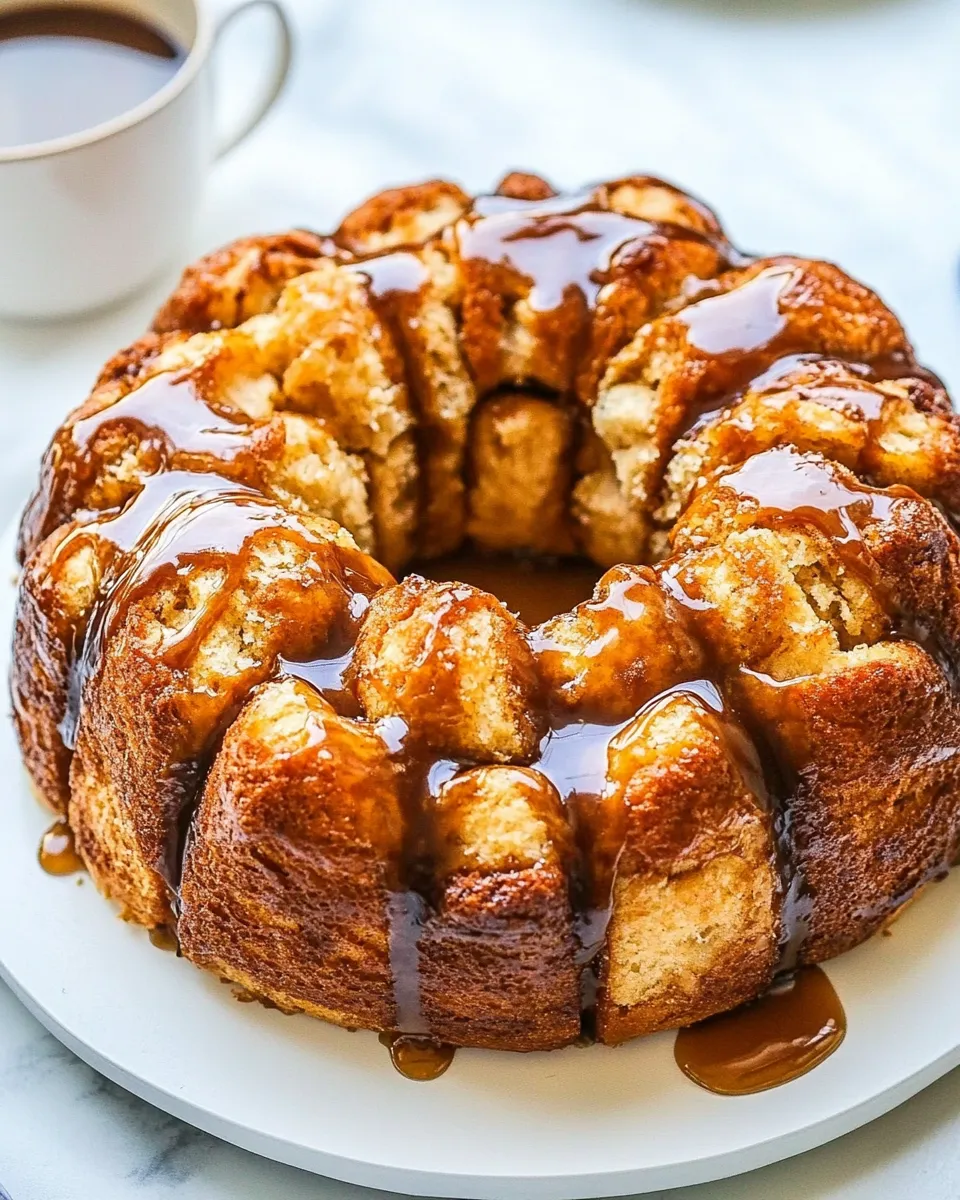
I fell for monkey bread the first time I pulled that sticky, buttery tangle of pull-apart dough from the oven. It’s messy, celebratory, and forgiving — exactly the kind of recipe I want in my weekend rotation. This version uses basic pantry ingredients and a hands-on approach that rewards a little patience with an impressive, shareable result.
Below I give you the exact ingredient list and step-by-step method I use every time. The directions follow a reliable rise–assemble–bake rhythm, and there are tips tucked into each section so you don’t have to guess when it’s time to move on.
If you’ve never made yeast dough before, don’t worry. I’ll walk you through what to watch for at each stage. Treat this as comfort baking: slightly rustic, extremely gratifying, and perfect for coffee, brunch, or a cozy evening when you want something sweet to pull apart and share.
Gather These Ingredients
Ingredients
- 1 cup whole milk (warm, 115°F) — feeds the yeast and gives a rich crumb; warm to the specified temp.
- ⅓ cup water (warm 115°F) — balances the hydration and helps the yeast bloom.
- ¼ cup sugar — a little sweetness in the dough and food for the yeast.
- 2 tablespoon unsalted butter (melted and slightly cooled) — adds tenderness and flavor to the dough.
- 2¼ teaspoon instant dry yeast — or active dry yeast (one package); the leavening power for rise.
- 3¼ cups all-purpose flour — the structure for the dough; measure and level for consistency.
- 2 teaspoons salt — balances sweetness and strengthens the dough.
- 4 tablespoon unsalted butter (melted, plus more softened for greasing the pan) — for rolling the dough pieces and greasing the pan.
- 1 cup sugar — for the cinnamon-sugar coating that gives crunch and sweetness.
- 2 teaspoons ground cinnamon — bold, warm flavor in the coating; mix evenly with the sugar.
- 12 tablespoon unsalted butter (1½ sticks) — for the brown-butter sauce poured over the assembled dough before baking.
- ½ cup brown sugar (dark) — the deep, caramel flavor that makes that glossy, sticky topping.
Method: (Monkey Bread)
- Lightly grease a large mixing bowl and a bundt or angel-food pan with the softened butter noted in the ingredient list; set both aside.
- In a large measuring cup or small bowl, combine 1 cup warm whole milk (115°F), 1/3 cup warm water (115°F), 1/4 cup sugar, 2 tablespoons melted (and slightly cooled) butter, and 2 1/4 teaspoons yeast. Gently whisk to combine. Set aside about 5 minutes (if using active dry yeast, wait until the mixture is foamy, about 5–10 minutes).
- In the bowl of a stand mixer fitted with the dough hook, add 3 1/4 cups all-purpose flour and 2 teaspoons salt. Mix on low for about 1 minute to combine.
- With the mixer on medium-low, slowly pour the milk/yeast mixture into the flour. Continue mixing until a loose ball of dough forms, stopping once if needed to scrape down the sides with a spatula.
- Increase the mixer speed to medium and mix the dough for 7 minutes, until it is soft and elastic.
- Remove the dough from the mixer, place it on a lightly floured surface, and gently knead by hand for about 30 seconds. Shape the dough into a smooth ball.
- Place the dough in the greased bowl, turn it to coat all sides with the softened butter, cover the bowl tightly with plastic wrap, and place in a warm, non-drafty spot. Let rise 60–90 minutes, or until the dough has nearly doubled in size.
- After the first rise, transfer the dough to a lightly floured surface and roll it out to a rough 10″ x 13″ rectangle.
- Grease the prepared cake pan again if needed. In a medium bowl, mix 1 cup sugar and 2 teaspoons ground cinnamon. In another medium bowl, melt 4 tablespoons unsalted butter.
- Pinch off pieces of dough about the size of a marble to a golf ball. One at a time, roll each piece in the melted 4 tablespoons butter, then roll it in the cinnamon-sugar mixture. Place each coated ball into the prepared pan, arranging them evenly; the pan will be about half full.
- Cover the pan with plastic wrap and place it in a warm, non-drafty area for a second rise of 60–90 minutes, until the dough balls are puffy.
- About 15 minutes before baking, preheat the oven to 350°F.
- About 15 minutes before baking, in a small saucepan over medium heat melt 12 tablespoons (1½ sticks) unsalted butter. Stir in 1/2 cup dark brown sugar and whisk for about 4 minutes, until the mixture is fully combined and uniform in color.
- Remove the plastic wrap from the pan and very gently pour the butter–brown sugar sauce evenly over the top of the dough balls. Gently tap the sides of the pan to help the sauce seep down among the pieces; you should see bubbles as the sauce fills in.
- Bake the monkey bread at 350°F for 30 minutes, until golden and cooked through.
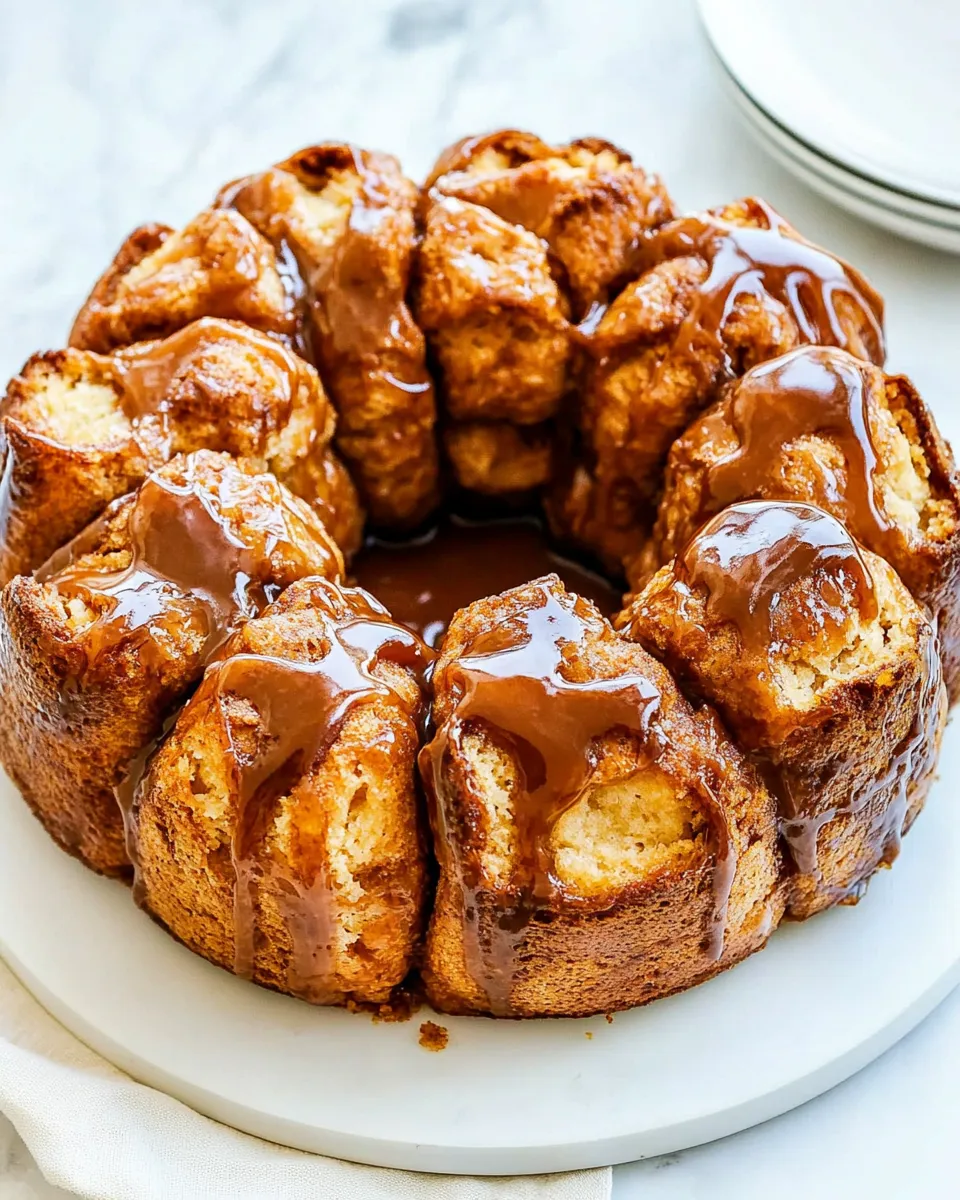
- Remove the pan from the oven and let it rest 5–10 minutes. Place a flat plate over the top of the pan and very carefully invert the pan to release the bread. Tap the pan in a few places if needed, then lift the pan off the bread. Serve immediately.
What You’ll Love About This Recipe
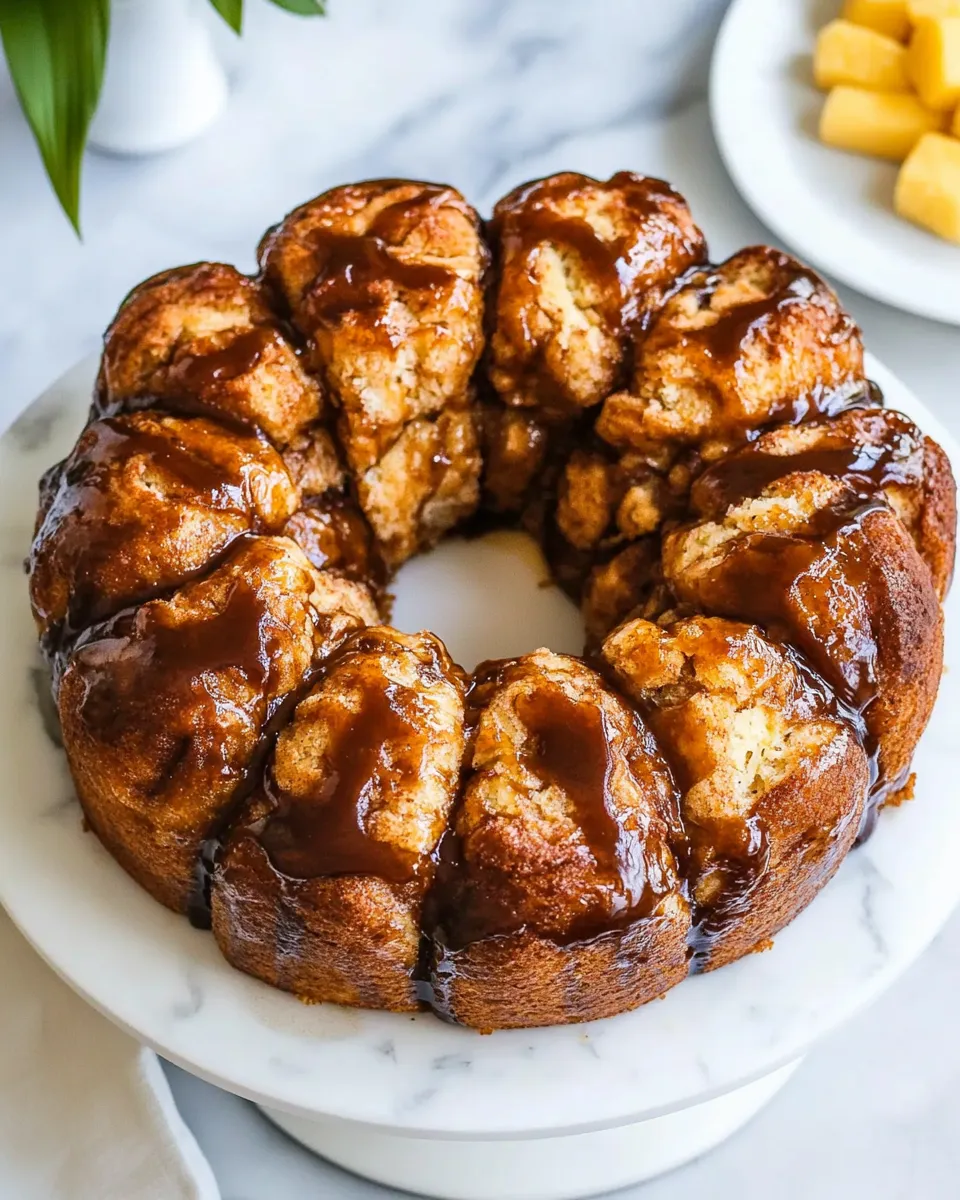
This Monkey Bread is classic in every sense: soft interior, caramelized exterior, and the joy of pulling pieces apart. The dough is enriched slightly with milk and butter, which keeps it tender and gives you that pull-apart texture without being heavy. The brown-butter brown-sugar sauce is straightforward but packs deep, toffee-like flavor.
It’s also resilient. If your shaping isn’t perfect, the second rise and the sauce smooth everything out. It’s a forgiving recipe that works for a relaxed brunch or a holiday centerpiece — no slicing required, only pulling and sharing.
Low-Carb/Keto Alternatives
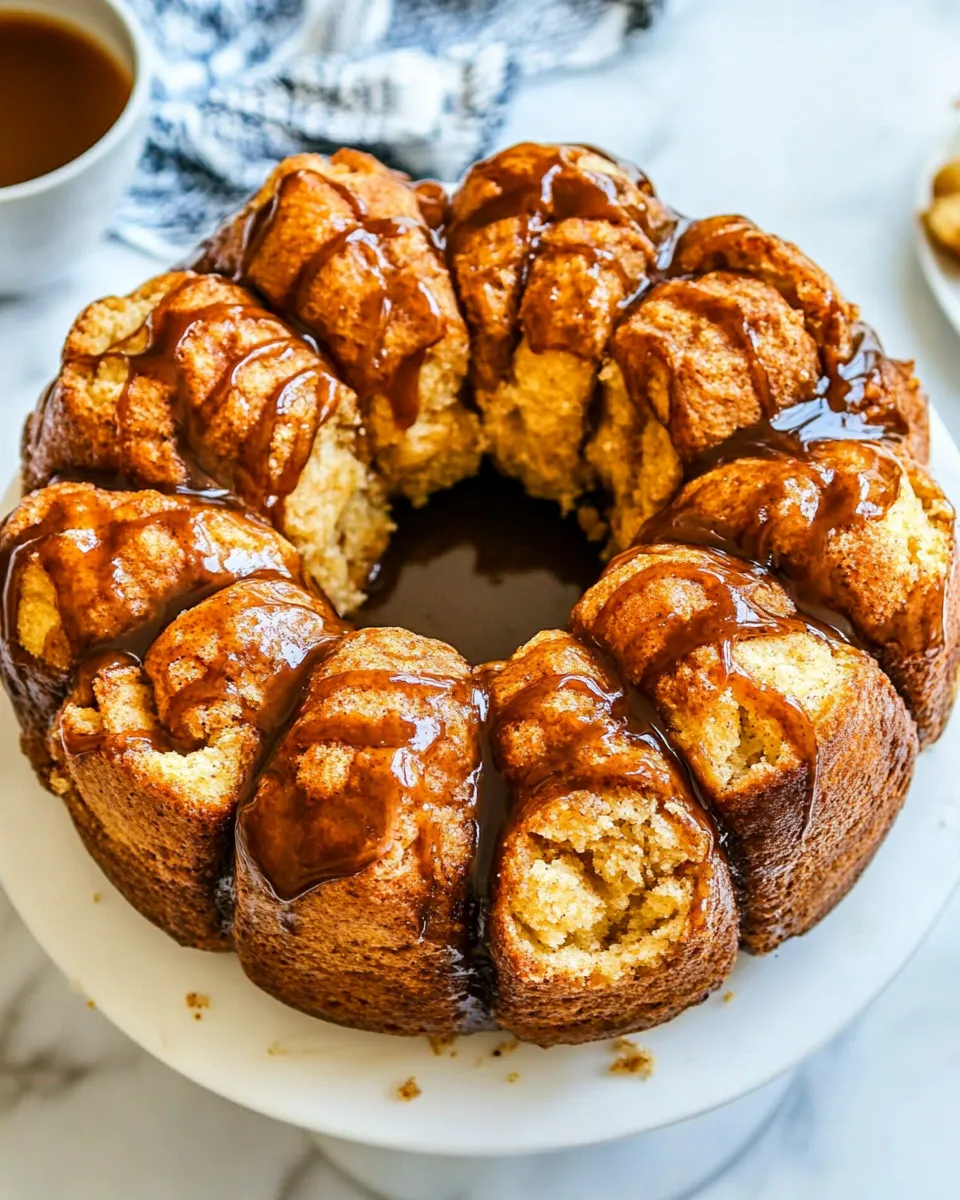
Monkey Bread is dough- and sugar-forward, so true low-carb swaps change the character significantly. If you need a lower-carb option, here are practical swaps and caveats:
- Flour: Replace part or all of the all-purpose flour with a high-structure low-carb blend that’s formulated for baking (look for blends with xanthan gum). Expect a different texture and reduced elasticity — the dough won’t rise the same.
- Sugar and brown sugar: Use granular erythritol or a monk fruit blend that measures like sugar. For the brown-sugar flavor, mix a teaspoon of molasses or a brown sugar-flavored sweetener if your diet allows small amounts of sugar.
- Butter-based sauce: Keep the butter; it’s keto-friendly. Swap the brown sugar for a brown sugar substitute and whisk until dissolved.
Note: these swaps require experimentation. Low-carb doughs often need additional binding agents and different handling, so plan for texture changes.
Gear Up: What to Grab
Gathering a few items ahead of time keeps the process smooth:
- Stand mixer with dough hook (or a bowl and a willingness to knead by hand).
- Large mixing bowl for the initial rise.
- Bundt pan or angel-food pan — the recipe assumes a bundt or similar tube pan.
- Measuring cups and spoons, a heatproof small saucepan, and a large plate for inverting the bread.
- Plastic wrap to cover rises and a pastry cutter or sharp knife to divide dough if you prefer uniform balls.
Slip-Ups to Skip
There are a few common mistakes that turn this from celebration to disappointment. Avoid these:
- Too-hot liquids: If the milk or water exceed about 115°F, you risk killing yeast. Use a thermometer if you’re unsure.
- Underproofing: The dough needs time. If the first or second rises are short, the texture will be dense. Wait until it’s nearly doubled (first rise) and visibly puffy for the second.
- Overpouring sauce while hot: Pour the butter-brown sugar mix gently so it finds its way between the balls; pouring in one concentrated stream can shift them out of place.
- Skipping the rest before inverting: If you try to invert immediately from the oven, the sauce will be molten and sloppier. A 5–10 minute rest helps it settle.
Health-Conscious Tweaks
If you want to lighten this up without losing the essence, try these small adjustments:
- Use reduced-fat milk instead of whole milk — texture will be slightly less rich but still pleasant.
- Reduce the dough sugar from 1/4 cup to 3 tablespoons if you prefer a less-sweet crumb; keep the cinnamon-sugar coating unchanged for flavor contrast.
- Swap half the butter in the sauce for a neutral oil only if you need to cut saturated fat; flavor and caramelization will differ.
- Add chopped nuts (optional, not in original ingredient list) for texture and portion control — sprinkle a few between layers instead of increasing sugar. (Note: don’t add ingredients not listed in the source if you want to follow the recipe exactly.)
Little Things that Matter
Small habits lift the result. Measure flour by spooning it into the cup and leveling with a knife; scooping can compact flour and lead to dry dough. Keep your workspace lightly floured but avoid excess — too much flour makes the balls tighter and less tender.
When forming the balls, aim for consistency in size so they bake evenly. If your kitchen is cool, give the dough a slightly longer rise; if warm, check earlier. And when pouring sauce, do it gently and spread evenly by tapping the pan — that helps it settle between pieces without knocking everything out of place.
Cooling, Storing & Rewarming
After inverting, let the monkey bread cool at least 10 minutes before serving. It’s best warm, but not molten. To store, wrap cooled bread tightly in plastic wrap and keep at room temperature for up to 2 days.
To reheat, slice or pull off portions and warm in a 325°F oven for 8–12 minutes until heated through, or microwave individual pieces for 15–25 seconds. If you refrigerated the bread, bring it to room temperature first or add a couple of extra minutes when reheating.
(Monkey Bread) Q&A
Can I make this ahead?
Yes. You can complete the assembly and refrigerate the covered pan overnight; remove plastic wrap and let the pan sit at room temperature for 30–60 minutes before baking, then proceed with the sauce step and bake as directed. The chilled dough may need a slightly longer bake, so watch for a golden finish.
My dough didn’t rise — what now?
Check the yeast. If you used active dry yeast and the milk-water mix didn’t foam after 10 minutes, the yeast may be old or the liquid too hot or cold. If the dough is dense after baking, consider giving it more warmth and time to rise next time.
Can I use pre-made biscuit dough?
Yes, some people use store-bought biscuit dough as a shortcut, arranging individual biscuits in the pan and following the sauce and bake steps. The texture and flavor differ from the homemade dough here, but it’s a workable shortcut. Note: that does introduce an ingredient not in the source dough.
How do I get a gooey center?
Make sure the sauce seeps down between the balls before baking and don’t overbake. The 30-minute bake at 350°F is calibrated to set the dough while keeping a sticky, caramel interior.
Final Bite
Monkey Bread is communal comfort: sticky fingers, simple ingredients, and a forgiving process. Follow the rises and the sauce step, and you’ll end up with a golden, pull-apart centerpiece that draws people to the table. Make it for brunch, for a holiday, or just because the weekend asks for something warm and sweet.
If you try this, tell me what you paired it with — coffee, tea, or maybe an afternoon of movies and good company. There’s nothing complicated here, only a little time and a lot of reward.
Homemade Monkey Bread
Ingredients
Ingredients
- 1 cupwhole milkwarm 115°F
- 1/3 cupwaterwarm 115°F
- 1/4 cupsugar
- 2 tablespoonunsalted buttermelted and slightly cooled
- 2 1/4 teaspooninstant dry yeastor active dry yeast 1 package
- 3 1/4 cupsall-purpose flour
- 2 teaspoonsalt
- 4 tablespoonunsalted buttermelted plus more (softened) for greasing the pan
- 1 cupsugar
- 2 teaspooncinnamonground
- 12 tablespoonunsalted butter1 1/2 sticks
- 1/2 cupbrown sugardark
Instructions
Instructions
- Lightly grease a large mixing bowl and a bundt or angel-food pan with the softened butter noted in the ingredient list; set both aside.
- In a large measuring cup or small bowl, combine 1 cup warm whole milk (115°F), 1/3 cup warm water (115°F), 1/4 cup sugar, 2 tablespoons melted (and slightly cooled) butter, and 2 1/4 teaspoons yeast. Gently whisk to combine. Set aside about 5 minutes (if using active dry yeast, wait until the mixture is foamy, about 5–10 minutes).
- In the bowl of a stand mixer fitted with the dough hook, add 3 1/4 cups all-purpose flour and 2 teaspoons salt. Mix on low for about 1 minute to combine.
- With the mixer on medium-low, slowly pour the milk/yeast mixture into the flour. Continue mixing until a loose ball of dough forms, stopping once if needed to scrape down the sides with a spatula.
- Increase the mixer speed to medium and mix the dough for 7 minutes, until it is soft and elastic.
- Remove the dough from the mixer, place it on a lightly floured surface, and gently knead by hand for about 30 seconds. Shape the dough into a smooth ball.
- Place the dough in the greased bowl, turn it to coat all sides with the softened butter, cover the bowl tightly with plastic wrap, and place in a warm, non-drafty spot. Let rise 60–90 minutes, or until the dough has nearly doubled in size.
- After the first rise, transfer the dough to a lightly floured surface and roll it out to a rough 10" x 13" rectangle.
- Grease the prepared cake pan again if needed. In a medium bowl, mix 1 cup sugar and 2 teaspoons ground cinnamon. In another medium bowl, melt 4 tablespoons unsalted butter.
- Pinch off pieces of dough about the size of a marble to a golf ball. One at a time, roll each piece in the melted 4 tablespoons butter, then roll it in the cinnamon-sugar mixture. Place each coated ball into the prepared pan, arranging them evenly; the pan will be about half full.
- Cover the pan with plastic wrap and place it in a warm, non-drafty area for a second rise of 60–90 minutes, until the dough balls are puffy.
- About 15 minutes before baking, preheat the oven to 350°F.
- About 15 minutes before baking, in a small saucepan over medium heat melt 12 tablespoons (1½ sticks) unsalted butter. Stir in 1/2 cup dark brown sugar and whisk for about 4 minutes, until the mixture is fully combined and uniform in color.
- Remove the plastic wrap from the pan and very gently pour the butter–brown sugar sauce evenly over the top of the dough balls. Gently tap the sides of the pan to help the sauce seep down among the pieces; you should see bubbles as the sauce fills in.
- Bake the monkey bread at 350°F for 30 minutes, until golden and cooked through.
- Remove the pan from the oven and let it rest 5–10 minutes. Place a flat plate over the top of the pan and very carefully invert the pan to release the bread. Tap the pan in a few places if needed, then lift the pan off the bread. Serve immediately.
Equipment
- ▢1 bundt cake pan or angel food cake pan
Notes
See the video near the top of the post for visual guidance. If you liked the video, please
subscribe to our YouTube channel
.
Instead of making the bread from scratch, you can use 2 cans of non-flaky biscuits or frozen dinner rolls. No need to allow any time for proofing. Though the monkey bread will still be delicious, the homemade bread takes it to another level.
To serve this in the morning, prepare the recipe as is all the way up to the 2nd round of proofing, but instead of letting the monkey bread proof in a warm, non-drafty area, cover with plastic wrap and place it in the fridge. The next morning, allow the dough to rest on the counter for about an hour while you prepare the caramel sauce. Bake as indicated in the recipe.
Leftovers can be covered and kept on the counter for up to several days, or refrigerated and cover for up to 5 or 6 days. The cooked monkey bread can be frozen for up to 2 months.