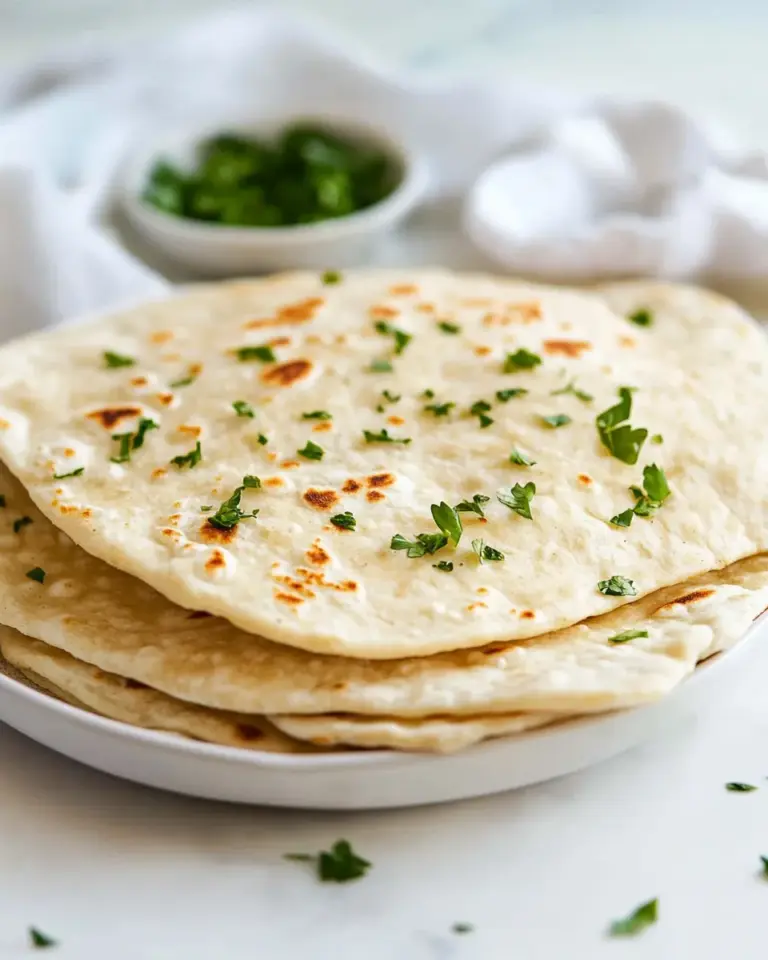

There’s something quietly celebratory about making pierogi at home. The dough comes together with simple pantry staples, the potato filling is forgiving, and the act of folding creates these small, comforting parcels that taste of patience and care.
I test this version because it balances texture and ease: a pliable, tender dough and a mashed potato filling enriched with farmer’s cheese and caramelized onions. The method below guides you from flour and water to the skillet-finished pierogi you’ll be proud to serve.
Read through the steps before you start. The recipe has a few rest and cooking windows that make the whole process manageable—about the rhythm of an afternoon rather than a rushed dinner. Keep your bench floured, your potatoes even when cutting, and your hands ready to seal every edge tightly.
Ingredient Rundown

- 5 cups all-purpose flour — the backbone of the dough; measure by spooning into the cup for accuracy.
- 1 ¾ cups hot water — activates the flour and creates a tender, workable dough.
- 1 teaspoon coarse salt — seasons the dough and helps balance the filling.
- ¼ cup cooking oil — adds tenderness and makes the dough easier to roll.
- 1 large whisked egg — enriches the dough and helps with elasticity.
- 1 peeled small-diced yellow onion — caramelizes into a sweet, savory partner for the potato filling.
- 1 stick + 6 tablespoons unsalted butter — divided use: sauté and finish for flavor and browning.
- 3 pounds peeled russet potatoes, about 5 large potatoes — the main filling element; choose starchy potatoes for a smooth mash.
- 1 cup farmer’s cheese — adds a tangy creaminess to the potato mixture.
- coarse salt and ground white pepper to taste — final seasoning for the filling and plated pierogi.
Mastering Homemade Pierogi Recipe: How-To
- Place 5 cups all-purpose flour on a clean work surface and make a well in the center. Add 1 ¾ cups hot water, 1 teaspoon coarse salt, and ¼ cup cooking oil. Use a fork to gradually bring the flour into the wet ingredients until a shaggy dough forms.
- When the mixture holds together, use a bench scraper or your hands to gather it and begin kneading. Add the 1 large whisked egg and knead the dough for about 5 to 6 minutes, until smooth and elastic.
- Cover the dough with a bowl or plastic wrap and let it rest at room temperature for 30 to 60 minutes.
- While the dough rests, heat a medium skillet over medium heat and add 2 tablespoons of the unsalted butter. Add the 1 peeled, small-diced yellow onion and sauté 4 to 5 minutes until it begins to brown. Reduce the heat to medium–low and continue cooking another 10 to 12 minutes, stirring occasionally, until the onion is deeply browned, tender, and translucent. Transfer half of the caramelized onion to a small bowl for the filling and reserve the other half for garnish.
- Peel and cut the 3 pounds of russet potatoes into even chunks. Place them in a pot, cover with cold water, add a pinch of salt, bring to a boil, then reduce to a simmer and cook until fork-tender, about 12 to 15 minutes depending on chunk size. Drain thoroughly.
- Mash the drained potatoes until smooth. Fold in the unsalted butter (see ingredient list), 1 cup farmer’s cheese, half of the caramelized onions (from step 4), and coarse salt and ground white pepper to taste. Adjust seasoning and set the potato filling aside.
- Lightly dust your work surface with flour. Divide the rested dough into two equal portions and keep the second portion covered while you work with the first.
- Roll the first portion of dough out to about 1/8-inch thickness. Using a 3-inch round cookie cutter, cut circles from the dough and gather scraps to reroll as needed.
- Place 1 to 1 1/2 tablespoons of potato filling in the center of each dough round. Fold the dough over to form a half-moon and press the edges firmly to seal, making sure to remove any air pockets. Repeat until all rounds are filled and sealed.
- Bring a large pot of lightly salted water to a gentle boil. Cook the pierogi in batches so they have room to move: add a few at a time and cook until they float and are cooked through, about 2 to 3 minutes. Remove with a slotted spoon and drain.
- About 30 to 45 seconds before a batch finishes cooking in the water, melt 3 to 4 tablespoons of the unsalted butter in a large nonstick skillet over medium heat. Add the drained pierogi to the skillet and sauté 1 to 2 minutes, turning as needed, until lightly browned.
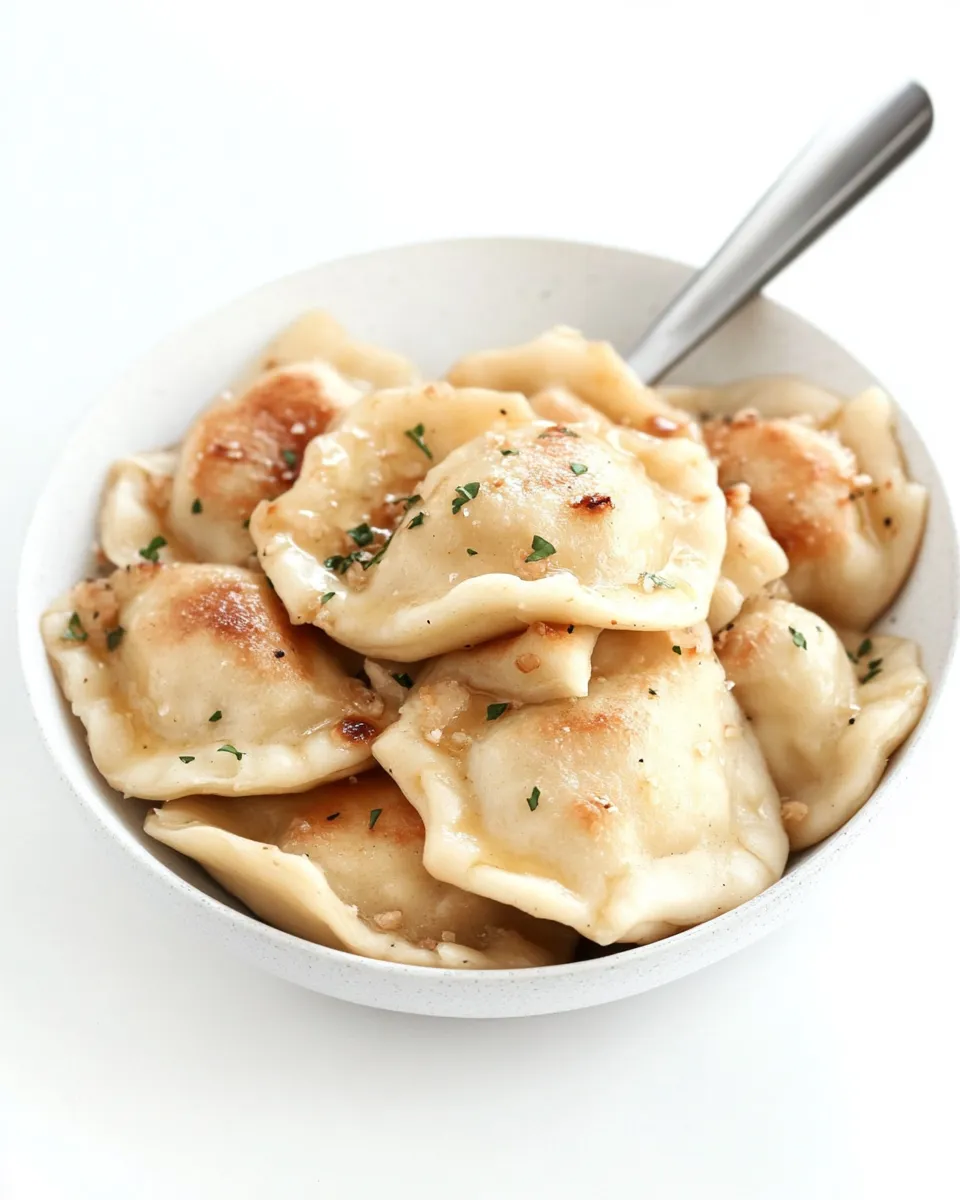
- Transfer the browned pierogi to a serving platter, season with additional coarse salt to taste, and garnish with the remaining caramelized onions. Serve warm.
Why You’ll Love This Recipe
Pierogi are comforting in the best possible way: simple ingredients, clear technique, and a payoff that’s greater than the sum of its parts. The dough is forgiving—hot water and oil make it pliable and easy to work with, even if you’re not an expert at rolling. The potato filling is smooth and richly flavored thanks to butter, farmer’s cheese, and those deeply browned onions.
You can make a big batch and enjoy pierogi over several meals. They reheat well, and the sauté step after boiling adds a golden exterior that makes every bite texturally pleasing. This recipe balances tradition and practicality so you can make pierogi without a full day in the kitchen.
Smart Substitutions
- If you don’t have farmer’s cheese, omit it and add a touch more butter to keep the filling creamy.
- Use the cooking oil from the dough in place of a small portion of butter for sautéing to reduce total butter usage.
- If you prefer a slightly firmer dough, reduce the hot water by a tablespoon or two—work in the change gradually to avoid a dry dough.
- When short on time, you can caramelize the onion while the potatoes cook to overlap tasks and shorten the active window.
What You’ll Need (Gear)

- Large clean work surface or countertop for kneading and rolling.
- Bench scraper (or a sturdy spatula) to gather and portion dough.
- Rolling pin and a 3-inch round cookie cutter (or a glass) for cutting rounds.
- Large pot for boiling potatoes and another large pot for cooking pierogi.
- Medium skillet for caramelizing onions and a large nonstick skillet for browning finished pierogi.
- Slotted spoon for removing pierogi from the water and a mixing bowl for the filling.
- Masher or ricer for the potatoes (a ricer gives the smoothest texture).
Frequent Missteps to Avoid
- Overworking the dough. Knead until smooth and elastic but avoid excessive kneading that tightens it and makes rolling difficult.
- Skipping the rest. Resting the dough for 30–60 minutes relaxes the gluten and makes rolling easier; don’t rush this.
- Uneven potato pieces. Cut potatoes into similar-sized chunks so they cook evenly and mash smoothly.
- Underseasoned filling. Taste the mash before filling; potatoes need salt and pepper to shine beneath the dough wrapper.
- Filling rounds too full. Use 1 to 1 1/2 tablespoons per round; overfilling leads to bursting or poorly sealed edges when boiling.
- Boiling too many at once. Crowding the pot causes them to stick together; cook in batches so they can move freely.
Spring–Summer–Fall–Winter Ideas
Spring: Serve warm pierogi with a light scattering of extra farmer’s cheese for a fresher feel. Pick up the caramelized onion garnish and use it sparingly for contrast.
Summer: Make pierogi earlier in the day and reheat briefly in a skillet before serving; they work well for casual outdoor meals where you want something filling but easy to plate.
Fall: Lean into richness—brown pierogi in plenty of butter and use the full portion of caramelized onions as a glossy topping. These are perfect for cooler evenings.
Winter: Treat pierogi like comfort food: serve hot from the skillet with a generous sprinkle of coarse salt and extra warmed butter. Make a double batch—pierogi freeze well for busy nights.
Testing Timeline
- Make dough and rest: 10–15 minutes active, 30–60 minutes resting.
- Caramelize onions: approximately 15–20 minutes total (4–5 then another 10–12 minutes on lower heat).
- Boil and mash potatoes: 12–15 minutes to simmer until fork-tender, plus a few minutes to drain and mash.
- Roll, cut, fill, and seal: allow 30–45 minutes depending on speed and whether you work with a helper.
- Boil and sauté batches: about 2–3 minutes boiling per batch and 1–2 minutes sautéing to brown.
Keep It Fresh: Storage Guide
Refrigerate leftover pierogi in an airtight container for up to 3 days. To reheat, gently sauté in a skillet with a little butter until warmed through and crisped on the outside; this revives texture much better than microwaving.
To freeze: arrange uncooked, sealed pierogi on a baking sheet in a single layer and freeze until solid, then transfer to a freezer bag. Cook from frozen by adding an extra 30–60 seconds to the boiling time and proceed to sauté as instructed. Frozen, properly stored, they keep nicely for up to 2 months.
Troubleshooting Q&A
My dough is sticky and tearing when I roll it—what did I do wrong?
Sticky dough usually means it needs a touch more flour on the surface or a slightly longer rest. Lightly dust the work surface and rolling pin. If the dough tears, press it back together and give it another 5–10 minutes covered to relax.
Pierogi burst while boiling—how can I prevent that?
Most bursts come from trapped air or overfilled pockets. Press out air when you seal the half-moons and use the recommended 1 to 1 1/2 tablespoons filling. Make sure edges are firmly pinched or crimped. Also avoid dropping too many into the water at once.
The filling is grainy or gummy—what went wrong?
Grainy filling can result from undercooked potatoes or overworking them with a food processor. Mash while still warm and fold in butter and cheese gently. If the mash is gummy, it may be overmixed—use a masher or ricer for the best texture.
How do I tell when pierogi are cooked through?
They float to the surface when done; give them an extra 30–60 seconds after they float to be sure. The sauté step afterward also adds a final texture and finishes cooking any interior that might need it.
Bring It Home
Homemade pierogi reward a little time and a steady rhythm. Follow the steps, keep your work area organized, and don’t be afraid to make a few imperfect ones—the taste won’t care. Give yourself the space to enjoy the process: the caramelized onions, the smooth potato filling, and the first browned pierogi straight from the skillet are worth the effort. Make a batch, share them, and you’ll find this becomes one of those dishes you return to again and again.

Homemade Pierogi Recipe
Ingredients
Ingredients
- 5 cupsall-purpose flour
- 1 3/4 cuphot water
- 1 teaspooncoarse salt
- 1/4 cupcooking oil
- 1 large whisked egg
- 1 peeled small-diced yellow onion
- 1 stick + 6 tablespoons unsalted butter
- 3 poundspeeled russet potatoes about 5 large potatoes
- 1 cupfarmer’s cheese
- coarse salt and ground white pepper to taste
Instructions
Instructions
- Place 5 cups all-purpose flour on a clean work surface and make a well in the center. Add 1 ¾ cups hot water, 1 teaspoon coarse salt, and ¼ cup cooking oil. Use a fork to gradually bring the flour into the wet ingredients until a shaggy dough forms.
- When the mixture holds together, use a bench scraper or your hands to gather it and begin kneading. Add the 1 large whisked egg and knead the dough for about 5 to 6 minutes, until smooth and elastic.
- Cover the dough with a bowl or plastic wrap and let it rest at room temperature for 30 to 60 minutes.
- While the dough rests, heat a medium skillet over medium heat and add 2 tablespoons of the unsalted butter. Add the 1 peeled, small-diced yellow onion and sauté 4 to 5 minutes until it begins to brown. Reduce the heat to medium–low and continue cooking another 10 to 12 minutes, stirring occasionally, until the onion is deeply browned, tender, and translucent. Transfer half of the caramelized onion to a small bowl for the filling and reserve the other half for garnish.
- Peel and cut the 3 pounds of russet potatoes into even chunks. Place them in a pot, cover with cold water, add a pinch of salt, bring to a boil, then reduce to a simmer and cook until fork-tender, about 12 to 15 minutes depending on chunk size. Drain thoroughly.
- Mash the drained potatoes until smooth. Fold in the unsalted butter (see ingredient list), 1 cup farmer’s cheese, half of the caramelized onions (from step 4), and coarse salt and ground white pepper to taste. Adjust seasoning and set the potato filling aside.
- Lightly dust your work surface with flour. Divide the rested dough into two equal portions and keep the second portion covered while you work with the first.
- Roll the first portion of dough out to about 1/8-inch thickness. Using a 3-inch round cookie cutter, cut circles from the dough and gather scraps to reroll as needed.
- Place 1 to 1 1/2 tablespoons of potato filling in the center of each dough round. Fold the dough over to form a half-moon and press the edges firmly to seal, making sure to remove any air pockets. Repeat until all rounds are filled and sealed.
- Bring a large pot of lightly salted water to a gentle boil. Cook the pierogi in batches so they have room to move: add a few at a time and cook until they float and are cooked through, about 2 to 3 minutes. Remove with a slotted spoon and drain.
- About 30 to 45 seconds before a batch finishes cooking in the water, melt 3 to 4 tablespoons of the unsalted butter in a large nonstick skillet over medium heat. Add the drained pierogi to the skillet and sauté 1 to 2 minutes, turning as needed, until lightly browned.
- Transfer the browned pierogi to a serving platter, season with additional coarse salt to taste, and garnish with the remaining caramelized onions. Serve warm.
Equipment
- work surface
- Bench scraper
- Mixing Bowl
- Pot
- Skillet
- cookie cutter (3-inch)
- Rolling Pin
- Slotted spoon
- nonstick skillet
Notes
Make-Ahead:
These are meant to be eaten as soon as they are done cooking. However, you can freeze these uncooked on a sheet tray lined with parchment paper for up to 3 months before cooking and serving.
How to Store:
Cover them in the refrigerator for up to 4 days. They will freeze covered for up to 3 months. Thaw them in the refrigerator for 1 day before reheating. They will also freeze uncooked for up to 3 months.
How to Reheat:
Place them in a medium-sized non-stick skillet with 1 tablespoon of unsalted butter and cook over low heat for 3 to 4 minutes or until warm.
You don’t
add the egg until later in the kneading process to keep it from cooking and scrambling.
I know
the potatoes are done cooking when I pierce them with a fork, and they don’t break apart and slide off easily.
You can
re-roll the used dough to make more pierogi. I’d advise you to let it rest for 30 to 60 minutes before re-rolling.
The water
should be 140° to 160°.