I make pizza at home more nights than I should admit. A reliable, sugar-free sauce is the backbone of every pie I roll out — bright tomato flavor, balanced herbs, and just enough bite from garlic and pepper. This version keeps things simple and honest: pantry ingredients, one pan, and twenty minutes of simmering.
No added sugar, no odd syrups, and no fuss. You’ll get a versatile sauce that plays well with everything from a basic Margherita to a loaded meat-and-veggie pie. It’s forgiving, stores well, and tastes better than most jarred options.
The Essentials
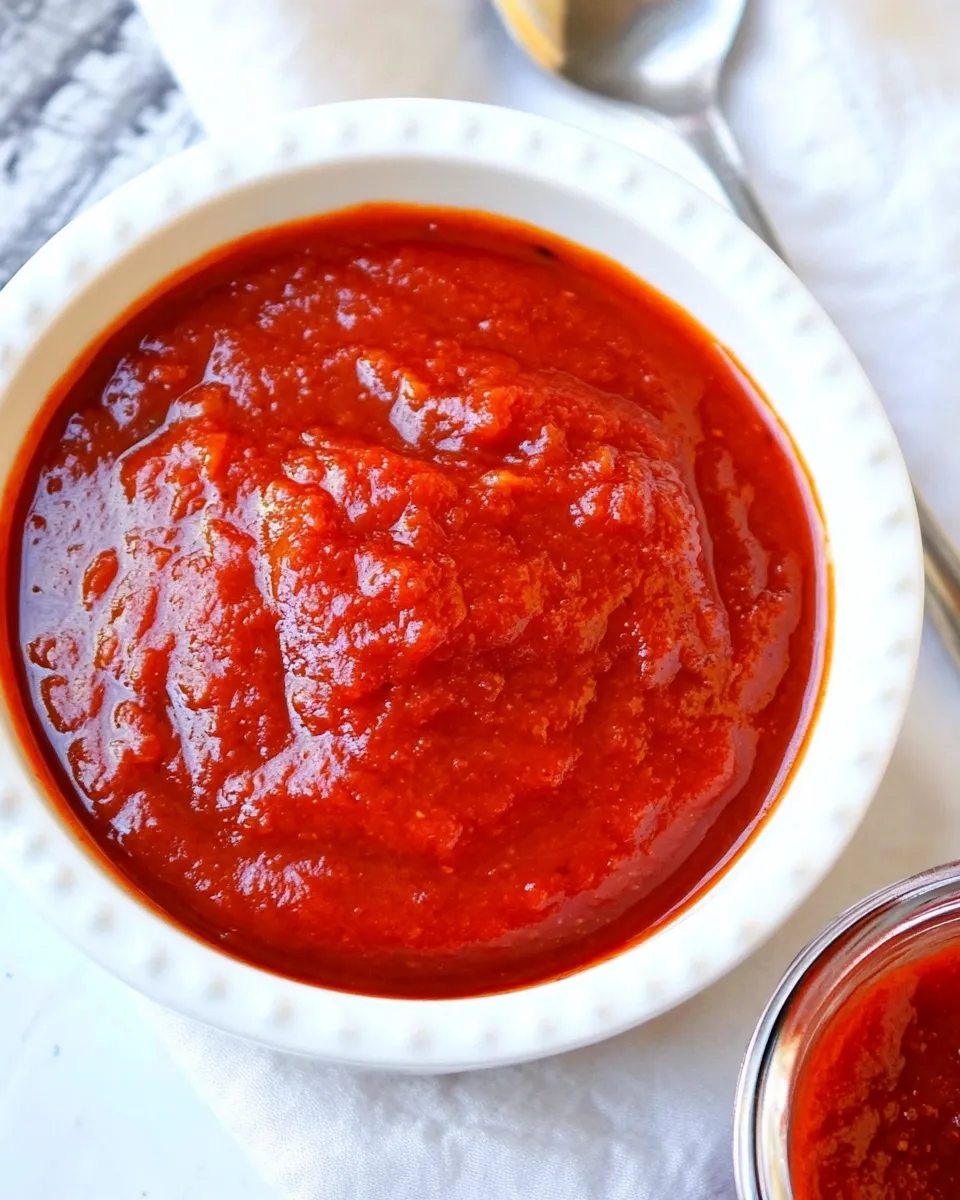
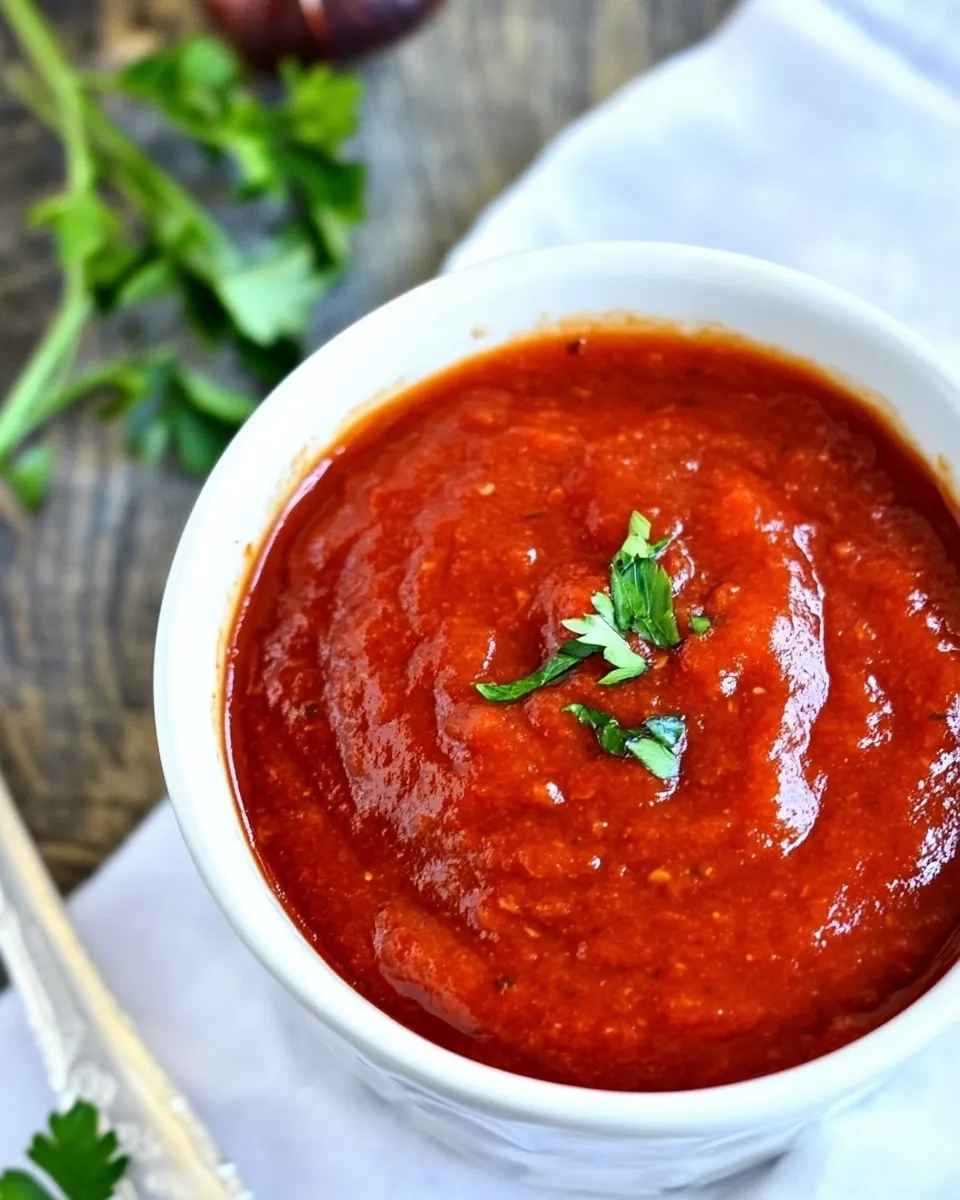
This sauce focuses on three things: quality tomato puree, aromatics (onion and garlic), and a modest blend of seasoning. Olive oil carries flavor and rounds the mouthfeel. Italian seasoning gives familiar herb notes without needing fresh herbs every time. A pinch of red pepper flakes wakes the sauce up, but it’s optional.
Texture is smooth because we use tomato puree rather than chunky tomatoes. The method calls for a gentle simmer, which concentrates flavor without making the sauce too thick. If you want a thinner sauce for brushing or a thicker one for spooning, you can adjust the cooking time slightly, but you don’t need to add sugar to improve balance.
Ingredients
- 28-ounce tomato puree — I use San Marzano or Muir Glen; this is the sauce base and gives smooth tomato flavor.
- 2 tablespoons olive oil — used to sauté the aromatics and add richness.
- 1/2 cup onion, diced — provides sweetness and depth once softened.
- 3–4 garlic cloves, diced — gives aromatic punch; avoid browning to keep it sweet and mellow.
- 2 teaspoons Italian seasoning — a ready blend of oregano, basil, thyme, and rosemary that seasons the whole sauce.
- 1/4 teaspoon red pepper flakes, optional — for a touch of heat; omit if you prefer no spice.
- 1 teaspoon kosher salt — seasons the sauce; I recommend kosher salt for consistent salting.
- Black pepper to taste — added at the end to adjust brightness and bite.
Make Homemade Sugar-Free Pizza Sauce Recipe: A Simple Method
- Heat 2 tablespoons olive oil in a medium saucepan over medium heat until shimmering.
- Add 1/2 cup diced onion and cook, stirring occasionally, until softened and translucent, about 3–4 minutes.
- Add 3-4 diced garlic cloves and cook, stirring, until fragrant, about 30 seconds to 1 minute; avoid browning the garlic.
- Pour in the 28-ounce tomato puree and stir to combine, scraping any bits from the bottom of the pan.
- Stir in 2 teaspoons Italian seasoning, 1 teaspoon kosher salt, 1/4 teaspoon red pepper flakes (optional), and black pepper to taste.
- Bring the sauce to a gentle simmer, then reduce heat to low and simmer uncovered for 20 minutes, stirring occasionally.
- Remove from heat and taste; adjust black pepper or salt if desired before using.
Why You’ll Keep Making It
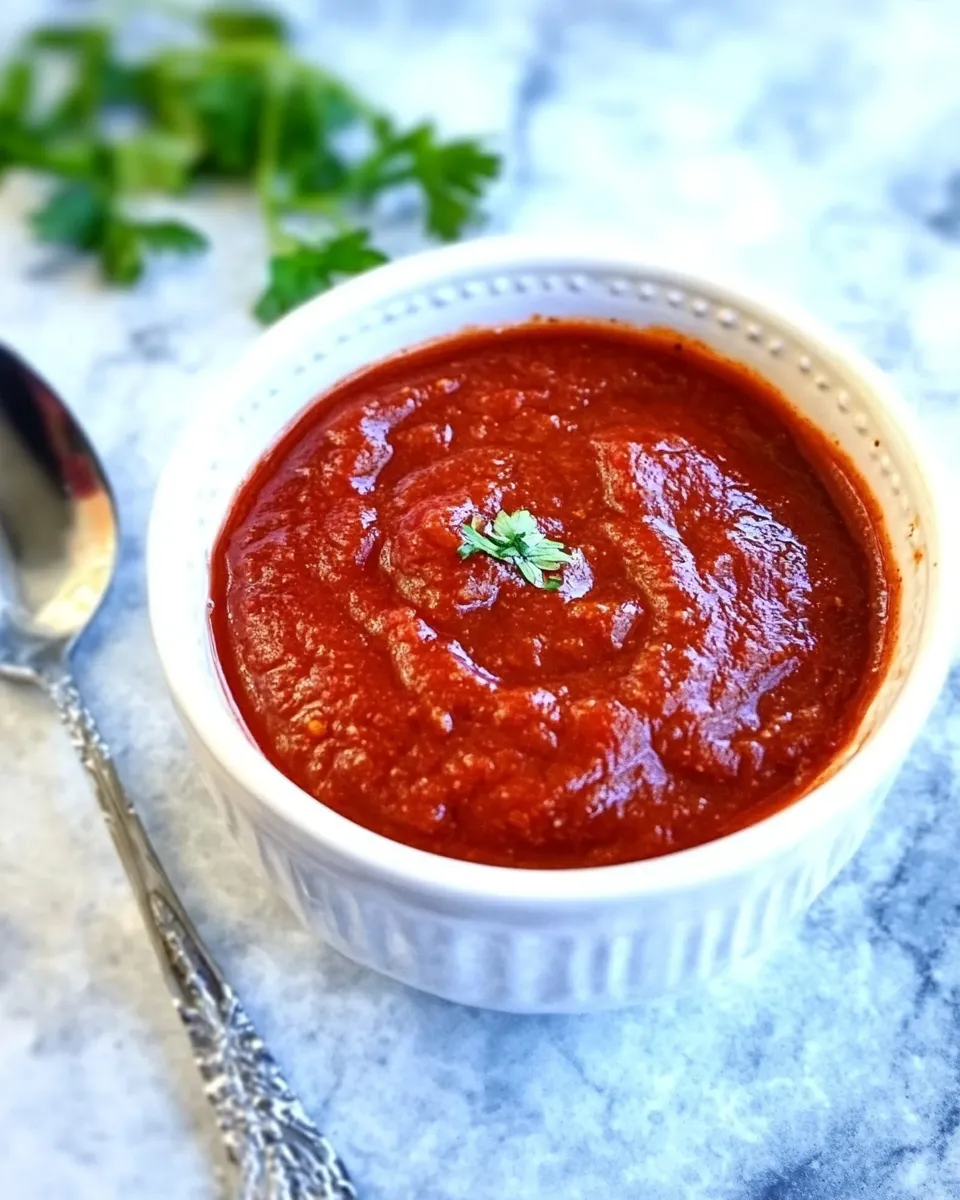
This sauce is fast, predictable, and adaptable. It relies on pantry staples, so you rarely have to make a separate grocery run. It’s also forgiving: if you under-salt or under-simmer, a quick adjustment fixes it. The lack of added sugar means the sauce highlights natural tomato sweetness and pairs cleanly with anything from delicate cheeses to bold meats.
Compared to store-bought jars, it tastes fresher and fresher for longer. You control the heat level and seasoning intensity. That control matters when you’re feeding picky eaters or building layered flavor profiles for specialty pizzas.
Smart Substitutions
If you don’t have one item on hand, swap thoughtfully:
- Tomato puree — passata or a smooth crushed tomato can work in the same quantity; if using whole canned tomatoes, blitz briefly to smooth before adding.
- Italian seasoning — a simple mix of dried oregano and dried basil (1:1) will do; increase or decrease to suit your taste.
- Onion — a shallot or half a small yellow onion provides similar sweetness if that’s what you have.
- Red pepper flakes — omit for no heat; add a pinch of cayenne if you want a sharper, quicker hit.
Setup & Equipment
You don’t need anything fancy. A few reliable pieces make the process fast:
- Medium saucepan — wide enough for stirring and simmering evenly.
- Spoon or spatula — for scraping the pan and combining ingredients.
- Knife and cutting board — for dicing onion and garlic.
- Optional: immersion blender — if you prefer an ultra-smooth finish, but the puree is usually smooth enough as-is.
Why a medium saucepan?
A medium saucepan gives a good surface area for evaporation during simmering. That lets the sauce concentrate without sticking or burning. Use a heavy-bottomed pan if you have one; it spreads heat more evenly and reduces hot spots.
Easy-to-Miss Gotchas
Before you start, watch for these small mistakes that change the final sauce:
- Don’t brown the garlic. It turns bitter quickly. Add garlic after the onion softens and remove from heat if it starts to color.
- Don’t over-salt initially. The sauce concentrates as it simmers. Taste at the end and then adjust.
- Simmer uncovered but keep it gentle. A rolling boil can make the sauce too thick and change the texture.
- If the sauce splatters, reduce the heat. A gentle simmer is all you need to develop flavor over 20 minutes.
Seasonal Spins
Make small seasonal changes to highlight what’s available. In summer, stir in torn fresh basil at the end for brightness. In colder months, boost Italian seasoning slightly or add a bay leaf during simmering and remove before using. For a smoky touch in autumn, a spoonful of roasted red pepper puree blends nicely with the base.
These tweaks are optional. The core recipe works year-round and adapts to whatever fresh herbs or pantry extras you prefer.
Notes from the Test Kitchen
I tested this sauce over several trials to hit a balance between ease and depth. Two things matter most: the initial sauté of onion in olive oil and the 20-minute uncovered simmer. The onion softens and sweetens the background while the simmer concentrates the puree without drying it out.
Using a quality tomato puree made the most noticeable difference. Cheap or watery purees can taste flat. If yours lacks intensity, a pinch more salt and a longer simmer will help, but starting with a good brand reduces fuss.
Keep It Fresh: Storage Guide
Cool the sauce completely before storing to avoid condensation and dilution. Transfer to an airtight container and refrigerate for up to 5 days. For longer storage, freeze in portions — ice cube trays work well for single-serving amounts. Once frozen, pop the cubes into a freezer bag and keep for up to 3 months.
Thaw overnight in the fridge or gently warm in a saucepan. Re-season with a little black pepper or salt if needed after thawing; freezing can mute flavors slightly.
Questions People Ask
Can I use crushed tomatoes instead of puree? Yes. If you use crushed tomatoes, blitz briefly for a smoother texture or simmer a bit longer if you prefer it thicker.
Do I need to add sugar? No. The recipe is formulated to balance natural tomato sweetness with herbs and onion. Use higher-quality tomato puree if you want a naturally sweeter profile.
Will this sauce work for pasta? Absolutely. It’s slightly thinner than many pasta sauces but makes a fine quick pasta sauce. Simmer a bit longer for a thicker finish or add a splash of pasta cooking water when tossing.
Can I double the recipe? Yes. Use a larger saucepan and watch the simmering time; it might take a little longer to reduce, but the method otherwise remains the same.
Next Steps
Make a batch tonight and use half for pizza and half for storage. Keep a note of any tweaks you make so you can reproduce the exact flavor you love. Once you have this base in your rotation, try small variations: add fresh basil at the end, spike the sauce with a little balsamic for depth, or sweep a thin layer onto a par-baked crust before adding toppings.
Quick, clean, and reliable — this sugar-free pizza sauce will become one of those simple kitchen wins you return to again and again. Roll the dough, spread the sauce, and bake your favorite combination. Enjoy.

Homemade Sugar-Free Pizza Sauce Recipe
Ingredients
Ingredients
- 1 28 ounceTomato PureeI use San Marzano or Muir Glen
- 2 tablespoonsolive oil
- 1/2 cuponiondiced
- 3-4 garlic clovesdiced
- 2 teaspoonsItalian seasoning
- 1/4 teaspoonred pepper flakesoptional
- 1 teaspoonkosher salt
- Black pepper to taste
Instructions
Instructions
- Heat 2 tablespoons olive oil in a medium saucepan over medium heat until shimmering.
- Add 1/2 cup diced onion and cook, stirring occasionally, until softened and translucent, about 3–4 minutes.
- Add 3–4 diced garlic cloves and cook, stirring, until fragrant, about 30 seconds to 1 minute; avoid browning the garlic.
- Pour in the 28-ounce tomato puree and stir to combine, scraping any bits from the bottom of the pan.
- Stir in 2 teaspoons Italian seasoning, 1 teaspoon kosher salt, 1/4 teaspoon red pepper flakes (optional), and black pepper to taste.
- Bring the sauce to a gentle simmer, then reduce heat to low and simmer uncovered for 20 minutes, stirring occasionally.
- Remove from heat and taste; adjust black pepper or salt if desired before using.
Equipment
- Medium Saucepan
Notes
Add a couple tablespoons of tomato paste to thicken the sauce up if needed.
For extra spicy sauce, add more chili flakes or a dash of cayenne pepper.
To make your own tomato puree use 2 pounds of roma, plum, or san marzano tomatoes. Blanch to remove the skin (for a smooth texture) before adding in Step 3.