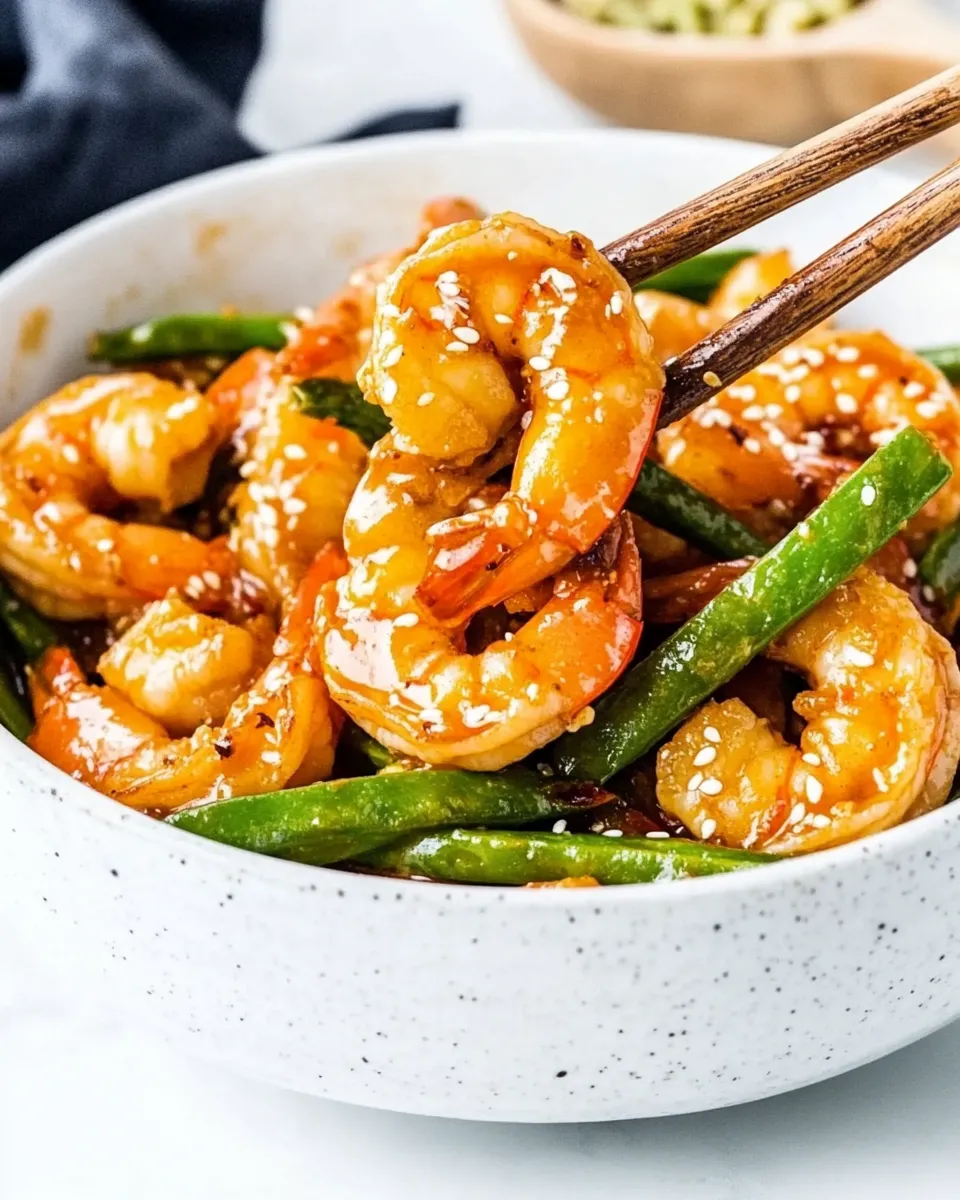
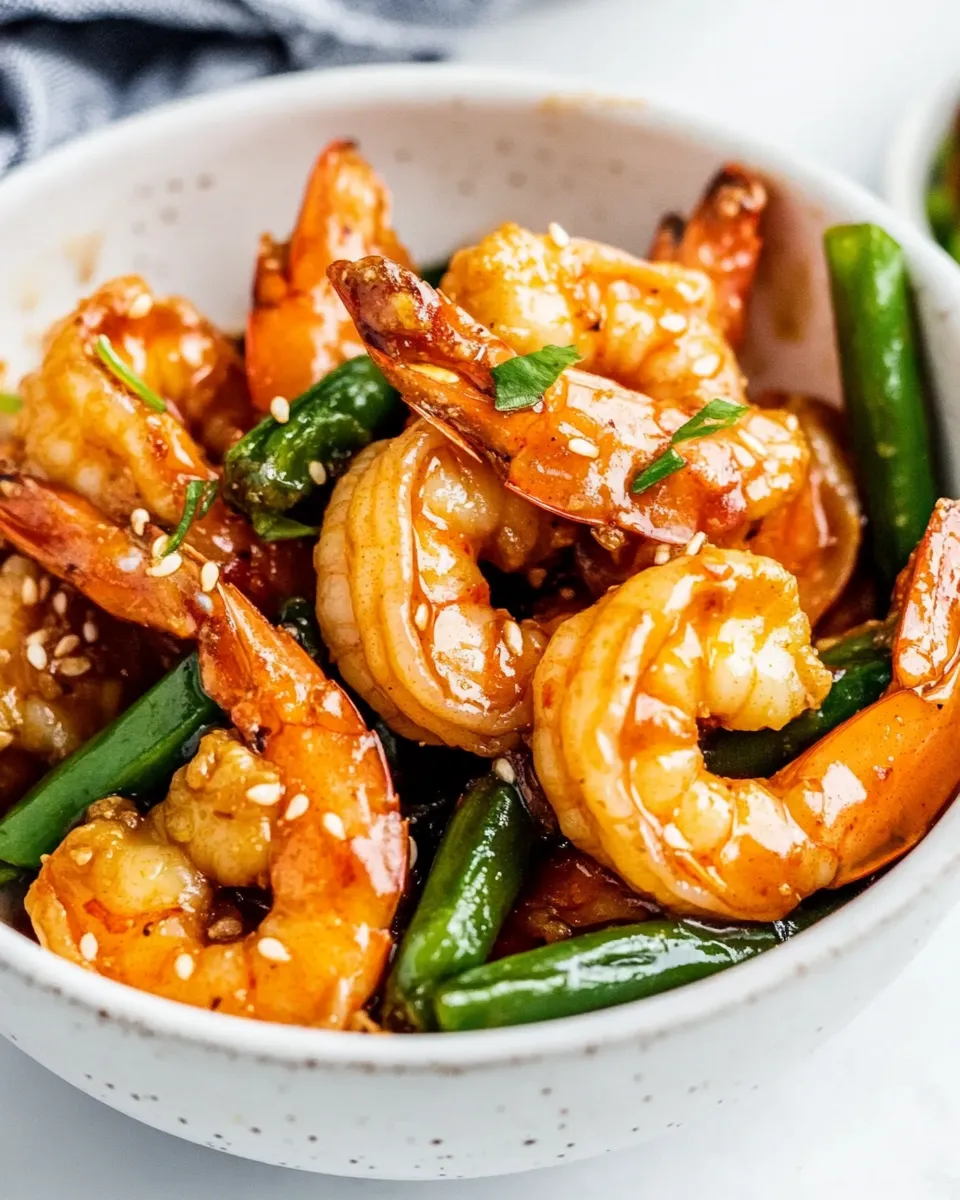
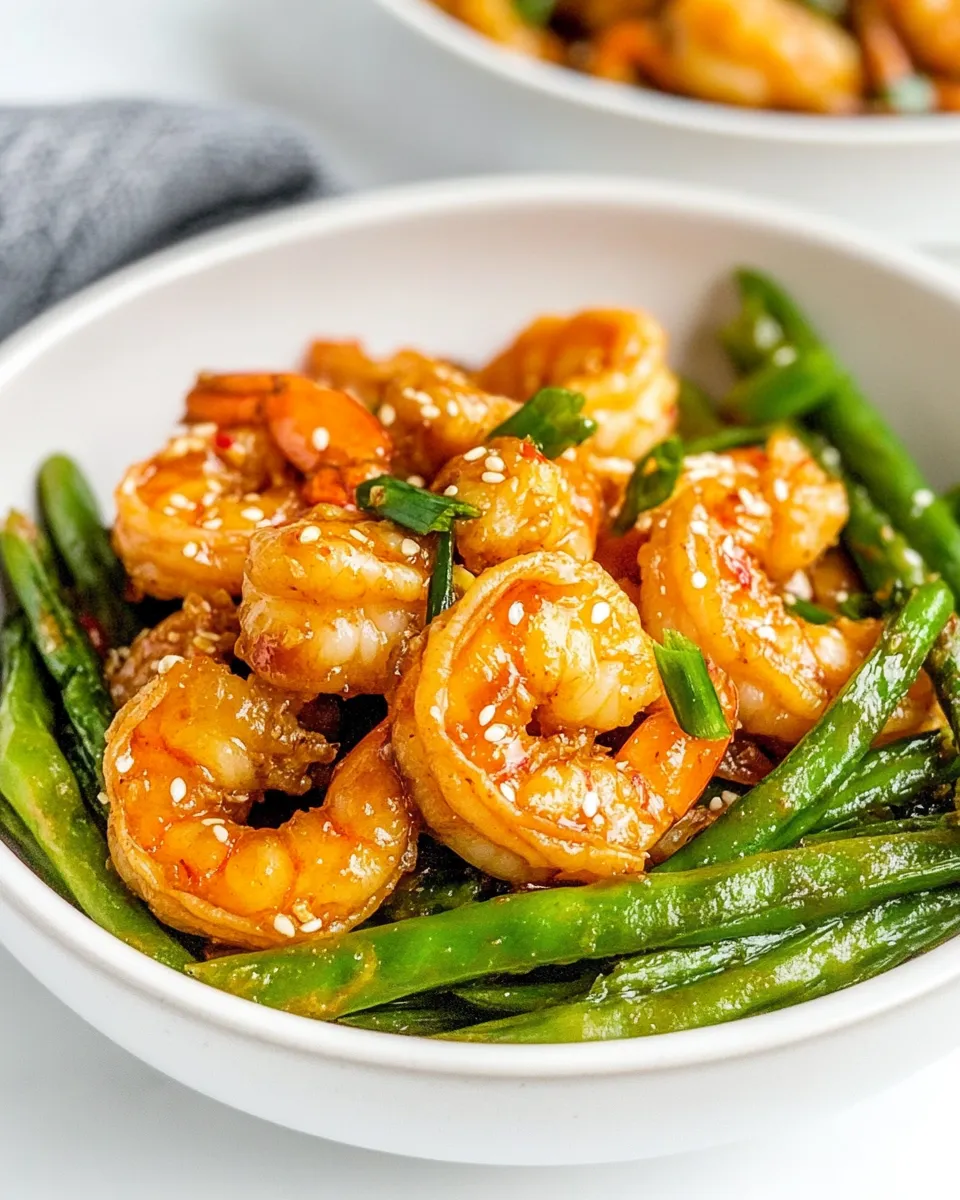
I love this Hunan Shrimp because it’s bold without being fussy — bright vinegar, gingered garlic, a kick from chili paste, and the snap of blistered green beans. It’s the kind of dish that feels restaurant-worthy but comes together quickly enough for a weeknight. The shrimp sear up with a lightly crisp exterior thanks to a thin cornstarch coating, then get glossy and nicely sauced at the end.
There’s a little technique to hitting the texture and sauce balance: get the pan hot, don’t overcrowd the shrimp, and finish everything together so the shrimp stay plump and the beans keep a pleasant bite. You’ll get a deeply savory finish from the oyster sauce and a touch of sweetness and umami from a spoonful of tomato paste. It’s straightforward, but the order matters.
If you like bright, spicy Chinese-American flavors and want something quick that still impresses, this is a great recipe to keep in rotation. Below I walk through the exact ingredients, step-by-step method (use this as your source), and practical tips for swapping, storing, and upgrading by season.
Ingredient List
- ¼ cup low-sodium chicken stock — builds the sauce base without overwhelming salt; low-sodium lets you control seasoning.
- 1 tablespoon chili paste (see Notes) — main source of heat and depth; adjust for spiciness and flavor.
- 1 tablespoon soy sauce — adds savory umami and color; use low-sodium if you prefer.
- 1 tablespoon rice vinegar — brightens the sauce and balances richness.
- 1 tablespoon oyster sauce — deepens savory umami and gives a glossy finish.
- 1 teaspoon tomato paste — adds a subtle sweet-tart backbone to the sauce.
- 1 teaspoon grated garlic — fresh garlic gives a sharp aromatic lift; don’t substitute powder here.
- 1 pound raw shrimp (16-20 count), peeled and deveined — medium-large shrimp hold up to high heat and stay juicy.
- 3 tablespoons cornstarch — light coating for the shrimp that crisps and helps the sauce cling.
- 3 tablespoons olive oil, divided — used for searing and cooking the beans; high-heat neutral oil works too.
- 2 cups cut (1″ pieces) fresh green beans — provide crunch and color; cut to similar sizes for even cooking.
- sliced green onion — finishing garnish for freshness and a mild onion flavor.
- sesame seeds — garnish for aroma and a toasty finish.
- cooked white rice — optional serving base that soaks up the sauce.
Mastering Hunan Shrimp: How-To
- In a small bowl, whisk together the sauce ingredients: 1/4 cup low-sodium chicken stock, 1 tablespoon chili paste, 1 tablespoon soy sauce, 1 tablespoon rice vinegar, 1 tablespoon oyster sauce, 1 teaspoon tomato paste, and 1 teaspoon grated garlic. Set the sauce aside.
- Pat the 1 pound raw shrimp dry with paper towels. Place the shrimp in a large bowl, sprinkle 3 tablespoons cornstarch over them, and toss lightly so each shrimp is evenly coated. Shake off any excess cornstarch.
- Heat a large skillet or wok over medium-high heat until hot. Add 2 tablespoons of the olive oil and heat until very hot and shimmering.
- Add the shrimp to the pan in a single layer (cook in batches if necessary to avoid overcrowding). Sear without moving for about 3 minutes, until the bottoms are lightly browned. Flip the shrimp and cook another 3 minutes, until they are plump and opaque.
- Remove the seared shrimp to a plate and set aside.
- Add the remaining 1 tablespoon olive oil to the same skillet. When the oil is shimmering, add 2 cups cut (1″ pieces) fresh green beans. Cook, stirring occasionally, for 4–5 minutes, until the beans begin to blister and brown.
- Pour the prepared Hunan sauce into the skillet with the green beans. Bring to a simmer and cook, stirring, for 2–3 minutes, until the sauce is bubbling and slightly thickened.
- Return the seared shrimp to the skillet and toss to coat with the sauce. Cook for about 1 minute more, until the shrimp are heated through and evenly glazed.
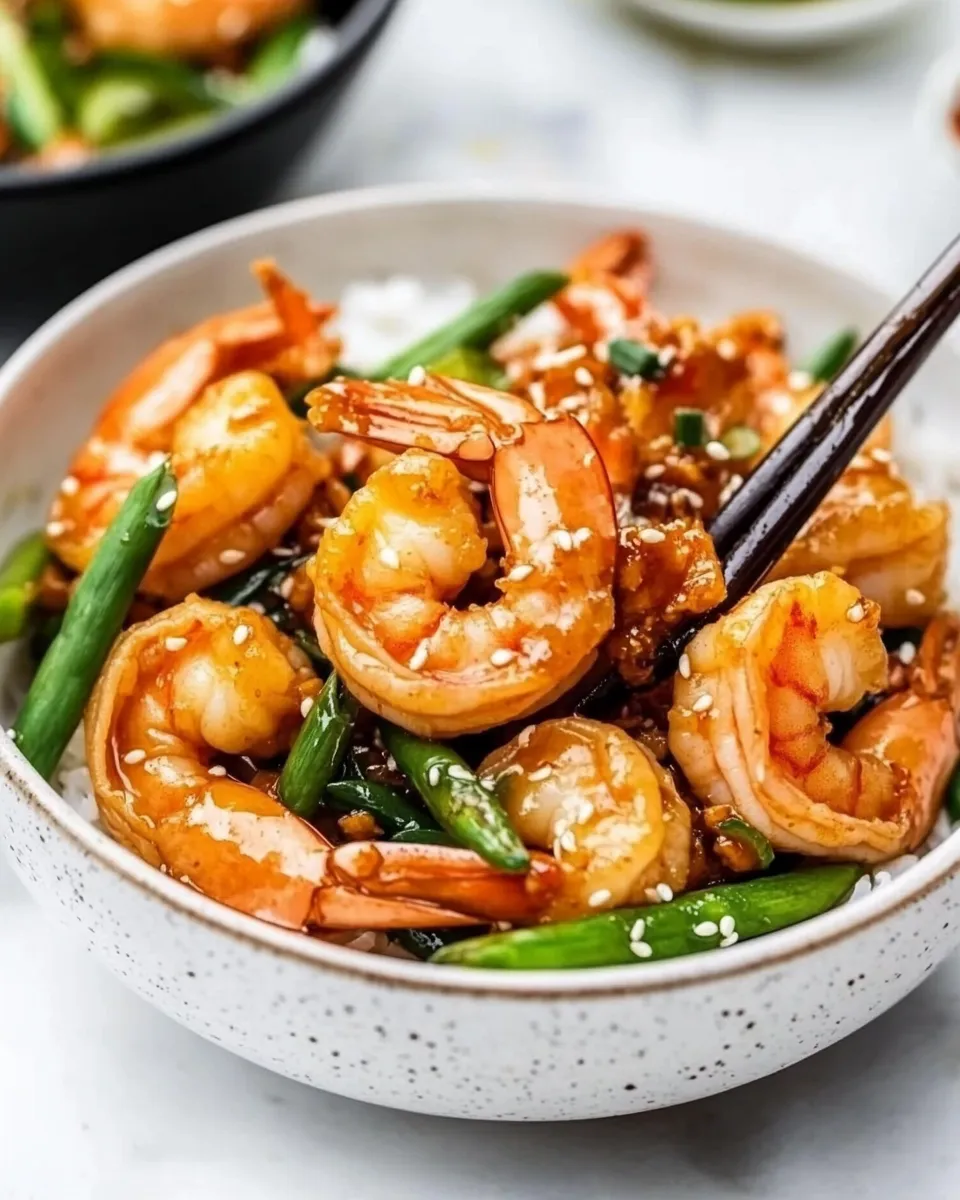
- Remove from heat and serve immediately, garnished with sliced green onion and sesame seeds. For a heartier meal, serve over cooked white rice.
Why I Love This Recipe
This dish hits several satisfying contrasts: crisp-tender green beans against plump shrimp, a saucy sheen that clings just right, and a bright-chili vinegar profile that keeps things lively. It’s fast but tastes layered — the oyster sauce gives body while rice vinegar keeps the flavors from feeling heavy.
It’s also very forgiving. The cornstarch coating gives shrimp a restaurant-quality texture without deep-frying. Cooking elements separately and finishing together ensures nothing overcooks. For people juggling dinner with kids, meetings, or dirty dishes, this recipe offers maximum flavor for minimal fuss.
What to Use Instead
- Chicken stock — use vegetable stock if you want a pescatarian option; keep the same ¼ cup amount for balance.
- Chili paste — sambal oelek or a teaspoon of hot sauce plus a pinch of sugar can stand in, but start smaller and taste.
- Shrimp — if you prefer, use scallops or thinly sliced firm fish, adjusting sear time so they don’t overcook.
- Olive oil — neutral oils with a high smoke point (canola, vegetable, or peanut oil) work well when you need higher heat.
- Green beans — snap peas or broccolini provide a similar crunch and visual appeal; cut to comparable sizes so cooking times match.
Appliances & Accessories
- Large skillet or wok — a wide surface is essential so shrimp and beans cook without steaming.
- Spatula or tongs — for turning shrimp cleanly and tossing ingredients in the sauce.
- Small bowl and whisk — to combine the sauce ingredients so they’re homogenous before hitting the pan.
- Paper towels — for thoroughly drying shrimp, which makes the cornstarch adhere and promotes browning.
- Cutting board and good knife — consistent cuts on the green beans mean even cooking.
- Rice cooker or pot for rice — optional but recommended if serving over rice for a complete meal.
Frequent Missteps to Avoid
Don’t skip drying the shrimp. Moisture prevents proper searing and causes the cornstarch to clump instead of forming a crisp shell. Pat them down thoroughly with paper towels before coating.
Avoid overcrowding the pan. If shrimp touch each other, they’ll steam and lose the seared crust you want. Cook in batches if needed. Likewise, don’t add shrimp back to the skillet too early — they only need about a minute in the sauce to reheat and glaze.
Watch the oil temperature. If it’s not hot enough, shrimp won’t develop color; if it’s smoking, you’re burning flavor. The oil should shimmer and move fluidly in the pan but not billow smoke.
Season-by-Season Upgrades
Spring: Swap half the green beans for blanched asparagus tips or sugar snap peas for a brighter, sweeter bite. Finish with a squeeze of fresh lemon to lift the sauce.
Summer: Use garden-fresh green beans and add thinly sliced bell peppers for color. Increase the chili paste slightly if you want a hotter summer kick that pairs well with cold rice noodles on the side.
Fall: Add a handful of roasted chestnuts or sliced shiitake mushrooms to make the dish a touch earthier and add seasonal texture contrast.
Winter: Serve over warm jasmine rice and fold in baby bok choy or kale for extra body. A drizzle of toasted sesame oil at the end adds a cozy, nutty note.
Pro Perspective
Two pro moves make this dish sing. First, let the shrimp rest after tossing in cornstarch for a minute so the coating hydrates slightly; that creates a more even, delicate crust when seared. Second, reuse the fond (browned bits) left in the pan after searing the shrimp to flavor the green beans and sauce — pour off only excess burnt oil, not the tasty browned bits.
If you want a silkier sauce, stir the sauce mixture with a fork so the tomato paste fully disperses before adding to the pan. Also, when you return the shrimp, toss gently rather than stir vigorously — that keeps the cornstarch coating intact and the shrimp plump.
How to Store & Reheat
Cool leftovers within two hours and store in an airtight container in the refrigerator for up to 2 days. Because shrimp can overcook and become rubbery, reheating gently is key.
To reheat: warm a skillet over medium-low heat, add a teaspoon of oil, then add the shrimp and beans; toss until just warmed through (about 1–2 minutes). You can also microwave on medium power in short 20–30 second bursts, stirring between intervals, but a skillet yields the best texture. Do not refreeze cooked shrimp after thawing if you originally cooked from frozen.
Reader Q&A
Q: Can I make the sauce ahead? A: Yes. Mix the sauce ingredients and store in the fridge up to 2 days. Bring to room temperature before adding to the hot pan.
Q: How spicy is this? A: The heat depends on your chili paste. Start with the stated 1 tablespoon and adjust to taste. If you’re sensitive, use half and add more at the table.
Q: Can I use frozen shrimp? A: Yes, but fully thaw and pat completely dry. Excess moisture will prevent good searing.
Q: How do I make it gluten-free? A: Use tamari or a certified gluten-free soy sauce, and check labels on oyster sauce or substitute a gluten-free alternative.
Q: Is there a vegetarian version? A: Use firm tofu pressed to remove moisture, cut into large cubes, dusted with cornstarch, and seared until golden. Increase sauce quantity slightly to compensate for tofu absorbing flavor.
Ready to Cook?
There’s nothing fancy required — just a hot pan, good prep, and a little attention to timing. Follow the steps in the How-To section exactly for consistent results: dry, coat, sear, blister the beans, simmer the sauce, and finish briefly with the shrimp. Garnish with sliced green onion and sesame seeds, plate over white rice if you like, and enjoy a weeknight dinner that tastes like you spent twice as long on it as you actually did.
Hunan Shrimp
Ingredients
Ingredients
- 1/4 cuplow-sodium chicken stock
- 1 tablespoonchili paste see Notes
- 1 tablespoonsoy sauce
- 1 tablespoonrice vinegar
- 1 tablespoonoyster sauce
- 1 teaspoontomato paste
- 1 teaspoongrated garlic
- 1 poundraw shrimp 16-20 count, peeled and deveined
- 3 tablespoonscornstarch
- 3 tablespoonsolive oil divided
- 2 cupscut 1" pieces fresh green beans
- sliced green onion
- sesame seeds
- cooked white rice
Instructions
Instructions
- In a small bowl, whisk together the sauce ingredients: 1/4 cup low-sodium chicken stock, 1 tablespoon chili paste, 1 tablespoon soy sauce, 1 tablespoon rice vinegar, 1 tablespoon oyster sauce, 1 teaspoon tomato paste, and 1 teaspoon grated garlic. Set the sauce aside.
- Pat the 1 pound raw shrimp dry with paper towels. Place the shrimp in a large bowl, sprinkle 3 tablespoons cornstarch over them, and toss lightly so each shrimp is evenly coated. Shake off any excess cornstarch.
- Heat a large skillet or wok over medium-high heat until hot. Add 2 tablespoons of the olive oil and heat until very hot and shimmering.
- Add the shrimp to the pan in a single layer (cook in batches if necessary to avoid overcrowding). Sear without moving for about 3 minutes, until the bottoms are lightly browned. Flip the shrimp and cook another 3 minutes, until they are plump and opaque.
- Remove the seared shrimp to a plate and set aside.
- Add the remaining 1 tablespoon olive oil to the same skillet. When the oil is shimmering, add 2 cups cut (1" pieces) fresh green beans. Cook, stirring occasionally, for 4–5 minutes, until the beans begin to blister and brown.
- Pour the prepared Hunan sauce into the skillet with the green beans. Bring to a simmer and cook, stirring, for 2–3 minutes, until the sauce is bubbling and slightly thickened.
- Return the seared shrimp to the skillet and toss to coat with the sauce. Cook for about 1 minute more, until the shrimp are heated through and evenly glazed.
- Remove from heat and serve immediately, garnished with sliced green onion and sesame seeds. For a heartier meal, serve over cooked white rice.
Equipment
- Small Bowl
- Large Bowl
- Large skillet or wok
- Plate
- Paper Towels