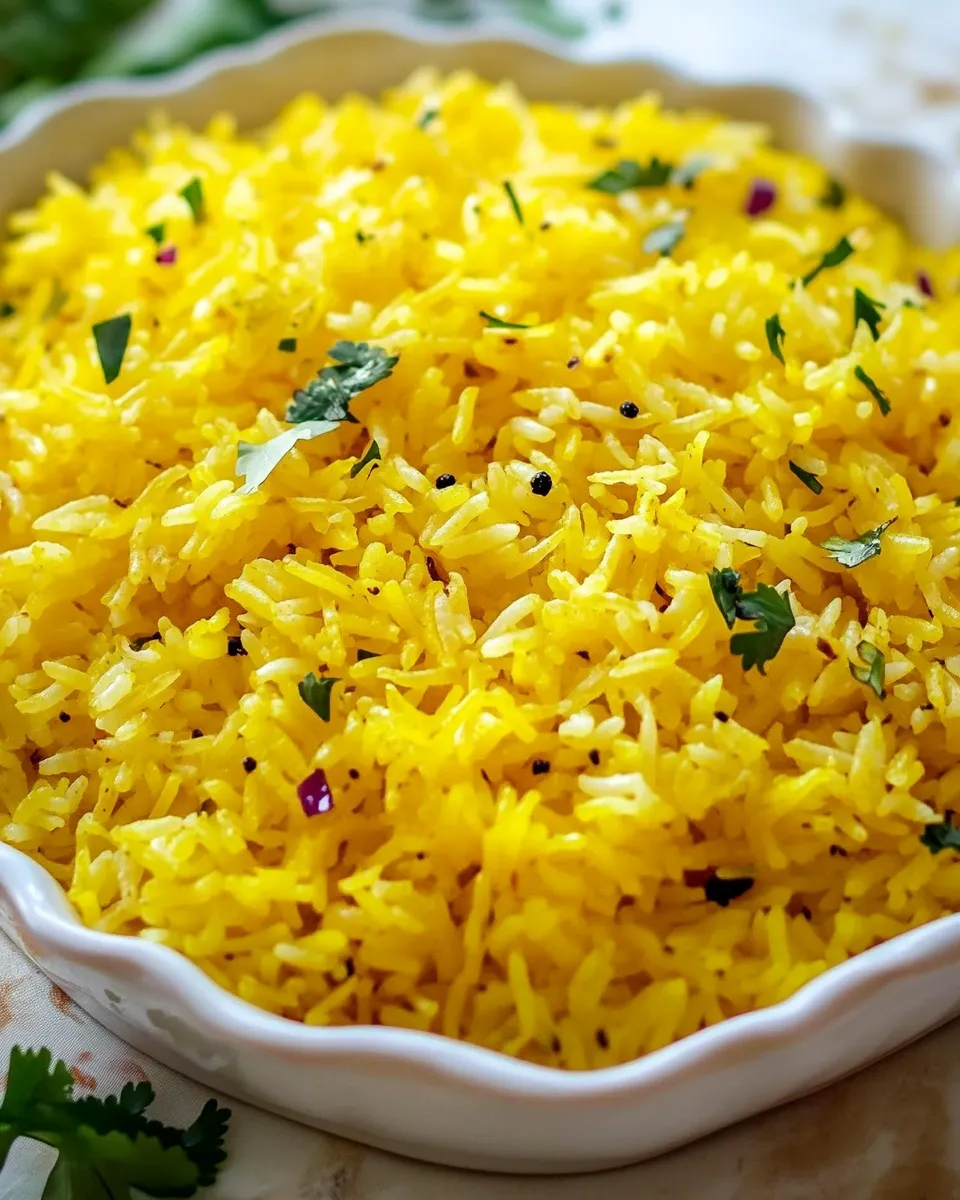
This is the kind of rice I turn to when I want something fragrant, comforting, and reliable. It’s not fussy, but it smells like a ritual: cardamom, cinnamon, the bright snap of curry leaves at the end. The technique is straightforward and forgiving, so you can make a pot on a weekday and still feel like you’ve done something special.
I tested the method several times to get consistent texture—fluffy, separate grains, with just a hint of toasty aromatics from the tempering. The final touch, flash-frying curry leaves, adds a crisp herbal note that lifts plain rice into a memorable side.
Below you’ll find everything you need: ingredient notes, step-by-step cooking directions taken exactly as written, troubleshooting, and serving ideas. Read through once, then follow the guide the first time. You’ll be making this as second nature before long.
What You’ll Need
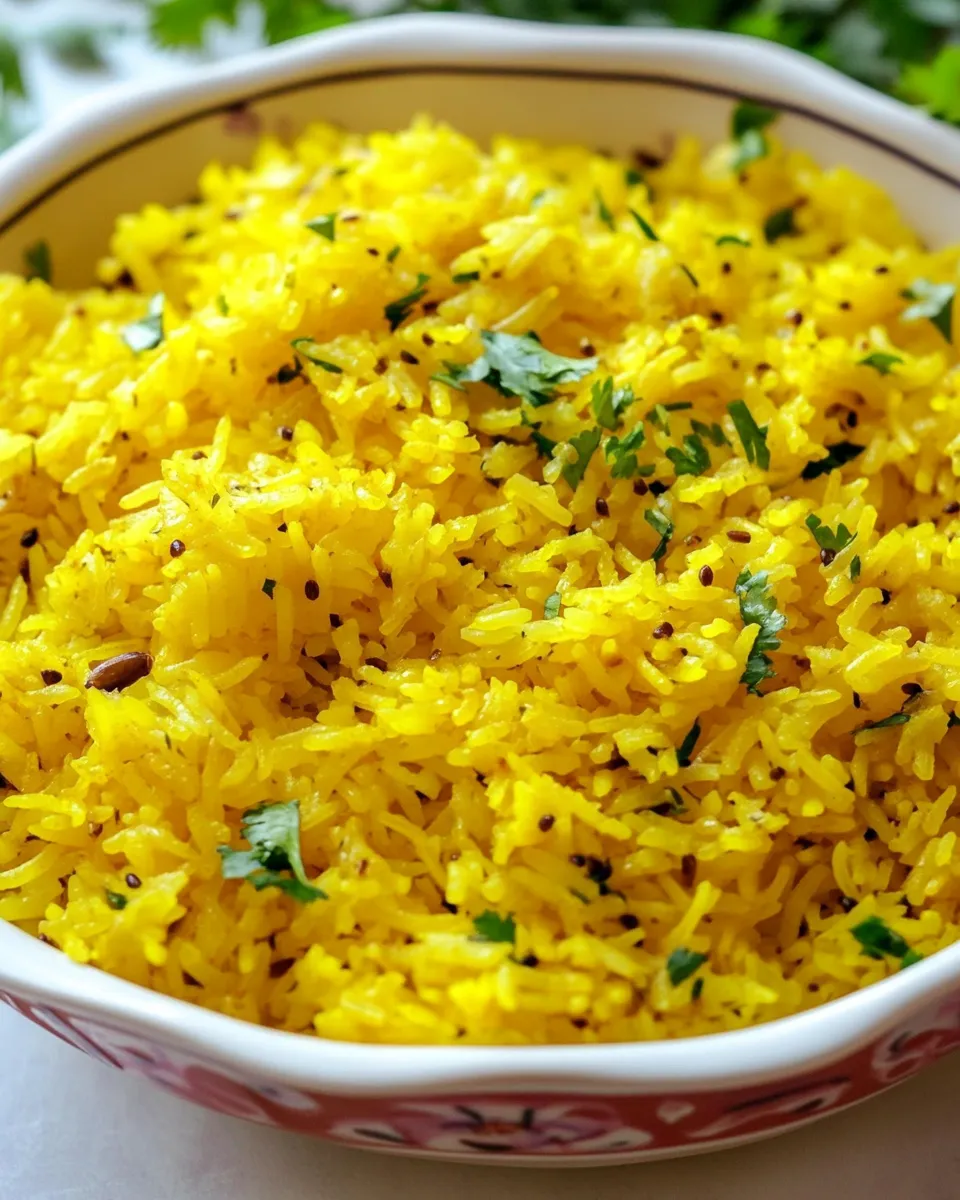
A few pantry staples and a couple of simple tools. You’ll lean on aromatics and controlled heat to build flavor before the rice even meets the water.
Ingredients
- 2 cups basmati rice — Long-grain rice that gives those separate, fragrant grains; rinsing removes surface starch for less clumping.
- 3 tablespoons ghee (clarified butter) — Adds a buttery, nutty base note and helps carry spice flavors.
- 1 1/2 cup chopped onion — Sweetness and body; cook until soft for depth.
- 3 cloves garlic (minced) — Background savory flavor; mince finely so it blends into the rice.
- 1 tablespoon fresh grated ginger — Bright, warm zing that complements garlic without overpowering.
- 4 cardamom pods (cracked) — Floral, citrusy pockets of aroma; cracked to release oils.
- 1 cinnamon stick — Earthy warmth that pairs with the cardamom and cumin.
- 1 dried chile pepper (bird, serrano, cayenne…) — Heat and an undercurrent of smoke if you use a dried variety; leave whole for mild heat.
- 1 teaspoon fenugreek seeds — Slightly bitter, nutty note; toasts in the fat and mellows as it cooks.
- 3/4 teaspoon cumin seeds — Nutty, earthy spice that toasts quickly in ghee.
- 1/2 teaspoon turmeric — Gives a gentle color and warm, subtle flavor.
- 1 1/2 teaspoons salt — Seasoning for the rice; adjust slightly if serving with salty accompaniments.
- 4 cups water — The cooking liquid; measured to create tender, separate grains with this rice quantity.
- 1/4 cup vegetable oil — For flash-frying the curry leaves to crisp them up without burning.
- 1/3 cup whole fresh curry leaves — The final garnish; frying them brings out a pop of herbal aroma and texture.
Indian Rice Cooking Guide
- Rinse 2 cups basmati rice under cold running water until the water runs clear; drain and set aside.
- Heat a large pot over medium heat. Add 3 tablespoons ghee (clarified butter) and let it melt.
- Add 1 1/2 cup chopped onion, 3 cloves garlic (minced), 1 tablespoon fresh grated ginger, 4 cardamom pods (cracked), 1 cinnamon stick, 1 dried chile pepper, 1 teaspoon fenugreek seeds, and 3/4 teaspoon cumin seeds to the pot. Sauté, stirring occasionally, until the onions are soft and the fenugreek seeds have begun to soften, about 12–15 minutes. Reduce the heat if the aromatics start to brown too quickly.
- Add the drained rice, 1/2 teaspoon turmeric, and 1 1/2 teaspoons salt to the pot. Stir briefly to combine and toast the rice for 30–60 seconds.
- Pour in 4 cups water. Increase the heat to high and bring to a rolling boil. Once boiling, cover with a tight-fitting lid and reduce the heat to low (gentle simmer). Cook, undisturbed, for 15 minutes, until the water is absorbed and small steam holes appear on the surface.
- Remove the pot from heat. Fluff the rice gently with a fork, re-cover, and let rest, undisturbed, for 5–10 minutes to finish steaming.
- While the rice rests, heat 1/4 cup vegetable oil in a small skillet over medium-high heat until shimmering but not smoking. Add 1/3 cup whole fresh curry leaves (in batches if needed), stand back as they may pop, and fry for 10–20 seconds or until the popping slows and the leaves are crisp. Use a slotted spoon to transfer the fried leaves to a paper towel-lined plate to drain; season lightly with salt if desired.
- Before serving, remove and discard the 4 cardamom pods, 1 dried chile pepper, and 1 cinnamon stick from the rice. Transfer the rice to a serving bowl, top with the flash-fried curry leaves, and serve warm.
Why This Recipe Belongs in Your Rotation
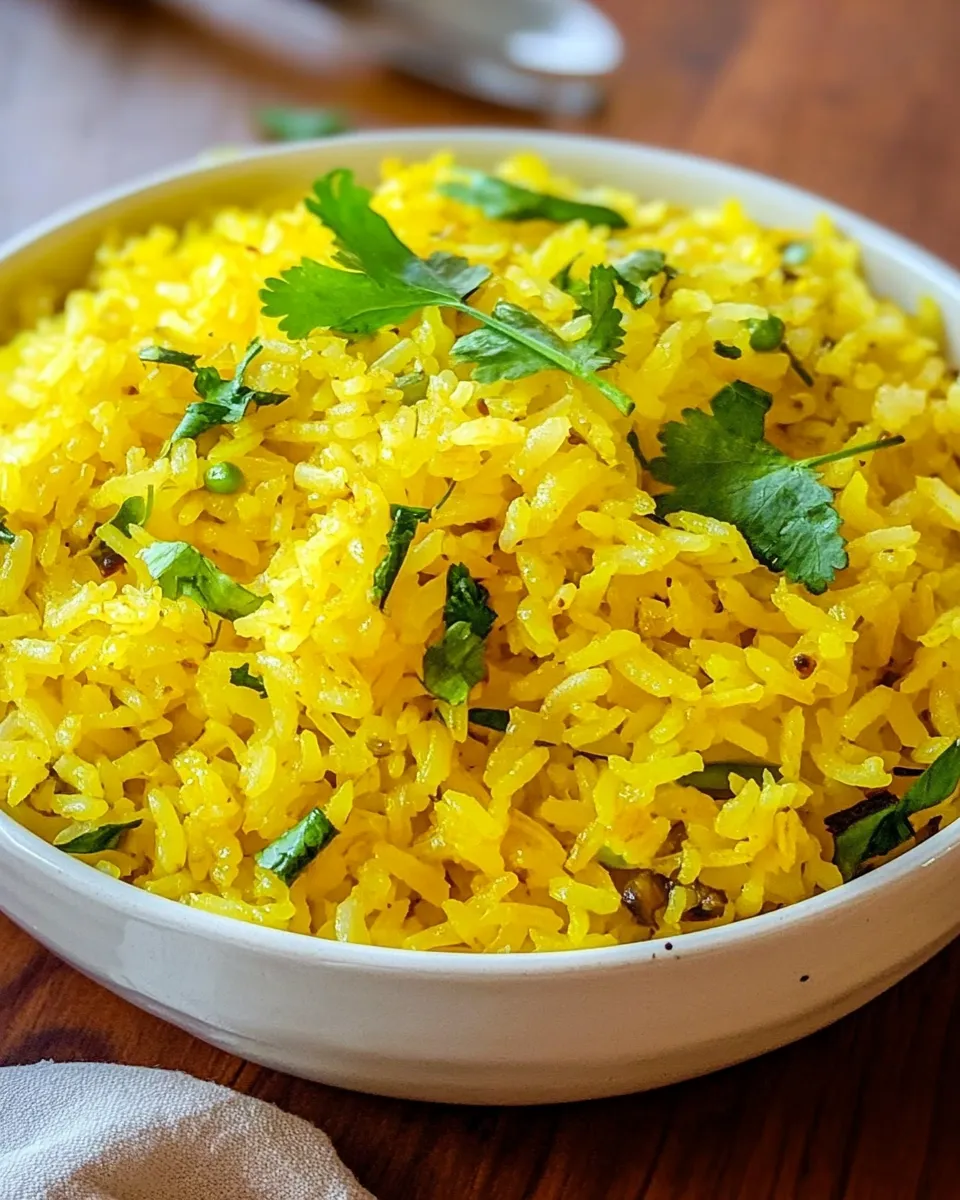
It’s straightforward, forgiving, and elevates a simple grain into something fragrant and interesting without exotic steps. You get aromatic complexity from a handful of whole spices and aromatics rather than heavy sauces or long marination.
The technique scales well and pairs with almost anything: dal, curried vegetables, grilled proteins, or a simple raita. It’s also reliable—once you get the water-to-rice balance and the timing right, results are consistent.
Finally, the final step—flash-fried curry leaves—is a small, fast flourish that makes this rice feel intentional. That crispy herbal hit changes the whole dish.
International Equivalents
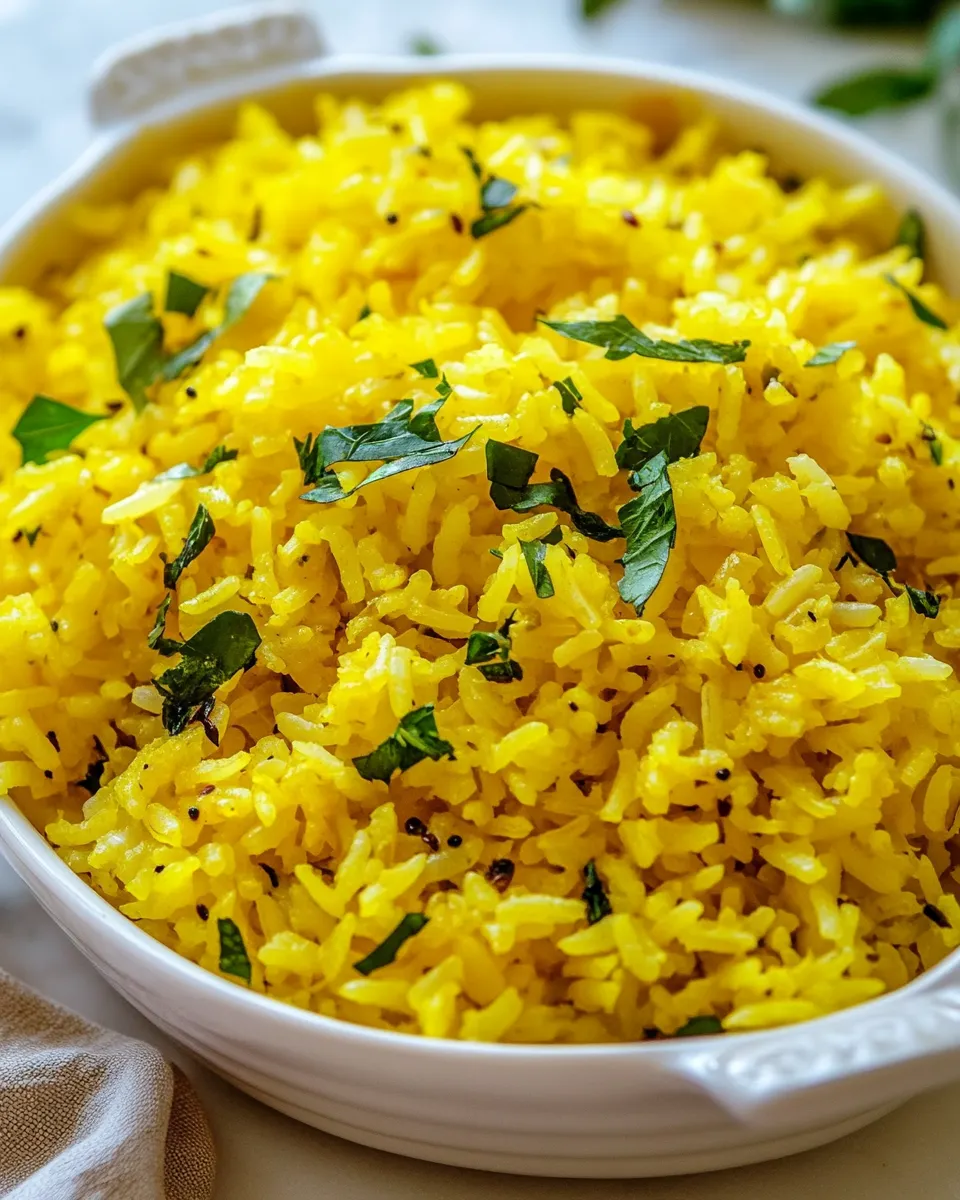
This dish sits in the same family as many fragrant rice preparations around the world. Think of it as a tempering-forward pilaf: it uses whole spices and aromatics to flavor the cooking fat before adding rice and liquid, a method seen across South Asia and the Middle East.
Variants you might recognize: Indian pulao-style dishes (with more vegetables or proteins added), simple jeera (cumin) rice, or even certain lightly spiced pilafs from Persian cuisine. The concept—aromatics in fat, toast briefly, then simmer in measured liquid—is broadly shared.
Tools of the Trade
- Large heavy-bottomed pot with a tight-fitting lid — prevents hot spots and keeps steam in for even cooking.
- Fine-mesh strainer or bowl for rinsing rice — clears surface starch for fluffier grains.
- Wooden spoon or heatproof spatula — for sautéing the aromatics without mashing them.
- Small skillet for frying curry leaves — gives you control for the quick flash-fry step.
- Fork — for gently fluffing the rice without crushing the grains.
Common Errors (and Fixes)
Rice turns sticky or gummy
Most often this comes from insufficient rinsing or over-stirring after cooking. Rinse the rice until the water runs clear to remove excess starch. Once it’s cooked, fluff gently with a fork and let it rest; avoid vigorous stirring.
Undercooked, hard grains
Either the heat was too low, or the lid wasn’t tight. Make sure you bring the pot to a rolling boil before covering and then reduce to a low, even simmer. If needed, give it another minute or two while covered, but check carefully so you don’t burn the bottom.
Onions or aromatics burning
If the aromatics brown too quickly, reduce the heat. They should become soft and fragrant over 12–15 minutes, not dark and crisp. Lower the flame and stir more frequently to control color while still developing flavor.
Curry leaves burn when frying
They crisp quickly and can go from perfect to bitter fast. Use oil that’s shimmering but not smoking, fry in batches if needed, and remove them at the first sign the popping subsides.
Customize for Your Needs
Keep the core method the same and adjust the aromatics to suit what you have. If you prefer a milder flavor, omit the dried chile pepper. For deeper richness, increase ghee slightly. The rice itself is a canvas—use it to balance the meal you’re serving.
If you want more texture, fold in toasted nuts or small cooked vegetables right after fluffing the rice, while it’s still warm. For a brighter finish, squeeze a little lemon juice over the top before serving (no quantities required—adjust to taste).
Cook’s Commentary
I love how this recipe relies on timing and a few whole spices to create a layered flavor without complexity. The long sauté of onions with fenugreek and cumin is key; it’s where much of the character develops. Don’t rush the aromatic stage—12–15 minutes there is purposeful.
Also, the final rest matters. Fluffing and then allowing the rice to finish steaming off-heat gives the grains a light, airy texture that beating or immediate serving will never replicate.
Save for Later: Storage Tips
Cool leftover rice quickly to room temperature, then refrigerate in an airtight container within two hours. It will keep well for up to 4 days. For longer storage, freeze in portioned airtight containers for up to 1 month.
Reheat gently with a splash of water in a covered pan over low heat, or microwave with a damp paper towel to restore moisture. If the curry leaves lose their crispness in storage, re-crisp a few in a hot, dry skillet and sprinkle them over the reheated rice.
Common Qs About Indian Rice
- Can I use a different rice? — Basmati is recommended for its fragrance and separate grains; shorter-grain rices will change texture and water ratio.
- Do I have to fry the curry leaves? — The fried leaves are a signature finish here; they can be skipped if unavailable but they do add a nice aromatic crisp.
- Is ghee required? — Ghee contributes a nutty richness. You can use neutral oil if needed, but the flavor will be slightly different.
- Can I make this vegan? — Swap ghee for a neutral oil; the method and spices still work well.
- Can I double the recipe? — Yes, but use a pot with a wide base so rice spreads out evenly; cooking time should be similar, though you may need a minute or two more at the end.
Bring It to the Table
Serve this rice as the fragrant foundation for a simple weeknight curry, lentils, or grilled vegetables. The aroma will set the tone for the meal, and the crispy curry leaves provide a small textural surprise in every bite.
Plate it warm in a shallow bowl or mound it on a serving platter, sprinkle the fried curry leaves over the top, and offer lemon wedges or a cooling yogurt side. This rice gets out of the way to let the main dish shine, while still earning praise all on its own.
Indian Rice
Ingredients
Ingredients
- 2 cupsbasmati rice
- 3 tablespoonsgheeclarified butter
- 1 1/2 cupchopped onion
- 3 clovesgarlicminced
- 1 tablespoonfresh grated ginger
- 4 cardamom podscracked
- 1 cinnamon stick
- 1 dried chile pepperbird serrano, cayenne…
- 1 teaspoonfenugreek seeds
- 3/4 teaspooncumin seeds
- 1/2 teaspoonturmeric
- 1 1/2 teaspoonsalt
- 4 cupswater
- 1/4 cupvegetable oil
- 1/3 cupwhole fresh curry leaves
Instructions
Instructions
- Rinse 2 cups basmati rice under cold running water until the water runs clear; drain and set aside.
- Heat a large pot over medium heat. Add 3 tablespoons ghee (clarified butter) and let it melt.
- Add 1 1/2 cup chopped onion, 3 cloves garlic (minced), 1 tablespoon fresh grated ginger, 4 cardamom pods (cracked), 1 cinnamon stick, 1 dried chile pepper, 1 teaspoon fenugreek seeds, and 3/4 teaspoon cumin seeds to the pot. Sauté, stirring occasionally, until the onions are soft and the fenugreek seeds have begun to soften, about 12–15 minutes. Reduce the heat if the aromatics start to brown too quickly.
- Add the drained rice, 1/2 teaspoon turmeric, and 1 1/2 teaspoons salt to the pot. Stir briefly to combine and toast the rice for 30–60 seconds.
- Pour in 4 cups water. Increase the heat to high and bring to a rolling boil. Once boiling, cover with a tight-fitting lid and reduce the heat to low (gentle simmer). Cook, undisturbed, for 15 minutes, until the water is absorbed and small steam holes appear on the surface.
- Remove the pot from heat. Fluff the rice gently with a fork, re-cover, and let rest, undisturbed, for 5–10 minutes to finish steaming.
- While the rice rests, heat 1/4 cup vegetable oil in a small skillet over medium-high heat until shimmering but not smoking. Add 1/3 cup whole fresh curry leaves (in batches if needed), stand back as they may pop, and fry for 10–20 seconds or until the popping slows and the leaves are crisp. Use a slotted spoon to transfer the fried leaves to a paper towel-lined plate to drain; season lightly with salt if desired.
- Before serving, remove and discard the 4 cardamom pods, 1 dried chile pepper, and 1 cinnamon stick from the rice. Transfer the rice to a serving bowl, top with the flash-fried curry leaves, and serve warm.
Equipment
- Large Pot
- Tight-fitting Lid
- Small Skillet
- Slotted spoon
- Fork
Notes
Wrap well and keep in the refrigerator for 4-6 days.