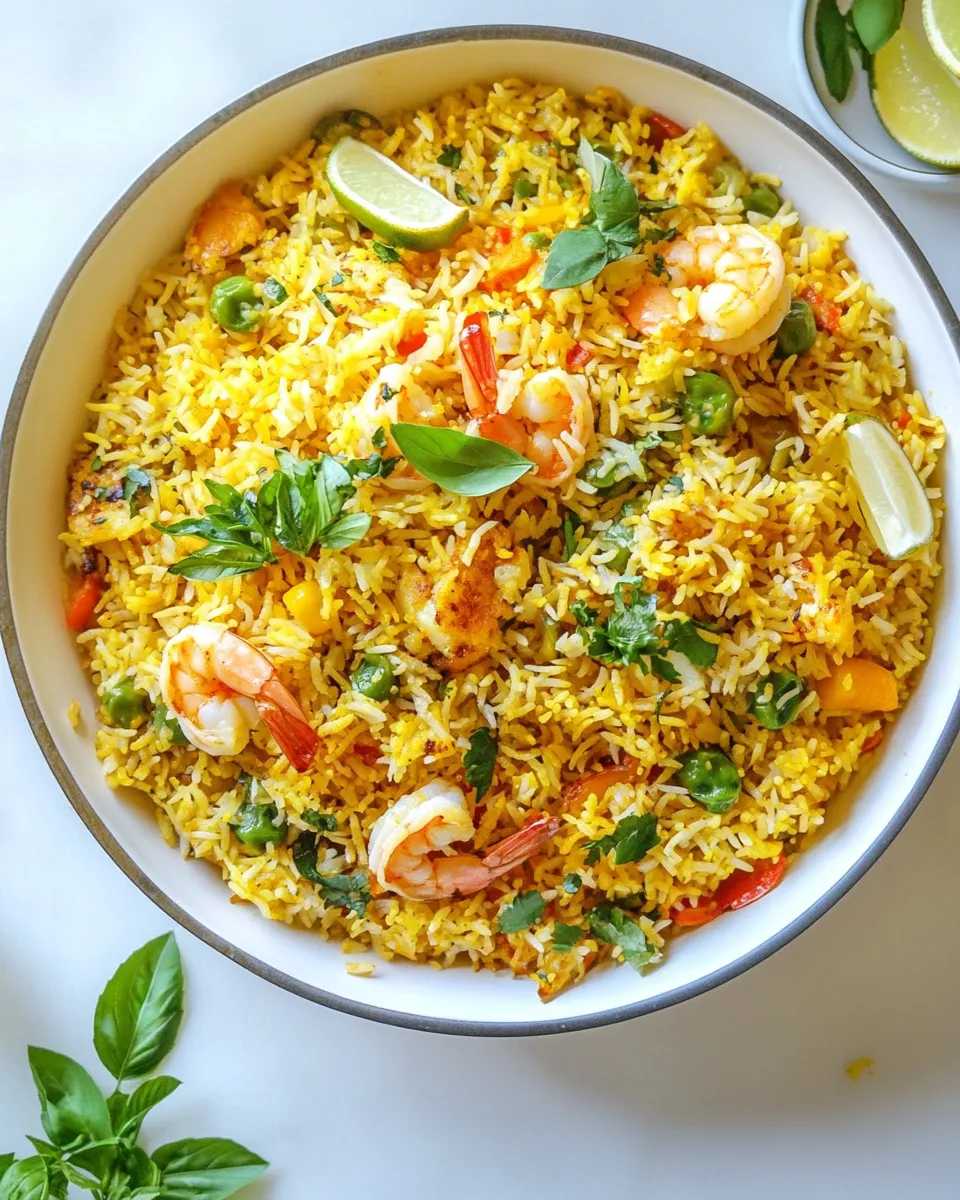
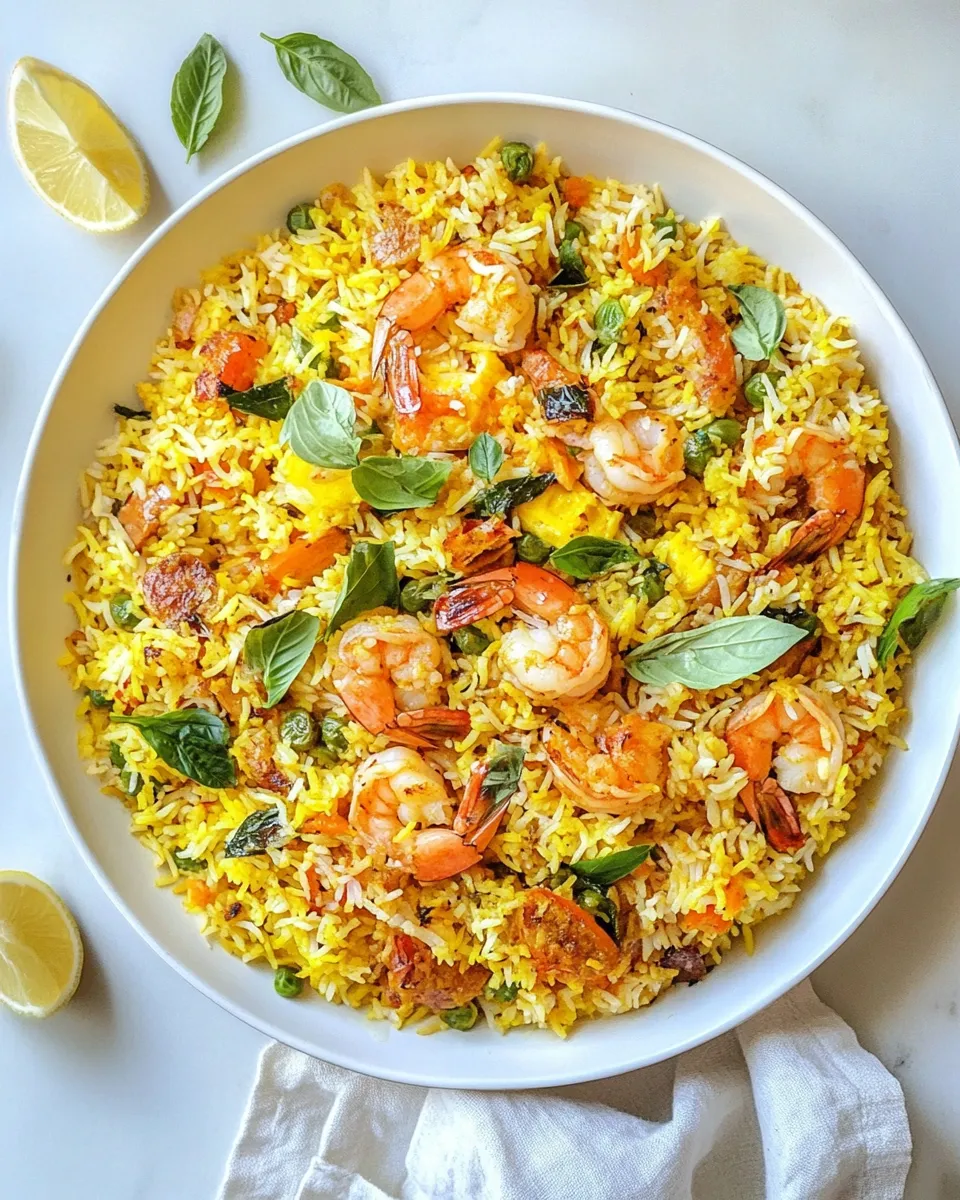
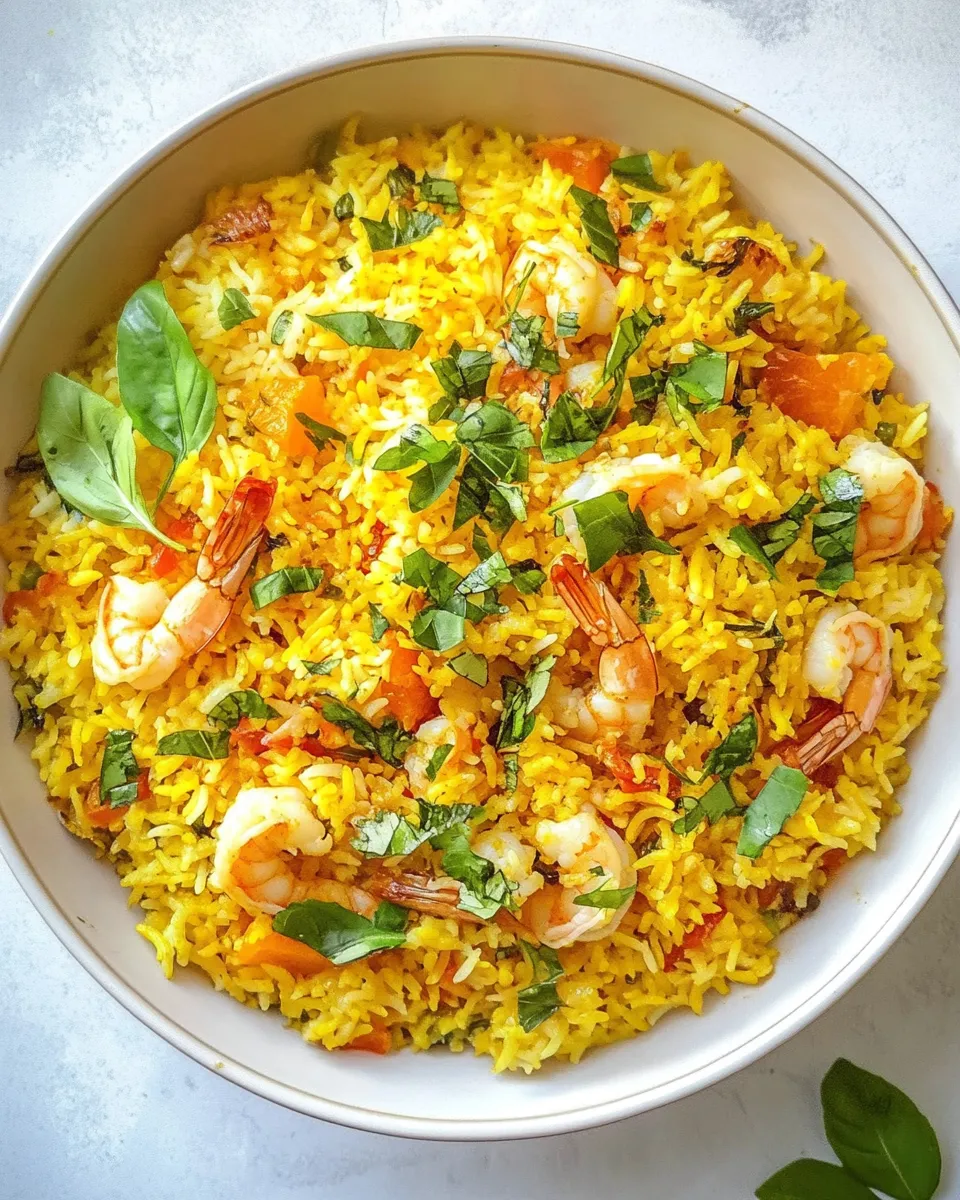
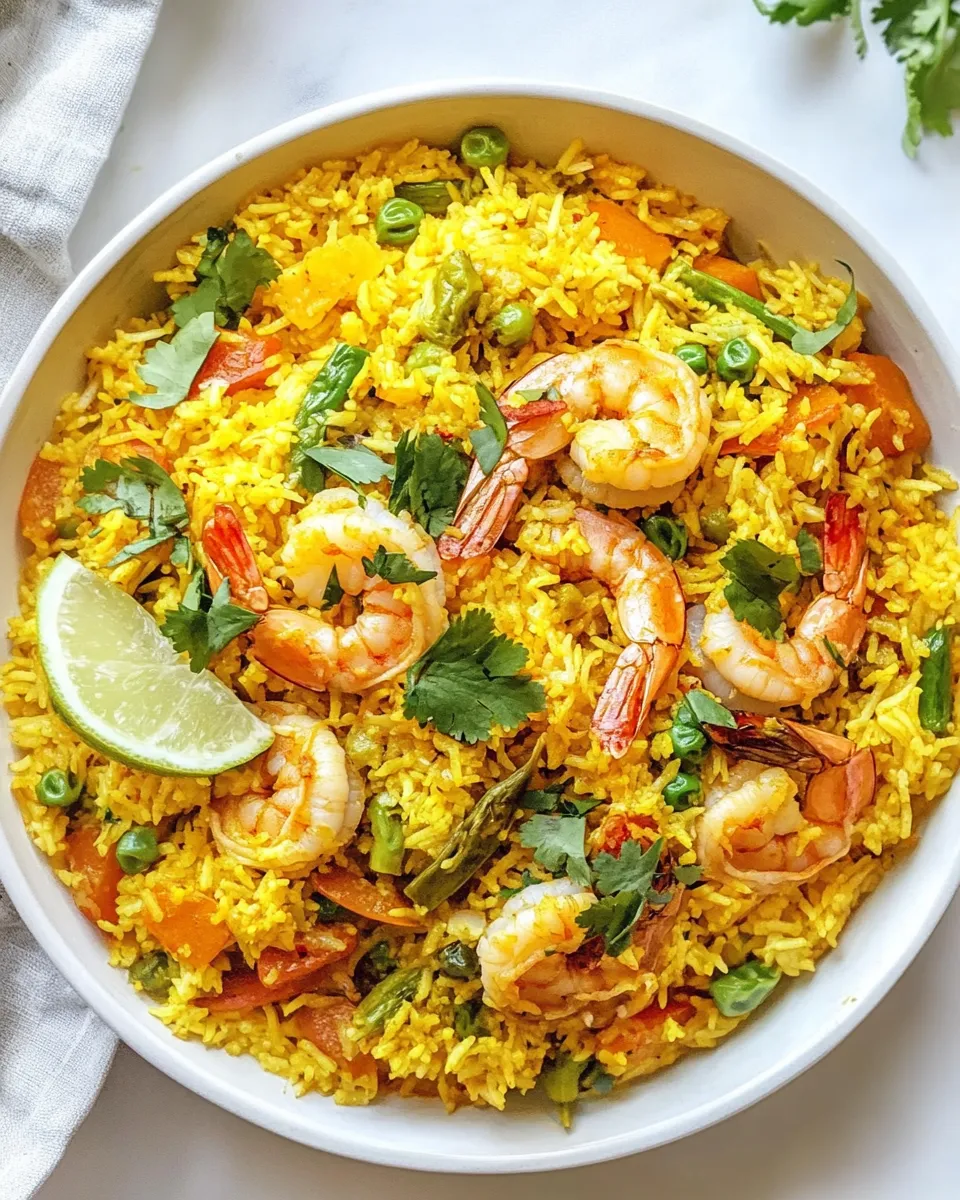
This version of shrimp biryani keeps the technique simple and the flavors honest: fragrant basmati, warming spices, plump shrimp, and a little sweetness from golden raisins. It’s a one-pot approach that delivers the spirit of traditional biryani without a lengthy layering process or an arsenal of spices. That makes it perfect for weeknights when you want something special but don’t have hours to spare.
I use a gentle steam method here—rice cooks in spiced broth while shrimp finish in the same pot—so you get tender shrimp and rice infused with cinnamon, turmeric, and cumin. Toasted pine nuts are optional, but they add a welcome crunch and richness if you have them on hand.
There’s also a Low-FODMAP option built into the directions: simply omit the onion and garlic if you need to. The rest of the recipe still sings. Read on for the full ingredient checklist, exact step-by-step method, troubleshooting tips, and meal‑prep advice to keep this biryani a reliable weeknight winner.
Ingredient Checklist
- 2Tbspavocado oil — used for sautéing and bringing gentle color to the base.
- 1/2yellow onionchopped (omit for Low-FODMAP) — builds savory depth when softened; skip for the Low-FODMAP option.
- 3clovesgarlicminced (omit for Low-FODMAP) — adds aromatic punch; also skipped for Low-FODMAP.
- 1 2/3cupwhite basmati rice — long-grain basmati gives fluffy, separate grains when steamed properly.
- 3 1/2cupschicken broth — the cooking liquid; it’s where the rice absorbs flavor, so use a broth you like.
- 1tspground turmeric — color and warm flavor; a little goes a long way.
- 1tspground cumin — adds earthy, toasty notes that pair well with shrimp.
- 1tspground ginger — bright, slightly peppery lift to balance the spices.
- 1tspdried thyme — a subtle herbaceous layer that rounds the spice blend.
- 1cinnamon stick — infuses gentle sweetness and warmth while the pot simmers.
- 1tspsea saltto taste — seasons the pot; taste your broth first if it’s already salted.
- 1/3cupgolden raisins — pockets of sweet contrast against savory rice and shrimp.
- 1poundraw shrimppeeled and de-veined — the star protein; add raw so shrimp steam perfectly with the rice.
- 1/4cuppine nutstoasted, optional — toast until lightly golden for crunch and richness; optional but recommended.
Stepwise Method: Indian Shrimp Biryani
- Heat 2 Tbsp avocado oil in a large stockpot or deep skillet over medium heat.
- If not making the Low-FODMAP version, add 1/2 yellow onion (chopped) and sauté, stirring frequently, until translucent, about 5 minutes. If making Low-FODMAP, skip this step.
- If not making the Low-FODMAP version, add 3 cloves garlic (minced) and sauté, stirring, for 2 minutes. If making Low-FODMAP, skip this step.
- Add 1 2/3 cups white basmati rice, 3 1/2 cups chicken broth, 1 tsp ground turmeric, 1 tsp ground cumin, 1 tsp ground ginger, 1 tsp dried thyme, 1 cinnamon stick, 1 tsp sea salt, and 1/3 cup golden raisins to the pot. Stir to combine, cover, and bring to a full boil over high heat.
- Once the pot is boiling, add 1 pound raw shrimp (peeled and deveined) and stir once to distribute. Cover, reduce the heat to low, and cook gently for 20 minutes, or until the rice has absorbed the liquid and the shrimp are opaque and cooked through.
- While the biryani cooks (or after, if you prefer), optionally toast 1/4 cup pine nuts in a small dry skillet over medium heat, stirring or shaking frequently, until lightly golden and fragrant; remove from heat immediately to avoid burning.
- Remove the cinnamon stick, fluff the rice gently with a fork, and top with the toasted pine nuts if using. Serve hot.
What Sets This Recipe Apart
This isn’t a layered, dum-style biryani that requires searing lamb or an extra rice par-cook step. Instead, it’s a streamlined, one-pot version that captures signature biryani flavors—cinnamon, turmeric, and cumin—while keeping the method approachable. Bringing raw shrimp directly into the pot means they steam gently and stay tender instead of rubbery.
The inclusion of golden raisins is a simple but effective way to mirror the sweet-savory contrast often found in South Asian rice dishes. Toasted pine nuts add texture and a buttery note without changing the core flavor profile. Altogether, the method reduces work and cleanup while delivering satisfying, layered flavors.
No-Store Runs Needed
- Most items are pantry staples for an Indian-inspired weeknight meal: basmati rice, common ground spices (turmeric, cumin, ginger), cinnamon stick, and raisins.
- If you don’t have pine nuts, you can skip them—the dish still holds together well. The recipe doesn’t require any specialty cheese, yogurt, or fresh herbs to taste great.
- The Low-FODMAP option removes onion and garlic, so you won’t need special substitutions mid-recipe.
Tools & Equipment Needed
- Large stockpot or deep skillet with a tight-fitting lid — to bring rice and shrimp up to a boil and then steam gently.
- Small dry skillet — for toasting pine nuts, if using.
- Measuring cups and spoons — for the rice, broth, and spices.
- Spoon or spatula — to stir and distribute shrimp once added.
- Fork — to fluff the rice at the end.
Common Errors (and Fixes)
- Rice is undercooked: Make sure the pot reached a full boil before reducing to low, and keep the lid on during the 20-minute steam. If grains are still firm, add 2–4 tablespoons of hot water, cover, and cook for 3–5 more minutes.
- Shrimp are rubbery: Overcooking is the usual culprit. The shrimp cook in the 20-minute steam; if your shrimp are large or frozen, thaw completely and consider cutting very large shrimp in half so they reach the opaque stage without overcooking.
- Too salty: Taste your broth beforehand. If it’s salty, reduce the 1 tsp sea salt by half and adjust at the end. You can also add a splash of water while steaming to dilute slightly.
- Pine nuts burned: They toast very quickly. Heat a dry skillet to medium and watch constantly; remove the pan from heat at the first golden hint, as residual heat continues to color them.
- Rice is mushy: Too much stirring after adding rice or using a pot that’s too small can cause clumping and mush. Stir only to combine, then cover and avoid lifting the lid while steam does the work.
In-Season Flavor Ideas
Pair this biryani with fresh, seasonal sides that add brightness and contrast. In warm months, a simple cucumber salad or thinly sliced red onion tossed with lemon juice provides cooling crunch. When stone fruit is ripe, diced mango or a spoonful of tangy chutney complements the raisins and cinnamon.
For colder months, serve with roasted seasonal vegetables—carrots or cauliflower roasted with a touch of cumin or mustard seeds makes an easy, hearty accompaniment. Fresh cilantro or a dusting of chopped green onion (if you’re not following Low-FODMAP) adds a final herbaceous lift.
Flavor Logic
Understanding why the ingredients work helps you get consistent results. Turmeric gives the rice its warm color and a mild earthy backdrop; cumin and ground ginger offer toasty, slightly peppery notes that cut through the richness. Dried thyme is understated here; it adds a subtle herbal base that keeps the spice mix from feeling one-dimensional. The cinnamon stick infuses long, gentle warmth during the steaming stage, and the raisins supply sweet bursts that contrast with savory rice and the natural brininess of the shrimp.
The one-pot steam method matters: rice absorbs seasoned broth directly, so every grain carries flavor. Adding raw shrimp into the same pot near the end of boiling lets them cook in the steam, which prevents aggressive searing or overcooking.
Leftovers & Meal Prep
Store cooled biryani in an airtight container in the refrigerator for up to 2–3 days. Reheat gently on the stove with a splash of water or broth and cover for a few minutes to steam the rice back to life and warm the shrimp through. Microwaving works too—use short bursts and a moist paper towel or cover to retain steam and avoid drying the shrimp.
If you plan to meal-prep for multiple days, consider cooking the rice and shrimp together as written for immediate meals, but for longer storage, you can cook rice and shrimp separately (rice will last longer without seafood). Reheat together briefly before serving to keep shrimp texture as good as possible.
Helpful Q&A
- Can I use frozen shrimp? Thaw completely, pat dry, and use as directed. If partially frozen, they can release extra water and change cook time; fully thaw for best results.
- What if I don’t have basmati? Other long-grain rices can work, but basmati yields the light, separate grains characteristic of biryani.
- How can I make this spicier? This recipe is mild by design. Add a pinch of chili powder or a diced green chili when you sauté the onion and garlic if you want heat.
- Is the Low-FODMAP version still flavorful? Yes—skip the onion and garlic and rely on the spices, cinnamon, and raisins for depth. The broth and spices do most of the flavor work.
- Can I double the recipe? Yes, but use a pot large enough to maintain an even layer so rice cooks uniformly. You may need a slightly longer time to reach a full boil before reducing heat.
- Why are there raisins in biryani? Raisins add a sweet counterpoint to warm spices and savory broth; it’s a traditional contrast in many South Asian rice dishes.
The Takeaway
This Indian Shrimp Biryani is a practical, flavorful weeknight dish that balances simplicity with signature biryani elements. It’s efficient—one pot, minimal hands-on time—and flexible with a built-in Low-FODMAP option and an optional toasted nut garnish. Follow the steps exactly for reliably cooked rice and tender shrimp, and you’ll have a satisfying, aromatic meal with very little fuss.

Indian Shrimp Biryani
Ingredients
Ingredients
- 2 Tbspavocado oil
- 1/2 yellow onionchopped omit for Low-FODMAP
- 3 clovesgarlicminced omit for Low-FODMAP
- 1 2/3 cupwhite basmati rice
- 3 1/2 cupschicken broth
- 1 tspground turmeric
- 1 tspground cumin
- 1 tspground ginger
- 1 tspdried thyme
- 1 cinnamon stick
- 1 tspsea saltto taste
- 1/3 cupgolden raisins
- 1 poundraw shrimppeeled and de-veined
- 1/4 cuppine nutstoasted optional
Instructions
Instructions
- Heat 2 Tbsp avocado oil in a large stockpot or deep skillet over medium heat.
- If not making the Low-FODMAP version, add 1/2 yellow onion (chopped) and sauté, stirring frequently, until translucent, about 5 minutes. If making Low-FODMAP, skip this step.
- If not making the Low-FODMAP version, add 3 cloves garlic (minced) and sauté, stirring, for 2 minutes. If making Low-FODMAP, skip this step.
- Add 1 2/3 cups white basmati rice, 3 1/2 cups chicken broth, 1 tsp ground turmeric, 1 tsp ground cumin, 1 tsp ground ginger, 1 tsp dried thyme, 1 cinnamon stick, 1 tsp sea salt, and 1/3 cup golden raisins to the pot. Stir to combine, cover, and bring to a full boil over high heat.
- Once the pot is boiling, add 1 pound raw shrimp (peeled and deveined) and stir once to distribute. Cover, reduce the heat to low, and cook gently for 20 minutes, or until the rice has absorbed the liquid and the shrimp are opaque and cooked through.
- While the biryani cooks (or after, if you prefer), optionally toast 1/4 cup pine nuts in a small dry skillet over medium heat, stirring or shaking frequently, until lightly golden and fragrant; remove from heat immediately to avoid burning.
- Remove the cinnamon stick, fluff the rice gently with a fork, and top with the toasted pine nuts if using. Serve hot.
Equipment
- large stockpot or deep skillet
- small dry skillet