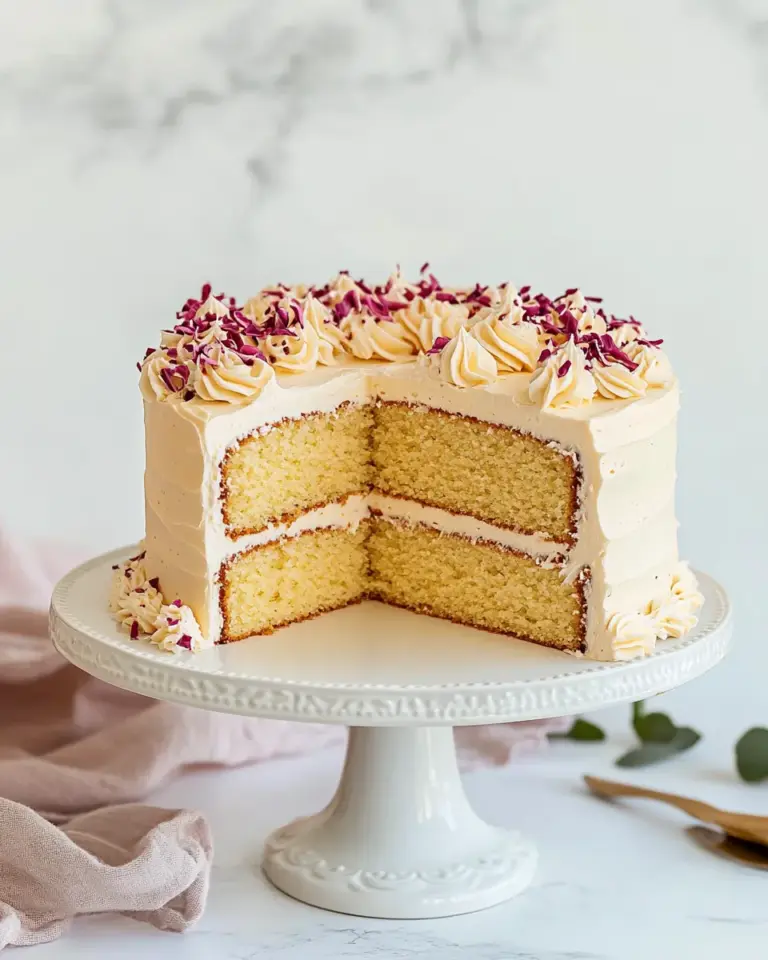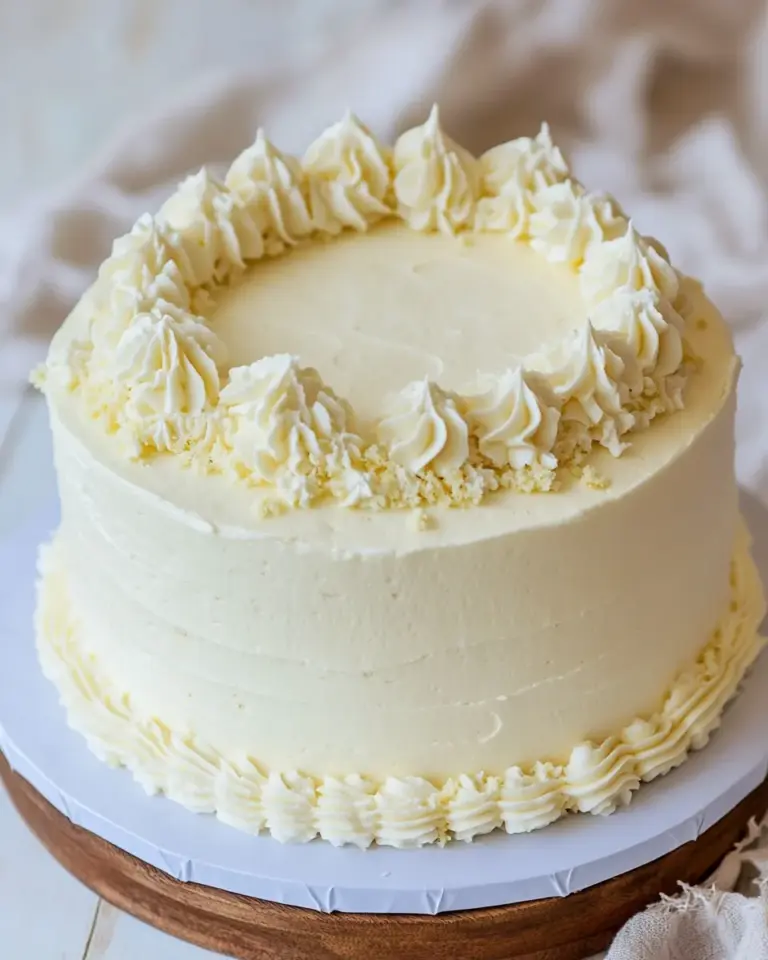
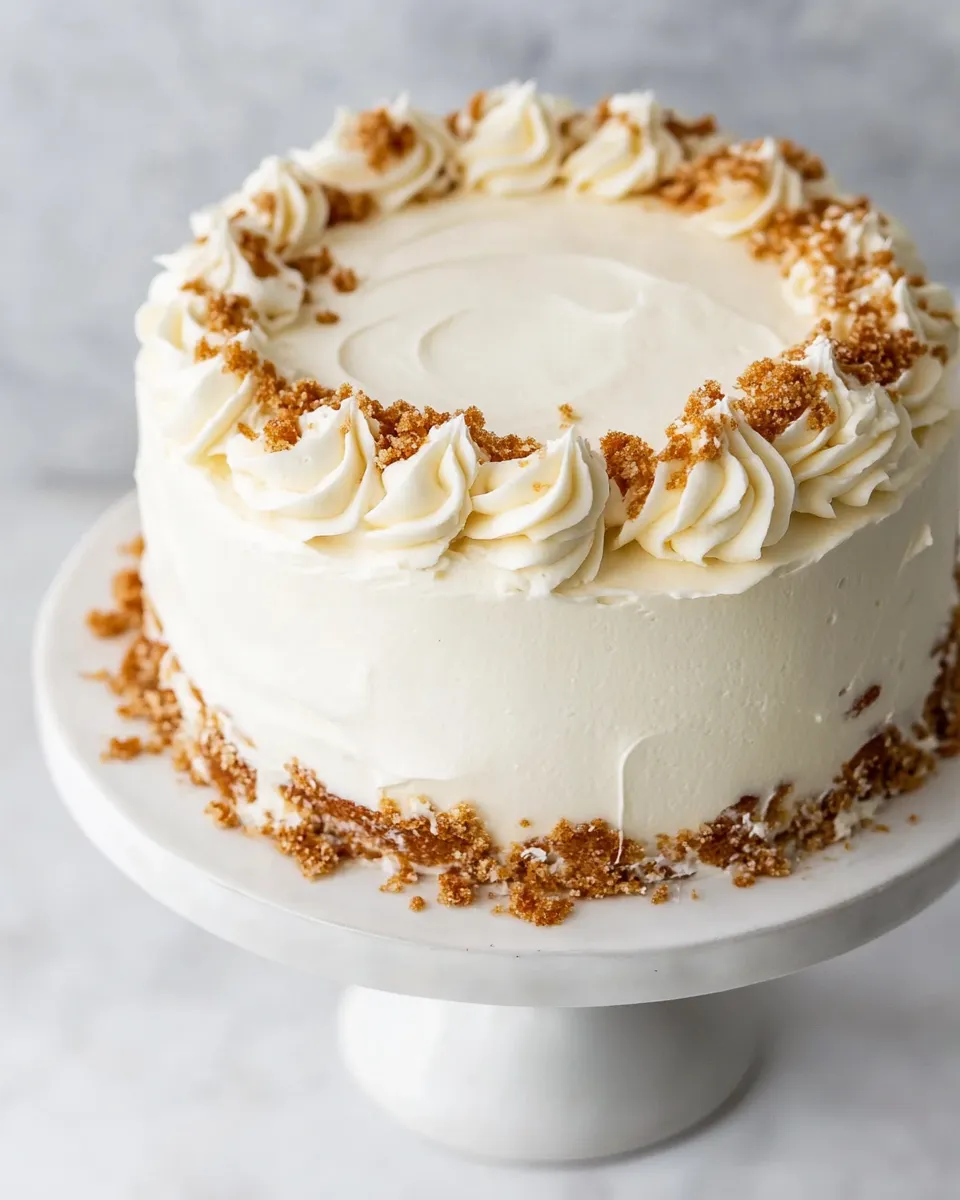
This Italian Cream Cake is the kind of dessert I turn to when I want something impressive without getting fussy. It layers tender, coconut-studded cake with a tangy cream cheese frosting and a crunchy pecan-coconut coating. The technique is straightforward, and the results are reliably decadent.
I use a combination of whipped egg whites and a creamed butter base to keep the crumb light while still giving the cake structure. Toasted coconut and pecans bring both flavor and texture, and the cream cheese frosting balances the sweetness with a gentle tang.
If you like clear, practical steps and small tips that actually help in the kitchen, this is written for you. No shortcuts that ruin texture — just reliable methods and a few practical notes so your cake comes out great every time.
What You’ll Need
Ingredients
- 2 ¼ cups (270g) all-purpose flour — Provides the cake’s structure; measure by weight for consistency.
- 1 teaspoon baking powder — Leavening to help the layers rise evenly.
- ½ teaspoon baking soda — Works with the buttermilk for lift and tenderness.
- ½ teaspoon salt — Balances sweetness and enhances flavor.
- 5 large eggs, separated — Whites whipped for lightness; yolks add richness and color.
- 1 cup (225g) unsalted butter, softened to room temperature — Creamed with sugar to create a light batter.
- 1 ¾ cups (350g) granulated sugar — Sweetens and helps with cake structure when creamed with butter.
- 1 teaspoon (5ml) pure vanilla extract — Primary vanilla flavor in the cake batter.
- ½ teaspoon almond extract — A small amount adds classic Italian Cream Cake character.
- 1 cup (240ml) buttermilk, room temperature — Reacts with baking soda and keeps the crumb tender.
- 1 cup (80g) sweetened shredded coconut — Folded into the batter for texture and flavor.
- ½ cup (65g) toasted chopped pecans — Adds crunch and a toasty note inside the cake.
- 16 ounces (450g) cream cheese, softened to room temperature — Base of the frosting; room temperature avoids lumps.
- 1 cup (225g) unsalted butter, softened to room temperature — Combined with cream cheese for a stable, spreadable frosting.
- 6 cups (720g) powdered sugar — Sweetens and firms up the frosting; add gradually for texture control.
- 1 teaspoon (5ml) vanilla extract — Flavor for the frosting.
- ½ cup (40g) toasted shredded coconut — For decorating the sides and top; toasting deepens the flavor.
- ½ cup (65g) toasted chopped pecans — Mixed with coconut to press onto the cake’s sides for texture and visual appeal.
Italian Cream Cake Made Stepwise
- Preheat the oven to 350°F (180°C) (160°C for fan ovens). Grease and line three 9-inch (23 cm) round cake pans with parchment paper; set aside.
- In a medium bowl, whisk together the all-purpose flour, baking powder, baking soda, and salt; set aside.
- In a clean, dry bowl (or the bowl of a stand mixer fitted with the whisk attachment), whip the egg whites until stiff peaks form. Transfer the whipped whites to a separate bowl and set aside.
- In a separate large bowl (or the mixer fitted with the paddle attachment), cream the unsalted butter and granulated sugar until light and fluffy. Add the egg yolks and beat until fully incorporated. Stir in the vanilla and almond extracts.
- Add the dry mixture and the buttermilk to the butter mixture in three additions, beginning and ending with the dry ingredients: add half the flour mixture and mix until just combined, then half the buttermilk and mix; add the remaining flour mixture and mix, then add the remaining buttermilk and mix until just combined. Do not overmix.
- Gently fold the whipped egg whites into the batter in three additions, folding just until no large streaks remain. Fold in the sweetened shredded coconut and the toasted chopped pecans until evenly distributed.
- Divide the batter evenly among the three prepared pans and smooth the tops. Bake for 18–22 minutes, or until a toothpick inserted into the centers comes out clean.
- Let the cakes cool in the pans on a wire rack for 10 minutes. Run a knife around the edges, invert the cakes onto the rack, remove the parchment, and allow the layers to cool completely.
- Make the frosting: in a large bowl, beat the softened cream cheese and softened unsalted butter together until smooth. Gradually add the powdered sugar, beating until smooth and spreadable. Stir in the vanilla extract.
- If needed, level the cooled cake layers. Place one layer on your serving plate, spread about 1 cup of frosting total between the cake layers (divide evenly between the two seams), then stack the remaining layers. Use the remaining frosting to cover the top and sides of the assembled cake.
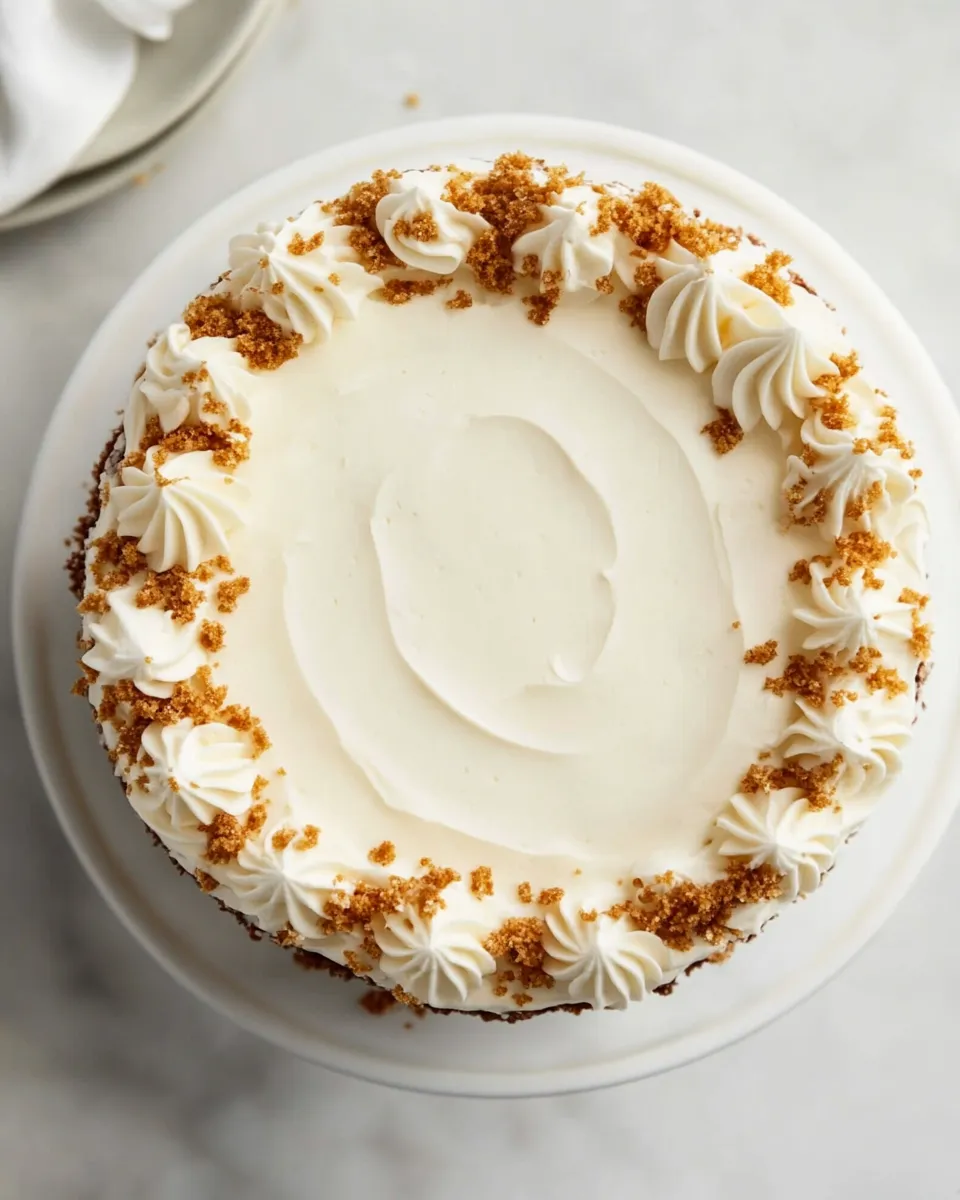
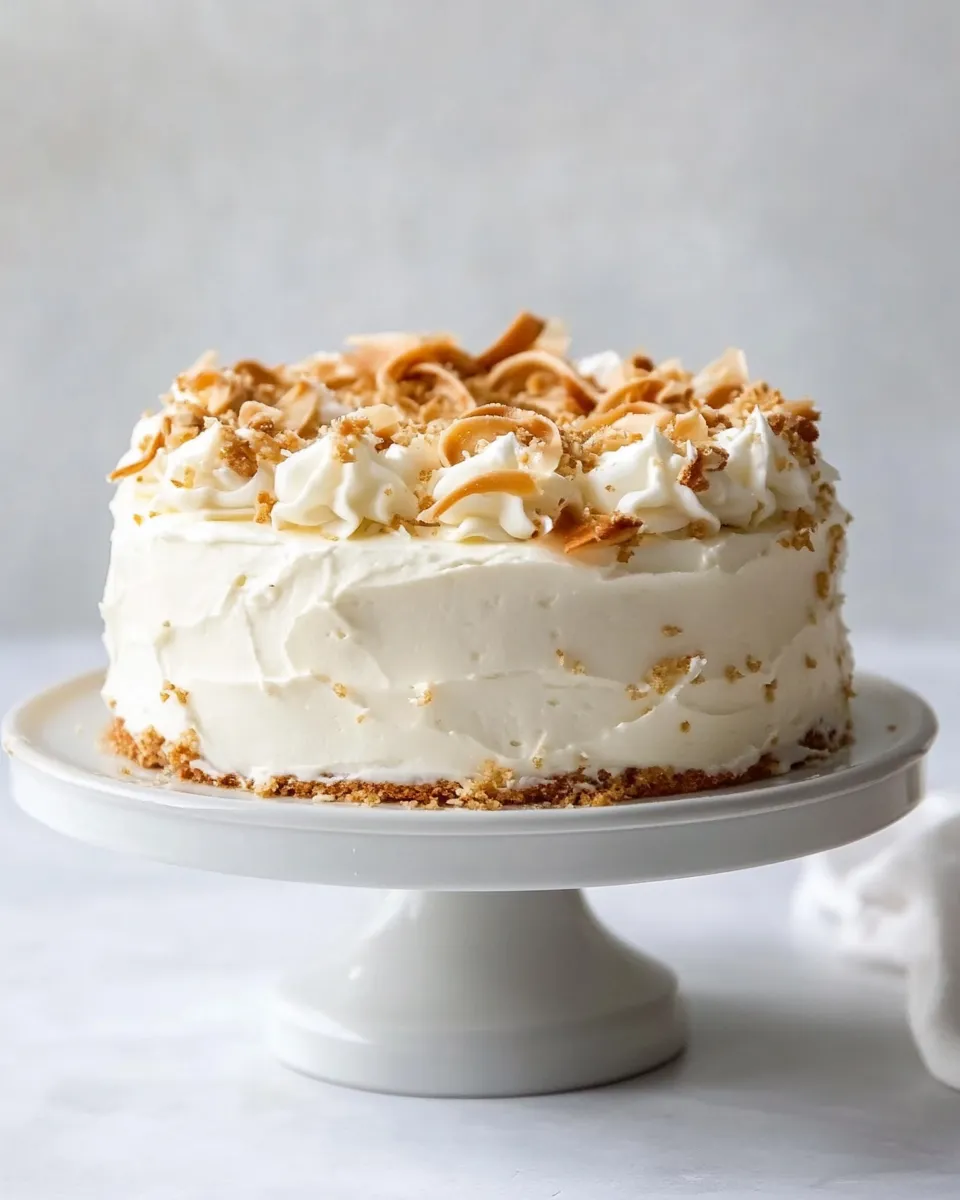
- Reserve 1 tablespoon of the toasted shredded coconut. In a small bowl, mix the remaining toasted shredded coconut with the toasted chopped pecans. Press that mixture gently halfway up the sides of the frosted cake. Sprinkle the reserved tablespoon of toasted shredded coconut on top. Optionally pipe a top border with any leftover frosting.
Why This Recipe Is Reliable
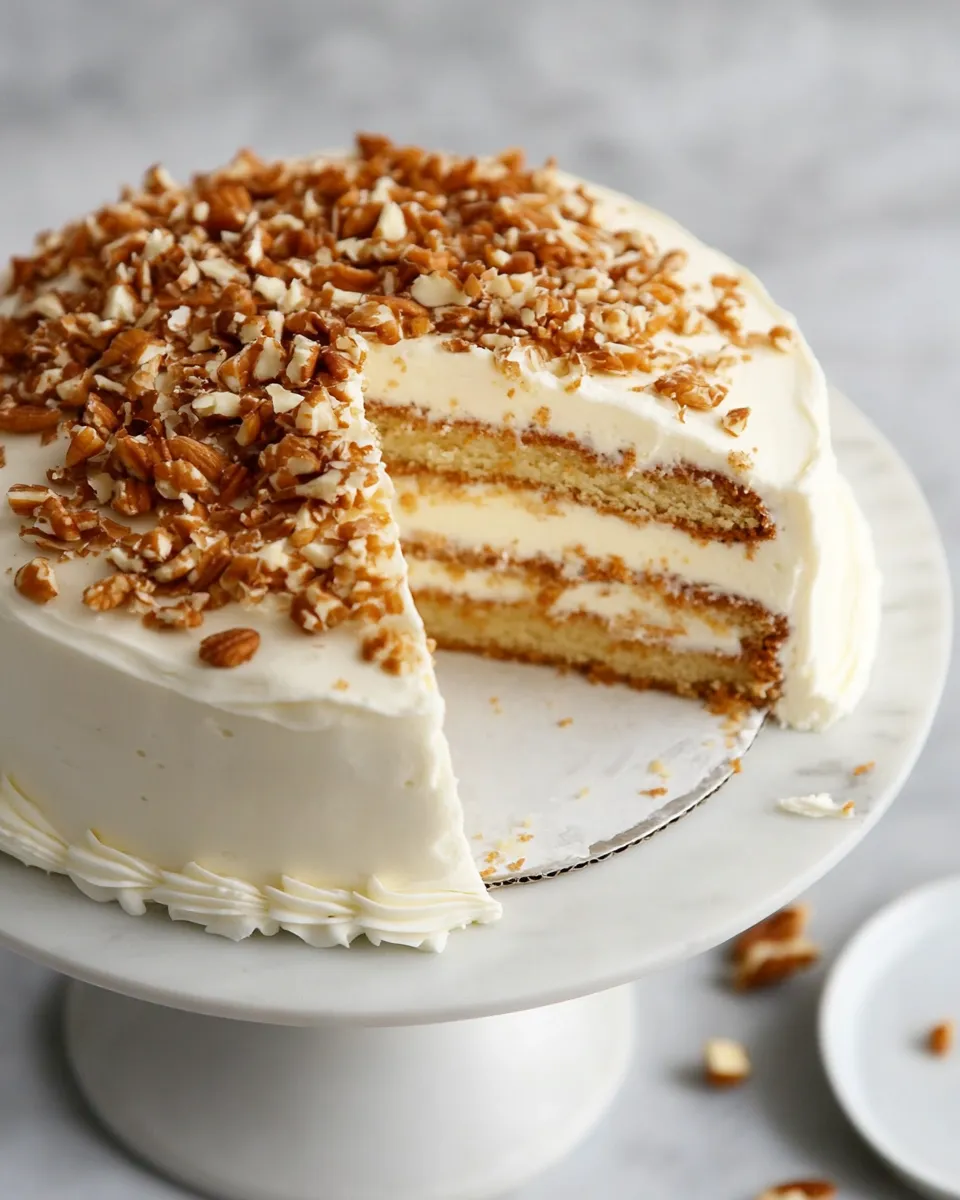
This recipe works because it separates structure from lift. Whipping egg whites and folding them in gives lift and airiness without over-developing gluten. The creamed butter and sugar provide richness and tenderness, while alternating dry ingredients with buttermilk minimizes mixing and prevents a dense cake.
Toasted coconut and pecans are added for texture; toasting them first concentrates flavor and prevents a raw-tasting crumb. The cream cheese-and-butter frosting is stable enough to spread yet soft enough to pipe. Overall, the combination of techniques balances flavor, texture, and appearance for a dependable result.
Swap Guide
- Coconut: If you prefer less sweetness, substitute half the sweetened coconut with unsweetened shredded coconut, using the same volume called for in the recipe.
- Pecans: Walnuts are the closest substitute in texture and flavor. Use the same quantity and toast them before folding into the batter.
- Buttermilk: If you don’t have buttermilk, mix 1 tablespoon white vinegar or lemon juice with enough milk to make 1 cup, let sit 5 minutes, then use.
- Almond extract: If you’d rather skip it, omit it entirely. The cake will still be flavorful from the vanilla.
- Frosting sweetness: To cut sweetness, reduce powdered sugar slightly and add a touch more cream cheese; do this cautiously to keep the frosting spreadable.
Recommended Tools
- Stand mixer or hand mixer: For whipping egg whites and creaming butter efficiently.
- Three 9-inch (23 cm) round cake pans: Even layer depth avoids overbaking one layer.
- Parchment paper: Ensures clean release from pans.
- Wire rack: For cooling without soggy bottoms.
- Spatula and bench scraper: For folding and leveling layers; a bench scraper helps with frosting sides.
- Oven thermometer: Optional, but useful if your oven runs hot or cool; reliable temperature equals consistent results.
Common Errors (and Fixes)
- Dense cake: Overmixing after adding flour or folding the whites too aggressively. Fix: Stop mixing as soon as the ingredients are combined; gently fold.
- Collapsed layers: Undermixed whites or opening the oven early. Fix: Make sure whites reach stiff peaks; avoid opening the oven until the minimum bake time has passed.
- Gummy crumb: Using too much liquid or underbaking. Fix: Check cake with a toothpick and compare to the timing; measure liquids accurately.
- Curdled frosting: Adding powdered sugar too quickly to cold cream cheese. Fix: Ensure cream cheese and butter are fully softened and add sugar gradually.
- Uneven layers: Batter not divided evenly or pans not level. Fix: Use a kitchen scale to divide batter by weight and bake on a flat oven rack.
In-Season Swaps
When pecans are at their best in fall, toast them for maximum aroma and fold them into the batter as directed. If you’re baking in summer and want a fresher note, fold in a tablespoon of finely grated lemon zest to the batter (add to the yolk mixture) — it brightens the flavor without changing texture. Seasonal swaps should keep the same quantities so the cake chemistry stays intact.
What I Learned Testing
Over several bakes I found a few small things made a big difference. Toast the coconut and pecans until golden but not dark — that five or six extra minutes lifts the flavor. Whip the whites in a clean, grease-free bowl; any fat will prevent full volume. When folding, treat the batter gently; a few streaks of white are fine before adding coconut and pecans because they’ll finish blending with the fold for a tender crumb.
For frosting, letting the cream cheese and butter come fully to room temperature is worth the time. If they’re even slightly cool, the frosting becomes uneven and harder to spread. When stacking, use about 1 cup of frosting between layers total; that gives enough cushion without making the cake top-heavy.
Storage & Reheat Guide
Store the assembled cake refrigerated because of the cream cheese frosting. Cover lightly with a cake dome or plastic wrap to prevent it from absorbing fridge smells. It will keep well for 3–4 days. For longer storage, uncut frosted cake can be frozen for up to one month: double-wrap in plastic wrap and then foil. Thaw in the refrigerator overnight before serving.
If you have slices, bring them to room temperature for 30–60 minutes before serving; the flavors open up and the frosting becomes softer. Avoid microwaving slices with frosting directly — that can make the cream cheese overly soft and lose texture. If you need to warm an unfrosted slice, a 10–12 second zap on low power works, but watch closely.
Reader Q&A
Q: Can I make this as a two-layer cake instead of three?
A: Yes. Increase the bake time for slightly thicker layers and test with a toothpick. You may need 25–30 minutes depending on pan depth. Keep an eye on the center for doneness.
Q: Can I skip toasting the coconut and nuts?
A: You can, but toasting concentrates flavor and reduces moisture, giving a better texture. Untoasted coconut may taste less developed.
Q: My frosting is too sweet. Any quick fixes?
A: You can rebalance by adding a touch more cream cheese (small increments) to cut sweetness, but this will loosen the frosting. Add extra powdered sugar only if you need more body, not to balance sweetness.
Before You Go
This is one of those cakes you can confidently bring to potlucks, birthdays, or a quiet weekend when you want something special. Follow the steps, respect the separation of whites and yolks, and don’t rush the toasting. The recipe is forgiving in flavor tweaks, but the technique—particularly folding the whites and alternating dry and wet additions—keeps it consistently light and tender.
If you try the cake, I’d love to hear what you swapped or how you decorated it. Small details like a ribbon around the base or toasted pecans scattered on top make it feel festive, and there’s always another chance to tighten the technique on the next bake.
Italian Cream Cake
Ingredients
Ingredients
- ?2 1/4 cups 270 gall-purpose flour
- ?1 teaspoonbaking powder
- ?1/2 teaspoonbaking soda
- ?1/2 teaspoonsalt
- ?5 largeeggsseparated
- ?1 cup 225 gunsalted buttersoftened to room temperature
- ?1 3/4 cup 350 ggranulated sugar
- ?1 teaspoon 5 mlpure vanilla extract
- ?1/2 teaspoonalmond extract
- ?1 cup 240 mlbuttermilkroom temperature
- ?1 cup 80 gsweetened shredded coconut
- ?1/2 cup 65 gtoasted chopped pecans
- ?16 ounces 450 gcream cheesesoftened to room temperature
- ?1 cup 225 gunsalted buttersoftened to room temperature
- ?6 cups 720 gpowdered sugar
- ?1 teaspoon 5 mlvanilla extract
- ?1/2 cup 40 gtoasted shredded coconut
- ?1/2 cup 65 gtoasted chopped pecans
Instructions
Instructions
- Preheat the oven to 350°F (180°C) (160°C for fan ovens). Grease and line three 9-inch (23 cm) round cake pans with parchment paper; set aside.
- In a medium bowl, whisk together the all-purpose flour, baking powder, baking soda, and salt; set aside.
- In a clean, dry bowl (or the bowl of a stand mixer fitted with the whisk attachment), whip the egg whites until stiff peaks form. Transfer the whipped whites to a separate bowl and set aside.
- In a separate large bowl (or the mixer fitted with the paddle attachment), cream the unsalted butter and granulated sugar until light and fluffy. Add the egg yolks and beat until fully incorporated. Stir in the vanilla and almond extracts.
- Add the dry mixture and the buttermilk to the butter mixture in three additions, beginning and ending with the dry ingredients: add half the flour mixture and mix until just combined, then half the buttermilk and mix; add the remaining flour mixture and mix, then add the remaining buttermilk and mix until just combined. Do not overmix.
- Gently fold the whipped egg whites into the batter in three additions, folding just until no large streaks remain. Fold in the sweetened shredded coconut and the toasted chopped pecans until evenly distributed.
- Divide the batter evenly among the three prepared pans and smooth the tops. Bake for 18–22 minutes, or until a toothpick inserted into the centers comes out clean.
- Let the cakes cool in the pans on a wire rack for 10 minutes. Run a knife around the edges, invert the cakes onto the rack, remove the parchment, and allow the layers to cool completely.
- Make the frosting: in a large bowl, beat the softened cream cheese and softened unsalted butter together until smooth. Gradually add the powdered sugar, beating until smooth and spreadable. Stir in the vanilla extract.
- If needed, level the cooled cake layers. Place one layer on your serving plate, spread about 1 cup of frosting total between the cake layers (divide evenly between the two seams), then stack the remaining layers. Use the remaining frosting to cover the top and sides of the assembled cake.
- Reserve 1 tablespoon of the toasted shredded coconut. In a small bowl, mix the remaining toasted shredded coconut with the toasted chopped pecans. Press that mixture gently halfway up the sides of the frosted cake. Sprinkle the reserved tablespoon of toasted shredded coconut on top. Optionally pipe a top border with any leftover frosting.
Equipment
- 39-inch cake pans
- Stand mixer
- Mixing bowls
Notes
To toast the pecans, preheat the oven to 350°F/180°C, spread pecan halves on a small quarter-size sheet pan, and toast for 6-8 minutes. Be careful not to burn them!
To Store:Keep this cake in the fridge, in an airtight container for up to 4 days.