
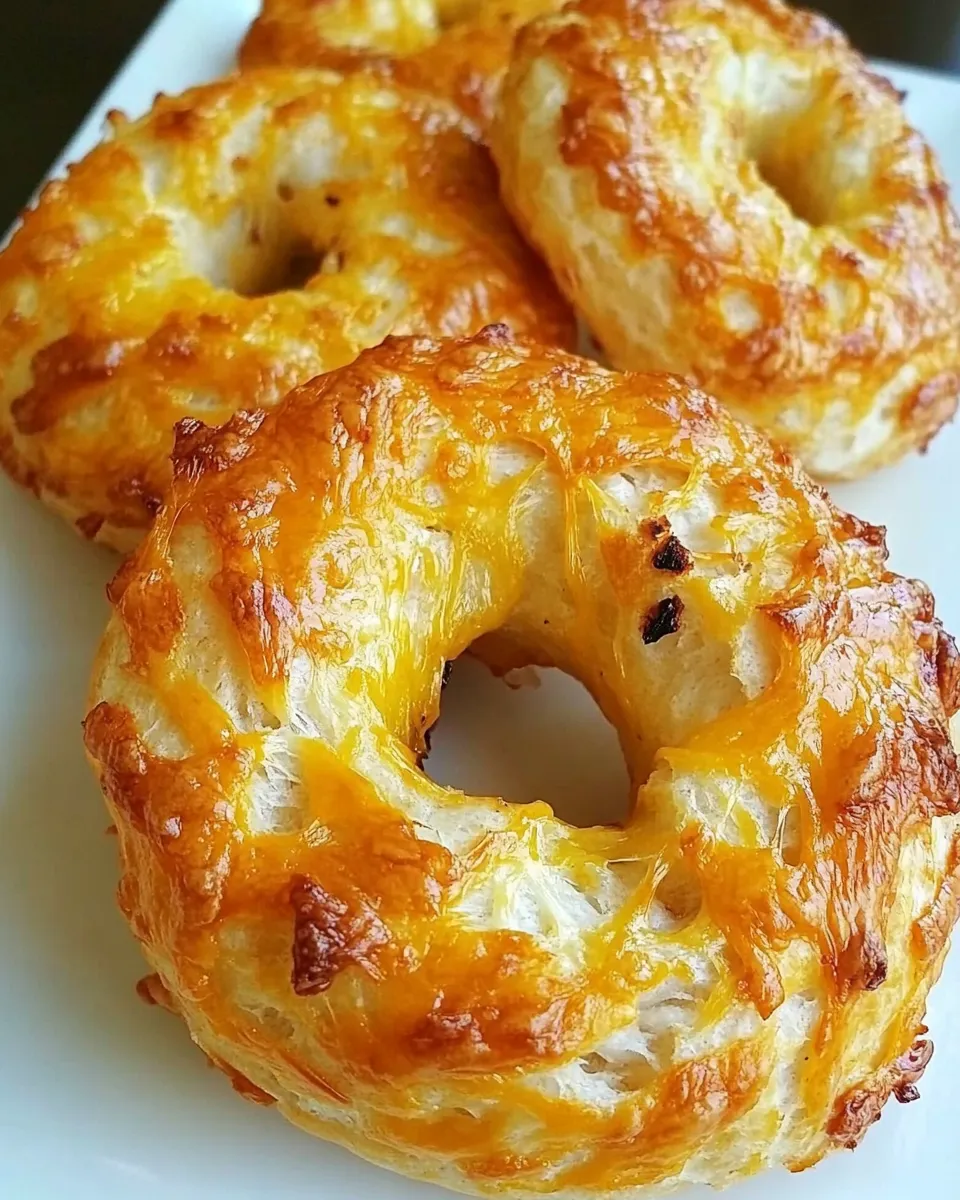
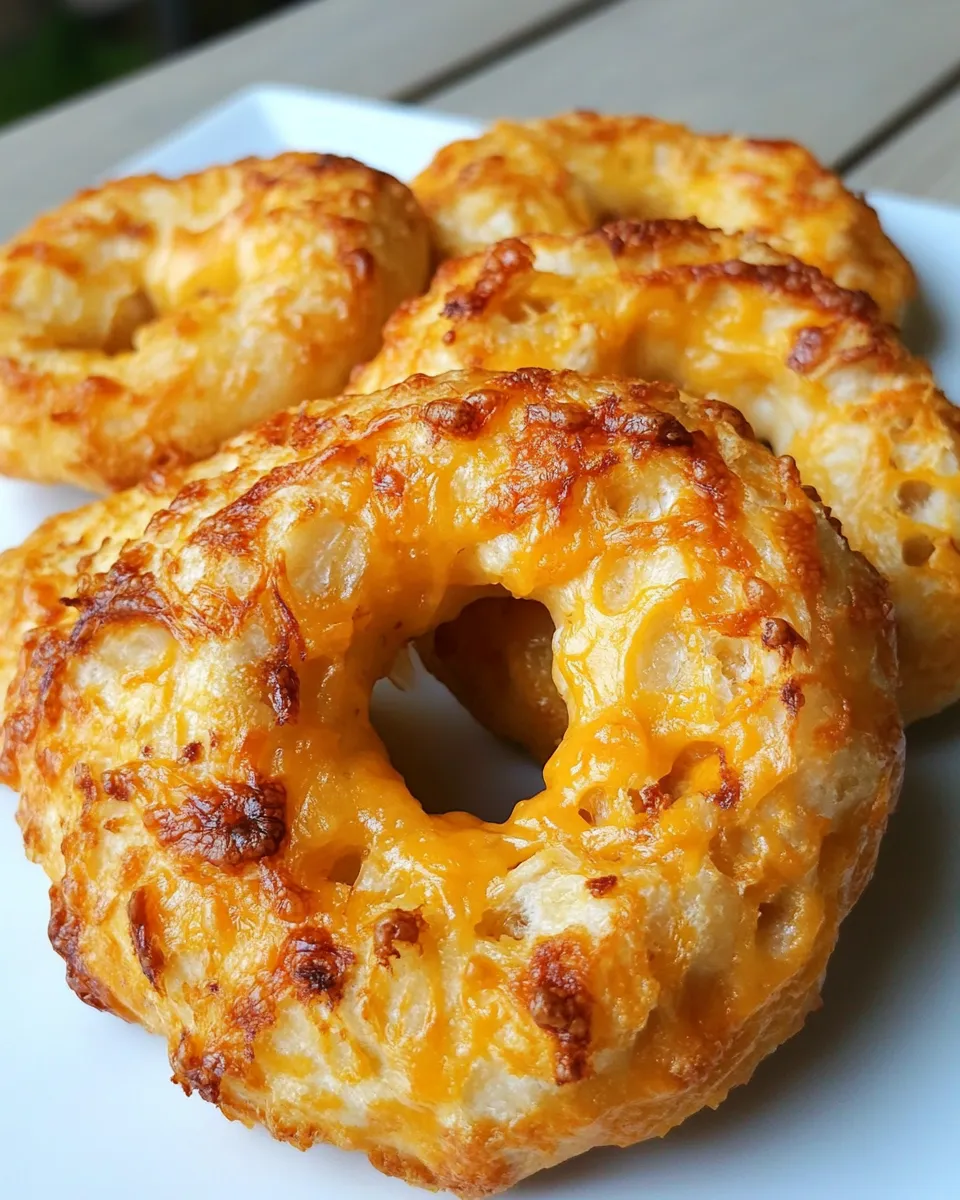
These Jalapeno Cheddar Bagels are a weekday-project kind of bake: hands-on, satisfying, and built to be enjoyed hot with butter or cooled and sliced for sandwiches. They have the chewy interior and glossy crust you expect from a good bagel, with bright jalapeno heat threaded through and a crisp cheddar top that gives every bite a savory lift.
I’ll walk you through this recipe in a straightforward way—what goes in, the exact steps to follow, and the common mistakes to avoid. There’s nothing fancy required beyond a mixer with a dough hook and a bit of patience for the rises. Follow the timing and temperatures below and you’ll get repeatable results.
If you like a little spice and a crunchy cheese finish, these bagels deliver. Read through the steps once before you start, have the ingredients out, and you’ll move through the process smoothly.
What Goes Into Jalapeno Cheddar Bagels
Ingredients
- 1 cup water — warm, about 110°F; used to activate the yeast.
- 2 1/4 tsp active dry yeast (one packet) — the leavening agent that makes the dough rise.
- 1 1/2 tbsp sugar — feeds the yeast and helps with browning.
- 3 cups all-purpose flour — the structure of the bagels; gives chew when handled properly.
- 1 tsp salt — balances flavor and tightens gluten.
- 1 tsp garlic salt — adds savory depth; distributes a mild garlic note.
- 2 tbsp jalapeno, you can use fresh or canned — the heat and flavor element; chop fresh or drain canned.
- 1 1/2 cups cheddar cheese — used as a topping so it crisps and browns in the oven.
- water — additional plain water referenced in the method for boiling; no specific amount listed.
- 1 tbsp brown sugar — added to the boiling water to encourage a glossy, slightly sweet crust.
- cooking spray — for coating the proofing bowl and baking sheet to prevent sticking.
Mastering Jalapeno Cheddar Bagels: How-To
- In the bowl of an electric mixer fitted with the dough hook, combine 1 cup warm water (about 110°F), 2 1/4 tsp active dry yeast (one packet), and 1 1/2 tbsp sugar. Stir briefly and let sit until foamy, about 10 minutes.
- Add 3 cups all-purpose flour, 2 tbsp jalapeno (fresh or canned), 1 tsp salt, and 1 tsp garlic salt to the mixer. Mix on low until the dough comes together, then knead with the dough hook for about 5 minutes more, until the dough is elastic and springs back when pressed. If the dough is sticky to handle, lightly dust your hands or the work surface with a little flour.
- Turn the dough out onto a lightly floured surface, knead a few times by hand, and shape into a ball. Coat a clean bowl with cooking spray, place the dough ball inside, and spray the top of the dough with cooking spray. Cover the bowl and let the dough rise in a warm place until doubled in size, about 1 hour.
- Punch down the dough and transfer it to a lightly floured surface. Divide the dough into 9 equal pieces and shape each piece into a smooth ball. Coat a baking sheet with cooking spray and place the balls on the sheet, leaving space between them. Lightly spray the tops of the dough balls, cover, and let rise 10–15 minutes.
- Uncover the dough balls. Poke a finger through the center of each ball and gently stretch and wiggle to form a 1–1.5 inch hole, shaping each into a classic bagel ring. Cover the shaped bagels and let rise another 10–15 minutes.
- While the bagels undergo the final rise, bring a large pot of water to a rapid boil and add 1 tbsp brown sugar.
- Preheat the oven to 415°F.
- Working 1–2 bagels at a time (depending on pot size), carefully lower the bagels into the boiling water. Boil for 2 minutes on the first side, then flip and boil 2 minutes on the second side. Use a slotted spoon to transfer the boiled bagels back to the prepared baking sheet. Repeat until all bagels are boiled.
- Top each boiled bagel with a small handful of the 1 1/2 cups cheddar cheese.
- Bake the topped bagels in the preheated 415°F oven for 25–28 minutes, until the bagels are slightly browned and the cheese is crisp. Remove from the oven and let cool completely.
- Store cooled bagels in an airtight container in the refrigerator.
What Sets This Recipe Apart
There are two practical touches here that define these bagels: the jalapeno folded into the dough and the cheddar on top. The jalapeno gives the crumb heat that migrates into each bite without overwhelming, and the cheddar crisps on the outside, creating contrast with the bagel’s chew.
Boiling the bagels before baking is a traditional step that locks in the chew and creates the glossy, slightly blistered crust. Adding brown sugar to the boiling water nudges the crust toward better color and a subtle sweet balance against the savory toppings.
The recipe’s use of all-purpose flour and a short knead in the mixer keeps things accessible. You get classic bagel texture without specialty flours or long cold fermentation, so it’s a great option for a weekend bake when you want results in a few hours.
What to Use Instead

- Cheddar cheese — swap for Monterey Jack or Pepper Jack for milder or spicier profiles.
- Jalapeno (fresh or canned) — if you want less heat, use finely diced roasted poblano or mild green chilies.
- All-purpose flour — if you have bread flour and prefer a chewier crumb, you can use it in place of the all-purpose.
Appliances & Accessories
- Electric mixer with a dough hook — speeds up kneading and gives consistent dough development.
- Large pot — for boiling the bagels; make sure it’s big enough to lower 1–2 bagels without crowding.
- Slotted spoon — to lift bagels out of the boiling water without excess water.
- Baking sheet — a non-stick or well-sprayed sheet for the oven finish.
- Oven thermometer (optional) — useful if your oven runs hot or cold; recipe calls for 415°F.
- Cooling rack — lets bagels cool evenly and keeps the bottom from getting soggy.
Steer Clear of These
- Underactivating the yeast — water that’s too cool won’t foam; too hot will kill yeast. Aim for about 110°F.
- Skipping the boil — boiling is not optional if you want classic bagel texture; it sets the crust and interior structure.
- Overcrowding the pot when boiling — bagels need space to rise to the surface and flip; boil only 1–2 at a time as instructed.
- Adding too much flour while kneading — a sticky dough is normal; add only a little extra flour by dusting hands or surface as needed to shape.
- Topping too heavily with cheese — a small handful per bagel crisps nicely; too much cheese can pool and burn or prevent even browning of the bagel.
Dietary Swaps & Alternatives
- Dairy-free: use a plant-based cheddar-style shreds as the topping if you avoid dairy.
- Lower heat: omit jalapeno or replace with mild roasted peppers to reduce spice.
- Higher protein: replace part of the all-purpose flour with a high-protein flour like vital wheat gluten only if you’re experienced—start small and expect textural changes.
- Gluten-free: you can try a gluten-free flour blend designed for yeast breads, but results will vary because bagel chew relies on gluten.
Behind-the-Scenes Notes
Why the boil? That brief dunk cooks the outside enough to gelatinize the starches, forming a crust that won’t expand wildly in the oven. It also gives you that classic bagel chew. Brown sugar in the water adds a touch of sweetness and helps the crust color better.
Kneading develops gluten. The recipe calls for about five minutes on the dough hook after the dough comes together. You’re aiming for an elastic dough that springs back when pressed; that resilience translates into chew and good oven rise.
Proofing twice—first as a single ball, then after shaping—ensures a lighter interior while preserving the bagel’s density. Bagels are denser than many other yeast breads; aim for noticeable but not overly airy rise before boiling.
Leftovers & Meal Prep
Store cooled bagels in an airtight container in the refrigerator as the recipe directs. For longer storage, slice and freeze them on a tray, then transfer to a freezer bag; toast from frozen for best texture.
To refresh refrigerated bagels, slice and toast them or reheat in a 350°F oven for 5–8 minutes to re-crisp the crust and melt the cheddar topping slightly. They also work well as sandwich bread—think smoked turkey and avocado or cream cheese with thinly sliced tomato and extra jalapeno for heat.
Common Questions
- Can I use canned jalapenos? Yes. The ingredient list allows fresh or canned jalapeno; drain canned jalapenos well and chop to avoid excess moisture.
- How spicy will these be? Mild to moderate, depending on your jalapeno. Seeded and finely chopped jalapenos reduce overall heat; leave seeds in for more kick.
- Can I skip the cheese? You can, but the cheddar is a signature part of the recipe. If you skip it, brush the bagels with an egg wash or a little olive oil before baking to encourage browning.
- Why is the dough sticky? A slightly sticky dough is normal for bagels. Dust hands or the work surface with a little flour when shaping; avoid adding too much flour or you’ll lose chew.
- Can I freeze these bagels? Yes. Cool completely, then freeze whole or sliced. Toast or warm from frozen when ready to use.
The Last Word
These Jalapeno Cheddar Bagels are practical to make and rewarding to eat. Follow the steps, respect the boil, and don’t rush the rises. You’ll end up with chewy, flavorful bagels that are great for breakfast or a savory snack. Bake a batch and adjust the jalapeno and cheese to match your heat and flavor preferences—once you’ve got a method that works, you’ll be making them again and again.

Jalapeno Cheddar Bagels
Ingredients
Ingredients
- 1 cupwater
- 2 1/4 tspactive dry yeast (one packet)
- 1 1/2 tbspsugar
- 3 cupsall-purpose flour
- 1 tspsalt
- 1 tspgarlic salt
- 2 tbspjalapeno you can use fresh or canned
- 1 1/2 cupscheddar cheese
- water
- 1 tbspbrown sugar
- cooking spray
Instructions
Instructions
- In the bowl of an electric mixer fitted with the dough hook, combine 1 cup warm water (about 110°F), 2 1/4 tsp active dry yeast (one packet), and 1 1/2 tbsp sugar. Stir briefly and let sit until foamy, about 10 minutes.
- Add 3 cups all-purpose flour, 2 tbsp jalapeno (fresh or canned), 1 tsp salt, and 1 tsp garlic salt to the mixer. Mix on low until the dough comes together, then knead with the dough hook for about 5 minutes more, until the dough is elastic and springs back when pressed. If the dough is sticky to handle, lightly dust your hands or the work surface with a little flour.
- Turn the dough out onto a lightly floured surface, knead a few times by hand, and shape into a ball. Coat a clean bowl with cooking spray, place the dough ball inside, and spray the top of the dough with cooking spray. Cover the bowl and let the dough rise in a warm place until doubled in size, about 1 hour.
- Punch down the dough and transfer it to a lightly floured surface. Divide the dough into 9 equal pieces and shape each piece into a smooth ball. Coat a baking sheet with cooking spray and place the balls on the sheet, leaving space between them. Lightly spray the tops of the dough balls, cover, and let rise 10–15 minutes.
- Uncover the dough balls. Poke a finger through the center of each ball and gently stretch and wiggle to form a 1–1.5 inch hole, shaping each into a classic bagel ring. Cover the shaped bagels and let rise another 10–15 minutes.
- While the bagels undergo the final rise, bring a large pot of water to a rapid boil and add 1 tbsp brown sugar.
- Preheat the oven to 415°F.
- Working 1–2 bagels at a time (depending on pot size), carefully lower the bagels into the boiling water. Boil for 2 minutes on the first side, then flip and boil 2 minutes on the second side. Use a slotted spoon to transfer the boiled bagels back to the prepared baking sheet. Repeat until all bagels are boiled.
- Top each boiled bagel with a small handful of the 1 1/2 cups cheddar cheese.
- Bake the topped bagels in the preheated 415°F oven for 25–28 minutes, until the bagels are slightly browned and the cheese is crisp. Remove from the oven and let cool completely.
- Store cooled bagels in an airtight container in the refrigerator.
Equipment
- electric mixer with dough hook
- Mixing Bowl
- Baking Sheet
- Large Pot
- Slotted spoon
- Oven
- work surface
Notes
recipe adapted from
How Sweet Eats