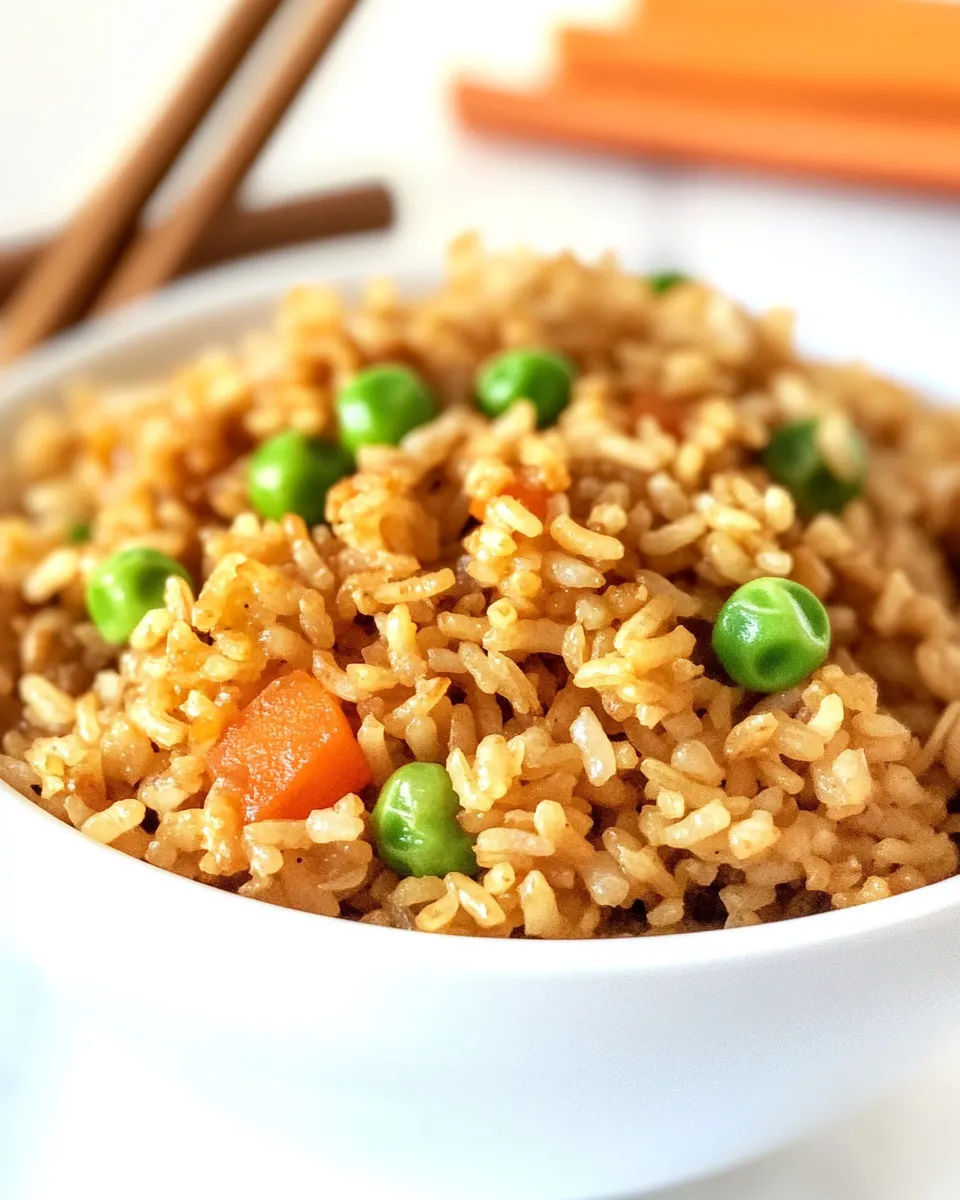
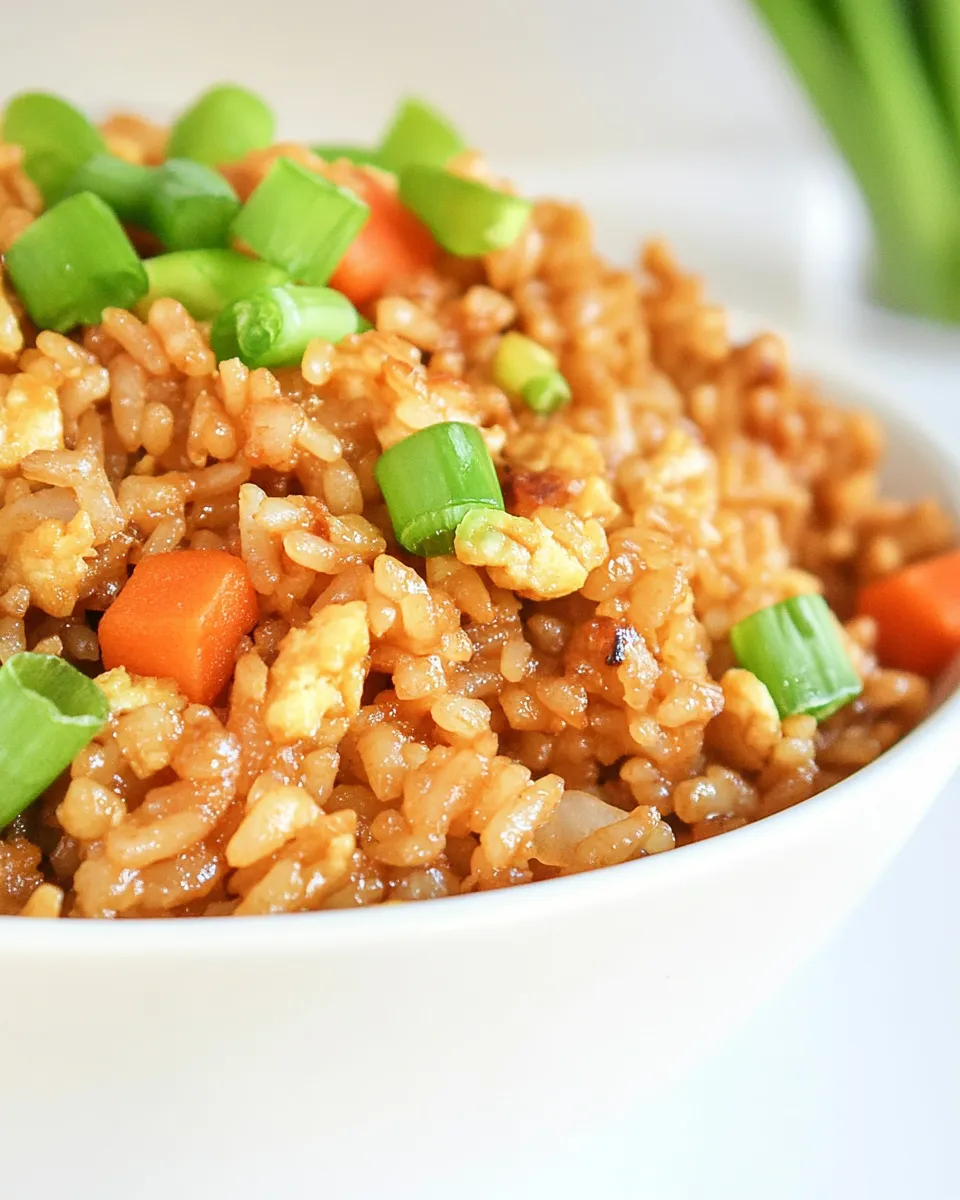
This jasmine fried rice is the kind of everyday dish that becomes a go-to for busy weeknights and lazy weekend lunches alike. It uses simple pantry staples, moves quickly once the rice is cooled, and rewards you with clean, fragrant grains tossed with eggs, peas and carrots, and the savory lift of soy and sesame oil.
I like this version because it keeps things straightforward: cook the rice, chill it, then stir-fry on high heat with a little oil and beaten eggs. The technique is forgiving and the result is reliably satisfying — fluffy rice with a hint of caramelized crisp and soft scrambled egg scattered through every bite.
Below you’ll find the exact ingredients and the step-by-step instructions, followed by practical tips for equipment, storage, swaps, and troubleshooting. Read through once, prepare your mise en place, and you’ll have a pan of excellent fried rice in under 30 minutes once your rice is chilled.
Ingredients
- 1.5 cups jasmine rice uncooked — fragrant, slightly sticky when cooked; the star of the dish.
- 3 cups water — for cooking the rice to the right texture.
- 3 tablespoons vegetable oil — neutral oil for high-heat frying and preventing sticking.
- 2 eggs beaten — scrambled into the rice for richness and protein.
- 1/3 cup soy sauce — provides the salty, savory backbone and color.
- 1 cup frozen peas and carrots thawed — classic mix for color, texture, and quick veg.
- 1 green onion sliced — bright, fresh finish; fold in toward the end.
- 1 teaspoon sesame oil — a small finishing oil that adds aroma and depth.
The Essentials
Good fried rice starts with properly cooked and cooled rice. Freshly steamed rice is too soft and moist for stir-frying; it clumps and becomes gummy. Cook the rice, then let it cool to room temperature — ideally chill it in the refrigerator so the grains firm up and separate easily.
Quick essentials
- High heat: a hot skillet creates quick searing and prevents the rice from stewing.
- Neutral oil: use vegetable oil or another high-smoke-point oil for frying.
- Cold rice: work with rice that is cool or chilled for the best texture.
Once you have those basics in place — good rice, a hot pan, and quick hands — the rest falls into a simple rhythm: scramble the eggs, add the rice, season, toss with veg, finish with sesame oil, and serve hot.
Mastering Jasmine Fried Rice: How-To
- Rinse 1.5 cups jasmine rice (optional), then add it and 3 cups water to a large saucepan. Bring to a boil over medium-high heat.
- Once boiling, cover the pot, reduce heat to low, and simmer 10–12 minutes, until the water is absorbed. Remove from heat and let the rice cool to room temperature. (You can cook the rice in a rice cooker instead if you prefer; for best texture, refrigerate the cooled rice and use it cold or the next day.)
- Heat a large skillet over high heat until hot, then add 3 tablespoons vegetable oil and swirl to coat the pan.
- Pour in the 2 beaten eggs. Stir gently to scramble them, cooking about 1 minute until mostly set but not overcooked. Reduce the heat to medium.
- Add the cooled rice to the skillet. Use a spatula to break up any large clumps and stir the rice into the eggs until combined and the rice begins to warm.
- Add 1/3 cup soy sauce, 1 cup thawed frozen peas and carrots, and the 1 sliced green onion. Stir thoroughly to evenly coat the rice and distribute the vegetables and onion.
- Continue cooking over medium heat, stirring often, until the rice is hot and the vegetables are heated through.
- Remove the skillet from the heat, drizzle 1 teaspoon sesame oil over the rice, and stir once more to combine.
- Serve hot. Store leftovers in the refrigerator for up to 3 days and reheat in a skillet or microwave.
Why Jasmine Fried Rice is Worth Your Time
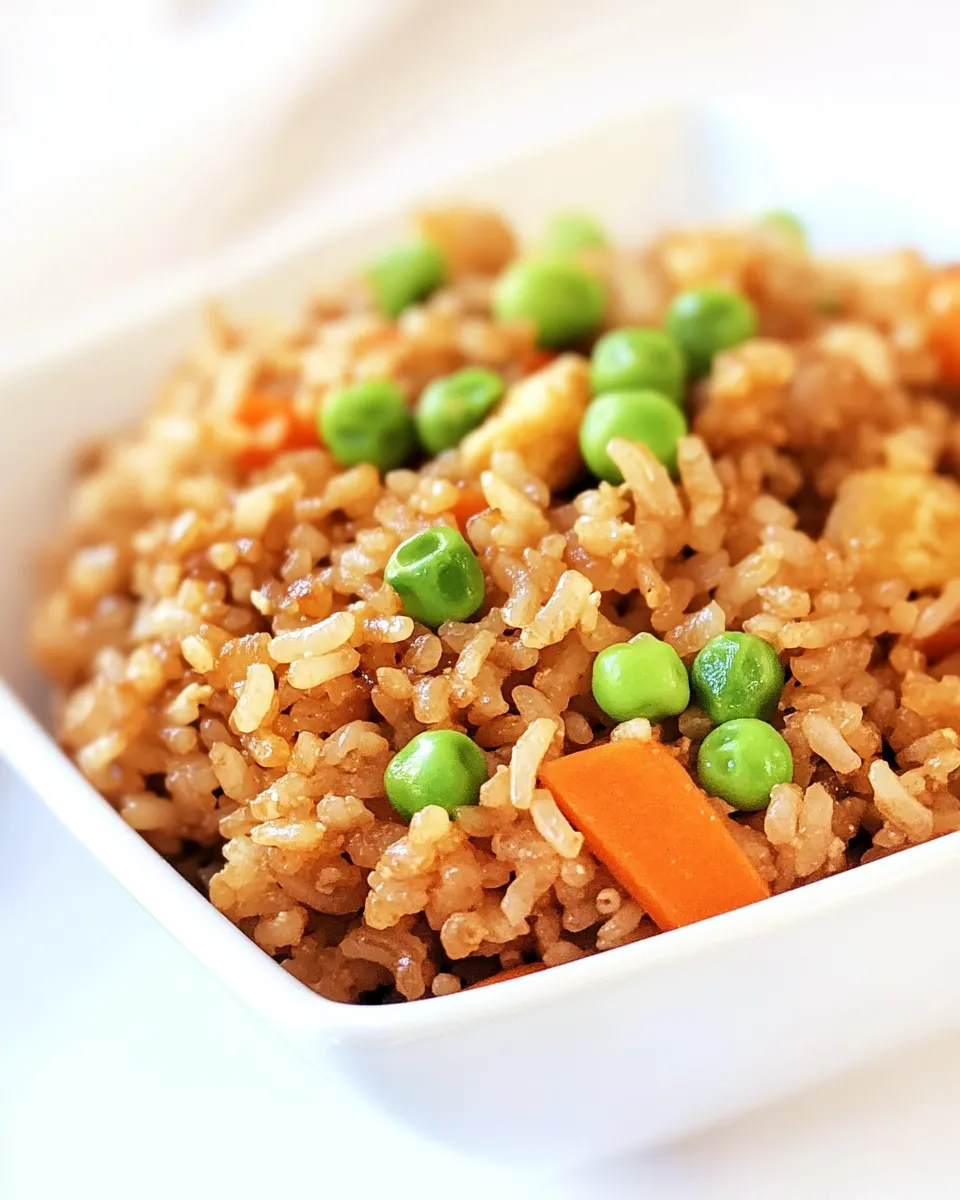
This recipe hits several marks at once: it’s fast when the rice is ready, flexible with pantry ingredients, and comforting without being heavy. The jasmine rice brings floral aroma and tender grains that absorb the soy sauce and sesame oil beautifully. It’s a complete, balanced meal as written, and a perfect canvas for leftovers or proteins you want to highlight.
Beyond the food itself, it teaches a useful technique — how to turn previously cooked rice into something elevated. Master that and you can riff endlessly: add chili, swap vegetables, or fold in roasted meat. It’s practical, dependable cooking that rewards small investments of time and attention.
Dairy-Free/Gluten-Free Swaps
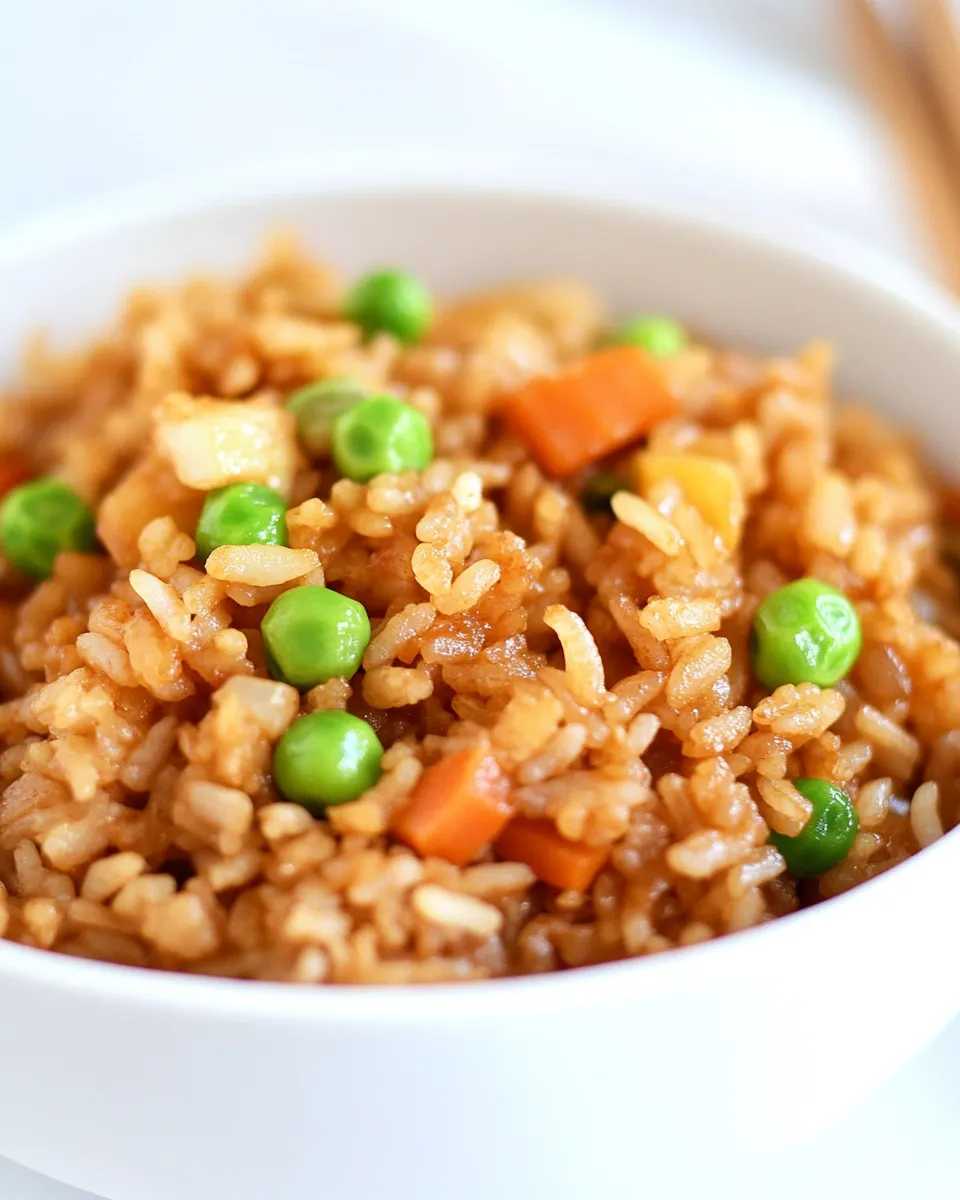
Dairy-free: this recipe is already dairy-free, so you don’t need to make changes to avoid dairy.
Gluten-free: swap the soy sauce for a certified gluten-free alternative such as tamari or coconut aminos. The liquid seasoning provides the same savory depth without gluten. Taste as you go — tamari can be saltier or richer than some soy sauces, so adjust the amount to your preference.
Equipment & Tools
Use a few simple tools and you’ll set yourself up for success:
- A large saucepan (or rice cooker) to cook the rice evenly.
- A large skillet or wok — roomy enough to toss rice without spilling; cast iron, stainless steel, or a good nonstick will work.
- A spatula or wooden spoon to break up clumps and stir without smashing the grains.
- Measuring cups and spoons to keep the rice-to-water ratio and seasonings consistent.
If you plan to make fried rice often, a heavy-bottomed wok or a wide, flat-bottomed skillet helps achieve quick, even heat and light browning on the grains.
Troubles You Can Avoid
Sticky, gummy rice: avoid using hot, freshly cooked rice. Chill the rice so the grains firm up. If you forget, spread freshly cooked rice on a tray and fan or refrigerate it briefly to cool the grains quickly.
Soggy rice: too much oil or overcrowding the pan can steam the rice instead of frying it. Use a large skillet, keep the heat high at first, and don’t add excessive liquid seasonings at once.
Bitter, burnt flavor: burnt garlic, charred soy, or overheated oil will ruin the dish. Maintain a hot pan but reduce to medium heat when the recipe instructs to avoid overcooking the eggs and vegetables.
Dietary Customizations
Vegetarian: this recipe is vegetarian as written. For vegan, omit the eggs and add firm tofu cubes or extra vegetables for bulk and protein; sauté the tofu until golden first, then proceed with the rice.
Protein add-ins: toss in leftover roasted chicken, shrimp, or thin-sliced beef at the end and warm through for a heartier meal. Add cooked meats in the final minutes to avoid overcooking.
Veg-forward: swap in whatever you have — bell peppers, broccoli florets (par-cooked), snap peas, or corn all work. Just ensure the vegetables are ready and relatively dry so they won’t water down the rice.
What Could Go Wrong
Too salty: soy sauce drives the seasoning. If you use a particularly salty soy sauce, reduce the 1/3 cup slightly and add to taste. Remember you can always add more, but you can’t remove it.
Clumping: not breaking up clumps when cold rice hits the pan will leave dense pockets. Use a spatula to separate the grains and give them space to fry.
Undercooked veggies: frozen vegetables should be thawed; if using larger fresh vegetables, par-cook them so everything finishes at the same time.
Storage Pro Tips
Cool leftovers quickly and store in an airtight container in the refrigerator for up to 3 days. To reheat, warm in a skillet over medium heat with a splash of oil or water and cover briefly to steam through; this refreshes the texture better than microwave-only reheating. For a faster reheat, microwave with a damp paper towel over the rice for 1–2 minutes, stirring halfway through.
If you want to freeze portions, do so within the first day. Flash-freeze on a tray, then transfer to a freezer-safe container. Thaw overnight in the fridge and reheat in a skillet. Texture will be best when consumed within 1 month.
Top Questions & Answers
- Can I use long-grain white rice instead of jasmine? — Yes; jasmine has a floral aroma that I prefer, but long-grain white rice will work if you follow the same cook and chill method.
- Do I have to rinse the rice? — Rinsing removes excess surface starch and can help prevent stickiness. The recipe marks rinsing as optional; it won’t break the dish but can improve texture.
- Why do you chill the rice? — Chilling firms the grains so they separate and fry rather than turn mushy. Cold rice is the key to good fried rice texture.
- Can I make this gluten-free? — Yes: use tamari or another certified gluten-free soy alternative in place of soy sauce.
- Can I skip the eggs? — Yes; for a vegan version omit the eggs and increase vegetables or add plant-based protein like tofu.
Hungry for More?
If you enjoyed this jasmine fried rice, explore variations by adding kimchi, a drizzle of chili oil, or fresh herbs like cilantro for a flavor twist. Fried rice is endlessly adaptable: treat it as a framework to clear out the fridge and turn leftovers into a bright, satisfying meal.
Try keeping a batch of chilled rice in the fridge specifically for quick stir-fries. Once you’ve mastered the timing and technique here, you’ll find it one of the most useful recipes in your weeknight rotation.
Jasmine Fried Rice
Ingredients
Ingredients
- 1.5 cupsjasmine riceuncooked
- 3 cupswater
- 3 tablespoonsvegetable oil
- 2 eggsbeaten
- 1/3 cupsoy sauce
- 1 cupfrozen peas and carrotsthawed
- 1 green onionsliced
- 1 teaspoonsesame oil
Instructions
Instructions
- Rinse 1.5 cups jasmine rice (optional), then add it and 3 cups water to a large saucepan. Bring to a boil over medium-high heat.
- Once boiling, cover the pot, reduce heat to low, and simmer 10–12 minutes, until the water is absorbed. Remove from heat and let the rice cool to room temperature. (You can cook the rice in a rice cooker instead if you prefer; for best texture, refrigerate the cooled rice and use it cold or the next day.)
- Heat a large skillet over high heat until hot, then add 3 tablespoons vegetable oil and swirl to coat the pan.
- Pour in the 2 beaten eggs. Stir gently to scramble them, cooking about 1 minute until mostly set but not overcooked. Reduce the heat to medium.
- Add the cooled rice to the skillet. Use a spatula to break up any large clumps and stir the rice into the eggs until combined and the rice begins to warm.
- Add 1/3 cup soy sauce, 1 cup thawed frozen peas and carrots, and the 1 sliced green onion. Stir thoroughly to evenly coat the rice and distribute the vegetables and onion.
- Continue cooking over medium heat, stirring often, until the rice is hot and the vegetables are heated through.
- Remove the skillet from the heat, drizzle 1 teaspoon sesame oil over the rice, and stir once more to combine.
- Serve hot. Store leftovers in the refrigerator for up to 3 days and reheat in a skillet or microwave.
Equipment
- Saucepan
- Large Skillet
- Spatula
- rice cooker (optional)