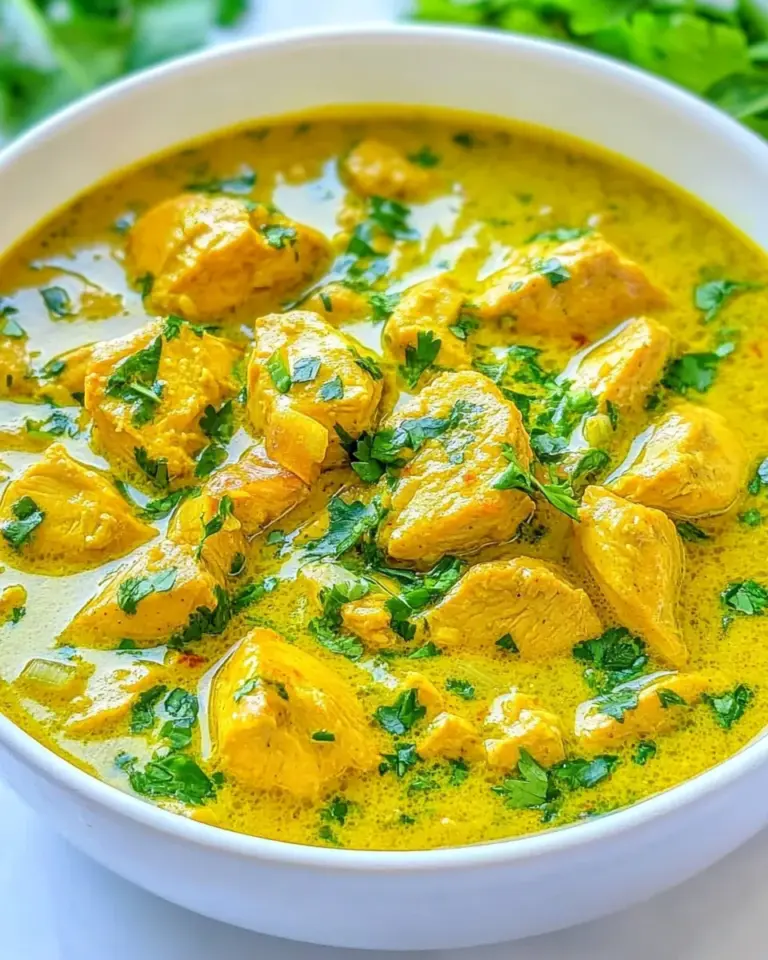
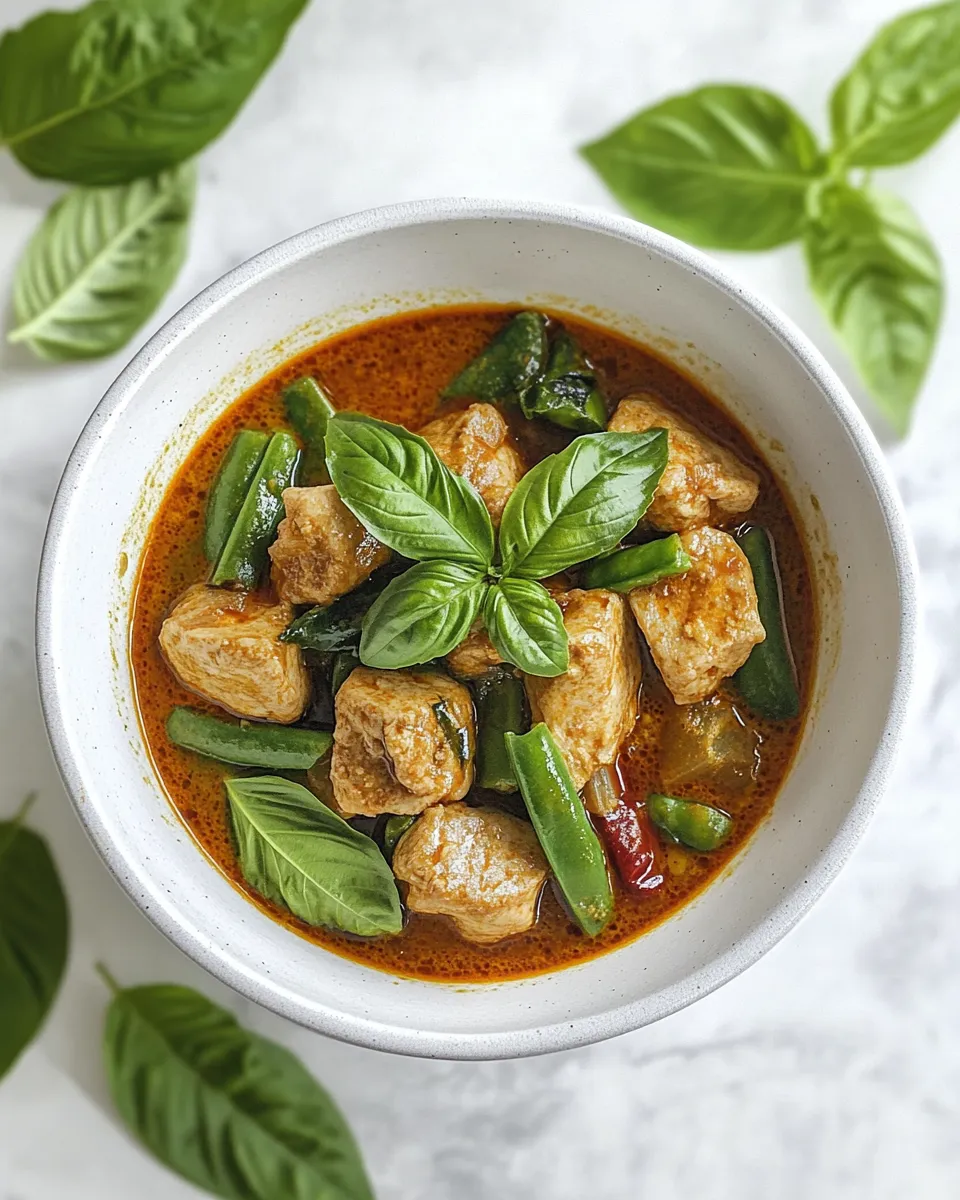
This jungle curry is bright, peppery, and built on fresh aromatics rather than coconut milk. It relies on a fragrant red curry paste, lots of lemongrass and chilies, and quick cooking so the vegetables stay slightly crisp. It’s the kind of dish that wakes up the palate and dresses up a weekday dinner without a lot of fuss.
I cook this when I want something bold that comes together fast. Give the curry paste a little love up front, brown the chicken quickly, then let the broth pull everything into balance. The lime and fresh basil finish it with a lift that makes the whole pot sing.
Below you’ll find ingredient notes, the exact step-by-step process, swap ideas, storage advice, and practical tips I use every time I make Jungle Curry at home. Read through once, then follow the directions — the timing is forgiving but the sequence matters for texture and aroma.
Ingredient Notes
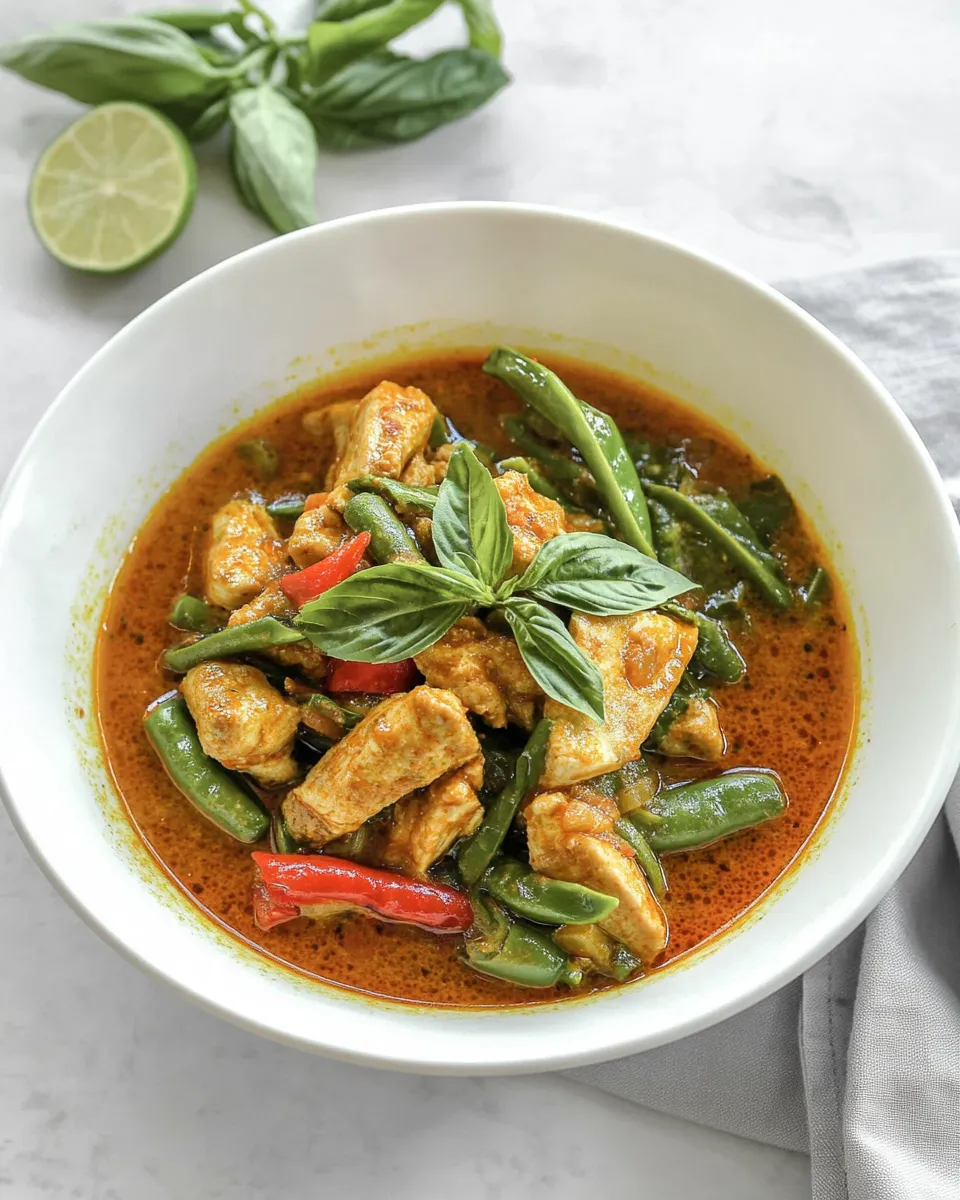
Jungle Curry is an exercise in contrast: punchy paste, lean broth, quick-roasted chicken, and crunchy vegetables. Key players here are the red curry paste (which brings depth), lemongrass and green chilies (which bring brightness and heat), and fresh basil and lime at the end (which bring lift and aroma). Because there’s no coconut milk to mellow things out, the balance of heat, salt, and acidity matters.
Use the freshest lemongrass and basil you can find — they make a noticeable difference. Trim and prep all the vegetables before you start; the recipe moves fast once the chicken hits the pan. Low-sodium chicken broth gives you control over seasoning, and the final taste will be much easier to correct with fish sauce, sugar, or lime than it would be if the broth were already very salty.
Ingredients
- 4 1/2 tablespoons red curry paste — the primary flavor base; pick a good-quality paste for depth and heat.
- 3 green chilies deseeded and chopped — add fresh heat; deseed to tame the fire while keeping flavor.
- 2 tablespoons fresh lemongrass thinly sliced — floral, citrusy backbone; slice thin so it distributes through the curry.
- 1 1/2 tablespoons neutral oil canola or vegetable oil — for carrying the paste’s aromas and browning the chicken.
- 12 ounces boneless, skinless chicken thighs cut into strips — thighs remain tender and forgive slightly longer cooking.
- 3 cups low-sodium chicken broth — the cooking liquid; low-sodium lets you finish seasoning precisely.
- 1 1/2 tablespoons fish sauce — provides umami and salinity; add gradually and taste.
- 1 1/2 teaspoons sugar — balances heat and acid; traditional palm sugar is ideal but regular sugar works fine.
- 8 baby corn cut into bite-size pieces — quick-cooking, adds a sweet crunch.
- 1 cup green beans trimmed and cut into 2-inch pieces — keep them slightly crisp for texture contrast.
- 1 small eggplant cut into bite-size pieces — soaks up the curry flavor; choose a firm one that holds its shape.
- 1/2 cup fresh basil leaves — stirred in at the end to wilt and perfume the curry.
- Juice of 1 lime — bright, acidic finish that lifts the whole pot.
Cooking Jungle Curry: The Process
- In a mortar or a small bowl, combine 4 1/2 tablespoons red curry paste, the 3 deseeded and chopped green chilies, and 2 tablespoons thinly sliced fresh lemongrass; mix until well combined and set aside.
- Heat 1 1/2 tablespoons neutral oil in a heavy-bottomed pan over medium heat.
- Add the curry paste mixture to the pan and cook, stirring, for about 1 minute until fragrant.
- Add the 12 ounces chicken thighs (cut into strips) to the pan and stir to coat with the paste. Cook, stirring occasionally, until the chicken is lightly browned on the outside, about 3–4 minutes.
- Pour in 3 cups low-sodium chicken broth, then add 1 1/2 tablespoons fish sauce and 1 1/2 teaspoons sugar; stir to combine.
- Bring the mixture to a gentle simmer, reduce heat if necessary, and simmer uncovered for 15 minutes, until the chicken is tender and cooked through.
- Add 8 baby corn (cut into bite-size pieces), 1 cup green beans (trimmed and cut into 2-inch pieces), and 1 small eggplant (cut into bite-size pieces). Stir to submerge the vegetables in the broth.
- Simmer uncovered for an additional 5 minutes, until the vegetables are tender but still slightly crisp.
- Remove the pan from the heat and stir in 1/2 cup fresh basil leaves and the juice of 1 lime until the basil wilts.
- Taste and adjust seasoning if needed, then serve.
Top Reasons to Make Jungle Curry
1) Speed without compromise: you can get a restaurant-quality curry on the table in under 40 minutes. Brown the chicken quickly, simmer briefly, and you’re done.
2) Flavor-forward and fresh: the curry doesn’t hide behind coconut milk; instead it showcases aromatics, herbs, and lime. That bright profile is addictive.
3) Vegetable-friendly: the quick simmer keeps vegetables vibrant and textural. It’s an easy way to serve a comforting, veggie-forward meal.
4) Flexible for weeknights and guests: it’s bold enough for entertaining but simple enough for a busy evening. The components are straightforward and forgiving.
Dairy-Free/Gluten-Free Swaps
This Jungle Curry is naturally dairy-free. For gluten-free cooking, check the fish sauce label — some brands use ingredients containing gluten. If you need to avoid gluten, use a certified gluten-free fish sauce or a gluten-free seasoning alternative. If you want to make it vegetarian, swap the chicken for hearty mushrooms, tofu, or seitan (note that seitan contains gluten).
If you’re avoiding fish, try a vegetarian fish-sauce alternative or a concentrated seaweed-based seasoning made for plant-based cooking, and increase the lime slightly to keep the brightness.
Cook’s Kit
- Heavy-bottomed pan or Dutch oven — holds heat and gives even simmering.
- Mortar and pestle or small bowl — to combine the paste, chilies, and lemongrass.
- Sharp knife and cutting board — you’ll be cutting chicken and several vegetables.
- Wooden spoon or spatula — for stirring the paste and scraping the pan.
- Measuring spoons and cups — for precise seasoning.
Steer Clear of These
Don’t overcook the vegetables. The green beans and baby corn should stay slightly crisp. Overcooked veg will dilute the texture contrast that makes this curry lively.
Don’t skip the final lime and basil. They’re small steps but they transform the broth from flat to vibrant. Add them off the heat so the basil wilts quickly but stays aromatic.
Don’t start with extremely salty broth. The recipe adds fish sauce late; starting with low-sodium broth allows you to season to taste without oversalting.
Make It Fit Your Plan
For meal prep: cook the curry through step 6, cool, and portion into airtight containers with rice on the side. Add fresh basil and lime just before serving so those flavors stay fresh.
To lighten calories: use extra vegetables and reduce the chicken slightly. The recipe is already broth-based, so it’s lean compared with coconut-milk curries.
To feed a crowd: double the recipe and simmer in a large pot. Keep an eye on the seasoning as quantities scale; you may want to add fish sauce and lime incrementally and taste as you go.
Insider Tips
Toast the paste briefly in oil to unlock its aromatic oils. One minute is all it needs; you’ll smell the fragrance deepen. Then add the chicken so it picks up that flavor right away.
Cut chicken and vegetables into similar bite-sized pieces for even cooking and a pleasing mouthfeel. Thighs are more forgiving than breasts and add richness to the broth.
When stirring in basil and lime off heat, taste immediately and adjust. If it needs more balance, a pinch more sugar or a splash more fish sauce will refine the flavors. Add small amounts, taste, then adjust again.
Store, Freeze & Reheat
Refrigerate: Cool to room temperature and transfer to airtight containers. Store in the refrigerator for up to 3–4 days. The flavors meld over time, but the basil and lime are best added fresh if possible when reheating.
Freeze: You can freeze the curry, though eggplant and baby corn may change texture slightly on thawing. Freeze in airtight containers for up to 2 months. Thaw overnight in the refrigerator before reheating.
Reheat: Warm gently on the stovetop over medium-low heat until steaming. If the curry seems thick or reduced, add a splash of broth or water to bring it back to the desired consistency. Finish with fresh basil and lime juice after reheating to brighten flavors.
Jungle Curry FAQs
Is Jungle Curry spicy? Yes, it tends to be spicy because of the chilies and curry paste. You can reduce heat by using fewer chilies or removing seeds; however, a good red curry paste adds depth beyond heat alone.
Can I use chicken breast? Yes, but watch cooking time. Breast will cook faster and can become dry if simmered too long. Cut into uniform strips and check doneness earlier.
What can I serve with Jungle Curry? Steamed jasmine rice is classic and soaks up the broth beautifully. You can also serve it with plain rice noodles or a side of lightly steamed vegetables.
Can I make this ahead? Partially. Cook through step 6, cool, and refrigerate; add vegetables, basil, and lime when you reheat and finish the dish so textures and brightness stay fresh.
Bring It to the Table
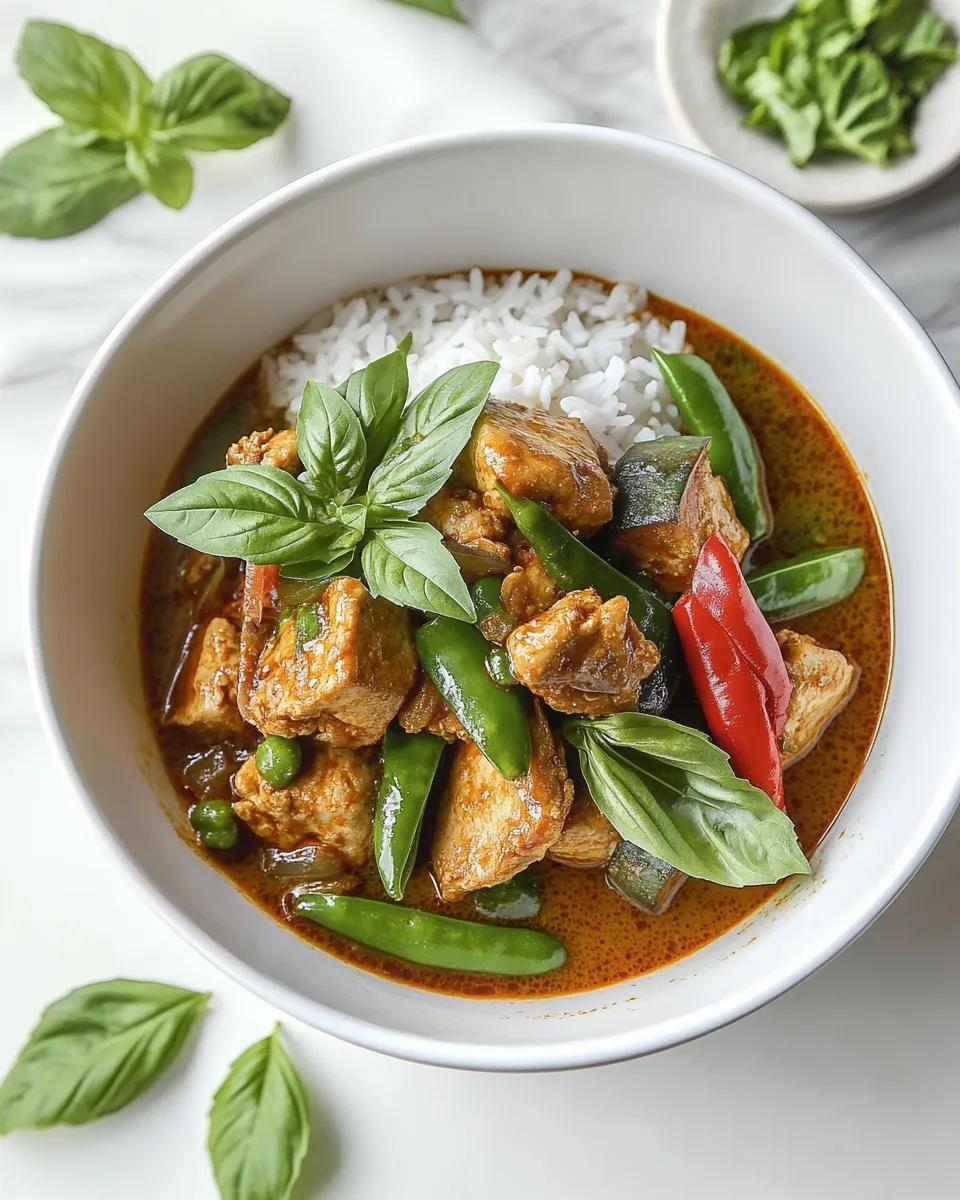
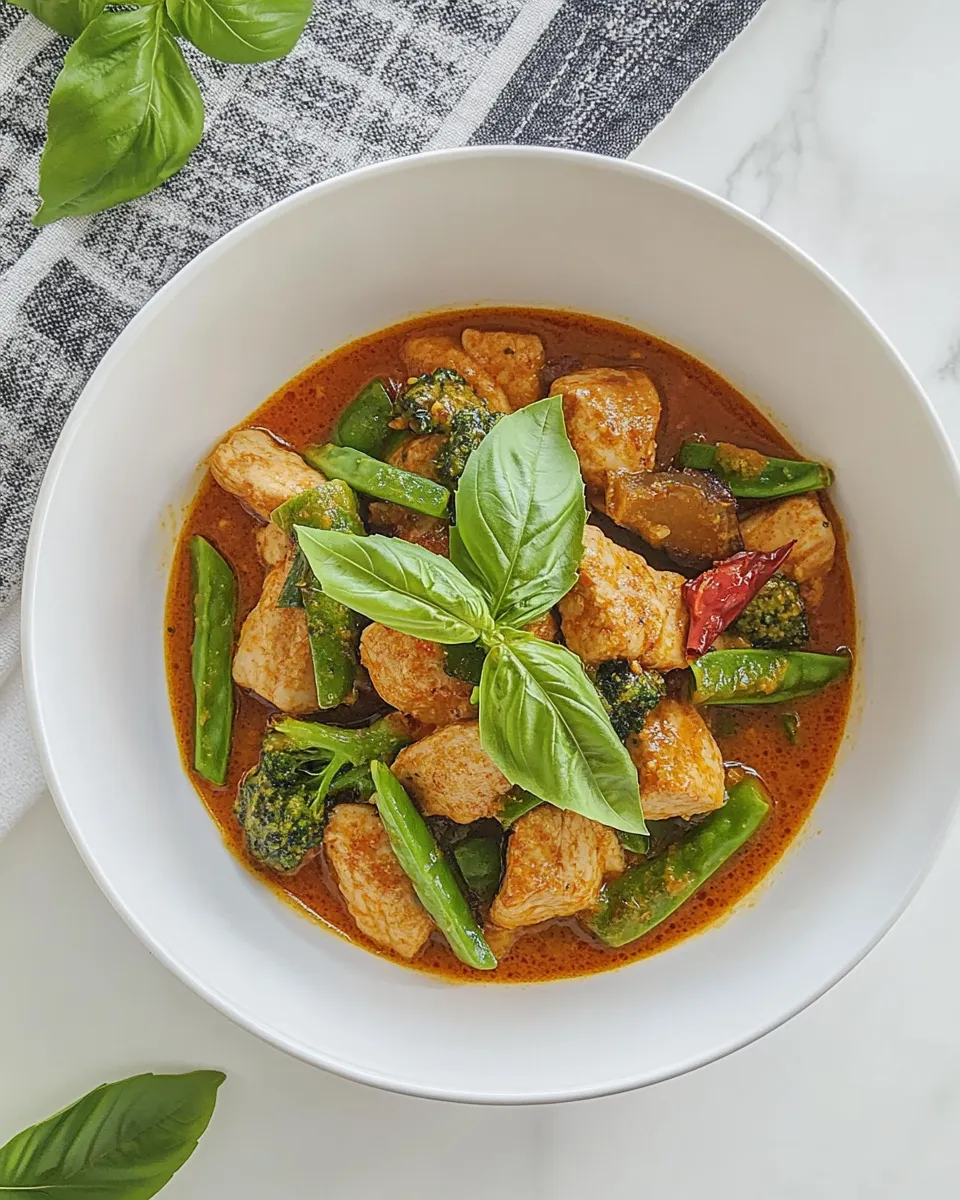
Serve Jungle Curry in a wide bowl so the broth and aromatics show. A wedge of lime on the side and extra basil for sprinkling encourages guests to personalize each bowl. This curry pairs best with simple steamed rice — its starch carries the spicy, sour, and savory broth without competing with those flavors.
Because it’s fast, flavorful, and forgiving, Jungle Curry is one of my go-to dishes when I want something exciting without a long list of steps. Follow the process, respect the timing, and finish with fresh herbs and acid — it makes all the difference.
Jungle Curry
Ingredients
Ingredients
- 4 1/2 tablespoonsred curry paste
- 3 green chiliesdeseeded and chopped
- 2 tablespoonsfresh lemongrassthinly sliced
- 1 1/2 tablespoonsneutral oilcanola or vegetable oil
- 12 ouncesboneless skinless chicken thighscut into strips
- 3 cupslow-sodium chicken broth
- 1 1/2 tablespoonsfish sauce
- 1 1/2 teaspoonssugar
- 8 baby corncut into bite-size pieces
- 1 cupgreen beanstrimmed and cut into 2-inch pieces
- 1 small eggplantcut into bite-size pieces
- 1/2 cupfresh basil leaves
- Juice of 1 lime
Instructions
Instructions
- In a mortar or a small bowl, combine 4 1/2 tablespoons red curry paste, the 3 deseeded and chopped green chilies, and 2 tablespoons thinly sliced fresh lemongrass; mix until well combined and set aside.
- Heat 1 1/2 tablespoons neutral oil in a heavy-bottomed pan over medium heat.
- Add the curry paste mixture to the pan and cook, stirring, for about 1 minute until fragrant.
- Add the 12 ounces chicken thighs (cut into strips) to the pan and stir to coat with the paste. Cook, stirring occasionally, until the chicken is lightly browned on the outside, about 3–4 minutes.
- Pour in 3 cups low-sodium chicken broth, then add 1 1/2 tablespoons fish sauce and 1 1/2 teaspoons sugar; stir to combine.
- Bring the mixture to a gentle simmer, reduce heat if necessary, and simmer uncovered for 15 minutes, until the chicken is tender and cooked through.
- Add 8 baby corn (cut into bite-size pieces), 1 cup green beans (trimmed and cut into 2-inch pieces), and 1 small eggplant (cut into bite-size pieces). Stir to submerge the vegetables in the broth.
- Simmer uncovered for an additional 5 minutes, until the vegetables are tender but still slightly crisp.
- Remove the pan from the heat and stir in 1/2 cup fresh basil leaves and the juice of 1 lime until the basil wilts.
- Taste and adjust seasoning if needed, then serve.
Equipment
- mortar or small bowl
- heavy-bottomed pan