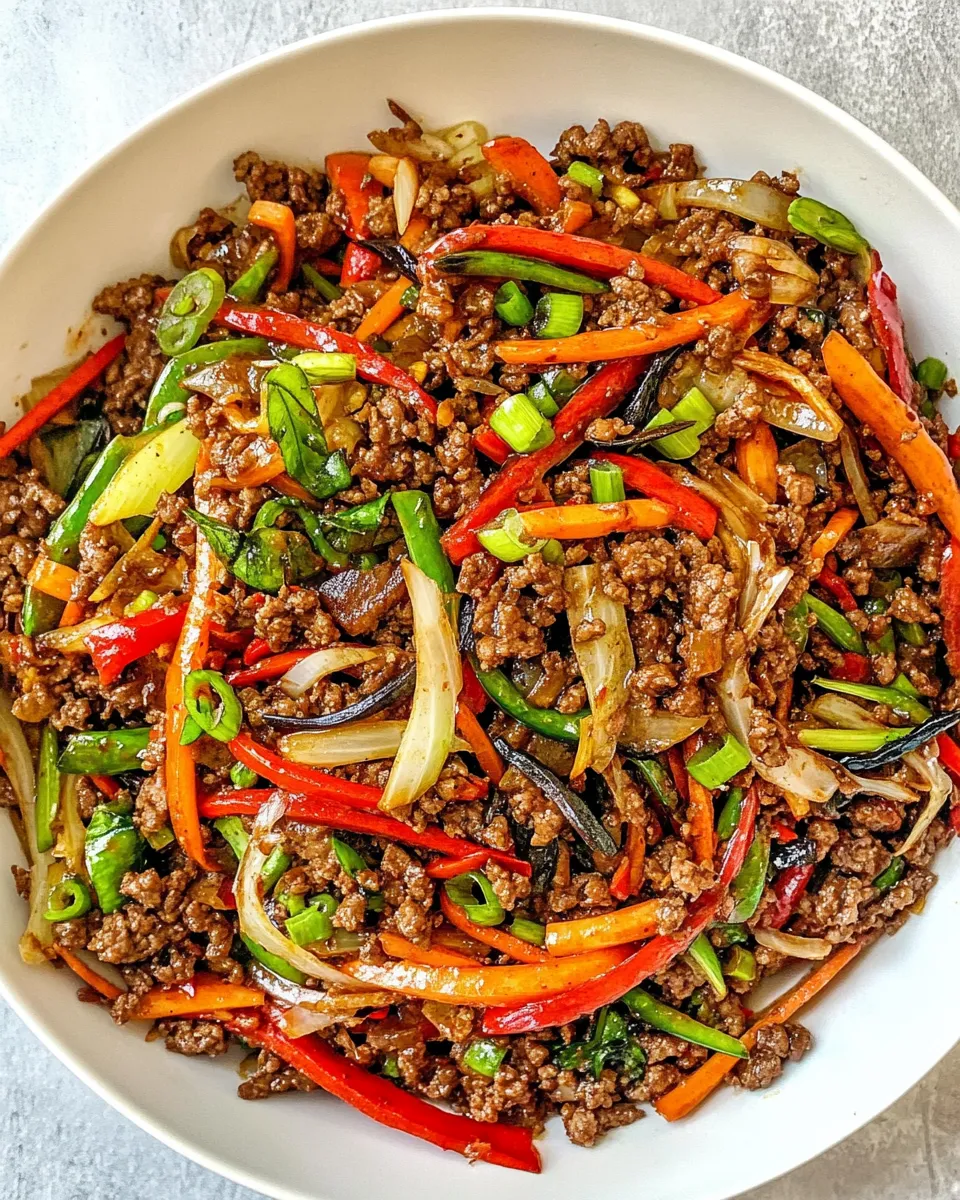
This is the kind of weeknight meal I make when I want something fast, satisfying, and reliably delicious. It hangs together on bold, simple flavors — salty soy, deep brown sugar, a hit of sesame, and the savory heat of gochujang. Everything comes together in one pan, and it’s forgiving if you need to change the pace mid-cook.
I love it because the texture is balanced: tender beef, crisp-tender vegetables, and a glossy sauce that clings to every bite. It’s comforting over steamed rice and just as happy on noodles. The prep is straightforward, and the timing is predictable — a huge benefit when you’re juggling dinner with life.
You’ll find tips in the steps and troubleshooting below. Read once, cook twice, and you’ll have this recipe on repeat without a recipe card in hand.
Ingredient Checklist
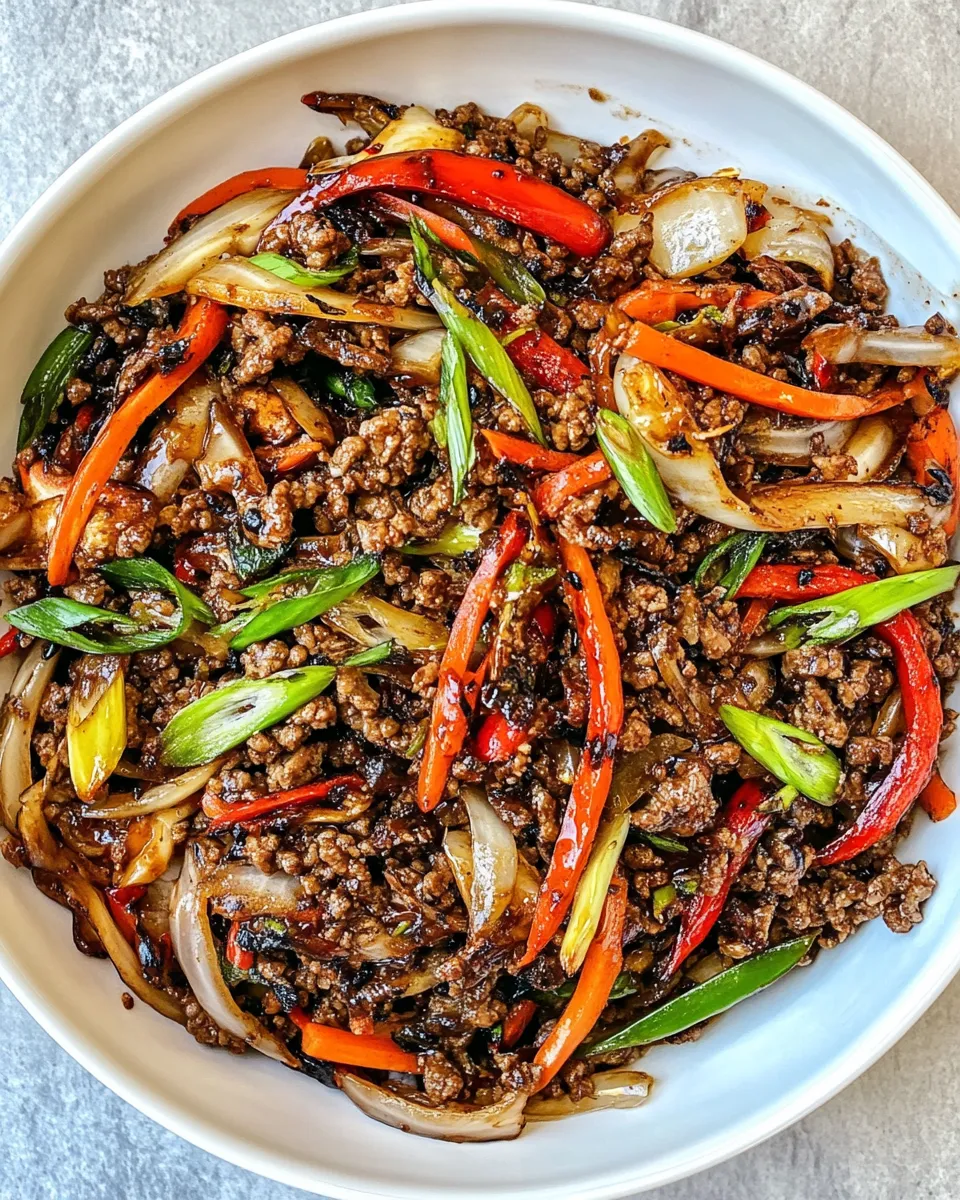
- 1/4 cup soy sauce — adds savory umami; low-sodium soy sauce works if you prefer less salt.
- 1/4 cup dark brown sugar — gives sweetness and helps the sauce glaze the beef.
- 1 tablespoon sesame oil — toasted sesame oil for that nutty aroma; a little goes a long way.
- 1 tablespoon gochujang — spicy-sweet Korean chili paste; key for authentic depth.
- 1 lb ground beef (85% to 93% lean) — the specified fat range balances flavor with manageable rendered fat.
- 1 tablespoon vegetable oil — or canola oil; a neutral oil for stir-frying at high heat.
- 1 medium onion, chopped — builds savory sweetness when quickly stir-fried.
- 1 red bell pepper, seeded and chopped — color, crunch, and a mild sweetness.
- 2 medium carrots, peeled and shredded — quick to soften and add body and sweetness.
- 8 oz mushrooms, sliced — soak up sauce and add meaty umami to the dish.
- 2 teaspoons garlic, minced — a bright aromatic; add at the right moment so it doesn’t burn.
- 2 teaspoons ginger, fresh, minced — fresh ginger lifts the whole dish with warm, peppery notes.
- 1/2 cup scallions, chopped — stir in most for freshness; reserve some for garnish.
- steamed rice or cooked noodles — the serving base; both are listed options.
- 1 tablespoon toasted sesame seeds — finish for crunch and visual contrast.
From Start to Finish: Korean Ground Beef Stir-Fry
- In a small bowl, combine 1/4 cup soy sauce, 1/4 cup dark brown sugar, 1 tablespoon sesame oil, and 1 tablespoon gochujang. Whisk until the sugar begins to dissolve and set the sauce aside.
- Heat a wok or large skillet over medium-high heat. Add 1 lb ground beef and use a wooden spoon or spatula to break it up. Cook until no longer pink, about 4–6 minutes.
- Carefully remove and discard the rendered grease (or drain the beef in a fine-mesh sieve). Transfer the cooked beef to a plate and set aside.
- Return the wok or skillet to high heat and add 1 tablespoon vegetable oil (or canola). When the oil is shimmering, add 1 medium chopped onion, 1 seeded and chopped red bell pepper, 2 peeled and shredded medium carrots, and 8 oz sliced mushrooms. Stir-fry until the vegetables are softened, about 2–4 minutes.
- Add 2 teaspoons minced garlic and 2 teaspoons minced fresh ginger to the pan and stir-fry for an additional 30 seconds to 1 minute, until fragrant.
- Return the cooked beef to the pan and stir to combine with the vegetables.
- Pour the prepared sauce into the pan and stir-fry everything together for about 2 minutes, until the sauce thickens slightly and coats the beef and vegetables.
- Turn off the heat and stir in most of the 1/2 cup chopped scallions, leaving some scallions for garnish.
- Serve immediately over steamed rice or cooked noodles, garnished with the remaining scallions and 1 tablespoon toasted sesame seeds.
Why It’s My Go-To
This recipe hits a sweet spot between fast and flavorful. The sauce is simple but layered — salty soy, molasses-y brown sugar, nutty sesame oil, and a dose of gochujang that brings mild heat and complexity. Because the sauce is mixed ahead, the actual cook time is short and predictable.
It’s forgiving. You can make it in a hot skillet or a wok, use a slightly leaner or fattier ground beef depending on what you have, and the vegetables are flexible within the recipe’s framework. Plus, it scales easily for meal prep: the flavors meld overnight, so leftovers are often even better.
Swap Guide
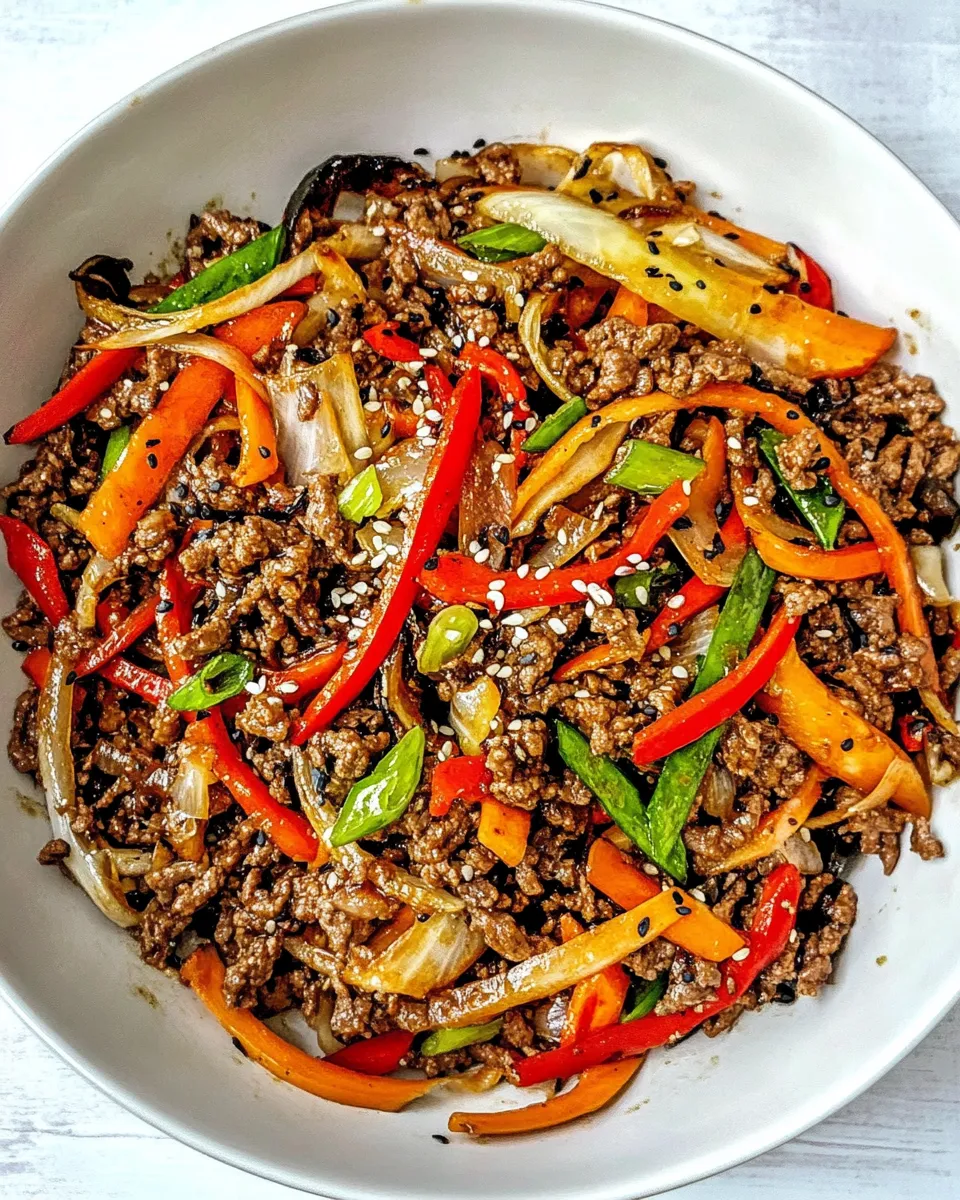
Keep swaps conservative to preserve the balance of flavors and the cooking rhythm:
- Soy sauce — the recipe already lists low-sodium soy sauce as an alternative; use that if you’re watching salt.
- Vegetable oil — the recipe allows canola oil interchangeably for neutral high-heat frying.
- Ground beef lean range — the ingredient notes specify 85%–93% lean. Staying in that range keeps a good balance of flavor and manageable fat.
- Rice or noodles — both are in the ingredient list; choose whichever you prefer or have on hand.
Essential Tools for Success
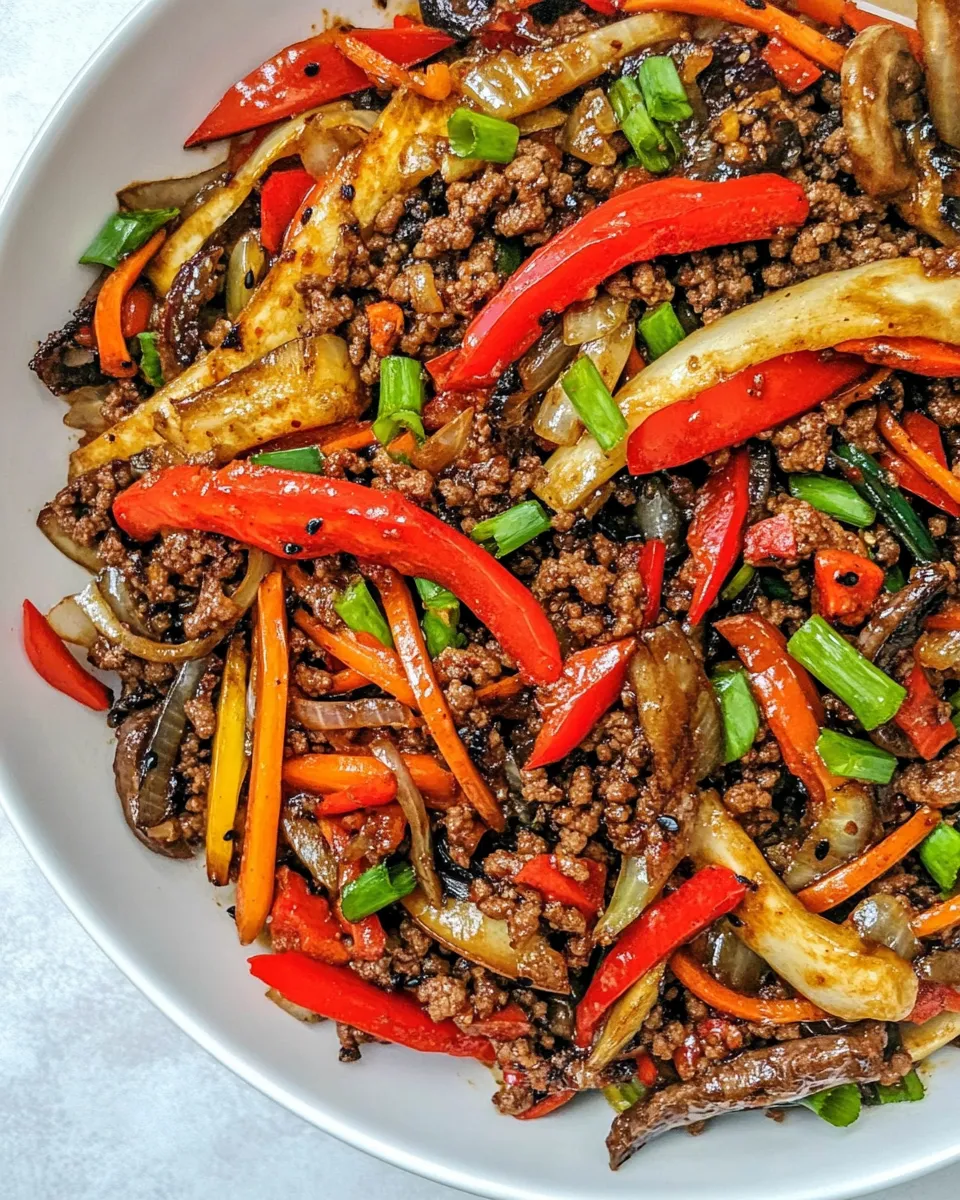
These are the items I reach for every time I make this dish. They make the process quicker and reduce the chance of small mistakes.
- Wok or large heavy skillet — gives room to stir-fry and evaporate liquid quickly.
- Wooden spoon or sturdy spatula — helps break up the ground beef and keeps the vegetables moving.
- Small mixing bowl and whisk — for combining the sauce so it’s ready to go when you need it.
- Fine-mesh sieve or plate — useful if you choose to drain rendered fat from the beef.
- Sharp knife and cutting board — for the quick prep of onion, bell pepper, scallions, and mushrooms.
Pitfalls & How to Prevent Them
Burned garlic and ginger: add them only after the vegetables have softened. Garlic burns quickly and turns bitter; the recipe’s timing prevents that.
Soggy vegetables: keep the pan hot and don’t overcook them in step 4. A 2–4 minute window gives you softened but still-structured veg. If your pan is crowded, cook in batches or remove the beef to a plate early and give vegetables more room.
Too-thin sauce: let the sauce reduce for the full ~2 minutes in step 7. If your sauce still seems loose, remove the heat and stir for another 30 seconds — residual heat will help it cling to the beef. Conversely, if it becomes too thick, splash in a tablespoon of water and stir.
Greasy dish: the instructions ask you to remove and discard rendered grease (or drain the beef). Trust that step. It keeps the final plate bright rather than oily.
Spring to Winter: Ideas
Spring: lean into brightness by stirring in most of the scallions at the end and keeping the bell pepper crisp. Serve over jasmine rice for a lighter feel.
Summer: this dish is great with cold noodles in a quick room-temperature bowl — skip reheating and toss the finished stir-fry with cooled cooked noodles for a different texture.
Fall: mushrooms and carrots deepen as the season cools. Let the mushrooms brown a touch longer in step 4 for a richer, earthier profile.
Winter: dress it up for comfort — serve over steaming rice and keep a few extra sesame seeds for a roasted finish that visually warms the plate.
Pro Perspective
Heat control is everything. Start medium-high for the beef so it releases liquid and browns, then crank to high for the vegetables so they sear quickly without steaming. A shimmering oil and a hot pan create texture contrast.
Pre-mix the sauce and taste it before you cook if you’re sensitive to salt or spice; a quick adjustment to the soy or gochujang can save the final seasoning. However, remember the sauce concentration will change slightly when reduced over the beef and vegetables.
Finish with the scallions off the heat. The residual warmth wilts them just enough to be aromatic without losing their color or bite.
Shelf Life & Storage
Cool the stir-fry to room temperature within two hours, then transfer to an airtight container. Refrigerate for up to 3–4 days. Reheat gently on the stovetop over medium heat with a splash of water or in the microwave in short intervals, stirring between, to prevent drying out.
For longer storage, freeze in a shallow, airtight container for up to 2–3 months. Thaw overnight in the refrigerator before reheating. Note: texture of the vegetables, especially the bell pepper, may soften after freezing; this dish is still delicious, but the crisp-tender contrast will be reduced.
Helpful Q&A
Q: Can I make the sauce milder?
A: Yes. Reduce the gochujang slightly and increase sesame oil or a touch more brown sugar to preserve balance. Since the sauce is mixed ahead, tweak and taste before adding it to the pan.
Q: Do I have to remove the fat from the beef?
A: The recipe instructs removing or draining rendered grease. If you prefer more richness, leave a tablespoon or two, but too much will make the stir-fry greasy and weigh down the sauce.
Q: Can I prep ahead?
A: Absolutely. Chop the vegetables and make the sauce up to one day ahead. Keep vegetables refrigerated in separate containers so they stay crisp. Cook the dish on the day you plan to serve for best texture.
Q: Is gochujang essential?
A: Gochujang provides a unique spicy-sweet fermented depth. If you don’t have any, the dish will still be tasty, but it will miss that characteristic Korean flavor note. If you must omit it, increase sesame oil slightly and consider a small pinch of chili flakes if you’re comfortable adding an ingredient not listed here.
Serve & Enjoy
Serve the stir-fry immediately, spooned over steamed rice or tossed with cooked noodles. Garnish with the reserved scallions and a scattering of toasted sesame seeds for crunch and color. Eat while hot and bright — the contrast of glossy sauce and fresh scallions is the finishing touch that makes this a dependable weeknight winner.
Korean Ground Beef Stir-Fry
Ingredients
Ingredients
- 1/4 cupsoy sauceor low-sodium soy sauce
- 1/4 cupdark brown sugar
- 1 tablespoonsesame oil
- 1 tablespoongochujang
- 1 lbground beef85% to 93% lean
- 1 tablespoonvegetable oilor canola
- 1 mediumonionchopped
- 1 red bell pepperseeded and chopped
- 2 mediumcarrotspeeled and shredded
- 8 ozmushroomssliced
- 2 teaspoongarlicminced
- 2 teaspoongingerfresh minced
- 1/2 cupscallionschopped
- steamed riceor cooked noodles
- 1 tablespoontoasted sesame seeds
Instructions
Instructions
- In a small bowl, combine 1/4 cup soy sauce, 1/4 cup dark brown sugar, 1 tablespoon sesame oil, and 1 tablespoon gochujang. Whisk until the sugar begins to dissolve and set the sauce aside.
- Heat a wok or large skillet over medium-high heat. Add 1 lb ground beef and use a wooden spoon or spatula to break it up. Cook until no longer pink, about 4–6 minutes.
- Carefully remove and discard the rendered grease (or drain the beef in a fine-mesh sieve). Transfer the cooked beef to a plate and set aside.
- Return the wok or skillet to high heat and add 1 tablespoon vegetable oil (or canola). When the oil is shimmering, add 1 medium chopped onion, 1 seeded and chopped red bell pepper, 2 peeled and shredded medium carrots, and 8 oz sliced mushrooms. Stir-fry until the vegetables are softened, about 2–4 minutes.
- Add 2 teaspoons minced garlic and 2 teaspoons minced fresh ginger to the pan and stir-fry for an additional 30 seconds to 1 minute, until fragrant.
- Return the cooked beef to the pan and stir to combine with the vegetables.
- Pour the prepared sauce into the pan and stir-fry everything together for about 2 minutes, until the sauce thickens slightly and coats the beef and vegetables.
- Turn off the heat and stir in most of the 1/2 cup chopped scallions, leaving some scallions for garnish.
- Serve immediately over steamed rice or cooked noodles, garnished with the remaining scallions and 1 tablespoon toasted sesame seeds.
Equipment
- ▢Wokor a large skillet
Notes
NOTE:
Watch the video near the top of the recipe for visual guidance.
Gochujang can be found in the Asian section of many well-stocked supermarkets, in Asian markets, or
online
. It has a lot of flavor but is not too spicy. For extra heat, add a pinch or two of red pepper flakes.
Be sure to have everything prepped before you start to stir-fry. The dish comes together very quickly once you begin preparing it.
Leftovers are delicious and will keep in an air-tight container in the fridge for 3 to 5 days. Reheat on the stove in a skillet over medium heat or in the microwave. Add a splash of broth if the leftovers are mixed with rice.