
I make korokke in my kitchen when I want something that feels like a hug on a plate: crunchy on the outside, soft and savory inside. It’s a simple comfort food that rewards careful technique. With a few clear steps you’ll create crisp croquettes that hold together, fry evenly, and pair perfectly with tangy tonkatsu sauce.
This recipe uses basic pantry ingredients and a little attention to timing. Follow the method exactly for consistent results: boil the potatoes, drain and dry them, sauté the onion and beef, combine gently, chill, bread, and deep-fry. Each stage matters — from squeezing excess steam out of the potatoes to pressing panko so it adheres without becoming heavy.
I’ll walk you through the essentials, the exact ingredient list, the full step-by-step instructions, and practical notes for swapping ingredients, storing leftovers, and avoiding common mistakes. Read the notes, then roll up your sleeves — korokke are a little hands-on, but worth every minute.
The Essentials
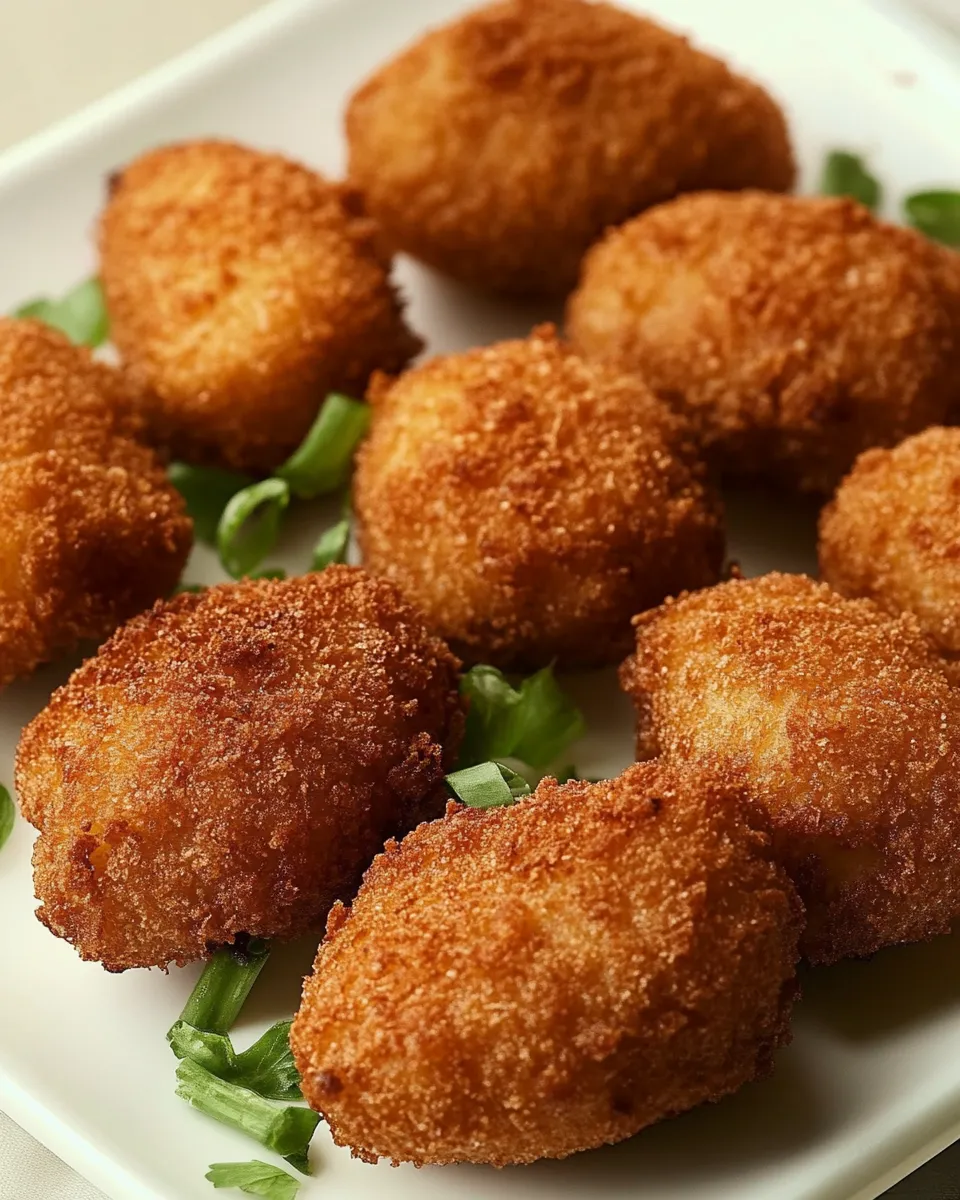
Korokke (Japanese-style croquettes) are potato-and-meat patties coated in flour, egg, and panko, then deep-fried until golden. The contrast of a crunchy outer shell and a pillowy, savory center is the whole point. Use starchy russet potatoes for the best texture: they break down easily and give a creamy interior that binds well with the ground beef.
Keep the proportions and the sequence consistent: slightly chunky mashed potatoes mixed with fully cooked, seasoned beef make shaping easier and reduce grease during frying. Chilling the patties before breading tightens them up so they won’t fall apart when they hit the hot oil. Fry at a steady 350°F for about 2–3 minutes per side — that’s what gives you a crisp, non-greasy crust.
Serve korokke immediately with tonkatsu sauce or another sharp condiment. They’re great for a quick dinner, a bento box, or a party platter. Make a double batch and freeze some before frying if you want a convenient shortcut later.
Ingredients
- 2 pounds russet potatoes, peeled and cut into even chunks — The starchy base; peeling and cutting evenly ensures uniform cooking.
- 1 tablespoon unsalted butter — Adds richness and silkiness to the mashed potatoes.
- 1/2 teaspoon salt, divided — Season in stages: a little in the mash, the rest for the meat, to build balanced flavor.
- 1/4 teaspoon freshly ground black pepper, divided — Freshly ground gives brighter pepper flavor; split between mash and meat.
- 2 teaspoons neutral oil, for sautéing — Use a high-smoke-point oil for the onion and beef so it doesn’t burn.
- 1 medium yellow onion, finely chopped — Sweetness and moisture for the meat mixture; finely chopping helps it distribute evenly.
- 16 ounces lean ground beef — Provides savory umami and structure; lean meat keeps the filling from getting greasy.
- 1/2 cup all-purpose flour — First coating to help egg and panko adhere; shake off excess before dipping.
- 2 eggs, beaten — Binds the panko to each patty and promotes an even golden color.
- 1 2/3 cups panko breadcrumbs — Panko creates the signature airy, extra-crispy crust; press gently so it sticks.
- Oil for deep-frying, enough for 2 inches deep — Use a neutral oil with a high smoke point and keep the temperature steady at 350°F.
- Tonkatsu sauce, for serving — Bright, tangy dip that cuts through the fried richness; serve on the side.
Korokke: How It’s Done
- Place the peeled, evenly cut 2 pounds russet potatoes in a large pot and cover with cold water. Bring to a boil over high heat, then lower the heat and simmer about 20 minutes, until a fork easily pierces the potatoes.
- Drain the potatoes and return them to the pot. Place the pot over low heat and gently shake it for 1–2 minutes to evaporate excess moisture.
- Transfer the potatoes to a bowl. Add 1 tablespoon unsalted butter, 1/4 teaspoon of the 1/2 teaspoon salt (reserved), and 1/8 teaspoon of the 1/4 teaspoon freshly ground black pepper (reserved). Mash until mostly smooth but still a bit chunky. Set aside.
- Heat a skillet over medium heat and add 2 teaspoons neutral oil. Add the finely chopped medium yellow onion and cook, stirring occasionally, until soft and lightly browned, about 8 minutes.
- Add the 16 ounces lean ground beef to the skillet with the onion. Season with the remaining 1/4 teaspoon salt and the remaining 1/8 teaspoon black pepper. Break up the meat and cook, stirring, until no pink remains. Remove from heat and let the meat-and-onion mixture cool slightly (2–3 minutes).
- Fold the cooked meat and onions into the mashed potatoes. Mix gently until evenly combined.
- Divide the mixture into 8 equal portions. Shape each portion into an oval patty about 3 inches long. Place the patties on a tray and chill in the refrigerator for 15 minutes to firm up.
- While the patties chill, set up three shallow bowls: one with 1/2 cup all-purpose flour, one with the 2 beaten eggs, and one with 1 2/3 cups panko breadcrumbs.
- Dredge each chilled patty first in the flour (shake off excess), then dip in the beaten eggs, and finally coat evenly with panko, pressing gently so the breadcrumbs adhere. Repeat for all patties.
- Pour oil for deep-frying into a deep pot to a depth of about 2 inches and heat to 350°F. Fry the patties in small batches (do not overcrowd) about 2–3 minutes per side, until the exterior is golden brown and crisp.
- Remove the fried korokke with a slotted spoon and drain on paper towels. Keep warm while you finish frying the remaining batches.
- Serve the hot korokke with tonkatsu sauce on the side for dipping.
Why This Korokke Stands Out
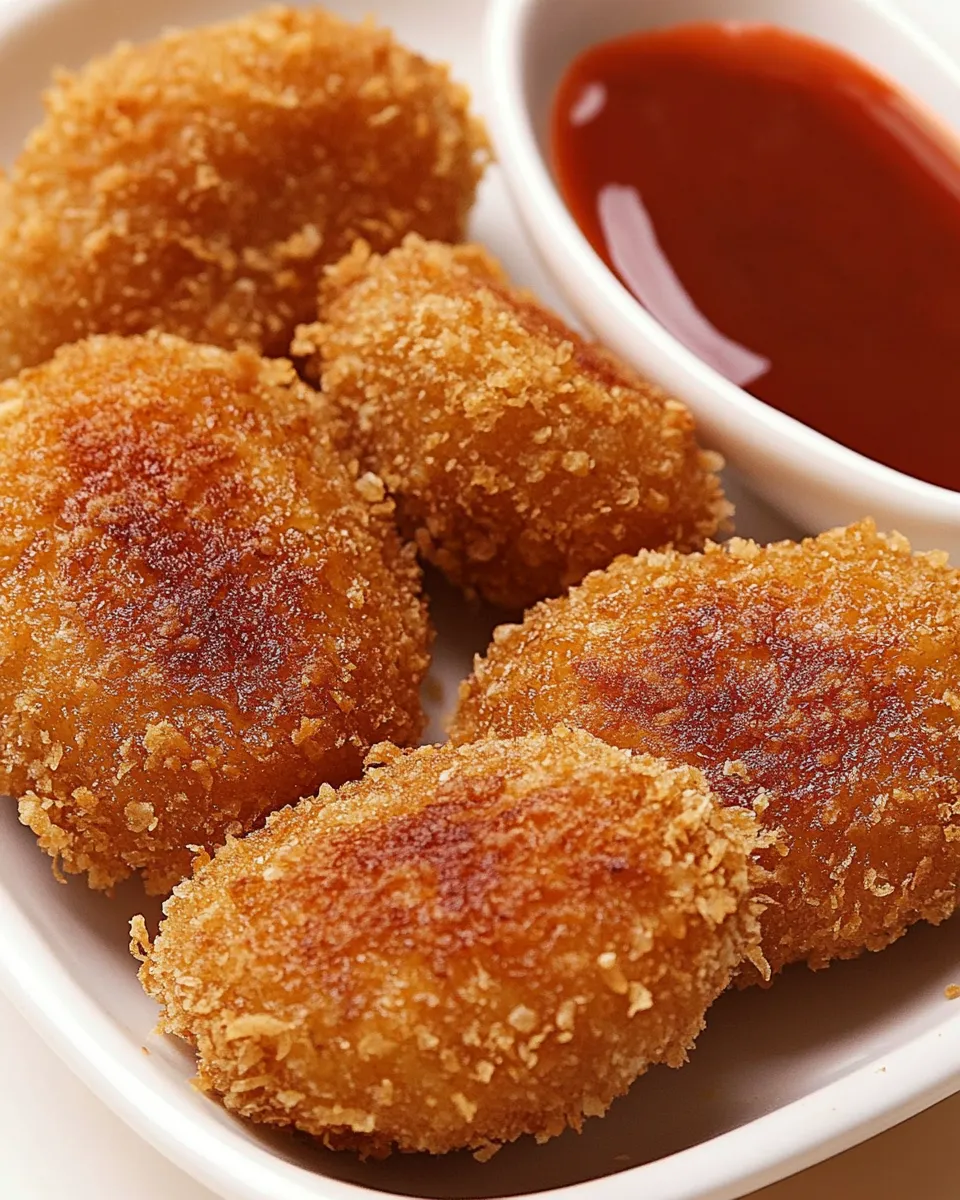
This korokke recipe balances texture and simplicity. The mash is intentionally a bit chunky so the patties retain body without turning gluey. Browning the onions before adding the beef concentrates sweetness and removes raw-onion bite. Dividing the salt and pepper between potato and meat seasons each component where it will make the most difference.
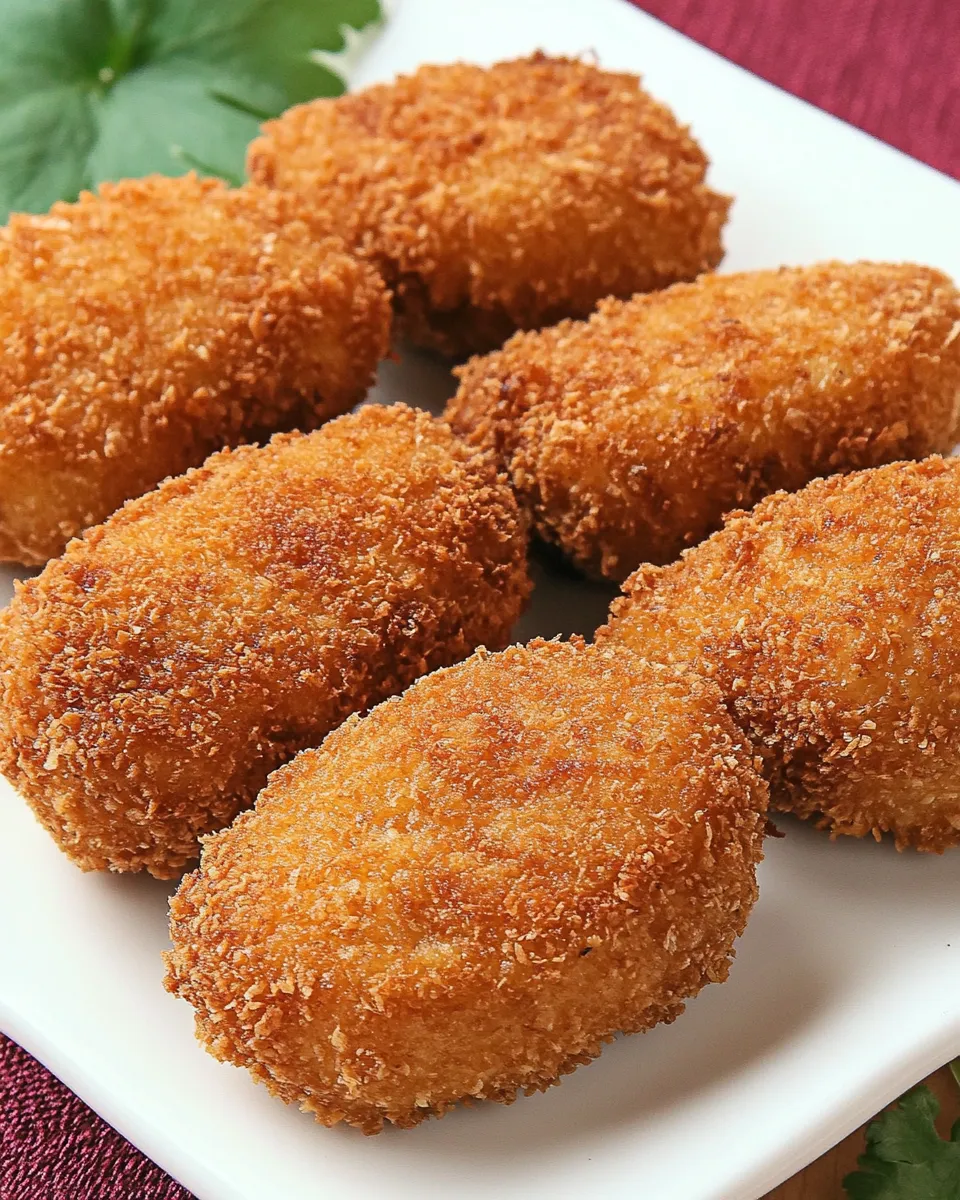
Panko is the secret weapon. It creates a crisp, airy shell that resists sogginess when fried at the right temperature. The chill step is small but crucial: 15 minutes in the fridge firms the patties so they hold shape in hot oil. The final product is a golden, crunchy exterior that gives way to a warm, tender center with clear savory notes.
Vegan & Vegetarian Swaps
You can keep the spirit of korokke without meat. For vegetarian korokke, replace the 16 ounces lean ground beef with cooked lentils (brown or green), or a mix of finely chopped mushrooms and cooked lentils. Sauté the mushrooms and onions together to concentrate flavor and reduce moisture before folding into the potatoes. For vegan korokke, swap the 1 tablespoon unsalted butter for a neutral oil or vegan butter and replace the 2 beaten eggs with an egg replacer: a mixture of 3 tablespoons aquafaba (chickpea brine) or a commercial egg replacer works well; alternatively, use a slurry of 2 tablespoons cornstarch plus 4 tablespoons water to help the panko stick.
What You’ll Need (Gear)
Good results come from the right, simple tools. You’ll want:
- Large pot — for boiling the potatoes evenly without crowding.
- Skillet — to brown the onion and cook the ground beef.
- Mixing bowl — to mash and fold the filling.
- Tray and refrigerator space — to chill shaped patties.
- Three shallow bowls — for flour, beaten eggs, and panko during breading.
- Deep pot and a thermometer — for frying; a thermometer keeps oil at the steady 350°F needed for crisp, non-greasy korokke.
- Slotted spoon or spider — to remove korokke safely and drain excess oil.
- Paper towels — to rest and drain fried korokke.
Slip-Ups to Skip
Common mistakes are easy to avoid with small adjustments. Don’t undercook your potatoes; if fork-tenderness isn’t consistent, the mash will have lumps that won’t bind. Don’t skip shaking the pot over low heat — that step removes steam and prevents watery mash. Avoid overworking the potatoes; mash until mostly smooth but keep some texture so the croquettes aren’t gummy.
Temperature control matters for frying. If oil is cooler than 350°F, korokke will absorb oil and become greasy. If it’s too hot, the crust will brown before the inside warms. Fry in small batches to maintain oil temperature and don’t overcrowd the pot.
Spring to Winter: Ideas
Korokke adapts to seasons. In spring, fold in a handful of blanched, chopped spinach or thinly sliced scallions to add freshness. Summer-friendly korokke can include grated corn or diced bell pepper (sautéed first to remove moisture). In autumn, mix in roasted pumpkin or sweet potato in place of some russet for a sweeter, richer filling. For winter, add a pinch of nutmeg to the mash or a spoonful of caramelized onion jam into the meat mix for deeper flavor.
Cook’s Notes
Texture and Binding
Resist the urge to add flour into the potato mixture to make it firmer. Instead, rely on the chilling step to firm the patties and on proper mashing technique. If your mixture feels too wet after folding in the meat, chill longer; the cold helps solidify fats and makes shaping easier.
Pressing Panko
When coating, press panko gently so it adheres but doesn’t become compacted. A light, even coating gives the best crunch.
Oil Temperature
Use a thermometer and aim for 350°F. If you don’t have a thermometer, test by dropping a small breadcrumb into the oil — it should sizzle and turn golden in about 30–40 seconds. Adjust heat to keep a consistent sizzle when frying batches.
Meal Prep & Storage Notes
To make korokke ahead: shape and bread the patties, then freeze them on a tray until solid. Transfer to a sealed bag and freeze up to 2 months. Fry from frozen, adding a minute or two to the total cook time and making sure the oil temperature recovers between batches.
Leftovers keep in the fridge for 2 days wrapped airtight; reheat in a 350°F oven on a rack so the crust stays crisp. Avoid microwaving, which makes the panko soggy.
Common Questions
Can I bake korokke instead of frying? You can. Brush or spray oil on the breaded patties and bake at 400°F on a wire rack for about 18–22 minutes, flipping halfway. The crust won’t be as deep-fried crisp, but it’s a lighter option.
Why are my korokke falling apart? The most common reasons are not chilling the patties long enough or not removing enough moisture from the potatoes. Make sure to shake the pot over low heat to evaporate steam and refrigerate patties before breading.
Can I make them smaller? Yes. Mini korokke work well as appetizers — just reduce frying time slightly and fry at the same temperature, checking frequently.
Next Steps
Gather the ingredients from the list, set up your workstation (potatoes boiling, skillet heating, three bowls for breading), and follow the steps in order. Keep a thermometer handy for frying, and plan a dipping sauce — tonkatsu is traditional, but a simple mix of ketchup and Worcestershire also works in a pinch.
Once you’ve made korokke a couple of times, you’ll feel confident to tweak fillings and sizes. For now, follow the method, respect the resting times, and enjoy the satisfying crunch and tender center that makes korokke a favorite in homes everywhere.

Korokke Recipe
Ingredients
Ingredients
- 2 poundsrusset potatoes peeled and cut into even chunks
- 1 tablespoonunsalted butter
- 1/2 teaspoonsaltdivided
- 1/4 teaspoonfreshly ground black pepper divided
- 2 teaspoonsneutral oil for sautéing
- 1 medium yellow onion finely chopped
- 16 ounceslean ground beef
- 1/2 cupall-purpose flour
- 2 eggs beaten
- 1 2/3 cupspanko breadcrumbs
- Oil for deep-frying enough for 2 inches deep
- Tonkatsu sauce for serving
Instructions
Instructions
- Place the peeled, evenly cut 2 pounds russet potatoes in a large pot and cover with cold water. Bring to a boil over high heat, then lower the heat and simmer about 20 minutes, until a fork easily pierces the potatoes.
- Drain the potatoes and return them to the pot. Place the pot over low heat and gently shake it for 1–2 minutes to evaporate excess moisture.
- Transfer the potatoes to a bowl. Add 1 tablespoon unsalted butter, 1/4 teaspoon of the 1/2 teaspoon salt (reserved), and 1/8 teaspoon of the 1/4 teaspoon freshly ground black pepper (reserved). Mash until mostly smooth but still a bit chunky. Set aside.
- Heat a skillet over medium heat and add 2 teaspoons neutral oil. Add the finely chopped medium yellow onion and cook, stirring occasionally, until soft and lightly browned, about 8 minutes.
- Add the 16 ounces lean ground beef to the skillet with the onion. Season with the remaining 1/4 teaspoon salt and the remaining 1/8 teaspoon black pepper. Break up the meat and cook, stirring, until no pink remains. Remove from heat and let the meat-and-onion mixture cool slightly (2–3 minutes).
- Fold the cooked meat and onions into the mashed potatoes. Mix gently until evenly combined.
- Divide the mixture into 8 equal portions. Shape each portion into an oval patty about 3 inches long. Place the patties on a tray and chill in the refrigerator for 15 minutes to firm up.
- While the patties chill, set up three shallow bowls: one with 1/2 cup all-purpose flour, one with the 2 beaten eggs, and one with 1 2/3 cups panko breadcrumbs.
- Dredge each chilled patty first in the flour (shake off excess), then dip in the beaten eggs, and finally coat evenly with panko, pressing gently so the breadcrumbs adhere. Repeat for all patties.
- Pour oil for deep-frying into a deep pot to a depth of about 2 inches and heat to 350°F. Fry the patties in small batches (do not overcrowd) about 2–3 minutes per side, until the exterior is golden brown and crisp.
- Remove the fried korokke with a slotted spoon and drain on paper towels. Keep warm while you finish frying the remaining batches.
- Serve the hot korokke with tonkatsu sauce on the side for dipping.
Equipment
- Large Pot
- Skillet
- Mixing Bowl
- Tray
- Three shallow bowls
- Deep pot or fryer
- Slotted spoon
- Paper Towels