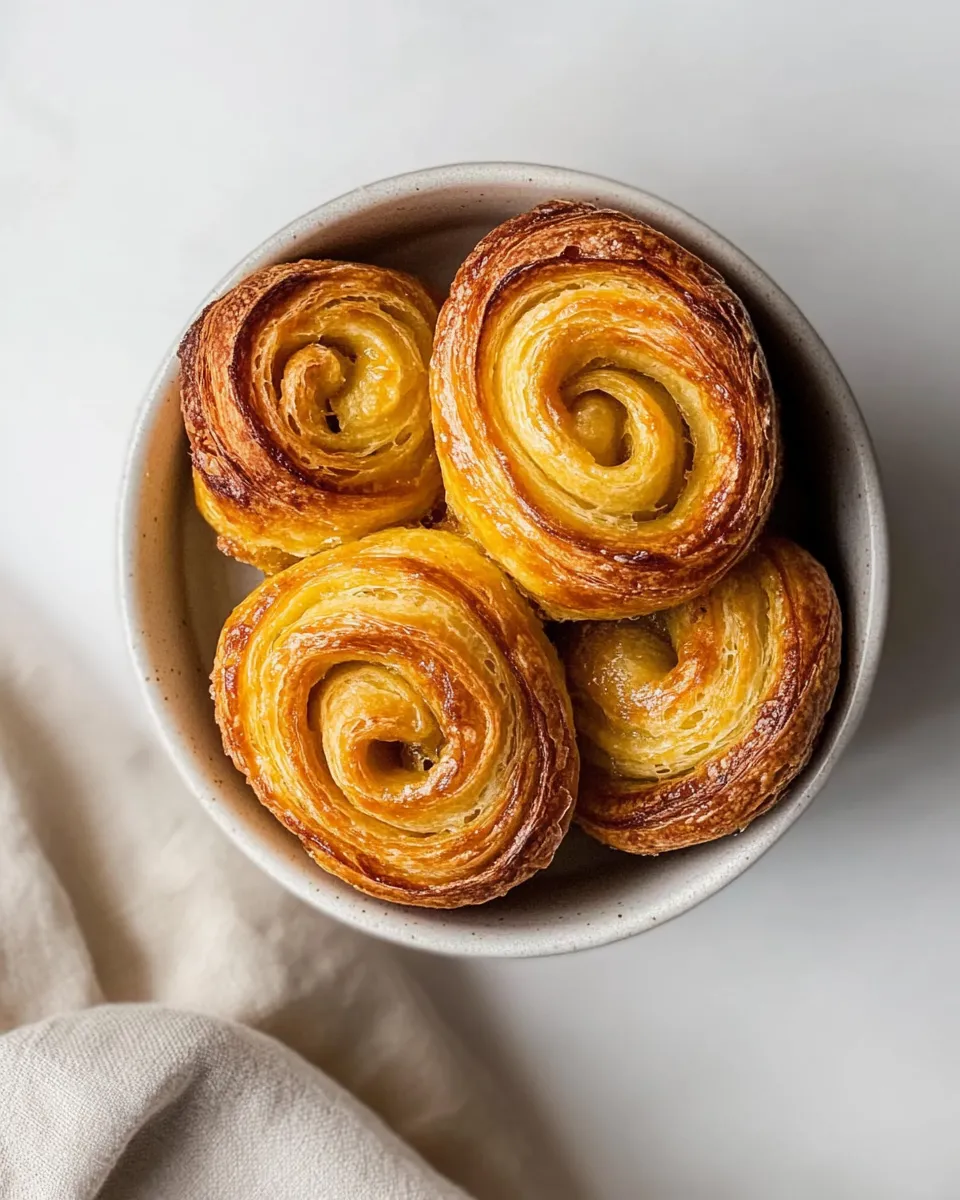
I fell for kouign-amann the first time I cracked its caramelized top and felt the butter-laced layers pull apart. It’s not dainty. It’s unapologetically buttery, crisp, and sticky in the best way. If you want a pastry that showcases simple ingredients transformed by technique, this is it.
This recipe walks you through a reliable, home-friendly method that balances manageable steps with the laminated, sugar-caramelized finish you expect. The dough is straightforward, the lamination is minimal compared to a croissant, and the payoff is a deep-golden, glossy pastry with honeyed layers.
I’ll keep this practical: what to expect, where to watch closely, and how to recover if a step goes sideways. Follow the sequence and the timing in the instructions and you’ll have kouign-amann that looks and tastes like something from a serious patisserie.
The Essentials
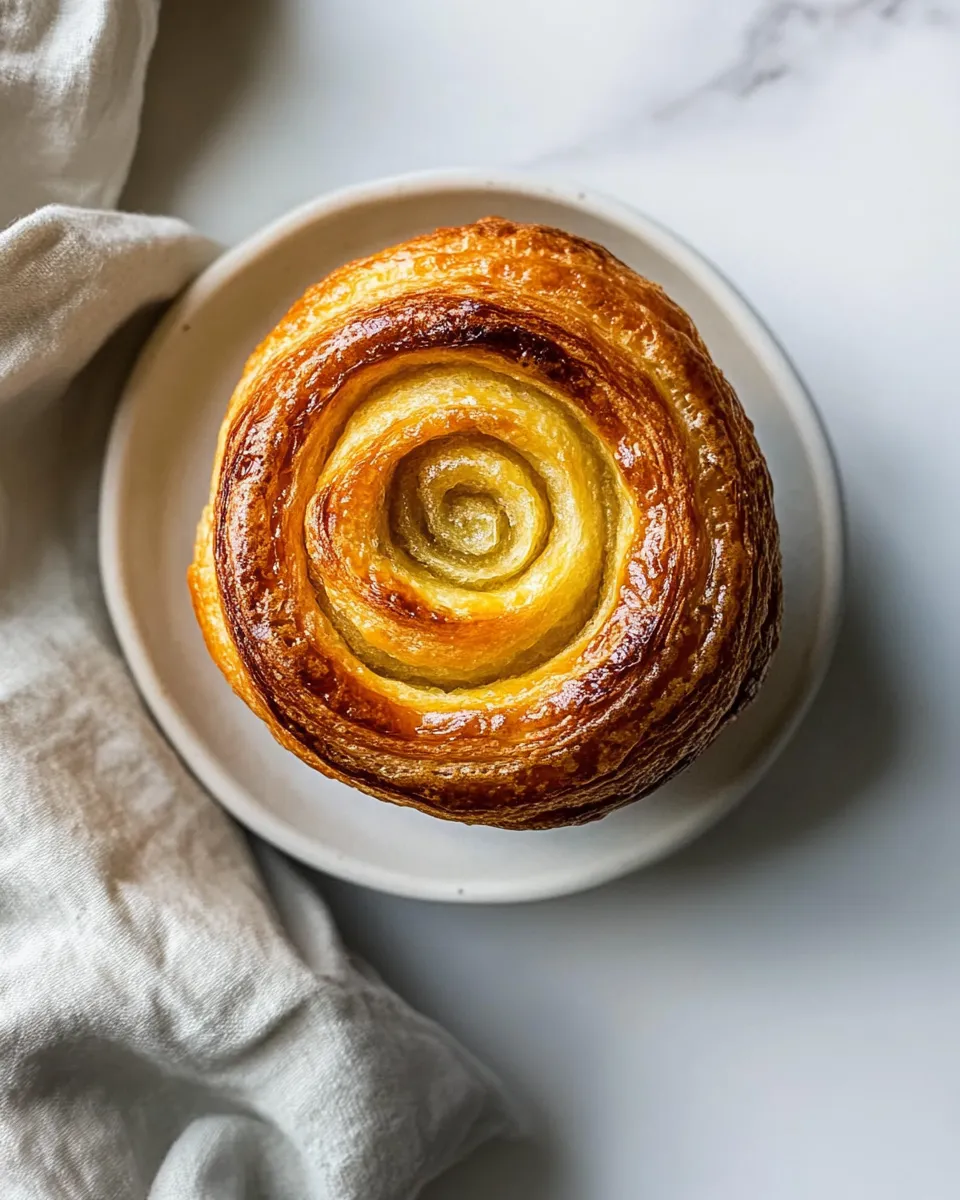
Kouign-amann is a Breton pastry built from a lean dough and a lot of butter and sugar. The technique is simpler than full lamination—think a couple of letter folds rather than a long series of turns. The sugar works with the butter during baking to produce that glossy, caramelized exterior and the tender, layered interior.
Plan for active work and intermittent chilling. You’ll mix and knead the dough, let it rise, roll and fold twice with chilled butter grated into the layers, then shape and bake. The chilling steps are important: cold butter holds its form in the dough until the oven turns it molten and the sugar caramelizes.
Treat your time in the kitchen as part of the process. The recipe doesn’t require exotic ingredients—just good butter, bread flour, sugar, yeast, salt, and water—and the technique does the heavy lifting.
Ingredients
- 2 ⅓ cup bread flour — provides strength and chew for layered structure; keep extra for dusting the surface as directed.
- 1 cup luke-warm water — hydrates the dough and activates the yeast; aim for warm but not hot to the touch.
- 1 ¼ teaspoon instant yeast — leavens the dough; instant yeast can be mixed directly with the water.
- 1 teaspoon salt — balances flavor and strengthens gluten.
- ½ cup plus 2 teaspoons granulated sugar, divided — sugar feeds the caramelization and sweetens the layers; it’s divided for the dough and finishing.
- 1 cup plus 3 tablespoons unsalted butter, divided — the heart of kouign-amann; portions are used grated between folds and a small amount reserved to grease the muffin tin.
Kouign Amann in Steps
- Stir the lukewarm water, 2 teaspoons of the granulated sugar, the salt, and the instant yeast in the bowl of a stand mixer. Let sit 5 minutes, until the mixture is foamy.
- Add the bread flour and 2 tablespoons of softened unsalted butter to the bowl. Mix with a fork or wooden spoon until a shaggy mass forms. Fit the mixer with the dough hook and knead on low speed 4–5 minutes, until the dough is smooth and slightly sticky (or knead by hand 8–10 minutes). Use additional flour for dusting as needed to prevent excessive sticking.
- Lightly oil a bowl, transfer the dough to the bowl, cover with plastic wrap or a kitchen towel, and let rise in a warm place 1–1½ hours, until doubled in size.
- Punch the dough down and turn it out onto a lightly floured surface. Use a rolling pin to roll the dough into a rectangle about 16 × 9 inches and 1/4 inch thick, keeping the shape as rectangular as possible.
- Take 1/2 cup of the unsalted butter (cold) and grate it evenly over the surface of the rolled dough. Spread the grated butter to cover most of the dough, leaving a small margin at the edges.
- Fold the dough into thirds like a letter (fold one short side toward the center, fold the other short side over it). Press the seams gently so the dough holds its rectangular shape. Wrap the folded dough in plastic wrap and chill in the refrigerator 30–60 minutes.
- Remove the chilled dough and place it on the work surface with the long side facing you. Roll it again to a rectangle about 16 × 9 inches and 1/4 inch thick.
- Grate the second 1/2 cup of cold unsalted butter evenly over the rolled dough. Spread it to cover most of the surface, then fold the dough into thirds again (letter fold). Wrap and chill the dough at least 30 minutes. (Reserve the remaining 1 tablespoon of unsalted butter for the muffin pan.)
- Preheat the oven to 375°F (190°C). Brush 1 tablespoon of the reserved unsalted butter (melted) into 8 wells of a standard muffin tin. Using some of the divided granulated sugar, lightly dust each buttered well with sugar and tap out excess; set the prepared pan aside.
- On a clean surface, use the remaining divided granulated sugar to sugar the dough for shaping: dust the work surface with sugar, place the chilled folded dough onto the sugared surface, then dust the top of the dough with more sugar. Roll the sugared dough into a rectangle about 12 × 8 inches (the sugar should be worked into the layers as you roll).
- Cut the rolled dough into 8 even strips (about 1 inch wide). Starting at one end of each strip, roll each strip up tightly (or roll loosely if you prefer a more open spiral) and place each roll into one of the prepared muffin wells, sugar side up.
- Bake the kouign-amann 30–35 minutes, until the tops are deep golden brown and the centers register about 212°F (100°C) if using an instant-read thermometer.
- Remove the pan from the oven and let the pastries cool in the pan 3–4 minutes. Carefully remove the kouign-amann from the wells (they will be hot and the sugar will be molten; use a small offset spatula if needed).
- Transfer to a wire rack and let cool about 20 minutes before serving, or cool completely and store in an airtight container.
Why This Recipe is a Keeper
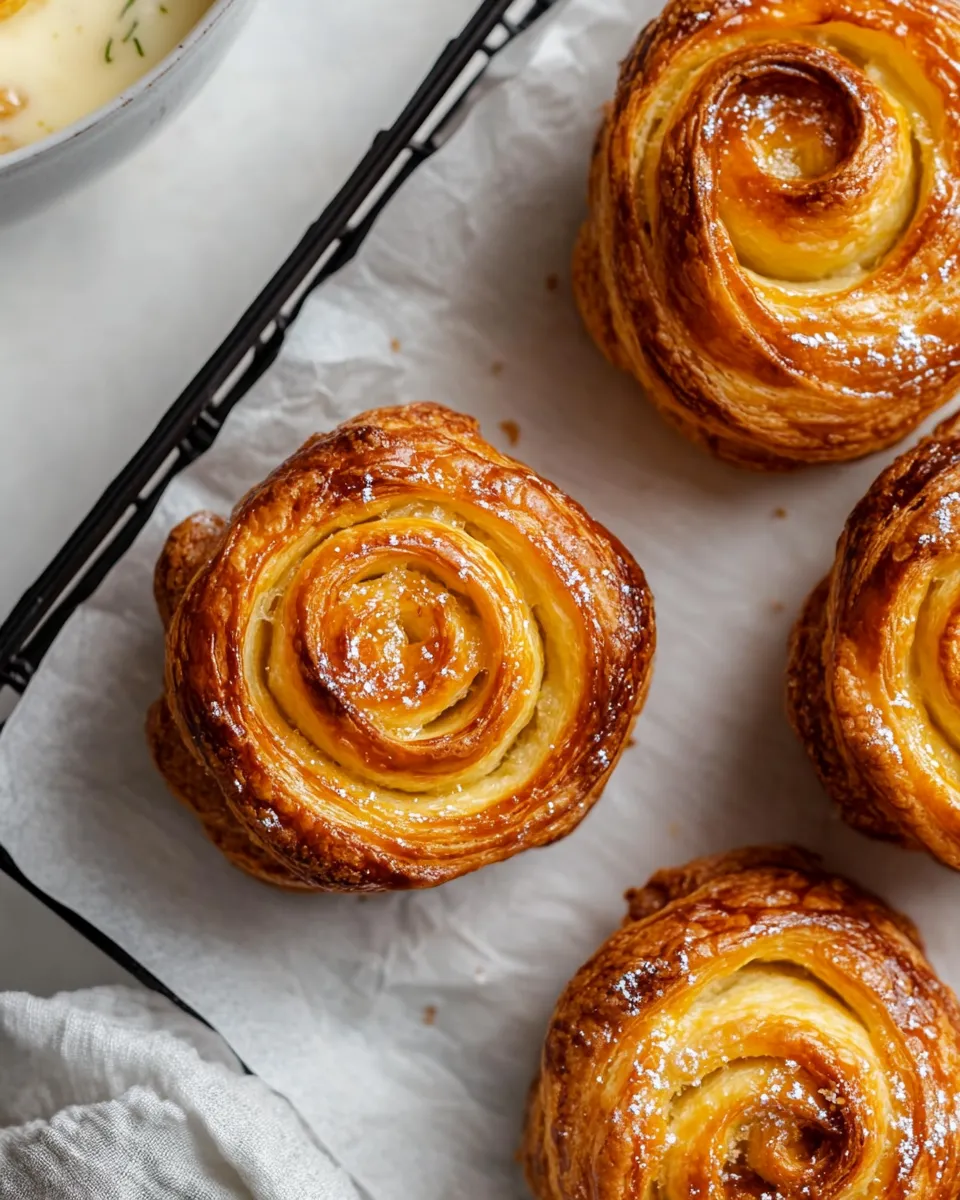
This version strips the process down to dependable steps without sacrificing the pastry’s character. The limited number of folds reduces skill threshold while still creating visible layers. Grating cold butter into the dough spreads it evenly without melting, which protects the layer structure until the oven does the rest.
The sugar strategy—some in the dough, a coating for the tin, and sugaring the rolled dough—ensures a strong caramelized crust without making the interior overly sweet. You’ll get a crisp exterior that gives way to soft, butter-rich layers. The technique also scales well: the same sequence works if you make a few extra batches.
Healthier Substitutions
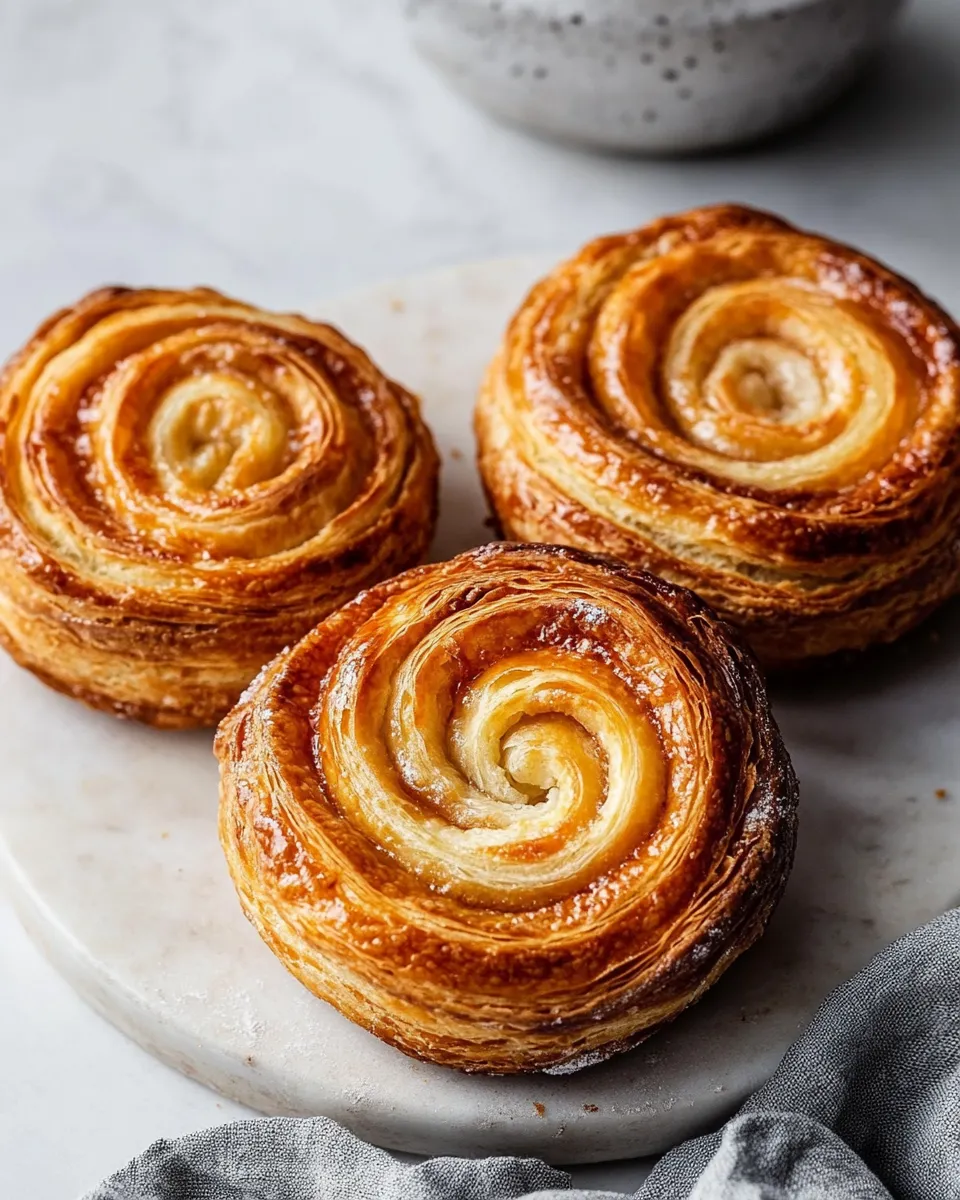
Keep in mind: kouign-amann is inherently a rich pastry. If you want to lighten it slightly, small swaps help without destroying the technique.
- Reduce sugar, a little: Cut the divided sugar by up to 1–2 tablespoons. You’ll still get caramelization but with a milder finish.
- Butter alternatives: Using a lower-fat butter substitute will change flavor and lamination behavior; expect less caramelization and a softer crust. If you try it, test one batch first so you know what to expect.
- Portion control: Make smaller portions by cutting more strips and using a mini muffin tin. The technique remains the same and you’ll reduce per-serving calories.
Must-Have Equipment
- Stand mixer with dough hook (or strong hands for an 8–10 minute manual knead).
- Rolling pin, smooth and sturdy.
- Box grater or coarse grater (for grating cold butter quickly and evenly).
- Standard 8-well muffin tin (or mini tins if you prefer smaller kouign-amann).
- Instant-read thermometer (helpful to check internal temperature for doneness).
- Wire rack for cooling and a small offset spatula for removing hot pastries.
- Plastic wrap and a kitchen towel for covered rises and chilling.
Watch Outs & How to Fix
Even with a solid recipe, a few common issues pop up. Here’s how to avoid them and how to recover when necessary.
Problem: Butter leaks during rolling or folds
Cause: Butter too warm. Fix: Chill the dough-wrapped packet for longer until the butter is firmer. Work quickly and return the dough to the fridge between shaping steps if your kitchen is warm.
Problem: No deep caramelized crust
Cause: Not enough surface sugar or oven temperature too low. Fix: Make sure you’re rolling the dough on sugared surface and dusting the top. Check your oven temperature with an oven thermometer and raise it slightly if it runs cool.
Problem: Dense interior
Cause: Underproofing or overworking after the rise. Fix: Allow the initial rise to double in size; be gentle when punching down. If the dough feels tight after shaping, let the shaped pastries rest for a few minutes before baking.
Problem: Pastries stick in the tin
Cause: Not enough butter or sugar in the wells. Fix: Brush wells with melted reserved butter and coat well with sugar; let any excess sugar fall away before adding the dough. Use an offset spatula to assist removal while still warm.
Make It Fit Your Plan
Timing and planning make kouign-amann manageable for any schedule. You can refrigerate the folded dough up to 24 hours before the final sugar roll and bake, or freeze fully baked kouign-amann for longer storage.
- Make-ahead dough: After the second fold and chill, wrap tightly and refrigerate up to 24 hours. Bring it to a cold-but-flexible state in the fridge before rolling and shaping.
- Bake day plan: The recipe’s active time is moderate; reserve about 2.5–3 hours from start to finish if you include rises and chilling. Much of that is hands-off.
- Freezing: Freeze fully cooled, wrapped kouign-amann for up to 1 month. Reheat from frozen in a 350°F oven until warmed through and crisp on the outside.
Pro Perspective
Professionals treat kouign-amann with a focus on temperature control and sugar management. I recommend these small habits that make a big difference:
- Grate butter from a chilled block: A coarse grate spreads more consistently than slices and warms more slowly as you distribute it.
- Work quickly between chilling steps: The less time butter spends soft, the clearer the layers and the better the rise.
- Use an oven thermometer and an instant-read probe: Visual color matters, but internal temperature gives confidence. The recipe’s target (about 212°F / 100°C) ensures a fully baked center.
- Finish with contrast: Variations in rolling tightness change texture. Tight rolls yield compact, laminar centers; looser spirals make an open, honeycomb interior. Try one of each to see what you prefer.
Shelf Life & Storage
Store kouign-amann at room temperature in an airtight container for up to two days for best texture. The crust will soften over time as moisture redistributes.
For longer storage, cool completely and freeze individually wrapped kouign-amann for up to one month. Reheat in a 350°F oven 8–12 minutes from thawed or 12–15 minutes from frozen, watching for restored crispness and warmed centers.
Frequently Asked Questions
- What is kouign-amann? It’s a Breton laminated pastry made with dough, lots of butter, and sugar that caramelizes into a glossy, crackly crust.
- Can I use all-purpose flour? Bread flour gives better structure and lift. All-purpose will work but may produce a slightly less defined layer and softer crumb.
- Why grate the butter? Grating distributes cold butter evenly, letting you work it into the dough layers without melting it with your hands.
- Can I make them smaller or bigger? Yes. Use a mini muffin tin for smaller portions or a larger tin and adjust baking time accordingly—watch for deep golden color and an internal temperature near 212°F (100°C).
- How do I re-crisp a slightly soft kouign-amann? Refresh in a 350°F oven for a few minutes to restore a crisp exterior.
In Closing
Kouign-amann asks for patience but rewards you with textures you can’t get from quick pastries. Stick to the chilled butter approach, use sugar thoughtfully, and mind the oven. The result is dramatic: glossy, sticky, and layered, with a satisfying contrast between crackly top and tender interior. Make a batch when you want something show-stopping and very real.
Follow the steps, keep chilled where instructed, and don’t be afraid to experiment with roll tightness to find the texture you like best. Then, slice into one while it’s warm and let the butter-sugar perfume do the rest.

Kouign Amann
Ingredients
Ingredients
- 2 1/3 cupbread flouradditional for dusting
- 1 cupluke-warm water
- 1 1/4 teaspooninstant yeast
- 1 teaspoonsalt
- 1/2 cupplus 2 teaspoons granulated sugardivided
- 1 cupplus 3 tablespoons unsalted butterdivided
Instructions
Instructions
- Stir the lukewarm water, 2 teaspoons of the granulated sugar, the salt, and the instant yeast in the bowl of a stand mixer. Let sit 5 minutes, until the mixture is foamy.
- Add the bread flour and 2 tablespoons of softened unsalted butter to the bowl. Mix with a fork or wooden spoon until a shaggy mass forms. Fit the mixer with the dough hook and knead on low speed 4–5 minutes, until the dough is smooth and slightly sticky (or knead by hand 8–10 minutes). Use additional flour for dusting as needed to prevent excessive sticking.
- Lightly oil a bowl, transfer the dough to the bowl, cover with plastic wrap or a kitchen towel, and let rise in a warm place 1–1½ hours, until doubled in size.
- Punch the dough down and turn it out onto a lightly floured surface. Use a rolling pin to roll the dough into a rectangle about 16 × 9 inches and 1/4 inch thick, keeping the shape as rectangular as possible.
- Take 1/2 cup of the unsalted butter (cold) and grate it evenly over the surface of the rolled dough. Spread the grated butter to cover most of the dough, leaving a small margin at the edges.
- Fold the dough into thirds like a letter (fold one short side toward the center, fold the other short side over it). Press the seams gently so the dough holds its rectangular shape. Wrap the folded dough in plastic wrap and chill in the refrigerator 30–60 minutes.
- Remove the chilled dough and place it on the work surface with the long side facing you. Roll it again to a rectangle about 16 × 9 inches and 1/4 inch thick.
- Grate the second 1/2 cup of cold unsalted butter evenly over the rolled dough. Spread it to cover most of the surface, then fold the dough into thirds again (letter fold). Wrap and chill the dough at least 30 minutes. (Reserve the remaining 1 tablespoon of unsalted butter for the muffin pan.)
- Preheat the oven to 375°F (190°C). Brush 1 tablespoon of the reserved unsalted butter (melted) into 8 wells of a standard muffin tin. Using some of the divided granulated sugar, lightly dust each buttered well with sugar and tap out excess; set the prepared pan aside.
- On a clean surface, use the remaining divided granulated sugar to sugar the dough for shaping: dust the work surface with sugar, place the chilled folded dough onto the sugared surface, then dust the top of the dough with more sugar. Roll the sugared dough into a rectangle about 12 × 8 inches (the sugar should be worked into the layers as you roll).
- Cut the rolled dough into 8 even strips (about 1 inch wide). Starting at one end of each strip, roll each strip up tightly (or roll loosely if you prefer a more open spiral) and place each roll into one of the prepared muffin wells, sugar side up.
- Bake the kouign-amann 30–35 minutes, until the tops are deep golden brown and the centers register about 212°F (100°C) if using an instant-read thermometer.
- Remove the pan from the oven and let the pastries cool in the pan 3–4 minutes. Carefully remove the kouign-amann from the wells (they will be hot and the sugar will be molten; use a small offset spatula if needed).
- Transfer to a wire rack and let cool about 20 minutes before serving, or cool completely and store in an airtight container.