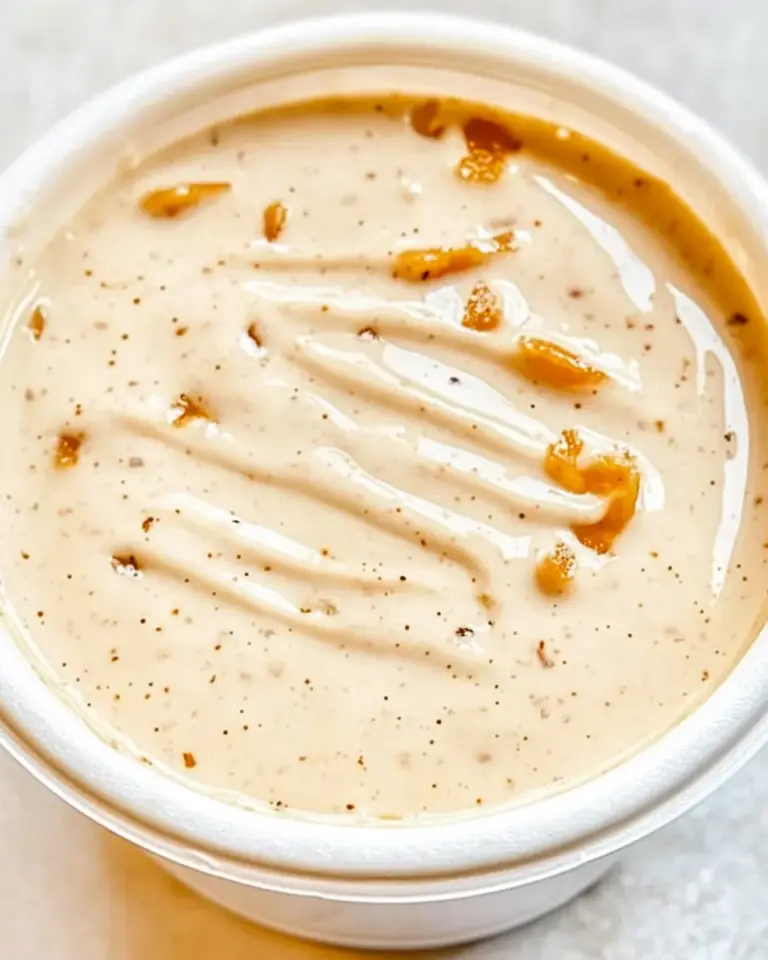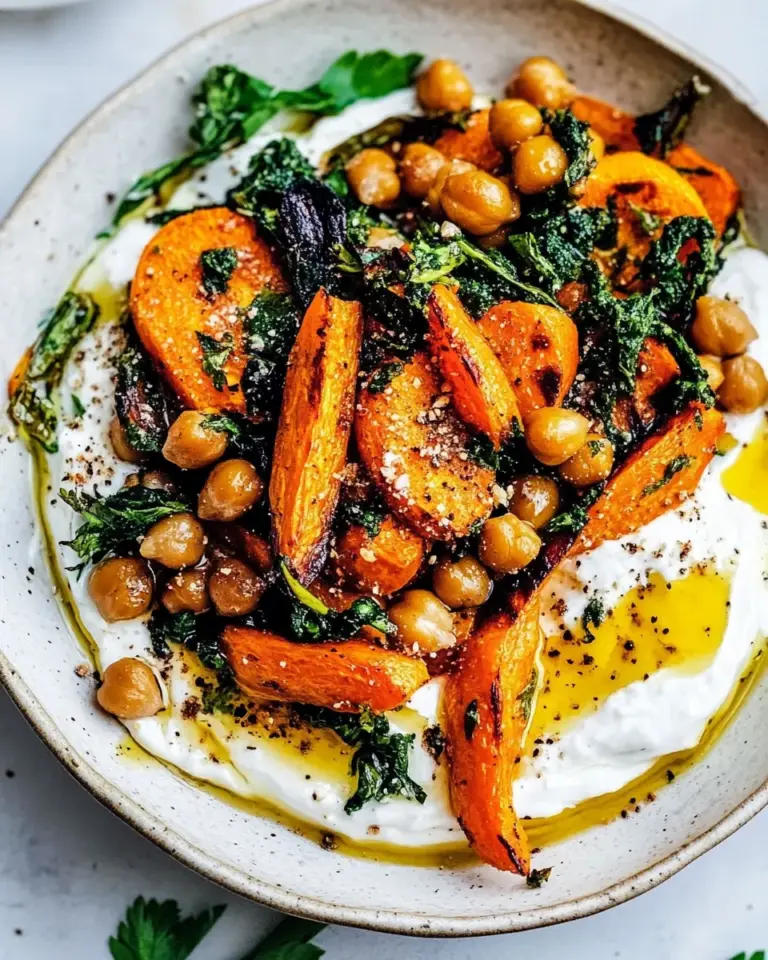
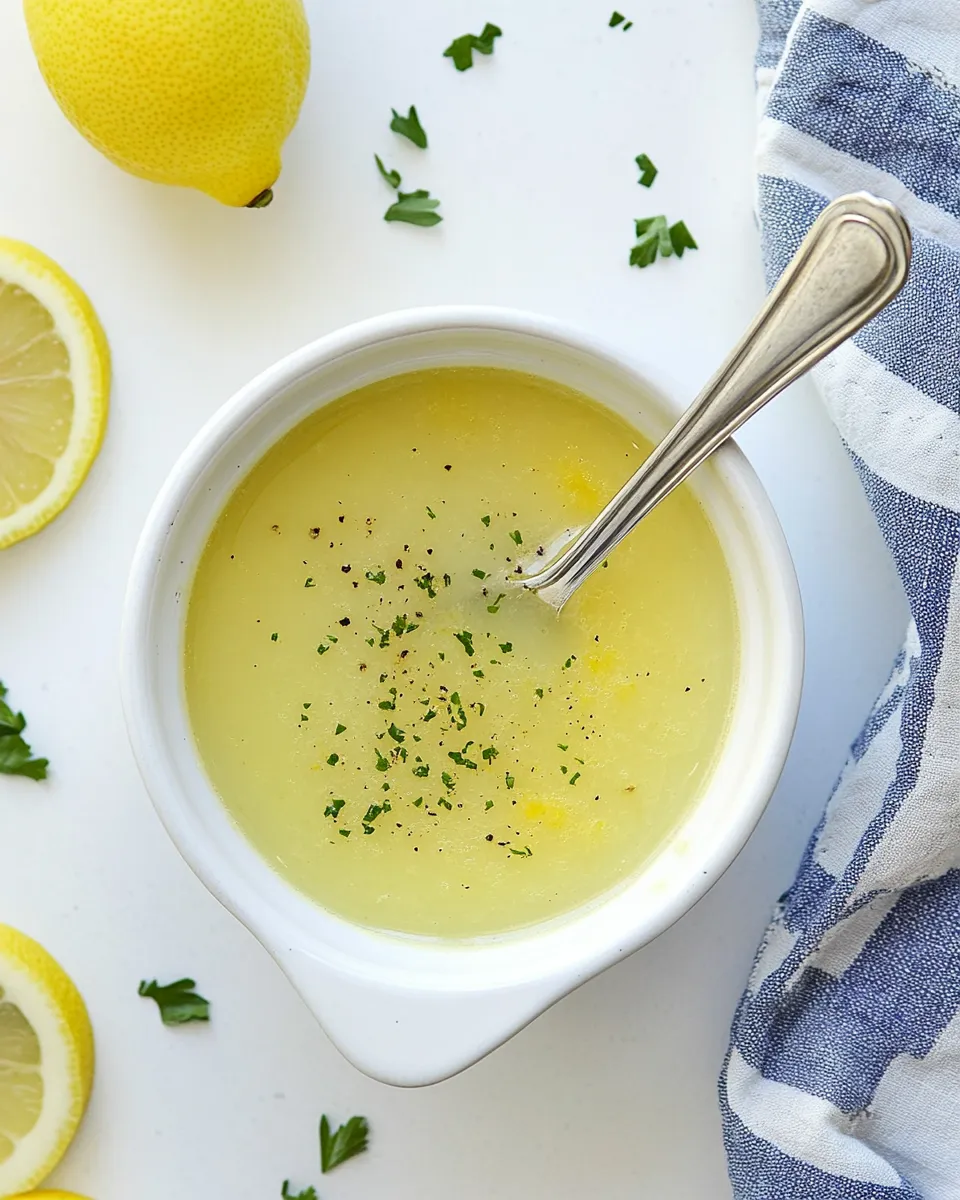
I make this lemon butter sauce whenever I want to add bright, silky flavor to a simple weeknight fish, steamed vegetables, or a plate of roasted potatoes. It’s one of those small things that makes the whole meal feel composed and a little special without adding fuss. The sauce comes together in minutes and asks only for attention, not technique.
There’s no heavy cream here — just butter, lemon, garlic, and a few seasonings. That keeps the sauce bright and fresh while still giving you that luxurious mouthfeel butter provides. It’s forgiving, quick to pull off, and easy to tweak to match whatever you’re serving it with.
Below I’ll walk you through the exact ingredients and the precise steps, plus useful troubleshooting and storage tips so you can make this reliably every time. Read through the pointers, and then get your butter melting — this one really rewards the small details.
The Ingredient Lineup
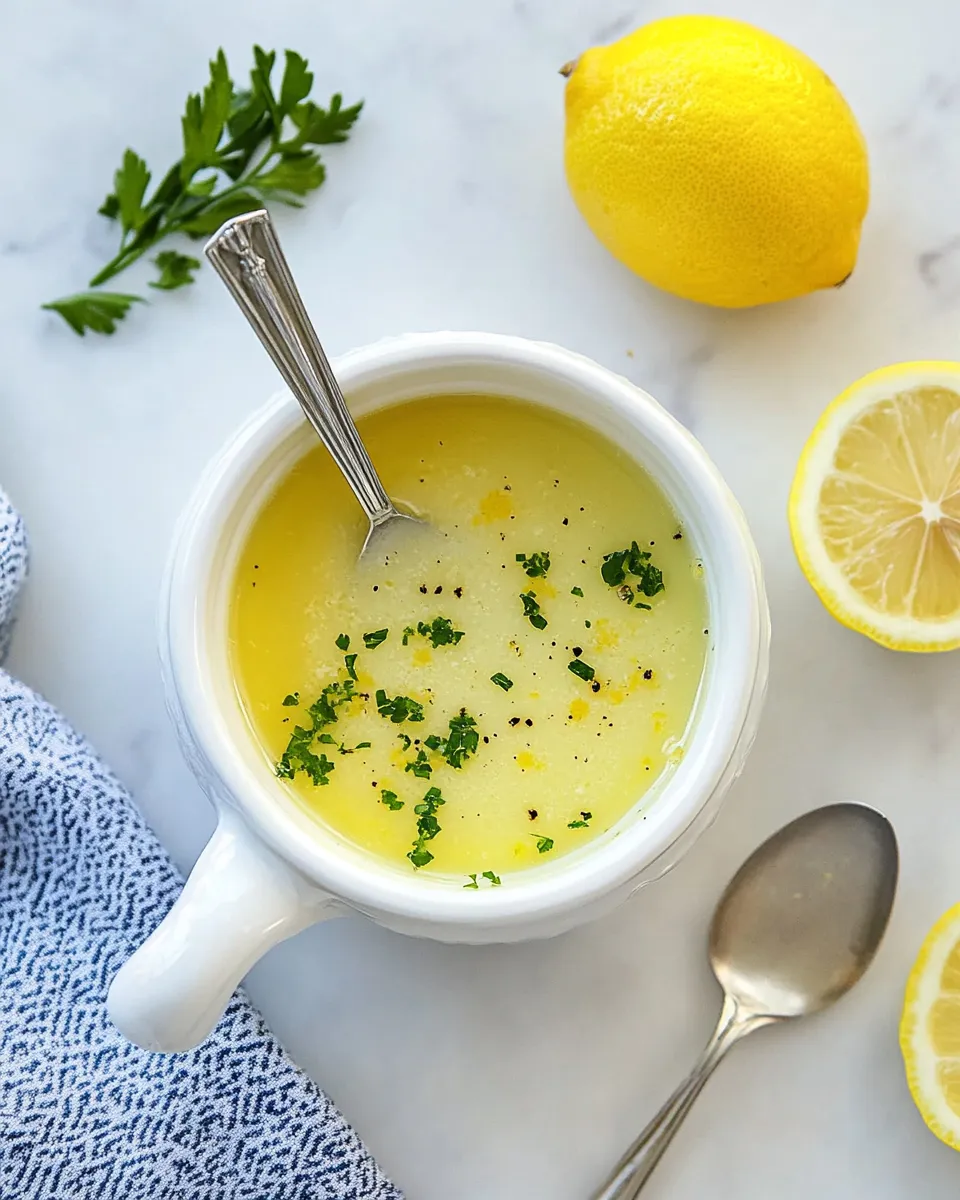
Ingredients
- ¼ cup unsalted butter, cut into pieces — the base of the sauce; cutting it into pieces helps it melt evenly over low heat.
- 1 garlic clove, grated — gives aromatic depth; grating releases more flavor in the short cook time than chopping.
- ¼ teaspoon sea salt — seasons the butter and helps balance the lemon’s acidity.
- 2 tablespoons fresh lemon juice — the bright acid that defines the sauce; always use fresh for the cleanest flavor.
- Freshly ground black pepper — to taste; adds a gentle bite and rounds out the richness.
- Parsley, for garnish — optional, but it adds color and a fresh herbal note.
- Pinch red pepper flakes, optional — if you like a little heat to lift the butter’s richness.
Cook Lemon Butter Sauce Like This
- Put the 1/4 cup unsalted butter (cut into pieces) in a small saucepan over low heat.
- Stir the butter until melted, taking care not to let it brown.
- Add the grated garlic clove and 1/4 teaspoon sea salt; cook, stirring, about 1 minute, until the garlic is fragrant but not browned.
- Remove the pan from the heat and immediately stir in 2 tablespoons fresh lemon juice until combined.
- Season with freshly ground black pepper to taste.
- Transfer to a serving dish and garnish with parsley; add a pinch of red pepper flakes if using. Serve warm.
What You’ll Love About This Recipe
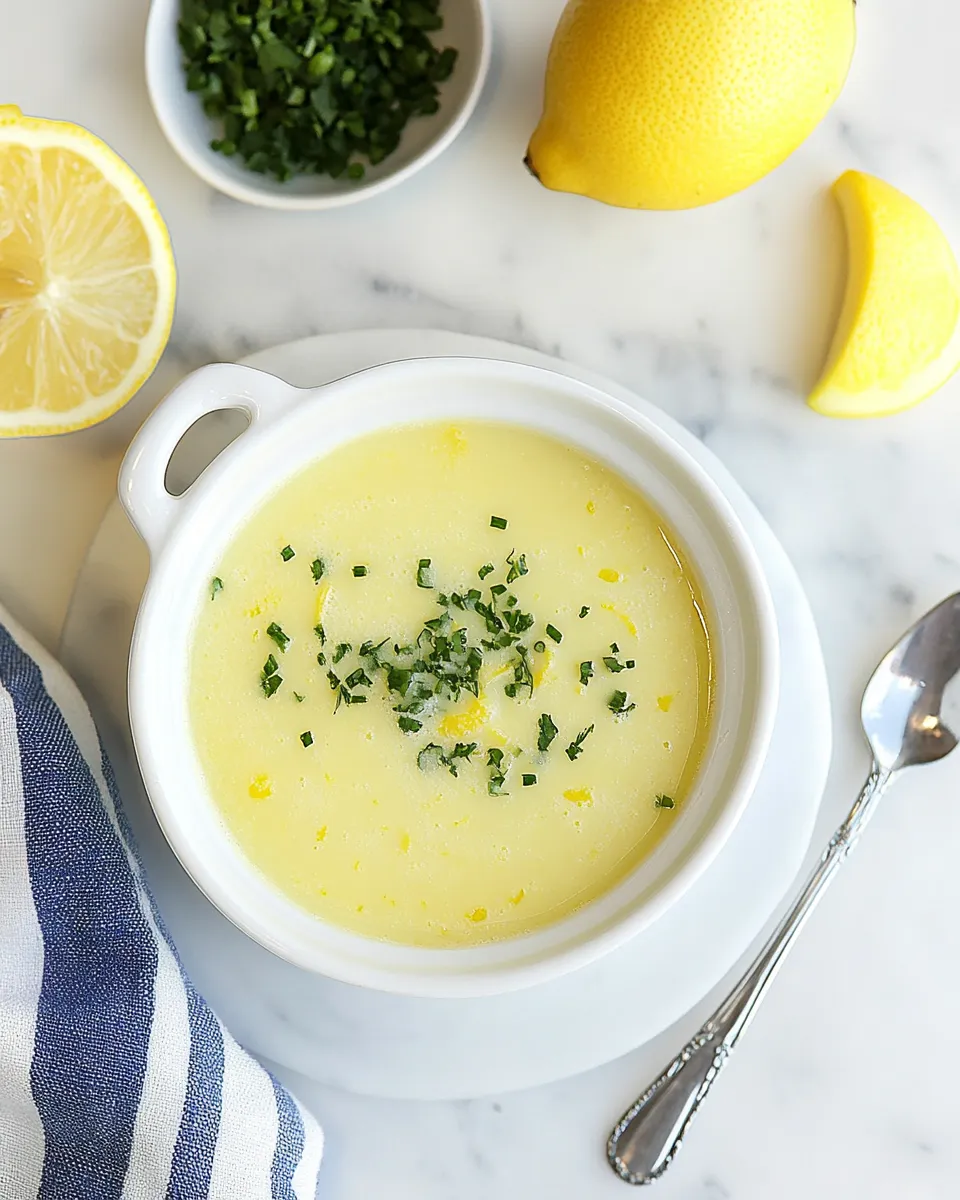
This is a tiny recipe with a big impact. It brightens and elevates simple proteins and vegetables without masking their flavor. Because it’s made with butter and lemon, it hits both richness and acidity — a contrast that feels sophisticated but honestly takes seconds to produce.
It’s flexible. Use it on seared scallops, grilled shrimp, roasted carrots, or steamed broccoli. It’s also the kind of sauce you can multiply for entertaining or halve for a solo dinner. The whole thing comes together in under five minutes if your butter is measured and your lemon is juiced, which makes it perfect for last-minute finishing touches.
You’ll also appreciate how forgiving it is. The low-heat method and the immediate addition of lemon help prevent the butter from browning and the garlic from burning. Follow the order, and you’ll end up with a glossy, fresh sauce every time.
Low-Carb/Keto Alternatives
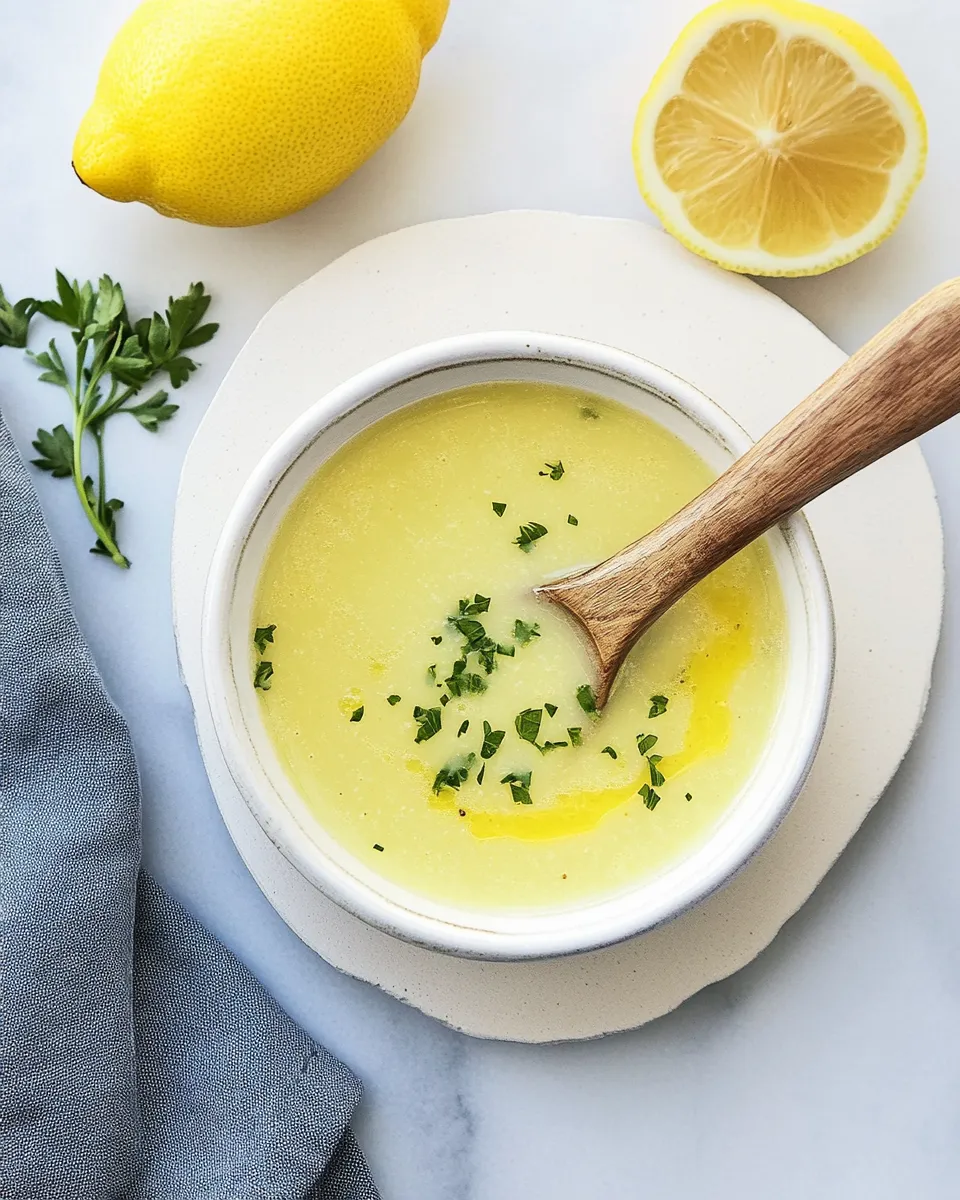
This sauce is already very low in carbs — butter and lemon juice contain minimal carbohydrates — so it fits comfortably into most low-carb and keto plans. If you’re tracking macros closely, keep these points in mind:
- Lemon juice: Two tablespoons of fresh lemon juice contribute a negligible amount of carbs; you don’t need to swap it out.
- Butter: Unsalted butter is keto-friendly. If you prefer, use grass-fed butter for a slightly different fat profile and flavor.
- Optional heat: Red pepper flakes and freshly ground pepper are carb-free and add complexity without changing macros.
Tools of the Trade
There’s no need for fancy equipment — but a few simple items make the process smooth and reliable:
- Small saucepan: A 1- or 2-quart pan is ideal so the butter melts evenly without pooling too much heat.
- Microplane or fine grater: For the grated garlic — it disperses more evenly and releases flavor quickly.
- Heatproof spoon or small whisk: For stirring and combining the lemon into the butter immediately off the heat.
- Measuring spoons and cups: Accurate amounts matter here; too much lemon can overpower the butter.
Troubleshooting Tips
If your butter browns or the garlic cooks too dark
That happens when the heat’s too high. Move the pan to the lowest setting or remove it from the burner briefly while stirring. Browned butter is delicious in other contexts, but for this sauce you want a clean, pale finish. If the garlic darkens, discard and start over with fresh butter and garlic — browned garlic turns bitter quickly.
If the sauce looks separated or oily
Separation can occur if the butter and lemon aren’t combined gently and removed from heat in time. If it separates slightly, stirring vigorously off the heat can help recombine it. Serve immediately while still warm and emulsified. Don’t reheat aggressively; that will encourage further separation.
If the sauce tastes too tart or too salty
Adjustments are straightforward. If it’s too lemon-forward, stir in a tiny extra piece of cold butter off the heat to mellow the acidity. If it’s too salty, add a squeeze more lemon (counterintuitive but effective) or a small pinch of sugar — reserve sugar as a last resort since it changes the profile.
Nutrition-Minded Tweaks
If you’re trying to reduce fat without sacrificing too much of the buttery mouthfeel, here are some measured options. None are necessary, but they can shift the nutrition profile:
- Replace half the butter with a mild olive oil to lower saturated fat; the sauce will be slightly less opaque and more olive-forward.
- Use cultured or whipped butter sparingly for lower calories per tablespoon if you’re measuring by volume, though flavor and texture will differ slightly.
- Keep the lemon juice as-is — it provides flavor and brightness for very few calories.
Remember: these tweaks alter flavor and texture. I recommend trying the original version first, then experimenting if you need to hit specific nutrition targets.
Pro Tips & Notes
Here are a few practical notes that make this sauce more reliable and versatile in real kitchen situations.
- Prep first: Measure the butter, grate the garlic, and juice the lemon before you heat the pan. Once the butter is warm, things move quickly.
- Low and slow: Always melt over low heat. The goal is a pale, glossy butter — not browned or nutty flavors.
- Garlic timing: Grated garlic needs only about a minute to become fragrant. Watch it closely; even a brief contact with higher heat will darken it.
- Finish off-heat: Removing the pan from the heat before adding lemon preserves the fresh acid flavor and helps maintain an emulsion.
- Warm serving dish: If you’re serving the sauce with something hot, warm the serving vessel so the butter stays fluid when plated.
Storing Tips & Timelines
This sauce is best used immediately, while warm and emulsified. If you have leftovers, refrigerate them in an airtight container for up to 2 days. The butter will solidify; to reuse, gently warm the container in a water bath (double boiler style) and whisk to recombine — do not microwave aggressively.
If you plan to make the sauce ahead for a dinner party, prepare the components (grated garlic and measured lemon juice) and keep them chilled. Finish the sauce just before serving to preserve freshness and texture.
Quick Questions
- Can I use minced garlic instead of grated? — Yes, but grated offers a finer texture and releases flavor faster. If you use minced, watch for small bits browning sooner.
- What if I don’t have fresh lemon? — Fresh juice is strongly recommended. Bottled lemon juice lacks brightness and will change the final flavor.
- Is there a dairy-free option? — You can approximate the profile with a neutral oil plus a small amount of vegan butter for mouthfeel, but the classic sauce’s texture and flavor are rooted in real butter.
- Can I double the recipe? — Yes. Use a slightly larger saucepan and melt the butter slowly; the method remains the same.
- How much sauce per serving? — This recipe makes a small amount, ideal for 2-3 servings as a finishing sauce. Multiply if you need more.
Wrap-Up
This lemon butter sauce is a finishing move that lifts a meal with very little fuss. It’s bright, buttery, and versatile — a reliable friend for both weekday dinners and small gatherings. Follow the low-heat method, keep the garlic pale, and add lemon off the heat for the cleanest flavor. Once you’ve made it a few times, you’ll know how to adjust the pepper, parsley, or red pepper flakes to match your meal.
Keep the recipe handy. It’s the kind of small, dependable recipe that becomes a go-to because it’s fast, consistent, and so very effective at making simple food taste a little more intentional. Enjoy — and don’t forget to taste as you season.

Lemon Butter Sauce
Ingredients
Ingredients
- 1/4 cupunsalted butter cut into pieces
- 1 garlic clove grated
- 1/4 teaspoonsea salt
- 2 tablespoonsfresh lemon juice
- Freshly ground black pepper
- Parsley for garnish
- Pinchred pepper flakes optional
Instructions
Instructions
- Put the 1/4 cup unsalted butter (cut into pieces) in a small saucepan over low heat.
- Stir the butter until melted, taking care not to let it brown.
- Add the grated garlic clove and 1/4 teaspoon sea salt; cook, stirring, about 1 minute, until the garlic is fragrant but not browned.
- Remove the pan from the heat and immediately stir in 2 tablespoons fresh lemon juice until combined.
- Season with freshly ground black pepper to taste.
- Transfer to a serving dish and garnish with parsley; add a pinch of red pepper flakes if using. Serve warm.
Equipment
- Small Saucepan
- Serving dish
Notes
Make this recipe vegan by using vegan butter. Because vegan butter is already salted, omit the salt, and season to taste.