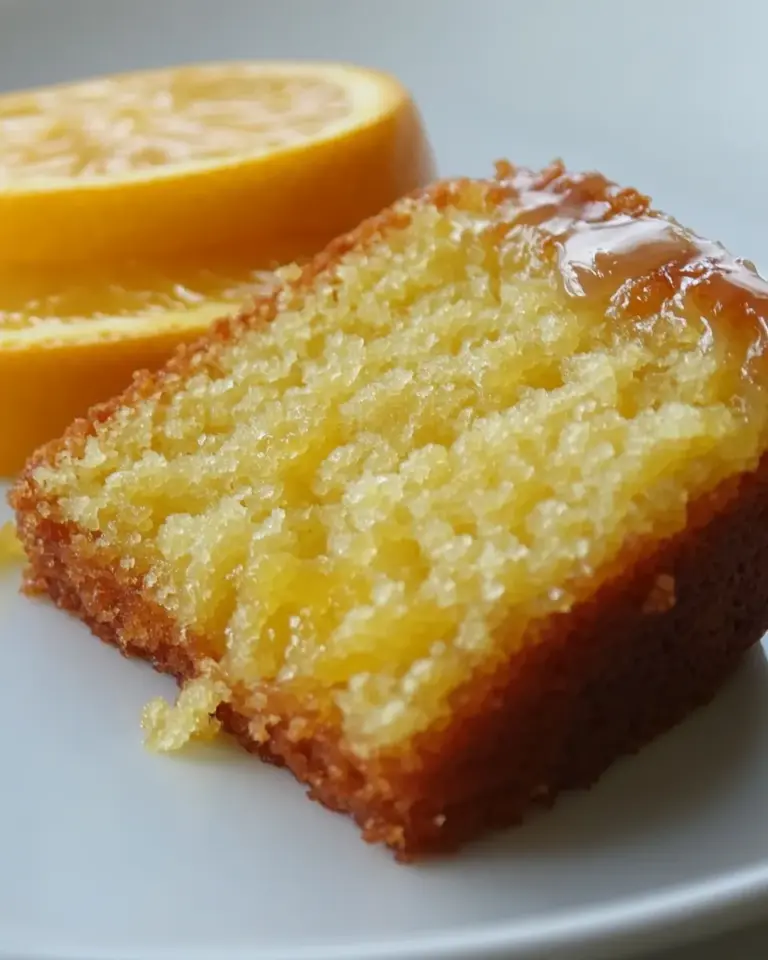
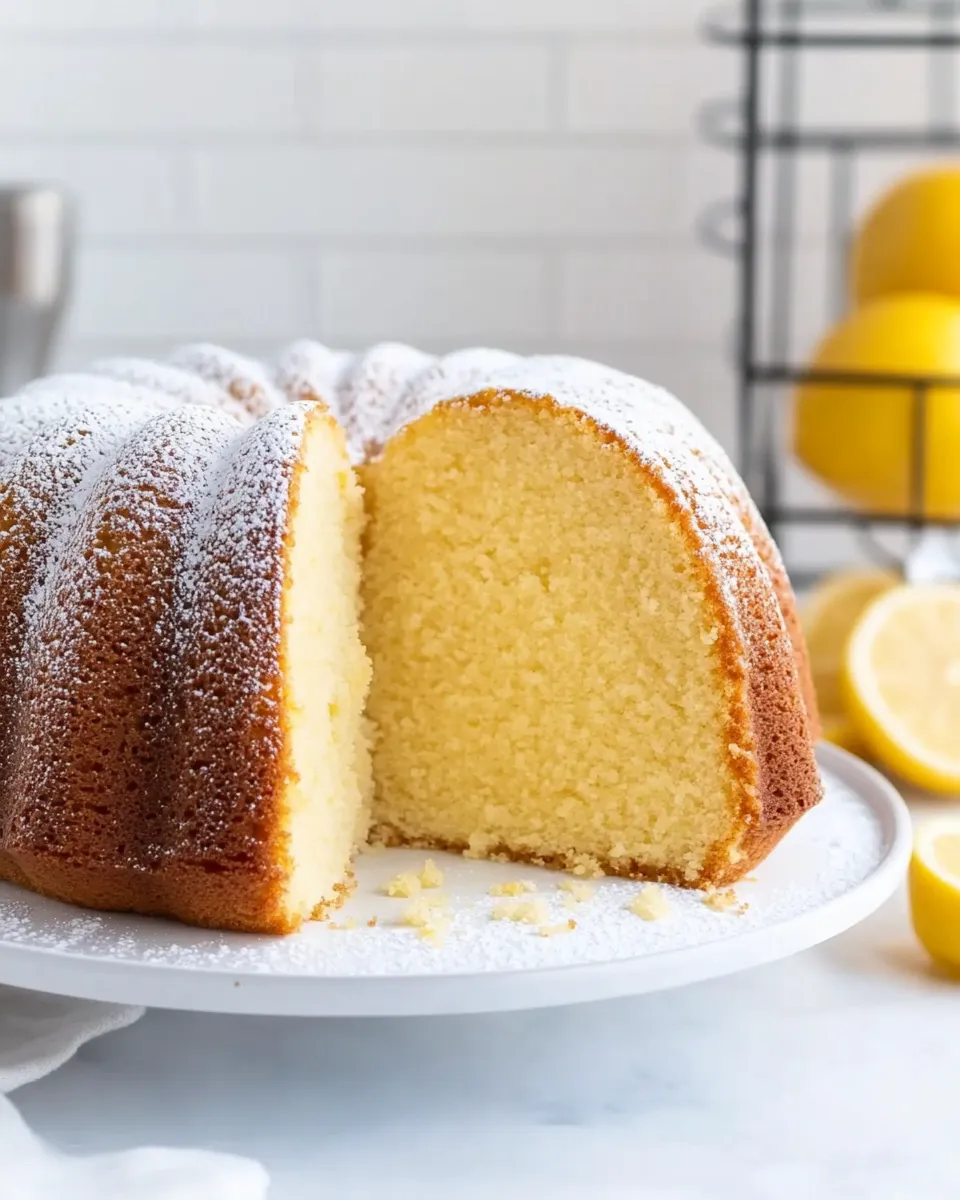
This lemon cream cheese pound cake is exactly the kind of baking project that rewards patience. It’s straightforward, forgiving, and delivers a dense, tender crumb with a bright lemon lift. The cream cheese keeps the cake moist for days, while the lemon syrup seals in flavor and gives the surface a delicate sheen.
I test this one often when friends ask for something classic but not fussy. The recipe follows a reliable rhythm: cream, zest the sugar, add eggs, fold in flour, and finish with a warm lemon syrup. You don’t need exotic tools—just a stand mixer or a good hand mixer, a bundt pan, and a little attention to timing.
Read through the steps once before you start, gather your ingredients, and set your cream cheese and butter out to warm. I’ll walk you through equipment, common mistakes, sensible swaps, and how to store or freeze slices. Let’s get baking.
Ingredients at a Glance
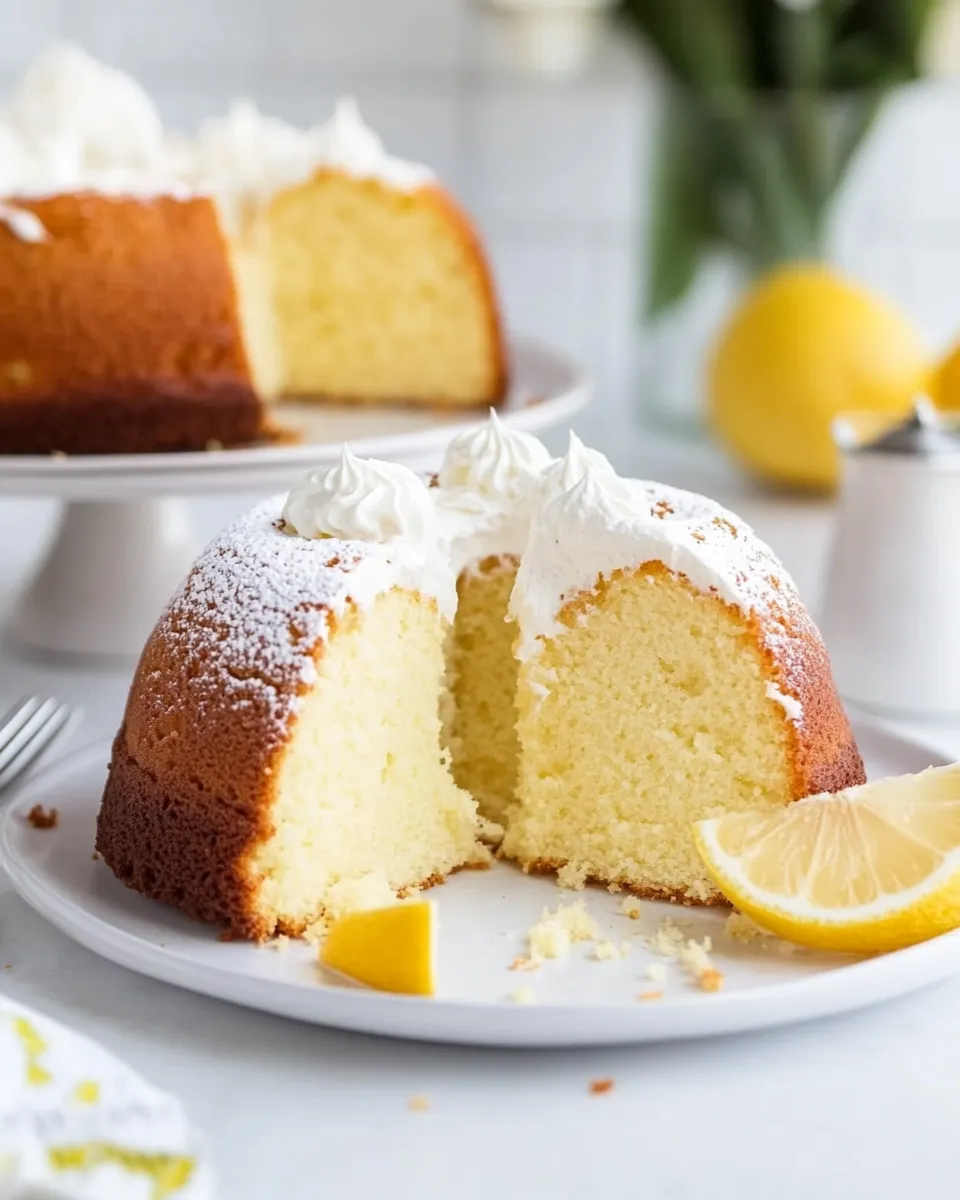
- 8 ounces cream cheese, room temperature — softens the batter and adds tangy richness and moisture.
- 1 ½ cups unsalted butter, room temperature — provides structure and tenderness; unsalted lets you control seasoning.
- Zest of 4 lemons — concentrates lemon oils into the sugar for maximum fragrance.
- 3 cups sugar — sweetens and, when creamed with butter and cream cheese, creates a tender crumb.
- 6 large eggs — bind and enrich; add them two at a time for stable emulsion.
- 3 cups all-purpose flour — the main structure; measure by spooning and leveling for accuracy.
- 1 tablespoon pure vanilla extract — rounds flavors and softens sharp lemon notes.
- 2 tablespoons lemon juice — brightens the batter and complements the zest.
- 1 teaspoon lemon extract (optional) — use sparingly for extra lemon punch if desired.
- 2 tablespoons sugar — for the syrup; helps the glaze set on the warm cake.
- 2 tablespoons water — combines with sugar and lemon juice to make the syrup.
- 1 ½ tablespoons lemon juice — in the syrup, it adds fresh acidity and shine.
Cooking (Lemon Cream Cheese Pound Cake): The Process
- Preheat oven to 325°F. Grease and flour a 10-inch bundt pan.
- In the bowl of a stand mixer fitted with the paddle attachment, or in a large bowl with a hand mixer, beat 8 ounces room-temperature cream cheese and 1 ½ cups room-temperature unsalted butter until smooth and combined.
- In a medium bowl, combine 3 cups sugar and the zest of 4 lemons; rub together with your fingertips until the sugar is moistened and fragrant.
- With the mixer on low, gradually add the sugar–zest mixture to the butter–cream cheese mixture. Increase speed to medium and beat until light and fluffy, about 3 minutes.
- Add the 6 large eggs two at a time, beating well after each addition and scraping down the bowl as needed.
- Add 3 cups all-purpose flour all at once and mix on low to medium just until no large streaks of flour remain (do not overmix).
- Add 1 tablespoon pure vanilla extract, 2 tablespoons lemon juice, and 1 teaspoon lemon extract (optional); mix briefly to combine.
- Pour the batter into the prepared bundt pan and smooth the top. Bake at 325°F for 1 hour 25 minutes to 1 hour 30 minutes, checking for doneness at 1 hour. The cake is done when a toothpick inserted into the center comes out clean or with a few moist crumbs.
- Remove the cake from the oven and let it cool in the pan for a few minutes (about 10 minutes). Invert the cake onto a wire rack set over a baking sheet or plate.
- While the cake is still warm, make the syrup: in a small saucepan bring 2 tablespoons sugar, 2 tablespoons water, and 1 ½ tablespoons lemon juice to a boil, then remove from heat.
- Brush the warm syrup evenly over the warm cake (top and sides), using all the syrup. Let the cake cool completely on the wire rack before slicing.
Why I Love This Recipe
This cake hits the sweet spot between rich and bright. The cream cheese keeps the crumb velvety and moist without making it heavy. The lemon elements—both zest in the sugar and the syrup brushed on at the end—deliver a clear, fresh lemon note without tasting artificial.
It also behaves predictably in the oven. Because the temperature is moderate and the batter is dense, the cake bakes evenly and tolerates small timing differences quite well. It’s a great recipe to rely on when you need a showstopping cake for a casual dinner or a special brunch.
Beyond flavor and texture, it stores and freezes admirably. Slices maintain moistness, and the cake keeps its integrity even after a couple of days in the fridge. For feeding a crowd, it’s reliable, scalable, and forgiving in the hands of an intermediate home baker.
International Equivalents
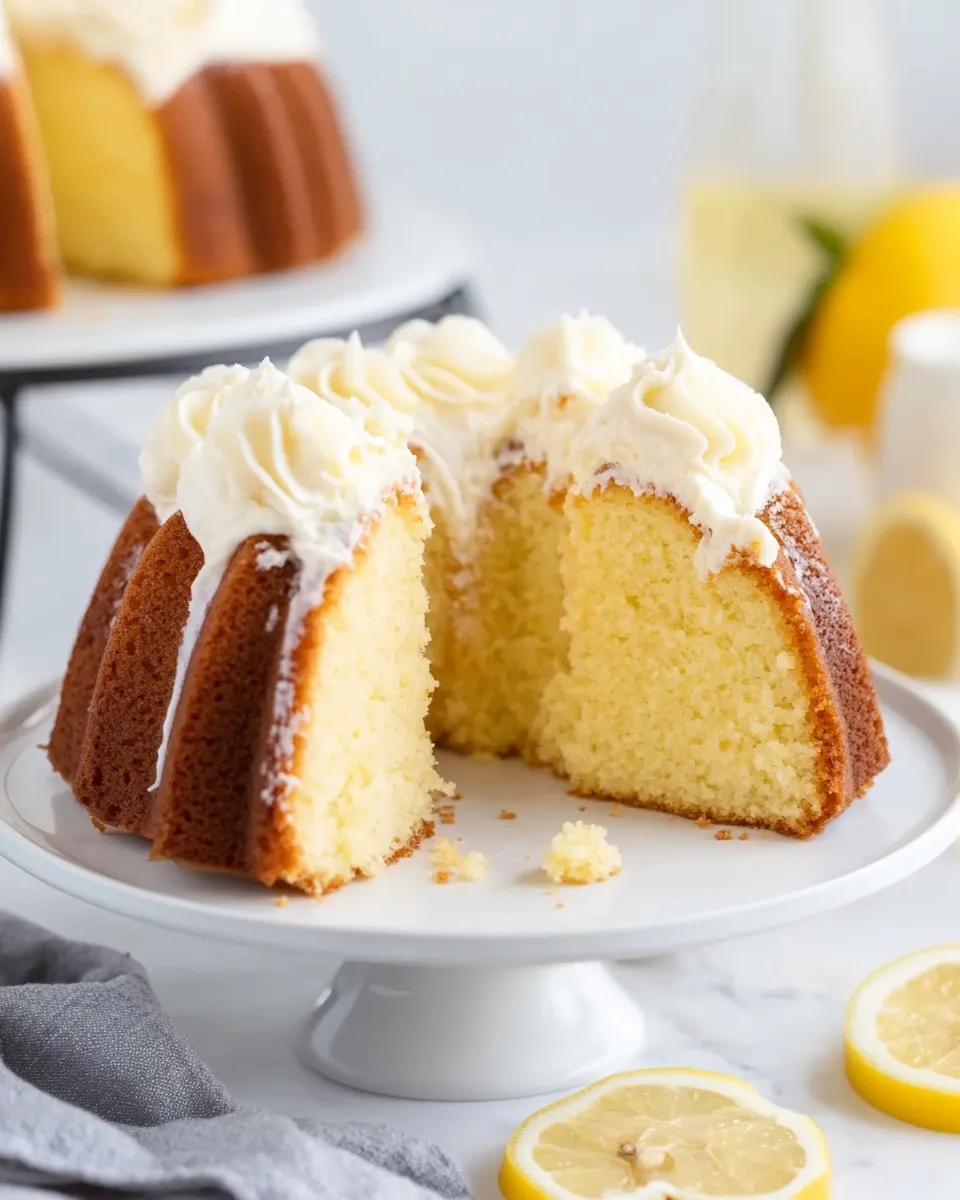
If you bake outside the U.S., here are quick conversions and notes you might find useful:
- Temperature — 325°F ≈ 163°C. Use an oven thermometer for best results; many ovens run hot or cold.
- Butter — 1 ½ cups unsalted butter ≈ 340 grams. Use blocks (not spreads) and weigh for precision if possible.
- Flour — 3 cups all-purpose flour ≈ 360 grams. If your region uses different AP flour strength, or if you prefer a slightly lighter crumb, substitute up to 20% cake flour.
- Sugar — 3 cups sugar ≈ 600 grams. Granulated white sugar is expected here; caster sugar will dissolve more quickly if you have it.
- Eggs — 6 large eggs. If your eggs are significantly smaller or larger than standard large eggs, weigh to roughly 300–360 grams total for best consistency.
Before You Start: Equipment
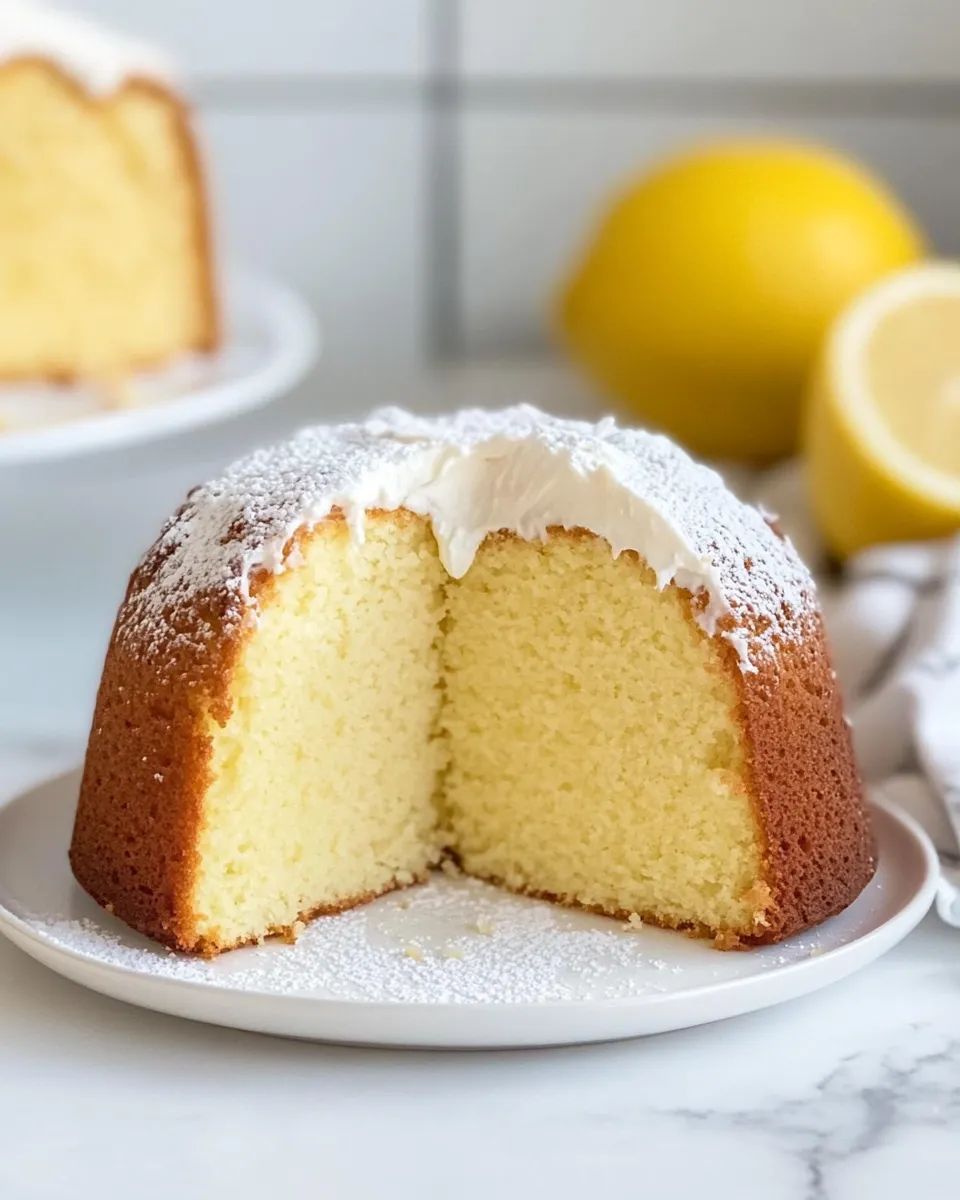
- 10-inch bundt pan — the shape matters for presentation and baking time; use the pan size specified.
- Stand mixer with paddle attachment or hand mixer — creaming the butter and cream cheese smoothly is easier with a mixer.
- Medium bowl for sugar and zest — a shallow bowl makes it easy to rub zest into sugar.
- Wire rack and baking sheet — set the rack over a sheet to catch syrup and make inversion clean.
- Small saucepan and pastry brush — for the syrup; a simple spoon can work if you don’t have a brush.
- Toothpick or cake tester — for checking doneness without overbaking.
What Not to Do
There are a few missteps that turn a great recipe into a so-so cake. Avoid them.
- Don’t overmix after adding the flour. The directions say to add 3 cups all at once and mix just until no large streaks remain. Overmixing develops gluten and makes the cake tough.
- Don’t skip letting butter and cream cheese reach room temperature. If they are too cold you won’t get a smooth, aerated batter; if they are too warm, the batter can split and lose volume.
- Don’t ignore the sugar–zest step. Rubbing zest into sugar releases oils that punch up lemon flavor. Skipping it makes the citrus less pronounced.
- Don’t unmold immediately. Let the cake rest 10 minutes in the pan so it firms up and releases cleanly when inverted.
- Don’t brush cold cake with the syrup. The syrup sinks in best while the cake is still warm; brushing a cold cake produces a wet surface, not absorbed flavor.
Make It Your Way
Want to tweak this cake? Here are practical, tested options that keep the structure intact.
- More or less lemon: Keep the zest step but adjust the 2 tablespoons lemon juice in the batter by ±1 tablespoon for subtle shifts. If you increase juice, don’t exceed small amounts—too much liquid can change bake time and texture.
- Lemon glaze instead of syrup: Mix 1 cup powdered sugar with 2–3 tablespoons lemon juice for a thicker glaze. Apply once the cake is cool for a glossy finish. Note: this is a surface coating, not the syrup soak in the recipe.
- Nuts or poppy seeds: Fold up to 1/2 cup chopped toasted almonds or 2 tablespoons poppy seeds into batter after the flour step for texture contrast. Don’t add much more, or it will change the cake’s density and bake time.
- Vanilla-only version: Omit zest and lemon extract, keep 2 tablespoons lemon juice minimal, or replace it with milk if you prefer a classic cream cheese pound cake without citrus.
Serving suggestions
- Room temperature slices — paired with tea or coffee, the crumb is at its best.
- Lightly whipped cream — a dollop balances extra-tart lemon variations.
- Fresh berries — raspberries or blueberries add texture and a touch of acidity.
Notes from the Test Kitchen
I test this recipe at least a few times a month and keep a log of small variations. A few practical observations:
- Mixing order matters. Cream cheese and butter must be fully combined before adding sugar. If the sugar is added too early the mixture can look gritty.
- Zesting into sugar works wonders. I always use a microplane and zest directly over the sugar bowl so the oils distribute immediately.
- Watch early baking time. Start checking at 1 hour. Ovens vary and several test runs showed doneness between 1:20 and 1:28 for my equipment.
- Syrup absorption. Brushing the syrup while the cake is warm ensures it penetrates rather than puddles. Use all the syrup to balance exterior sweetness with interior moisture.
Save It for Later
Storage is straightforward and will keep the cake tasting great.
- Room temperature: Whole, uncut and wrapped tightly, the cake keeps 1–2 days in a cool spot.
- Refrigerator: Store in an airtight container for up to 5 days. Bring slices to room temperature before serving for the best texture.
- Freezer: Wrap slices individually in plastic wrap and then in foil or a freezer bag. Freeze up to 3 months. Thaw overnight in the fridge or for a few hours at room temperature; refresh in a 325°F oven for 8–10 minutes if you want a fresh-baked feel.
Troubleshooting Q&A
Here are answers to common problems and clear fixes.
- Q: My cake sank in the middle. What happened?
A: That usually means the center was underbaked. Start checking at 1 hour and tent loosely with foil if the top browns too quickly. Also avoid opening the oven door frequently during the first hour. - Q: The crumb is gummy or dense.
A: Two likely causes: overmixing after the flour or inaccurate flour measurement. Spoon flour into the cup and level it, or better yet, weigh it. Mix only until no large streaks remain. - Q: Batter curdled after adding the eggs.
A: That can happen if cold eggs hit warm fat. Always use room-temperature eggs and add them two at a time, beating well between additions. - Q: The cake sticks to the pan.
A: Make sure you properly grease and flour the bundt pan, getting into crevices. Let the cake rest about 10 minutes in the pan before inverting. If stickiness persists, dust the pan with a thin layer of flour after greasing or use a baking spray with flour. - Q: The lemon flavor is weak.
A: Don’t skip rubbing zest into sugar. If you still want more, a small splash (up to 1 teaspoon) of lemon extract can boost flavor without affecting texture.
Wrap-Up
This Lemon Cream Cheese Pound Cake is dependable, flavorful, and flexible. Follow the steps closely, pay attention to ingredient temperatures, and use the syrup while the cake is warm. Small, intentional choices—like zesting sugar and tempering eggs—make a measurable difference.
Bake it for a weekend brunch, a potluck, or a thoughtful dessert. Slice it thin because it’s rich, and enjoy how the lemon and cream cheese complement each other. If you try a variation, make a note of the adjustments so you can repeat what worked.
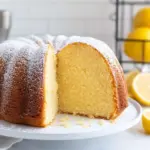
Lemon Cream Cheese Pound Cake
Ingredients
Ingredients
- 8 ouncescream cheeseroom temperature
- 1 1/2 cupsunsalted butterroom temperature
- zest of 4 lemons
- 3 cupssugar
- 6 large eggs
- 3 cupsall-purpose flour
- 1 tablespoonpure vanilla extract
- 2 tablespoonslemon juice
- 1 teaspoonlemon extractoptional
- 2 tablespoonssugar
- 2 tablespoonswater
- 1 1/2 tablespoonslemon juice
Instructions
Instructions
- Preheat oven to 325°F. Grease and flour a 10-inch bundt pan.
- In the bowl of a stand mixer fitted with the paddle attachment, or in a large bowl with a hand mixer, beat 8 ounces room-temperature cream cheese and 1 ½ cups room-temperature unsalted butter until smooth and combined.
- In a medium bowl, combine 3 cups sugar and the zest of 4 lemons; rub together with your fingertips until the sugar is moistened and fragrant.
- With the mixer on low, gradually add the sugar–zest mixture to the butter–cream cheese mixture. Increase speed to medium and beat until light and fluffy, about 3 minutes.
- Add the 6 large eggs two at a time, beating well after each addition and scraping down the bowl as needed.
- Add 3 cups all-purpose flour all at once and mix on low to medium just until no large streaks of flour remain (do not overmix).
- Add 1 tablespoon pure vanilla extract, 2 tablespoons lemon juice, and 1 teaspoon lemon extract (optional); mix briefly to combine.
- Pour the batter into the prepared bundt pan and smooth the top. Bake at 325°F for 1 hour 25 minutes to 1 hour 30 minutes, checking for doneness at 1 hour. The cake is done when a toothpick inserted into the center comes out clean or with a few moist crumbs.
- Remove the cake from the oven and let it cool in the pan for a few minutes (about 10 minutes). Invert the cake onto a wire rack set over a baking sheet or plate.
- While the cake is still warm, make the syrup: in a small saucepan bring 2 tablespoons sugar, 2 tablespoons water, and 1 ½ tablespoons lemon juice to a boil, then remove from heat.
- Brush the warm syrup evenly over the warm cake (top and sides), using all the syrup. Let the cake cool completely on the wire rack before slicing.
Equipment
- KitchenAid stand mixer
Notes
Store the cake, covered, at room temperature for 3 days.