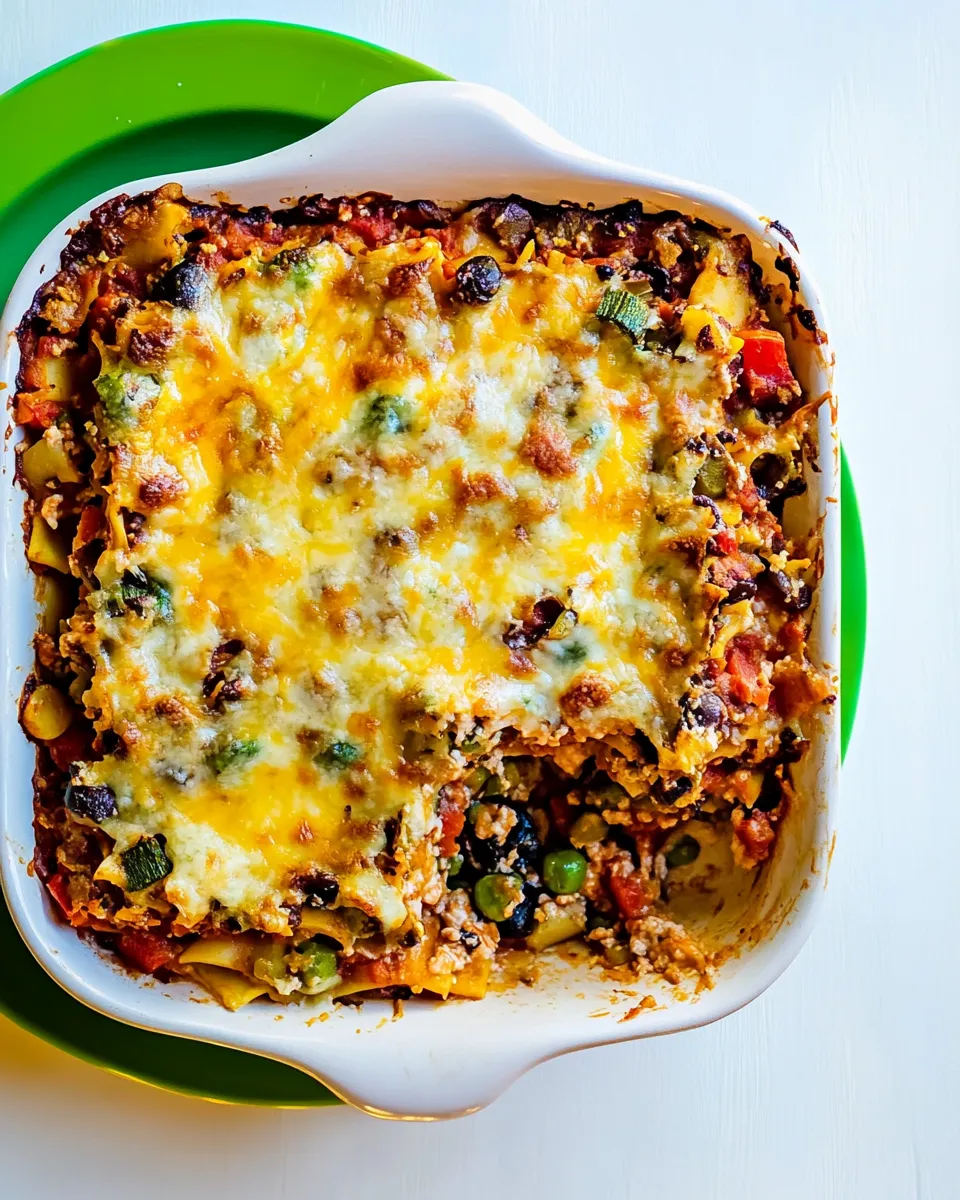
I promise this is a lasagna experience without the heavy plate aftermath. We keep the spirit of layered comfort — a sturdy vegetable “crust,” creamy dairy, melty cheese and bright salsa — and trim the usual pasta-and-cream bloat. The result is colorful, satisfying, and forgiving: a casserole that travels from weeknight dinner to potluck with minimal fuss.
This version leans on grated zucchini and carrot as the base, bound with a single egg (or a plant-friendly replacer) and baked until it holds together. Then you spread a smooth layer of sour cream, blanket it with cheese, and finish with a jar of salsa for lift and moisture. It’s quick to assemble and easy to adapt.
Read on for the exact ingredients, the step-by-step bake schedule, smart swaps for common allergies or diets, and a few simple tricks that keep this casserole from turning watery, rubbery, or bland. You don’t need exotic tools—just a box grater, a 9×9 pan, and a little patience as it cools before slicing.
What You’ll Gather
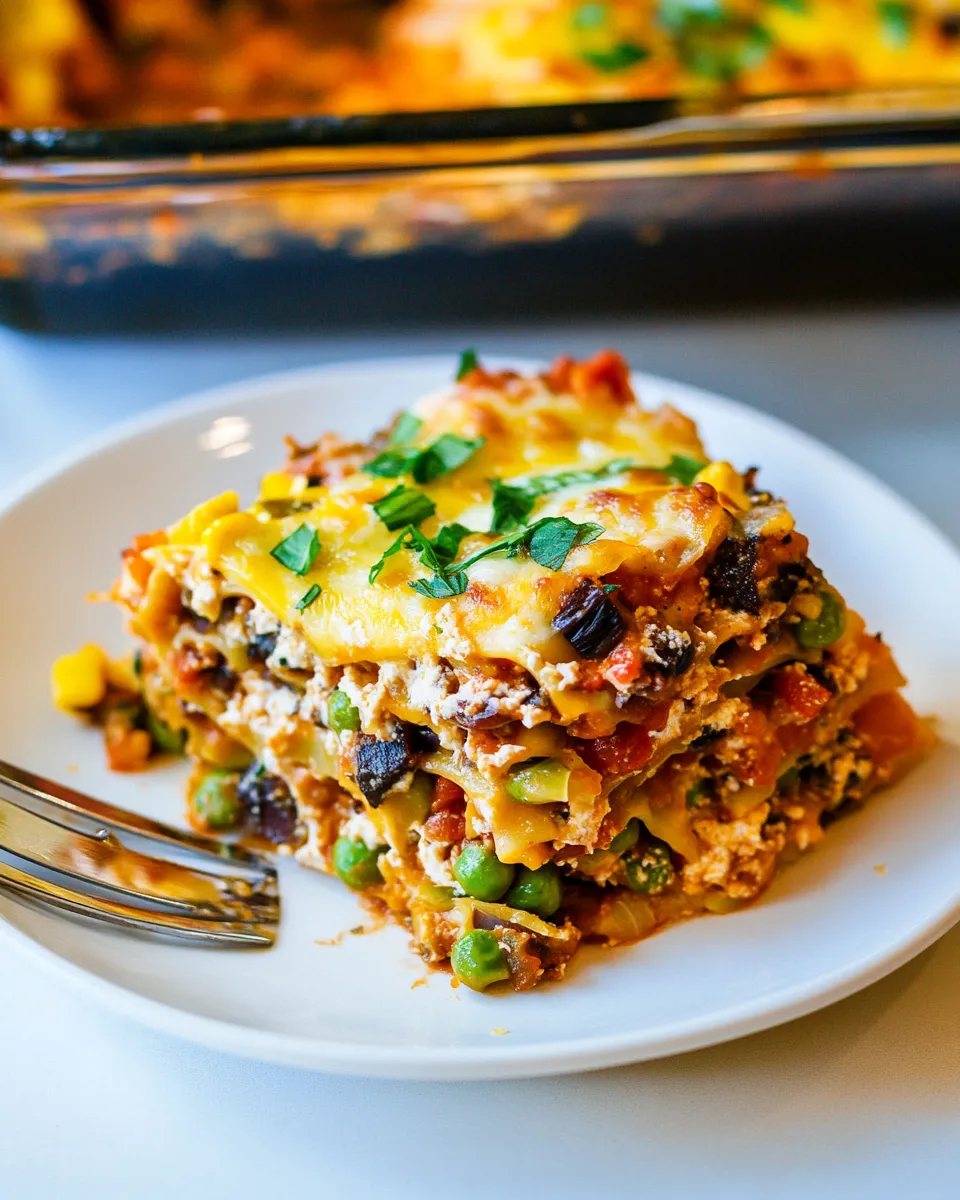
Gather the vegetables and pantry staples listed below. Measure where the recipe specifies, but know that the recipe tolerates slight variations in shredded volume. The technique — squeezing excess moisture, packing the crust evenly, and watching the top as it bakes — matters more than perfection with grams.
Ingredients
- 3 cups coarsely grated zucchini, about 2 medium zucchinis, grated — makes the bulk of the vegetable crust; provides moisture and structure.
- 1 ½ cups coarsely grated carrot, about 1 large peeled carrot, grated — adds sweetness, color, and fiber to the crust.
- 1 teaspoon salt, optional and to taste — seasons the vegetables and helps draw out liquid; use as desired.
- ½ teaspoon black pepper, optional and to taste — for background spice; adjust to preference.
- 1 large egg, beaten (or egg replacer or flax egg) — binds the grated vegetables so the crust sets; use an approved replacer for egg-free diets.
- 1 ½ cups sour cream, or Tofutti — creates a tangy, creamy layer that keeps the casserole moist; Tofutti is the dairy-free alternative listed.
- 3 ½ cups loosely packed shredded cheese, divided (cheddar, American, mozzarella, Ricotta, soy, goat, Daiya, or a favorite cheese blend) — the melting element; choose one or a mix from the listed options based on taste and dietary needs.
- one 16-ounce jar salsa — provides acidity, spice, and a saucy layer between cheeses; use your preferred heat level.
Stepwise Method: Lightened Up Vegetable Lasagna Casserole
- Preheat oven to 400°F. Line a 9×9-inch pan with aluminum foil and spray the foil with cooking spray; set pan aside.
- In a large bowl, combine 3 cups coarsely grated zucchini and 1 1/2 cups coarsely grated carrot. Add 1 teaspoon salt (optional, to taste) and 1/2 teaspoon black pepper (optional, to taste).
- Add 1 large beaten egg (or egg replacer/flax egg) to the vegetables and toss until the mixture is evenly combined. If the mixture seems very wet, press it in a clean kitchen towel or several layers of paper towel to squeeze out excess liquid—do not over-dry, just remove obvious moisture.
- Transfer the vegetable mixture to the prepared pan. Lightly pack and smooth the mixture into an even layer with a spatula.
- Bake the vegetable crust for 25 to 28 minutes, or until the top shows slight browning and the mixture has mostly set and is no longer watery. (Baking time will vary with how much moisture was in the vegetables.)
- Remove the pan from the oven. Spread 1 1/2 cups sour cream in a smooth, even layer over the baked vegetable crust.
- Sprinkle about 2 cups of the shredded cheese evenly over the sour cream.
- Spoon or drizzle the entire 16-ounce jar of salsa evenly over the cheese layer.
- Sprinkle the remaining 1 1/2 cups shredded cheese evenly over the salsa.
- Return the pan to the oven and bake 35 to 40 minutes, or until the top is bubbly and golden-brown to your liking. Watch the bake and adjust time as needed for your preferred level of browning.
- Remove from the oven and let the casserole cool at least 10 minutes before slicing and serving.
- Store leftovers in an airtight container in the refrigerator for up to 5 days or freeze for up to 3 months. Leftovers can be served cold or gently reheated.
Top Reasons to Make Lightened Up Vegetable Lasagna Casserole
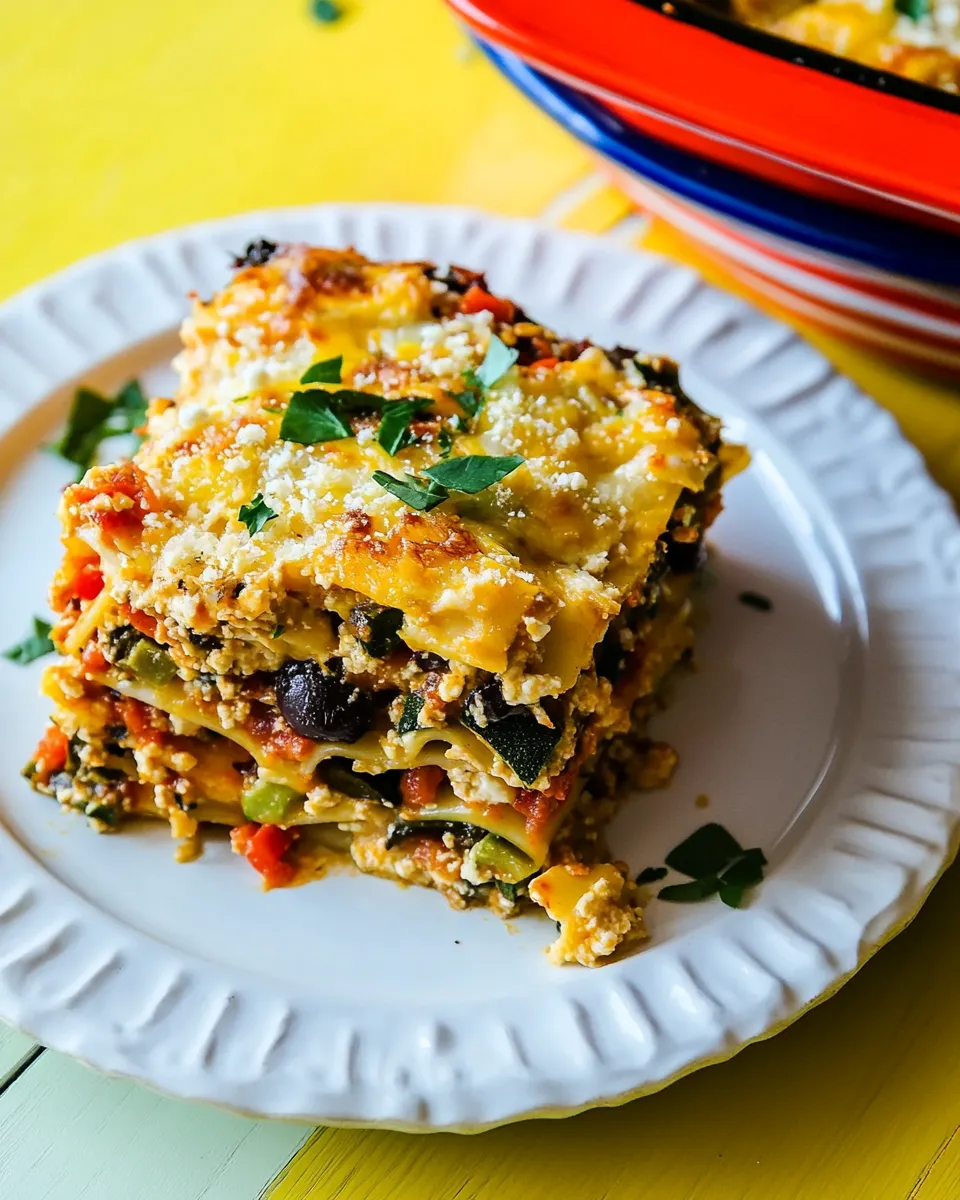
This casserole is practical and crowd-pleasing. First, it cuts calories and carbs by swapping pasta for grated vegetables without losing the layered, cheesy comfort people expect from lasagna. Second, it’s forgiving — shredding and combining are low-skill tasks, and the bake times give you visual cues more than exact science. Third, it’s fast to put together and scales easily: double it for a larger dish or portion into smaller pans for meal prep.
Finally, flavor-wise this dish balances creamy, tangy, and bright: sour cream and cheese anchor the mouthfeel, salsa adds acidity and spice, and the vegetable crust keeps things light and fresh. It’s a good main for vegetarians or a side at a family dinner, and it travels well.
Allergy-Friendly Substitutes
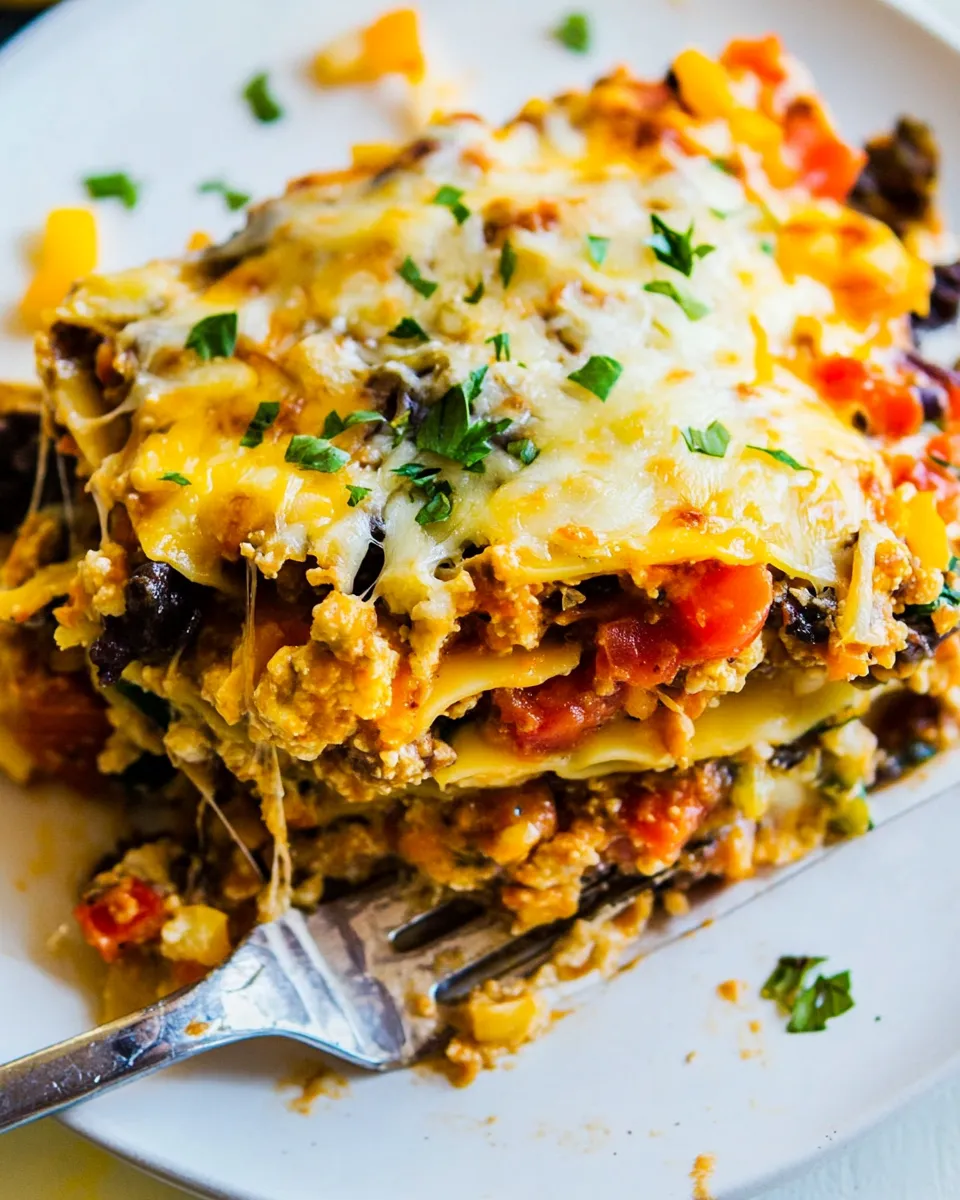
The recipe already lists a few alternatives; lean on those when needed. For dairy allergy or vegan needs, replace sour cream with Tofutti and use a dairy-free/shredded alternative like Daiya (both are named in the ingredient list). For egg-free, use an approved egg replacer or a flax egg in place of the beaten egg listed.
If you need to avoid certain cheeses (for example, goat or soy), choose any of the other listed options, such as mozzarella or ricotta, depending on tolerance. For salsa-sensitive diets, pick a mild, ingredient-transparent jar — many brands list all additives if that’s a concern.
Setup & Equipment
- 9×9-inch baking pan — the recipe is calibrated for this size.
- Box grater or food processor with grating disk — for the zucchini and carrot.
- Large mixing bowl — to combine vegetables and the egg.
- Aluminum foil and cooking spray — to line and prevent sticking.
- Spatula — for smoothing the crust and layers.
- Oven thermometer (optional) — helpful if your oven runs hot or cold.
- Kitchen towel or paper towels — to press out excess moisture if needed.
Easy-to-Miss Gotchas
Moisture is the primary culprit that turns this casserole sloppy. Zucchini holds a lot of water; if you skip the step of gently squeezing excess liquid when the mixture feels “very wet,” the crust can stay watery and won’t set properly. The directions say not to over-dry — remove obvious moisture but leave some so the crust bakes tender rather than cardboard-dry.
Another easy miss: packing the vegetable mixture unevenly. Press and level the crust so it bakes uniformly; thin spots will brown too quickly while thicker spots stay unset. Also, watch the final bake. Salsa can brown the cheese differently depending on its moisture and sugar content; check between 35 and 40 minutes to hit your preferred browning level.
Substitutions by Diet
Vegetarian: This recipe already fits a lacto-vegetarian approach if you use regular dairy cheeses. For stricter vegetarian labeling (no rennet), choose cheeses labeled vegetarian.
Vegan / Dairy-Free: Use Tofutti for the sour cream and Daiya (or another listed dairy-free cheese) for the shredded cheese. Replace the beaten egg with a flax egg or packaged egg replacer as indicated in the ingredients.
Egg-Free: Use a commercially available egg replacer or a flax egg (1 tablespoon flaxseed meal + 3 tablespoons water per egg, mixed and rested until gelled). The ingredient list explicitly allows “egg replacer or flax egg.”
Lower-Sodium: Omit or reduce the optional teaspoon of salt in the vegetables. Choose low-sodium or no-salt-added salsa if available. Be cautious if using cheeses that are high in salt; mixing a lower-salt cheese with a stronger one can help.
Gluten-Conscious: The recipe itself contains no wheat, but check the salsa label to confirm it’s free from cross-contamination or gluten-containing additives.
Little Things that Matter
Shred uniformly. Coarsely grated zucchini and carrot work best; if pieces are too large, the crust won’t bind as well. If using a food processor, pulse to avoid paste-like texture.
Let it rest. Slicing too early releases moisture and the layers will fall apart. Give it the full recommended 10 minutes (and a few extra if you can) so the structure firms up. Leftovers slice cleaner after chilling.
Layer order matters for texture. The sour cream forms a barrier that stops the salsa from sinking into the vegetable crust. If you swap layers, expect a different mouthfeel and possibly a wetter base.
Prep Ahead & Store
Prep the vegetables in advance: grate zucchini and carrot and store them loosely covered in the refrigerator for up to a day. If you do this, you may need to press out a touch more moisture before mixing with the egg because they release liquid as they sit.
Once baked and cooled, the casserole will keep in an airtight container in the refrigerator for up to 5 days. For longer storage, freeze portions for up to 3 months. Thaw overnight in the refrigerator and reheat gently in a low oven or microwave until warmed through. The recipe’s directions explicitly allow serving leftovers cold or gently reheated, so choose what suits you best.
Helpful Q&A
Q: Can I make this in a larger pan? A: Yes, but the bake times will change. A larger pan will yield a thinner crust and likely bake faster for the crust stage; watch for browning and set. The recipe amounts are optimized for a 9×9-inch pan.
Q: My crust was still watery after the initial bake. What went wrong? A: Either the vegetables were especially water-heavy or they weren’t drained enough. Next time, press the shredded veggies in a towel to remove more liquid, but don’t over-dry. Also make sure you packed the crust firmly so it bakes consistently.
Q: Can I add herbs or spices? A: Yes. The ingredient list includes salt and pepper as optional seasonings. Fresh or dried herbs can be added to the vegetable mixture or sprinkled on top before the final bake — but stick to the base ingredients provided for the main structure.
Q: How spicy should the salsa be? A: That’s up to personal preference. A mild salsa keeps the dish family-friendly; a medium or hot salsa adds a kick. Since the entire 16-ounce jar is used, pick a heat level you enjoy.
That’s a Wrap
Lightened Up Vegetable Lasagna Casserole is a practical, adaptable recipe that gives you lasagna satisfaction with fewer carbs and a lot of flavor. Follow the core steps — drain excess moisture when needed, press an even crust, and watch the final bake — and you’ll end up with a tidy, tasty casserole that handles leftovers well.
Make it your own with the listed cheese options and the salsa you like best. It’s a reliable weeknight winner, and an easy one to bring along baked or reheated. If you try it, share what combo of cheeses and salsa you used — I love swapping notes on tweaks that work.
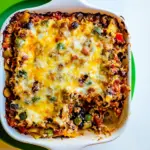
Lightened Up Vegetable Lasagna Casserole
Ingredients
Ingredients
- 3 cupscoarsely grated zucchini about 2 medium zucchinis, grated
- 1 1/2 cupscoarsely grated carrot about 1 large peeled carrot, grated
- 1 teaspoonsalt optional and to taste
- 1/2 teaspoonblack pepper optional and to taste
- 1 large egg beaten (or egg replacer or flax egg)
- 1 1/2 cupssour cream or Tofutti
- 3 1/2 cupsloosely packed shredded cheese divided (cheddar, American, mozzarella, Ricotta, soy, goat, Daiya, or a favorite cheese blend)
- one 16-ounce jar salsa
Instructions
Instructions
- Preheat oven to 400°F. Line a 9x9-inch pan with aluminum foil and spray the foil with cooking spray; set pan aside.
- In a large bowl, combine 3 cups coarsely grated zucchini and 1 1/2 cups coarsely grated carrot. Add 1 teaspoon salt (optional, to taste) and 1/2 teaspoon black pepper (optional, to taste).
- Add 1 large beaten egg (or egg replacer/flax egg) to the vegetables and toss until the mixture is evenly combined. If the mixture seems very wet, press it in a clean kitchen towel or several layers of paper towel to squeeze out excess liquid—do not over-dry, just remove obvious moisture.
- Transfer the vegetable mixture to the prepared pan. Lightly pack and smooth the mixture into an even layer with a spatula.
- Bake the vegetable crust for 25 to 28 minutes, or until the top shows slight browning and the mixture has mostly set and is no longer watery. (Baking time will vary with how much moisture was in the vegetables.)
- Remove the pan from the oven. Spread 1 1/2 cups sour cream in a smooth, even layer over the baked vegetable crust.
- Sprinkle about 2 cups of the shredded cheese evenly over the sour cream.
- Spoon or drizzle the entire 16-ounce jar of salsa evenly over the cheese layer.
- Sprinkle the remaining 1 1/2 cups shredded cheese evenly over the salsa.
- Return the pan to the oven and bake 35 to 40 minutes, or until the top is bubbly and golden-brown to your liking. Watch the bake and adjust time as needed for your preferred level of browning.
- Remove from the oven and let the casserole cool at least 10 minutes before slicing and serving.
- Store leftovers in an airtight container in the refrigerator for up to 5 days or freeze for up to 3 months. Leftovers can be served cold or gently reheated.
Equipment
- 9x9-inch pan
- Aluminum Foil
- Cooking spray
- Mixing Bowl
- Spatula
- Oven
- Kitchen Towel
- Paper Towels