I fell in love with this sauce the first winter I wanted something simple, honest, and better-than-store-bought without a long ingredient list. It’s one of those recipes that feels like a secret: three ingredients, almost no hands-on time, and a depth of flavor that makes you re-evaluate every jarred sauce you’ve ever used.
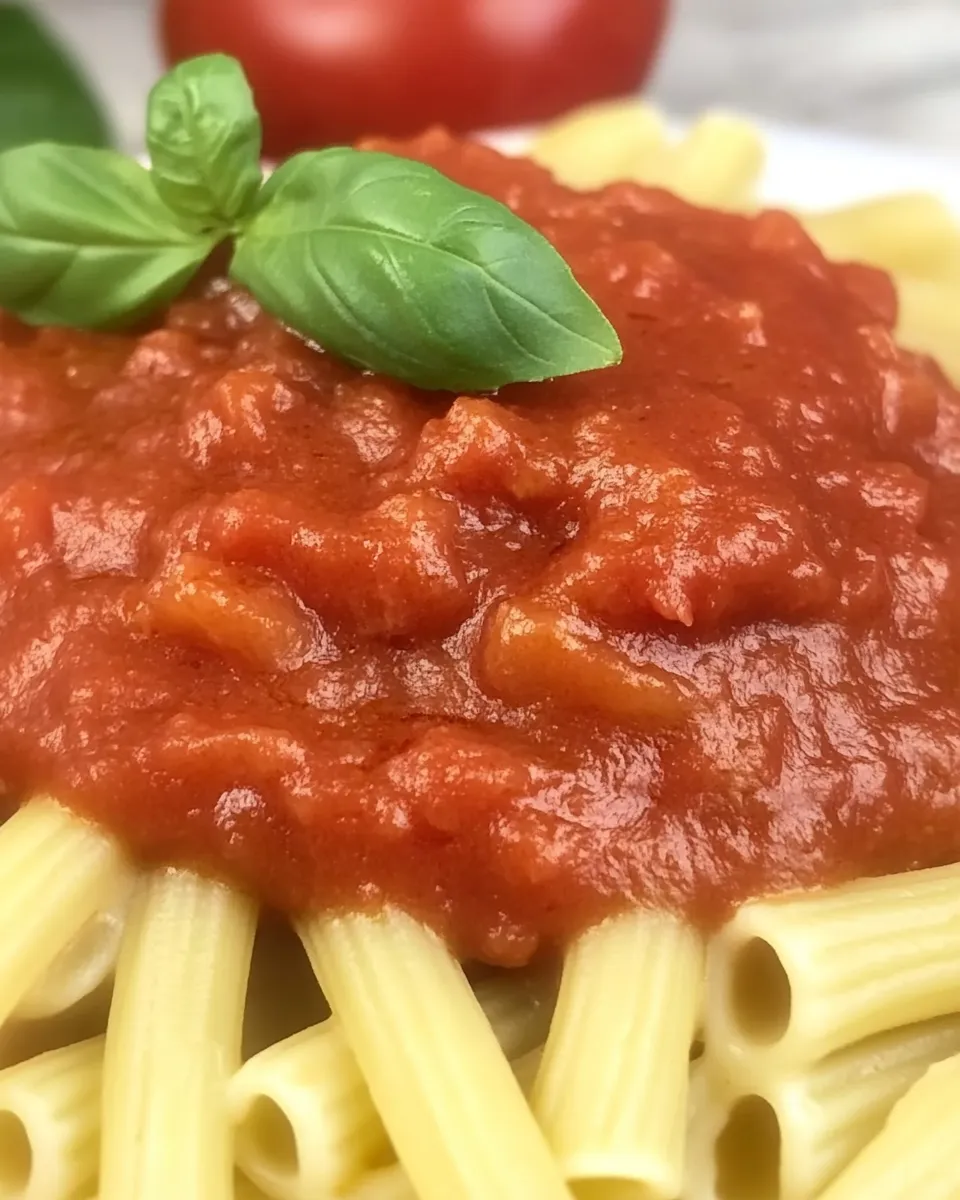
Marcella Hazan’s method trusts time and a little butter to reveal the best in canned tomatoes. There’s an onion in there for aromatics, but you never eat it—its job is to enrich the sauce quietly. The result is silky, balanced, and endlessly versatile.
Below I’ll walk you through the exact steps (no shortcuts), tell you what you really need in your kitchen, and share the little things I’ve learned after making this again and again. No fluff. Just practical notes so the next pot you make turns out right.
The Essentials
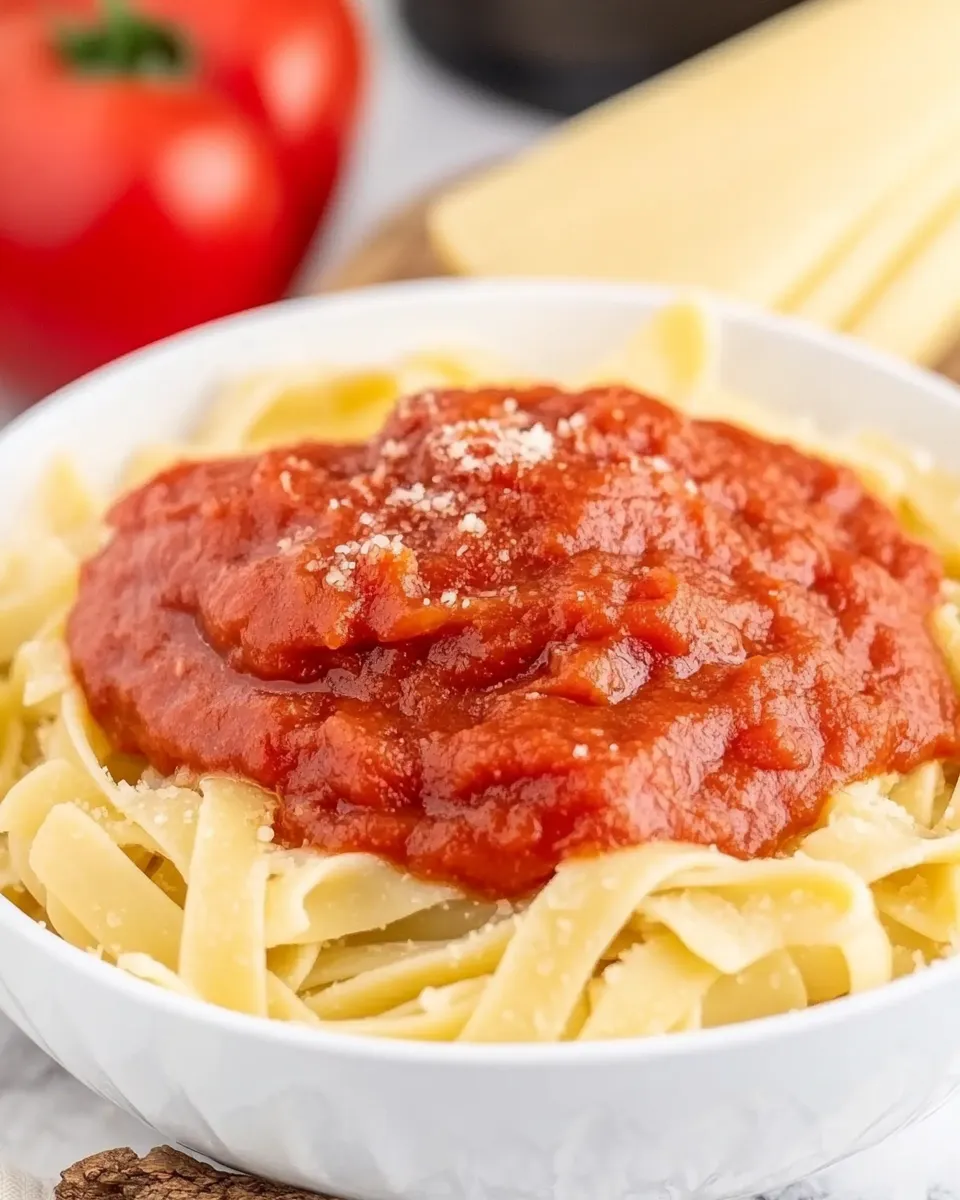
This sauce is built on three honest components: whole canned tomatoes, unsalted butter, and a halved yellow onion. That’s it. The technique—low, slow simmering—is as important as the ingredients themselves. You coax sweetness and umami from the tomatoes and butter while the onion lends a round, savory background.
Use a heavy, medium-sized saucepan so heat is steady. Leave the pot uncovered while it simmers. Keep your expectations realistic: this is not a fast-simmer tomato paste; it needs about 45 minutes to concentrate and for the butter to separate and float—your cue that it’s done.
Ingredients
- 124-ounce can whole tomatoes (San Marzano are fabulous, but I’ve used others and they’re also delicious) — The tomato base and juices; whole tomatoes give texture that you’ll crush as you cook.
- 5 tablespoons unsalted butter — Adds silkiness and rounds the acidity; unsalted lets you control final seasoning.
- 1 medium yellow onion (peeled and halved) — Builds a subtle savory depth without remaining in the finished sauce; it’s removed before serving.
- Salt (optional, to taste) — Add only after cooking, if needed. The canned tomatoes and butter usually give you enough flavor to start; salt should be adjusted to your taste.
The Method for Magic 3-Ingredient Pasta Sauce
- Open the 124-ounce can of whole tomatoes and pour the tomatoes and their juices into a heavy medium-sized saucepan. Add the 5 tablespoons unsalted butter and the peeled, halved medium yellow onion.
- Place the pan over medium heat and bring the mixture to a simmer (small bubbles breaking the surface). Once it reaches a simmer, reduce the heat to low so the sauce maintains a gentle, steady simmer. Leave the pan uncovered.
- Simmer about 45 minutes, stirring occasionally with a wooden spoon. As you stir, gently crush the tomatoes against the side of the pan to break them up. Continue until you can see butter droplets separate and float free from the tomatoes.
- Use the wooden spoon to lift out the onion halves and discard them.
- Taste the sauce and, if desired, season with salt to taste. Serve with your favorite pasta.
Why Cooks Rave About It
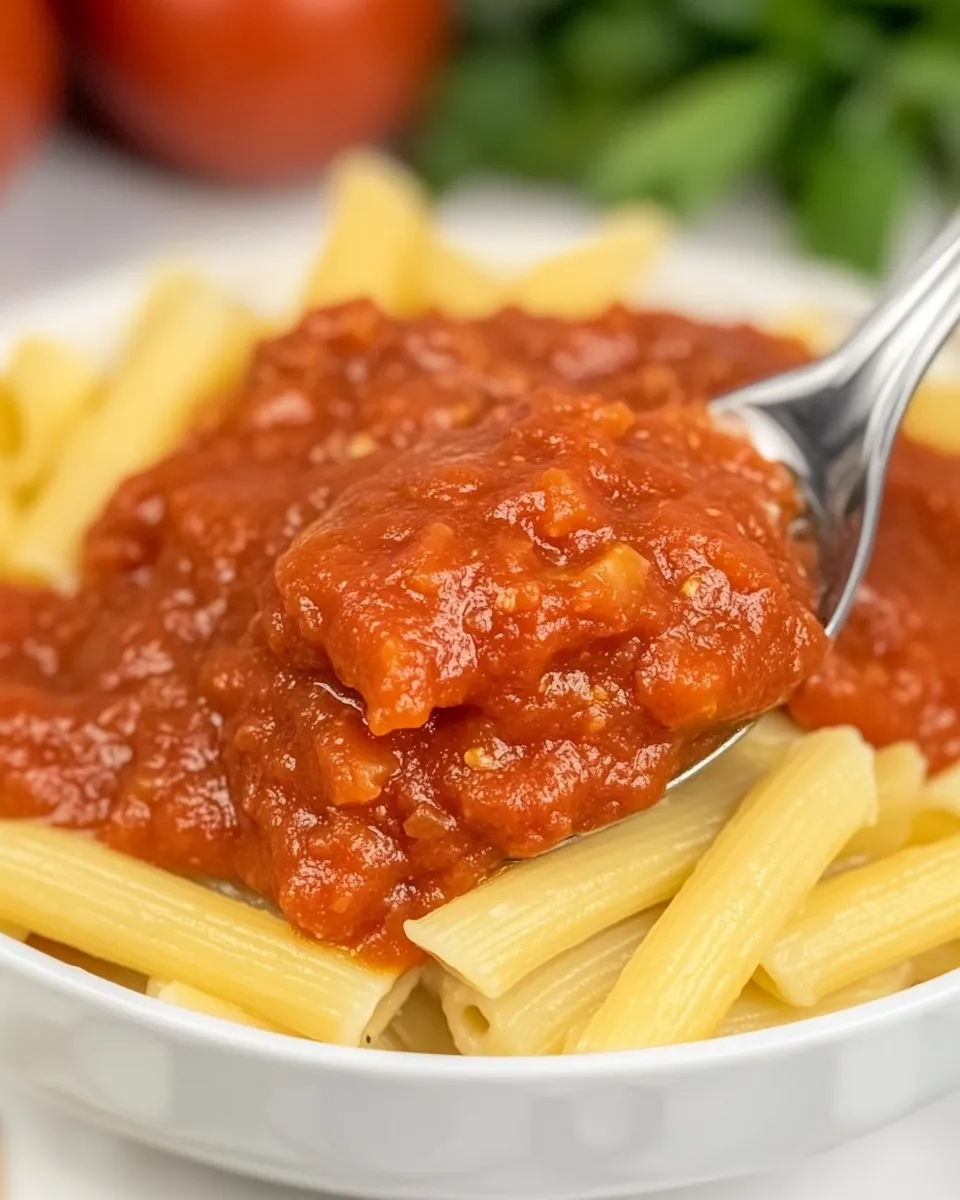
There’s something almost miraculous about a three-ingredient sauce that tastes so much like slow-cooked, labor-intensive tomato sauce. The butter smooths and amplifies tomato flavor. The onion gives a base note of savory sweetness. The long, low simmer concentrates those flavors and softens the acids that can make tomatoes sharp.
It’s a great example of technique over complexity. You’re not masking anything with herbs or sugar. The flavor comes from coaxing what’s already there in the tomatoes and butter. For people who appreciate clarity in food—where each element is intentional—this is a revelation.
No-Store Runs Needed
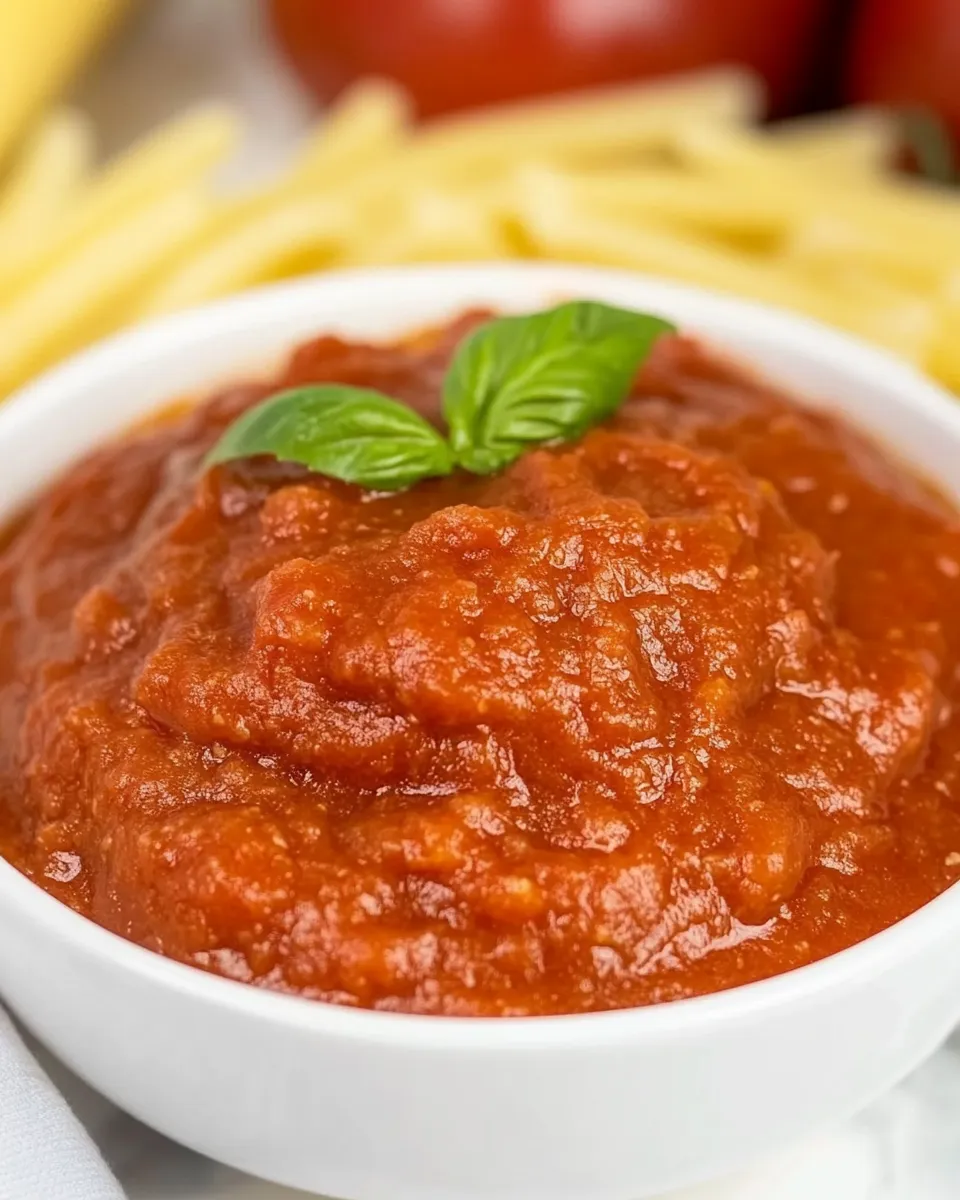
Chances are, you already have everything required. Keep a good-quality large can of whole tomatoes in the pantry with a few knobs of butter in the fridge, and you can make this anytime. The onion is the only fresh item; if you’re out, a shallot will work in a pinch (though that’s a substitution, not necessary if you follow the recipe exactly).
This sauce is also forgiving with tomato brand. San Marzano are often recommended for their balanced sweetness, but other whole tomatoes will make excellent sauce. The method is the real variable.
Must-Have Equipment
- Heavy medium-sized saucepan — Steady, even heat is key. A heavy-bottom pan prevents scorching during the long simmer.
- Wooden spoon — For occasional stirring and gently crushing the tomatoes against the pan.
- Can opener — For the big can of tomatoes.
- Knife and cutting board — To peel and halve the onion.
- Stove — You need a burner that allows a low, steady simmer for about 45 minutes.
Avoid These Mistakes
Don’t rush the simmer. Hurrying with higher heat makes flavors harsh and risks burning. The magic happens slowly; you want a gentle, steady simmer with small bubbles.
Don’t leave the onion in the finished sauce. It’s there to contribute flavor while cooking, but you should lift it out and discard it before serving—otherwise it will break down into pieces and change the intended texture and taste.
Don’t salt at the start. Salt concentrates with the sauce and can lead to an over-salty pan. Taste at the end and add salt only if you want it.
Better Choices & Swaps
Tomato options: whole canned tomatoes are the classic choice because they hold texture and release flavor when broken up during cooking. Crushed tomatoes, passata, or tomato purée will make a different texture and slightly different flavor; they’ll work in a pinch but won’t be the same.
Butter options: stick with unsalted butter as the recipe calls for—it lets you control seasoning. Salted butter will add salt unpredictably. If you want a richer finish, you can add a little more butter after tasting, but follow the recipe first to learn the baseline.
Onion options: a yellow onion is perfect for its balance of sweetness and sharpness. A white onion is harsher; a red onion will change the flavor profile. If you must swap, choose a shallot for a milder, more delicate aroma—but again, not necessary if you have a yellow onion.
Pro Tips & Notes
Timing and Heat
Watch for small bubbles breaking the surface. That’s the simmer level you want. After the initial medium-heat bring-to-a-simmer, turn the burner down to low. Your stove’s “low” can vary; the goal is a gentle, steady simmer—think quiet, not a vigorous roil.
Texture
When you stir and crush the tomatoes, do it gently. You want a sauce with some body and little bits of tomato, not a completely smooth purée. If you prefer silkier sauce, after cooking you can blitz with an immersion blender for a few seconds.
Butter Clues
One clear visual cue that the sauce is done: you’ll see droplets of butter separate and float free. That’s when you know the fat has rendered and the sauce has concentrated enough to showcase the butter’s creaminess.
Onion Handling
Poke or score the onion halves a little if you like; it helps flavors extract. But keep them whole enough so you can lift them out easily at the end.
Refrigerate, Freeze, Reheat
Refrigerate: Cool the sauce to room temperature, then transfer to an airtight container. It will keep 4–5 days in the refrigerator.
Freeze: This sauce freezes beautifully. Pour into freezer-safe containers or heavy-duty freezer bags (leave headspace if using containers). It will keep well for 3 months. Thaw in the fridge overnight before reheating.
Reheat: Gently warm on the stovetop over low heat. If the sauce thickened in the fridge, add a splash of water or a little pasta cooking water to loosen it. Taste and adjust salt after reheating.
Quick Q&A
Q: Can I skip the onion?
A: You can, but the onion contributes a background savory sweetness that improves the finished sauce. If you skip it, expect a slightly thinner or more one-note tomato flavor.
Q: Do I need to peel the tomatoes?
A: No. The recipe uses canned whole tomatoes as-is; you crush them in the pan. The can’s tomatoes are already cooked and soft enough to break apart during simmering.
Q: Is this suitable for quick weeknight dinners?
A: Yes, but plan ahead. It takes about 45 minutes of simmer time, mostly hands-off. You can start it while you do something else and cook pasta toward the end.
Q: Can I add herbs like basil or oregano?
A: You can, but purists will tell you the point of this sauce is its simplicity. Fresh basil at the end is a lovely, light touch. If you add dried herbs, add sparingly and taste as you go.
Final Bite
Magic 3-Ingredient Pasta Sauce isn’t magic because it’s complicated. It’s magic because it respects ingredients and time. With a single large can of whole tomatoes, butter, and an onion, you get a sauce that feels homemade in the deepest sense—real, simple, and comforting. Make it once exactly as written. Then, when you’re comfortable, play with finishes or herbs to make it yours.
Serve it with your favorite pasta, a scattering of grated cheese if you like, and a green salad on the side. It’s reliable, impressive, and easy to keep in your rotation. That, to me, is real kitchen magic.

Magic 3-Ingredient Pasta Sauce (Marcella Hazan Recipe)
Ingredients
Ingredients
- 124- ounce can whole tomatoes San Marzano are fabulous, but I’ve used others and they’re also delicious
- 5 tablespoonsunsalted butter
- 1 medium yellow onion peeled and halved
- Salt optional, to taste
Instructions
Instructions
- Open the 124-ounce can of whole tomatoes and pour the tomatoes and their juices into a heavy medium-sized saucepan. Add the 5 tablespoons unsalted butter and the peeled, halved medium yellow onion.
- Place the pan over medium heat and bring the mixture to a simmer (small bubbles breaking the surface). Once it reaches a simmer, reduce the heat to low so the sauce maintains a gentle, steady simmer. Leave the pan uncovered.
- Simmer about 45 minutes, stirring occasionally with a wooden spoon. As you stir, gently crush the tomatoes against the side of the pan to break them up. Continue until you can see butter droplets separate and float free from the tomatoes.
- Use the wooden spoon to lift out the onion halves and discard them.
- Taste the sauce and, if desired, season with salt to taste. Serve with your favorite pasta.
Equipment
- Medium Saucepan
- Wooden Spoon