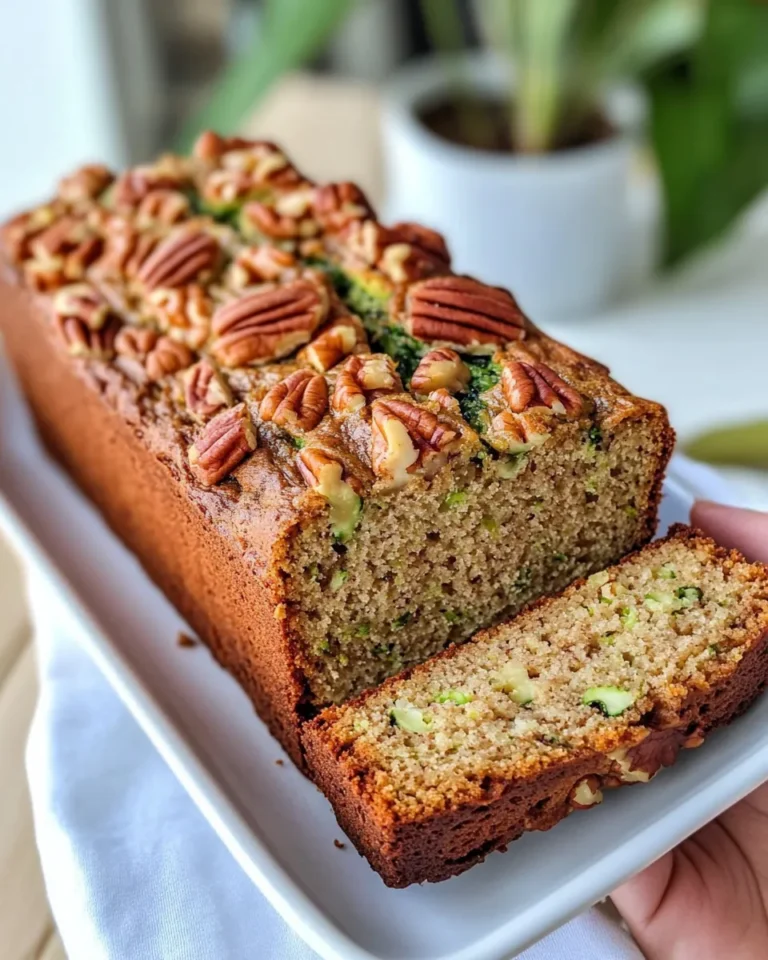
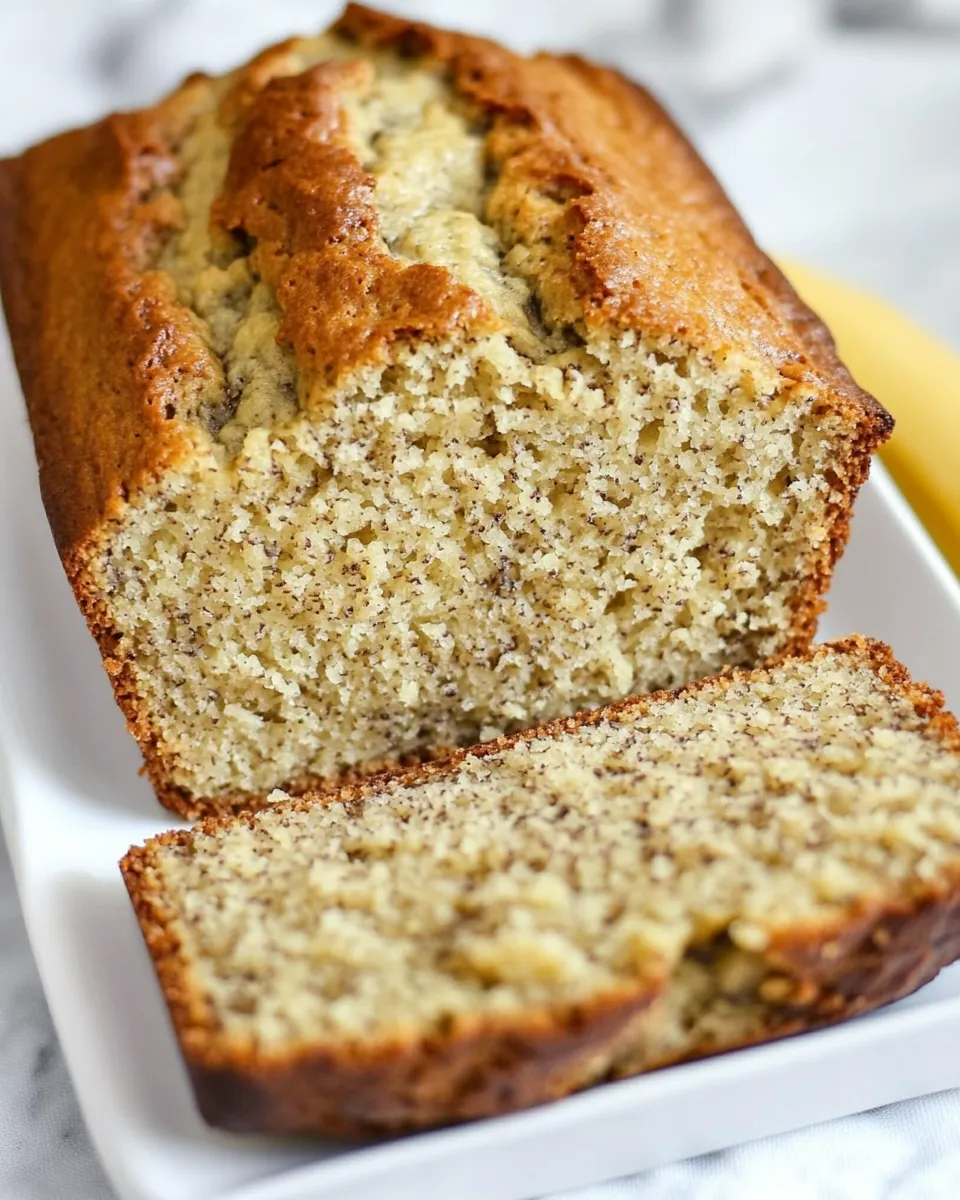
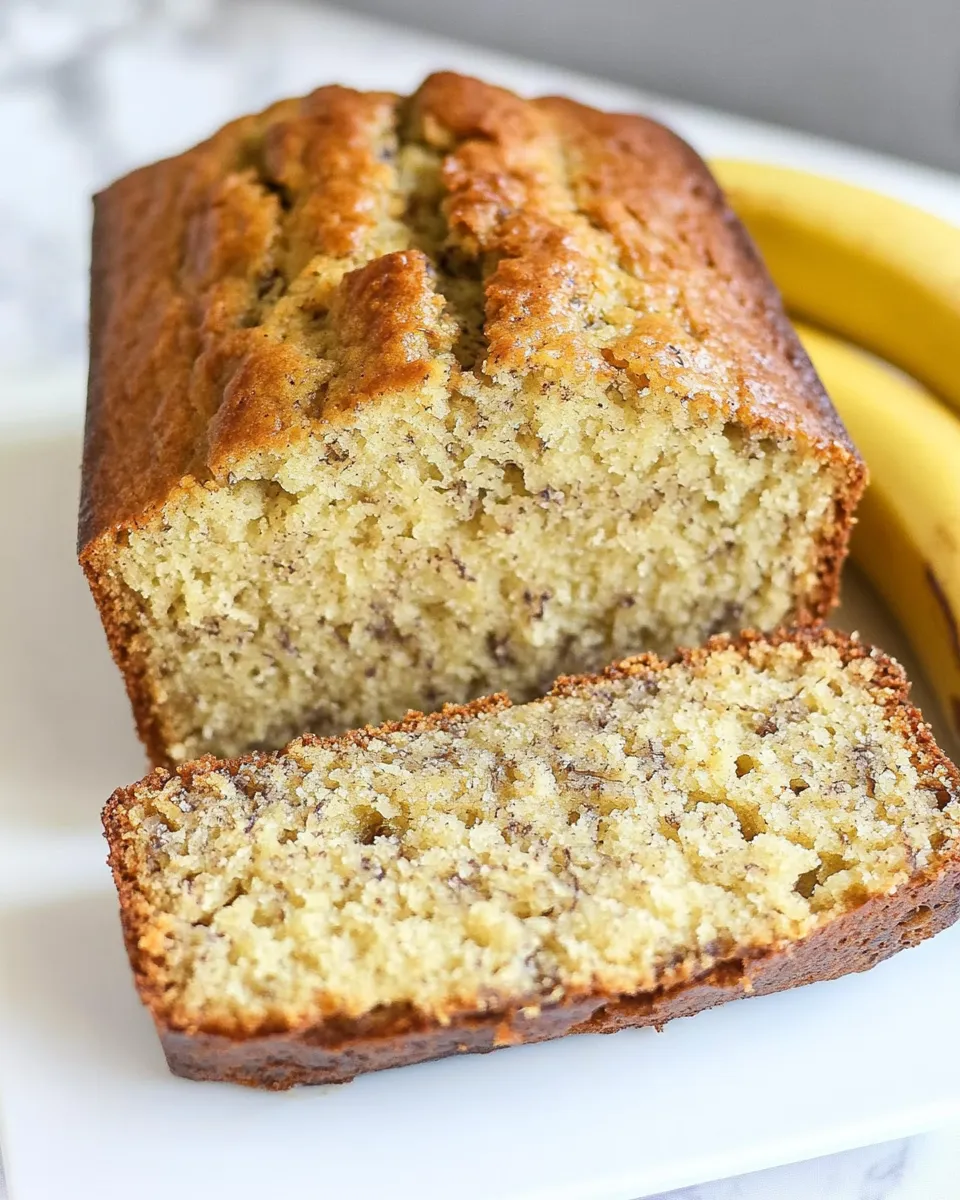
This banana bread is the kind I bake when I want something that smells like home and actually lives up to the promise on the tin: moist, tender, and sliceable without falling apart. It relies on straightforward pantry staples and a little trick — sour cream — that keeps the crumb soft for days. No complicated steps, no fancy mixers, just a reliable loaf that travels well and disappears fast.
I test recipes until they behave the same way in my kitchen as they did in the first run. This one is built around ripeness and technique: use very ripe bananas, don’t overmix the batter, and trust the bake time. You’ll get two large loaves — perfect for gifting, freezing, or keeping one while you eat the other.
Below you’ll find a clear shopping list, the exact step-by-step process, troubleshooting, and smart make-ahead tips so you can bake with confidence. I keep the notes practical and direct so you can get to the oven and back to your day.
What to Buy
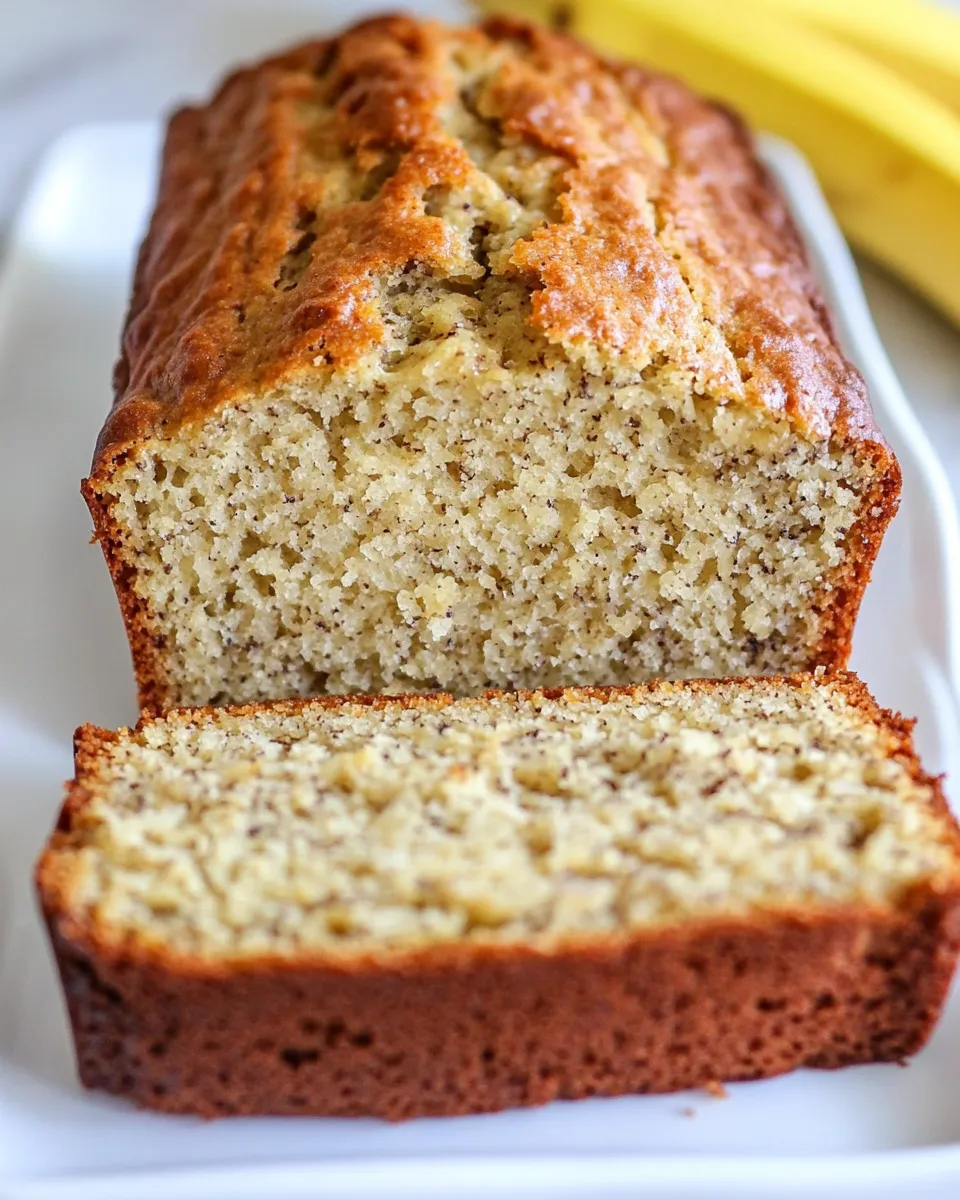
Shop with a plan. You need pantry staples and produce that’s at the right stage. For bananas, aim for dark-spotted skins — the riper they are, the sweeter and more flavorful the loaf will be. Sour cream should be full-fat if you can — it boosts moisture and keeps the crumb tender. The whipped topping mix envelope is an unusual but intentional ingredient in this version, so don’t skip it.
Pick up two large loaf pans unless you want one and a muffin tin. Nonstick spray or a light dusting of flour is all you need to prevent sticking. If you prefer to serve warm, consider wrapping a loaf after it cools and reheating slices briefly.
Ingredients
- 1 cup sugar — adds sweetness and helps with browning; balances the bananas.
- 1 cup brown sugar — gives depth and a hint of molasses flavor; helps keep the crumb moist.
- ½ cup vegetable oil — provides tender, moist texture without solidifying like butter.
- 3 eggs — structure and lift; beat them into the wet mix to bind ingredients.
- 1 tablespoon vanilla extract — flavor enhancer; don’t skip it for the best aroma.
- 12 ounces sour cream — key for a soft, moist crumb and tang that balances sweetness.
- 4 bananas, overripe — the main flavor; mash thoroughly for even distribution.
- 2½ cups all-purpose flour — the base structure; measure properly (spoon and level).
- 1 teaspoon baking soda — provides rise and lightness.
- 1 teaspoon baking powder — aids the lift along with the soda.
- 1 whipped topping mix envelope — used in the dry mix; it contributes texture and sweetness.
- pinch salt — balances sweetness and enhances the overall flavor.
Cooking (Moist Banana Bread): The Process
- Preheat oven to 350°F and place the oven rack in the center position. Grease and flour two large loaf pans or spray them with nonstick spray.
- In a large bowl, combine 1 cup sugar, 1 cup brown sugar, ½ cup vegetable oil, and 3 eggs. Beat or whisk until well blended.
- Add 1 tablespoon vanilla extract, 12 ounces sour cream, and 4 overripe bananas (mashed). Mix until the wet ingredients are evenly combined.
- In a separate bowl, whisk together 2½ cups all-purpose flour, 1 teaspoon baking soda, 1 teaspoon baking powder, a pinch of salt, and the whipped topping mix envelope until uniform.
- Add the dry mixture to the wet mixture in two or three additions, stirring gently after each addition until just combined. Do not overmix.
- Divide the batter evenly between the two prepared loaf pans and smooth the tops.
- Bake for 45–50 minutes, or until a toothpick inserted into the center comes out clean or with only a few moist crumbs.
- Cool the loaves in their pans on a wire rack for 10–15 minutes, then run a knife around the edges, remove the loaves from the pans, and cool completely on the rack before slicing.
Why This Moist Banana Bread Stands Out
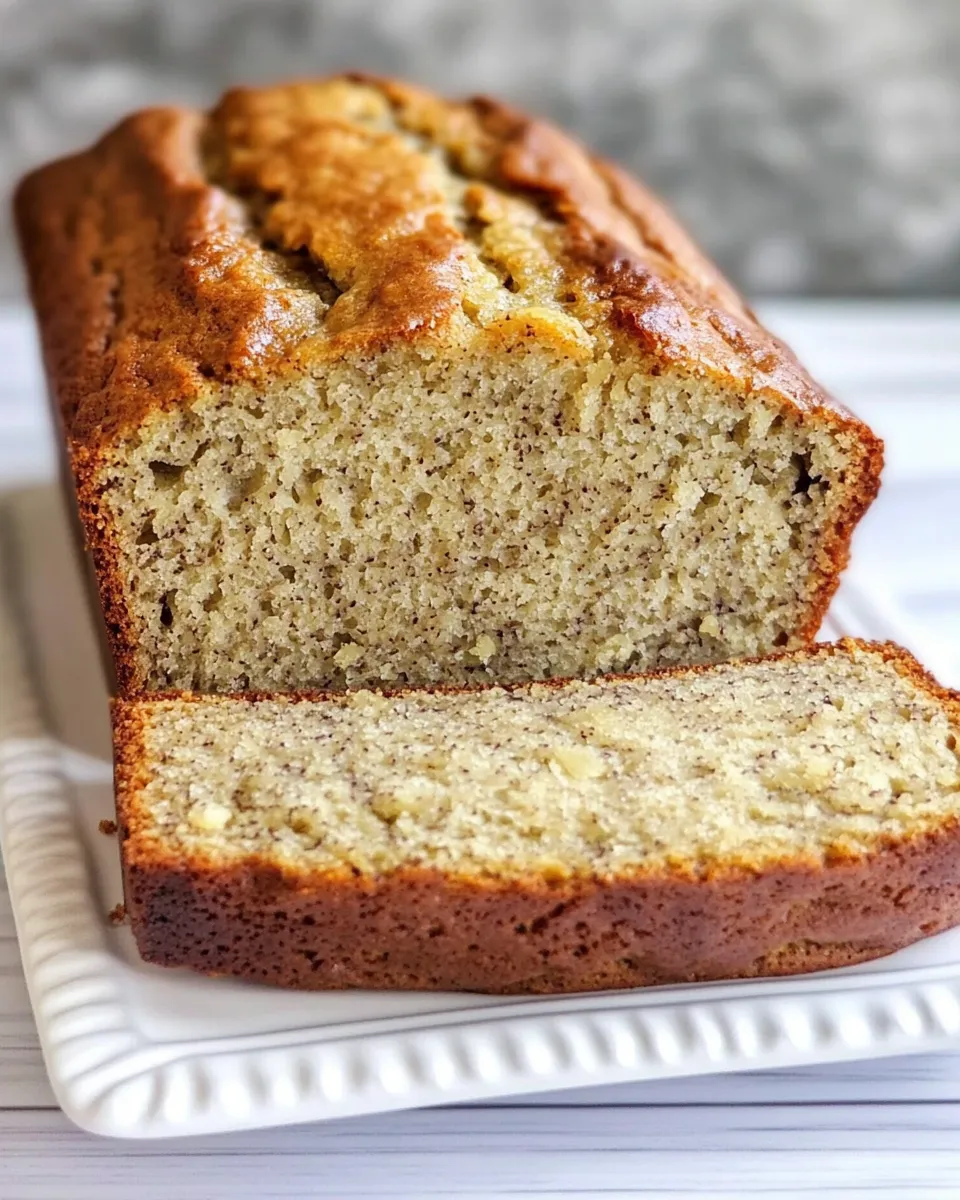
There are a few deliberate choices in this recipe that set it apart. First, the combination of sugar and brown sugar creates a balance of sweetness and molasses notes that deepen the banana flavor. Second, the use of sour cream is purposeful: it contributes fat and acidity, producing a tender crumb that stays moist longer than a loaf made without it.
The whipped topping mix envelope is the unconventional element. It functions like a light stabilizer and adds a subtle texture difference in the dry mix. Together with careful mixing — adding dry to wet in increments and stopping when just combined — these choices create an even crumb that slices cleanly and reheats or freezes well.
Lastly, the method is forgiving. You don’t need a stand mixer. Whisking and folding by hand will give the best result because it avoids over-developing gluten, keeping the loaf soft rather than gummy.
Quick Replacement Ideas
If you need small swaps based on what you have, keep changes simple and conservative so the loaf’s balance of moisture and structure remains intact.
- Sour cream: If you must swap, a thick plain yogurt is the closest match in texture and acidity. Use the same volume.
- Vegetable oil: Any neutral-flavored oil (canola, sunflower) will perform the same role.
- Sugars: You can reduce the white sugar slightly and keep the brown sugar for flavor; do small adjustments (no more than ¼ cup) to avoid affecting texture dramatically.
- Flour: Stick with all-purpose for this particular balance; swapping to another flour changes how much liquid the batter needs and affects crumb.
- Whipped topping mix envelope: If unavailable, omit it but expect a slight change in texture; the loaf will still be banana-forward and moist thanks to the sour cream and oil.
Equipment & Tools
Keep it simple. You need two large loaf pans, a mixing bowl, a whisk or hand mixer, a rubber spatula, a measuring set, and a wire rack. A food scale helps with consistency but is not required.
Nonstick spray or a light coating of oil and flour will prevent sticking. If you prefer, line the pans with parchment for guaranteed release; trim the excess for neat loaves.
Avoid These Mistakes
- Using underripe bananas: Firm, yellow bananas won’t give the same sweetness or banana punch. Wait for dark spots or even mostly brown skin.
- Overmixing batter: Stir until the dry ingredients are just incorporated. Overmixing creates a dense, chewy loaf.
- Skipping the center check: Ovens vary. Test at 45 minutes and watch for a toothpick with a few moist crumbs rather than wet batter.
- Removing from pans too soon: Let the loaves rest 10–15 minutes before turning out. Too soon and they can fall apart; too long and they can become soggy from trapped steam.
- Measuring flour by scooping: Scoop-and-level packs too much flour. Spoon the flour into the cup and level it for a more accurate measure.
Spring–Summer–Fall–Winter Ideas
This loaf adapts to the seasons without changing the base recipe. In spring and summer, let the bread cool fully and slice it thin for lighter breakfasts alongside fruit or a chilled beverage. In fall and winter, toast slices and warm them briefly — the aroma of banana and vanilla fills the kitchen and feels cozy.
Gift a fresh loaf during the holidays; wrap cooled bread tightly in plastic and then foil, or slice and place in an airtight container for neighbors or hosts. The moist crumb stands up to travel, and the loaf freezes well if you want to keep it for a later season.
Behind the Recipe
I started with a classic banana bread formula and leaned into what keeps loaves moist: fat and dairy. Sour cream is the unsung hero here. It gives moisture and slight tang without making the batter runny. The whipped topping mix envelope is an old-school addition that some home bakers use to tweak texture — it’s why this variant feels a bit different from every other banana bread out there.
Over the years I found that small procedural choices — center rack placement, letting loaves cool slightly before unmolding, and folding rather than vigorous stirring — consistently produced the best slices. This is the version I reached for when I needed a reliable crowd-pleaser.
Make Ahead Like a Pro
Cooling and Storage
Cool the loaves completely on a wire rack before wrapping. For short-term storage (1–2 days), keep at room temperature in an airtight container or wrapped tightly. For longer storage, freeze slices or whole loaves.
Freezing
To freeze, cool completely, wrap the loaf tightly in plastic wrap, then in foil or a freezer bag. Thaw overnight in the refrigerator or at room temperature for a few hours. For single servings, slice first, flash-freeze on a tray, then transfer slices to a bag so you can grab exactly what you need.
Reheating
Warm individual slices in a toaster oven or microwave for a few seconds for best texture. If reheating a whole loaf, tent it in foil and warm at low heat until just warmed through to avoid drying.
Common Questions
Can I make this as muffins? You can, though baking time and texture will vary. Use a standard muffin tin, fill cups about two-thirds, and check at 18–22 minutes.
Why use both baking soda and baking powder? The combination provides reliable lift: baking soda reacts with the acidic sour cream and bananas while baking powder gives a bit of extra rise for a lighter crumb.
My loaf is wet in the center but done at the edges — what happened? Ovens bake unevenly. If edges finish before the center, try tenting lightly with foil partway through baking, or place the pan one rack lower next time and check at the minimum time.
Can I reduce the sugar? You can reduce sugar modestly, but keep in mind sugar influences moisture and browning as well as sweetness. Small reductions (up to ¼ cup) usually work without dramatic texture changes.
Bring It to the Table
Slice this loaf thick or thin depending on appetite. It shines on its own — the banana flavor is front and center — but also pairs nicely with a hot cup of coffee or tea. For gifting, wrap a cooled loaf in parchment and tie with twine for a simple, polished presentation.
Leftover slices make excellent toasted sandwiches for breakfast or a quick coffee-shop style treat at home. Because the crumb stays moist, this loaf is reliable for all those little moments when you want something baked and honest.
Moist Banana Bread Recipe
Ingredients
Ingredients
- 1 cupsugar
- 1 cupbrown sugar
- 1/2 cupvegetable oil
- 3 eggs
- 1 tablespoonvanilla extract
- 12 ouncessour cream
- 4 bananas overripe
- 2 1/2 cupsall-purpose flour
- 1 teaspoonbaking soda
- 1 teaspoonbaking powder
- 1 whipped topping mix envelope
- pinchsalt
Instructions
Instructions
- Preheat oven to 350°F and place the oven rack in the center position. Grease and flour two large loaf pans or spray them with nonstick spray.
- In a large bowl, combine 1 cup sugar, 1 cup brown sugar, ½ cup vegetable oil, and 3 eggs. Beat or whisk until well blended.
- Add 1 tablespoon vanilla extract, 12 ounces sour cream, and 4 overripe bananas (mashed). Mix until the wet ingredients are evenly combined.
- In a separate bowl, whisk together 2½ cups all-purpose flour, 1 teaspoon baking soda, 1 teaspoon baking powder, a pinch of salt, and the whipped topping mix envelope until uniform.
- Add the dry mixture to the wet mixture in two or three additions, stirring gently after each addition until just combined. Do not overmix.
- Divide the batter evenly between the two prepared loaf pans and smooth the tops.
- Bake for 45–50 minutes, or until a toothpick inserted into the center comes out clean or with only a few moist crumbs.
- Cool the loaves in their pans on a wire rack for 10–15 minutes, then run a knife around the edges, remove the loaves from the pans, and cool completely on the rack before slicing.
Equipment
- Oven
- two large loaf pans
- nonstick spray or cooking spray
- Large Bowl
- Whisk
- Wire Rack
- Knife
Notes
STORE
cooled banana bread in an airtight container and store for 3-4 days at room temperature. While not my favorite place, it can be wrapped and stored in the fridge for 5-7 days.
FREEZE.
Wrap cooled banana bread recipe with plastic wrap then place it in a large resealable plastic freezer bag. Label the contents. Freeze for 3-4 months. Thaw at room temperature before warming to your liking.