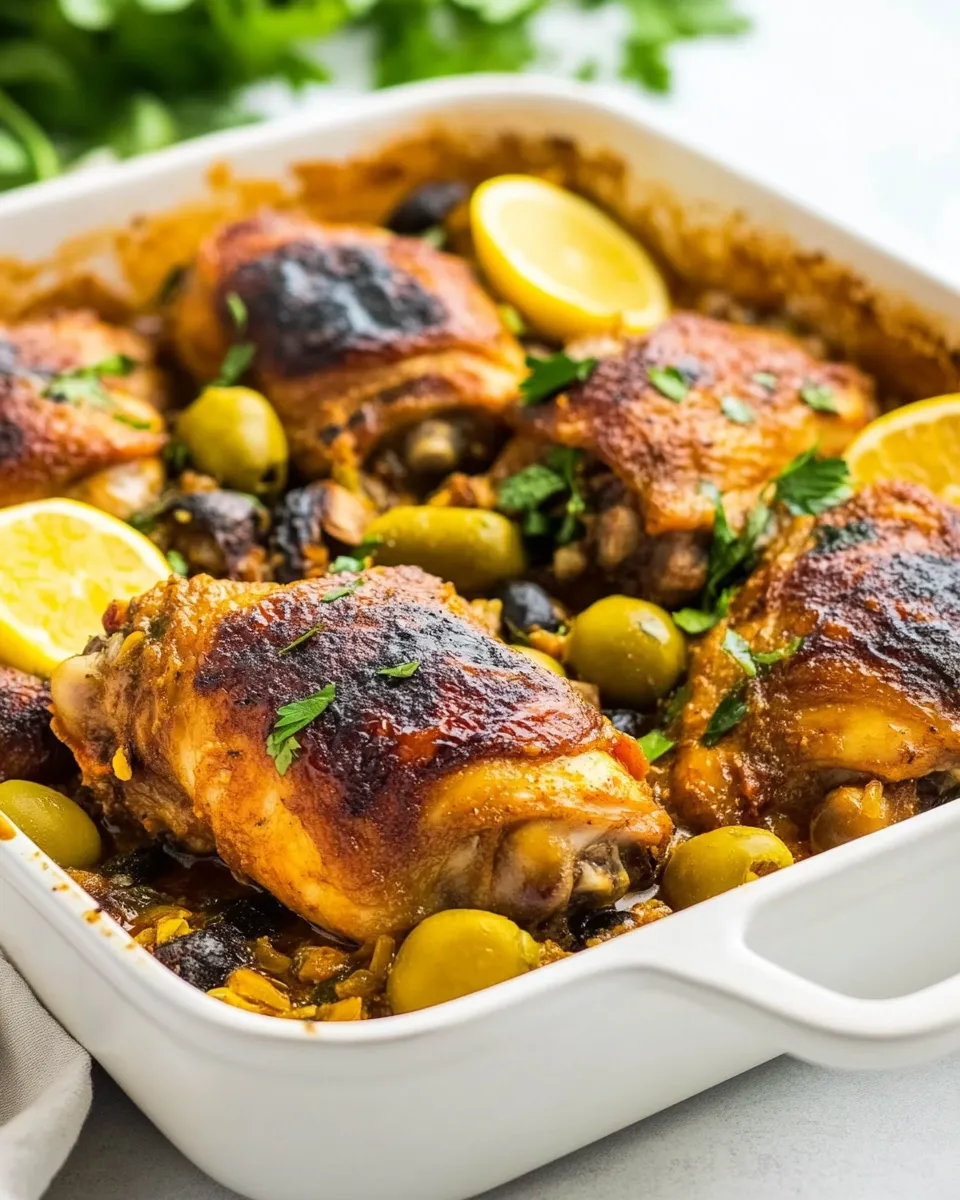
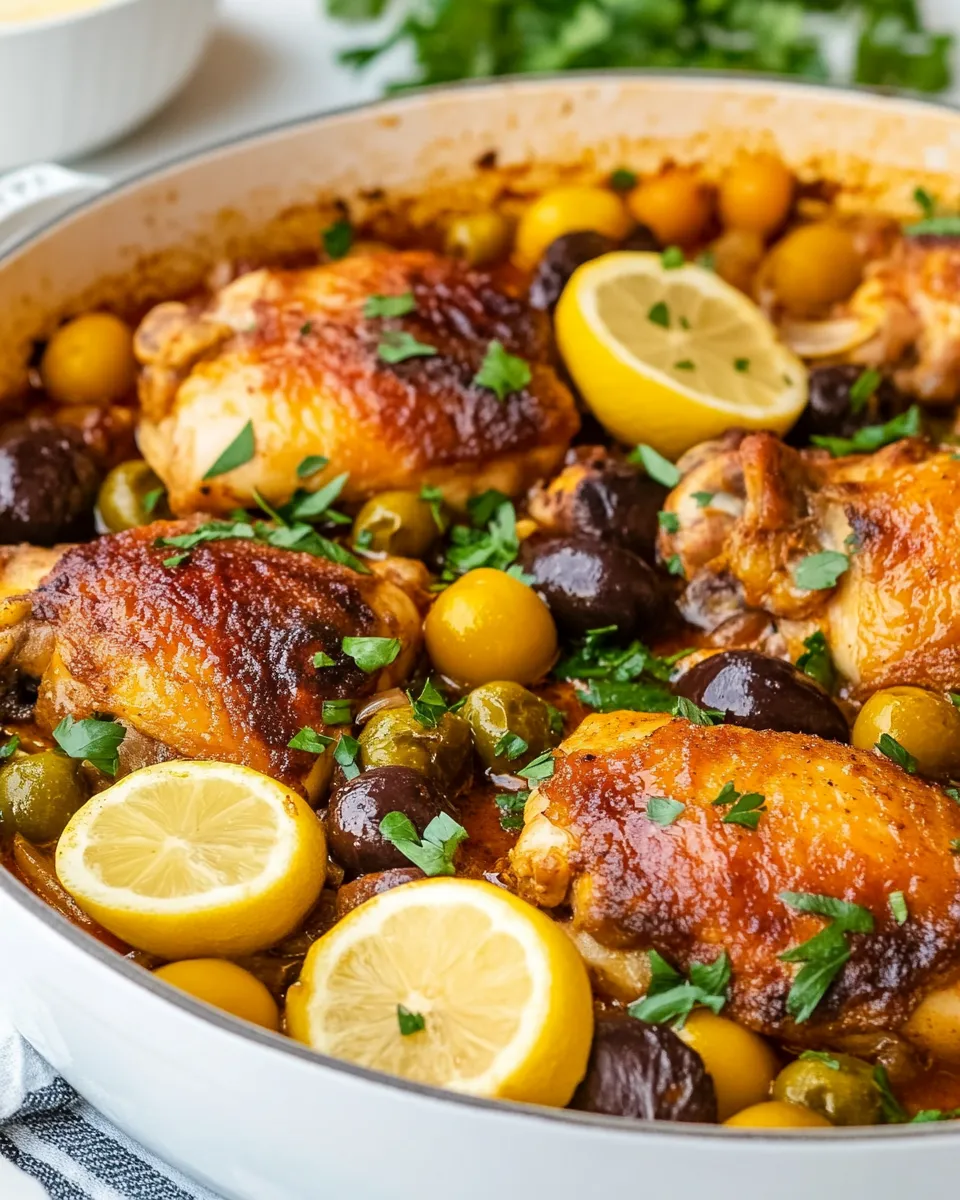
This is a simple, honest weeknight dish that still feels like something you’d order at a neighborhood bistro. The spice rub is warm and fragrant — paprika, cinnamon and turmeric — and it sticks to the chicken skin, browning into a crisp, caramelized coating. Then olives, lemon and chickpeas join in the pan for a salty, bright counterpoint that makes the whole skillet sing.
I test recipes for a living, and I’m practical about cooking: good meals should be straightforward to repeat and forgiving when life gets in the way. This recipe asks for a little searing and then an easy oven finish. It’s built to travel from stovetop to oven without fuss, which means one skillet, minimal cleanup and a satisfying result.
Serve it with rice or couscous to soak up the pan juices, but don’t be afraid to spoon it straight over a pile of greens or a simple bowl of steamed vegetables. The flavors are layered and honest — no complicated prep, just a few deliberate steps that reward attention.
What’s in the Bowl
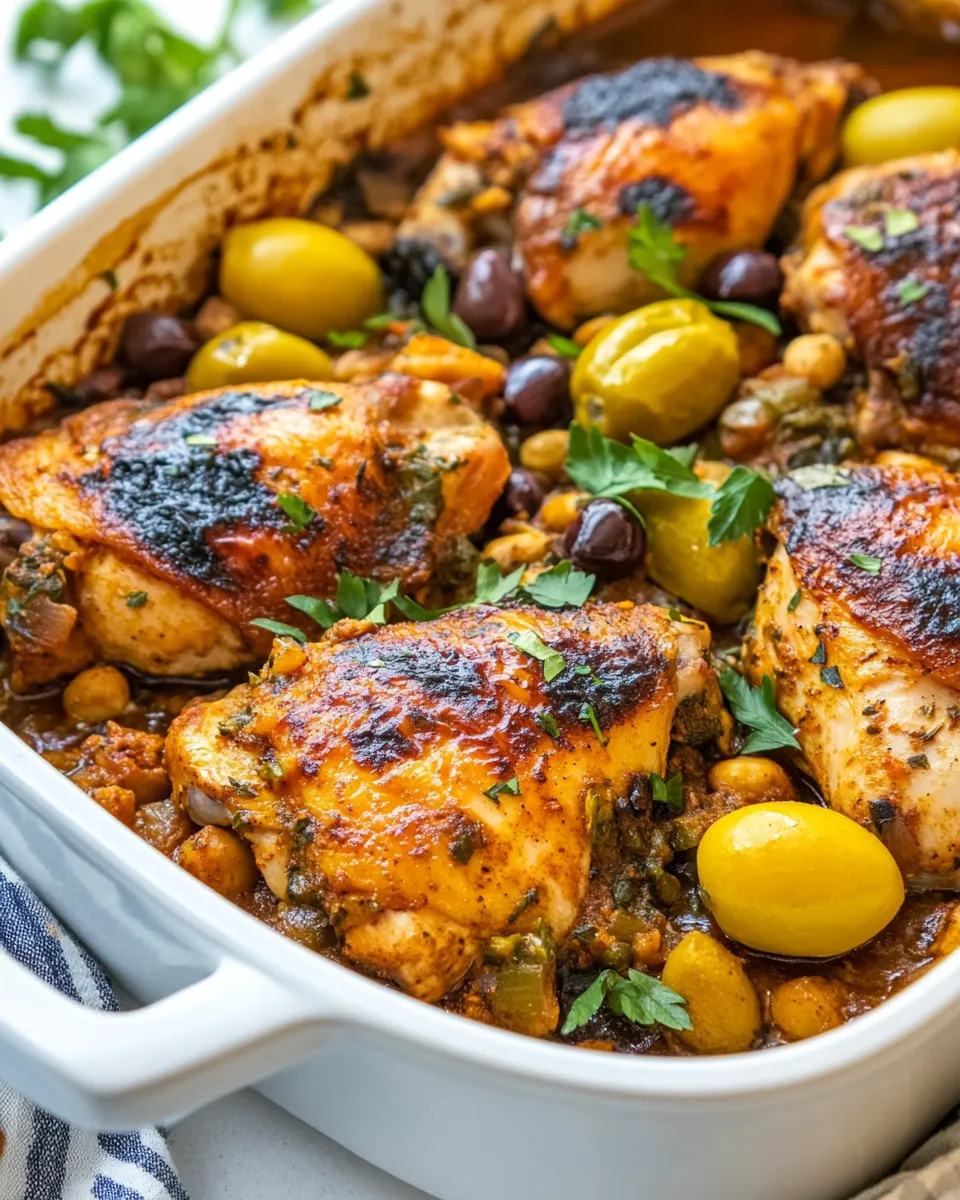
- 8 bone-in, skin-on chicken thighs — the skin crisps and the bones help keep thighs juicy; choose even-sized pieces for uniform cooking.
- 1 teaspoon ground paprika — adds color and a mild, smoky base note.
- 1 teaspoon kosher salt — seasons through the skin and meat; adjust at the table only if needed.
- ½ teaspoon ground cayenne pepper — provides a measured kick; reduce or omit if you prefer less heat.
- ½ teaspoon ground cumin — an earthy, warm backbone that pairs with the paprika and cinnamon.
- ½ teaspoon ground cinnamon — a touch of sweetness that gives the rub its Moroccan character.
- ½ teaspoon ground ginger — bright, slightly sharp warmth that balances the other spices.
- ¼ teaspoon ground turmeric — color and a subtle bitter-earthy note; it helps deepen the rub’s aroma.
- 1 tablespoon olive oil — for searing; heats quickly and helps the skin brown evenly.
- 1 onion (sliced) — placed around the chicken so it softens and caramelizes in the juices.
- 1 lemon (sliced) — gives acidity and bright citrus aroma; bake in the pan so it mellows.
- 1 cup canned chickpeas (drained and rinsed) — adds body, texture and plant-based protein to the pan.
- ½ cup green olives (pitted) — salty and briny; use ones you enjoy eating on their own.
- ½ cup kalamata olives (pitted) — deeper, fruitier olive flavor to contrast the green olives.
- 2 cloves garlic (minced) — aromatic backbone; add when you’re ready to build flavor in the skillet.
- 1 tablespoon lemon zest — a final lift of citrus brightness distributed in the pan.
- 1 cup low-sodium chicken broth — steams and braises the thighs gently; low-sodium keeps the pan from becoming overly salty.
Cooking (Moroccan Chicken Thighs): The Process
Sear, then bake — step by step
- Preheat the oven to 375°F (190°C).
- In a small bowl, combine 1 teaspoon ground paprika, 1 teaspoon kosher salt, ½ teaspoon ground cayenne, ½ teaspoon ground cumin, ½ teaspoon ground cinnamon, ½ teaspoon ground ginger, and ¼ teaspoon ground turmeric. Pat the 8 bone-in, skin-on chicken thighs dry with paper towels, then rub the spice mixture evenly into the skin of each thigh.
- Heat 1 tablespoon olive oil in a large oven-safe skillet over medium heat until shimmering.
- Add the chicken thighs to the skillet, skin-side down. Brown the skin for about 5–7 minutes, until golden; then flip the thighs so they are skin-side up.
- Arrange 1 sliced onion and sliced pieces of 1 lemon around and between the thighs. Add 1 cup canned chickpeas (drained and rinsed), ½ cup green olives (pitted), ½ cup kalamata olives (pitted), 2 cloves garlic (minced), and 1 tablespoon lemon zest to the skillet, distributing them evenly.
- Pour 1 cup low-sodium chicken broth into the skillet around the chicken (not directly over the skin).
- Transfer the oven-safe skillet to the preheated oven and bake uncovered for 25 minutes.
- Remove from the oven and let rest a few minutes before serving. Serve with rice or couscous if desired.
Why It Works Every Time
This recipe hinges on two reliable techniques: dry-seasoning and hot searing, followed by a wet oven finish. Patting the thighs dry and massaging the spice mix into the skin ensures the flavors adhere and the skin crisps rather than steams. The initial skin-side sear develops Maillard browning — that deep, savory flavor and attractive color — which you can’t get from the oven alone.
Adding the broth around the chicken (not over the skin) does two things: it creates a shallow braise that keeps the thighs meltingly tender and it captures pan flavors without sogging the skin. Olives and lemon introduce acidity and salinity that cut through the richness, while chickpeas provide structure so the dish feels complete without needing an elaborate side.
Vegan & Vegetarian Swaps
If you want the flavor profile but need to skip meat, the same spice blend and pan method will work on firm, plant-based items. Use a heat-stable protein or vegetable that will hold up to searing and oven time. Examples include firm tofu pressed dry, thick eggplant slices, or large cauliflower steaks. Sear until golden, arrange the aromatics and olives in the pan, and add vegetable broth instead of chicken broth.
Keep the chickpeas and lemon — they’re already plant-forward components that anchor the dish. For a heartier plate, serve these swaps over couscous, bulgur, or a bed of greens that will benefit from the pan juices.
Equipment at a Glance
- Large oven-safe skillet — essential; it’s where you sear and finish the dish in the oven.
- Small bowl — for whisking the spice mix.
- Paper towels — for drying the chicken so the skin crisps properly.
- Measuring spoons — to keep the spice proportions consistent.
- Tongs — for safely flipping the hot thighs during searing.
Frequent Missteps to Avoid
- Skipping the drying step — wet skin steams and won’t brown; pat the thighs thoroughly.
- Overcrowding the skillet — if pieces touch too much, they’ll steam instead of sear; use a larger pan or work in batches.
- Pouring broth over the skin — that washes away the rub and softens the skin; pour it around the thighs instead.
- Opening the oven early — 25 minutes is calibrated for this setup; resist checking too soon unless you’re monitoring color.
- Using very high-salt olives — taste them first and rinse briefly if they seem overly briny; this keeps the finished dish balanced.
How to Make It Lighter
Simple swaps reduce calories and fat without losing flavor. Remove the skin before cooking to cut fat; the thighs will still be flavorful thanks to the spice rub and braising liquid, though they won’t get the same crisp. Use a nonstick skillet to reduce the oil needed for searing. Choose low-sodium or homemade broth (the recipe already specifies low-sodium chicken broth) and lean on chickpeas and vegetables as the main plate components. Serve over cauliflower rice or extra greens instead of couscous for fewer carbs.
Behind-the-Scenes Notes
I often test this with slightly different olive combinations — once with green Castelvetranos, another time with a mix of picholine and kalamata — and the dish responds well. The balance comes from contrasting textures: crisp skin, soft chickpeas, and lemon slices that melt into the juices. The cinnamon is subtle; it’s there to round the spices and should not make the dish taste sweet. If you prefer a smokier note, a small pinch of smoked paprika can be experimented with, but the recipe’s paprika already provides a gentle warmth.
One practical tip: let the chicken rest in the pan for a few minutes after you remove it from the oven. The juices redistribute and the pan liquid slightly reduces, making the final spooning over rice or couscous cleaner and more flavorful.
Make-Ahead & Storage
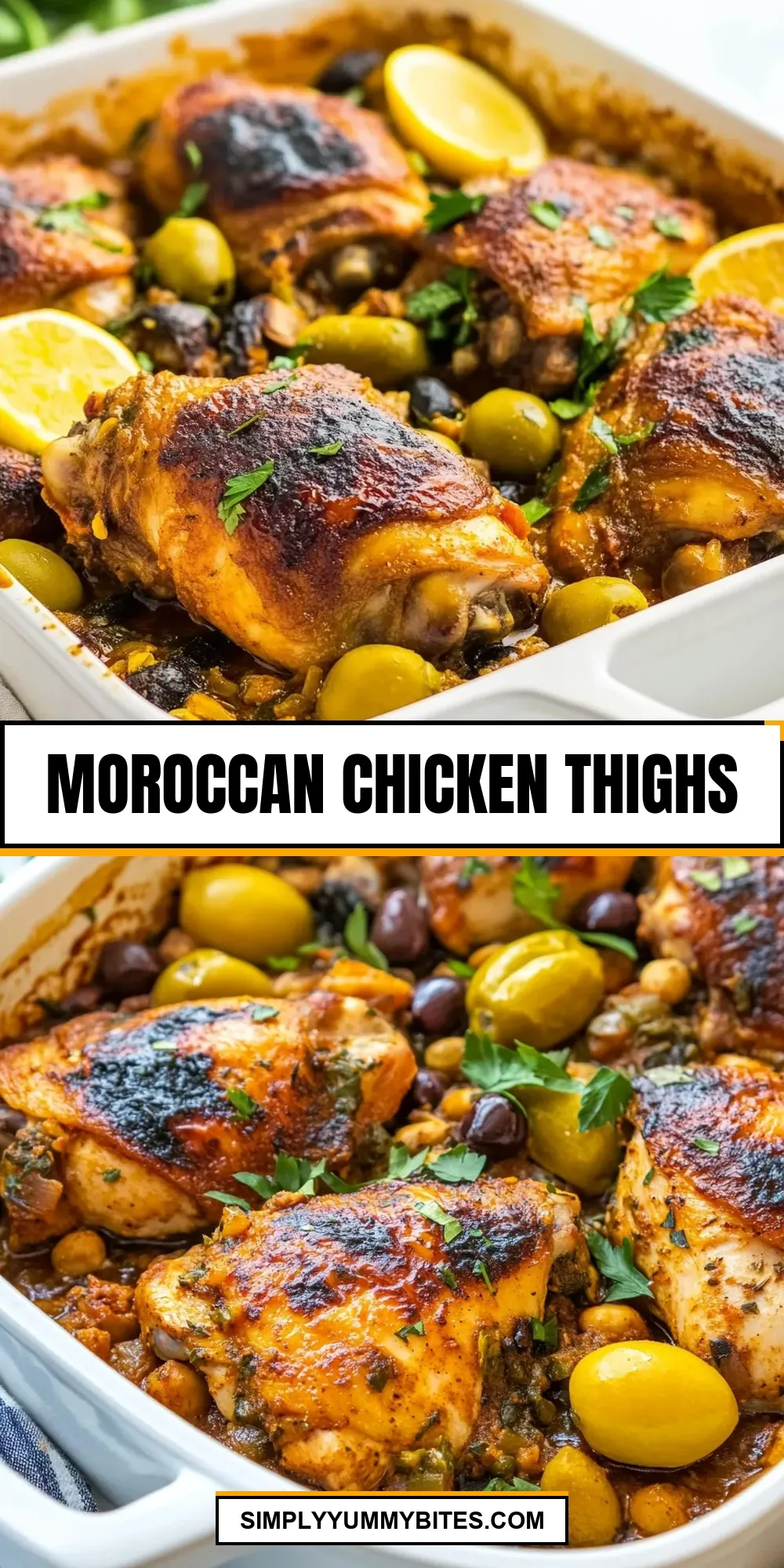
This recipe reheats beautifully. Cool the dish to room temperature, then transfer to an airtight container and refrigerate for up to 3–4 days. Reheat gently in a skillet over medium-low heat with a splash of broth to loosen the sauce, or cover and reheat in a 325°F (160°C) oven until warmed through. If you removed the skin to make it lighter, the thighs can dry faster on reheating — add a little broth and cover briefly to retain moisture.
For freezer storage, place cooled thighs and accompaniments in a freezer-safe container and freeze for up to 2 months. Thaw overnight in the refrigerator before reheating. Note that olives and lemon can change texture somewhat after freezing, but the overall flavor will remain intact.
Handy Q&A
- Can I use boneless thighs? — Yes. Cooking time may be slightly shorter; watch for doneness and adjust so they don’t overcook.
- What if I don’t have kalamata olives? — Use another briny olive you like; keep a mix of olive types for depth.
- Is there a thermometer target? — Aim for an internal temperature of 165°F (74°C) in the thickest part of the thigh for safety, though thighs can be gently higher for tenderness.
- Can I make the spice mix in advance? — Absolutely. Mix it and store in a small jar up to a few weeks; shake before using.
- How spicy is this? — The cayenne is modest; reduce or omit it if you prefer milder heat.
Ready to Cook?
If you want a comforting, flavorful skillet dinner that’s simple to execute, this is a reliable recipe. It’s designed to be approachable: measurable spices, basic pantry ingredients, and the kind of technique you can repeat easily. Gather your skillet, pat the thighs dry, rub them with the spice blend and get ready for a dinner that looks like effort and tastes like care. When you’re ready, follow the steps in the Cooking section and enjoy — this one earns its place in the regular rotation.
Moroccan Chicken Thighs
Ingredients
Ingredients
- 8 bone-in skin-on chicken thighs
- 1 teaspoonground paprika
- 1 teaspoonkosher salt
- 1/2 teaspoonground cayenne pepper
- 1/2 teaspoonground cumin
- 1/2 teaspoonground cinnamon
- 1/2 teaspoonground ginger
- 1/4 teaspoonground turmeric
- 1 tablespoonolive oil
- 1 onion sliced
- 1 lemon sliced
- 1 cupcanned chickpeas drained and rinsed
- 1/2 cupgreen olives pitted
- 1/2 cupkalamata olives pitted
- 2 clovesgarlic minced
- 1 tablespoonlemon zest
- 1 cuplow-sodium chicken broth
Instructions
Instructions
- Preheat the oven to 375°F (190°C).
- In a small bowl, combine 1 teaspoon ground paprika, 1 teaspoon kosher salt, ½ teaspoon ground cayenne, ½ teaspoon ground cumin, ½ teaspoon ground cinnamon, ½ teaspoon ground ginger, and ¼ teaspoon ground turmeric. Pat the 8 bone-in, skin-on chicken thighs dry with paper towels, then rub the spice mixture evenly into the skin of each thigh.
- Heat 1 tablespoon olive oil in a large oven-safe skillet over medium heat until shimmering.
- Add the chicken thighs to the skillet, skin-side down. Brown the skin for about 5–7 minutes, until golden; then flip the thighs so they are skin-side up.
- Arrange 1 sliced onion and sliced pieces of 1 lemon around and between the thighs. Add 1 cup canned chickpeas (drained and rinsed), ½ cup green olives (pitted), ½ cup kalamata olives (pitted), 2 cloves garlic (minced), and 1 tablespoon lemon zest to the skillet, distributing them evenly.
- Pour 1 cup low-sodium chicken broth into the skillet around the chicken (not directly over the skin).
- Transfer the oven-safe skillet to the preheated oven and bake uncovered for 25 minutes.
- Remove from the oven and let rest a few minutes before serving. Serve with rice or couscous if desired.
Equipment
- Oven-safe skillet
- Small Bowl
- Paper Towels
Notes
Storage:
Store Moroccan chicken thighs in an airtight container in the refrigerator for up to 3 days or in the freezer for up to 3 months.