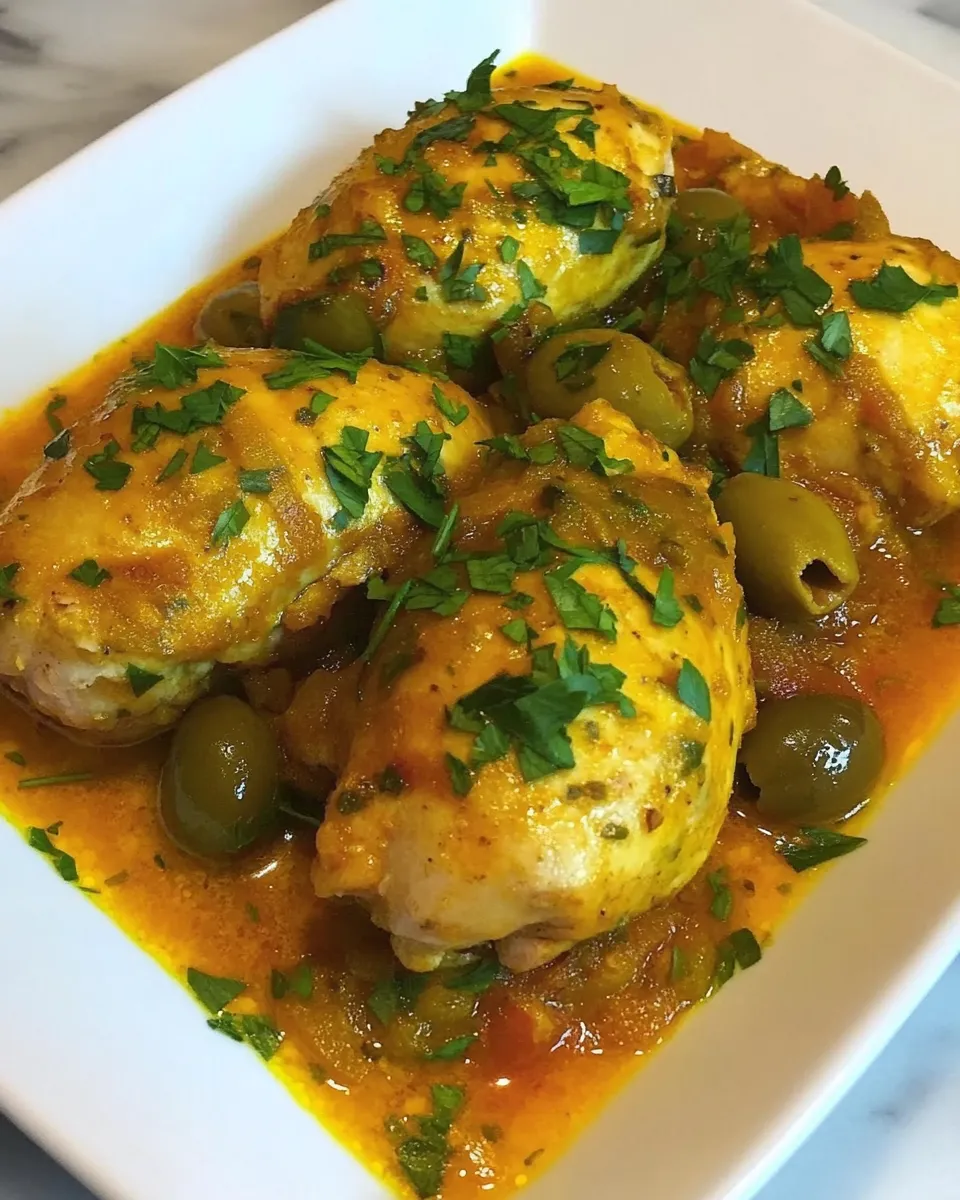
This dish is one of those home-cooking treasures that looks and tastes like a special-occasion meal but lives comfortably in a weeknight rotation. Bright preserved lemons and briny green olives mingle with warm spices and a long, slow simmer to turn ordinary bone-in chicken into something deeply aromatic and tender. The sauce is the point — fragrant, slightly tangy, and perfect for dipping with flatbread or spooning over couscous.
I like to lean on a deep, heavy pan so the stock and spice aromas concentrate instead of evaporate. There’s no rush: the recipe asks for a gentle simmer that lets flavors develop and the meat fall nearly off the bone. A little saffron and turmeric lift the color and aroma, while cumin and paprika give that familiar North African backbone.
Below I walk through shopping and tools, give practical swaps and pitfalls to avoid, and keep the method exactly as written so your results match the intent. If you follow the steps, you’ll have a dinner that’s both comforting and subtly exotic — family-friendly, and impressive enough for guests.
Ingredients
- 3 1/2 pounds bone-in chicken pieces — the bones and skin (if kept) add flavor and help the sauce develop depth.
- 1/2 teaspoon saffron threads — a little goes a long way; blooms in warm liquid and adds aroma and color.
- 1 1/2 teaspoons cumin — adds earthy warmth and is a backbone spice for Moroccan flavors.
- 1 1/2 teaspoons paprika — for color and a sweet pepper note; use smoked paprika for a different profile if you prefer.
- 1 teaspoon turmeric — brightens the dish and pairs well with saffron; contributes warm color.
- 1/2 teaspoon ground ginger — adds a subtle sharpness and warmth without heat.
- Pinch cayenne pepper — barely there heat; adjust or omit to control spice level.
- Pinch cinnamon — a whisper of sweet spice that complements the citrus and cumin.
- 1/4 cup extra virgin olive oil — for sautéing the onion and browning the chicken; adds richness.
- 1 large onion, finely chopped — builds the sauce base and softens into sweet aromatics.
- 2 garlic cloves, crushed — added toward the end of sautéing so the garlic browns and becomes fragrant.
- 1 quart chicken stock — the cooking liquid; it’s the body of the sauce so use a stock you like.
- 2 preserved lemons (or sub fresh lemons), peel only, pulp discarded — preserved lemons bring fermented citrus complexity; if using fresh, you’ll only use the peel for brightness.
- 1 cup pitted green olives — briny component that contrasts the citrus and spices.
- 1/2 cup fresh chopped cilantro for garnish — finishes the dish with bright herbal notes.
- Salt and pepper — to taste; be cautious with salt if using preserved lemons, which are already salty.
Your Shopping Guide
When you shop for this recipe, focus on freshness and a few small splurges. Choose bone-in chicken pieces with good color and minimal odor; thigh-and-drumstick pieces give the best flavor and stay moist during the long simmer. If you prefer white meat, include bone-in breasts, but expect slightly different timing and texture.
Saffron is listed in a small quantity — buy the threads if you don’t already have them. The amount is minimal, so a small jar will last and make a noticeable difference. Look for preserved lemons in jars at Middle Eastern markets or the ethnic aisle; they vary in salt level and intensity, so taste a small piece before adding salt to the finished sauce.
If your olive selection is limited, choose a brined green olive with a clean, slightly tangy flavor. Pitted olives save time. Finally, use a chicken stock you trust; homemade is ideal, but a good-quality store-bought stock will do. Avoid broths that are very salty — you’ll be tasting for salt as you finish.
Moroccan Lemon Chicken with Olives: How It’s Done
- Pat the 3 1/2 pounds bone-in chicken pieces dry. Optionally remove the skin; rinse and dry the pieces if you rinsed them. Lightly season with salt and pepper only if not using preserved lemons or already-salty chicken.
- Grind the 1/2 teaspoon saffron threads to a powder (spice grinder or mortar and pestle). In a small bowl, combine the ground saffron with 1 1/2 teaspoons cumin, 1 1/2 teaspoons paprika, 1 teaspoon turmeric, 1/2 teaspoon ground ginger, a pinch of cayenne, and a pinch of cinnamon.
- Rub the spice mixture evenly over all chicken pieces. Set the spiced chicken aside while you prepare the pan.
- Heat 1/4 cup extra virgin olive oil in a deep skillet or sauté pan over medium-high heat. Add the finely chopped large onion and sauté until translucent, about 5–8 minutes.
- Add the 2 crushed garlic cloves to the onion and cook, stirring, until the garlic is lightly browned and fragrant, about 1–2 minutes.
- Arrange the spiced chicken pieces snugly in the skillet, skin-side up if skin remains. Pour up to 1 quart chicken stock over the chicken; the pieces should be almost covered (you may not need the entire quart depending on pan size).
- Prepare the lemons: remove and discard all pulp from the 2 preserved lemons (or from the fresh lemons if using fresh). Cut the remaining lemon peel into thin slices. Scatter the lemon peel slices evenly over and around the chicken in the pan.
- Bring the stock to a boil, then reduce heat to low so it simmers gently. Cover the skillet and simmer for 60–75 minutes, uncovered or partially covered to your pan’s fit, periodically ladling the seasoned stock over the chicken, until the meat is fork-tender. (Cook longer, up to 75 minutes, for more tender meat.)
- Use tongs or a slotted spoon to transfer the cooked chicken pieces to a serving dish or bowl and keep warm.
- Add the 1 cup pitted green olives to the sauce in the skillet. Increase heat to medium-high and bring the sauce to a boil, then reduce and simmer a few minutes until the sauce reduces and thickens slightly. Taste and adjust seasoning with salt and pepper as needed (remember preserved lemons are salty, so taste before adding salt).
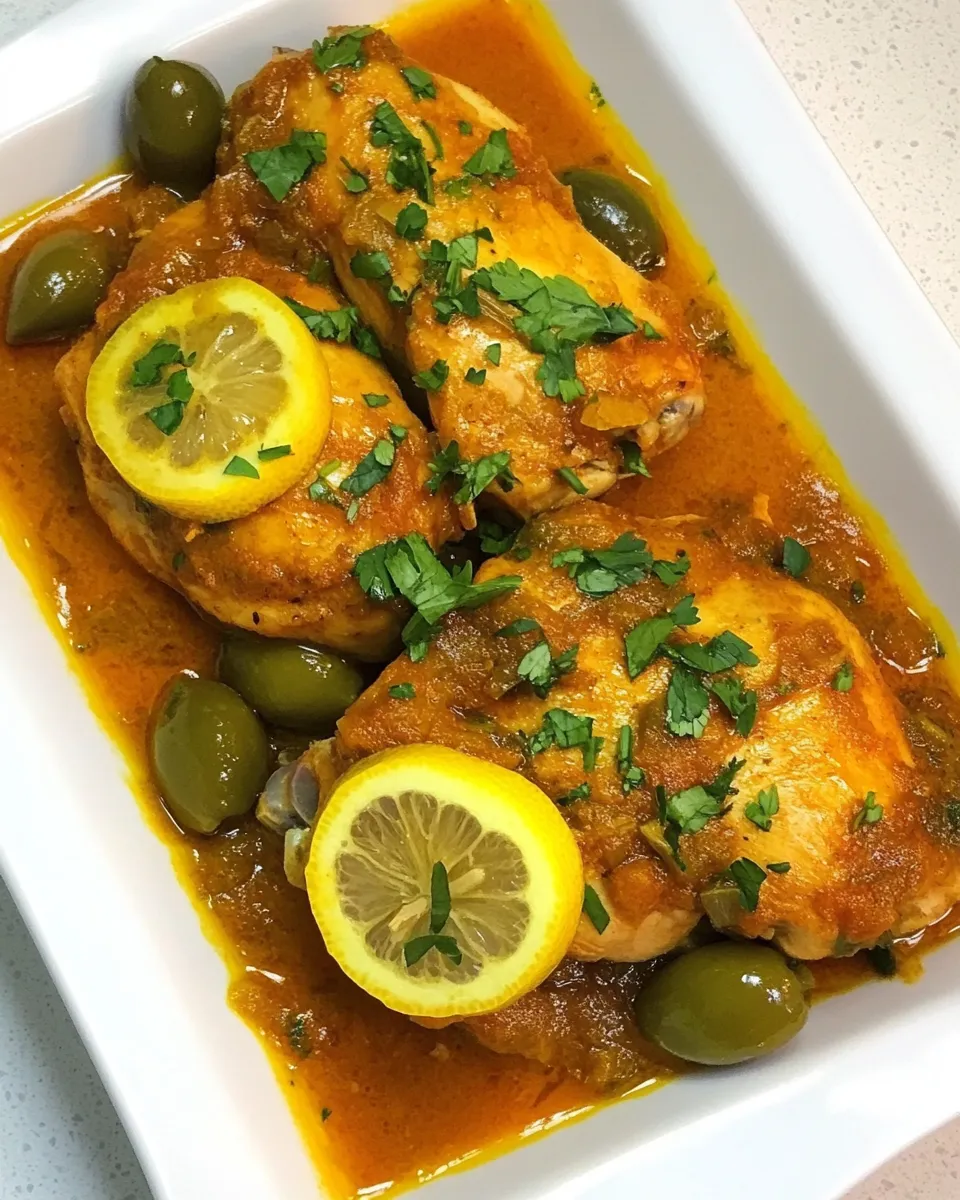
- Pour the sauce, olives, and lemon peel over the chicken. Garnish with 1/2 cup fresh chopped cilantro.
- Serve warm over couscous, basmati rice, mashed potatoes, or with flatbread/pita to dip into the sauce.
The Upside of Moroccan Lemon Chicken with Olives
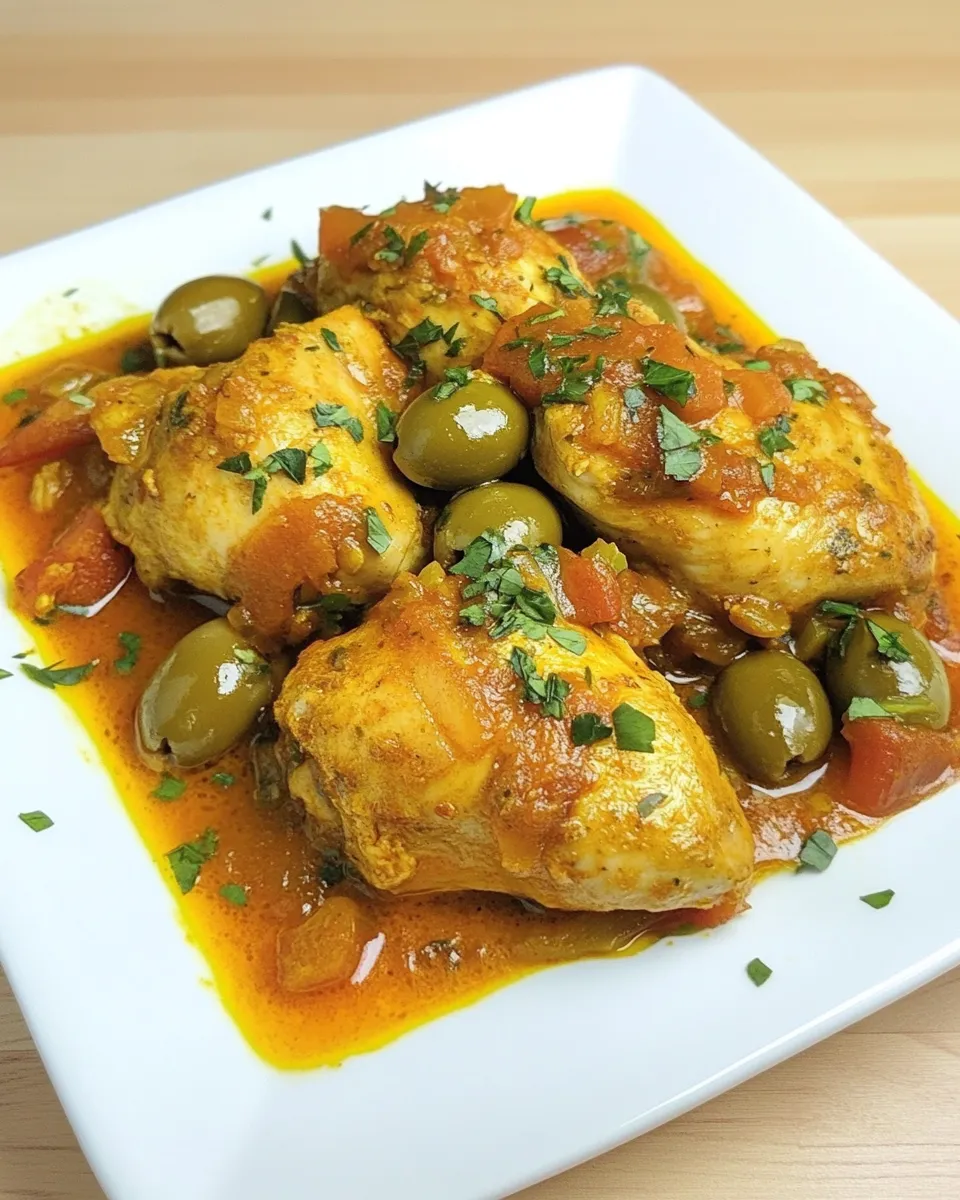
This recipe rewards time rather than effort. It doesn’t require constant attention; a gentle simmer is the main act. The combination of preserved lemon and olives creates a balanced contrast: acid and salt against warm spices, which keeps the dish lively even after a day in the fridge. The bone-in pieces give a richer mouthfeel and keep the meat juicy through the long simmer.
The sauce is versatile: spoon it over grains, tuck it into pita with fresh herbs and yogurt, or serve it alongside roasted vegetables. It travels well for leftovers and generally tastes even better the next day as the flavors continue to meld.
If You’re Out Of…
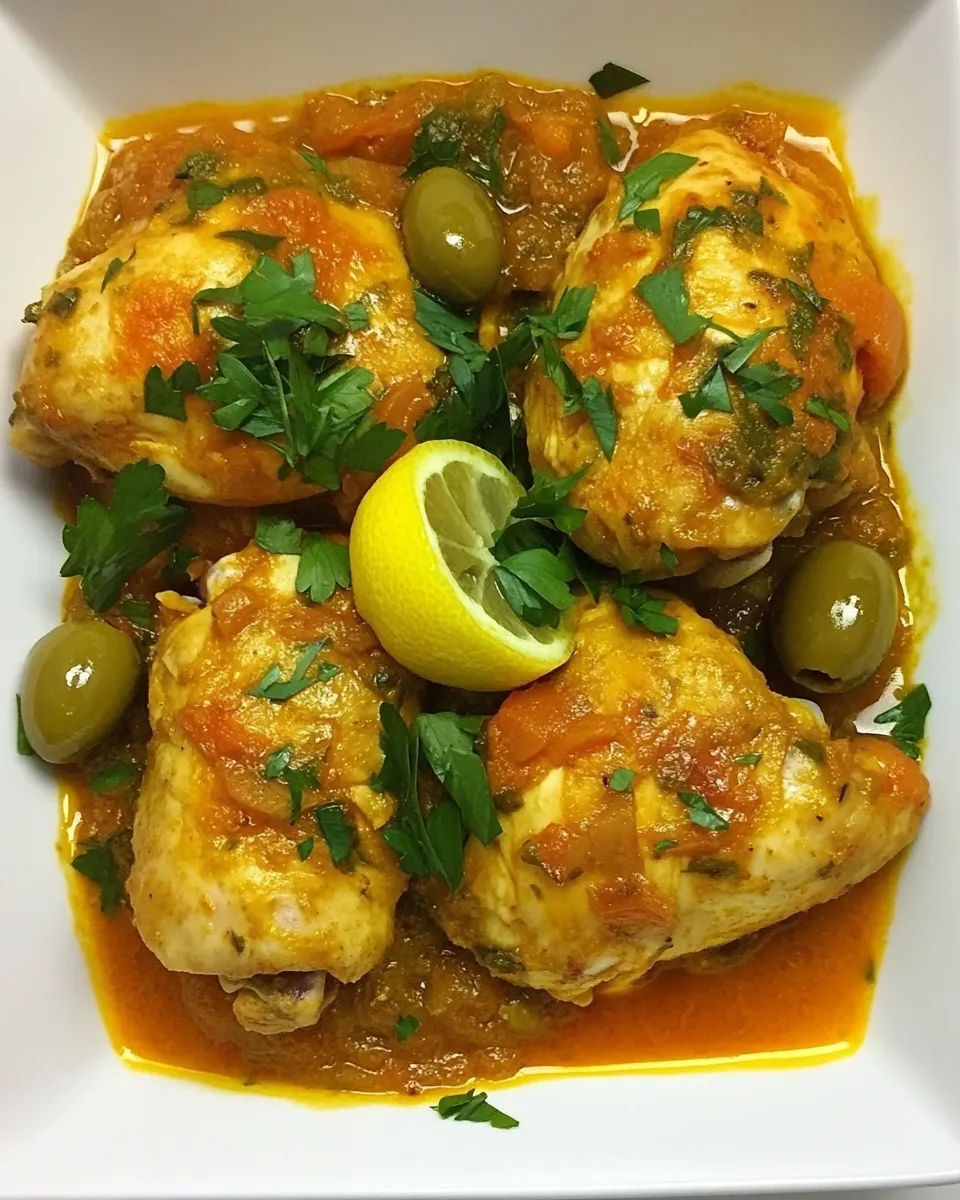
Out of preserved lemons? The recipe allows fresh lemons as a sub: use only the peel (no pulp) for brightness, and be mindful that you’ll miss the fermented umami of preserved lemons. If you must, blanch the peels briefly to soften them before slicing.
No saffron? The quantity here is small and primarily aromatic and color-building. You can omit it. The dish will still be delicious thanks to turmeric and paprika, but it will lack that floral saffron signature.
Missing green olives? Any brined olive—green or black—works, as long as it’s pitted. If you don’t have pitted olives, plan for extra hands-on time to pit them before adding. If all else fails, a small splash of brine from a jar of olives can add the salty, tangy note the recipe aims for.
Recommended Tools
- Deep skillet or wide sauté pan with lid — to hold the chicken pieces snugly and allow the sauce to simmer; a 10–12 inch pan works well.
- Mortar and pestle or spice grinder — for grinding saffron threads into a powder so the flavor distributes evenly.
- Tongs or slotted spoon — to transfer chicken from pan to serving dish without losing much sauce.
- Sharp knife and cutting board — for trimming chicken and slicing lemon peel thinly and uniformly.
- Ladle — useful for periodically spooning stock over the chicken as it simmers to keep the surface flavorful and moist.
Pitfalls & How to Prevent Them
Over-salting is the biggest misstep here because preserved lemons and olives add salt. Always taste the sauce after the olives are in and before adjusting with salt. If you accidentally over-salt, add a splash of unsalted stock or a peeled cooked potato to absorb some salt (remove the potato before serving).
Another common problem is boiling too vigorously. Keep the heat low once you see a simmer; a hard boil will toughen the meat and reduce the liquid too quickly. Aim for a gentle, steady simmer, and cover the pan so heat distributes evenly.
Finally, don’t rush the aromatics. Let the onion fully soften and the garlic lightly brown. Those minutes at the start develop the flavor foundation you’ll taste in every bite.
Make It Fit Your Plan
Turn this into a weeknight meal by doing prep in the morning or the night before. Rub the spice mix over the chicken and refrigerate covered; the longer rest time lets the spices penetrate. When you get home, sauté the onions, add garlic, and proceed as written. The active time is short enough that it’s realistic after work.
For entertaining, scale up by using multiple pans or a large Dutch oven and keep finished chicken warm in a low oven while you finish the sauce. Serve family-style on a large platter with bowls of couscous, plain rice, or flatbread so guests can help themselves.
Cook’s Notes
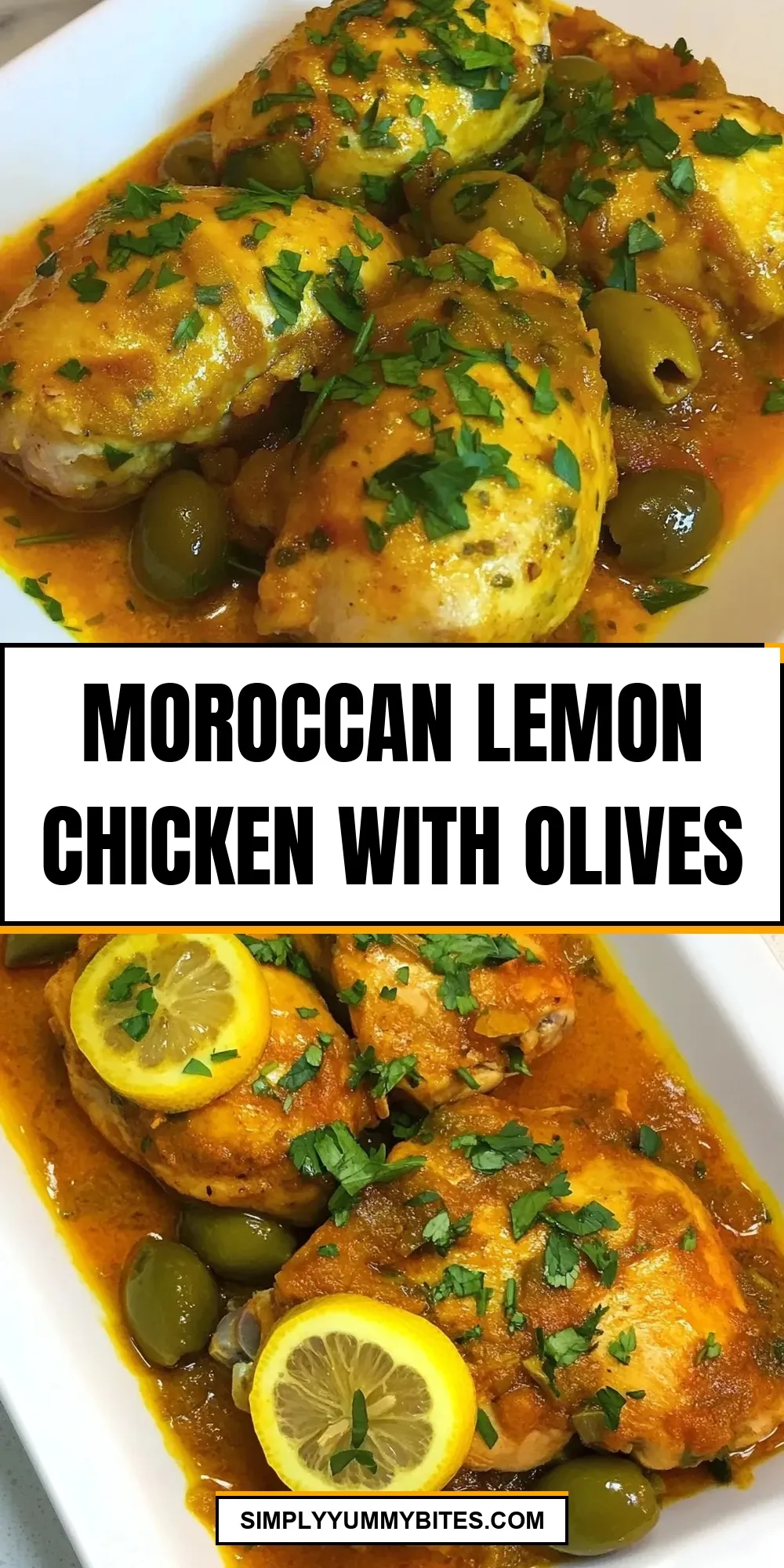
Preserved lemons are salty and pungent; remove all pulp and use only the peel as directed. Thinly slicing the peel spreads the citrus aroma without being overpowering. If the preserved lemons you buy are particularly salty, rinse them briefly and re-slice — just make sure to dry them before adding so you don’t dilute the pan.
Saffron should be handled gently. Grinding the threads helps distribute flavor; if you don’t have tools, crumble them thinly between fingers before mixing. The pinch of cayenne is optional: it provides warmth without making the dish “hot,” so adjust to your household’s tolerance.
Meal Prep & Storage Notes
Refrigerate cooled leftovers in an airtight container for up to 3–4 days. The sauce thickens as it chills — gently reheat on low with a splash of water or stock to loosen it and keep the chicken moist. Reheated in the oven at 325°F (about 160°C) covered is another good option for even warming.
For longer storage, the cooked components freeze well. Pack sauce and chicken into a freezer-safe container, leaving some headspace, and freeze up to 3 months. Thaw overnight in the fridge before reheating gently on the stovetop.
Moroccan Lemon Chicken with Olives FAQs
Q: Can I use boneless chicken? A: Yes, but boneless pieces will cook faster and can become drier with a long simmer. Reduce simmer time and check for tenderness earlier.
Q: Are preserved lemons necessary? A: They provide a distinctive fermented citrus note that fresh lemon peel cannot fully replicate, but fresh peel will still give brightness in a pinch.
Q: Can I make this spicy? A: Increase the cayenne slightly or add a pinch of chili flakes when you add the garlic. Remember that heat should complement, not overwhelm, the lemon and olive balance.
Q: What sides pair best? A: Neutral, absorbent sides are best — couscous, basmati rice, mashed potatoes, or flatbread to mop up the sauce.
Serve & Enjoy
Bring the warm chicken to the table on a deep platter, spoon the olives and sauce over the pieces, and scatter the fresh chopped cilantro on top. Offer couscous or rice in a separate bowl, and set small plates for tearing bread to dip into the sauce. The aromas are immediate and inviting; the first bite should combine the tender, spiced chicken, the bright lemon peel, and the briny olive for a balanced mouthful.
Serve family-style and let people build their plates. This recipe invites sharing and simple conversation — the kind of meal that fills the house with smell and the table with friends.
Moroccan Lemon Chicken with Olives
Ingredients
Ingredients
- 3 1/2 poundsbone-in chicken pieces
- 1/2 teaspoonsaffron threads
- 1 1/2 teaspoonscumin
- 1 1/2 teaspoonspaprika
- 1 teaspoonturmeric
- 1/2 teaspoonground ginger
- Pinchcayenne pepper
- Pinchcinnamon
- 1/4 cupextra virgin olive oil
- 1 large onion finely chopped
- 2 garlic cloves crushed
- 1 quartchicken stock
- 2 preserved lemons or sub fresh lemons, peel only, pulp discarded
- 1 cuppitted green olives
- 1/2 cupfresh chopped cilantro for garnish
- Salt and pepper
Instructions
Instructions
- Pat the 3 1/2 pounds bone-in chicken pieces dry. Optionally remove the skin; rinse and dry the pieces if you rinsed them. Lightly season with salt and pepper only if not using preserved lemons or already-salty chicken.
- Grind the 1/2 teaspoon saffron threads to a powder (spice grinder or mortar and pestle). In a small bowl, combine the ground saffron with 1 1/2 teaspoons cumin, 1 1/2 teaspoons paprika, 1 teaspoon turmeric, 1/2 teaspoon ground ginger, a pinch of cayenne, and a pinch of cinnamon.
- Rub the spice mixture evenly over all chicken pieces. Set the spiced chicken aside while you prepare the pan.
- Heat 1/4 cup extra virgin olive oil in a deep skillet or sauté pan over medium-high heat. Add the finely chopped large onion and sauté until translucent, about 5–8 minutes.
- Add the 2 crushed garlic cloves to the onion and cook, stirring, until the garlic is lightly browned and fragrant, about 1–2 minutes.
- Arrange the spiced chicken pieces snugly in the skillet, skin-side up if skin remains. Pour up to 1 quart chicken stock over the chicken; the pieces should be almost covered (you may not need the entire quart depending on pan size).
- Prepare the lemons: remove and discard all pulp from the 2 preserved lemons (or from the fresh lemons if using fresh). Cut the remaining lemon peel into thin slices. Scatter the lemon peel slices evenly over and around the chicken in the pan.
- Bring the stock to a boil, then reduce heat to low so it simmers gently. Cover the skillet and simmer for 60–75 minutes, uncovered or partially covered to your pan’s fit, periodically ladling the seasoned stock over the chicken, until the meat is fork-tender. (Cook longer, up to 75 minutes, for more tender meat.)
- Use tongs or a slotted spoon to transfer the cooked chicken pieces to a serving dish or bowl and keep warm.
- Add the 1 cup pitted green olives to the sauce in the skillet. Increase heat to medium-high and bring the sauce to a boil, then reduce and simmer a few minutes until the sauce reduces and thickens slightly. Taste and adjust seasoning with salt and pepper as needed (remember preserved lemons are salty, so taste before adding salt).
- Pour the sauce, olives, and lemon peel over the chicken. Garnish with 1/2 cup fresh chopped cilantro.
- Serve warm over couscous, basmati rice, mashed potatoes, or with flatbread/pita to dip into the sauce.
Equipment
- deep skillet or sauté pan
- spice grinder or mortar and pestle
- Small Bowl
- Tongs
- Slotted spoon
- Ladle
Notes
You will also need: spice mortar and pestle, saucier or sauté-style pan