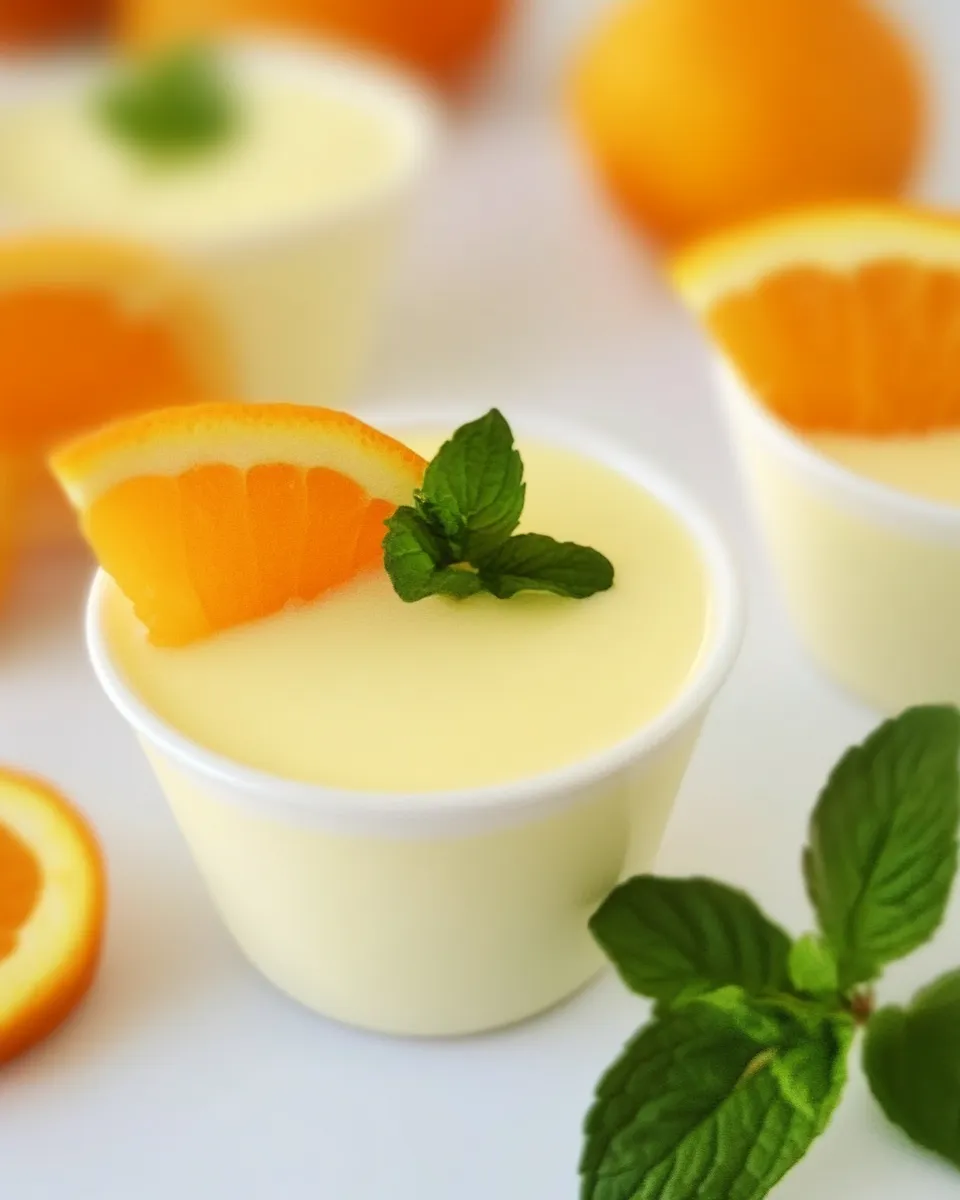
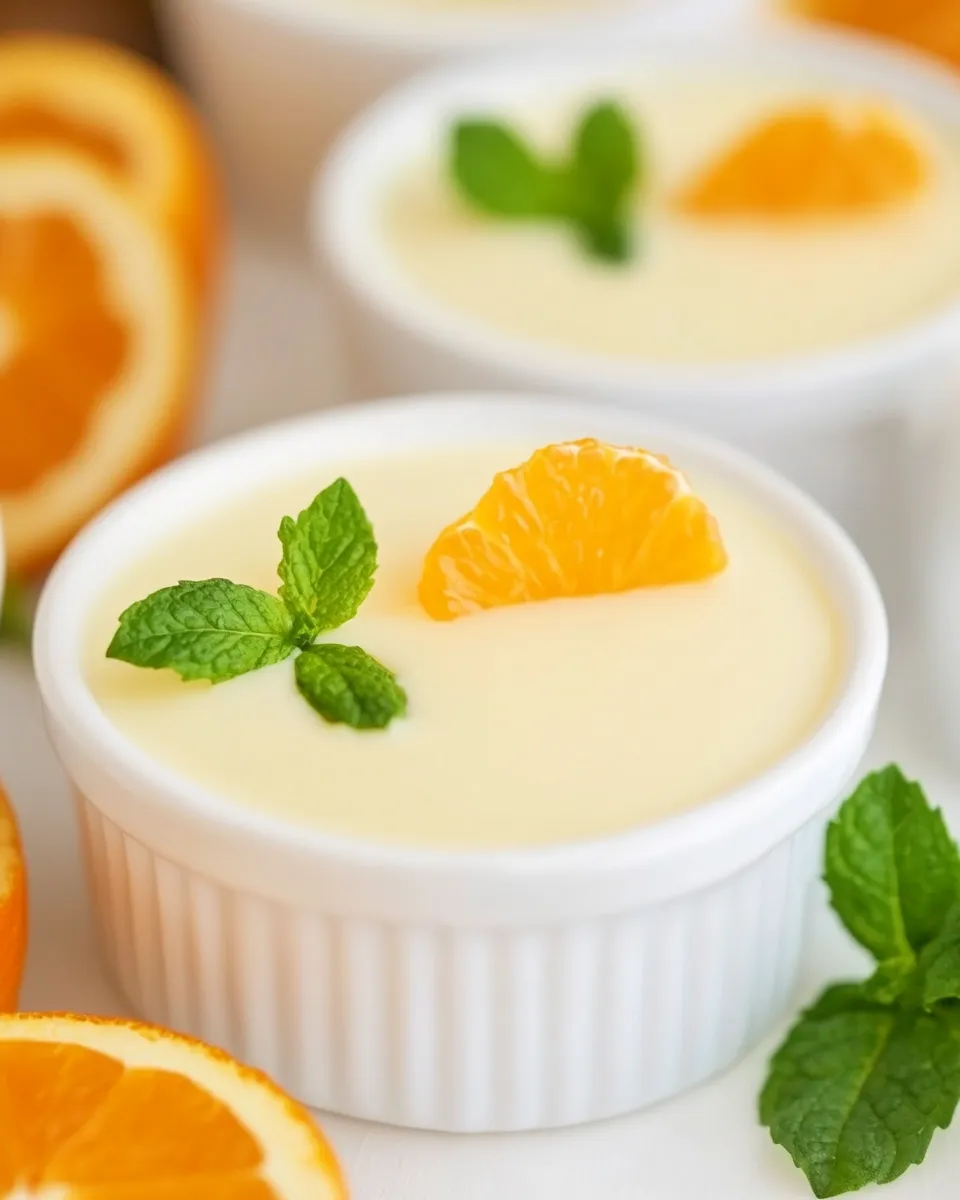
Orange posset is one of those desserts that feels indulgent and astonishingly simple at the same time. It’s a silky, citrus-scented custard that sets without eggs or gelatin — just cream, sugar, and bright citrus to wake it up. If you want a dessert that you can make ahead and pull out for a dinner party or a quiet night in, this is it.
The technique is straightforward: you reduce cream with sugar and orange zest until it thickens, strain, fold in fresh juices, chill, and finish with reserved zest. The result is a smooth, creamy set with a clean orange finish. There’s no tempering, no delicate whisking over a double boiler, and it holds its texture well when refrigerated.
I’ll walk you through the ingredients, the exact steps, sensible swaps, and the common mistakes to avoid. Read through once, prep your tools, and you’ll have a reliably elegant dessert that’s done in a few simple stages and improves with a little patience in the fridge.
What We’re Using
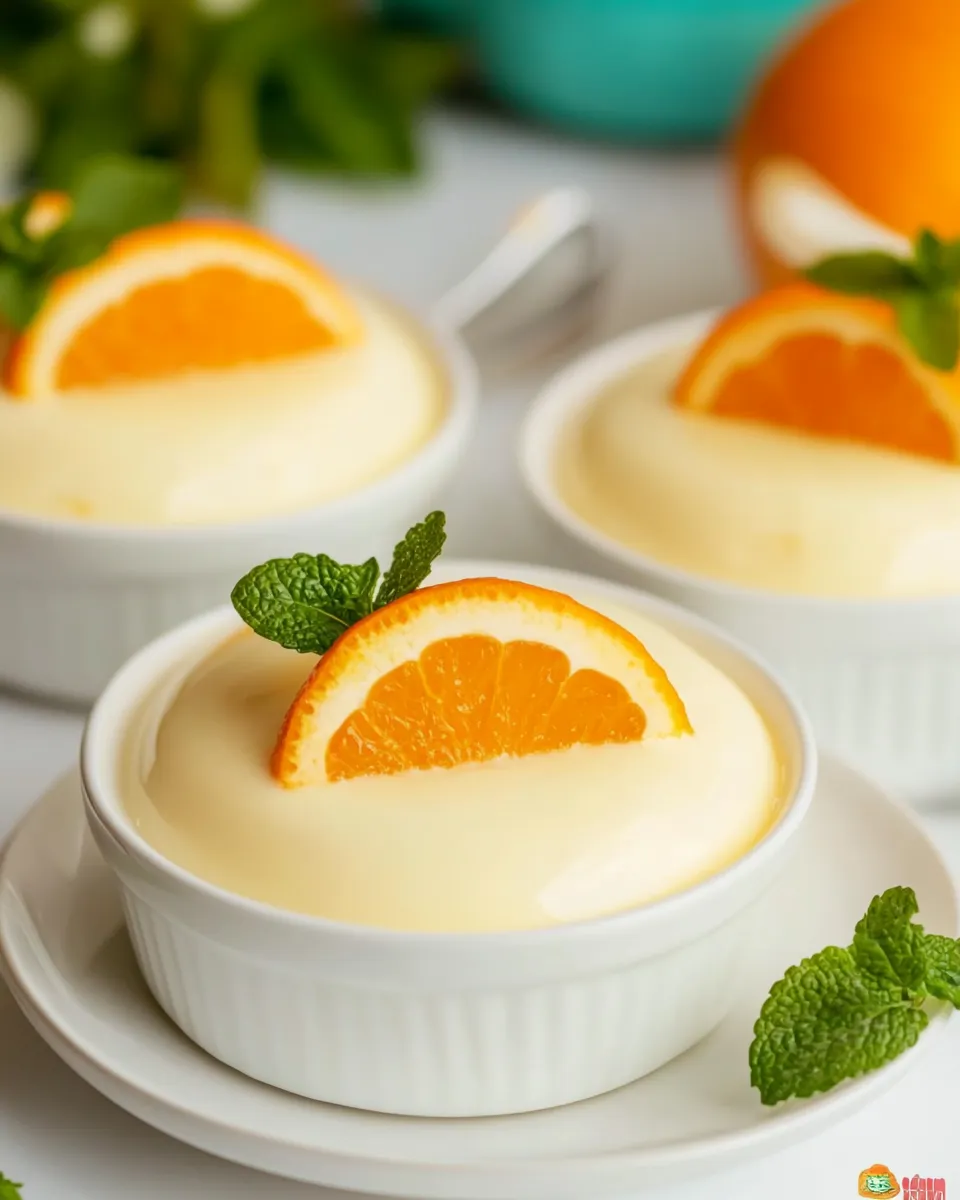
We keep the ingredient list short and focused because this dessert excels when each component is honest and high quality. Fresh citrus and full-fat cream are the backbone. The technique depends on a gentle reduction and the acidity of citrus to set the cream into that silky custard you’re aiming for.
Ingredients
- 500ml fresh heavy cream — the base and structure; full-fat cream gives silkiness and the ability to set when reduced.
- 150g sugar — sweetens and slightly thickens the cream as it dissolves during the simmer.
- zest of 1 orange — fragrant and bold; reserve a little for topping and use the rest to infuse the cream.
- 60ml orange juice — adds bright citrus flavor and acidity to help the posset set.
- 1 tablespoon lemon juice — sharpens the citrus profile and contributes to the final set by adding a touch more acid.
Make Orange Posset: A Simple Method
- Before you start heating, reserve a small amount of the orange zest for topping, then place the remaining orange zest, the cream, and the sugar in a medium saucepan.
- Heat the saucepan over medium heat, whisking occasionally, until the sugar has dissolved and the mixture comes to a gentle simmer.
- Keep the mixture at a gentle simmer for about 8–10 minutes, whisking occasionally, until the cream has reduced slightly and thickened enough to coat the back of a spoon.
- Remove the saucepan from the heat. Set a fine-mesh strainer over a heatproof bowl and pour the hot cream mixture through the strainer to remove the orange zest, pressing gently on the solids to extract the liquid.
- Stir the orange juice and lemon juice into the strained cream mixture until fully combined.
- Let the mixture cool to room temperature, then divide it into serving glasses or ramekins. Cover and refrigerate for at least 4 hours, or until set.
- Just before serving, sprinkle the reserved orange zest over each posset.
Why It Deserves a Spot
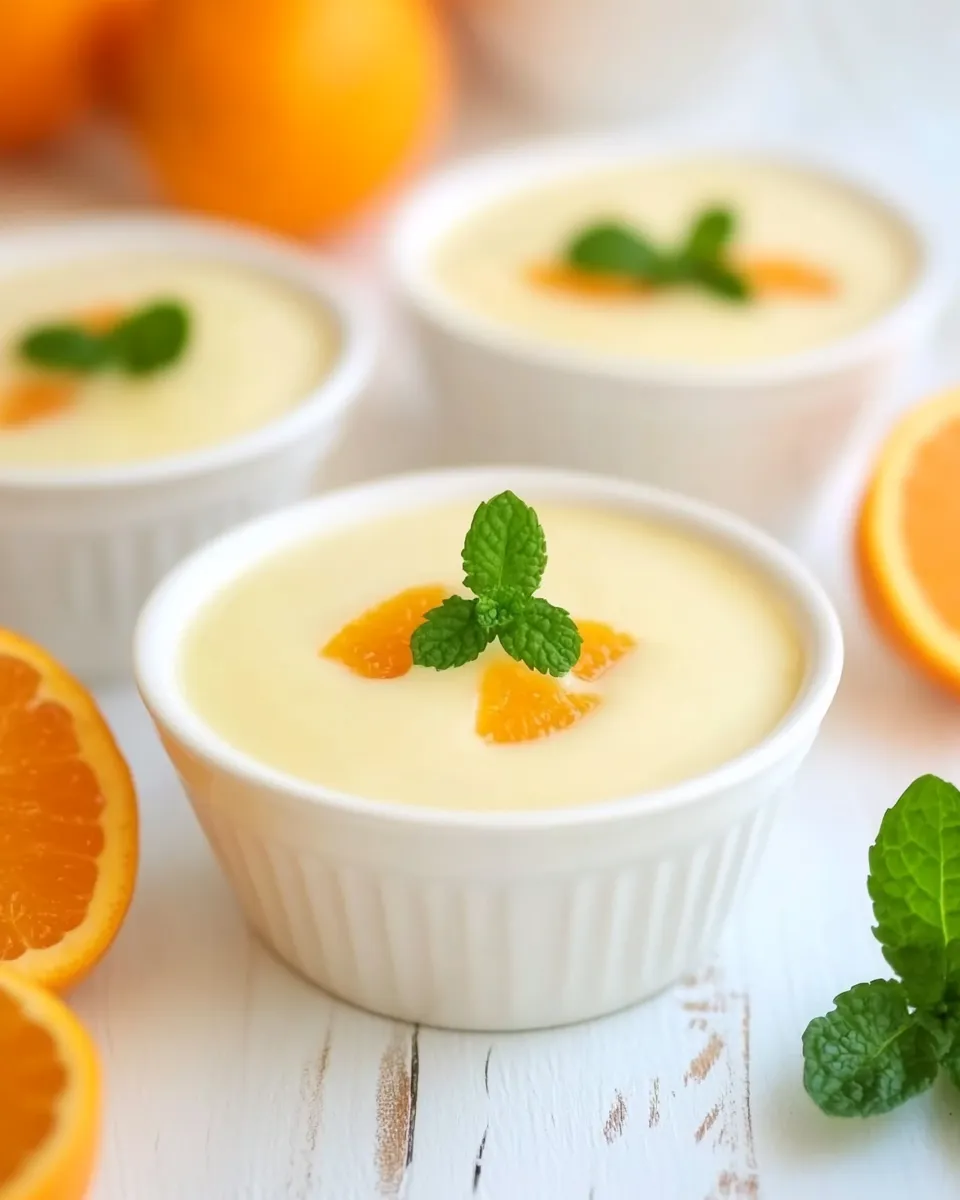
Because it’s fast, elegant, and forgiving. You can scale this recipe up for guests or knock together a few portions for two without extra effort. The texture is what sells it: smooth, spoonable, and luxuriously creamy. It feels like something made with technique, but the reality is that the method relies on heat and acid rather than complicated chemistry.
It also plays nicely with a range of meals. Serve it after a heavy main course to end on a light, bright note. Or pair it with shortbread, roasted nuts, or a sprinkle of citrus sugar for contrast. The flavor is clean and bright, which means it won’t overpower food that came before it.
Substitutions by Category
- Dairy — if you need a non-dairy option, use a coconut cream that has a similar fat content and texture to heavy cream; expect a coconut note in the finished posset.
- Sweetener — you can try natural sweeteners like cane or raw sugar if you prefer their flavor profile; keep the same sweetening intent and taste as you go.
- Citrus — swap the orange juice or zest for other citrus juices (lemon, lime, or blood orange) for different flavor angles; adjust zest choices to match the juice.
- Make it boozy — a splash of liqueur (such as Grand Marnier or Cointreau) can be stirred in after the mixture is off the heat; add sparingly and taste as you go.
- Texture tweaks — for a more set, spoonable spoon sweet, reduce the liquid slightly longer; for a looser custard, shorten the reduction time just a bit.
Tools & Equipment Needed
- Medium saucepan — wide enough for even heating and reduction.
- Whisk — for dissolving sugar and keeping the cream from forming skin.
- Fine-mesh strainer — removes the zest and any solids for a silky finish.
- Heatproof bowl — to catch the strained cream.
- Measuring jug and spoons — for liquids and the lemon juice.
- Serving glasses or ramekins — choose shallow vessels for quicker chilling and an elegant presentation.
- Plastic wrap or lids — to cover during chilling and avoid fridge odors.
Slip-Ups to Skip
- Boiling too hard — a vigorous boil will scorch the cream and ruin the texture. Keep it at a gentle simmer.
- Not dissolving the sugar — ensure the sugar fully dissolves before you settle into the timed reduction; undissolved sugar can give a grainy mouthfeel.
- Skipping the strainer — the zest needs to be removed; otherwise you end up with unappealing strands and a slightly bitter finish.
- Rushing the chill — the posset needs time in the fridge to properly set. Don’t try to speed this with the freezer; it can throw the texture off.
- Adding citrus too early — add the juices after the cream has been removed from heat and strained to preserve brightness and prevent over-acidifying while hot.
Year-Round Variations
Spring & Summer: Use blood orange or a mix of citrus for a fragrant, floral profile. Keep the presentation light with fresh berries alongside.
Autumn & Winter: Swap orange for clementine or add warming spices to the cream during reduction — think cinnamon stick or a few cloves — then strain them out with the zest. A drizzle of caramel or a scattering of toasted nuts complements the richness.
Holiday Hosting: Make individual portions in pretty glasses and top with candied orange peel or a dusting of finely chopped pistachios. These small touches make the dessert feel special without adding much work.
Behind-the-Scenes Notes
The science here is simple and elegant: reducing cream concentrates fats and solids while the added citrus acid encourages slight thickening as the mixture cools. There are no eggs or gelatin because the density of fat and dissolved sugars, plus the acid, create a set when chilled.
Keep your heat steady and moderate. The goal during the 8–10 minute simmer is to evaporate water and slightly concentrate the mixture, not to rapidly thicken like a custard over high heat. The strain step removes bitter orange pith and any cooked bits so the mouthfeel stays smooth.
Keep-It-Fresh Plan
Cover and refrigerate the posset for at least 4 hours, which is the minimum for a reliable set. Leftover posset will keep well in the fridge for 2–3 days when covered. Store in airtight containers or tightly wrapped ramekins to protect the delicate citrus aroma. Avoid freezing; the texture will change and can become grainy when thawed.
If the surface develops condensation after chilling, gently blot before serving. Assemble any crunchy or fresh toppings right before serving to preserve contrast and texture.
Popular Questions
- Can I make this a day ahead? Yes. In fact, making it the day before gives it time to fully set and the flavors to meld. Keep covered in the fridge.
- Do I need a heavy cream specifically? Yes. Heavy cream (full-fat) provides the richness and structure that allow the posset to set properly. Lower-fat creams won’t perform the same.
- Why did my posset turn out runny? The most common causes are insufficient reduction time, adding too much juice, or not chilling long enough. Make sure to follow the simmer time and the refrigeration step.
- Can I use bottled orange juice? You can, but freshly squeezed orange juice delivers the best brightness and flavor. If using bottled, choose one with no additives for the cleanest taste.
- Is it safe to serve to guests? Absolutely. The mixture is brought to a simmer and then chilled; it’s shelf-stable only after refrigeration, so keep it cold until serving.
See You at the Table
Orange posset is a humble recipe that rewards care rather than complexity. With a small handful of ingredients and a little time in the fridge, you get a dessert that looks refined and tastes fresh. Make it for a weeknight treat, an intimate dinner, or a larger gathering — it’s consistently satisfying and easy to scale.
When you make it, focus on good cream, fresh citrus, and a patient simmer. Finish with that bright reserved zest and a companion texture like a crisp cookie or toasted nuts. I’ll be here for any tweaks you want to try next — happy spooning.

Orange Posset
Ingredients
Ingredients
- 500 mlfresh heavy cream
- 150 gsugar
- zest of 1 orange
- 60 mlorange juice
- 1 tablespoonlemon juice
Instructions
Instructions
- Before you start heating, reserve a small amount of the orange zest for topping, then place the remaining orange zest, the cream, and the sugar in a medium saucepan.
- Heat the saucepan over medium heat, whisking occasionally, until the sugar has dissolved and the mixture comes to a gentle simmer.
- Keep the mixture at a gentle simmer for about 8–10 minutes, whisking occasionally, until the cream has reduced slightly and thickened enough to coat the back of a spoon.
- Remove the saucepan from the heat. Set a fine-mesh strainer over a heatproof bowl and pour the hot cream mixture through the strainer to remove the orange zest, pressing gently on the solids to extract the liquid.
- Stir the orange juice and lemon juice into the strained cream mixture until fully combined.
- Let the mixture cool to room temperature, then divide it into serving glasses or ramekins. Cover and refrigerate for at least 4 hours, or until set.
- Just before serving, sprinkle the reserved orange zest over each posset.
Equipment
- Medium Saucepan
- Whisk
- Fine-mesh strainer
- Heatproof bowl
- serving glasses or ramekins