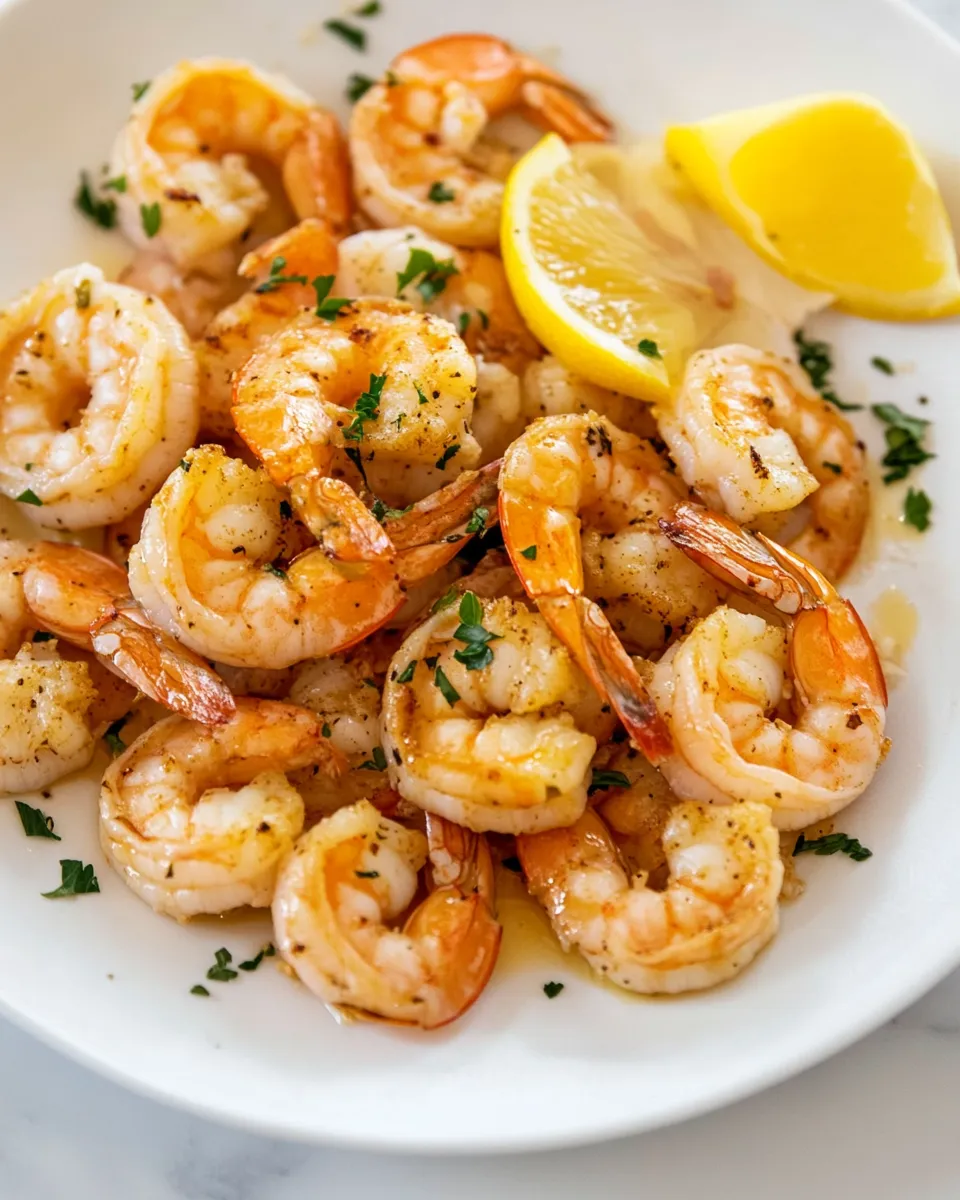
I keep this pan seared shrimp recipe in my weeknight rotation because it’s fast, forgiving, and always impressive. It takes about as long to cook as it does to preheat a pan, and the result is juicy shrimp with a quick, savory crust and bright lemon finish. No complicated steps, no long ingredient list—just good technique.
You’ll find this is one of those recipes you can lean on: tweak the seasoning to your mood, swap the green garnish, or double the batch to feed a crowd. I write recipes that I actually cook in my kitchen, and this one is a reliable go-to when I want dinner on the table inside 20 minutes.
Keep your mise en place simple: measure the oil and butter, mince the garlic, zest the lemon, and have the shrimp ready. A hot pan, a single flip, and you’re done. Below you’ll find a clear shopping list, exact ingredients, step-by-step instructions, troubleshooting tips, and storage advice so you can make this perfectly every time.
Your Shopping Guide
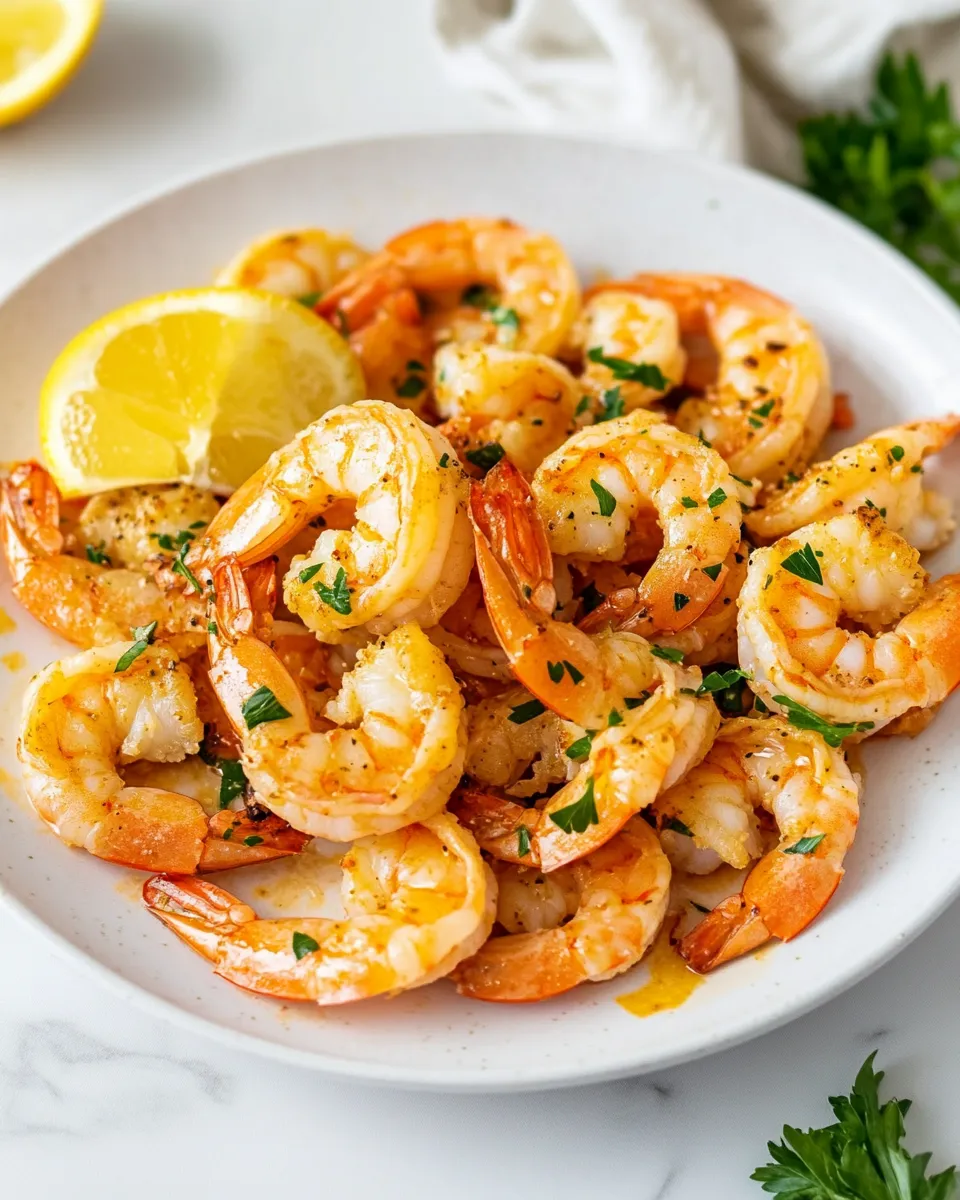
If you’re buying shrimp, pick the coldest package in the seafood case. Look for firm, translucent flesh and a mild ocean scent. Avoid any that smell strongly “fishy” or appear slimy. If frozen shrimp are on sale, that’s fine—just thaw them completely in the refrigerator or under cold running water before cooking.
For the aromatics and seasonings, choose fresh garlic and parsley for the brightest flavor. A fresh lemon makes a noticeable difference for zest and juice; bottled lemon isn’t the same for zest because you need the oils in the peel. For the fat, the recipe calls for both olive oil and butter—use a neutral extra-virgin olive oil you enjoy eating and a fresh stick of butter.
If you can, pick shrimp that are already peeled and deveined to save time. If you must peel and devein them yourself, do it over a bowl to collect the shells for stock later. Finally, check your pantry for Italian seasoning, paprika, salt, and black pepper—these are the backbone of quick, balanced flavor here.
Ingredients
- 2 tablespoons (30 ml) olive oil — helps get a good sear and prevents sticking.
- 2 tablespoons (28 g) butter — adds richness and helps brown the shrimp.
- 1 pound (450 g) raw shrimp — I used 31–40 count per pound size, thawed if frozen, peeled and deveined — the recipe is written for this amount.
- 4 small garlic cloves — minced or pressed — provides the aromatic backbone; don’t burn it.
- 1 teaspoon Italian seasoning — a quick herby base; adjust if your blend is particularly salty.
- ½ teaspoon paprika — smoked or regular — adds color and a subtle warmth.
- ½ teaspoon salt — seasons the shrimp; taste and adjust on future batches if needed.
- ¼ teaspoon ground black pepper — freshly cracked if possible for better aroma.
- 1 lemon, juice and zest — to taste — zest early for big citrus oils; juice at the end for brightness.
- 1 tablespoon chopped fresh parsley — a bright finishing herb; optional but recommended.
From Start to Finish: Pan Seared Shrimp
- In a 12-inch skillet, heat 2 tablespoons (30 ml) olive oil and 2 tablespoons (28 g) butter over medium heat until the butter is melted and the fat shimmers.
- Add 1 pound (450 g) raw shrimp (peeled and deveined), 4 small garlic cloves (minced or pressed), 1 teaspoon Italian seasoning, 1/2 teaspoon paprika, 1/2 teaspoon salt, and 1/4 teaspoon ground black pepper to the skillet. Toss or stir so the shrimp are evenly coated in the seasonings and garlic.
- Cook the shrimp in a single layer over medium heat, about 2–3 minutes per side, flipping once. Shrimp are done when they are opaque, pink, and curl into a loose “C” shape.
- About 1 minute before the shrimp are finished, add lemon zest and a drizzle of lemon juice (from the 1 lemon, to taste), stirring once to distribute.
- Remove the skillet from the heat, sprinkle with 1 tablespoon chopped fresh parsley, and serve immediately.
Why Pan Seared Shrimp is Worth Your Time
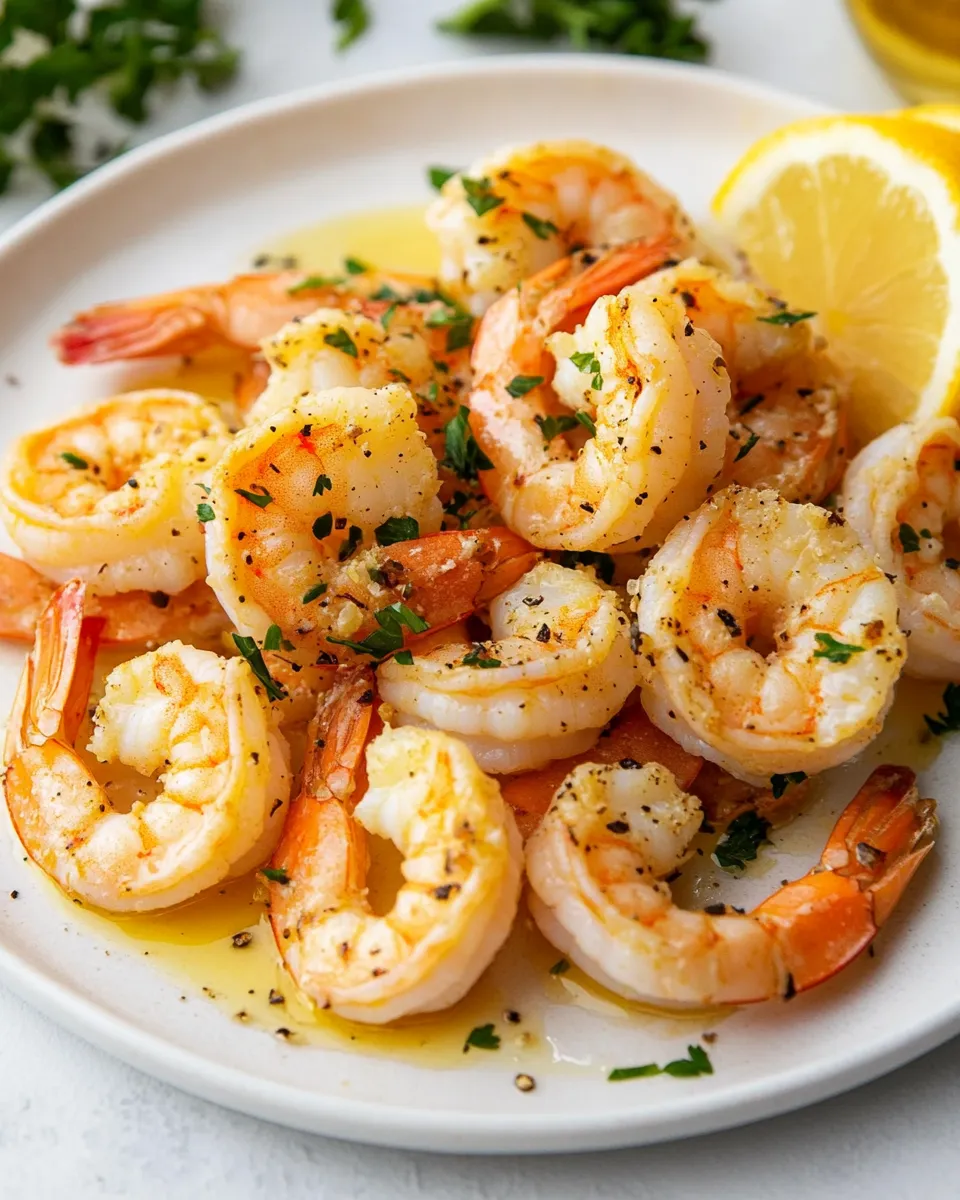
Shrimp cooks in minutes but can dry out quickly if overcooked. This method gives you control: hot pan, enough fat, and a single flip. The butter adds color and mouthfeel while the olive oil raises the smoking point so the butter won’t burn immediately. The simple spice mix—Italian seasoning, paprika, salt, and pepper—creates depth without competing with the shrimp’s natural sweetness.
It’s also a versatile building block. Serve it over rice, toss it into pasta, pile it on a salad, or wrap it in tortillas. It’s a restaurant-style dish that’s fast enough for weeknights and elegant enough for guests. Given the small time investment, the texture and flavor payoff are excellent.
What to Use Instead
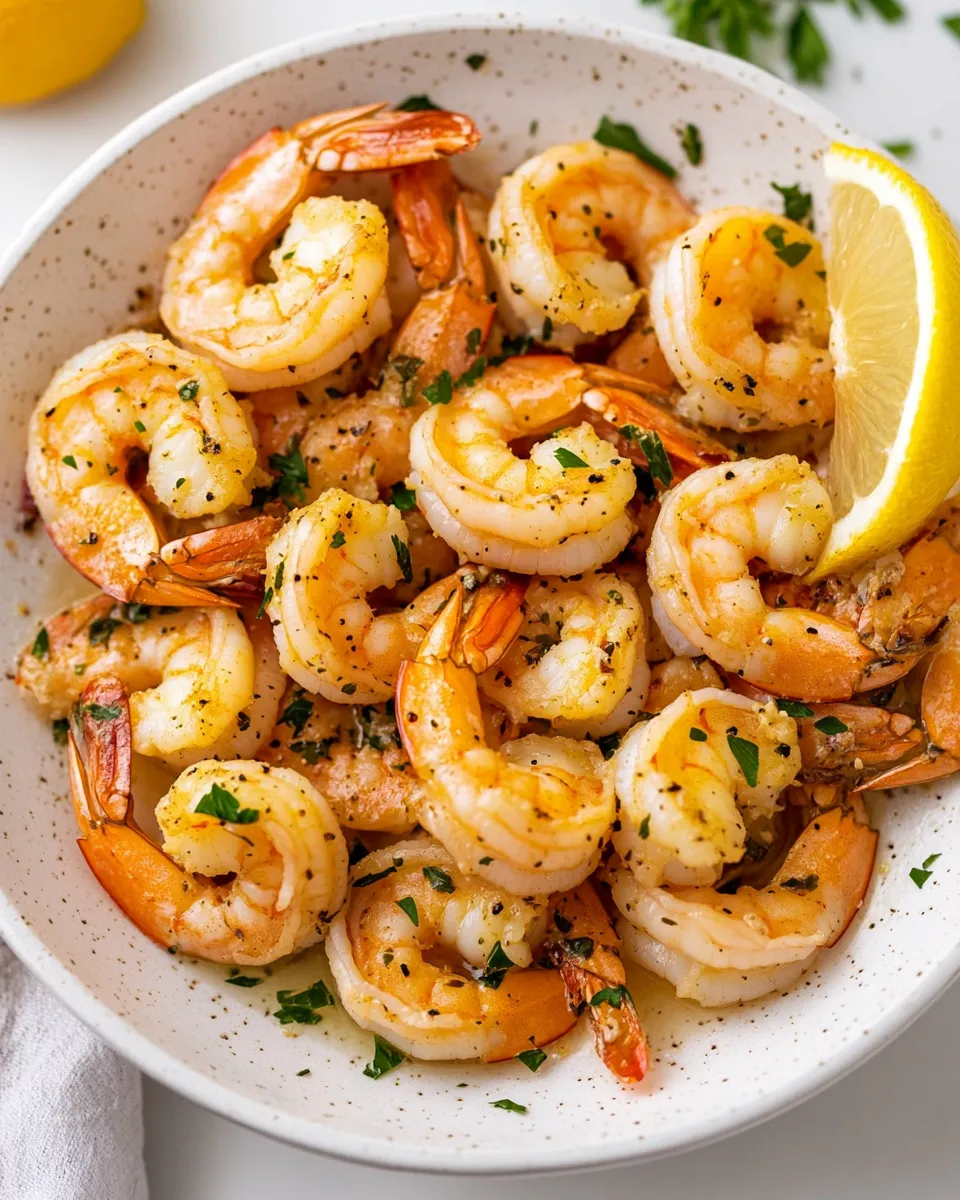
– If you prefer fewer dairy notes, use the 2 tablespoons (30 ml) olive oil alone and omit the 2 tablespoons (28 g) butter—cooking time and technique stay the same.
– If you only have dried parsley, use about 1 teaspoon and add it earlier so it rehydrates; fresh parsley at the end gives the best color and brightness.
– The recipe allows smoked or regular paprika; smoked will add a smoky depth, regular will keep it straightforward.
– For a slightly different herb profile, increase the Italian seasoning or add a pinch of red pepper flakes for heat—both keep within the spirit of the original seasoning list.
Setup & Equipment
Use a 12-inch skillet as called for in the recipe. A heavy-bottomed skillet—cast iron or stainless steel—retains heat and gives the best sear. Nonstick works too if your stove runs hot, but you’ll get more browning in stainless or cast iron.
A few tools make the job easier:
- A good fish spatula or thin turner for flipping shrimp cleanly.
- A microplane for zesting the lemon.
- A small knife and cutting board for the garlic and parsley.
Make sure your shrimp are dry before they hit the pan. Pat them with paper towels to remove excess moisture—the difference between a good sear and steam is often just a dry surface.
Errors to Dodge
– Crowding the pan: Shrimp release moisture as they cook. If they’re packed too tightly they’ll steam instead of sear. Cook in batches if necessary so each shrimp touches the hot surface.
– Overcooking: Shrimp will go from tender to rubbery quickly. Watch for opaque flesh and a loose “C” curl; if they curl into an “O” they’re likely overcooked.
– Burning the garlic: Add the garlic with the shrimp as instructed to avoid scorching. If you add the garlic too early on very high heat, it will scorch and turn bitter.
– Not preheating: Make sure the butter is melted and the fat shimmers before adding shrimp. A lukewarm pan leads to uneven cooking.
Fresh Seasonal Changes
– Spring: Add a handful of chopped chives or tarragon at the end for a delicate, fresh lift. A light salad of baby greens, radishes, and lemon vinaigrette pairs beautifully.
– Summer: Toss with chopped ripe tomatoes and basil, or serve over grilled corn and avocado for a brighter, heartier plate.
– Fall/Winter: Use the smoked paprika and finish with a pat of extra butter for a cozy, richer flavor. Serve over buttered noodles or alongside roasted root vegetables.
Notes on Ingredients
– Shrimp: The recipe is designed for 1 pound (450 g) raw shrimp peeled and deveined. I used 31–40 count per pound size—larger shrimp cook differently and may need slight time adjustments.
– Garlic: Fresh garlic is aromatic and sweet when cooked briefly. Mince or press it fine so it distributes through the shrimp evenly.
– Lemon: Zest adds citrus oils and perfume; the juice adds bright acidity. Add zest early in the final minute and juice to taste so you don’t overpower the dish.
– Italian seasoning and paprika: These are simple, shelf-stable ways to add herbal and smoky notes without cluttering the flavor profile.
– Salt and pepper: Balanced seasoning is the backbone—start with the amounts listed and adjust in future cooks to match your shrimp size and salt preferences.
Prep Ahead & Store
Prep ahead:
– Peel and devein the shrimp up to a day in advance and store covered in the refrigerator on a plate. Keep them cold and cook within 24 hours for best texture.
– Mince garlic, chop parsley, and zest the lemon earlier and store in airtight containers in the fridge for a few hours.
Storage:
– Leftover cooked shrimp will keep in an airtight container in the refrigerator for up to 2 days. Reheat gently in a hot skillet with a small pat of butter or use them cold in salads. Reheating too long will overcook them.
– Do not freeze already-cooked shrimp for best texture; raw shrimp freeze and thaw much better.
Your Top Questions
- Can I use frozen shrimp? Yes. Thaw completely in the refrigerator overnight or under cold running water, then pat dry before cooking.
- How do I know when shrimp are done? They’re opaque, pink, and curl into a loose “C.” If they form a tight “O,” they’re likely overcooked.
- Can I double the recipe? Yes, but cook in batches so the shrimp don’t crowd the pan. Overcrowding leads to steaming, not searing.
- What if my pan smokes? Reduce heat slightly. The butter plus oil combo increases browning; if your burner runs hot, a lower setting keeps things controlled.
- Can I add heat? Yes—add a pinch of crushed red pepper or a dash of cayenne with the other seasonings, but start small.
In Closing
Pan seared shrimp is one of those recipes that rewards a little attention with big results. Follow the straightforward steps, keep the shrimp dry, avoid crowding, and finish with fresh lemon and parsley. You’ll have a bright, restaurant-quality dish in minutes that works for weeknights and small dinner parties alike.
Make it your own slowly: try the smoked paprika, switch up the finishing herbs, or serve it over a grain or simple pasta. No fuss, just reliable technique—and a plate of shrimp you’ll feel proud to serve.
Pan Seared Shrimp
Ingredients
Ingredients
- ?2 tablespoons 30 mlolive oil
- ?2 tablespoons 28 gbutter
- ?1 pound 450 graw shrimpI used 31-40 count per pound size, thawed if frozen, peeled and deveined
- ?4 small garlic clovesminced or pressed
- ?1 teaspoonItalian seasoning
- ?1/2 teaspoonpaprikasmoked or regular
- ?1/2 teaspoonsalt
- ?1/4 teaspoonground black pepper
- ?1 lemon juice and zestto taste
- ?1 tablespoonchopped fresh parsley
Instructions
Instructions
- In a 12-inch skillet, heat 2 tablespoons (30 ml) olive oil and 2 tablespoons (28 g) butter over medium heat until the butter is melted and the fat shimmers.
- Add 1 pound (450 g) raw shrimp (peeled and deveined), 4 small garlic cloves (minced or pressed), 1 teaspoon Italian seasoning, 1/2 teaspoon paprika, 1/2 teaspoon salt, and 1/4 teaspoon ground black pepper to the skillet. Toss or stir so the shrimp are evenly coated in the seasonings and garlic.
- Cook the shrimp in a single layer over medium heat, about 2–3 minutes per side, flipping once. Shrimp are done when they are opaque, pink, and curl into a loose “C” shape.
- About 1 minute before the shrimp are finished, add lemon zest and a drizzle of lemon juice (from the 1 lemon, to taste), stirring once to distribute.
- Remove the skillet from the heat, sprinkle with 1 tablespoon chopped fresh parsley, and serve immediately.
Equipment
- 12-inch Non-Stick Skillet
- Kitchen tongs
- Microplane grater
- Garlic press
Notes
Be sure to start with raw shrimp(not the pre-cooked kind). If needed, thaw the shrimp, remove the shells, and cut out the veins. You can leave the tails on, or remove them if you prefer.
Use the whole lemon.You can add as much lemon zest and lemon juice to this recipe as you like, just be sure to zest the lemon with amicroplanebefore you cut it in half to juice it. Doing those steps the other way around is nearly impossible!
Have your side dishes ready.The shrimp literally cooks in 5 minutes and is best eaten right away. Make your sides first, and cook the shrimp last – this way everything will be ready at the same time.
To Store:Cooked shrimp will stay fresh for 3-4 days if kept in an airtight container in the fridge. Reheat gently in a skillet as needed, or enjoy cold on top of a salad.