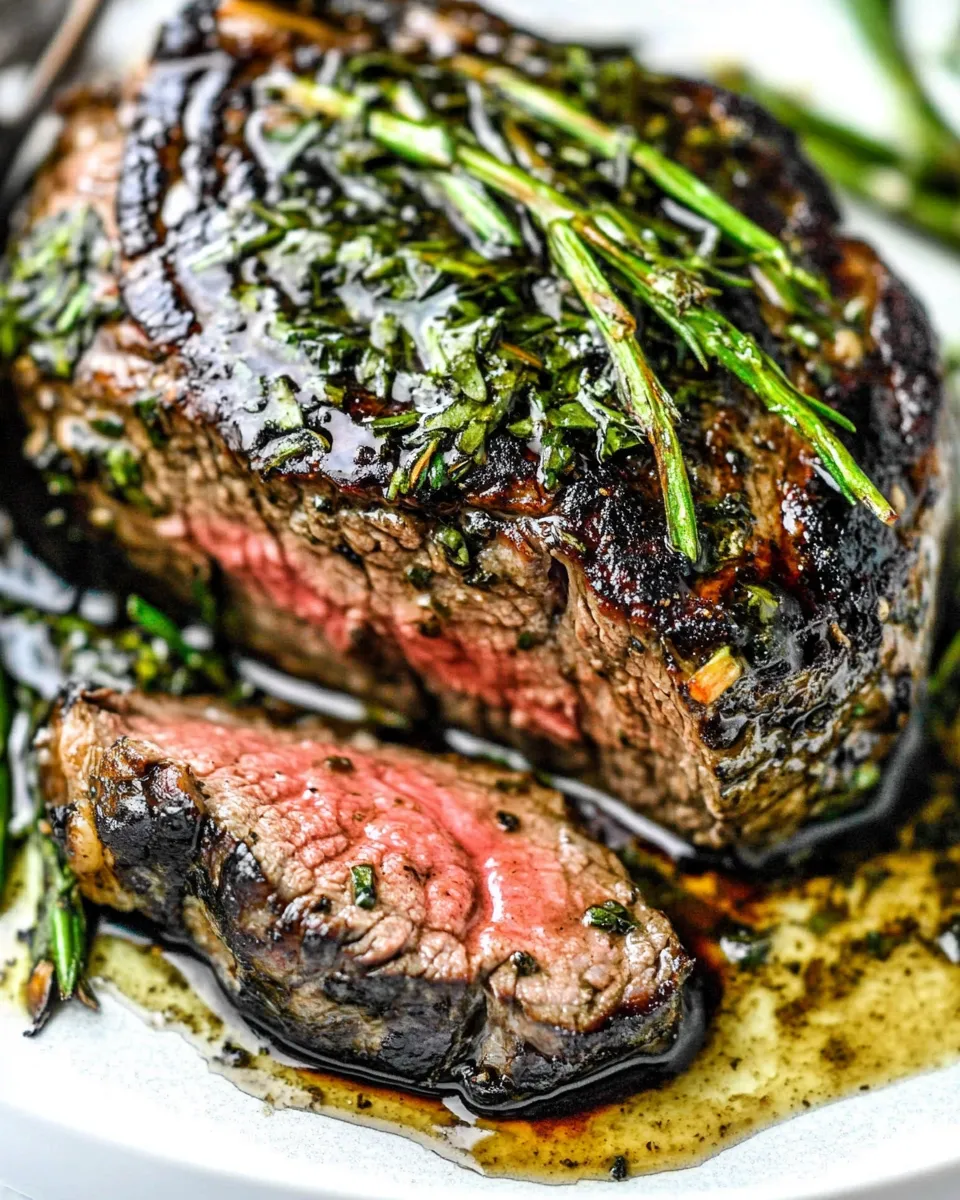
I love a steak night that feels special without turning the kitchen into a battleground. This pan-seared steak with balsamic herb cream sauce hits that sweet spot: crisp, caramelized edges, a tender middle, and a glossy, savory sauce that elevates every bite. It’s straightforward, forgiving, and makes the kind of dinner you’ll want to repeat.
You’ll spend most of your attention on timing and temperature. The sauce comes together while the steaks rest, so you get maximum flavor without extra stress. Read through the steps once, set out the ingredients, and you’ll be surprised how reliably it turns out.
Ingredients
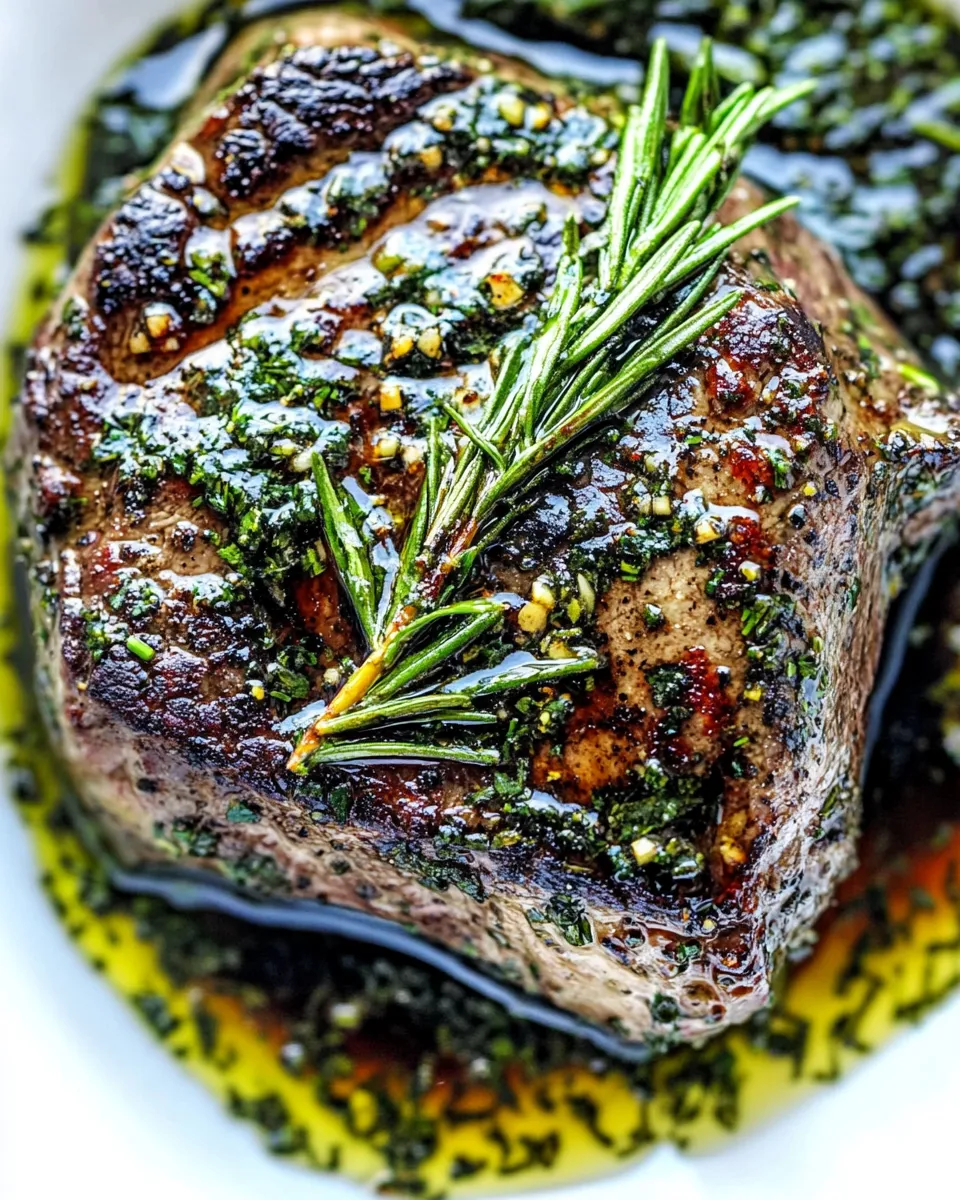
- 2 10–12 oz. each top sirloin steaks 1 1/2″ thick, room temperature* — The steak is the hero; bring to room temp to cook evenly.
- Coarsely ground salt and pepper — Seasons the surface, helps create a flavorful crust.
- 1 tablespoon Vegetable oil — High smoke point oil for a proper sear.
- 3 tablespoons unsalted butter — Used for basting during searing for richness.
- 1 sprig of rosemary (optional) — Adds aromatic lift while basting; remove before sauce.
- 3 garlic cloves, peeled, left whole — Infuses the butter and pan juices with mellow garlic flavor.
- 2 tablespoons minced shallot — Builds the savory base of the sauce; sweated, not browned.
- 1 garlic clove, minced — Brightens the sauce; add after shallot so it doesn’t burn.
- 1/2 cup low sodium chicken broth — Deglazes the pan and provides body to the sauce.
- 1/2 cup heavy cream — Makes the sauce silky and rounds the acidity.
- 1 tablespoon balsamic vinegar — Provides tang and depth; the balsamic note is the signature.
- 1 teaspoon Dijon mustard — Adds subtle tang and helps emulsify the sauce.
- 1 1/2 tablespoons chopped fresh chives — Fresh herb note, a gentle oniony finish.
- 1 1/2 tablespoons chopped fresh parsley — Brightens and balances the sauce.
- 1 tablespoon unsalted butter — Stirred in at the end for sheen and mouthfeel.
- Salt and pepper to taste — Adjust the final seasoning after you taste the sauce.
Your Shopping Guide
Buy the best steak you can afford. A top sirloin at 1 1/2″ thick is a practical cut: meaty, reasonably tender, and takes a good sear. If you prefer another steak (ribeye, strip), this technique still works—just watch thickness and final temperature.
Fresh herbs and a shallot will make the sauce sing. Balsamic vinegar quality matters here: a decent, true balsamic (not overly sweet glaze) brings acidity and complexity. Keep heavy cream and a good Dijon on hand—small ingredients, big payoff.
Cooking (Pan Seared Steak with Balsamic Herb Cream Sauce): The Process
- Remove the steaks from the refrigerator 60 minutes before cooking so they come to room temperature. Pat the steaks dry with paper towels. Generously season all sides with coarsely ground salt and pepper, pressing the seasoning into the meat.
- Place a cast-iron skillet over high heat and let it get very hot. Add 1 tablespoon vegetable oil. When the oil just starts to smoke, reduce the heat to medium-high and add the steaks to the pan without crowding.
- Cook the steaks undisturbed for 4 minutes. After 4 minutes, add 3 tablespoons unsalted butter, 1 sprig of rosemary (optional), and the 3 whole peeled garlic cloves to the skillet.
- Flip the steaks with tongs (do not pierce with a fork). After flipping, tilt the pan slightly and spoon the melted butter, garlic and rosemary juices over the tops of the steaks (baste) for the remaining 4 minutes of this initial cook.
- After a total of about 8 minutes of cooking (4 minutes per side), check the internal temperature with an instant-read thermometer. Because the steaks will continue to cook while resting, remove them when the thermometer reads about 5°F below your desired final doneness. Example final target temps after resting: Medium Rare ~135°F, Medium ~145°F, Medium Well ~155°F.
- If the steaks need more time to reach your target, reduce the heat to medium and continue cooking, flipping once more and continuing to baste, about 3–7 more minutes depending on thickness and desired doneness. Recheck temperature as needed.
- Transfer the steaks to a cutting board. Spoon any accumulated butter from the pan over the steaks one more time, loosely tent them with foil, and let rest at least 10 minutes before slicing. Slice against the grain when ready to serve.
- While the steaks rest, make the sauce: Remove the rosemary sprig and the whole garlic cloves from the skillet. Pour off all but about 1 tablespoon of the fat/juices from the pan.
- Return the skillet to medium-high heat. Add 2 tablespoons minced shallot and sauté about 1 minute until softened. Add 1 minced garlic clove and sauté about 30 seconds more, stirring so it does not burn.
- Add 1/2 cup low-sodium chicken broth and simmer, stirring occasionally, about 3 minutes until the liquid reduces to roughly 1/4 cup.
- Stir in 1/2 cup heavy cream, 1 tablespoon balsamic vinegar, and 1 teaspoon Dijon mustard. Simmer until the sauce is slightly thickened, about 2 minutes.
- Remove the skillet from the heat. Stir in 1 tablespoon unsalted butter until melted, then stir in 1 1/2 tablespoons chopped fresh chives and 1 1/2 tablespoons chopped fresh parsley. Taste and add salt and pepper to taste if desired.
- Pour the sauce over the sliced steaks or serve it on the side.
Why It Deserves a Spot
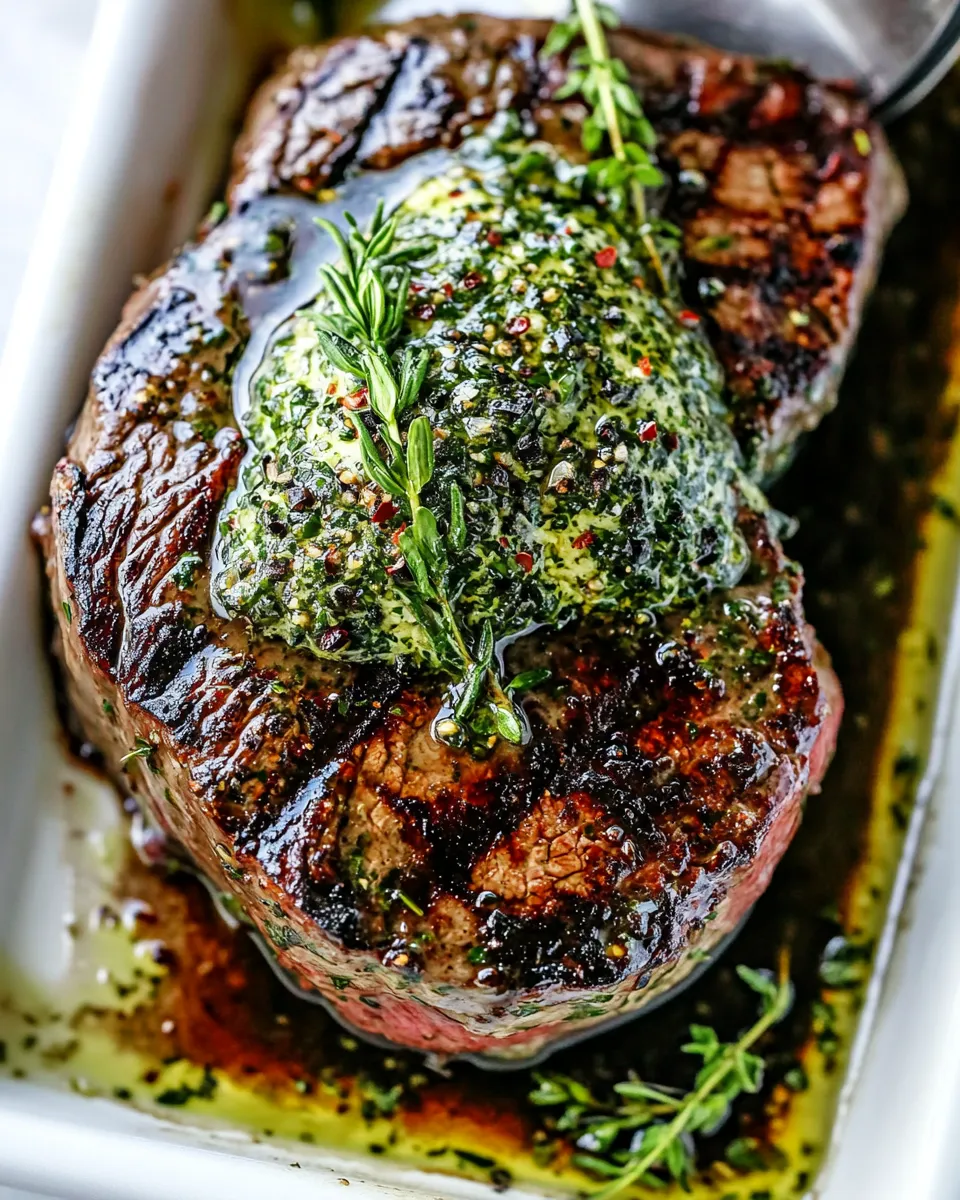
This recipe gives you a perfectly seared steak with a fast, restaurant-style sauce that doesn’t require wine or long reductions. The balsamic adds brightness; the cream smooths it out. The technique—high-heat sear, butter-baste, a quick pan sauce—produces depth from minimal effort.
It’s dinner-party worthy yet entirely manageable on a weeknight. You get contrast (crust vs. tender center) and balance (acid, fat, herbs) in one pan. That’s cooking smart, not complicated.
Low-Carb/Keto Alternatives
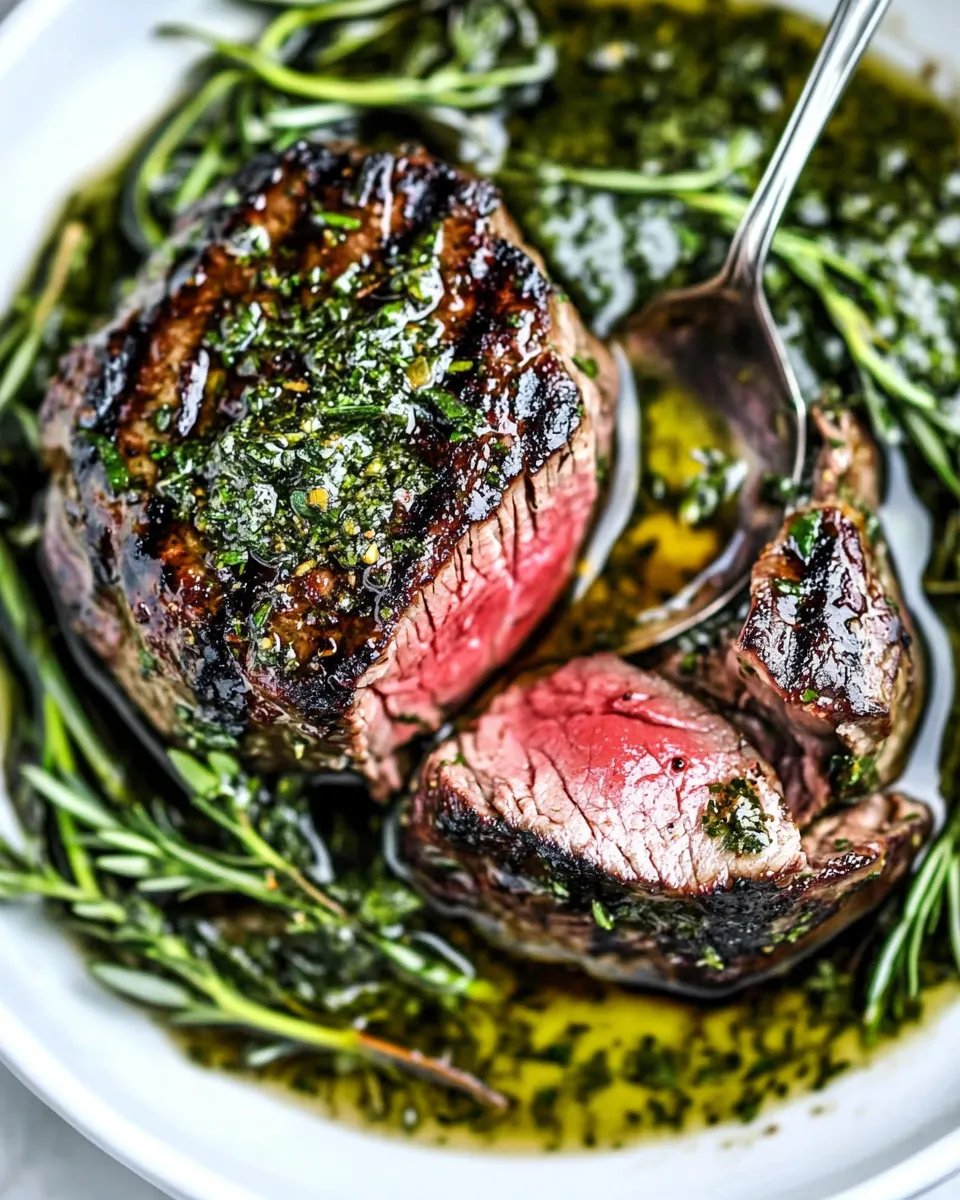
The recipe is already low-carb friendly: steak, butter, cream, herbs. If you want to trim dairy, substitute the heavy cream with 1/2 cup full-fat coconut milk for a slightly different flavor profile (not traditional but still keto). Skip any starchy sides—serve with roasted low-carb vegetables or a simple arugula salad.
What’s in the Gear List
- Cast-iron skillet — Holds and transfers heat for a proper sear and is used to make the sauce.
- Instant-read thermometer — The most reliable way to hit the exact doneness you want.
- Tongs — For flipping and basting without piercing the meat.
- Cutting board and sharp knife — For resting and slicing against the grain cleanly.
- Small spatula or spoon — For basting and stirring the sauce.
Avoid These Mistakes
1) Searing cold steaks. If they come straight from the fridge they’ll cook unevenly and won’t brown well. Remove them 60 minutes before cooking.
2) Crowding the pan. Overcrowding drops the pan temperature and prevents a proper crust. Cook in batches if necessary.
3) Piercing the meat. Use tongs, not a fork. Piercing lets juices escape and dries the steak out.
4) Skipping the rest. Cutting too soon loses juices. Rest 10 minutes under loose foil for a juicier result.
Better-for-You Options
For a lighter take, reduce the final butter to 1/2 tablespoon and use a splash less cream, replacing part of it with more chicken broth to keep volume but lower calories. Add extra fresh herbs at the end for brightness instead of fat.
If sodium is a concern, use the low-sodium broth (as specified) and taste before adding any extra salt to the finished sauce.
Pro Tips & Notes
Timing and Temperatures
Use an instant-read thermometer: aim for 130°F when you want medium-rare after resting (remove at ~125°F). Thick steaks take longer; always check in the center.
Searing Technique
Let the pan get very hot and use an oil with a high smoke point. When the oil just begins to smoke, add the steaks—this ensures a deep Maillard crust.
Sauce Finish
When you add the final tablespoon of butter off the heat, it emulsifies the sauce and gives a glossy finish. Fresh chives and parsley should be stirred in right at the end to preserve color and fragrance.
Freezer-Friendly Notes
Cooked steak freezes, but texture changes. If you plan to freeze, slice first and freeze without the sauce in a single layer on a tray; transfer to airtight bags. Thaw slowly in the fridge and reheat gently in a low oven, finishing with a quick pan sear to refresh the crust. The sauce freezes well in a sealed container for up to 2 months; thaw in the fridge and reheat gently, whisking to recombine.
Your Questions, Answered
Q: Can I use a different cut of steak?
A: Yes. Ribeye and strip steaks work beautifully—reduce or increase cook times based on thickness and fat content. For very lean cuts, take extra care not to overcook.
Q: My sauce separated—what happened?
A: Likely overheated cream or added butter while the pan was too hot. Remove from heat and whisk in a small splash of cold liquid (a tablespoon of cream or broth) to bring it back together.
Q: No cast iron—can I use another pan?
A: Yes, use a heavy stainless-steel skillet. You want a pan that retains heat. Nonstick won’t give as good a crust.
Make It Tonight
Plan 75–90 minutes total: 60 minutes to bring steaks to room temp, 15–25 minutes for cooking and resting, and about 10 minutes for the sauce. Set out ingredients, heat your pan well, and follow the steps; the sauce is forgiving and comes together while the steaks rest.
Serve with roasted vegetables, mashed potatoes, or a crisp green salad. Pour the balsamic herb cream over the steak or serve on the side so everyone can choose. Slice against the grain, plate confidently, and enjoy—this is the kind of dinner that gets repeated.
Pan Seared Steak with Balsamic Herb Cream Sauce
Ingredients
Ingredients
- 210 -12 oz. eachtop sirloin steaks1 1/2“ thick room temperature*
- Coarsely ground salt and pepper
- 1 tablespoonVegetable oil
- 3 tablespoonsunsalted butter
- 1 sprig of rosemary optional
- 3 garlic cloves peeled, left whole
- 2 tablespoonsminced shallot
- 1 garlic clove minced
- 1/2 cuplow sodium chicken broth
- 1/2 cupheavy cream
- 1 tablespoonbalsamic vinegar
- 1 teaspoonDijon mustard
- 1 1/2 tablespoonschopped fresh chives
- 1 1/2 tablespoonschopped fresh parsley
- 1 tablespoonunsalted butter
- Salt and pepper to taste
Instructions
Instructions
- Remove the steaks from the refrigerator 60 minutes before cooking so they come to room temperature. Pat the steaks dry with paper towels. Generously season all sides with coarsely ground salt and pepper, pressing the seasoning into the meat.
- Place a cast-iron skillet over high heat and let it get very hot. Add 1 tablespoon vegetable oil. When the oil just starts to smoke, reduce the heat to medium-high and add the steaks to the pan without crowding.
- Cook the steaks undisturbed for 4 minutes. After 4 minutes, add 3 tablespoons unsalted butter, 1 sprig of rosemary (optional), and the 3 whole peeled garlic cloves to the skillet.
- Flip the steaks with tongs (do not pierce with a fork). After flipping, tilt the pan slightly and spoon the melted butter, garlic and rosemary juices over the tops of the steaks (baste) for the remaining 4 minutes of this initial cook.
- After a total of about 8 minutes of cooking (4 minutes per side), check the internal temperature with an instant-read thermometer. Because the steaks will continue to cook while resting, remove them when the thermometer reads about 5°F below your desired final doneness. Example final target temps after resting: Medium Rare ~135°F, Medium ~145°F, Medium Well ~155°F.
- If the steaks need more time to reach your target, reduce the heat to medium and continue cooking, flipping once more and continuing to baste, about 3–7 more minutes depending on thickness and desired doneness. Recheck temperature as needed.
- Transfer the steaks to a cutting board. Spoon any accumulated butter from the pan over the steaks one more time, loosely tent them with foil, and let rest at least 10 minutes before slicing. Slice against the grain when ready to serve.
- While the steaks rest, make the sauce: Remove the rosemary sprig and the whole garlic cloves from the skillet. Pour off all but about 1 tablespoon of the fat/juices from the pan.
- Return the skillet to medium-high heat. Add 2 tablespoons minced shallot and sauté about 1 minute until softened. Add 1 minced garlic clove and sauté about 30 seconds more, stirring so it does not burn.
- Add 1/2 cup low-sodium chicken broth and simmer, stirring occasionally, about 3 minutes until the liquid reduces to roughly 1/4 cup.
- Stir in 1/2 cup heavy cream, 1 tablespoon balsamic vinegar, and 1 teaspoon Dijon mustard. Simmer until the sauce is slightly thickened, about 2 minutes.
- Remove the skillet from the heat. Stir in 1 tablespoon unsalted butter until melted, then stir in 1 1/2 tablespoons chopped fresh chives and 1 1/2 tablespoons chopped fresh parsley. Taste and add salt and pepper to taste if desired.
- Pour the sauce over the sliced steaks or serve it on the side.
Equipment
- Cast-Iron Skillet
- Tongs
- Instant-read thermometer
- Cutting Board
- Foil
- Spoon
- Paper Towels
Notes
*It is important to note the thickness of your steak and alter cooking time if needed. Use PRIME cut steak for the juiciest, most flavorful steak (I find mine at Costco). Choice is also acceptable but avoid Select or Standard cuts. If you need to use a less expensive cut of steak, consider marinating beforehand.
*You can also use 4 6-8 oz. steaks but be sure to use a 12 inch skillet in order to not crowd the steaks. Cooking time should be about the same if they are 1 1/2″ thick.
**The USDA recommends steaks and roasts be cooked to 145°F (medium) and then rested for at least 3 minutes for safety.
***The balsamic is light so if you prefer a stronger tang, feel free to add more to taste after your sauce is complete.