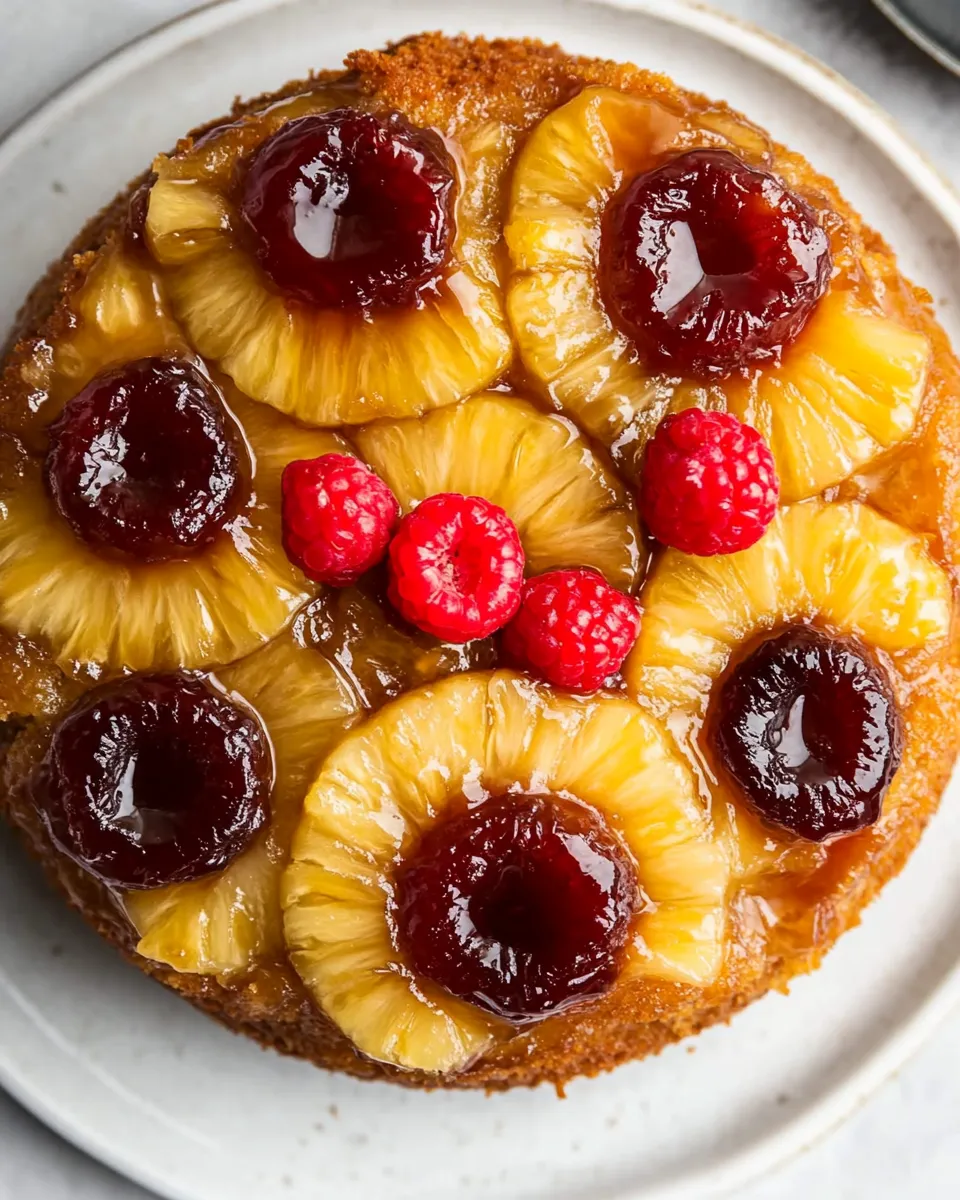
There’s something honest and comforting about a pineapple upside-down cake. It’s bright, buttery, and a little retro—yet when you get the technique right, it feels timeless. This version balances caramelized brown sugar, juicy pineapple, and a tender, buttery crumb. It’s simple enough for a weeknight finish and special enough for guests.
I test recipes the way I cook at home: with small adjustments that matter and a focus on dependable steps. In this post I’ll walk you through exactly what to buy, the ingredient roles, the exact steps to follow, and the common traps to avoid. No fluff—just practical, reliable guidance so your cake comes out glossy on top and soft inside.
If you follow the directions and timing below, you’ll end up with a cake that unmolds cleanly with an attractive pineapple-and-cherry crown, a moist interior, and a caramelized base that isn’t overly sticky. Ready? Let’s shop, bake, and enjoy.
Shopping List
- Brown sugar (you’ll need both packed brown sugar and a little more for the batter).
- Salted butter (melted) and unsalted butter (softened).
- One 20-ounce can of sliced pineapple (with juice).
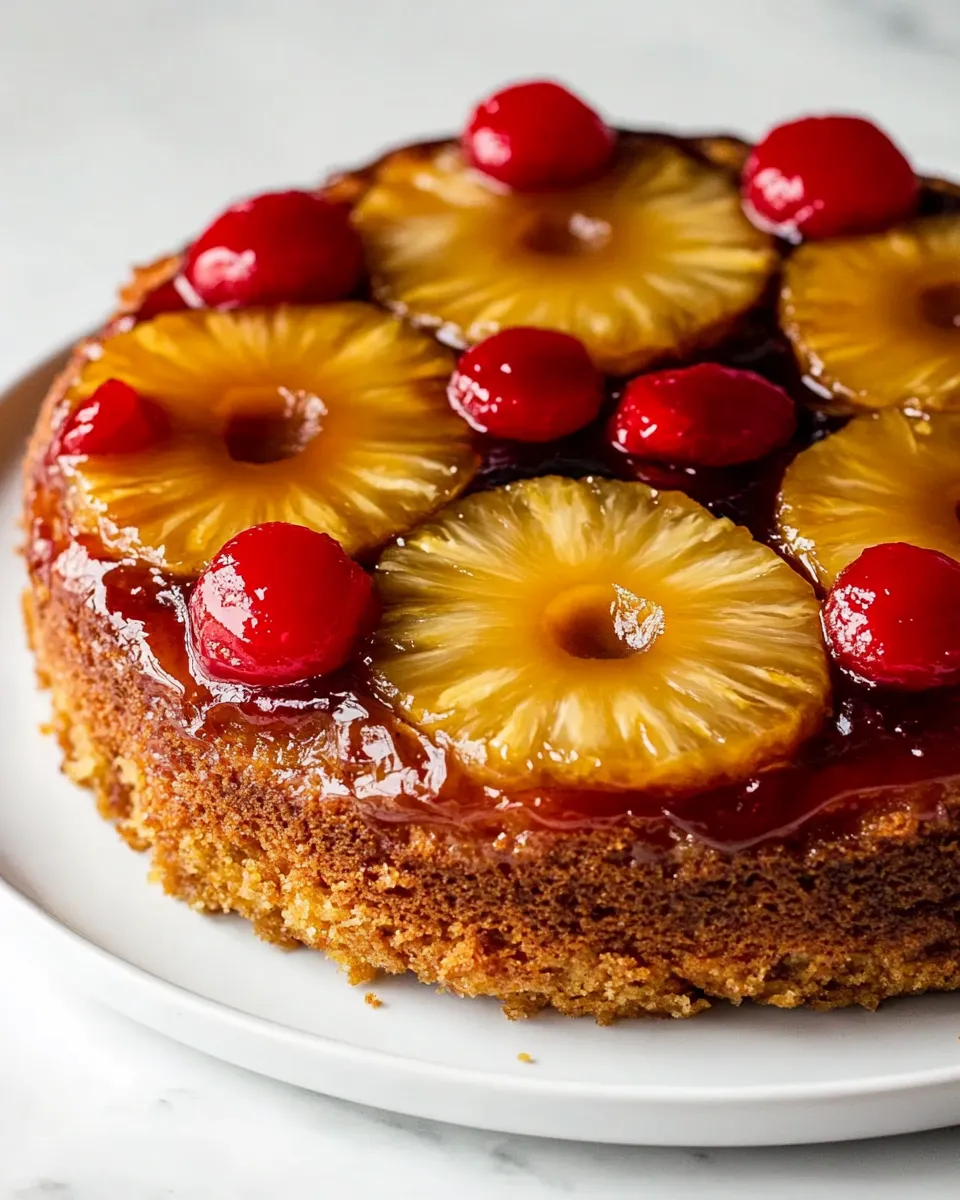
- Maraschino cherries (12 for decoration).
- All-purpose flour, baking powder, and salt.
- Granulated sugar.
- One large egg, sour cream, and milk.
- Pan spray or a neutral oil spray for the cake pan.
Ingredients
- ½ cup brown sugar (packed) — forms the caramel layer; pack it firmly for consistent sweetness.
- ¼ cup salted butter (melted) — combines with the brown sugar to create the caramel base; salted butter adds a touch of savory balance.
- 1 (20-ounce can) sliced pineapple, drained and juice reserved — the star of the topping; drain well but keep the juice for the batter.
- 12 maraschino cherries — traditional garnish that also adds pops of color and a little sweetness.
- 1 ⅓ cup all-purpose flour — structure for the cake; measure by spooning into the cup then leveling.
- 1 teaspoon baking powder — gives lift and a tender crumb.
- ½ teaspoon salt — balances sweetness and enhances flavor.
- ¼ cup unsalted butter, softened — creamed with sugars to create air and richness in the batter.
- ½ cup granulated sugar — contributes sweetness and helps with browning.
- ¼ cup brown sugar (packed) — added to the batter for depth of flavor.
- 1 large egg, room temperature — binds the batter and adds richness.
- ¼ cup sour cream — keeps the cake moist and tender; acidity also reacts with baking powder for lift.
- ¼ cup milk — thins the batter to the right consistency; room temperature is best.
- ¼ cup pineapple juice, from reserved pineapple juice — adds pineapple flavor and extra moisture.
Perfect Pineapple Upside-Down Cake: How It’s Done
- Preheat the oven to 350°F. Spray a 9-inch cake pan with pan spray.
- Open the 1 (20-ounce) can sliced pineapple, drain the slices into a bowl and reserve the juice. Pat the pineapple slices dry with paper towels to remove excess moisture. Measure out ¼ cup of the reserved pineapple juice and set it aside.
- In a small bowl, stir together ½ cup brown sugar (packed) and ¼ cup salted butter (melted) until smooth.
- Spread the brown sugar and melted butter mixture evenly across the bottom of the prepared 9-inch pan.
- Arrange the pineapple slices in a single layer over the brown sugar mixture, covering the bottom and up along the sides as space allows. Place the 12 maraschino cherries in the centers of the pineapple rings and in any gaps between slices.
- In a small bowl, whisk together 1 ⅓ cup all-purpose flour, 1 teaspoon baking powder, and ½ teaspoon salt.
- In a large bowl, beat ¼ cup unsalted butter (softened) with ½ cup granulated sugar and ¼ cup brown sugar (packed) for 2–3 minutes, until well combined and slightly fluffy.
- Add 1 large egg, ¼ cup sour cream, ¼ cup milk, and the reserved ¼ cup pineapple juice to the butter-sugar mixture and beat until just combined.
- Add the dry flour mixture to the wet ingredients and mix until just combined; do not overmix.
- Spread the batter evenly over the arranged pineapple slices in the pan.
- Bake at 350°F for 45–50 minutes, or until the top is golden brown and a toothpick inserted into the center comes out clean.
- Let the cake cool in the pan for 10–15 minutes. Run a knife around the edge to loosen, place a plate or cake stand over the pan, invert the pan to release the cake, then lift the pan off.
What You’ll Love About This Recipe
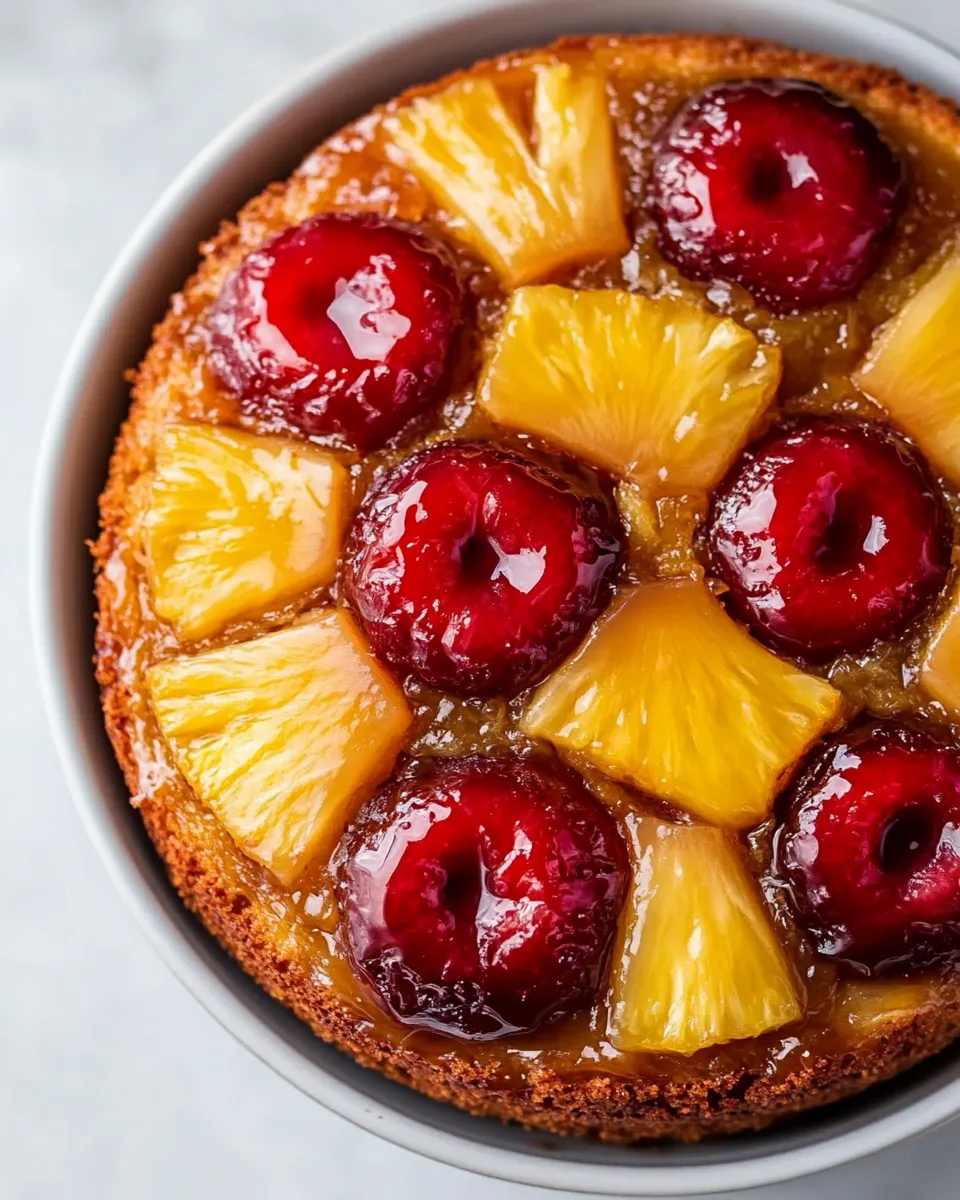
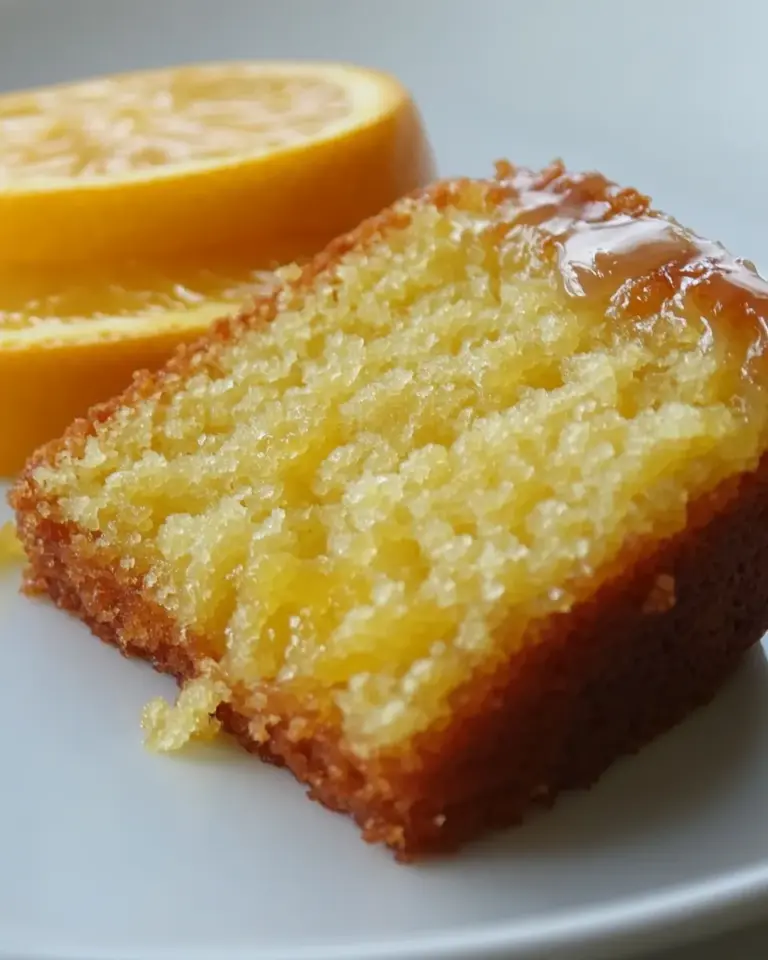
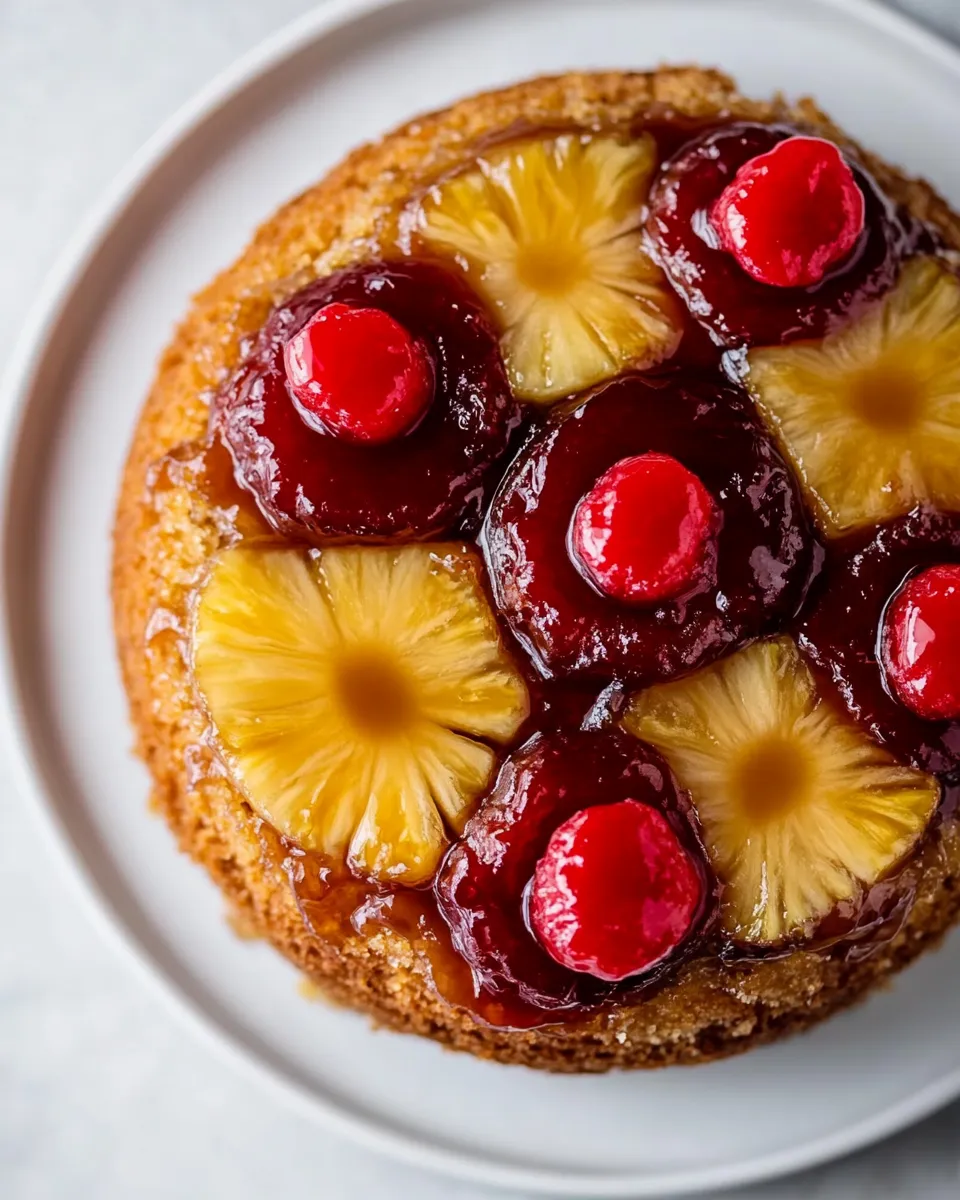
This cake delivers vivid flavor with very little fuss. The brown sugar and melted salted butter create a glossy, buttery caramel that pairs perfectly with the bright acidity of pineapple. The cherries are mostly nostalgic, but they also help define the rings and give the finished cake a classic look.
The texture is forgiving: a tender crumb from the sour cream and egg, with just enough structure from the flour and baking powder. It’s a cake that travels well to potlucks and stores easily for a day or two without losing its charm. Best of all, the technique is straightforward—arrange, batter, bake, invert—and the payoff is immediate when the pan lifts and the top gleams.
Swap Guide
- Butter: If you prefer a slightly less salty finish on top, use unsalted melted butter and add a pinch of salt to the batter. For a dairy-free option, use a plant-based stick butter for both melted and softened butter roles.
- Pineapple: Fresh pineapple slices can be used when in season; drain and pat them dry to avoid extra moisture. Expect a slightly brighter, fresher flavor.
- Sour cream: Greek yogurt (full-fat) can substitute for sour cream for similar texture, but be mindful of tang—use plain and full-fat for best results.
- Milk: Any neutral plant-based milk can be used, though the texture may change slightly; choose one with moderate fat for the best crumb.
What You’ll Need (Gear)
- 9-inch round cake pan (the recipe is scaled for this size).
- Pan spray or neutral oil for greasing.
- Mixing bowls (small and large).
- Whisk and spatula for mixing and spreading.
- Electric mixer or sturdy whisk/wooden spoon to cream the sugars and butter.
- Measuring cups and spoons (accurate measuring helps the texture).
- Plate or cake stand large enough to invert the pan onto.
Troubles You Can Avoid
Sticky bottom or broken pineapple layer: don’t let the cake cool completely in the pan. The 10–15 minute cooling time is critical—if you wait too long, the caramel can set and stick. Conversely, flipping while too hot can cause the topping to run; 10–15 minutes is the sweet spot.
Soggy fruit: pat the pineapple slices dry. Excess juice will water down the caramel and the batter. Always reserve the juice and measure out the ¼ cup used in the batter—discarding or using too much can change the batter consistency.
Dense cake: don’t overmix once you add the flour. Mix until just combined. Overworking develops gluten and tightens the crumb. Also make sure your baking powder is fresh; stale leavening will reduce rise.
Substitutions by Diet
Vegetarian: This recipe is already vegetarian-friendly as written.
Dairy-free: Use a firm plant-based butter alternative for both melted and softened butter. Substitute the milk with an unsweetened, neutral plant milk (oat or almond). Replace sour cream with a full-fat dairy-free yogurt.
Egg-free: I don’t recommend an egg-free swap for this particular cake without further testing, because the single egg helps bind and tenderize the crumb. If you need to try, use a commercial egg replacer designed for cakes and follow the product guidelines, but expect changes to texture.
Lower sugar: You can experiment with reducing the granulated sugar in the batter slightly, but the brown sugar on the bottom is essential for caramelization and appearance—reduce it cautiously, knowing the caramel may be less glossy.
Recipe Notes & Chef’s Commentary
A few small choices change the result. Using both melted salted butter in the topping and unsalted butter in the batter is intentional: the salted butter in the caramel layer gives a savory lift so the top doesn’t taste cloying, while unsalted butter in the batter lets you control the overall salt balance. If you only have one type of butter, use it—just taste the batter (it will be mild) and adjust salt only slightly.
Sourcing canned pineapple: choose a good-quality canned slice rather than a heavy syrup pack. The juice is part of the flavor profile; the reserved juice gives a little pineapple punch to the batter without adding excess moisture.
Be gentle with the batter. After the dry ingredients are added, fold until combined. The batter should be spread over the pineapple gently to fill gaps but not displace the arranged fruit.
Cooling, Storing & Rewarming
Cool for 10–15 minutes in the pan, then invert onto a plate or stand. If a little caramel spills, wipe the plate gently but leave most of it—that’s flavor. Let the cake cool completely if you plan to slice it thinly for a dessert plate. For a warm slice, reheating a piece for 8–12 seconds in the microwave revives the soft crumb; you can also warm the whole cake at 300°F for 10–12 minutes covered with foil.
Storage: store at room temperature, covered, for up to 2 days. For longer storage, wrap tightly and refrigerate up to 5 days; bring to room temperature before serving or warm gently. You can freeze individual slices wrapped well for up to 1 month; thaw in the fridge overnight and rewarm as needed.
Ask & Learn
Q: Can I use fresh pineapple? A: Yes. Make sure slices are not overly wet—pat them dry. Fresh fruit will be a touch brighter. Adjustments aren’t required beyond drying.
Q: My cake stuck—what went wrong? A: Likely either the pan wasn’t properly greased or the cake cooled too long in the pan. Always spray the pan thoroughly and invert within 10–15 minutes. If sticking is consistent, line the bottom with a round of parchment beneath the caramel and peel it away after inversion if needed.
Q: Why use both brown sugars? A: Brown sugar in the topping creates caramel richness. A touch in the batter deepens flavor without adding excessive moisture.
Make It Tonight
This is a do-able dessert for a single evening: preheat the oven, arrange the topping, mix the batter, and bake. It comes together in about an hour including baking and short cooling. Gather your pan, a bowl for reserved juice, and your patience—this cake rewards attention to a few small details.
Once you invert the pan and see the pineapple, the gloss, and those cherries, you’ll know the wait was worth it. Serve slightly warm with whipped cream or a spoonful of vanilla ice cream for contrast. Enjoy baking and savoring every slice.
Perfect Pineapple Upside-Down Cake
Ingredients
Ingredients
- 1/2 cupbrown sugar packed
- 1/4 cupsalted butter melted
- 1 20-ounce cansliced pineapple, drained and juice reserved
- 12 maraschino cherries
- 1 1/3 cupall-purpose flour
- 1 teaspoonbaking powder
- 1/2 teaspoonsalt
- 1/4 cupunsalted butter softened
- 1/2 cupgranulated sugar
- 1/4 cupbrown sugar packed
- 1 large egg room temperature
- 1/4 cupsour cream
- 1/4 cupmilk
- 1/4 cuppineapple juice from reserved pineapple juice
Instructions
Instructions
- Preheat the oven to 350°F. Spray a 9-inch cake pan with pan spray.
- Open the 1 (20-ounce) can sliced pineapple, drain the slices into a bowl and reserve the juice. Pat the pineapple slices dry with paper towels to remove excess moisture. Measure out ¼ cup of the reserved pineapple juice and set it aside.
- In a small bowl, stir together ½ cup brown sugar (packed) and ¼ cup salted butter (melted) until smooth.
- Spread the brown sugar and melted butter mixture evenly across the bottom of the prepared 9-inch pan.
- Arrange the pineapple slices in a single layer over the brown sugar mixture, covering the bottom and up along the sides as space allows. Place the 12 maraschino cherries in the centers of the pineapple rings and in any gaps between slices.
- In a small bowl, whisk together 1 ⅓ cup all-purpose flour, 1 teaspoon baking powder, and ½ teaspoon salt.
- In a large bowl, beat ¼ cup unsalted butter (softened) with ½ cup granulated sugar and ¼ cup brown sugar (packed) for 2–3 minutes, until well combined and slightly fluffy.
- Add 1 large egg, ¼ cup sour cream, ¼ cup milk, and the reserved ¼ cup pineapple juice to the butter-sugar mixture and beat until just combined.
- Add the dry flour mixture to the wet ingredients and mix until just combined; do not overmix.
- Spread the batter evenly over the arranged pineapple slices in the pan.
- Bake at 350°F for 45–50 minutes, or until the top is golden brown and a toothpick inserted into the center comes out clean.
- Let the cake cool in the pan for 10–15 minutes. Run a knife around the edge to loosen, place a plate or cake stand over the pan, invert the pan to release the cake, then lift the pan off.
Equipment
- 9-inch Cake Pan
- nonstick spray
- Mixing bowls
- Whisk
- Electric mixer (optional)
- Knife
- plate or cake stand