This pink pasta sauce is the kind of weeknight comfort that feels special without a fuss. It balances bright tomatoes with the richness of Parmesan and cream, so you get depth and silkiness in every bite. I reach for it when I want a reliable, restaurant-style sauce that’s forgiving and quick to pull together.
The method is straightforward: build flavor in the pan, simmer to concentrate, then finish with cheese and cream for that signature blush color. Use quality canned tomatoes where you can; they make a noticeable difference. The recipe scales well and plays nicely with whatever pasta you have on hand.
Below I walk you through shopping, the exact step-by-step directions, common mistakes to avoid, and simple swaps to fit diets or pantry limitations. Read straight through or jump to the section you need—this sauce is that accommodating.
Your Shopping Guide
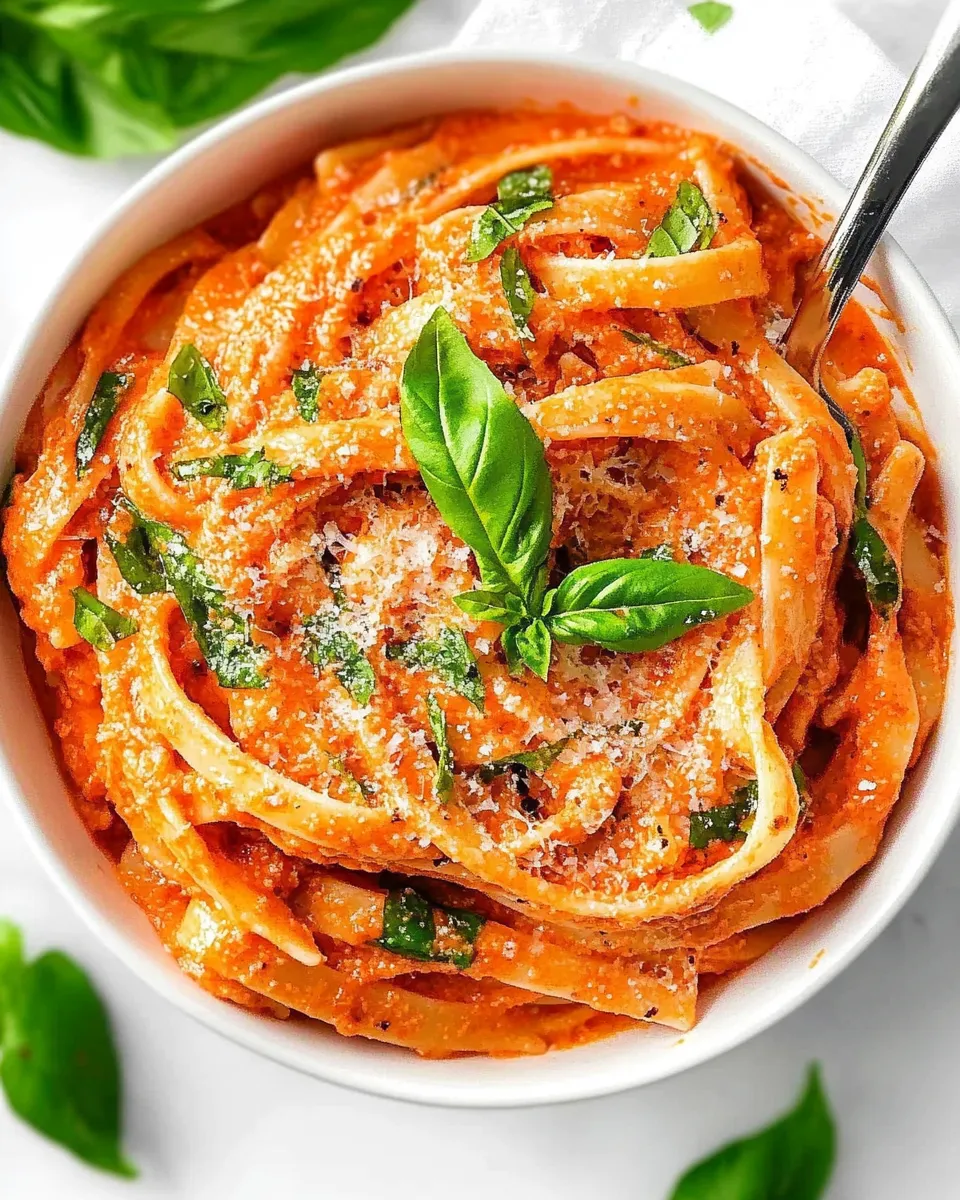
Before you cook, check what you already have. This sauce relies on pantry staples: canned tomatoes, dried herbs, and a little dairy. Freshly grated Parmesan and the choice between cream, half-and-half, or milk will change the final richness, so pick based on how indulgent you want the plate to be.
For tomatoes, the recipe calls for a whole peeled San Marzano can and a can of fire-roasted diced tomatoes. If you can get a San Marzano-style brand (Cento, Muir Glen, or a true San Marzano), the sauce will have a sweeter, less acidic base. Fire-roasted diced tomatoes add a gentle char and complexity; keep them undrained to preserve juices and flavor.
Ingredients
- 1 tablespoon olive oil — helps carry flavor and prevents butter from burning.
- 1 tablespoon butter — adds richness and a smooth mouthfeel.
- 4-6 garlic cloves, minced — aromatic backbone; mince fine for even distribution.
- 1/2 cup diced shallots — milder and sweeter than onion; soften to build a sweet base.
- 2 tablespoons tomato paste — concentrates tomato flavor; cook it briefly to remove rawness.
- 1/8-1/4 teaspoon red pepper flakes — adds a gentle heat; adjust to taste.
- 28-oz. can whole peeled San Marzano tomatoes (Cento, Muir Glen, or San Marzano brand) — the sauce’s primary tomato base; break them up during simmering.
- 14.5-oz. can fire-roasted diced tomatoes, not drained — brings smoky depth and juice to the sauce.
- 1 teaspoon chicken bouillon (base, powder, or crushed cube) — boosts savory umami; use cautiously if you’re watching sodium.
- 1 1/2 tsps EACH dried oregano, dried parsley, dried basil (or 1 1/2 TBS diced fresh) — the herb trio gives classic Italian flavor; fresh herbs are brighter.
- 1 1/4 teaspoons salt, plus more to taste — seasons the sauce; taste after cheese is added before adjusting.
- 1/4 tsp EACH dried thyme, pepper, sugar — thyme adds subtle earthiness; sugar balances acidity.
- 1 whole bay leaf — infuses background aroma; remove before blending.
- 1 cup (100 g) freshly grated Parmesan cheese (grated on a microplaner) — melts into the sauce for umami and texture; grate fresh for best melt.
- 1 cup heavy cream, half and half, or milk (see notes) — finish for creaminess; heavy cream gives the richest result.
- chopped fresh basil for garnish — brightens and freshens the finished dish.
- 1 pound rigatoni or pasta of choice — rigatoni holds the sauce well; any sturdy pasta works.
Cook Pink Pasta Sauce Like This
- Heat a large braiser or saucepan over medium heat. Add 1 tablespoon olive oil and 1 tablespoon butter; melt the butter into the oil.
- Add 1/2 cup diced shallots and sauté 4–5 minutes, stirring occasionally, until softened and translucent.
- Add 4–6 minced garlic cloves and 1/8–1/4 teaspoon red pepper flakes; sauté 30 seconds until fragrant.
- Add 2 tablespoons tomato paste and cook 60 seconds, stirring, to deepen the paste’s flavor.
- Add the 28-oz can whole peeled San Marzano tomatoes (with their juices) and the 14.5-oz. can fire-roasted diced tomatoes (do not drain). Stir to combine.
- Add 1 teaspoon chicken bouillon, 1 1/2 teaspoons each dried oregano, dried parsley, and dried basil (or 1 1/2 tablespoons diced fresh herb if using fresh), 1 1/4 teaspoons salt, 1/4 teaspoon each dried thyme, ground pepper, and sugar, plus 1 whole bay leaf. Stir, bring the sauce to a boil with the lid slightly ajar, then reduce heat to maintain a gentle simmer.
- Simmer, uncovered or with the lid slightly ajar, for 10 minutes, stirring occasionally. After 10 minutes, use a potato masher (or spoon) to break up the whole tomatoes, then continue simmering gently for another 10 minutes with the lid ajar.
- While the sauce simmers, bring a large pot of salted water to a boil and cook 1 pound rigatoni (or pasta of choice) according to package instructions until al dente. Drain the pasta when done.
- Remove and discard the bay leaf. Use an immersion blender to purée the sauce directly in the pot, or carefully transfer the sauce in batches to a countertop blender (vent the lid and let hot steam escape) and blend to your desired consistency. Return the blended sauce to the pot and set over low heat.
- Gradually add 1 cup (100 g) freshly grated Parmesan cheese a handful at a time to the warm sauce, stirring constantly over low heat. Cook 2–3 minutes, stirring, until the cheese is completely melted and incorporated.
- Stir in 1 cup heavy cream (or half-and-half or milk) until the sauce is smooth and heated through.
- Add the cooked pasta to the sauce and toss gently to combine and coat evenly. Taste and adjust seasoning with additional salt, pepper, red pepper flakes, or sugar as desired.
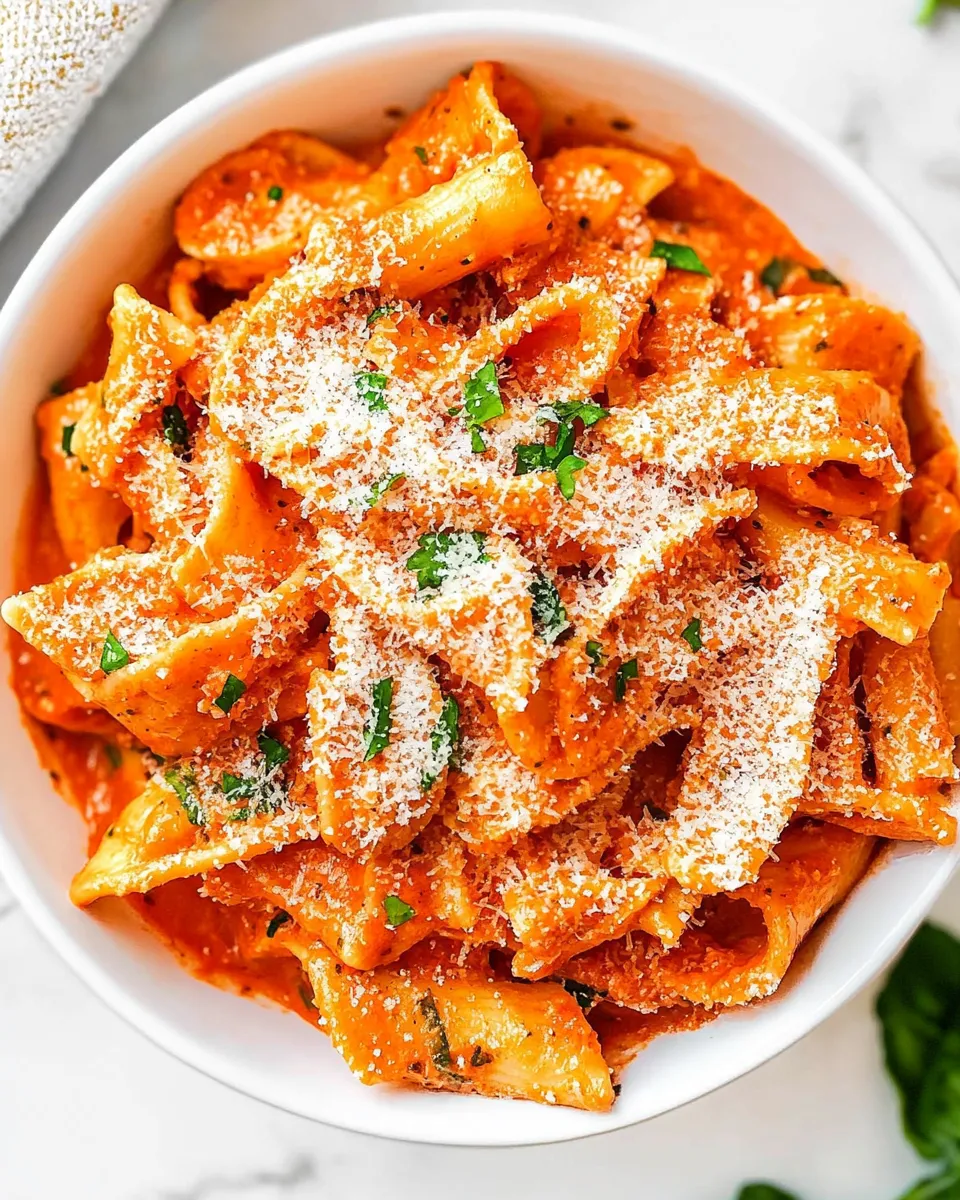
- Serve immediately, garnished with additional grated Parmesan and chopped fresh basil.
Why It Works Every Time
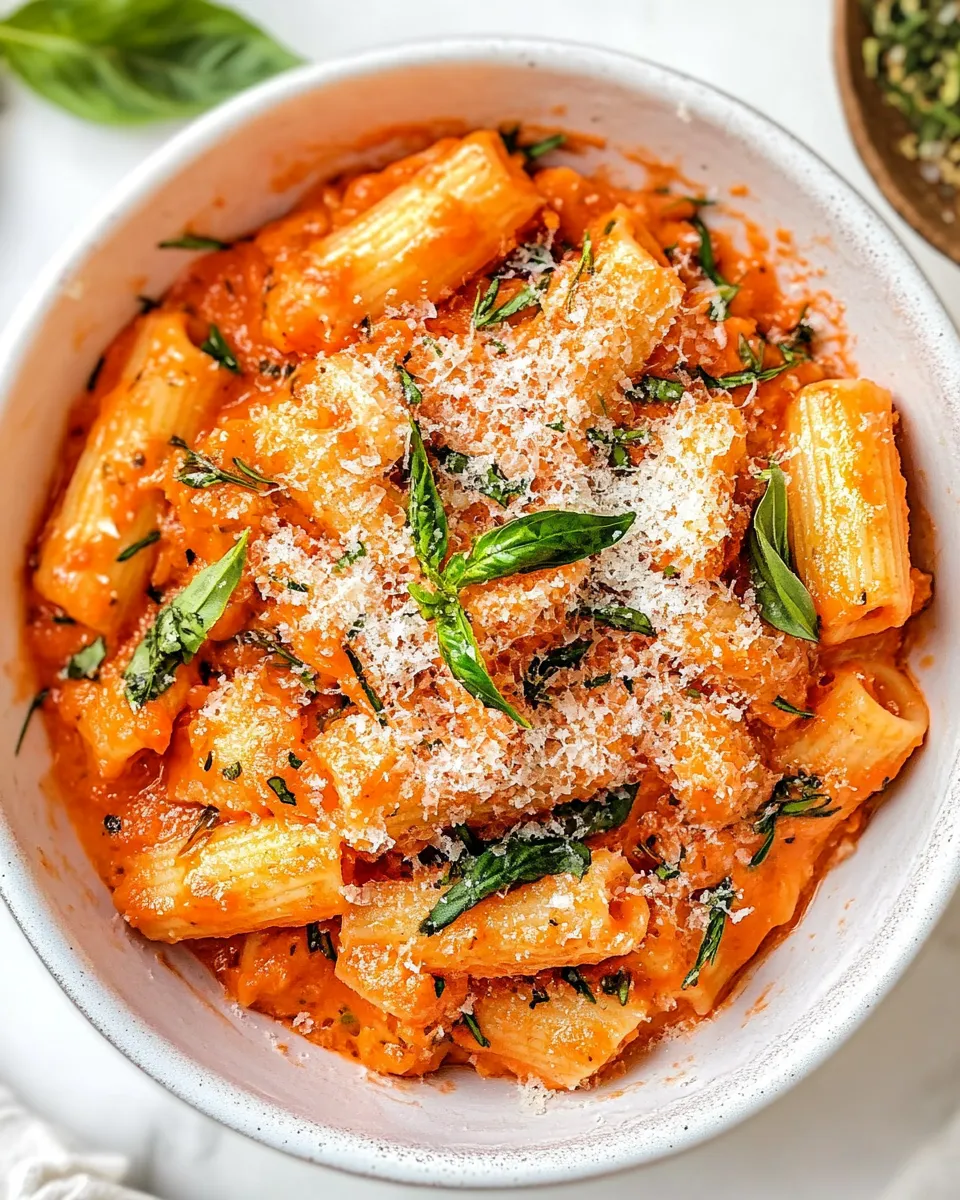
Flavor layering is the key. Sweating shallots and briefly cooking tomato paste eliminates raw edges and builds sweet, caramelized notes. Garlic and red pepper flakes add aromatic lift. The combination of whole peeled tomatoes and fire-roasted diced tomatoes brings both body and complexity: whole tomatoes give a clean, fresh tomato flavor and the fire-roasted dice contributes a smoky undertone.
Simmering concentrates flavors without overcooking the dairy that comes later. Blending the sauce creates a silky texture that clings to pasta, while gradual incorporation of grated Parmesan stabilizes the emulsion so the cream doesn’t separate. Finally, finishing with cream rounds acidity and yields the pink hue that inspired the name.
No-Store Runs Needed
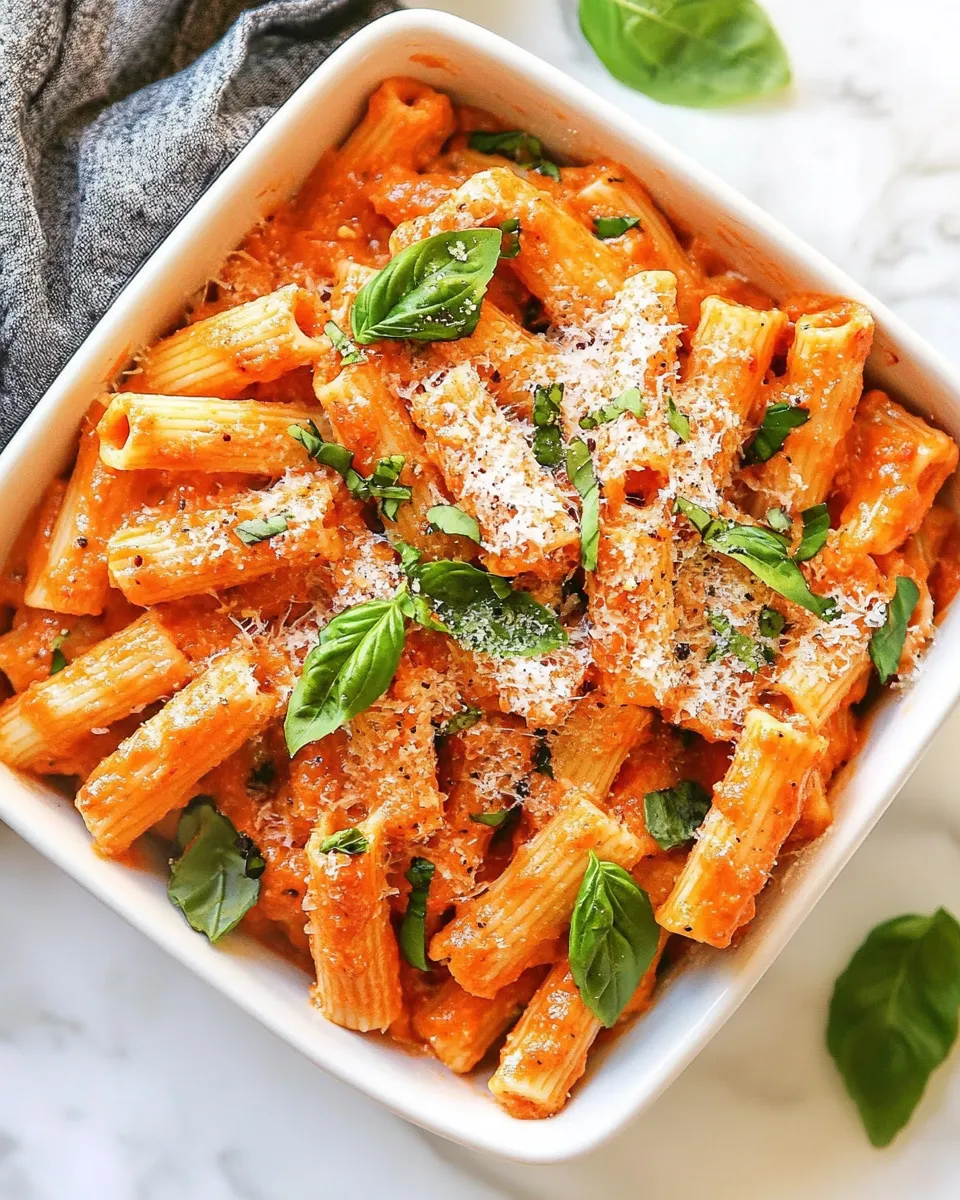
This recipe is forgiving and pantry-friendly. If you have canned tomatoes, dried herbs, garlic, an onion or shallot, and some dairy, you can make it. The recipe already lists flexible options—heavy cream, half-and-half, or milk—so you can choose what you have and still get a creamy result.
Chicken bouillon is there for depth; if you don’t have it, you can omit it and slightly increase salt and Parmesan to compensate. The bay leaf and dried herbs are subtle boosters but not essential in an emergency; they’re nice to include when on hand.
Hardware & Gadgets
- Large braiser or saucepan — even heat distribution for simmering.
- Potato masher or wooden spoon — to break up whole tomatoes after the first simmer.
- Immersion blender or countertop blender — for smooth consistency; use caution with hot liquids.
- Microplaner — freshly grating Parmesan melts better and blends smoothly.
- Large pot for pasta — cook pasta in plenty of salted water for proper texture.
Errors to Dodge
Don’t rush the tomato paste. It needs that 60 seconds in the pan to lose its raw edge. Skipping this step leaves the sauce tasting flat. Also, avoid adding the cheese and cream to a boiling, aggressive heat; keep the sauce warm but gentle to prevent separation or grainy texture.
When blending hot sauce in a countertop blender, always vent the lid slightly and process in batches. Trapped steam can create pressure and cause hot sauce to erupt. Finally, under-salting is common—taste after the cheese melts in, because Parmesan adds a significant umami and salt boost.
Make It Diet-Friendly
Simple swaps and portions
To reduce fat, use milk or low-fat milk instead of heavy cream—this is already an option in the recipe. Cut back on Parmesan or use half the amount; the sauce will be less creamy but still flavorful. Serve smaller portions of pasta and add more vegetables (roasted or steamed) alongside to boost volume without extra calories.
If you’re watching sodium, reduce or omit the chicken bouillon and hold back on the added salt. Taste and adjust after the Parmesan has melted, since grated cheese brings additional saltiness.
Recipe Notes & Chef’s Commentary
Timing tip: the total simmer before blending is about 20 minutes—10 minutes to let flavors start and another 10 after breaking up the tomatoes. This gives a balanced texture where the tomatoes are cooked but still bright. If you want a chunkier sauce, skip the immersion blender and leave some texture.
Cheese technique: add Parmesan a little at a time over low heat while stirring. This prevents clumping and ensures a smooth emulsion. If the sauce looks a bit thin after adding cream, a minute or two of low simmer will thicken it slightly.
Herbs: dried herbs are measured as 1 1/2 teaspoons each; if you use fresh, use 1 1/2 tablespoons diced fresh herbs per the ingredient note. Fresh basil as a garnish adds a fresh finish—toss some in just before serving for the best aroma.
Meal Prep & Storage Notes
Cool the sauce quickly and refrigerate in an airtight container for up to 4 days. Reheat gently on the stove over low heat, stirring and adding a splash of milk if it seems tight or separated. You can also freeze the sauce (without pasta) for up to 3 months—thaw overnight in the fridge before reheating.
Pasta and sauce: for make-ahead meals, store pasta and sauce separately. Tossing pasta with a small amount of olive oil before chilling prevents clumping. Combine and reheat gently so the sauce warms through and coats the pasta again.
Questions People Ask
Q: Can I use canned crushed tomatoes instead of whole peeled? A: Yes. Whole tomatoes give a bit more control over texture since you break them up during simmering, but crushed tomatoes will work and shorten the breaking-up step.
Q: What if my sauce is too acidic? A: The recipe already includes 1/4 teaspoon sugar to balance acidity; if it still tastes sharp, a pinch more sugar or a small knob of butter can soften the edge. Add sparingly and taste.
Q: Can I make this vegetarian? A: The recipe calls for chicken bouillon for umami; if you want vegetarian, substitute vegetable bouillon if you have it, or skip the bouillon and rely on Parmesan and longer simmering to build depth.
Let’s Eat
Toss the rigatoni with the pink sauce until each piece is coated, plate it with a final grating of Parmesan and a sprinkle of chopped basil. Serve hot with a simple green salad or roasted veggies on the side. This sauce hits the balance of comfort and brightness: creamy, tangy, and deeply satisfying. Light a candle if you like—no one will judge.
Pink Pasta Sauce
Ingredients
Ingredients
- 1 tablespoonolive oil
- 1 tablespoonbutter
- 4-6 garlic cloves minced
- 1/2 cupdiced shallots
- 2 tablespoonstomato paste
- 1/8-1/4 teaspoonred pepper flakes
- 28- oz. canwhole peeled San Marzano tomatoes Cento, Muir Glen, or San Marzano brand
- 14.5- oz. canfire-roasted diced tomatoes not drained
- 1 teaspoonchicken bouillon base, powder, or crushed cube
- 1 1/2 tsps EACHdried oregano dried parsley, dried basil(or 1 1/2 TBS diced fresh)
- 1 1/4 teaspoonsalt plus more to taste
- 1/4 tsp EACHdried thyme pepper, sugar
- 1 whole bay leaf
- 1 cup 100 gfreshly grated Parmesan cheese(grated on a microplaner)
- 1 cupheavy cream. half and half or milk(see notes)
- chopped fresh basil for garnish
- 1 poundrigatoni or pasta of choice
Instructions
Instructions
- Heat a large braiser or saucepan over medium heat. Add 1 tablespoon olive oil and 1 tablespoon butter; melt the butter into the oil.
- Add 1/2 cup diced shallots and sauté 4–5 minutes, stirring occasionally, until softened and translucent.
- Add 4–6 minced garlic cloves and 1/8–1/4 teaspoon red pepper flakes; sauté 30 seconds until fragrant.
- Add 2 tablespoons tomato paste and cook 60 seconds, stirring, to deepen the paste’s flavor.
- Add the 28-oz can whole peeled San Marzano tomatoes (with their juices) and the 14.5-oz can fire-roasted diced tomatoes (do not drain). Stir to combine.
- Add 1 teaspoon chicken bouillon, 1 1/2 teaspoons each dried oregano, dried parsley, and dried basil (or 1 1/2 tablespoons diced fresh herb if using fresh), 1 1/4 teaspoons salt, 1/4 teaspoon each dried thyme, ground pepper, and sugar, plus 1 whole bay leaf. Stir, bring the sauce to a boil with the lid slightly ajar, then reduce heat to maintain a gentle simmer.
- Simmer, uncovered or with the lid slightly ajar, for 10 minutes, stirring occasionally. After 10 minutes, use a potato masher (or spoon) to break up the whole tomatoes, then continue simmering gently for another 10 minutes with the lid ajar.
- While the sauce simmers, bring a large pot of salted water to a boil and cook 1 pound rigatoni (or pasta of choice) according to package instructions until al dente. Drain the pasta when done.
- Remove and discard the bay leaf. Use an immersion blender to purée the sauce directly in the pot, or carefully transfer the sauce in batches to a countertop blender (vent the lid and let hot steam escape) and blend to your desired consistency. Return the blended sauce to the pot and set over low heat.
- Gradually add 1 cup (100 g) freshly grated Parmesan cheese a handful at a time to the warm sauce, stirring constantly over low heat. Cook 2–3 minutes, stirring, until the cheese is completely melted and incorporated.
- Stir in 1 cup heavy cream (or half-and-half or milk) until the sauce is smooth and heated through.
- Add the cooked pasta to the sauce and toss gently to combine and coat evenly. Taste and adjust seasoning with additional salt, pepper, red pepper flakes, or sugar as desired.
- Serve immediately, garnished with additional grated Parmesan and chopped fresh basil.
Equipment
- braiser or large saucepan
- Large Pot
- potato masher
- immersion blender
- countertop blender
- Colander
Notes
Milk:
You can use ¾ cup half and half or milk for a lighter option, but don’t expect the sauce to be quite as rich, velvety, and indulgent.