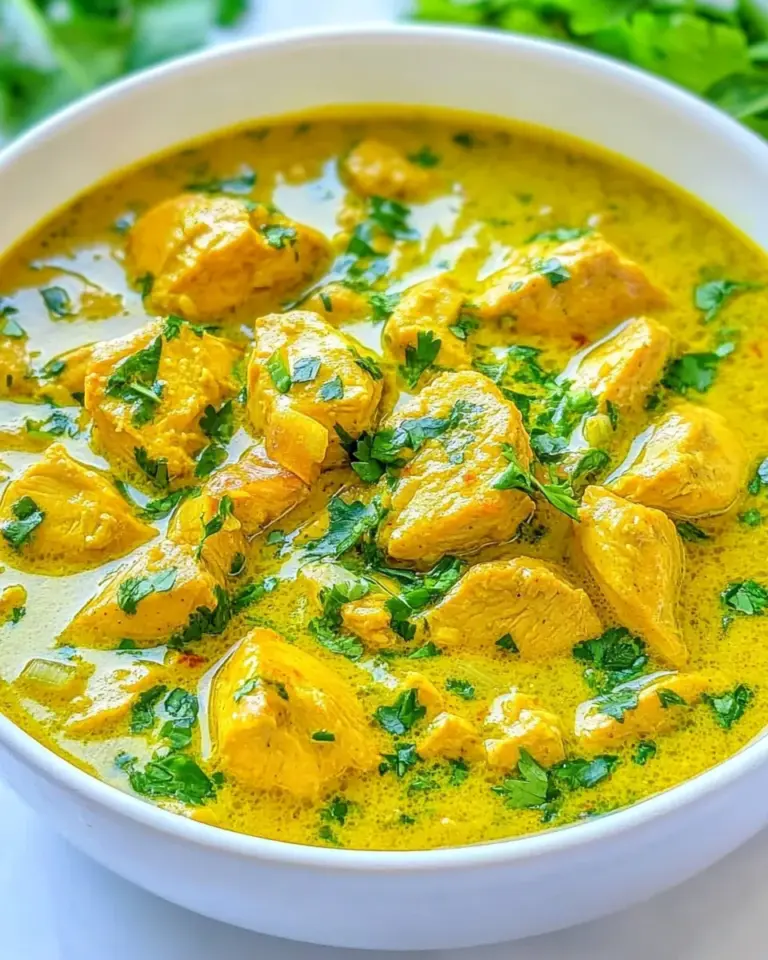
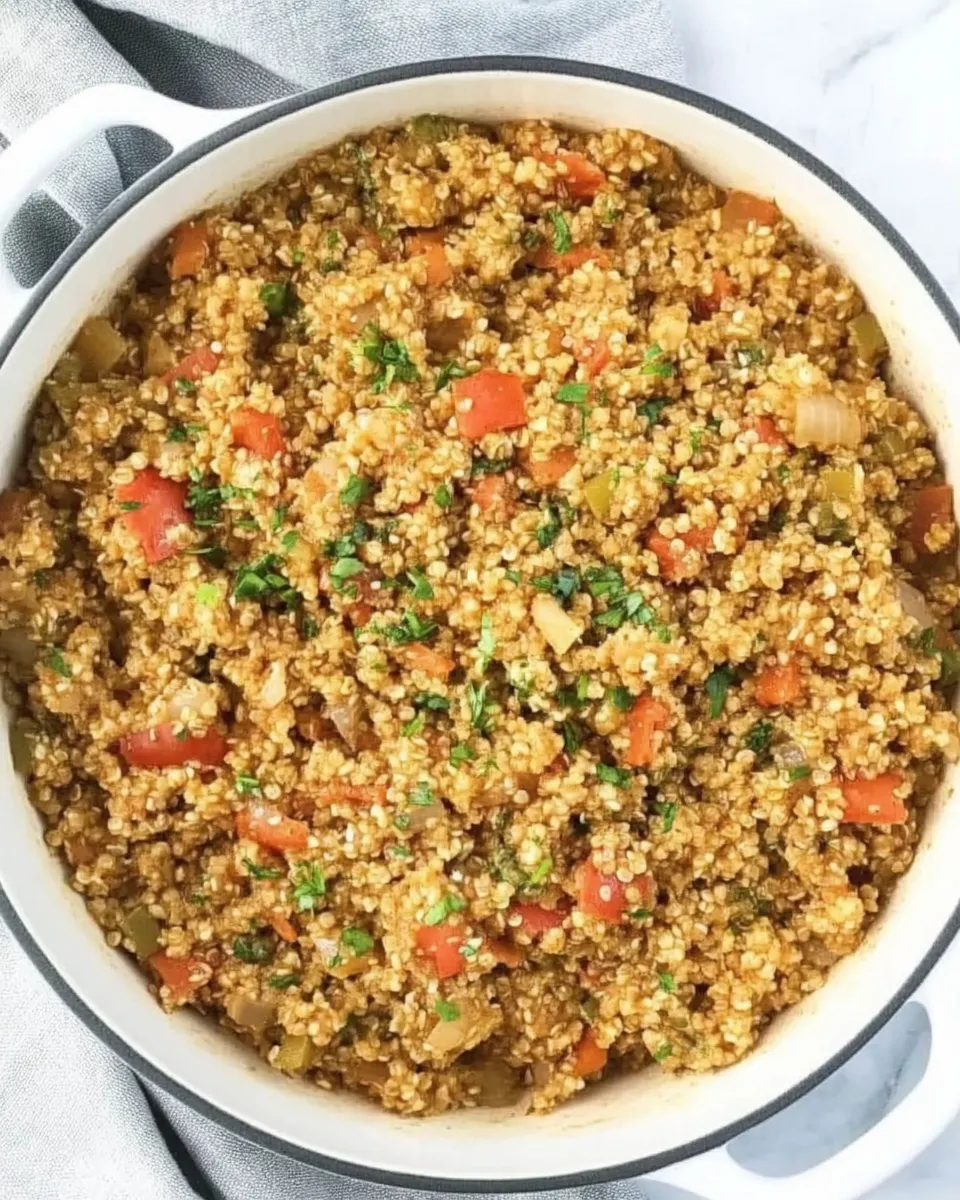
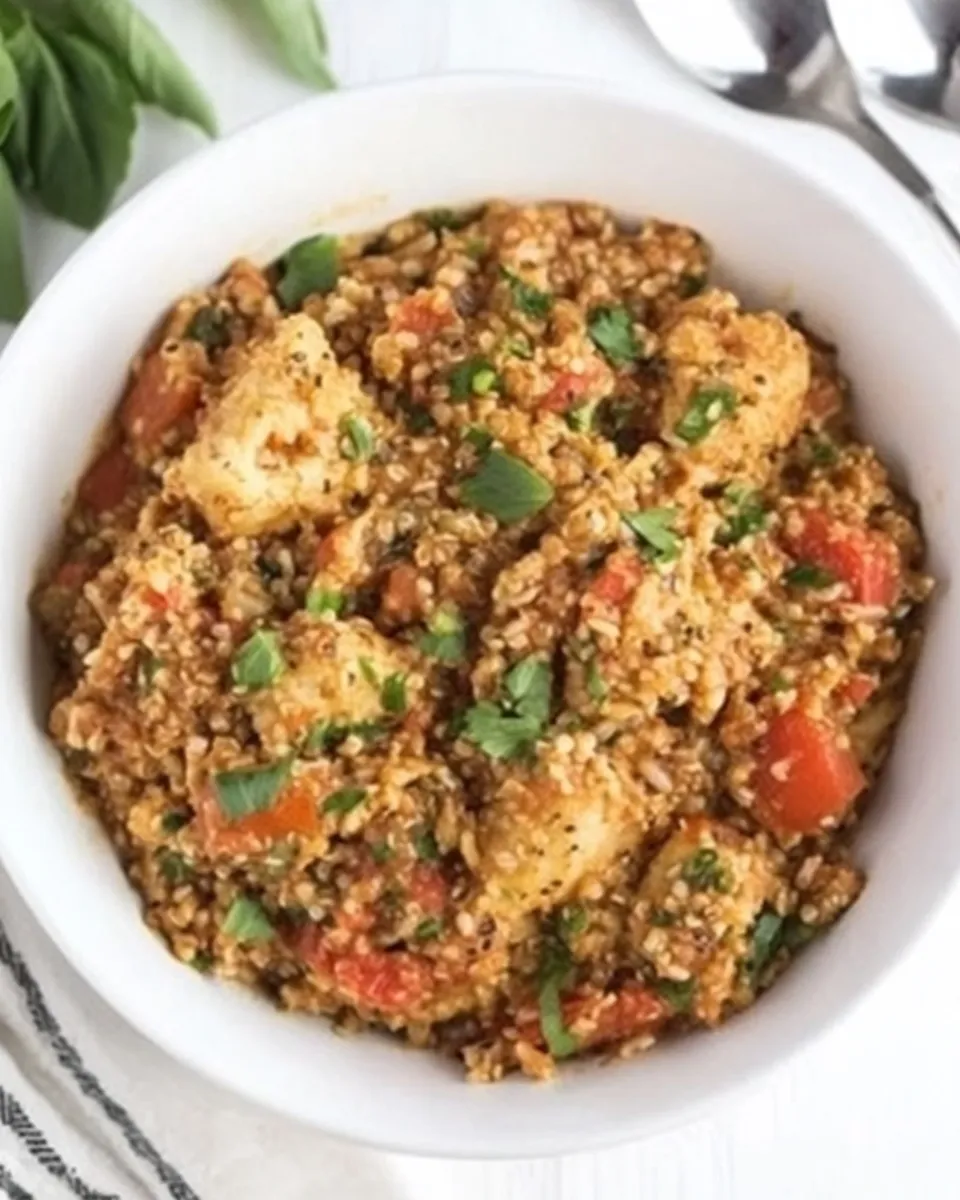
This Quinoa Jambalaya is the weeknight dinner I turn to when I want something bold, one-pan, and reliably satisfying. It keeps the spirit of jambalaya — smoky sausage, tender chicken, garlic, peppers, tomatoes, and a good hit of Cajun seasoning — but swaps rice for quinoa to speed things up and add a slightly nutty texture. It’s straightforward and forgiving, which is what I need on busy nights.
There’s a clear rhythm to making it: rinse the quinoa, brown the protein and vegetables, add stock and tomatoes, then simmer gently until the quinoa swells and soaks up the flavors. The steps are short and concrete, and the result is a stew-like bowl that holds up well for leftovers. I like the mix of textures: a little bite from the pepper, softness from the chicken, and the pop of tomato.
I’ll walk you through exactly what I use, the step-by-step process, troubleshooting tips, and practical make-ahead notes so you can get consistent results. No fuss, just useful notes from someone who cooks this regularly.
What Goes In
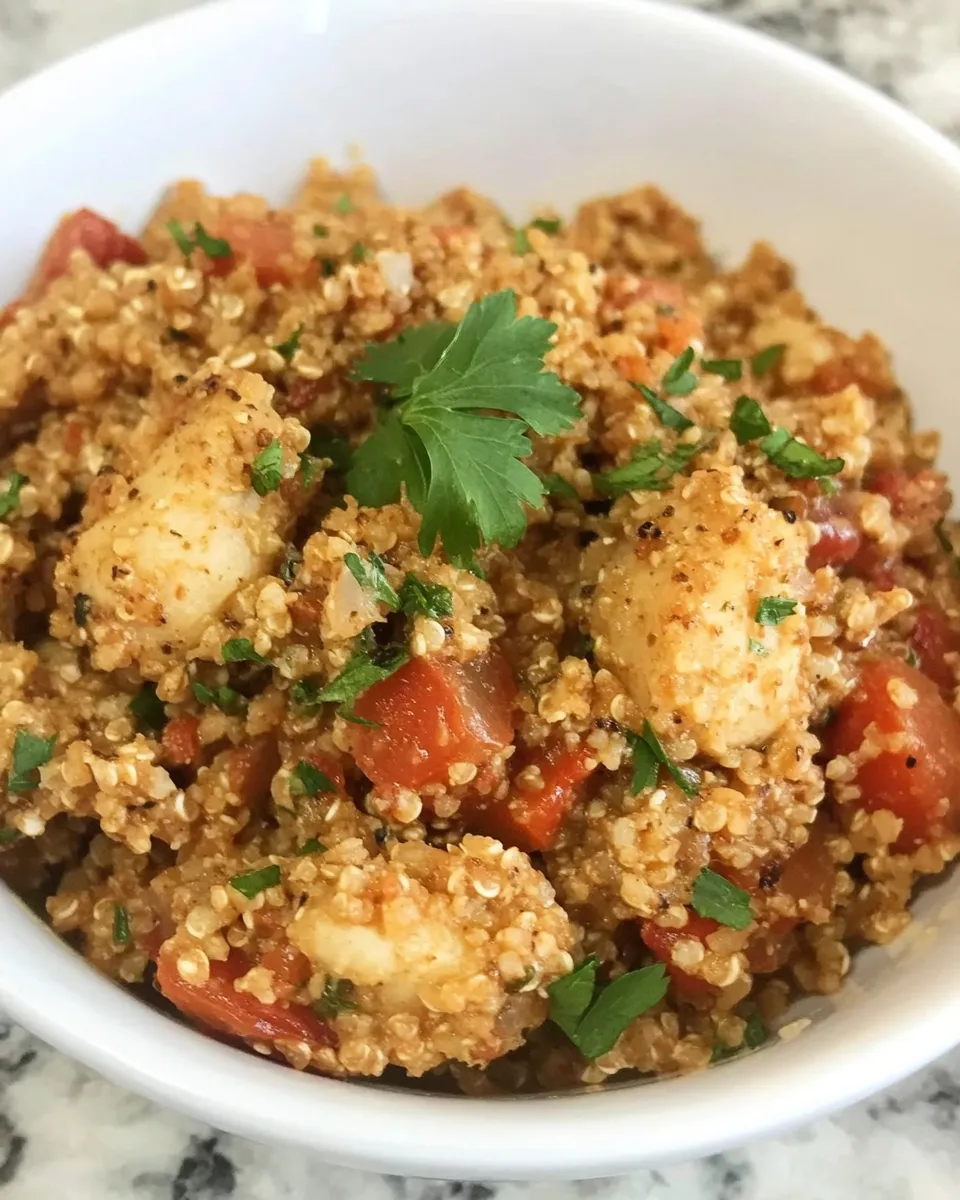
Below are the exact ingredients used in the recipe. Each line includes a quick note so you know why it’s there or how to handle it.
Ingredients
- ½ tablespoon olive oil — for sautéing and helping the chicken brown without sticking.
- ½ pound boneless, skinless chicken breasts, cubed — primary protein; cubes cook quickly and evenly.
- ½ cup diced smoked sausage (about 2 ounces) — adds smoky, savory depth; dices release flavor as they warm.
- ⅓ cup diced green pepper — brings sweetness and a mild crunch; dice small for even cooking.
- 1 small yellow onion, minced — builds the aromatic base; mince so it softens quickly.
- 2 tablespoons minced garlic — for immediate aromatic punch; add at the end of the sauté to avoid burning.
- 1 cup quinoa — the grain substitute; rinse before cooking to remove bitterness.
- 2 cups low-sodium chicken stock — cooking liquid and seasoning base; low-sodium lets you control salt.
- 1 tablespoon Cajun Seasoning — the primary spice blend; provides the characteristic heat and flavor.
- 15 ounces diced tomatoes — adds moisture, acidity, and tomato flavor to balance the spices.
- 1 teaspoon Worcestershire sauce — a finishing umami note; stirred in after cooking.
- 1 teaspoon hot sauce, optional — for extra heat if you like it spicier; optional at the end.
Quinoa Jambalaya in Steps
- Place 1 cup quinoa in a fine-mesh strainer and rinse under running water for 2 minutes, until the water runs clear. Set aside to drain.
- Heat ½ tablespoon olive oil in a heavy-bottom skillet over medium-high heat until shimmering.
- Add ½ pound cubed boneless, skinless chicken breasts, ½ cup diced smoked sausage, ⅓ cup diced green pepper, and 1 small yellow onion (minced). Sauté 5–6 minutes, stirring occasionally, until the chicken is browned and the onion is softened.
- Add 2 tablespoons minced garlic and cook about 30 seconds, stirring, until fragrant.
- Stir in the rinsed quinoa, 2 cups low-sodium chicken stock, 1 tablespoon Cajun Seasoning, and 15 ounces diced tomatoes. Bring the mixture to a boil.
- Reduce heat to medium-low, cover, and simmer for 20 minutes, or until the quinoa is puffed and the liquid is absorbed.
- Remove from heat, stir in 1 teaspoon Worcestershire sauce and 1 teaspoon hot sauce (optional). Fluff with a fork and serve.
Why It’s My Go-To
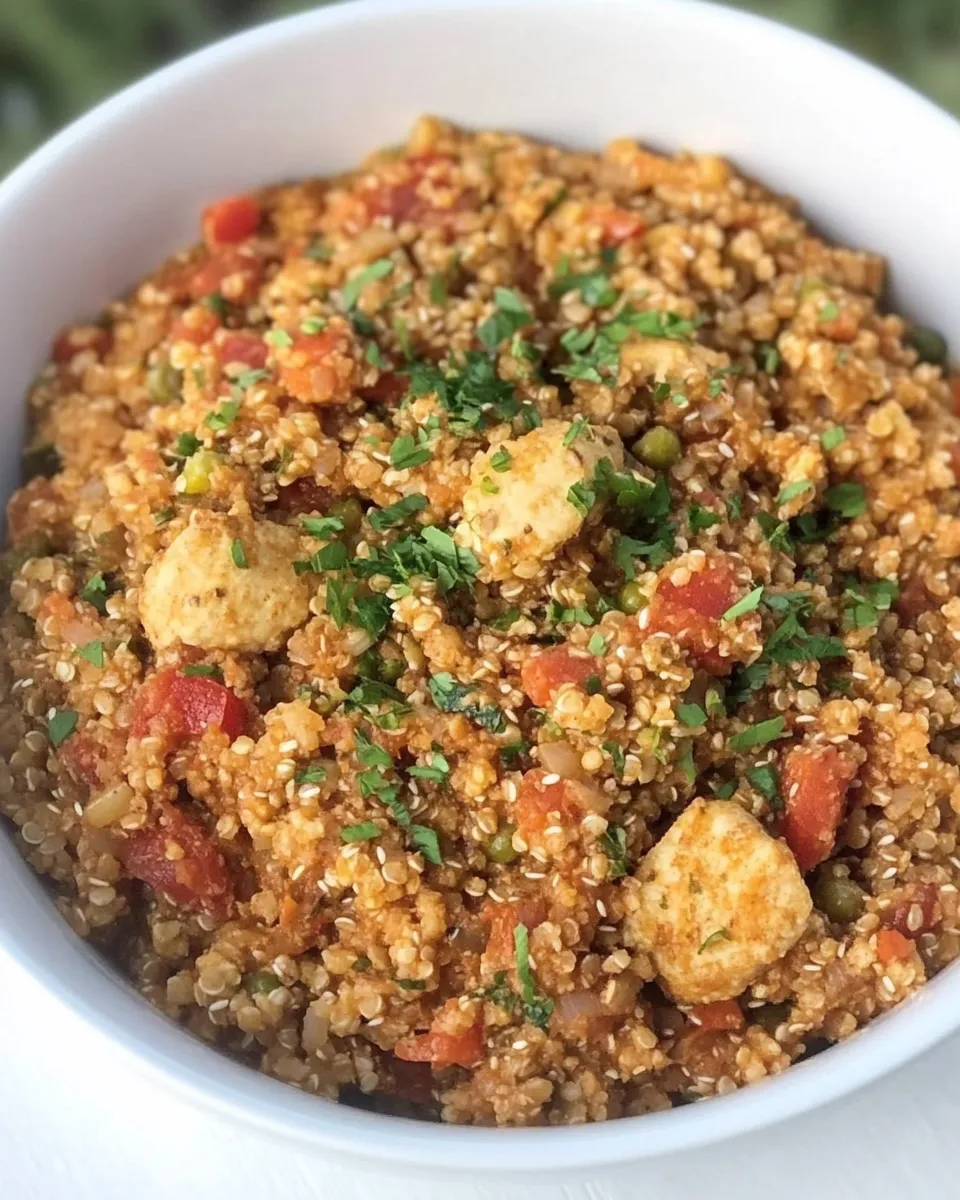
This dish is a go-to because it hits three important marks: flavor, speed, and adaptability. The Cajun seasoning plus smoked sausage quickly layers in a bold profile, while the tomatoes and Worcestershire give a subtle brightness and depth. Quinoa cooks faster than rice and absorbs flavor efficiently, so you get a rich, stew-like dish in under an hour from start to finish.
I also value its reliability. The technique is simple: brown, aromatics, liquid, simmer. If you follow those stages, the results are consistent. The recipe is forgiving on timing and heat — a little longer on low won’t ruin it — and leftovers reheat well, which makes it practical for meal planning.
Easy Ingredient Swaps
If you need to tweak what you have on hand, keep swaps simple and stay within the existing ingredient families in the recipe. Here are practical, minimal-impact ideas that won’t change the method.
- Protein balance — If you prefer more or less chicken, adjust the ratio between the cubed chicken and the diced smoked sausage. The cooking time stays the same for similarly sized pieces.
- Vegetable tweak — If you want more bite, increase the diced green pepper or add a bit more onion from the existing amount. Both soften quickly and integrate into the dish.
- Heat on or off — The hot sauce is listed as optional. Use it at the end so everyone can dial their own heat level.
- Stock control — The recipe calls for low-sodium chicken stock. If your stock is saltier or less salty, adjust finishing seasoning rather than the liquid amount.
Appliances & Accessories
Keep the tools simple. You need a heavy-bottom skillet with a lid, a fine-mesh strainer for rinsing quinoa, measuring spoons and cups, and a fork to fluff at the end. A heavy skillet gives even heat and helps brown the chicken and sausage without hotspots.
If your skillet doesn’t have a lid, use a baking sheet or any flat, oven-safe cover to trap steam while the quinoa simmers. A reliable kitchen timer and a sturdy wooden spoon or spatula for stirring will make the process smoother.
Problems & Prevention
Below are common issues and how to avoid them. Most problems link back to heat control or timing during the three main stages: sauté, add aromatics, simmer.
- Soggy quinoa — If the quinoa is mushy, the most likely cause is too much liquid or simmering at too high a heat. Keep the simmer gentle and stick to the 2 cups of stock for 1 cup quinoa. Ensure the lid fits so steam doesn’t escape.
- Undercooked quinoa — If quinoa still has a hard center, the heat may have been too low or the lid removed too often. Bring to a boil first, then reduce to a steady medium-low simmer for the full 20 minutes.
- Tough chicken — Chicken cubes overcooked by high heat will be dry. Sauté to brown but avoid high flames for the entire cook. Since they finish in the simmer, they’ll continue cooking gently there.
- Onion or garlic burned — Add garlic after the onion has softened, and watch the 30-second cook time for the garlic. Garlic browns quickly and can turn bitter.
- Too spicy or too salty — The recipe uses low-sodium stock to control salt. If the final dish tastes too strong, a small squeeze of acid (not an additional ingredient here, but note) or extra quinoa would help — but better to taste as you go and add the optional hot sauce sparingly.
Smart Substitutions
Substitutions work best when they respect the cooking times and textures already in the recipe. The idea is to maintain balance while accommodating preferences.
- Keep the grain ratio — The method assumes 1 cup quinoa to 2 cups liquid. If you use more quinoa, increase the liquid proportionally; if you use less, expect the liquid to absorb faster.
- Use what you have from the list — If you want more smokiness, rely on the smoked sausage already called for. If you’d rather highlight the chicken, increase its portion and keep the sausage as a flavor accent.
- Control seasoning — Since Cajun Seasoning is the primary spice, vary how much you add to taste before the simmer step. You can always add more after cooking using the Worcestershire and hot sauce for finishing contrast.
Testing Timeline
Key timing checkpoints from the recipe to watch on a first run:
- Rinse quinoa under running water for 2 minutes.
- Sauté protein and vegetables for 5–6 minutes until chicken browns and onion softens.
- Cook garlic about 30 seconds until fragrant.
- Bring to a boil after adding stock and tomatoes, then reduce and simmer covered for 20 minutes until quinoa puffs and liquid is absorbed.
These moments are the checkpoints I watch. If one step runs long, it affects the texture at the end, so pay attention especially to the simmer and the garlic step.
Make Ahead Like a Pro
This dish is reliable for make-ahead. Cook it completely, cool it down at room temperature briefly, then refrigerate. Reheat gently on the stove with a splash of stock or water to loosen the texture if it seems thick. Fluff with a fork after reheating to separate the quinoa grains and restore the original mouthfeel.
When planning, portion the jambalaya into shallow containers so it cools evenly in the refrigerator. I find the flavors meld overnight and often taste even better the next day. For serving, a quick reheat on medium-low keeps the chicken tender and prevents the quinoa from drying.
Helpful Q&A
Q: Do I need to rinse the quinoa every time?
A: Yes. The recipe calls for rinsing quinoa for 2 minutes in a fine-mesh strainer. That removes any surface bitterness and improves the final flavor and texture.
Q: Can I skip the sausage or the chicken?
A: The recipe is written with both for a balanced texture and flavor. If you omit one, expect a milder profile and consider adjusting the Cajun seasoning to taste.
Q: What if the liquid hasn’t absorbed after 20 minutes?
A: If the quinoa isn’t fully puffed, keep it covered and give it another few minutes on low heat. If the pan looks dry but quinoa is still firm, add a small splash of stock and cover again.
Q: Can I make this spicier?
A: Yes. The recipe includes an optional teaspoon of hot sauce at the end. Add it incrementally so you don’t overshoot your heat tolerance.
Hungry for More?
If you liked this bowl, try varying the ratio of chicken to sausage over time and play with the Cajun seasoning level until it matches your comfort with spice. Keep the method the same and you’ll get reliably tasty results. This Quinoa Jambalaya is designed to be approachable, quick, and full of character — a dependable weeknight favorite.

Quinoa Jambalaya
Ingredients
Ingredients
- 1/2 tablespoonolive oil
- 1/2 poundboneless skinless chicken breasts, cubed
- 1/2 cupdiced smoked sausage (about 2 ounces)
- 1/3 cupdiced green pepper
- 1 smallyellow onion minced
- 2 tablespoonsminced garlic
- 1 cupquinoa
- 2 cupslow-sodium chicken stock
- 1 tablespoonCajun Seasoning
- 15 ouncesdiced tomatoes
- 1 teaspoonWorcestershire sauce
- 1 teaspoonhot sauce optional
Instructions
Instructions
- Place 1 cup quinoa in a fine-mesh strainer and rinse under running water for 2 minutes, until the water runs clear. Set aside to drain.
- Heat ½ tablespoon olive oil in a heavy-bottom skillet over medium-high heat until shimmering.
- Add ½ pound cubed boneless, skinless chicken breasts, ½ cup diced smoked sausage, ⅓ cup diced green pepper, and 1 small yellow onion (minced). Sauté 5–6 minutes, stirring occasionally, until the chicken is browned and the onion is softened.
- Add 2 tablespoons minced garlic and cook about 30 seconds, stirring, until fragrant.
- Stir in the rinsed quinoa, 2 cups low-sodium chicken stock, 1 tablespoon Cajun Seasoning, and 15 ounces diced tomatoes. Bring the mixture to a boil.
- Reduce heat to medium-low, cover, and simmer for 20 minutes, or until the quinoa is puffed and the liquid is absorbed.
- Remove from heat, stir in 1 teaspoon Worcestershire sauce and 1 teaspoon hot sauce (optional). Fluff with a fork and serve.
Equipment
- Fine-mesh strainer
- Heavy-bottom skillet
- Fork
- Measuring cups and spoons
Notes
Chicken
: Feel free to use boneless skinless chicken thighs in place of chicken breasts or omit the chicken and add in additional sausage.
Storage:
Store leftovers in an airtight container in the refrigerator for up to 3 days or freeze the cooled leftovers in a freezer-safe container for up to 2 months.