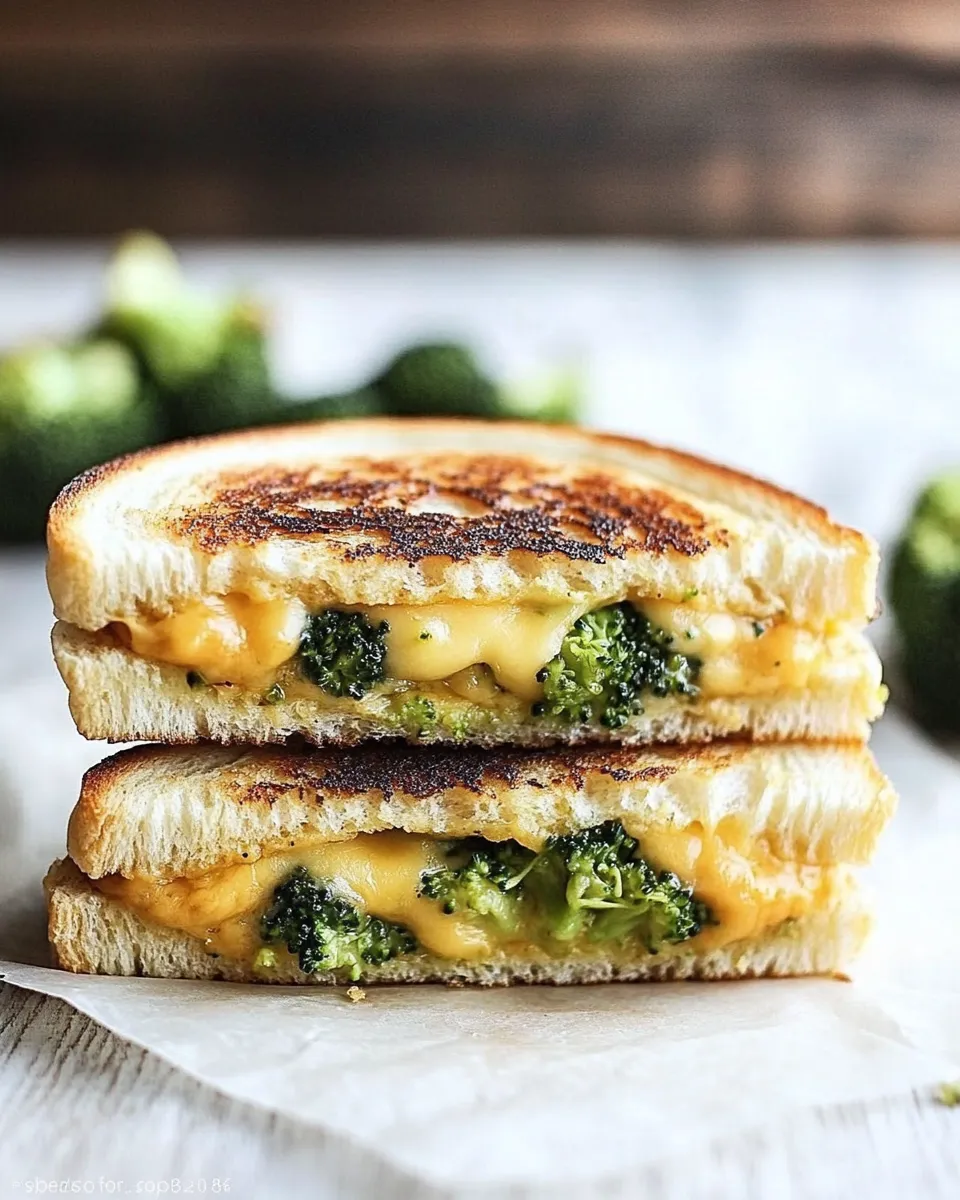
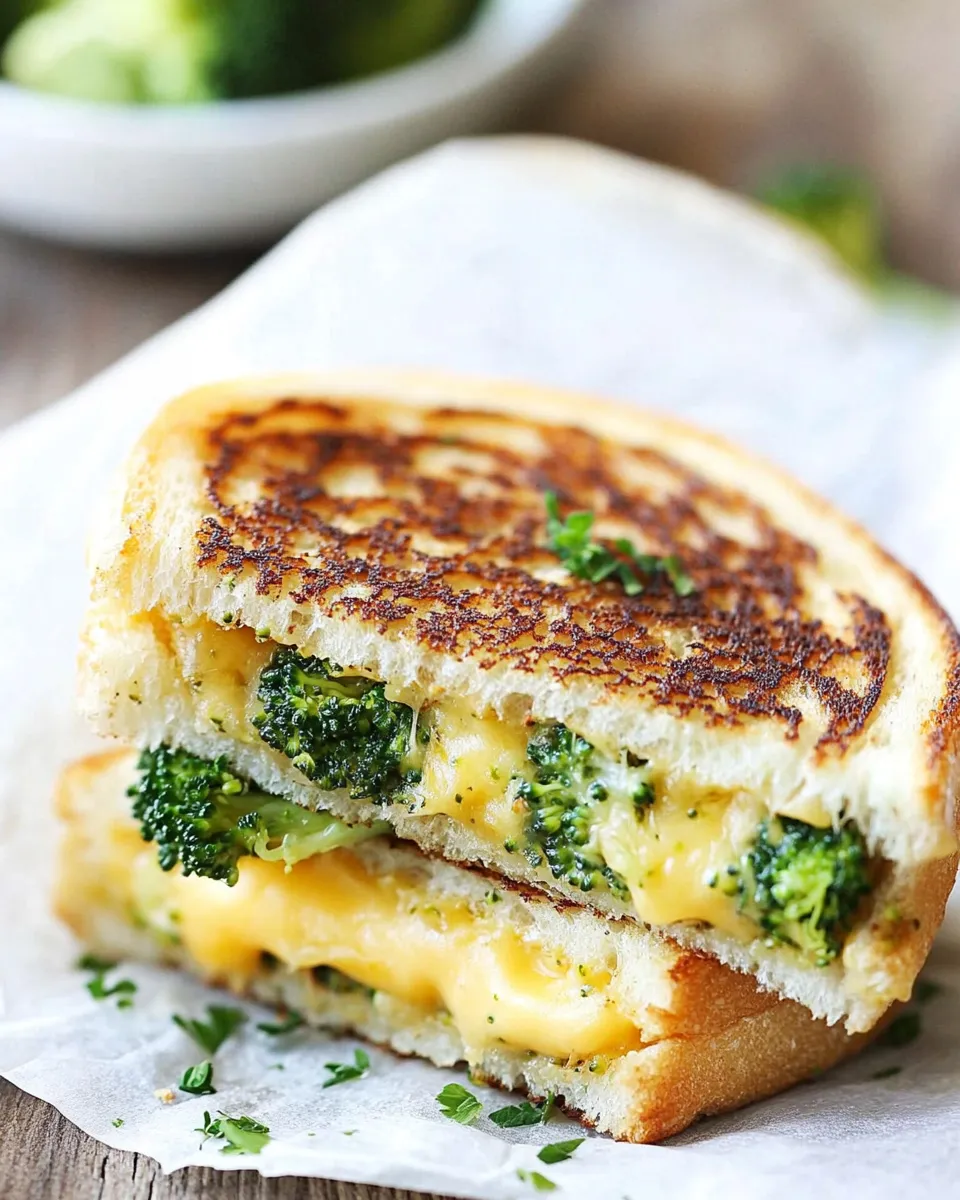
This sandwich started as a late-night craving and turned into one of my weekday essentials. It hits the comfort-food marks—crispy, buttery bread, gooey melted cheddar—while sneaking in a good dose of roasted broccoli so it feels a little more balanced. No fuss, no long ingredient lists, just good technique.
I love it because it’s fast, forgiving, and scales easily. Roast a head of broccoli while you butter the bread, then assemble and grill. The roast concentrates the broccoli’s flavor and adds little browned edges that play beautifully against melted cheddar.
Below I walk you through the ingredients, every step in order, and practical swaps and troubleshooting so you can make these sandwiches at home without guesswork. If you want to personalize, I’ll give safe options that keep the spirit of the recipe intact.
Ingredient Rundown
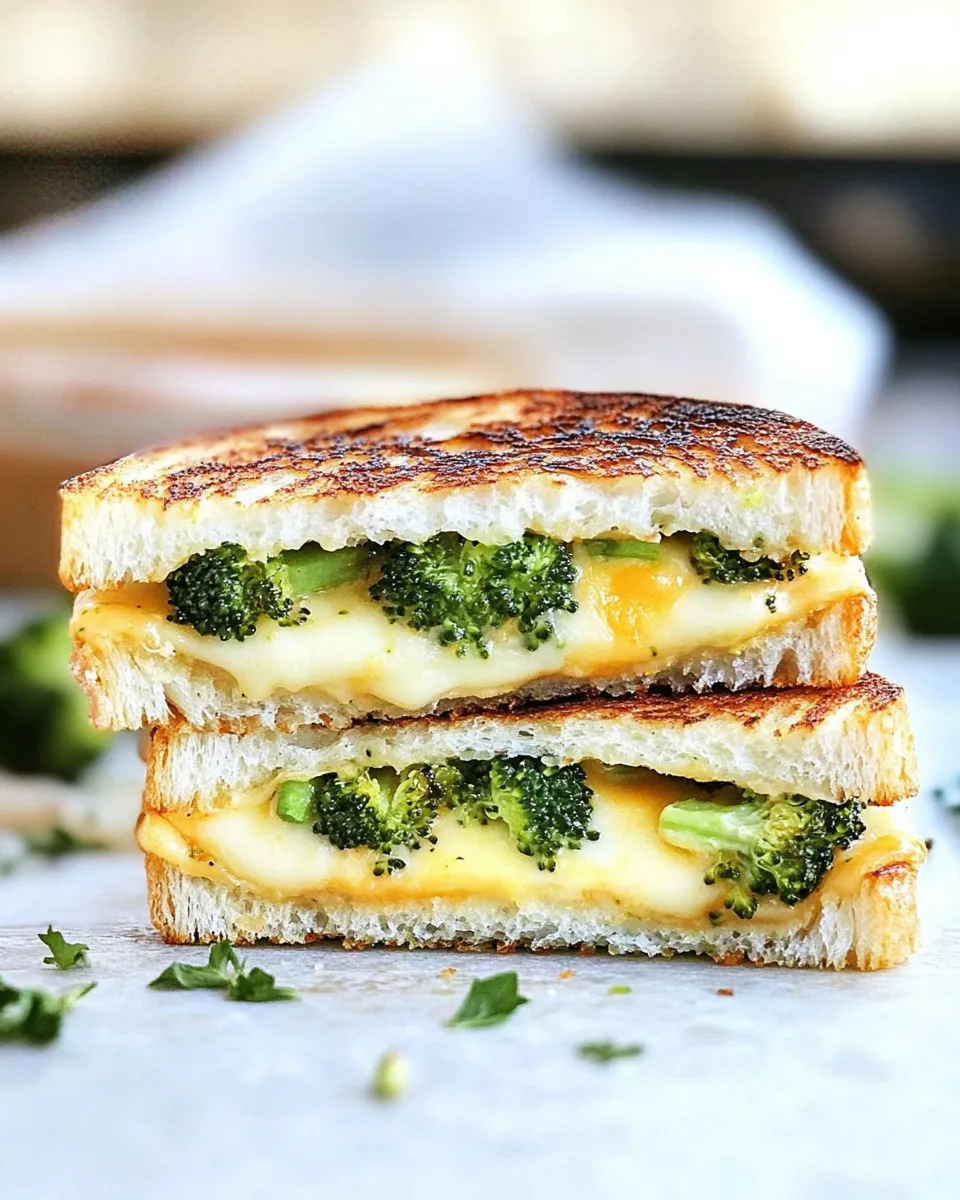
- Florets from 1 medium head broccoli — about ½ pound, chopped small — Small pieces roast evenly and tuck neatly into the sandwich; chop to roughly the same size for consistent cooking.
- 2 tablespoons olive oil — Coats the broccoli so it roasts brown instead of steaming.
- 1/2 teaspoon salt — Seasons the broccoli while it roasts; it’s the baseline seasoning for the whole sandwich.
- 1/4 teaspoon freshly cracked black pepper — Adds mild bite; freshly cracked brings a brighter pepper flavor than pre-ground.
- Unsalted butter — softened — For spreading on the bread; softened butter helps the bread brown evenly without tearing.
- 6 to 8 slices bread — Use a sturdy slice that can hold the filling without getting soggy; buttered side goes out to the skillet.
- 1 cup cheddar cheese — shredded or thinly sliced — Provides melting, sharpness, and structure; split between the layers so the broccoli is surrounded by cheese.
Step-by-Step: Roasted Broccoli Grilled Cheese
- Preheat the oven to 400°F (200°C).
- On a sheet pan, toss the broccoli florets (from 1 medium head, about ½ pound, chopped small) with 2 tablespoons olive oil, 1/2 teaspoon salt, and 1/4 teaspoon freshly cracked black pepper. Spread in a single layer.
- Roast the broccoli 8 to 10 minutes, until evenly roasted but not burnt. Remove from the oven and let cool until cool enough to handle.
- Heat a skillet over medium-low heat.
- Spread softened unsalted butter evenly on one side of each of the 6 to 8 slices of bread.
- Assemble sandwiches: place half the bread slices buttered side down (unbuttered side up). Divide the 1 cup cheddar cheese evenly among them, placing some cheese on each unbuttered slice. Divide the roasted broccoli evenly over the cheese, then add more cheese on top of the broccoli so the broccoli is between two layers of cheese. Top each with the remaining bread slices, butter side out.
- Cook the sandwiches in the preheated skillet, working in batches if needed. “Grill” until the bread is golden brown and the cheese melts, turning each sandwich over once. Cook over medium-low heat to prevent burning (about 3–4 minutes per side, adjusting as needed).
- Remove from the skillet, let the sandwiches rest 1–2 minutes, then slice and serve.
- If you prefer, use gluten-free bread in the same way.
Why This Recipe is a Keeper
It balances comfort and a little bit of nourishment without complicated steps. Roasting the broccoli concentrates the flavor and adds texture—those tiny brown edges are what make the sandwich interesting. The two layers of cheese around the broccoli are a small but critical move: they keep the florets from drying out and make every bite melty.
The recipe is forgiving on timing and heat. Roasting can run a minute or two longer if your oven is slower, and the skillet stage relies on medium-low heat so you won’t scorch the bread while waiting for the cheese to soften. That margin for error makes it reliable for weeknights.
Substitutions by Category
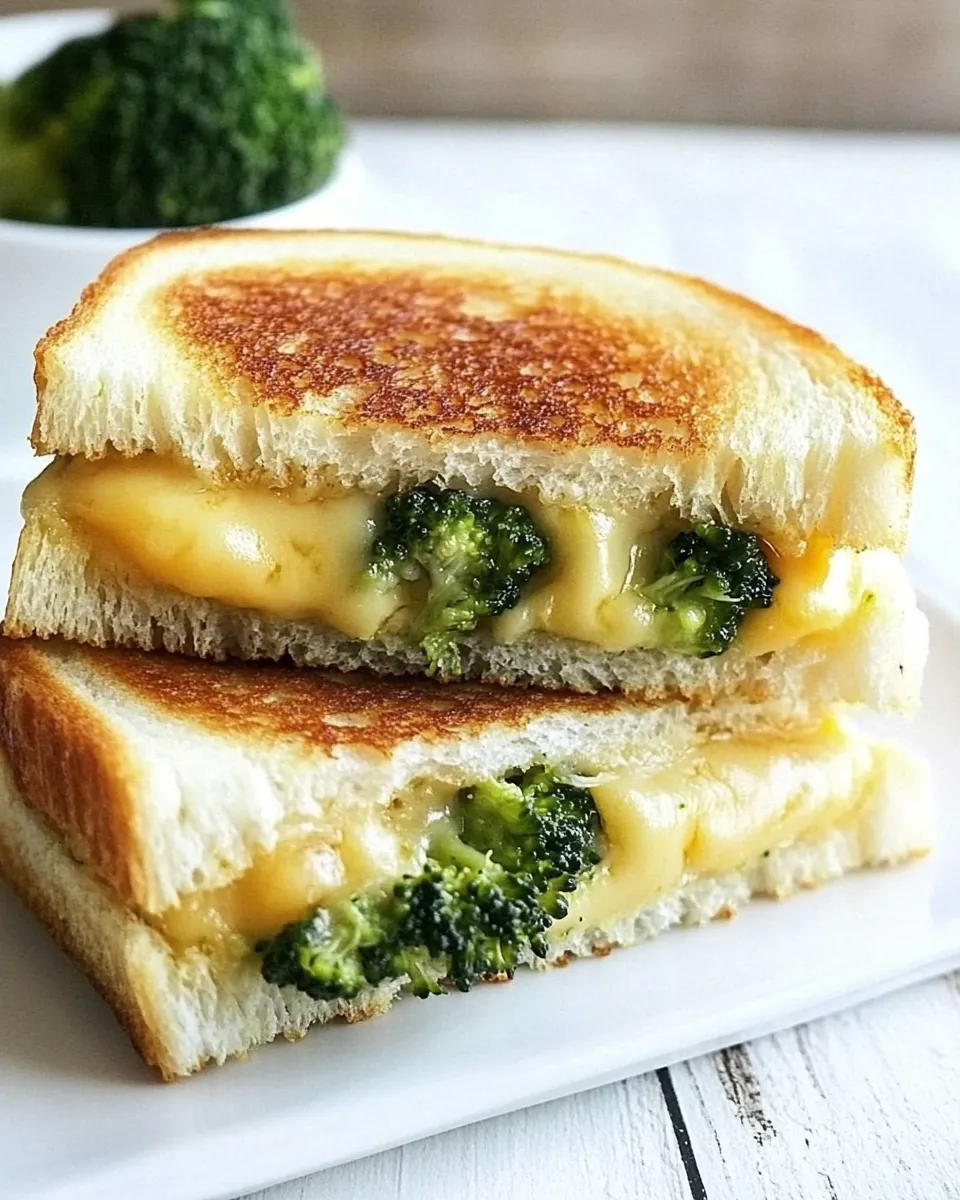
- Bread — Any sturdy sandwich bread works: country white, sourdough, or whole wheat. For a gluten-free option, use a gluten-free loaf (step 9 acknowledges this).
- Fat for roasting — Olive oil is in the recipe for flavor and roast; a neutral oil with a high smoke point will also work if you prefer.
- Cheese — Cheddar is the call here because it melts well and has pronounced flavor. If you want a milder melt, try a young cheddar or a similarly melting, sliceable cheese.
- Butter — The recipe uses softened unsalted butter to control salt. If you only have salted butter, reduce any additional salt when you roast the broccoli.
What You’ll Need (Gear)
- Baking sheet — For roasting the broccoli in a single layer so it browns, not steams.
- Sharp knife and cutting board — To chop the broccoli into small, even florets.
- Skillet — A heavy-bottom skillet (cast iron or stainless) gives even browning while you grill the sandwiches.
- Spatula — For flipping sandwiches without losing the filling.
- Cheese grater (optional) — For shredding cheddar if you’re not using pre-shredded or thin slices.
Troubleshooting Tips
- Bread browns too fast before cheese melts — Drop the heat to medium-low and cover the skillet for a minute; that traps heat and helps the cheese melt without burning the crust.
- Broccoli is soggy — Make sure florets are spread in a single layer and not crowded on the sheet pan. Chop them small so they roast through quickly.
- Cheese doesn’t melt — Use thinner slices or shred the cheese so it melts faster. Also cook a little longer at lower heat rather than cranking up the stove.
- Soggy sandwich — Let the roasted broccoli cool until it’s just warm; very hot, steamy broccoli can create moisture that softens the bread.
Variations for Dietary Needs
Dietary changes can be accommodated without changing the technique: swap in gluten-free bread to make it gluten-free (step 9 calls this out). For dairy-free diets, use a plant-based butter for grilling and a dairy-free melting cheese alternative. Expect slight flavor and melt differences; thinner slices or finely shredded dairy-free cheese tend to work best.
For lower-fat versions, you could reduce the butter on the bread and use a light brush of oil instead, and pick a lower-fat cheese. Remember that reducing fat will change the browning and richness of the sandwich.
Chef’s Rationale
Every step has a reason. Roast the broccoli at 400°F to get quick caramelization without drying the florets. Tossing with oil and salt up front seasons and protects the broccoli during roasting. Cooling the broccoli slightly before assembling prevents steam from making the sandwich soggy. Butter on the outside of the bread creates that golden, crisp exterior. Layering cheese above and below the broccoli means the vegetable is encased in molten dairy, which keeps the texture pleasing and prevents leaks.
Meal Prep & Storage Notes
You can roast the broccoli ahead of time and keep it refrigerated up to 3 days. Reheat briefly in a skillet or toss it back on a hot sheet pan to revive the edges before assembling sandwiches. Assembled but ungrilled sandwiches can be wrapped and chilled for a few hours, but grilling fresh yields the best texture.
Leftover grilled sandwiches are fine refrigerated for 1–2 days. Reheat in a skillet over low heat so the bread re-crisps and the cheese warms slowly. Microwaving will make the bread soft and chewy; if you must microwave, finish in a hot skillet for 30–60 seconds.
Top Questions & Answers
- Can I add other vegetables? — You can, but keep pieces small and roasted first so they don’t add excess moisture. Bell pepper or thinly sliced mushrooms are common additions, roasted until just tender.
- Which cheddar is best? — A medium-sharp cheddar gives a good balance of melt and flavor. Stronger cheddars are delicious but can overpower the broccoli.
- Can I use frozen broccoli? — Fresh is preferable because frozen tends to release more water when cooked. If you use frozen, thaw and pat very dry, then roast on a hotter pan to encourage browning.
- How do I prevent the filling from falling out? — Chop the broccoli small, distribute the cheese evenly, and press lightly when you top with the second slice of bread. Cook on medium-low so the cheese melts enough to bind the filling before you flip.
The Last Word
This Roasted Broccoli Grilled Cheese is the kind of recipe you’ll come back to when you want comfort with a green twist. It’s quick, adaptable, and forgiving. Roast the broccoli until it develops color, layer the cheese so the florets sit in molten goodness, and take your time at the skillet stage so the bread bronzes without burning. Simple moves. Big payoff.
Make a couple sandwiches and swap a small salad or soup alongside for a satisfying meal. And if you tweak it, take note of what you changed—those small adjustments are what make a recipe truly yours.

Roasted Broccoli Grilled Cheese
Ingredients
Ingredients
- Florets from 1 medium head broccoliabout 1/2 pound chopped small
- 2 tablespoonsolive oil
- 1/2 teaspoonsalt
- 1/4 teaspoonfreshly cracked black pepper
- Unsalted buttersoftened
- 6 to 8 slicesbread
- 1 cupcheddar cheeseshredded or thinly sliced
Instructions
Instructions
- Preheat the oven to 400°F (200°C).
- On a sheet pan, toss the broccoli florets (from 1 medium head, about ½ pound, chopped small) with 2 tablespoons olive oil, 1/2 teaspoon salt, and 1/4 teaspoon freshly cracked black pepper. Spread in a single layer.
- Roast the broccoli 8 to 10 minutes, until evenly roasted but not burnt. Remove from the oven and let cool until cool enough to handle.
- Heat a skillet over medium-low heat.
- Spread softened unsalted butter evenly on one side of each of the 6 to 8 slices of bread.
- Assemble sandwiches: place half the bread slices buttered side down (unbuttered side up). Divide the 1 cup cheddar cheese evenly among them, placing some cheese on each unbuttered slice. Divide the roasted broccoli evenly over the cheese, then add more cheese on top of the broccoli so the broccoli is between two layers of cheese. Top each with the remaining bread slices, butter side out.
- Cook the sandwiches in the preheated skillet, working in batches if needed. "Grill" until the bread is golden brown and the cheese melts, turning each sandwich over once. Cook over medium-low heat to prevent burning (about 3–4 minutes per side, adjusting as needed).
- Remove from the skillet, let the sandwiches rest 1–2 minutes, then slice and serve.
- If you prefer, use gluten-free bread in the same way.
Equipment
- Sheet Pan
- Skillet