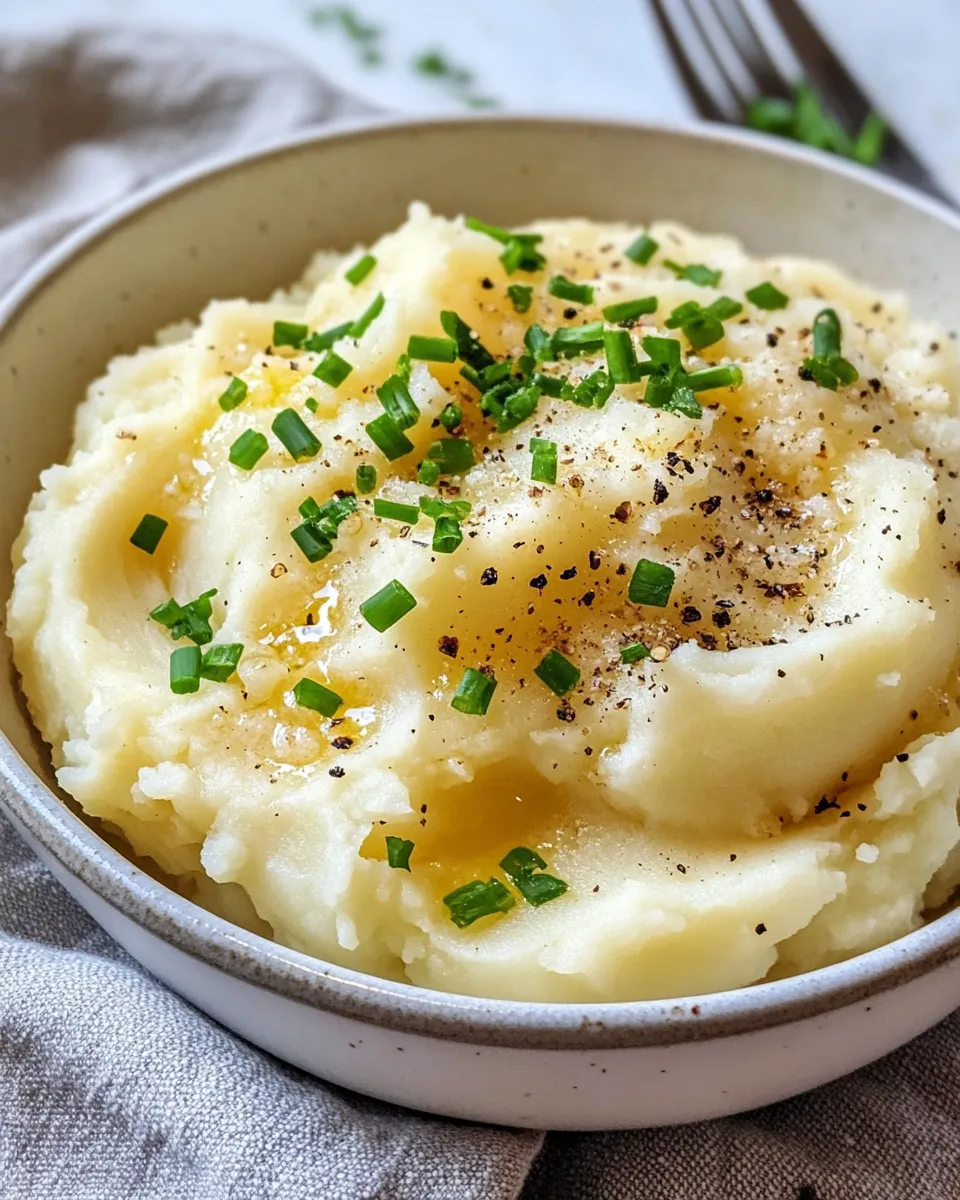
There’s something quietly luxurious about the way roasted garlic folds into mashed potatoes — it turns a humble side into the part of the plate people remember. This recipe is straightforward and forgiving: roast the garlic, cook the potatoes, heat the dairy, mash, and combine. No bells, no fuss, just the sort of comfort food you can rely on for weeknights or a holiday table.
I write recipes I actually make, not the ones I only imagine. The technique here is built to minimize fuss and maximize flavor: roasting softens and sweetens the garlic, heating the milk and butter first ensures silkiness, and leaving some potato texture keeps the mash pleasingly rustic. It’s worth a little patience for a result everyone will go back for.
Below you’ll find the ingredients (exactly as used), the step-by-step directions, sensible tool notes, storage tips, and short answers to the questions readers ask most often. Read through once, then follow the steps when you cook — you’ll get reliably delicious mashed potatoes every time.
Ingredients at a Glance
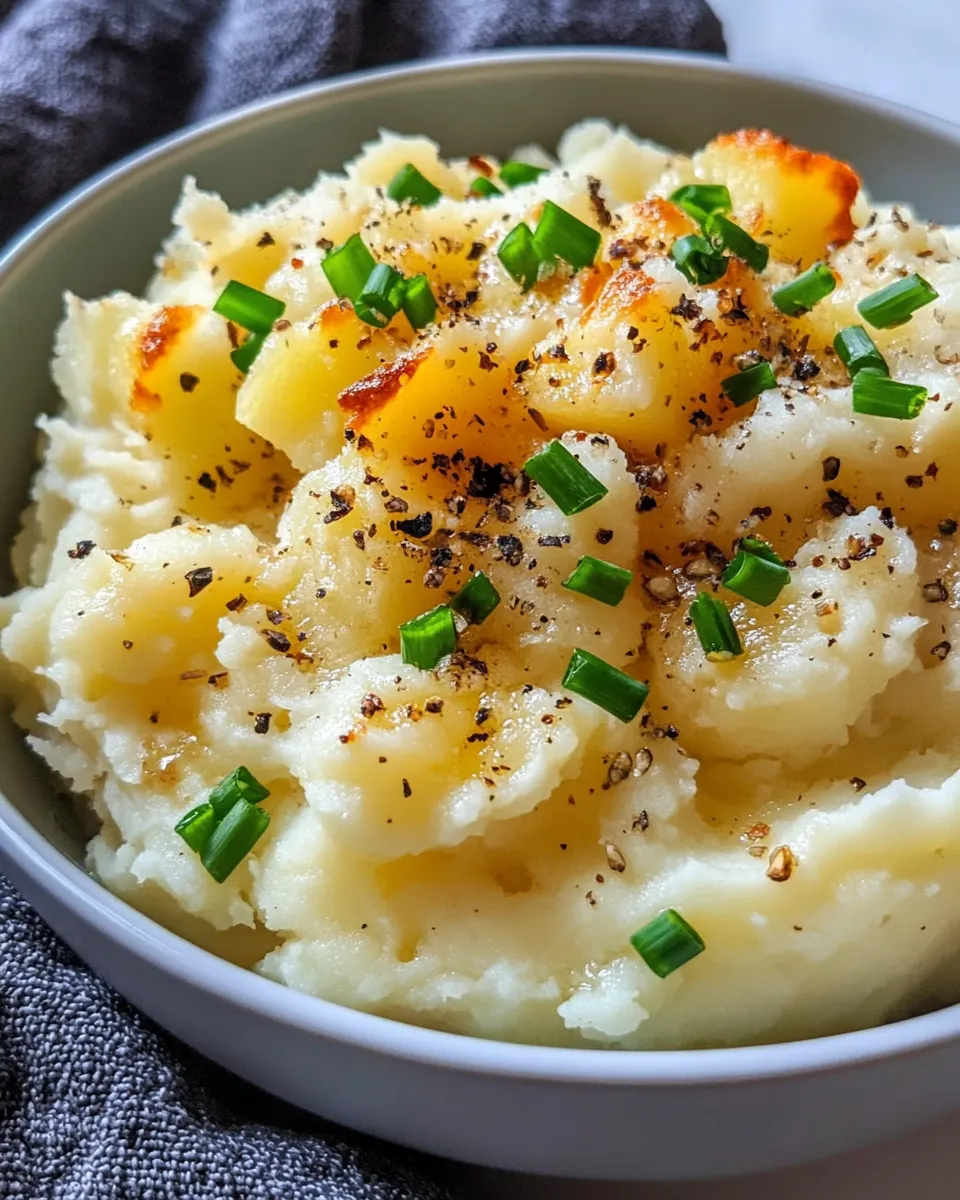
- 2 medium garlic heads — roast to mellow and sweeten; this is your main flavor boost.
- 2 tsp olive oil — helps the garlic roast evenly and prevents burning.
- 2 1/2 lbs unpeeled red potatoes, diced into quarters (or sixths if larger) — red potatoes hold texture and give a creamy, slightly firm bite.
- Salt and freshly ground black pepper — seasoning the cooking water and final mash matters for balanced flavor.
- 1/2 cup milk (anything but skim) — warmed before adding to help the mash absorb without cooling.
- 1/4 cup heavy cream — adds richness and smoothness.
- 1/4 cup butter, diced into 1 Tbsp pieces, plus more for serving — butter gives flavor and silk; dice so it melts evenly into the hot dairy.
- Chopped fresh parsley, for garnish (optional) — a bright finish if you like a fresh note on top.
Roasted Garlic Mashed Potatoes, Made Easy
- Preheat the oven to 400°F (200°C). Trim about 1/2 inch off the top of each garlic head to expose the cloves.
- Place the cut garlic heads on a sheet of foil, drizzle the 2 tsp olive oil over the heads (about 1 tsp per head), wrap the foil tightly so the garlic is fully enclosed, and roast in the preheated oven until the cloves are soft and the tops are lightly golden, about 40–45 minutes.
- While the garlic roasts, dice the 2 1/2 lbs unpeeled red potatoes into quarters (or sixths if larger) and place them in a large pot. Add enough cold water to cover the potatoes and add salt to the cooking water.
- Bring the pot to a boil over medium-high heat. Once boiling, cover, reduce the heat to medium-low, and simmer until the potatoes are very tender when pierced with a fork, about 20 minutes.
- Near the end of the potatoes’ cooking time, measure the 1/2 cup milk into a liquid measuring cup, add the 1/4 cup heavy cream and the 1/4 cup butter (diced into 1 Tbsp pieces). Heat this mixture in the microwave until very hot, about 45–60 seconds, and stir to melt the butter.
- When the roasted garlic is cool enough to handle, squeeze or press the cloves out of their peels into a small bowl and mash the cloves with a fork until smooth. Set aside.
- Drain the cooked potatoes and return them to the pot. Mash the potatoes with a potato masher, leaving some small lumps for texture if desired.
- Pour the hot milk, cream, and butter mixture into the mashed potatoes, add the mashed roasted garlic, and stir with a spoon until combined. Season to taste with salt and freshly ground black pepper.
- Serve the mashed potatoes immediately, with additional butter and chopped fresh parsley for garnish if desired.
Why This Recipe Is Reliable
This mash works because each step is built around predictable heat and texture control. Roasting the garlic at 400°F gives you even caramelization and soft cloves that mash smoothly; it removes the harsh sulfur notes that raw garlic can bring. Cooking the potatoes in salted, cold-started water ensures even cooking through the center while seasoning them from the inside out.
Warming the milk, cream, and butter before adding them prevents the potatoes from cooling and helps the fats disperse evenly, giving a silkier result. Returning the potatoes to the pot after draining lets residual heat evaporate a bit, so you don’t end up with gluey mash from overworked starch. Small choices like these keep results consistent.
Ingredient Flex Options
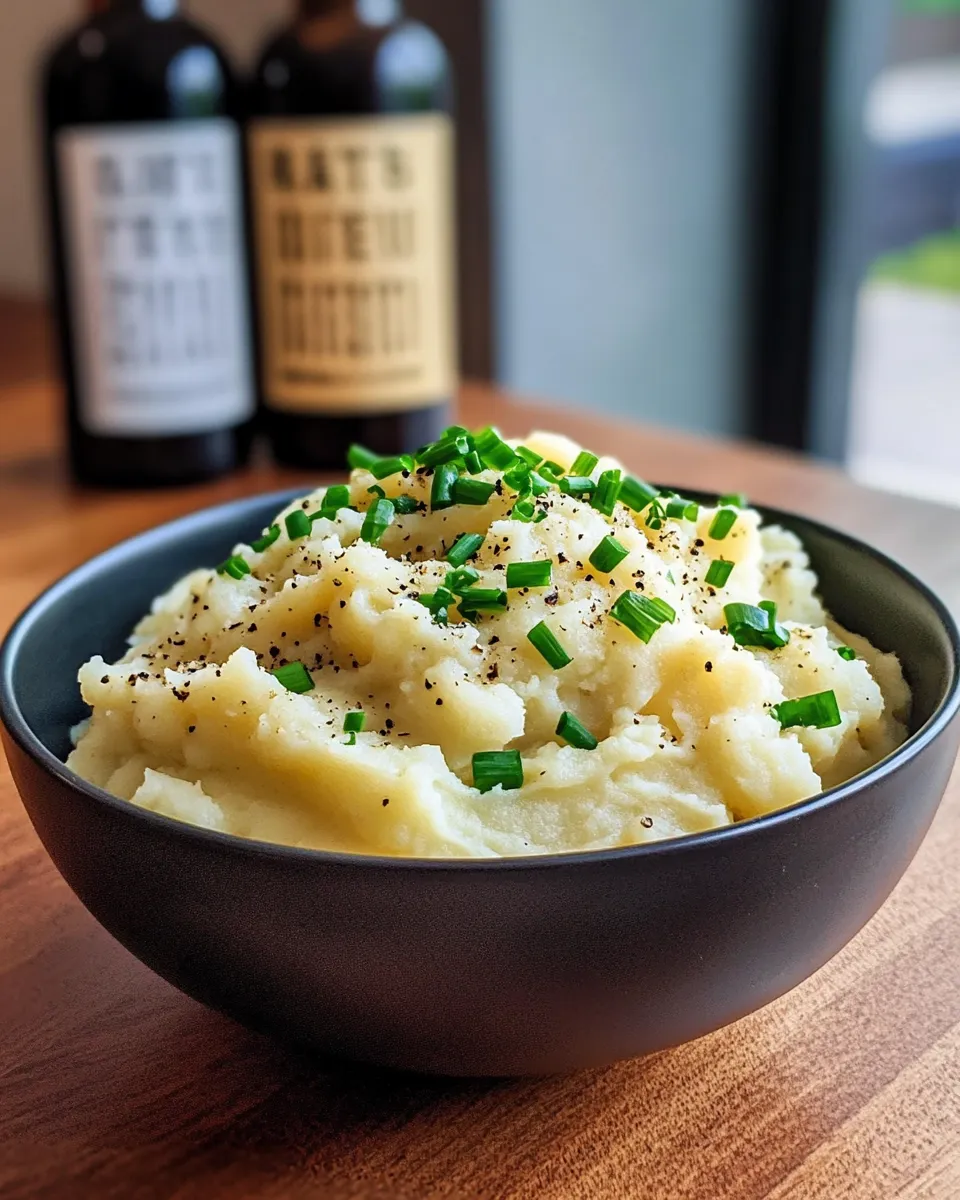
- Adjust the milk and cream balance — use a little less heavy cream for a lighter finish, or a touch more if you want richer texture, but stick to the listed amounts as your baseline.
- Control the garlic intensity — roast longer for sweeter, softer garlic or for a subtler taste, use slightly less of the roasted garlic when mashing.
- Butter level — the 1/4 cup in the recipe is a good middle ground; add extra butter at the end when serving if you like a glossy finish.
- Salt early and late — salting the cooking water seasons the potatoes; taste and adjust at the end with additional salt and pepper.
Tools & Equipment Needed
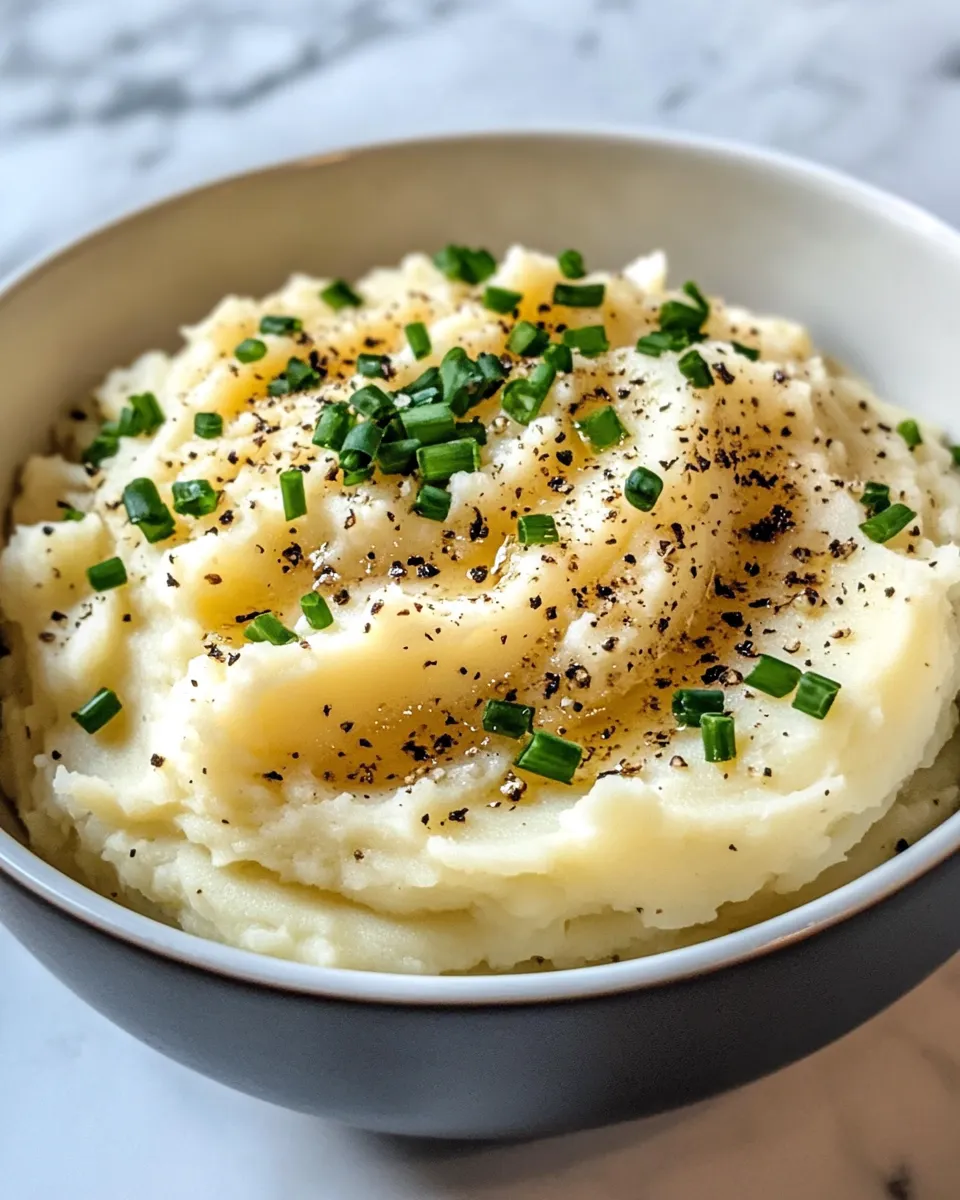
- Oven and baking sheet or sheet of foil for roasting garlic.
- Large pot for boiling the potatoes.
- Colander for draining.
- Liquid measuring cup for the milk and cream.
- Microwave (or small saucepan) to heat the dairy and butter.
- Potato masher (or ricer if you prefer a finer texture).
- Spoon or spatula for stirring, and a small bowl and fork for mashing roasted garlic.
- Knife and cutting board for trimming garlic and dicing potatoes.
Steer Clear of These
- Don’t add cold dairy — pouring cold milk or butter into the mash cools it and makes it less likely to absorb smoothly; heat the mixture as directed.
- Avoid overworking the potatoes — vigorous beating or blending releases too much starch and produces gluey mashed potatoes.
- Don’t under-roast the garlic — if the cloves aren’t soft, they’ll be sharp and hard to mash; wait until they’re tender and lightly golden.
- Don’t forget to salt the water — unseasoned potatoes can taste flat even after adding butter and cream.
Fresh Seasonal Changes
This recipe is a base that fares well year-round. In late spring and summer you might opt for just a light sprinkle of fresh parsley for brightness; in autumn and winter you can lean into the richer side by slightly increasing the butter and cream. Because the garlic is roasted, it keeps the flavor rounded and compatible with seasonal mains — turkey, roast chicken, or roasted vegetables.
If your parsley is less vibrant, skip the garnish and let the roasted garlic carry the flavor; the roast brings depth that feels right in cooler months without needing extra herbs.
Cook’s Commentary
I use red potatoes here because the skins add texture and the flesh stays firm enough to leave a few pleasant lumps without being gritty. Keeping the skins reduces prep time and adds a subtle color and earthiness. The microwave step for the dairy is about convenience — if you prefer, warm the milk, cream, and butter in a small saucepan over low heat until hot and the butter is melted.
One tiny ritual I’ve developed: before I mash, I taste a small piece of potato and a smidgen of garlic mashed into the warm dairy — it’s the quickest way to gauge whether you need more salt, pepper, or garlic. It’s a small habit that keeps the final dish balanced.
Refrigerate, Freeze, Reheat

- Refrigerate — Store leftovers in an airtight container for up to 3–4 days. Smooth the top and add a little butter before sealing to keep the surface glossy.
- Freeze — Mashed potatoes with dairy don’t always freeze perfectly, but you can freeze them in a shallow, airtight container for up to 2 months. Thaw overnight in the refrigerator before reheating.
- Reheat — Reheat gently on the stovetop over low heat, adding small splashes of milk or cream and a pat of butter to restore creaminess. A microwave works too: cover and heat in short bursts, stirring in between, and add a little extra milk or butter if they seem dry.
Quick Q&A
- Q: Can I skip roasting the garlic? — A: You can, but roasted garlic is sweeter and mellower. Raw or quickly sautéed garlic will be sharper and change the character of the dish.
- Q: Should I peel the potatoes? — A: The recipe uses unpeeled red potatoes. Leaving the skins on saves time and gives a rustic texture. If you prefer smoother mash, you can peel them before dicing.
- Q: Can I make this ahead? — A: Yes. Prepare through step 8, cool, then refrigerate. Reheat gently and adjust moisture and seasoning before serving.
- Q: How do I know when the potatoes are done? — A: They should be very tender and easily pierced with a fork — about 20 minutes after simmering as directed.
See You at the Table
Simple technique, reliable results — that’s what I aim for with every recipe. These Roasted Garlic Mashed Potatoes are an easy way to bring warmth and depth to any meal. Roast the garlic, warm the dairy, and don’t rush the mash. The payoff is worth it: creamy, savory, and just garlicky enough to make people reach for seconds.
If you try the recipe, leave a note about any small tweaks you made — I love hearing what worked at your table. Enjoy, and I’ll see you in the kitchen again soon.
Roasted Garlic Mashed Potatoes
Ingredients
Ingredients
- 2 medium garlic heads
- 2 tspolive oil
- 2 1/2 lbsunpeeled red potatoes diced into quarters (or sixths if larger)
- Salt and freshly ground black pepper
- 1/2 cupmilk anything but skim
- 1/4 cupheavy cream
- 1/4 cupbutter diced into 1 Tbsp pieces, plus more for serving
- Chopped fresh parsley for garnish (optional)
Instructions
Instructions
- Preheat the oven to 400°F (200°C). Trim about 1/2 inch off the top of each garlic head to expose the cloves.
- Place the cut garlic heads on a sheet of foil, drizzle the 2 tsp olive oil over the heads (about 1 tsp per head), wrap the foil tightly so the garlic is fully enclosed, and roast in the preheated oven until the cloves are soft and the tops are lightly golden, about 40–45 minutes.
- While the garlic roasts, dice the 2 1/2 lbs unpeeled red potatoes into quarters (or sixths if larger) and place them in a large pot. Add enough cold water to cover the potatoes and add salt to the cooking water.
- Bring the pot to a boil over medium-high heat. Once boiling, cover, reduce the heat to medium-low, and simmer until the potatoes are very tender when pierced with a fork, about 20 minutes.
- Near the end of the potatoes’ cooking time, measure the 1/2 cup milk into a liquid measuring cup, add the 1/4 cup heavy cream and the 1/4 cup butter (diced into 1 Tbsp pieces). Heat this mixture in the microwave until very hot, about 45–60 seconds, and stir to melt the butter.
- When the roasted garlic is cool enough to handle, squeeze or press the cloves out of their peels into a small bowl and mash the cloves with a fork until smooth. Set aside.
- Drain the cooked potatoes and return them to the pot. Mash the potatoes with a potato masher, leaving some small lumps for texture if desired.
- Pour the hot milk, cream, and butter mixture into the mashed potatoes, add the mashed roasted garlic, and stir with a spoon until combined. Season to taste with salt and freshly ground black pepper.
- Serve the mashed potatoes immediately, with additional butter and chopped fresh parsley for garnish if desired.
Equipment
- Oven
- Foil
- Large Pot
- potato masher
- Microwave
- Measuring Cup
- Knife
- Mixing Bowl
- Fork