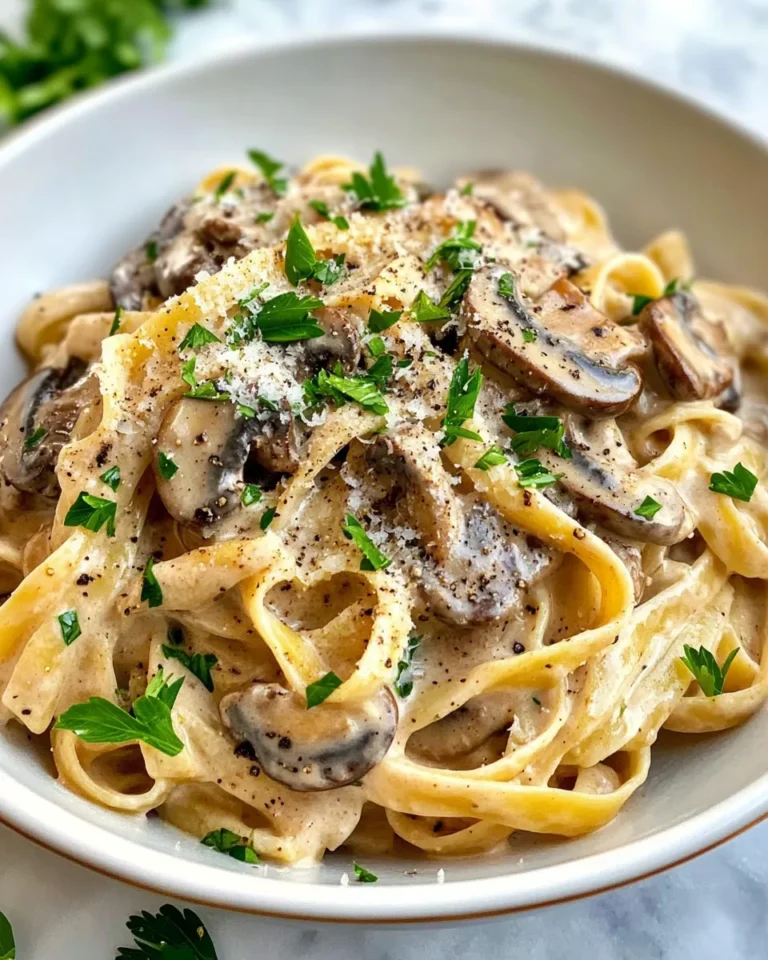
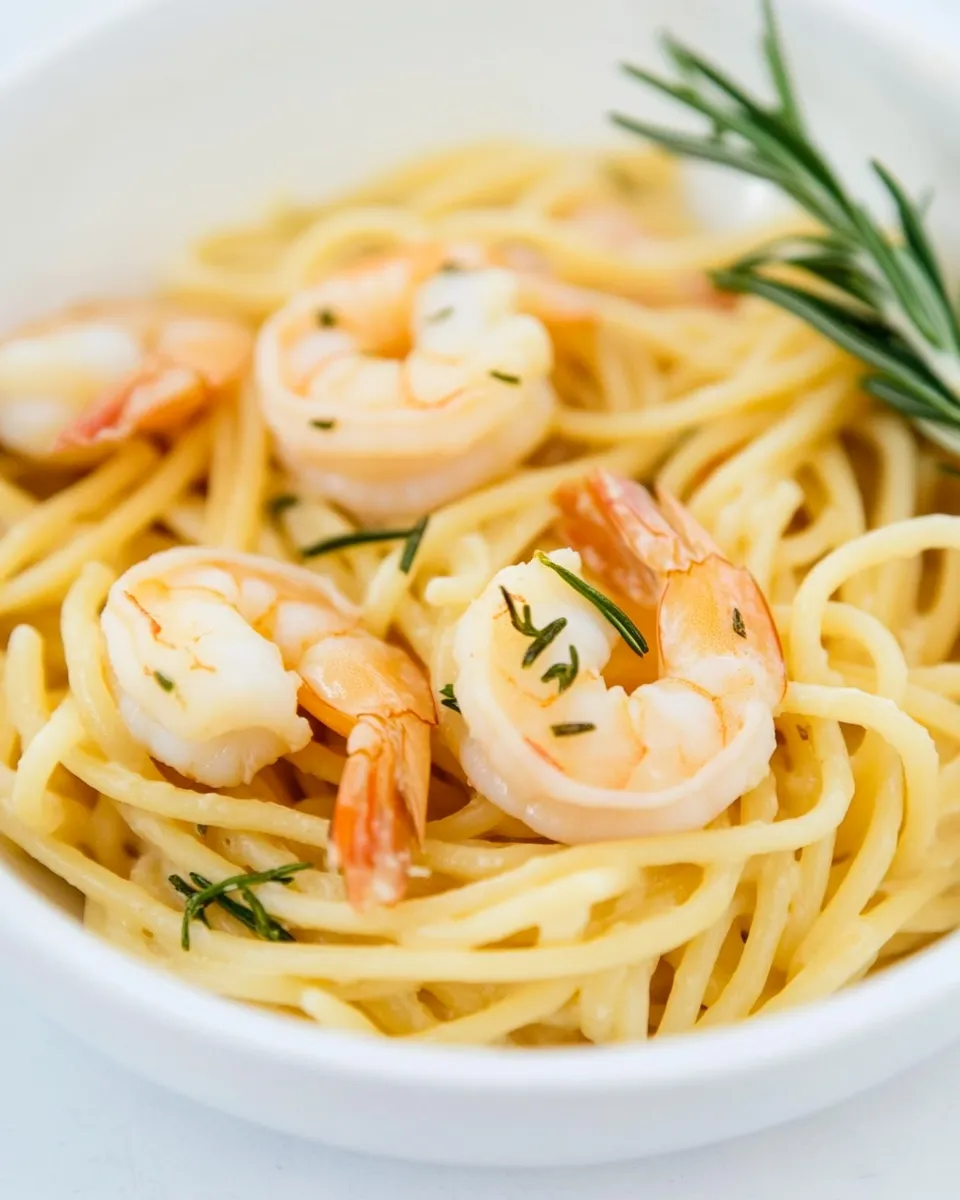
I fell in love with this dish the first time I browned garlic slowly in olive oil, waited for rosemary to wake up, and then tossed everything with steaming pasta and bright, fresh shrimp. It’s an easy weeknight dinner that doesn’t taste like a compromise—clean flavors, minimal fuss, and a real feeling of home in every forkful.
You’ll like how little fuss it asks for: a pot of boiling water, a cold skillet to coax flavor gently out of garlic, and a quick finish with lemon zest. The technique is straightforward, but a couple of small choices — how you heat the oil, how much pasta water you save, when you add the lemon zest — make a big difference.
Below I walk you through ingredients, the exact steps, smart swaps when pantry items are missing, and the mistakes I see most often. This recipe scales easily and works across seasons. Read on for the full rundown and practical tips to get it perfect every time.
Ingredient Rundown
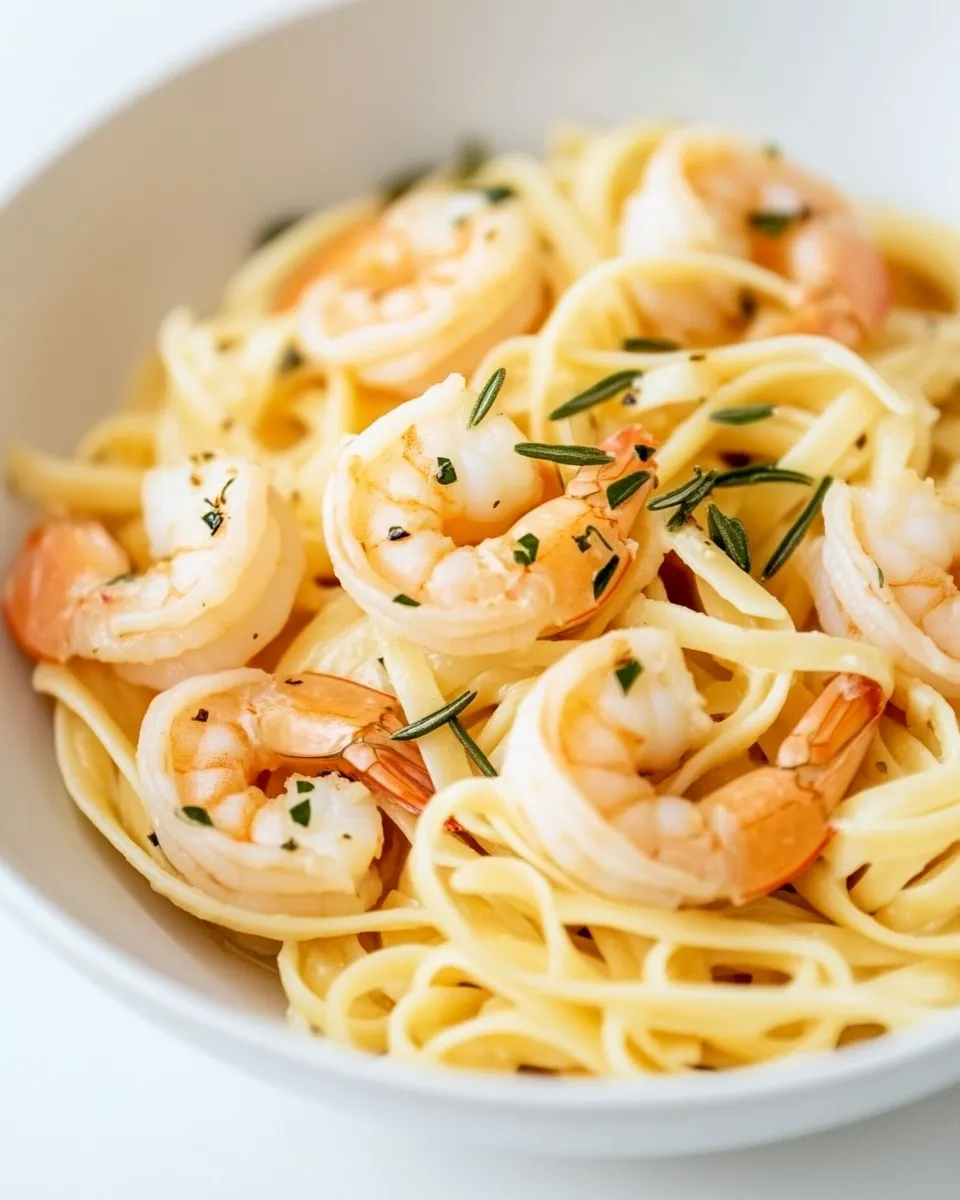
Ingredients
- 3 garlic cloves — aromatic backbone; finely chop or crush to release the most flavor while it slow-cooks in oil.
- 6 tablespoons olive oil — the cooking medium and flavor carrier; use good extra-virgin for finishing and mid-quality for higher-heat work.
- 2 tablespoons coarsely chopped fresh rosemary — see note 1 — adds a piney, savory lift; chop coarsely so you get little bursts of herb without shredding into the sauce.
- 1 tablespoon salt — for the pasta water; seasons the pasta itself so everything tastes balanced.
- 12 oz pasta — see note 2 — any long pasta (spaghetti, linguine, bucatini) works; cook to al dente so it holds up when tossed with shrimp.
- 1 pound raw shrimp — peeled and deveined — see note 3 — the main protein; start them raw so they cook quickly in the flavored oil and pick up the rosemary-garlic notes.
- 1 lemon — zested — lemon zest brightens the dish at the end; don’t squeeze the lemon unless you want a sharper citrus note.
- salt and pepper — to taste — final seasoning; adjust after tasting once the zest is in so you know where the dish needs balance.
Rosemary Shrimp Pasta Made Stepwise
- Fill a large pot with water and bring it to a boil.
- While the water heats, peel and finely chop or crush the 3 garlic cloves and coarsely chop the 2 tablespoons fresh rosemary.
- When the water is boiling, add 1 tablespoon salt and the 12 oz pasta. Cook until al dente according to the package instructions.
- While the pasta cooks, place a cold skillet on the stove, add 6 tablespoons olive oil, the chopped garlic, and the chopped rosemary. Cook over low heat for 6–8 minutes, stirring occasionally, until the garlic is softened and fragrant.
- Before draining the pasta, reserve 1 cup of the pasta cooking water, then drain the pasta (do not rinse).
- Increase the skillet heat to medium-high and add the 1 pound raw shrimp to the garlic-rosemary oil. Cook, stirring occasionally, until the shrimp are opaque and cooked through.
- Add the drained pasta to the skillet with the shrimp. Pour in 1/4 cup of the reserved pasta water and toss or stir over medium-high heat until the pasta and shrimp are glossy and evenly coated. Add more reserved pasta water, a little at a time, if the mixture seems too dry.
- Remove from heat, add the zest of 1 lemon, and season with salt and pepper to taste. Serve immediately.
Why You’ll Keep Making It
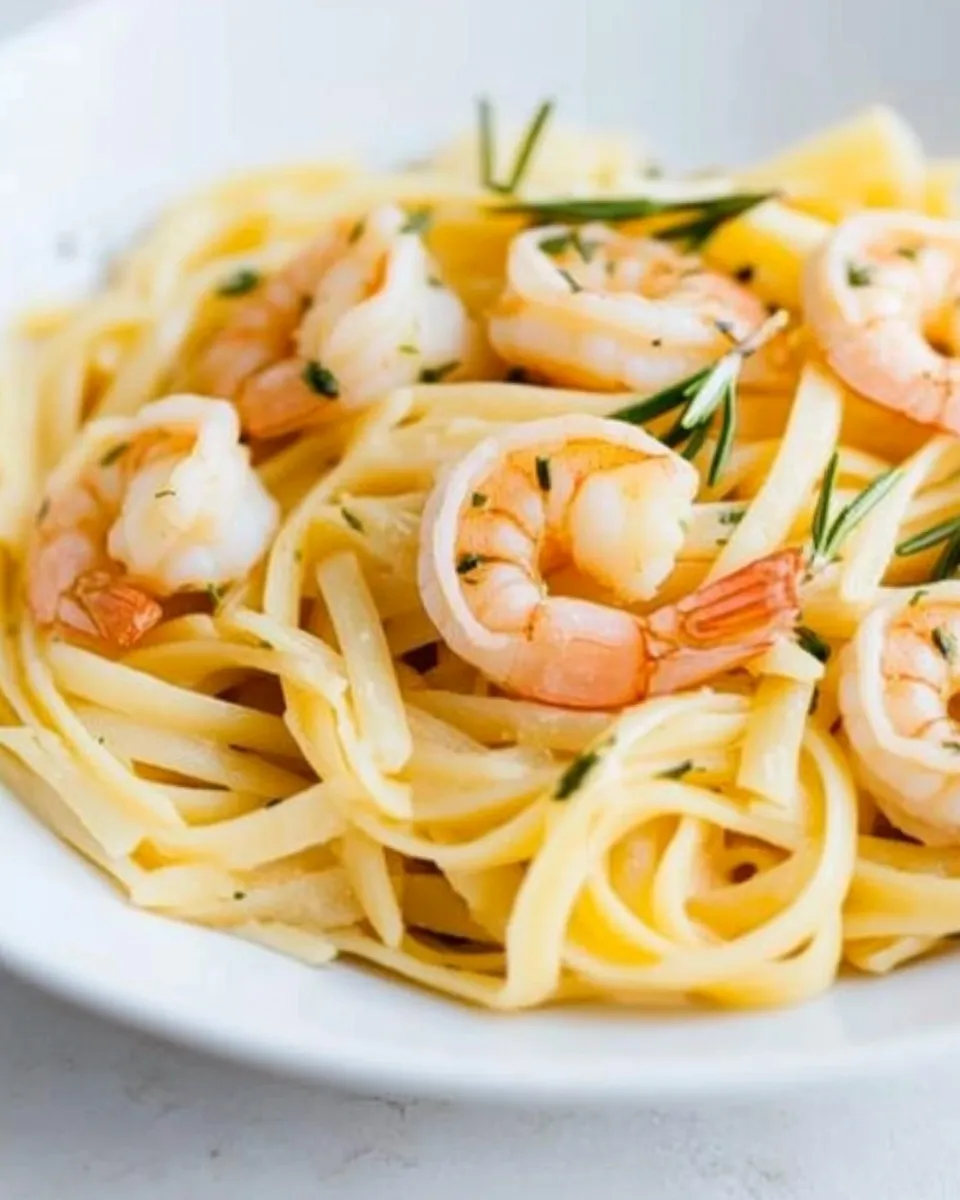
This recipe hits that sweet spot: it’s quick, forgiving, and delicious. The techniques are simple but yield layered flavor. Slow-infused garlic in olive oil gives a mellow, slightly sweet base. Fresh rosemary adds herbal complexity without overpowering. Pasta water acts like glue to bind oil and starch into a silky coating.
Shrimp cooks fast, so the whole meal comes together in under 30 minutes. That speed makes it ideal for weeknights, but it’s elegant enough for guests. The lemon zest at the end brightens everything without making the sauce acidic, which keeps the overall flavor balanced and bright.
It’s also flexible. Swap shapes of pasta, use different herbs, or bulk it up with greens. But the core combo—garlic, rosemary, olive oil, pasta water, and bright lemon—works every time.
Ingredient Swaps & Substitutions
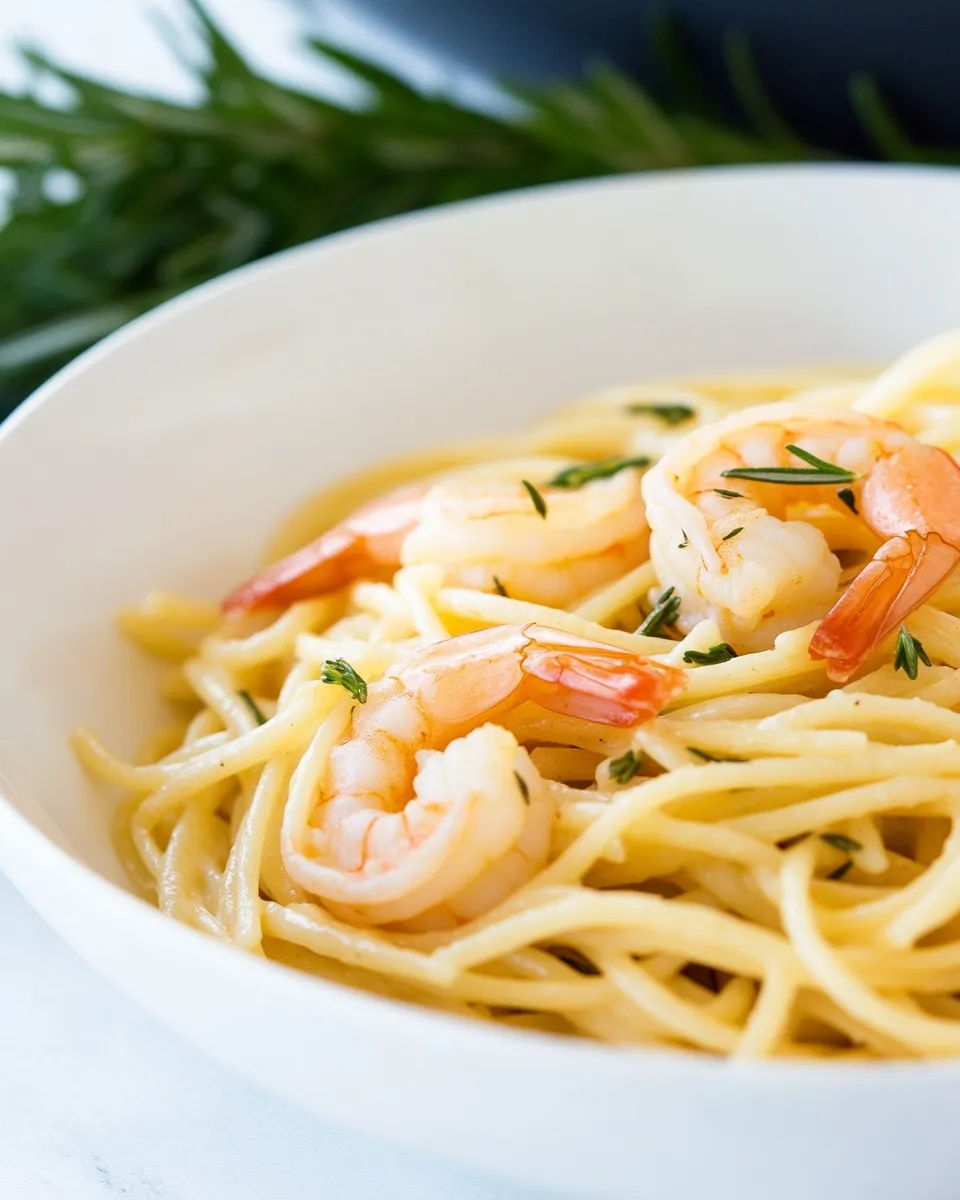
- Pasta — if you don’t have long pasta, use short shapes like penne or rigatoni. They’ll hold the oil and rosemary differently but still work.
- Shrimp — you can substitute scallops or thinly sliced chicken breast; adjust cooking time so proteins don’t overcook.
- Rosemary — substitute fresh thyme for a milder, earthier profile. Dried rosemary is very concentrated; use about 1 teaspoon and add it earlier with the oil to soften it.
- Olive oil — for a slightly richer flavor, use a mix of olive oil and a tablespoon of butter at the end; add butter off the heat so it emulsifies without burning.
- Lemon zest — if you want more citrus, add a splash of lemon juice at the end, but add it sparingly so you don’t thin the sauce too much.
- Garlic — if you’re short on fresh garlic, a pinch (1/8–1/4 tsp) of good garlic powder can help in a pinch, though the flavor will be less bright.
Gear Up: What to Grab
- Large pot — for boiling pasta with plenty of water; it keeps the pasta from sticking and gives you the starchy water to rescue the sauce.
- Colander — for draining pasta; keep a bowl nearby to catch reserved cooking water.
- Cold skillet — start cold so the garlic and rosemary infuse the oil gently; a stainless or nonstick skillet both work.
- Tongs or pasta fork — to toss pasta with shrimp and oil cleanly, and to test doneness.
- Microplane or fine grater — for zesting the lemon; it gives a fine, fragrant zest that disperses easily.
Errors to Dodge
- Rushing the garlic — cranking heat will brown it too fast and make it bitter. Start in a cold pan and keep the heat low for 6–8 minutes as directed.
- Overcooking shrimp — shrimp go from perfectly opaque to rubbery quickly. Watch for translucency to disappear and remove from heat as soon as they’re opaque.
- Not reserving pasta water — that cup of water is your binder. Without it, the pasta can feel dry and the oil won’t cling properly.
- Rinsing pasta — never rinse. Rinsing removes the starch that helps the sauce cling to the pasta.
- Adding too much lemon juice — acid can wash out the olive oil. Use zest first, then add tiny amounts of juice if you need more lift.
Spring to Winter: Ideas
Spring
Add a handful of baby arugula or blanched asparagus tips right when you toss the pasta. They give freshness and a tender bite without competing with the rosemary.
Summer
Stir in halved cherry tomatoes after you remove the pan from heat so they soften slightly but stay bright. Add basil in place of rosemary for a sweeter herb note.
Autumn
Fold in roasted mushrooms or a little pancetta for earthy depth. A drizzle of browned butter at the end gives a warm, nutty finish.
Winter
Use roasted root vegetables or wilted kale for a heartier version. Finish with a squeeze of warm lemon or a grating of Parmigiano to add comfort and richness.
Chef’s Rationale
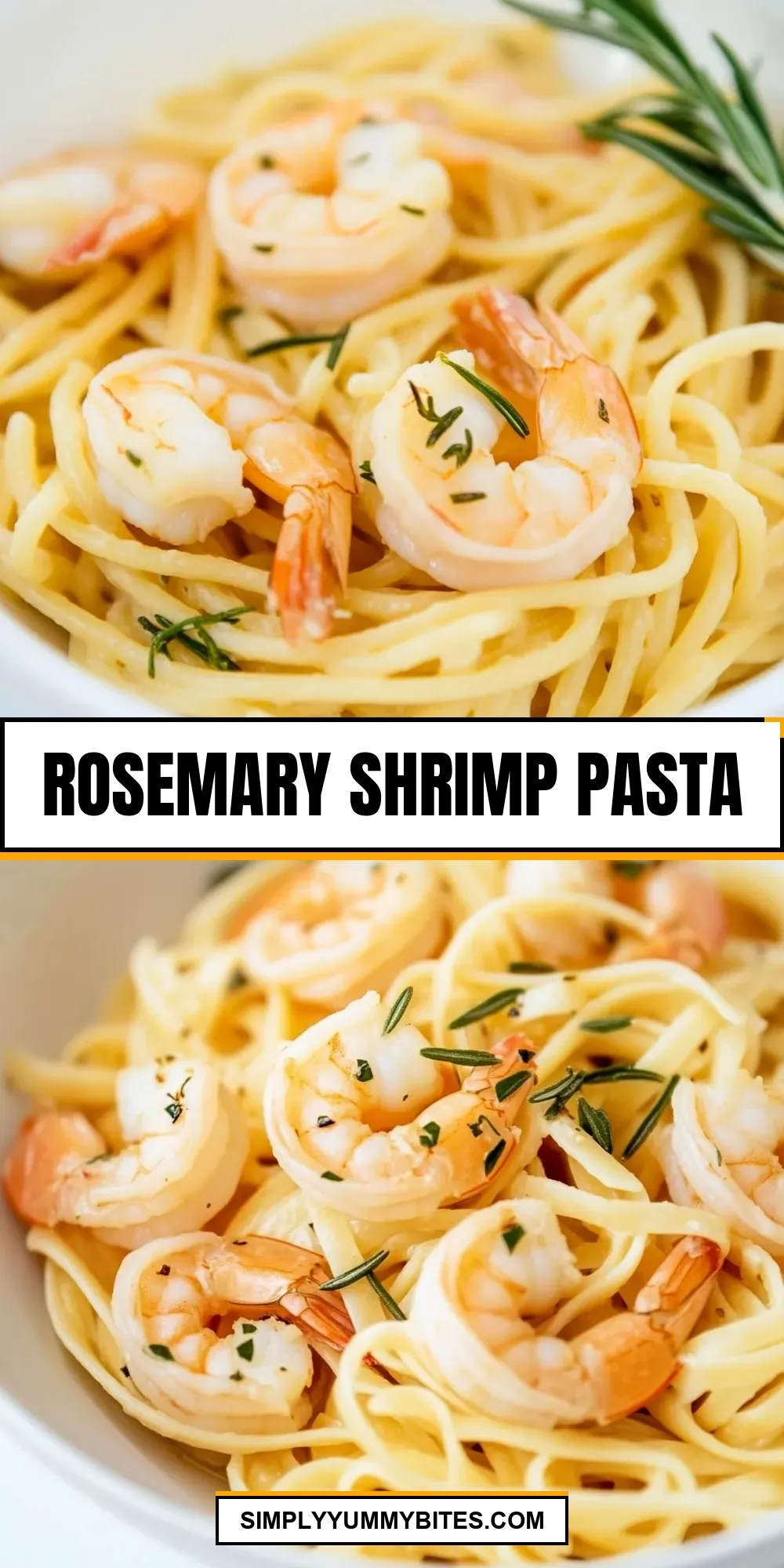
I intentionally keep technique and ingredients simple to highlight the shrimp and rosemary. Starting the garlic and rosemary in cold oil lets heat build slowly; that extracts flavor gently without caramelizing too quickly. The reserved pasta water is a classic chef trick — the starch becomes an emulsifier that makes the sauce cling and shine.
I suggest zest instead of juice at the end because the zest oils deliver aroma without diluting the sauce. The lemon’s volatile oils wake up the dish in a way acid from juice does, and it avoids shifting the texture.
Finally, cooking shrimp last in the skillet keeps their juices clean and lets them pick up the infused oil. Tossing everything over medium-high heat for a short finish brings cohesion and gloss without overcooking.
Save It for Later
To store
Cool the pasta to room temperature, then refrigerate in an airtight container for up to 2 days. The sauce will tighten as the oil firms; it’s normal.
To reheat
Reheat gently: add the pasta to a skillet over medium-low heat with a splash of water or reserved chicken/vegetable broth, and toss until loosened and glossy. You can also microwave with a tablespoon of water and stir halfway through, but toss carefully to avoid overcooking any leftover shrimp.
To freeze
I don’t recommend freezing this finished dish—you’ll lose the bright lemon and the shrimp can get rubbery. If you must freeze, separate pasta and shrimp, freeze only the pasta with a little olive oil, and expect some texture loss.
Your Questions, Answered
- Can I use frozen shrimp? — Yes. Thaw fully, pat dry, and cook as directed. Excess moisture will cool the pan and steam the shrimp instead of searing them.
- Can I make this vegetarian? — Swap the shrimp for roasted chickpeas or sautéed mushrooms. Adjust seasoning and cook times accordingly.
- Why not use lemon juice instead of zest? — Zest provides aromatic oils without thinning the sauce. A tablespoon of juice is fine if you prefer more acidity, added sparingly at the end.
- How much rosemary is too much? — Fresh rosemary is potent. The recipe calls for 2 tablespoons coarsely chopped; stick close to that. If you love herbs, add a few extra leaves for garnish rather than mixing them in heavily.
- My pasta was dry—what happened? — Likely not enough reserved pasta water was added. Add it a tablespoon at a time until the sauce glazes the pasta.
Hungry for More?
If you liked this, try swapping the rosemary for thyme and adding lemon slices while the shrimp cook for a different citrus-herb profile. For another quick weeknight favorite, make a simple garlic and chili oil with the same method, tossing in anchovies or capers for umami. I write recipes that favor technique over complexity—small steps that change a weeknight meal into something you want to make again.
Enjoy your cooking, and if you try this, tell me how you finished it—extra lemon, roasted vegetables, or a big handful of fresh herbs. I read every note and love hearing what tweaks make a recipe yours.
Rosemary Shrimp Pasta
Ingredients
Ingredients
- 3 garlic cloves
- 6 tablespoonolive oil
- 2 tablespooncoarsely chopped fresh rosemary- see note 1
- 1 tablespoonsalt
- 12 ozpasta- see note 2
- 1 poundraw shrimp - peeled and deveined- see note 3
- 1 lemon- zested
- salt and pepper- to taste
Instructions
Instructions
- Fill a large pot with water and bring it to a boil.
- While the water heats, peel and finely chop or crush the 3 garlic cloves and coarsely chop the 2 tablespoons fresh rosemary.
- When the water is boiling, add 1 tablespoon salt and the 12 oz pasta. Cook until al dente according to the package instructions.
- While the pasta cooks, place a cold skillet on the stove, add 6 tablespoons olive oil, the chopped garlic, and the chopped rosemary. Cook over low heat for 6–8 minutes, stirring occasionally, until the garlic is softened and fragrant.
- Before draining the pasta, reserve 1 cup of the pasta cooking water, then drain the pasta (do not rinse).
- Increase the skillet heat to medium-high and add the 1 pound raw shrimp to the garlic-rosemary oil. Cook, stirring occasionally, until the shrimp are opaque and cooked through.
- Add the drained pasta to the skillet with the shrimp. Pour in 1/4 cup of the reserved pasta water and toss or stir over medium-high heat until the pasta and shrimp are glossy and evenly coated. Add more reserved pasta water, a little at a time, if the mixture seems too dry.
- Remove from heat, add the zest of 1 lemon, and season with salt and pepper to taste. Serve immediately.
Equipment
- Large Pot
- Skillet
- Colander
Notes
Long thin pasta noodles are perfect here, so go for spaghetti, linguine, angel hair, or fusilli lunghi.
Go for 20-25, which gives a serving of 10-12 smallish shrimp per person and makes sure they cook in the given time frame. If using frozen shrimp, ensure they are fully defrosted.