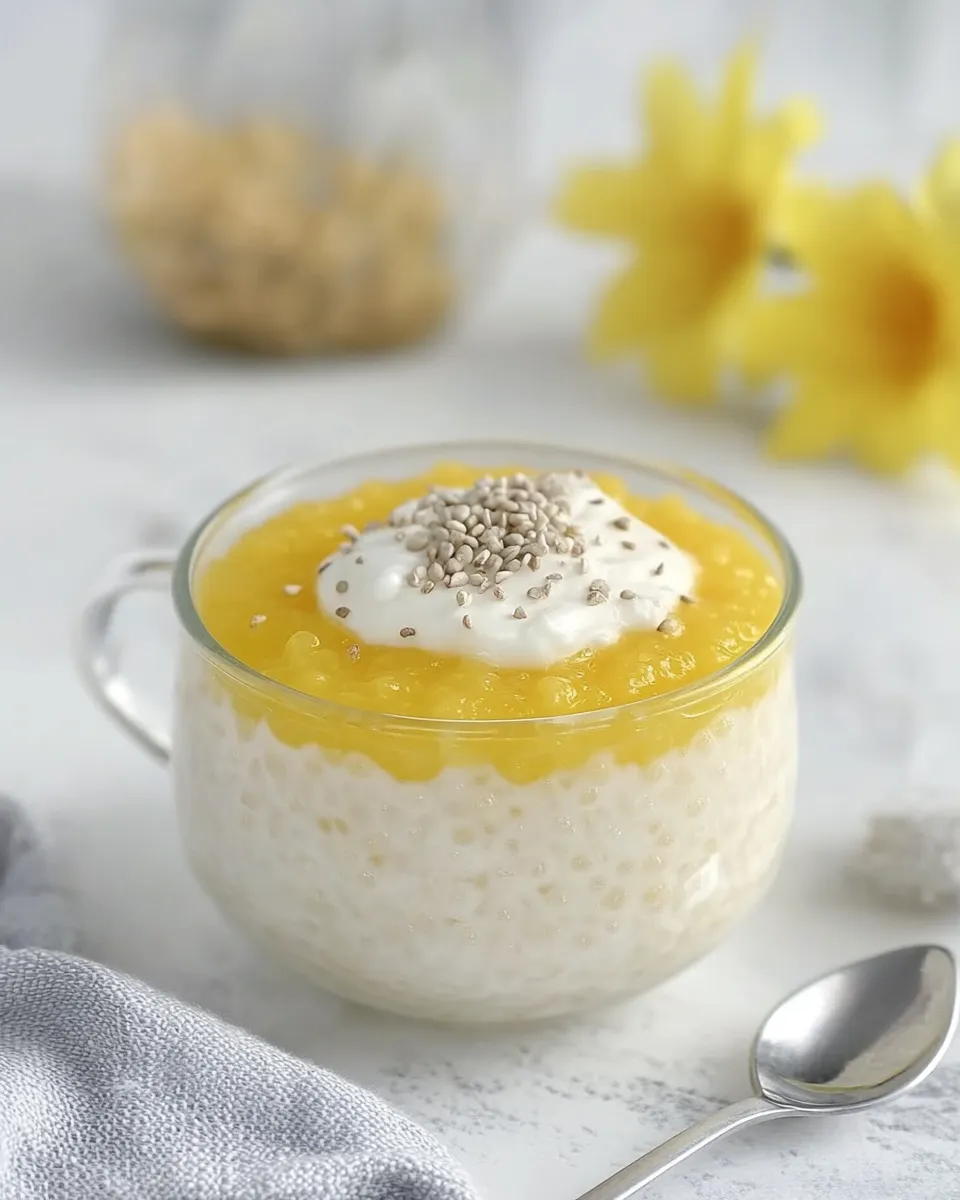
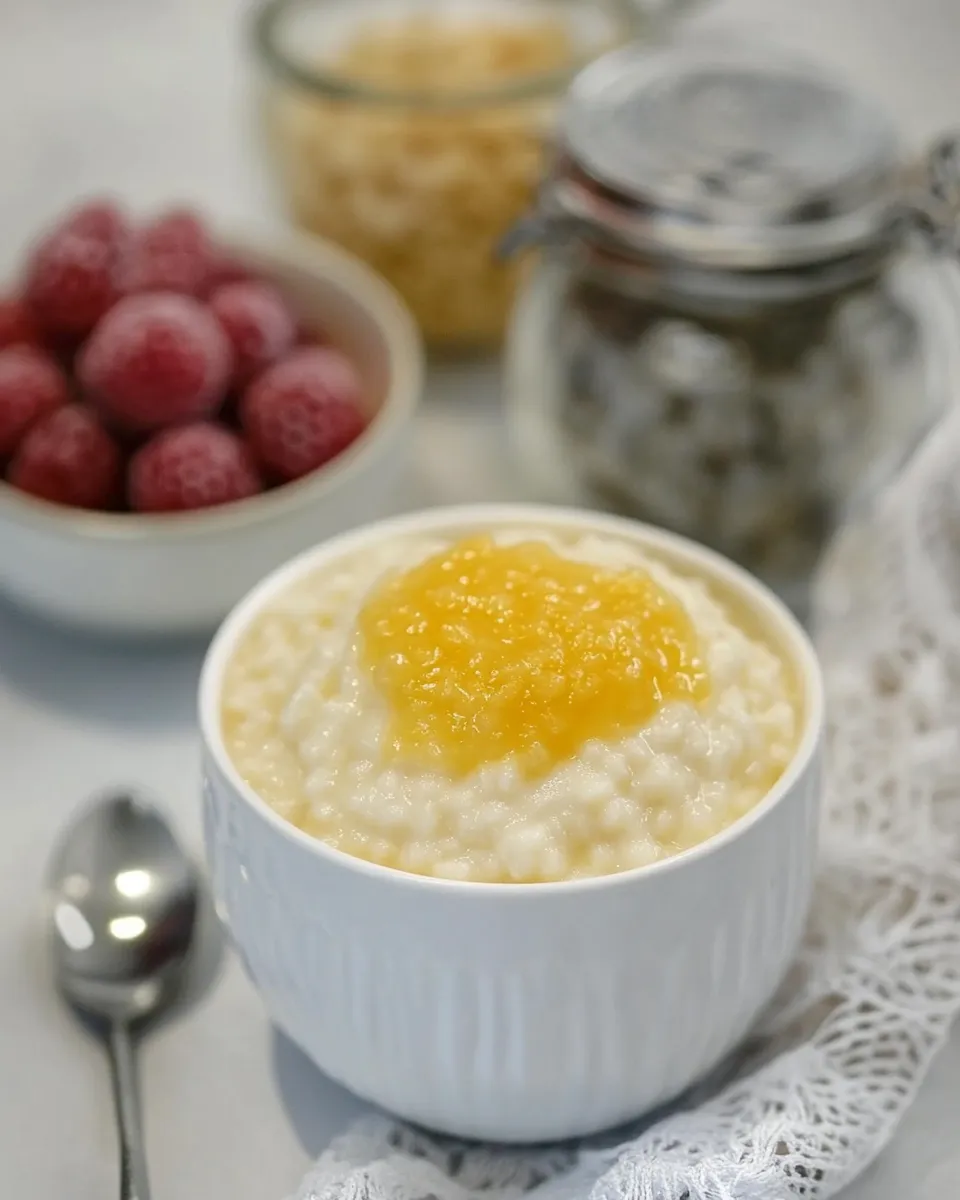
If you love silky, coconut-forward desserts with a little pearl-like chew, sago pudding is the one to keep in your repertoire. It’s quietly elegant, forgiving to make, and feels special without fuss. The version here uses small tapioca pearls (often called sago), canned coconut milk, and a creamy coconut cream boost for a lush finish.
This recipe hydrates the pearls, simmers them gently, and chills the pudding until it sets. You can serve it plain for a rich, coconut-scented spoonful, or top it with fresh mango puree for bright contrast. It keeps well in the fridge and is ideal for making ahead.
Below I walk you through the exact ingredients and the faithful step-by-step directions. I also include practical gear notes, common mistakes to avoid, and sensible tweaks for nutrition or flavor without changing the recipe’s core proportions.
What You’ll Need
Ingredients
- 1/3 cup tapioca pearls — the tiny pearls give the pudding its classic chew; hydrate them fully for a smooth texture.
- 2 cups canned coconut milk — provides the creamy base and coconut flavor; use full-fat canned for richness.
- 1/2 cup + 2 tablespoons coconut cream or additional coconut milk — boosts silkiness and mouthfeel; coconut cream will make it richer than extra milk.
- 1/2 cup + 2 tablespoons granulated sweetener of choice (I used erythritol) — sweetens the pudding; keep the amount exactly if you want the same sweetness level.
- 1 teaspoon vanilla extract — adds depth and rounds out the coconut; whisk in off-heat so the aroma stays bright.
- 1 cup mango puree, to serve, optional — a fresh, fruity topping that cuts the richness; spoon over just before serving to keep textures distinct.
Sago Pudding in Steps
- In a small bowl, combine 1/3 cup tapioca pearls, 2 cups canned coconut milk, and 1/2 cup + 2 tablespoons coconut cream (or additional coconut milk). Stir to combine and let sit for 30 minutes to hydrate the pearls.
- Transfer the mixture to a small saucepan. Add 1/2 cup + 2 tablespoons granulated sweetener. Place the saucepan over medium heat and heat, stirring occasionally, until it begins to simmer.
- Reduce the heat to low and gently stir the mixture for 10–15 minutes, until the tapioca pearls are mostly translucent and the mixture has thickened. Remove the pan from the heat.
- Whisk in 1 teaspoon vanilla extract until fully incorporated.
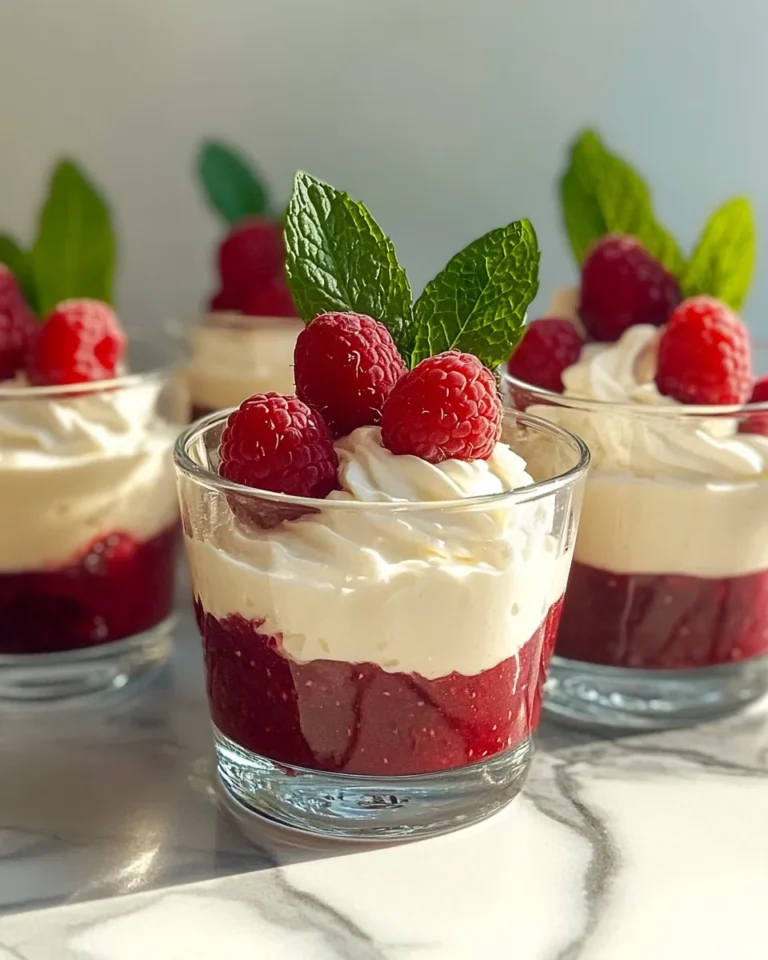
- Divide the pudding evenly among eight small glasses. Cover and refrigerate for at least 4 hours, until chilled and set.
- If serving with mango, puree or blend mango as needed to make 1 cup. Spoon the mango puree over the top of each chilled pudding just before serving.
What Sets This Recipe Apart
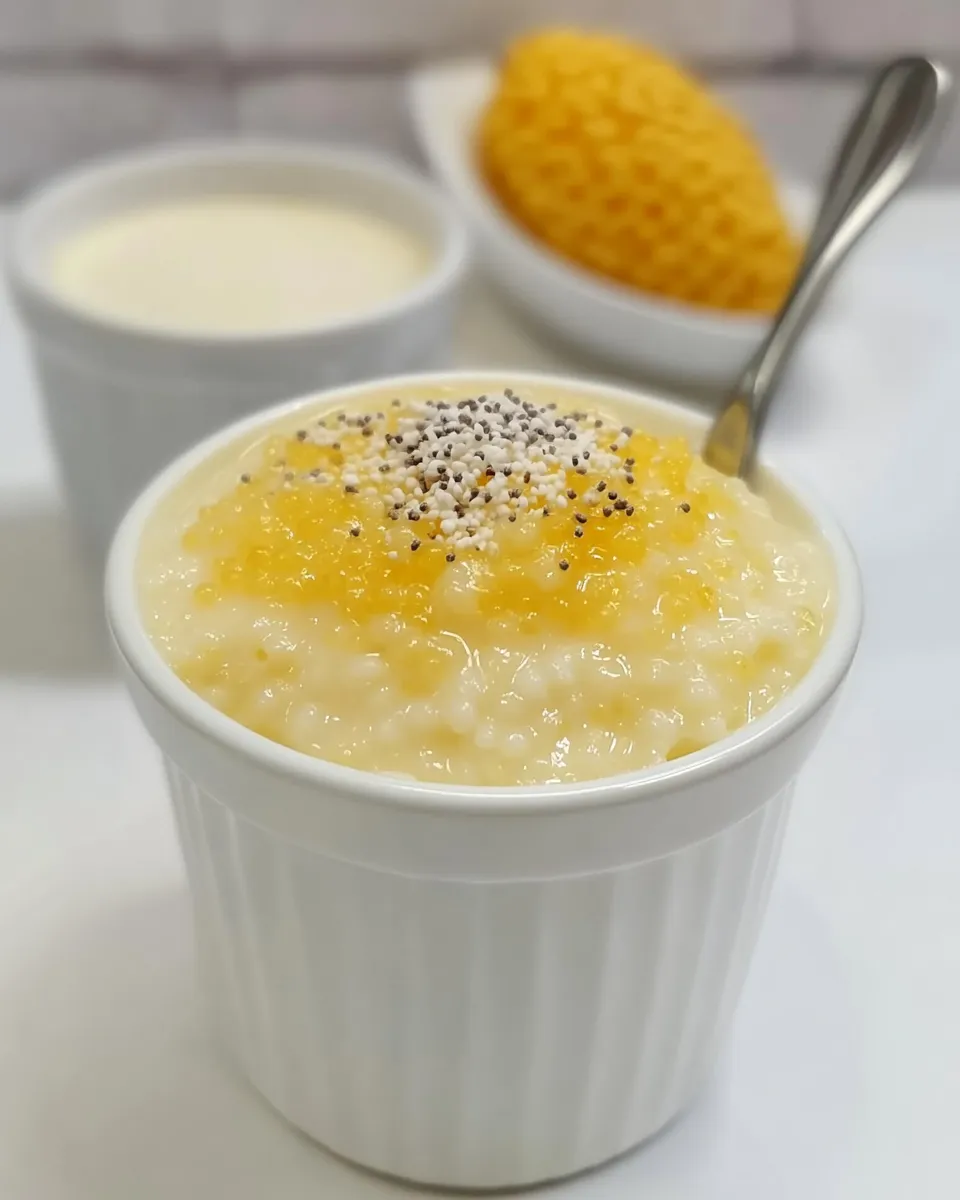
This pudding keeps the proportions and timing tight so the texture is reliably creamy and the pearls are just translucent, not gummy. Using both canned coconut milk and a measured amount of coconut cream (or extra milk) concentrates the coconut flavor while preserving a silky mouthfeel. The step to hydrate the pearls first reduces stove time and lowers the risk of undercooked centers.
Another difference: I portion the pudding into eight small glasses. That serving size is modest and elegant, great for a multi-course meal or for a light dessert after a rich dinner. Chilling the pudding for at least four hours lets it fully set and the flavors meld.
Ingredient Flex Options
- Sweetener swaps — you can use sugar, coconut sugar, or other granulated sweeteners instead of erythritol, but stick to the stated amount if you want similar sweetness. If you change to a liquid sweetener, reduce other liquids slightly.
- Coconut milk choices — full-fat canned coconut milk gives the creamiest result. Light canned coconut milk will thin the texture; you can counter that with the coconut cream in the recipe, but the final pudding will be less rich.
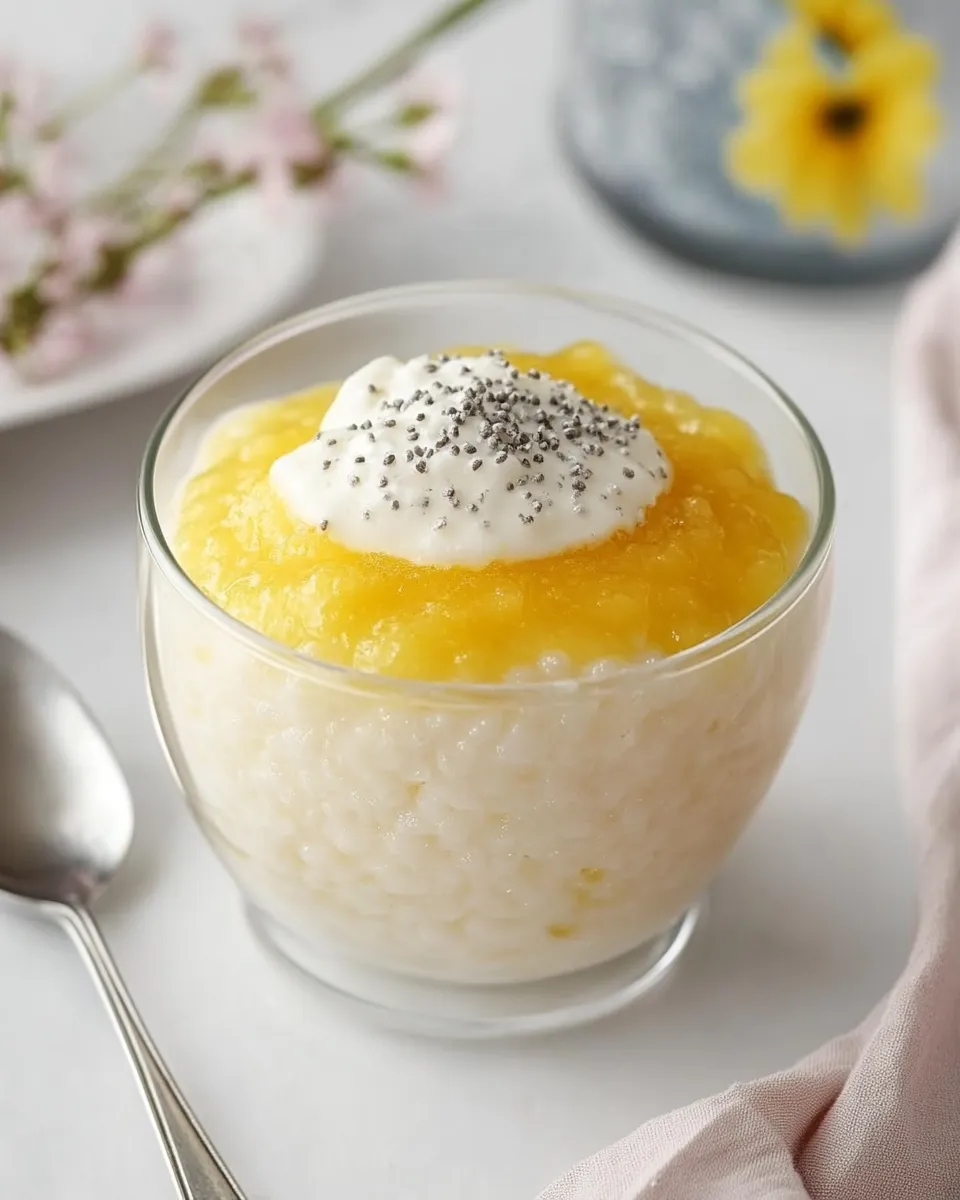
- Mango topping — optional but recommended. If mangoes aren’t in season, you can use other purees (like passionfruit or berries) at about 1 cup total, but keep the puddings plain until just before serving to maintain clean textures.
- Non-dairy swap caution — this recipe centers on canned coconut milk for both flavor and fat content. Other plant milks (almond, oat) won’t provide the same silkiness unless you adjust fat elsewhere.
What’s in the Gear List
- Small mixing bowl — to hydrate the tapioca pearls before cooking.
- Small saucepan — use one with a heavy bottom for even heat so the pearls don’t stick or scorch.
- Whisk or wooden spoon — a whisk is handy for finishing in step 4; a spoon works for stirring while cooking.
- Measuring cups and spoons — precise amounts matter for texture and sweetness.
- Eight small glasses or ramekins — for portioning the pudding; choose shallow vessels for faster chilling.
- Blender or food processor (optional) — for making the mango puree if you’re using fresh mango.
Easy-to-Miss Gotchas
Here are the pitfalls I see most often, with how to avoid them.
- Not hydrating the pearls: skipping the 30-minute soak or shortening it can leave the centers opaque after cooking. Give them the time to absorb liquid first.
- Boiling too hard: when the mixture reaches simmer, reduce to low for the 10–15 minute stir. High heat makes the pearls cook unevenly and can break down the coconut milk, creating a grainy texture.
- Stirring too aggressively: gentle, regular stirring prevents sticking without smashing the pearls. Use a silicone spatula or wooden spoon and a light touch.
- Rushing the chill: the pudding needs at least 4 hours to set properly. Cutting the chill time short yields a looser texture and unstable servings.
- Adding toppings too early: mango puree should go on just before serving. If you top before chilling, the puree can water down or change the set surface.
Nutrition-Minded Tweaks
If you’re watching calories or saturated fat, here are sensible adjustments that preserve texture and flavor as much as possible.
- Reduce sweetener slightly — cutting the granulated sweetener by 1–2 tablespoons will decrease sugar without hugely altering texture. Taste before chilling and adjust if needed.
- Use light coconut milk — this lowers calories and saturated fat but expect a thinner mouthfeel. To compensate, keep the coconut cream amount or reduce chilling time slightly to retain a firmer set.
- Portion control — the recipe already makes eight small servings. Smaller bowls help you enjoy a satisfying dessert without excess calories.
- Fruit-forward topping — a cup of fresh mango puree adds vitamins and fiber while providing natural sweetness so you might opt for slightly less added sweetener.
Chef’s Rationale
I designed this method to be straightforward and reliable. Hydrating the tapioca pearls before cooking does two important things: it shortens the active stove time and helps the pearls cook through uniformly. The measured coconut cream (1/2 cup + 2 tablespoons) deepens richness without overpowering the lighter coconut milk base.
Cooking the mixture over medium until it simmers, then dropping to low, gives you control. Tapioca will look cloudy at first and then go mostly translucent—this is the visual cue you want; it’s more reliable than timing alone. Whisking in vanilla off the heat preserves the extract’s aroma and keeps it from evaporating under excessive heat.
Save It for Later
Storage is generous with this pudding. Cover the glasses with plastic wrap or lids and refrigerate up to 3–4 days. The texture holds well because the coconut fat stabilizes as it cools. If you need to store longer, you can keep the pudding base (before chilling) in the fridge for a day and finish chilling in individual portions the next day.
To freeze: I don’t recommend freezing portions with mango puree. The pudding can be frozen, but thawed texture may be slightly grainier. If you plan to freeze, omit the mango until after thawing.
Reader Q&A
Q: Can I use larger tapioca pearls?
A: You can, but adjust the hydrate and cook time. Larger pearls take longer to become translucent; the recipe’s 30-minute soak and 10–15 minute cook are tuned to small pearls. If you use larger ones, expect longer cooking and watch for translucence as your guide.
Q: My pudding turned out too thin. What went wrong?
A: The most common reasons are undercooked pearls or using low-fat coconut milk without enough coconut cream. Make sure the pearls go mostly translucent and that you use the coconut cream amount called for. Gentle simmer and sufficient stirring are key.
Q: Can I make this sugar-free?
A: Yes. Use your preferred sugar substitute in the same volume called for (1/2 cup + 2 tablespoons). Note that some substitutes have different sweetness intensity, so taste the warm mixture before chilling and adjust if necessary.
See You at the Table
Sago pudding is one of those desserts that feels like a small celebration. It’s simple, textural, and adaptable. Follow the hydration and gentle-cook steps, chill it properly, and you’ll have a creamy, coconut-scented dessert ready for guests or a quiet weeknight treat. Top with mango for summer brightness, or serve plain and let the coconut sing.
If you make it, tell me how you served it and what topping you prefer. I love hearing which small swaps work best in real kitchens.

Sago Pudding
Ingredients
Ingredients
- 1/3 cuptapioca pearls
- 2 cupscoconut milkcanned
- 1/2 cup + 2 tablespoonscoconut creamor additional coconut milk
- 1/2 cup + 2 tablespoonsgranulated sweetener of choiceI used erythritol
- 1 teaspoonvanilla extract
- 1 cupmangopureed to serve, optional
Instructions
Instructions
- In a small bowl, combine 1/3 cup tapioca pearls, 2 cups canned coconut milk, and 1/2 cup + 2 tablespoons coconut cream (or additional coconut milk). Stir to combine and let sit for 30 minutes to hydrate the pearls.
- Transfer the mixture to a small saucepan. Add 1/2 cup + 2 tablespoons granulated sweetener. Place the saucepan over medium heat and heat, stirring occasionally, until it begins to simmer.
- Reduce the heat to low and gently stir the mixture for 10–15 minutes, until the tapioca pearls are mostly translucent and the mixture has thickened. Remove the pan from the heat.
- Whisk in 1 teaspoon vanilla extract until fully incorporated.
- Divide the pudding evenly among eight small glasses. Cover and refrigerate for at least 4 hours, until chilled and set.
- If serving with mango, puree or blend mango as needed to make 1 cup. Spoon the mango puree over the top of each chilled pudding just before serving.
Equipment
- Small Bowl
- Small Saucepan
- Whisk
- glasses
- Blender (optional)
- Refrigerator
Notes
TO STORE
: The pudding should always be stored in the refrigerator, covered. It will keep well for up to 2 weeks.
TO FREEZE
: Cover the puddings and place them in the freezer for up to 2 months.