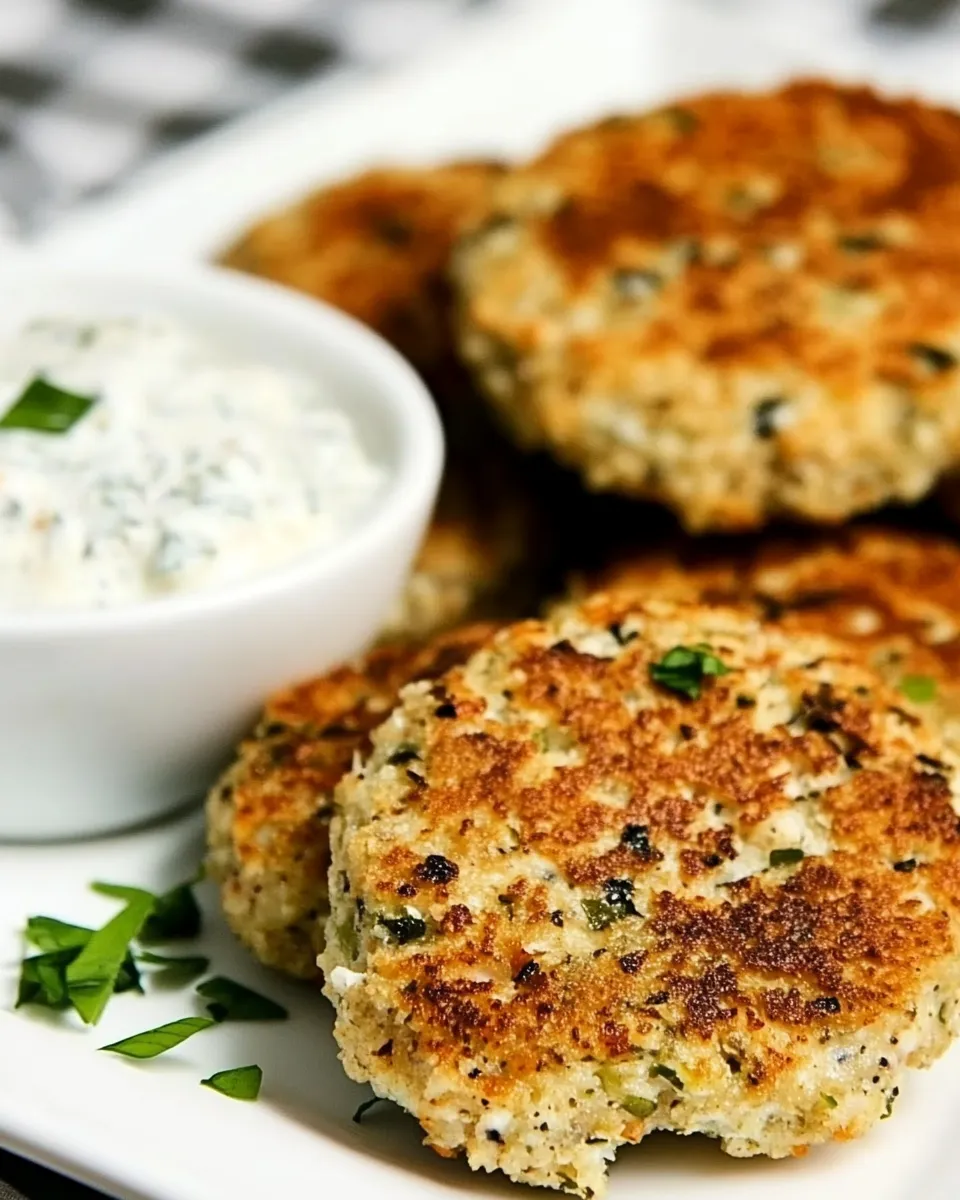
These salmon patties are a weekday hero: quick to pull together, forgiving in the pan, and hearty enough to satisfy dinner crowds. Canned salmon keeps the cost down and the nutrition high; a couple of pantry add-ins and a flash in a hot skillet turn it into something close to restaurant comfort. I like that they come together without fuss and still taste like care went into them.
There’s a rhythm to making these patties that I want you to get comfortable with: drain, chop, mix, chill, and sear. Chilling the patties for just 15 minutes makes a huge difference — it’s the simple trick that keeps them from falling apart when you flip them. The recipe is built to be straightforward but flavorful, with the Szeged Fish Rub and capers doing a lot of the heavy lifting.
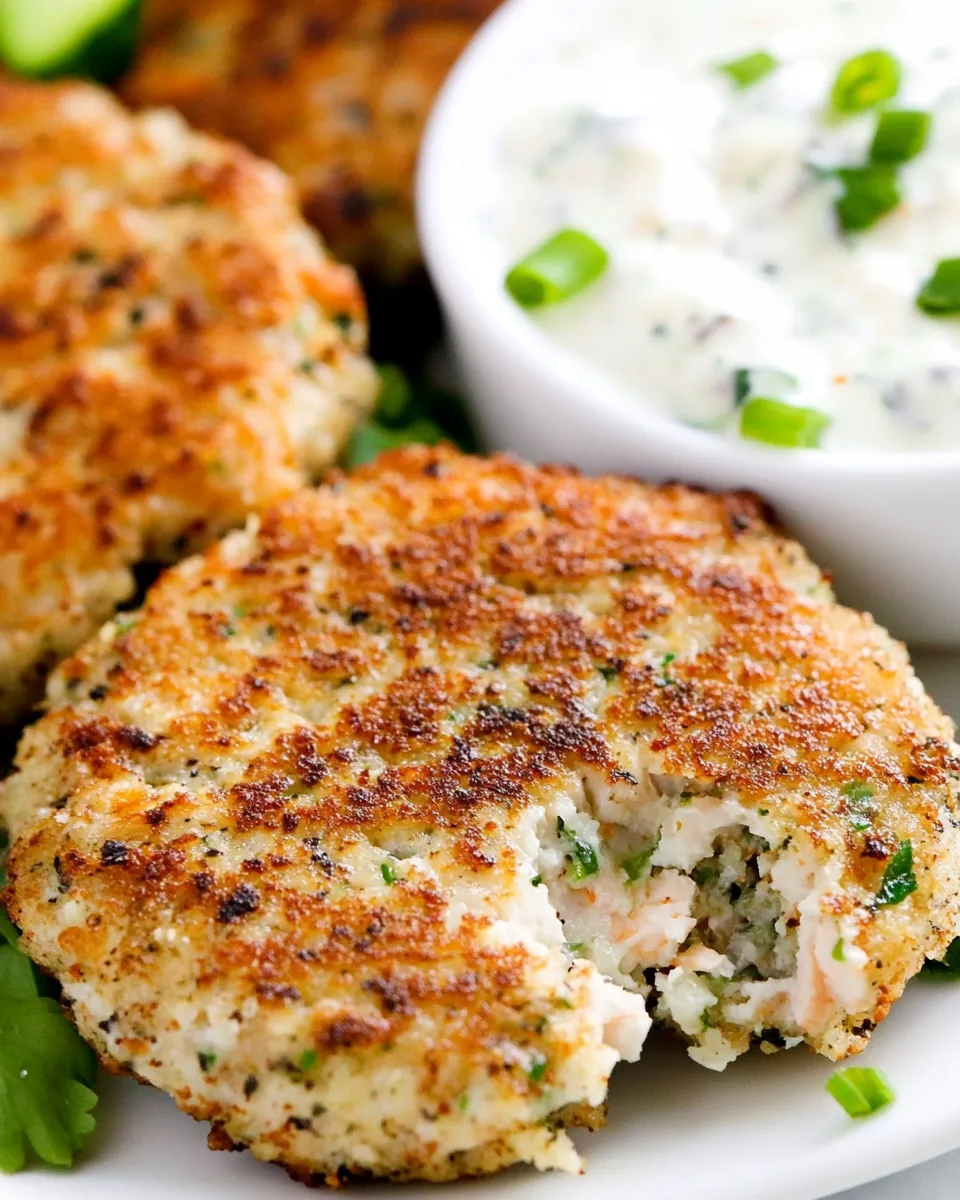
Serve them hot with a tartar or dill sauce and whatever sides you love; they’re great on a plate, tucked into a sandwich, or alongside a crisp salad. I’ll walk you through the ingredients, the exact step-by-step, helpful swaps, equipment, storage tips, and answers to the questions I get most from readers.
Ingredient Checklist
- 2 6 oz. cans salmon, well drained (see notes) — the protein base; drain thoroughly so patties aren’t soggy.
- 3 T Almond Flour (see notes) — binder that keeps them gluten-free and adds a light, nutty texture.
- 3 T Hemp Seeds (see notes) — adds texture and a subtle nutty flavor while boosting protein and healthy fats.
- 3 T chopped green onion — fresh aromatic for brightness; chop finely so it distributes evenly.
- 1 T capers, drained well and finely chopped — salty, tangy bites that lift the whole patty.
- 1 tsp. Szeged Fish Rub (see notes) — seasoning backbone; provides savory complexity.
- salt and fresh-ground black pepper to taste — season carefully; a pinch of salt enhances the salmon’s natural flavor.
- 2 eggs — binders that hold the patties together once chilled and cooked.
- 2 T olive oil (or slightly more, depending on your pan) — for a golden sear; add more as needed while cooking.
Build Salmon Patties Recipe (with Tartar Sauce) Step by Step
- Open and drain both cans of salmon in a colander set in the sink; transfer the drained salmon to a mixing bowl and use a fork to flake it into small pieces.
- While the salmon drains or after transferring it to the bowl, measure 3 tablespoons almond flour and 3 tablespoons hemp seeds, chop 3 tablespoons green onion, and drain and finely chop 1 tablespoon capers.
- Add the almond flour, hemp seeds, chopped green onion, chopped capers, 1 teaspoon Szeged Fish Rub, and salt and fresh-ground black pepper to taste to the bowl with the flaked salmon.
- Crack and add 2 eggs to the bowl. Use a fork to gently combine everything until the mixture is evenly moistened—do not overmix.
- Using clean hands, divide the mixture into 6 equal portions and form each portion into a compact patty.
- Place the formed patties on a small baking sheet (use parchment paper if available). Put the baking sheet with the patties in the freezer for 15 minutes to firm them up—this helps them hold together when cooking.
- After chilling, heat 2 tablespoons olive oil (or slightly more if needed for your pan) in a large nonstick frying pan over medium-high heat.
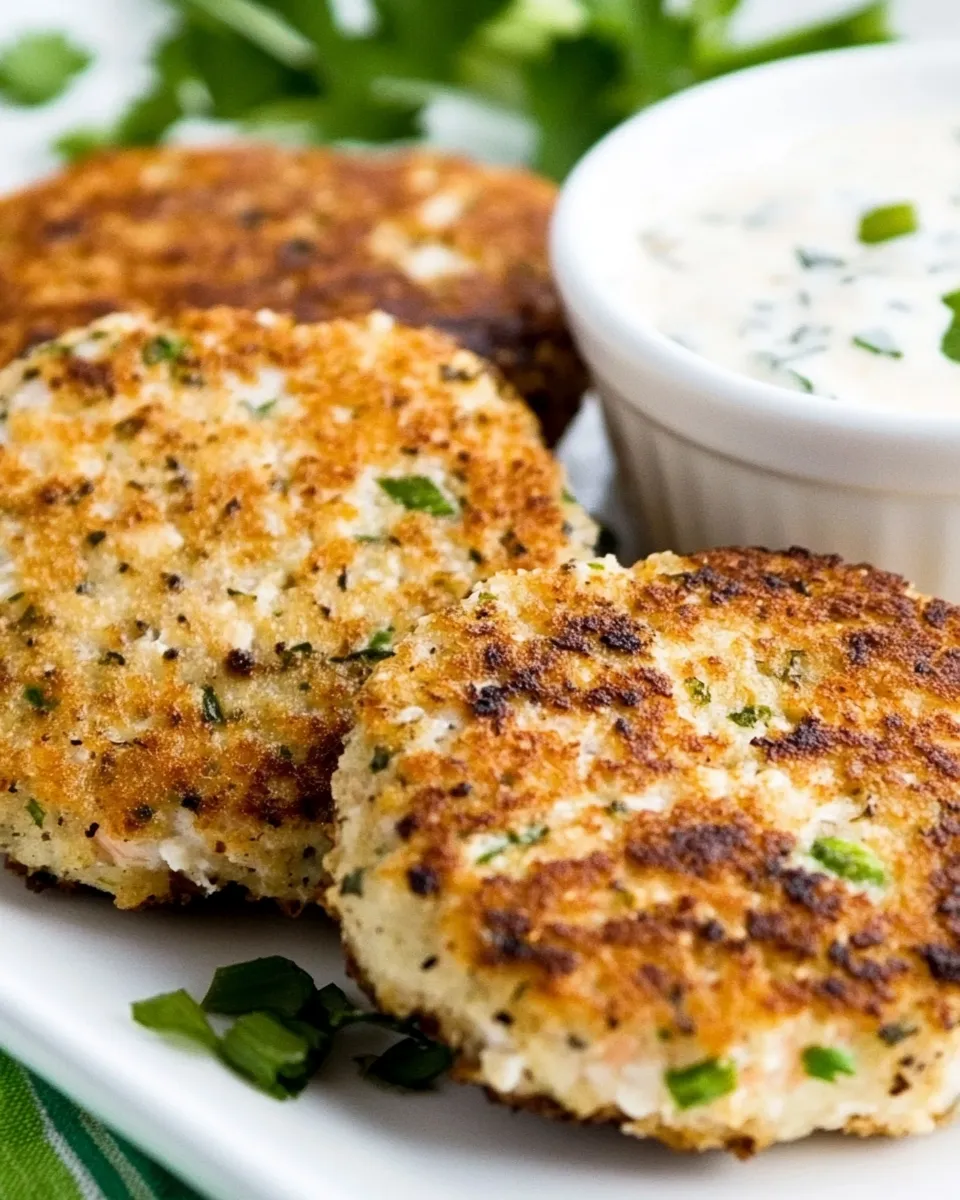
- When the oil is hot, add the chilled salmon patties to the pan, leaving space between them. Cook for about 3–4 minutes per side, or until each side is golden brown and the patties are cooked through. Lift an edge with a spatula to check doneness and turn carefully.
- If the pan becomes dry while cooking, add a little more olive oil as needed. Total cooking time will vary by stove and pan, so watch for the golden brown color.
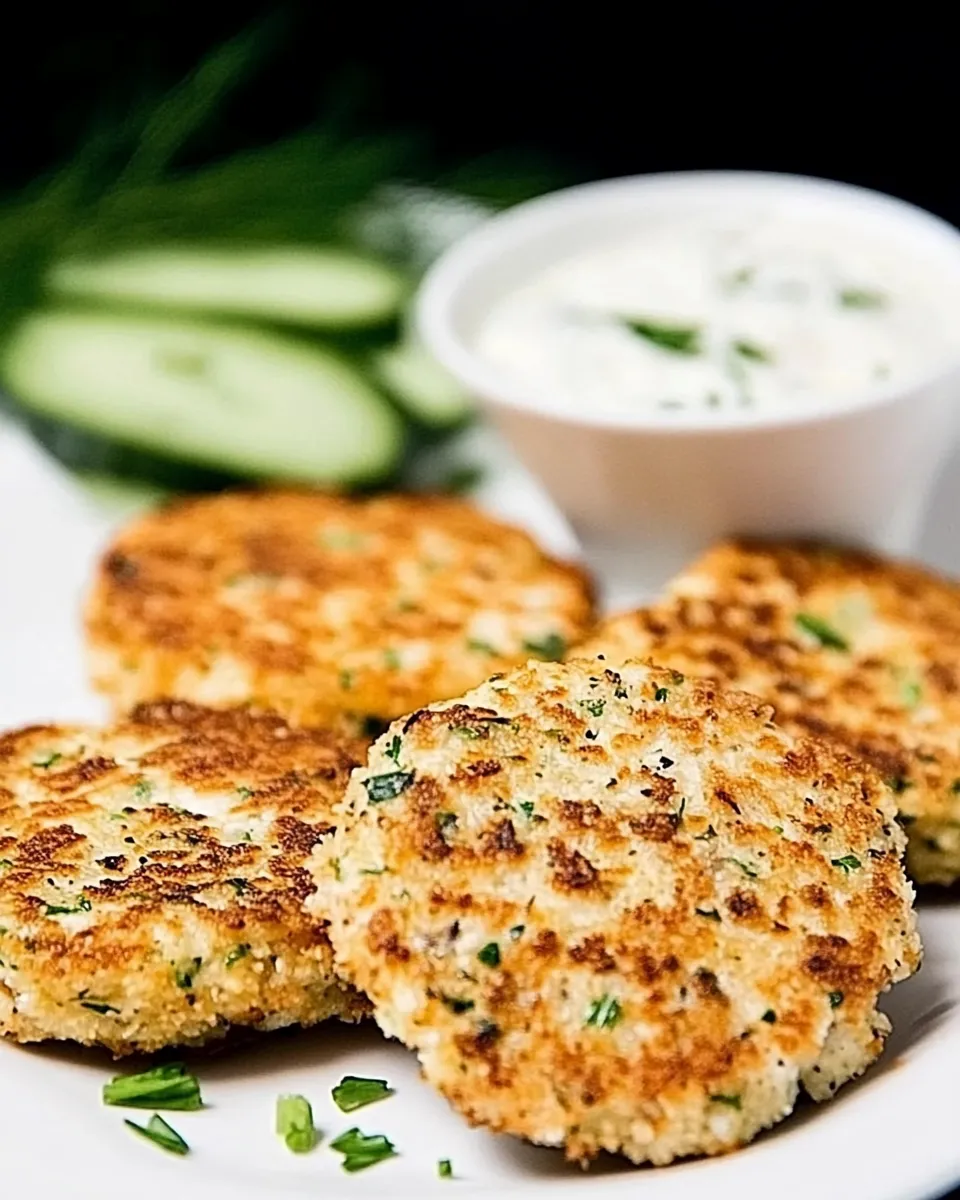
- Transfer cooked patties to a plate lined with paper towels to drain briefly, then serve hot with your preferred tartar or dill sauce.
What You’ll Love About This Recipe
These patties are straightforward and forgiving. The canned salmon gives you consistent flavor and texture without the fuss of fillet prep. Almond flour and hemp seeds create structure while keeping the patties light instead of heavy and bready. The capers and Szeged Fish Rub add just enough brightness and savory depth so you don’t miss complicated seasonings.
The recipe scales easily and is quick to get on the table—about 30 minutes including the 15-minute chill. They brown beautifully in a nonstick pan with a modest amount of oil, and they’re versatile: serve them on their own, in a sandwich, or on top of mixed greens. And because the patties are made with pantry-stable cans of salmon, this is a great last-minute dinner that still feels intentional.
Finally, this approach is friendly to different diets. It’s naturally gluten-free as written, high in omega-3s and protein, and packs well if you want to prep ahead for lunches. The finishing sauce is up to you—store-bought tartar or a quick dip will both do the job.
Ingredient Swaps & Substitutions
If you need to adapt the pantry items, there’s room to swap without breaking the recipe. Keep in mind the goal of each ingredient: binder, texture, seasoning, or fat for cooking.
- Binder alternatives: If almond flour isn’t an option, use another fine nut flour or a neutral gluten-free binder (adjust moisture as needed). Regular breadcrumbs or panko can work if you don’t need the recipe to stay grain-free.
- Seeds and texture: If you don’t have hemp seeds, try another small seed for texture. The seeds are there for bite and nutrition; omitting them will make the patties softer.
- Seasoning: If you don’t have Szeged Fish Rub, use a basic blend of savory spices you enjoy—just keep it modest so it doesn’t overpower the salmon.
- Oil: Olive oil works well, but any neutral oil with a medium-high smoke point will do. Use just enough to get a good crust.
- Eggs: Eggs are the primary binder here. If you need an egg-free version, experiment with a commercial egg replacer or a flax mixture, but expect texture differences.
Equipment & Tools
Minimal tools are required; that’s part of what makes this recipe so practical.
- Colander — for draining the canned salmon thoroughly.
- Mixing bowl and fork — to flake the salmon and combine the mix.
- Measuring spoons — to measure almond flour, hemp seeds, and seasoning accurately.
- Small baking sheet (with parchment if you have it) — to chill the patties in the freezer.
- Large nonstick frying pan — for even browning and easy flipping.
- Spatula — thin and flexible for turning the patties gently.
- Paper towels and a plate — to drain the cooked patties briefly.
Steer Clear of These
There are a few common missteps that can make the difference between a cohesive patty and a crumbly mess.
- Don’t skip draining the salmon well. Excess liquid is the most common reason patties won’t hold together.
- Don’t overmix once the eggs are in. Overworking the mixture makes the patties dense instead of tender.
- Avoid skipping the chill step. The 15-minute freeze firms them up and reduces breakage when flipping.
- Don’t cook on too high heat. If the pan is scorching, the exterior will brown before the center sets; medium-high is the sweet spot.
- Resist turning too soon. Give the patty a chance to form a crust so it releases cleanly from the pan.
Seasonal Serving Ideas
These patties play well with seasonal sides and can be dressed up or pared back depending on what’s in the kitchen.
- Spring: pair with fresh, crisp vegetables and a light green salad for balance.
- Summer: serve alongside a crunchy slaw or on a sandwich with pickles for contrast.
- Autumn: compliment with roasted root vegetables or a grain like farro for heartier plates.
- Winter: pair with warm roasted vegetables and a tangy sauce to cut through richness.
Author’s Commentary
I make these salmon patties on busy weeknights when I want something wholesome without elaborate prep. I keep a few cans of salmon in the pantry for exactly this reason. The Szeged Fish Rub is a favorite because it brings a subtle smokiness and a blend of spices that works especially well with canned fish, but don’t feel locked into a single brand—use what you like.
The hemp seeds are a textural and nutritional choice; they add a mild nuttiness and a pleasant mouthfeel. If you’ve never used them before, they’re a small upgrade that makes the patties feel more substantial. Almond flour keeps the patties from becoming gluey and helps with browning.
If you want to make the meal feel fancier without much work, serve the patties with a quick store-bought tartar sauce and a crisp green vegetable or warm grain. For batch cooking, form and freeze the patties before cooking; you can take them straight from frozen to a hot pan, though add a minute or two per side for thorough cooking.
Best Ways to Store
Cool the cooked patties completely before storing. For short-term storage, place them in an airtight container and keep them in the refrigerator for up to 3 days. Reheat gently in a skillet over medium heat to preserve texture rather than in the microwave, which can make them rubbery.
For longer storage, freeze the uncooked formed patties on a baking sheet until solid, then transfer to a freezer-safe bag or container for up to 2 months. Cook from frozen, adding a bit more time in the pan and watching the heat to avoid over-browning before the center is hot.
Reader Questions
Can I use fresh salmon instead of canned?
Yes, but you’ll need cooked, flaked salmon (leftover baked or poached works). Use roughly the same cooked weight as two 6-ounce cans combined. Be mindful that fresh-cooked salmon can be moister than canned, so drain and cool it, and adjust the binder if the mixture seems too wet.
Are these gluten-free?
As written, yes. Almond flour and hemp seeds keep the patties gluten-free. If you swap in breadcrumbs, you’ll introduce gluten unless you use a certified gluten-free product.
My patties fell apart. What went wrong?
Usually moisture is the culprit. Make sure the salmon is well drained, don’t skip the 15-minute chill, and don’t overmix after adding the eggs. If the mixture still feels loose, a tiny bit more almond flour can help, but add sparingly to avoid drying them out.
Can I make these ahead?
Yes. You can form and freeze the patties before cooking, or cook them and refrigerate for a couple of days. Reheat in a skillet for best texture.
Hungry for More?
If you liked this approach to canned-salmon cooking, try pairing these patties with a warm grain bowl or include them in a sandwich for a different lunch. For more recipes that are pantry-friendly and weeknight-ready, check the site for quick seafood dinners, easy pan-fried proteins, and a roundup of sauces that pair well with fish.

Salmon Patties Recipe (with Tartar Sauce)
Ingredients
Ingredients
- 2 6 oz. cans salmon well drained (see notes)
- 3 T Almond Flour see notes
- 3 T Hemp Seeds see notes
- 3 T chopped green onion
- 1 T capers drained well and finely chopped
- 1 tsp. Szeged Fish Rub see notes
- salt and fresh-ground black pepper to taste
- 2 eggs
- 2 T olive oil or slightly more, depending on your pan
Instructions
Instructions
- Open and drain both cans of salmon in a colander set in the sink; transfer the drained salmon to a mixing bowl and use a fork to flake it into small pieces.
- While the salmon drains or after transferring it to the bowl, measure 3 tablespoons almond flour and 3 tablespoons hemp seeds, chop 3 tablespoons green onion, and drain and finely chop 1 tablespoon capers.
- Add the almond flour, hemp seeds, chopped green onion, chopped capers, 1 teaspoon Szeged Fish Rub, and salt and fresh-ground black pepper to taste to the bowl with the flaked salmon.
- Crack and add 2 eggs to the bowl. Use a fork to gently combine everything until the mixture is evenly moistened—do not overmix.
- Using clean hands, divide the mixture into 6 equal portions and form each portion into a compact patty.
- Place the formed patties on a small baking sheet (use parchment paper if available). Put the baking sheet with the patties in the freezer for 15 minutes to firm them up—this helps them hold together when cooking.
- After chilling, heat 2 tablespoons olive oil (or slightly more if needed for your pan) in a large nonstick frying pan over medium-high heat.
- When the oil is hot, add the chilled salmon patties to the pan, leaving space between them. Cook for about 3–4 minutes per side, or until each side is golden brown and the patties are cooked through. Lift an edge with a spatula to check doneness and turn carefully.
- If the pan becomes dry while cooking, add a little more olive oil as needed. Total cooking time will vary by stove and pan, so watch for the golden brown color.
- Transfer cooked patties to a plate lined with paper towels to drain briefly, then serve hot with your preferred tartar or dill sauce.
Equipment
- Colander
- Mixing Bowl
- Fork
- Baking Sheet
- Freezer
- large nonstick frying pan
- Spatula
- Paper Towels
- Parchment Paper