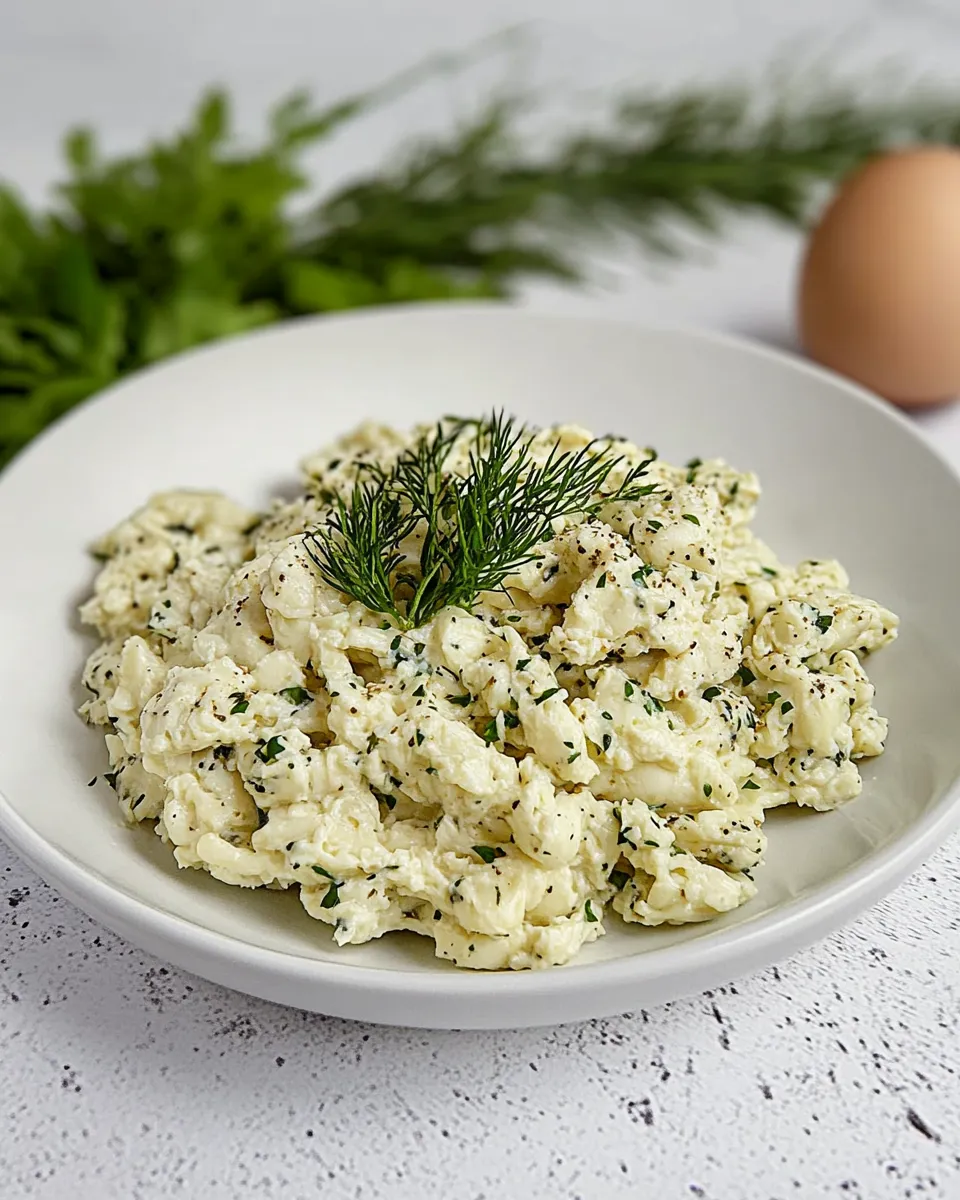
Light, quick, and low in fat, scrambled egg whites are one of those breakfasts that perform better than they sound. They cook fast, take seasoning beautifully, and let you control texture by simple wrist work. If you want a lean start or a neutral canvas for add-ins, this is a reliable go-to.
In this post I’ll walk you through a practical, no-nonsense method that keeps the curds small, the surface glossy, and the flavor bright. No tricks, just a few sensible steps: heat, aromatics, herbs, then gentle folding. Timing matters, but there’s room to simplify without losing quality.
Below you’ll find the ingredient lineup, the exact step-by-step directions, troubleshooting, substitutes, equipment notes, storage tips, and answers to common questions. Read once and you’ll be able to turn out a plate in minutes with consistent results.
The Ingredient Lineup
Ingredients
- 1 tablespoon olive oil — Provides a non-stick surface and a mild, fruity background fat; helps carry the garlic flavor.
- 2 teaspoons garlic, chopped — Builds savory depth up front; sauté briefly so it becomes aromatic but not bitter.
- 1/2 teaspoon dry parsley — Adds a muted herb note and visual flecks without overpowering the whites.
- 1/2 teaspoon dry rosemary — Gives a piney, savory edge; tiny amount prevents it from dominating.
- 1/2 teaspoon dry oregano — Rounds the herb mix with an earthy, slightly peppery flavor.
- 8 egg whites — The protein base; neutral in flavor and cooks into delicate curds.
- Salt to taste — Essential seasoning; add gradually and taste before serving.
- 1/8 teaspoon ground black pepper — Subtle heat and aromatic lift; measured finely to keep balance.
Mastering Scrambled Egg Whites: How-To
- Heat 1 tablespoon olive oil in a nonstick frying pan over medium heat until the oil is shimmering.
- Add 2 teaspoons chopped garlic and sauté, stirring, until lightly golden, about 30 seconds. Do not let the garlic burn.
- Stir in 1/2 teaspoon dry parsley, 1/2 teaspoon dry rosemary, and 1/2 teaspoon dry oregano and cook for 5–10 seconds to release their aroma.
- Immediately pour in 8 egg whites and reduce the heat to medium-low.
- Season with salt to taste and 1/8 teaspoon ground black pepper.
- Continuously stir the egg whites with a heatproof spatula, scraping the bottom and folding the eggs to form small, even curds and prevent lumps.
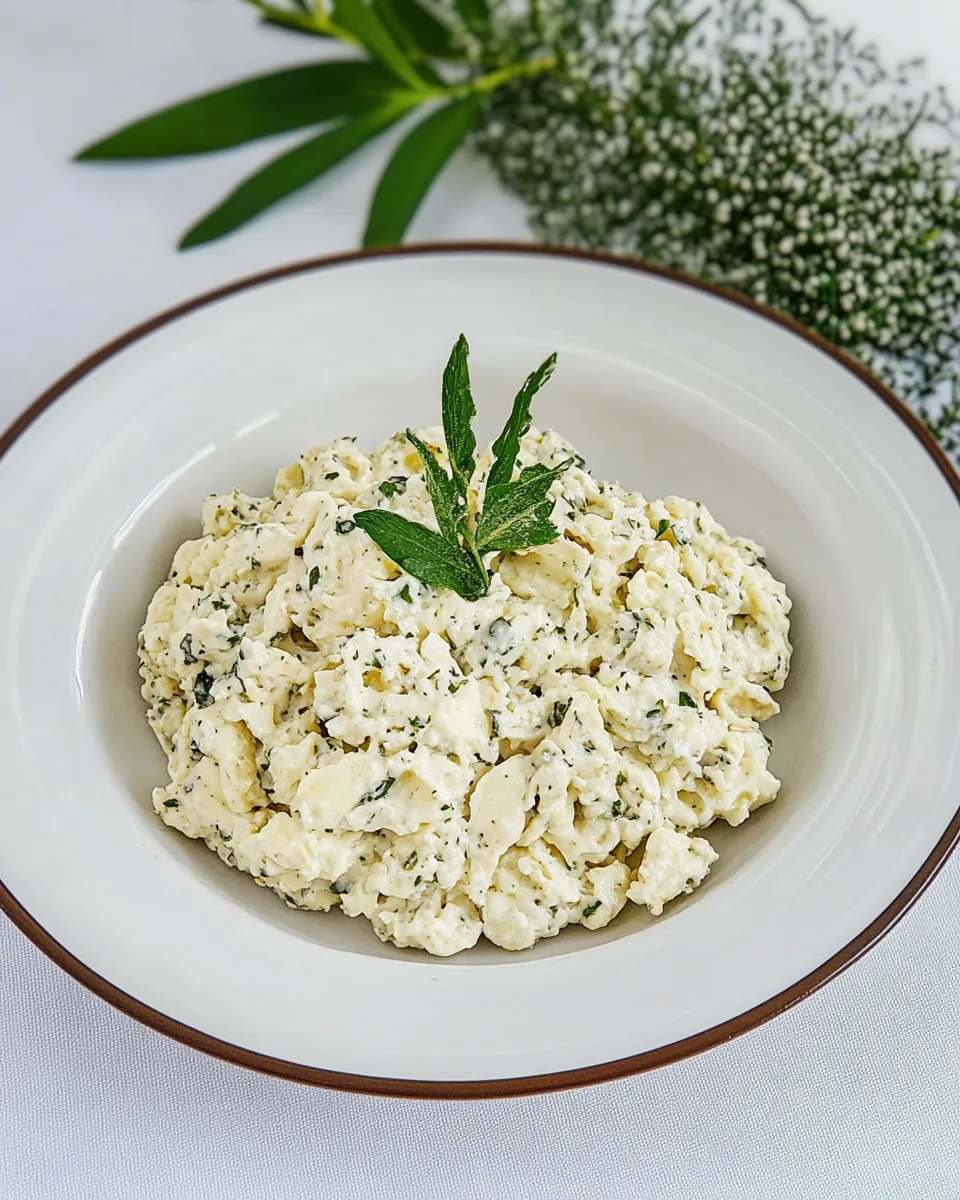
- When the egg whites are mostly set but still slightly glossy and moist (they will finish cooking from residual heat), turn off the heat.
- Transfer the scrambled egg whites to a plate and serve immediately.
What Sets This Recipe Apart
This version relies on three simple choices that change the result without complicating the process. First, the aromatics: a quick sauté of chopped garlic before the eggs adds immediate savory interest so the whites never taste flat. Second, the herb trio—parsley, rosemary, oregano—gives a layered herbal profile without needing fresh leaves. Third, the technique: cook on medium to medium-low and keep the eggs moving so you get small, even curds and a glossy finish.
The recipe is intentionally lean. Using only olive oil and egg whites keeps fat content low while preserving flavor through seasoning and aromatics. The result is modest in calories but big on texture and quickness. It’s suited for weekday breakfasts, post-workout fuel, or a base for more elaborate plates.
Substitutions by Category
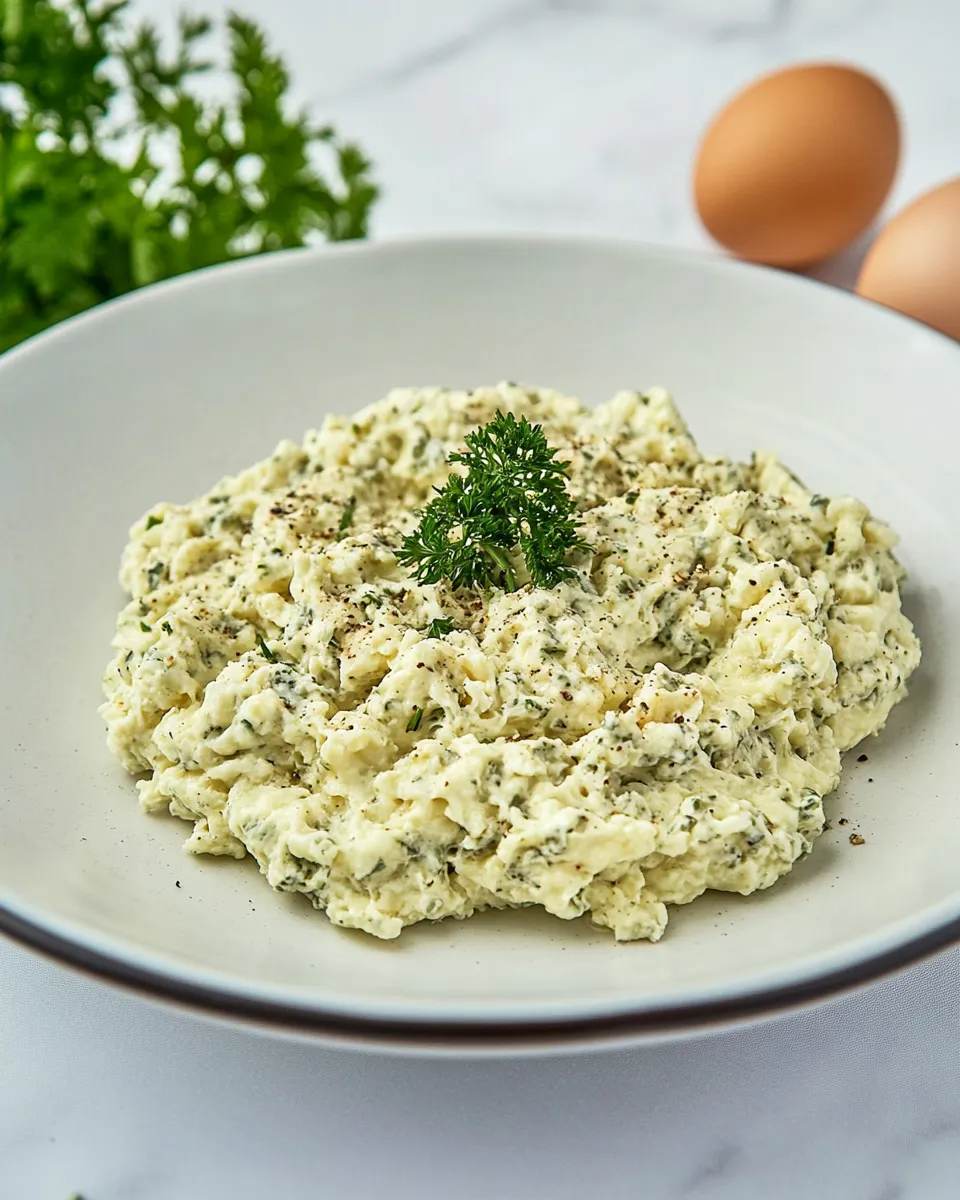
- Fat/Oil — If you prefer another cooking fat, swap the olive oil for a neutral oil or a small knob of butter. Each will change the flavor profile slightly.
- Aromatics — Shallot or a small pinch of onion powder can replace the garlic if you want a subtler start; just adjust cooking time to avoid burning.
- Herbs — Use fresh herbs in place of dry—remember fresh herbs are more delicate, so add them at the end of cooking rather than during the initial sauté.
- Eggs — If you want more richness, fold in whole eggs or an extra yolk or two; for stricter low-cholesterol needs, keep to whites only.
- Seasoning — If you need less sodium, hold back on added salt and use pepper, lemon zest, or a dash of hot sauce at the table to lift flavors.
Appliances & Accessories
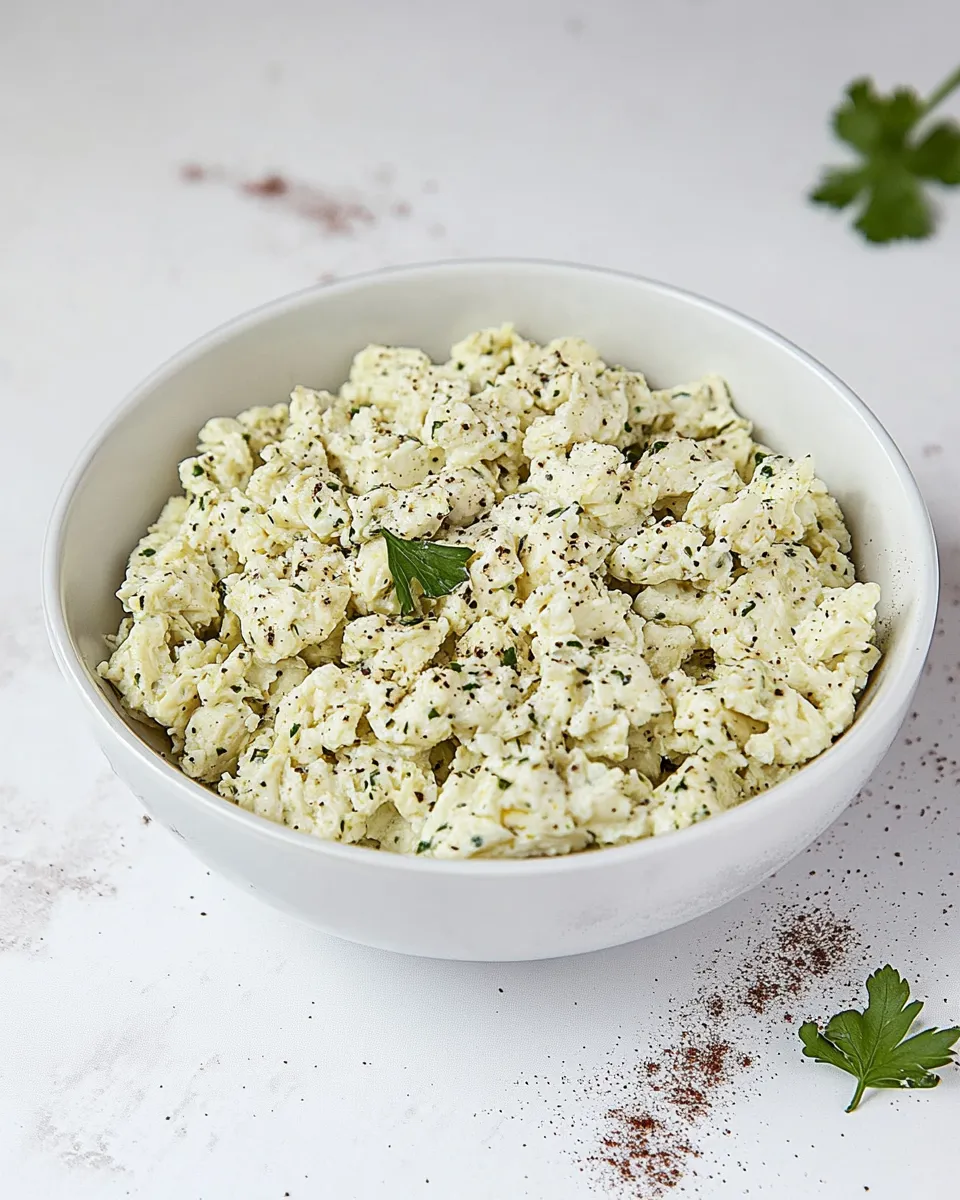
- Nonstick frying pan — Central to this recipe; it prevents sticking and helps form even curds.
- Heatproof spatula — Flexible enough to scrape the pan and fold the eggs without tearing the curds.
- Measuring spoons — For precise herb and pepper amounts; small quantities matter here.
- Bowl and whisk or fork — For beating egg whites briefly if you prefer a slightly aerated texture (optional).
- Plate or warm serving dish — Serve immediately; a warm plate helps preserve the glossy finish a moment longer.
Missteps & Fixes
Egg whites can be unforgiving if you rush or cook too hot. Here are common mistakes and how to correct them.
- Burnt or bitter garlic — If your garlic browns too quickly, the heat was too high. Start again with fresh oil, lower the heat to medium, and add the garlic later or chop it finer.
- Dry, rubbery egg whites — That means overcooking. Remove the pan from heat when the eggs are still slightly glossy; carryover heat will finish them. Also use medium-low heat and stir continuously for small curds.
- Uneven curds or lumps — Use a flexible spatula and scrape the bottom of the pan as you fold. Keep the motion steady; don’t stop stirring until the curds are forming evenly.
- Herb bits too coarse — If dryness or texture is an issue, crush dry herbs between your fingers before adding, or switch to finely chopped fresh herbs added at the end.
- Flavor too flat — Taste and adjust salt. A squeeze of lemon or a pinch of finishing salt at the end will brighten the dish if needed.
Dietary Customizations
Scrambled egg whites are already tailored to reduced-fat and low-cholesterol needs, but you can adjust for other dietary goals without changing the method.
- Higher protein — Keep the egg whites and add cooked lean proteins like diced cooked chicken or turkey breast just before serving to warm through.
- Low-sodium — Omit or reduce added salt. Use acid (lemon) or fresh herbs to compensate for flavor without extra sodium.
- Vegetarian — Add quickly cooked spinach, tomatoes, or mushrooms (sauté separately) and fold them into the eggs at the end.
- Allergy considerations — This recipe is naturally gluten-free and dairy-free as written. If you swap in dairy (butter or cheese), note the change for guests with allergies.
Behind-the-Scenes Notes
Understanding why the recipe works helps you adapt it on the fly. Egg whites coagulate at a lower temperature than yolks, so they set quickly; that’s why medium-low heat and continuous stirring yield soft curds. The short sauté of garlic and dried herbs in hot oil releases their volatile oils into the fat, which then flavors the whites as they cook.
Another subtle point: residual heat carries cooking after you turn off the burner. Turning off at the glossy-but-almost-set stage preserves moisture. Also, dried herbs added very early can release bitterness if overheated; keeping their time in the pan brief—5–10 seconds as in the recipe—lets them bloom without getting woody.
Make-Ahead & Storage
Cooked egg whites are best eaten immediately. If you must make them ahead, cool them quickly and store in an airtight container in the refrigerator for up to 24 hours. When reheating, use low heat and a splash of liquid (water or a little oil) and stir gently to avoid drying them out. Microwave reheating works, but do it in short bursts and stir between intervals to keep texture even.
For meal prep, cook the whites plain and store them separately from any fresh add-ins, then reheat and dress at service time for best texture and flavor.
Top Questions & Answers
- Q: Can I use fresh herbs instead of the dried herbs?
A: Yes. Use fresh herbs sparingly and add them at the end of cooking to retain brightness. Fresh herbs are more delicate than dry and will lose flavor if cooked too long. - Q: Should I beat the egg whites before adding them to the pan?
A: You can briefly whisk them to incorporate air for lighter curds, but it’s not required. This recipe assumes pouring whole whites directly into the pan. - Q: Why are my egg whites watery after cooking?
A: Overcooking or using too-high heat can squeeze out moisture. Cook gently and remove from the heat when still slightly glossy; they’ll finish cooking off the stove. - Q: Can I scale the recipe up or down?
A: Yes. Keep the oil-to-egg ratio sensible and maintain gentle heat. Larger batches may need a slightly bigger pan to avoid crowding, which affects even cooking. - Q: Any tips for flavor variations?
A: Add a dash of hot sauce, a sprinkle of smoked paprika, or fold in sautéed vegetables for different profiles. Additions should be warmed or cooked beforehand if they release moisture.
Wrap-Up
Scrambled egg whites are straightforward and forgiving when you follow a few key principles: control the heat, season deliberately, and stop cooking while they’re still glossy. The garlic-and-herb start gives depth without fuss, and the technique produces small, tender curds every time. Make a practice run, and you’ll find this recipe becomes a quick, healthy staple in your week.
Keep the pan warm, the spatula moving, and taste before plating. Small adjustments—timing, salt, or an extra herb—let you tailor the result to your appetite. Enjoy a simple plate that’s versatile enough to suit many meals throughout the day.
Scrambled Egg Whites
Ingredients
Ingredients
- 1 tablespoonolive oil
- 2 teaspoonsgarlic chopped
- 1/2 teaspoondry parsley
- 1/2 teaspoondry rosemary
- 1/2 teaspoondry oregano
- 8 egg whites
- Saltto taste
- 1/8 teaspoonblack pepper ground
Instructions
Instructions
- Heat 1 tablespoon olive oil in a nonstick frying pan over medium heat until the oil is shimmering.
- Add 2 teaspoons chopped garlic and sauté, stirring, until lightly golden, about 30 seconds. Do not let the garlic burn.
- Stir in 1/2 teaspoon dry parsley, 1/2 teaspoon dry rosemary, and 1/2 teaspoon dry oregano and cook for 5–10 seconds to release their aroma.
- Immediately pour in 8 egg whites and reduce the heat to medium-low.
- Season with salt to taste and 1/8 teaspoon ground black pepper.
- Continuously stir the egg whites with a heatproof spatula, scraping the bottom and folding the eggs to form small, even curds and prevent lumps.
- When the egg whites are mostly set but still slightly glossy and moist (they will finish cooking from residual heat), turn off the heat.
- Transfer the scrambled egg whites to a plate and serve immediately.
Equipment
- nonstick frying pan
- heatproof spatula