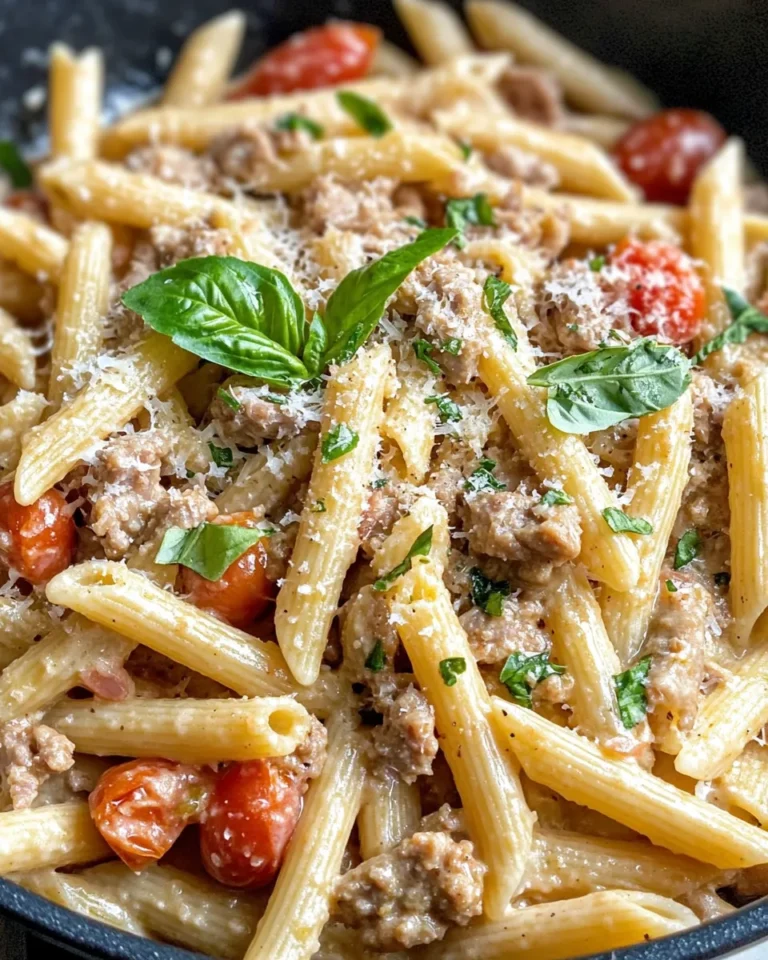
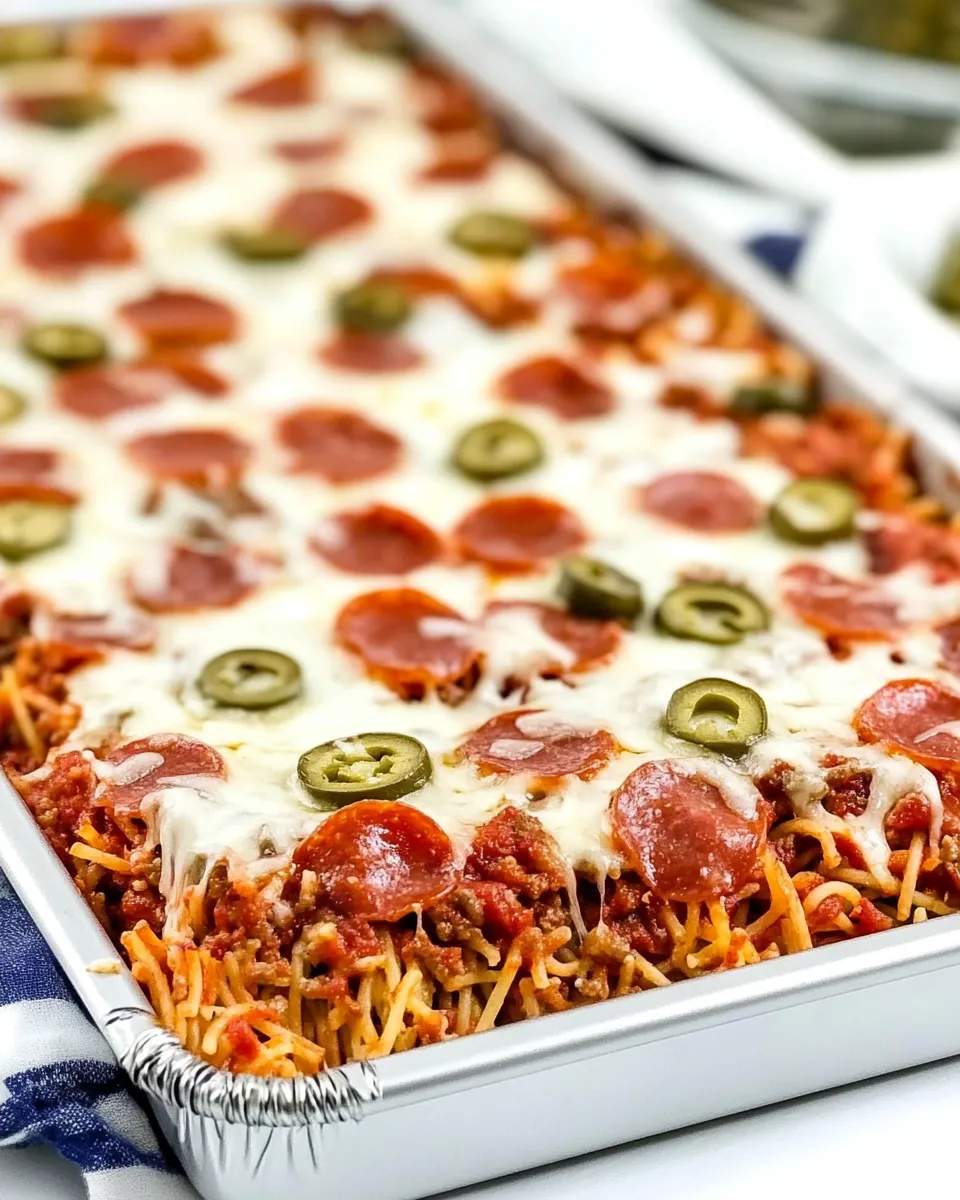
Sheet pan spaghetti pizza is one of those joyful kitchen inventions: the comfort of a baked spaghetti base topped like a pizza, baked until the cheese bubbles and edges get golden. It’s unfussy, feeds a crowd, and uses pantry-friendly ingredients. I love it for weeknights when everyone wants something different on their slice but you don’t want a sink full of dishes.
This recipe turns cooked spaghetti into a sturdy crust with eggs and cheese, so you get both the chewy pasta texture and the familiar pizza experience. It’s forgiving, and the steps are straightforward, which makes it a great one to hand off to a helper or to prep ahead.
Below I give the exact ingredient list and step-by-step directions, plus practical tips, substitution ideas, and answers to the questions I get most often. Read through once, then roll up your sleeves — this is a fun, hands-on dinner that always gets smiles.
The Ingredient Lineup
Ingredients
- 16-oz spaghetti, uncooked — the base of the crust; cook to al dente so it holds texture after baking.
- 2/3 cup milk — loosens the egg and helps bind the spaghetti without drying it out.
- 2 large eggs — the main binder that helps the spaghetti form a sliceable base.
- 1/2 tsp Italian seasoning — adds classic pizza-herb flavor to the egg mixture.
- 1/2 tsp garlic salt — brings savory garlic and salt to the base; adjust if you use salted cheese.
- salt and pepper, to taste — finish-seasoning; white or black pepper both work.
- 1/2 cup grated Parmesan cheese — adds umami and helps with binding and browning.
- 3 cups shredded mozzarella cheese, divided — 1 cup in the base for structure and 2 cups on top for that melty pizza finish.
- 1 (24-oz) jar spaghetti sauce — the pizza sauce layer; pick your favorite jarred sauce or use leftover marinara.
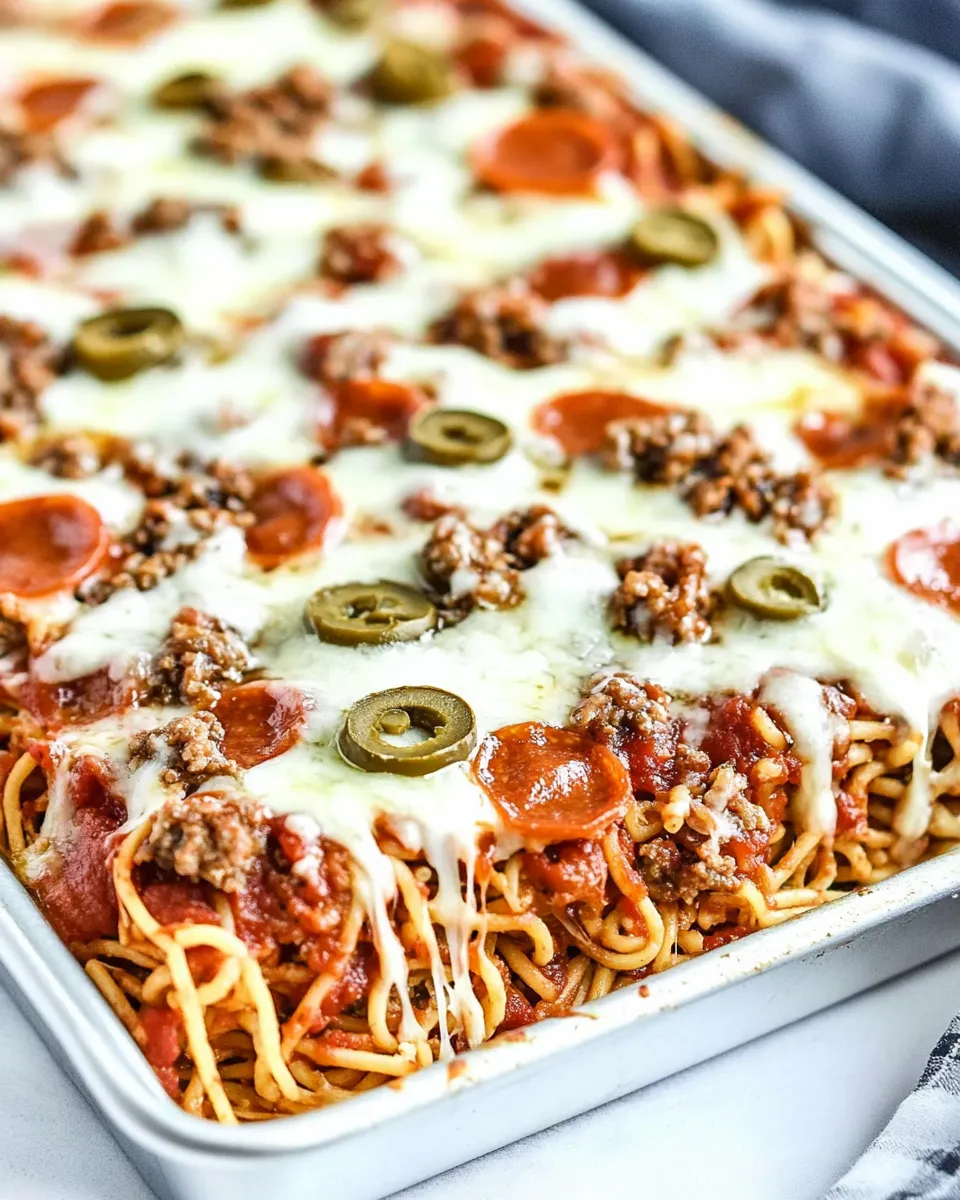
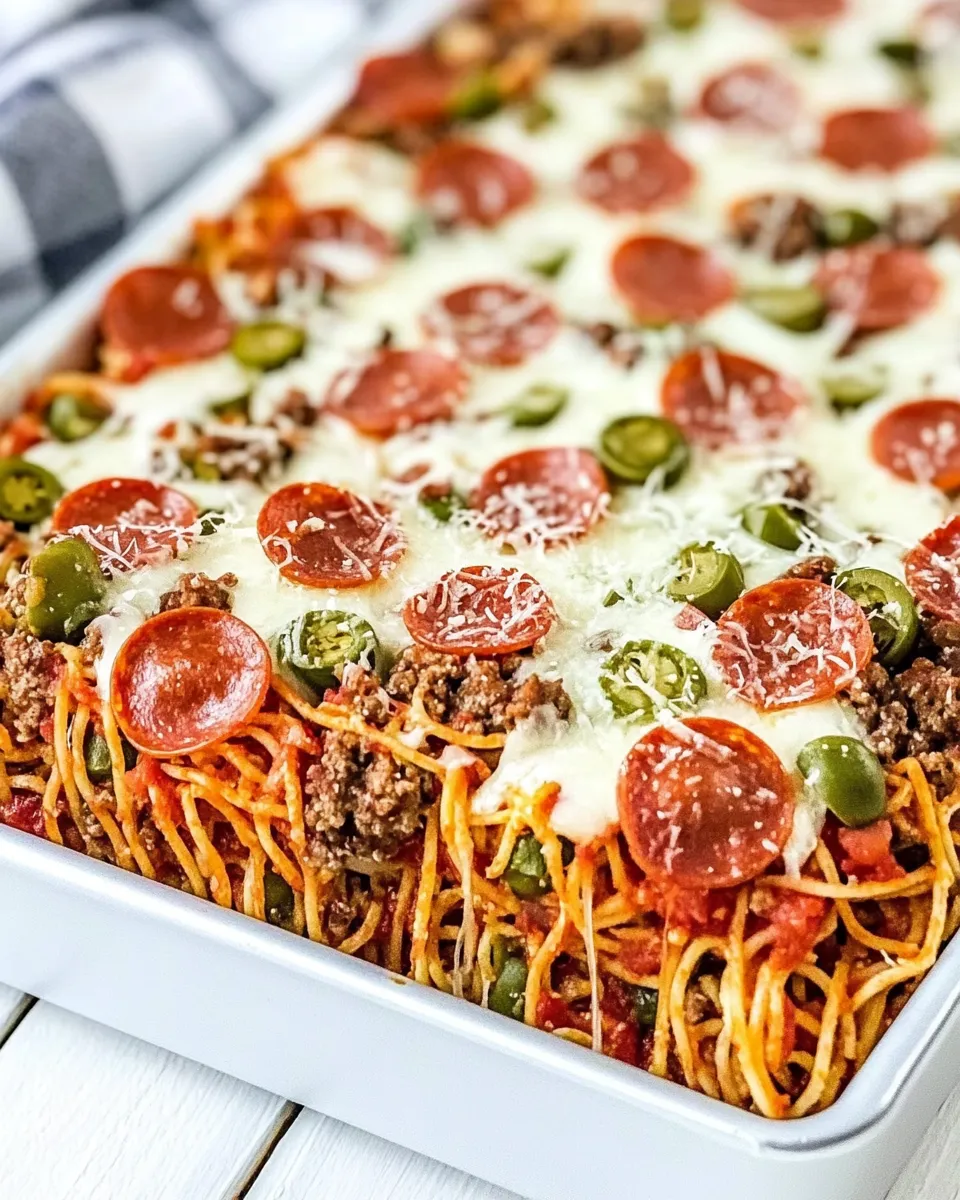
- pizza toppings — whatever you like: pepperoni, bell peppers, mushrooms, olives, cooked sausage, or fresh basil.
Cook Sheet Pan Spaghetti Pizza Like This
- Preheat the oven to 400°F. Grease a 15x10x1-inch rimmed baking sheet with cooking spray.
- Bring a large pot of salted water to a boil and cook the 16-oz spaghetti according to package directions until al dente. Drain and rinse under cool running water to stop the cooking. Set the cooked spaghetti aside.
- In a large bowl, whisk together 2/3 cup milk and 2 large eggs until combined.
- Add 1/2 tsp Italian seasoning, 1/2 tsp garlic salt, and salt and pepper to taste to the milk–egg mixture; whisk to incorporate.
- Add the drained spaghetti, 1/2 cup grated Parmesan cheese, and 1 cup of the shredded mozzarella (from the 3 cups); toss or stir until the spaghetti is evenly coated.
- Transfer the spaghetti mixture to the prepared baking sheet and spread it into an even layer, pressing gently so it holds together.
- Bake the spaghetti base in the preheated 400°F oven for 15 minutes.
- Remove the pan from the oven and reduce the oven temperature to 350°F. Evenly spread the 24-oz jar of spaghetti sauce over the baked spaghetti base. Sprinkle the remaining 2 cups shredded mozzarella over the sauce and add your pizza toppings.
- Return the pan to the 350°F oven and bake for 20 to 25 minutes, or until the cheese is melted and bubbly. Let cool a few minutes before slicing and serving.
Why This Recipe Works
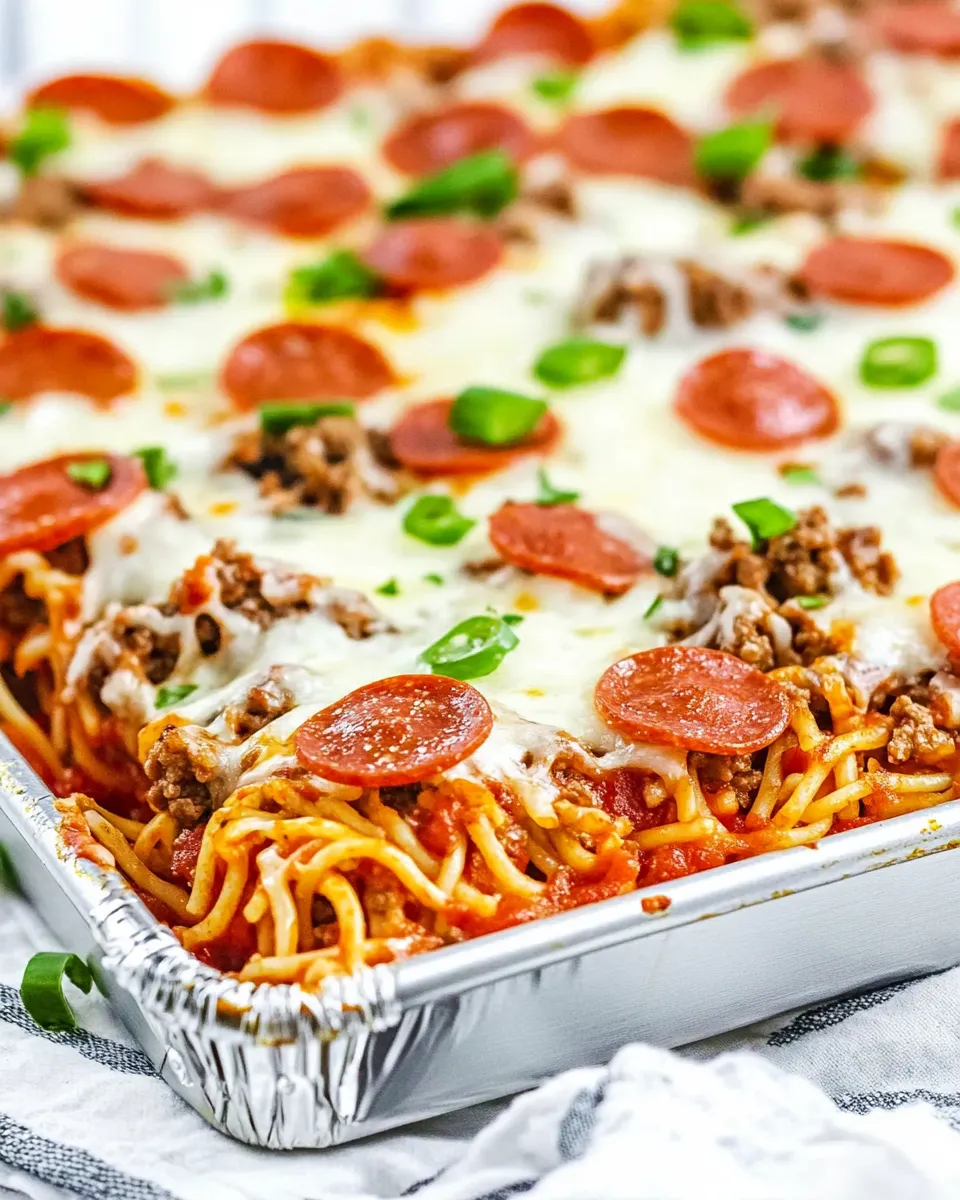
The magic is the combination of binders and cheeses. Eggs and milk create a custardy binder that grips the spaghetti, while Parmesan lends saltiness and helps the crust brown. A cup of mozzarella folded into the cooked pasta integrates with the egg mixture to give the base structure; the remaining two cups melt on top for the classic pizza look and mouthfeel.
Baking the base first at a higher temperature sets the structure so it can support sauce and toppings without turning soggy. Reducing the oven temperature after the initial bake prevents the top from burning while allowing the cheese to fully melt and the toppings to cook through.
Smart Substitutions
- Swap the jarred spaghetti sauce for an equal amount of store-bought marinara or homemade tomato sauce.
- Use a different hard cheese instead of Parmesan (like Pecorino) if you prefer a sharper bite.
- For a lower-fat version, use part-skim mozzarella in place of whole milk mozzarella; expect slightly different melt and browning behavior.
- If you don’t have Italian seasoning, use a mix of dried basil and oregano in equal parts to approximate the flavor.
Tools & Equipment Needed
- 15x10x1-inch rimmed baking sheet — the recipe is built around this size so the base bakes evenly.
- Large pot — for cooking spaghetti to al dente.
- Large bowl — to whisk milk and eggs and toss spaghetti with cheeses.
- Spatula or clean hands — to spread and press the spaghetti into an even layer on the sheet.
- Measuring cups and spoons — for accurate dairy and seasoning measurements.
- Oven mitts and a cooling rack — for safe handling after baking.
Things That Go Wrong
Base falls apart when sliced — Usually the spaghetti wasn’t pressed firmly enough into an even layer, or it was overcooked and too soft. Rinse cooked pasta in cool water and press it firmly into the pan before baking. If it’s still loose after the initial bake, let it rest a few minutes; residual heat helps the binders set.
Top gets brown but cheese is still unmelted — That can happen if your oven has hot spots or if you used cold cheese straight from the fridge. Let shredded cheese sit at room temperature for 10–15 minutes before topping, and rotate the pan halfway through baking for even heat.
Soggy center — Too much sauce will bog down the base. Use a thin, even layer of sauce and be sure the base had its 15-minute bake so it’s set before saucing.
Substitutions by Diet
- Gluten-free: Use gluten-free dry spaghetti and confirm your jarred sauce is gluten-free. The rest of the method is unchanged.
- Dairy-free / vegan: Replace milk with unsweetened plant milk and use a vegan egg replacer (or a commercial binder like aquafaba) in place of eggs. Swap Parmesan and mozzarella for dairy-free cheeses; expect a different melt and texture.
- Vegetarian: This recipe is vegetarian-friendly as written, assuming your pizza toppings are plant-based or use vegetarian-friendly cheeses and meats.
- Low-carb / keto: Replace the spaghetti with a low-carb noodle alternative designed for baking, or try a cauliflower crust approach (note: this changes the method and won’t follow the exact recipe proportions).
Method to the Madness
Think of this as two jobs: make a sturdy, sliceable spaghetti “crust,” then treat it like a pizza. The first job is all about removing excess moisture, introducing enough binder, and giving the base a short, hot bake so it firms up. The second job is classic pizza assembly — sauce, cheese, toppings — finished at a slightly lower temperature so everything melts and warms through without overcooking the crust.
Quick stage breakdown
- Cook and cool the pasta — stops carryover cooking and keeps strands from over-softening.
- Toss with binder and cheeses — distributes flavor and creates cohesion.
- Press and bake base at 400°F — fast heat for setting and light browning.
- Add sauce and top, then finish at 350°F — gentle finishing that melts and unifies.
Best Ways to Store
Cool completely before storing to prevent sogginess. Cover the pan tightly or transfer slices to an airtight container and refrigerate for up to 3–4 days. Reheat in a 350°F oven on a baking sheet for 10–12 minutes or until warmed through; this keeps the crust crisper than a microwave.
For longer storage, freeze individual slices on a sheet tray until firm, then transfer to a freezer bag. Reheat from frozen in a 375°F oven for 18–25 minutes, or thaw overnight in the fridge and reheat as above.
Quick Q&A
Can I use fresh pasta? You can, but fresh pasta is softer than dried and may produce a looser base. If you use fresh, reduce the moisture elsewhere (use less sauce) and press very firmly before baking.
Do I have to rinse the spaghetti? Yes. Rinsing under cool water stops the cooking process and prevents the strands from sticking into a gummy mass. It also cools them slightly so the eggs and milk don’t scramble when mixed.
What toppings work best? Anything you’d put on a pizza after precooking meats and hearty veg. Keep watery vegetables (like fresh tomatoes) to a minimum unless you roast or drain them first, to avoid sogginess.
Bring It to the Table
Let the pan rest for 5–10 minutes after the final bake so slices hold together when served. Cut into squares or rectangles for casual family-style service, or slice like a traditional pizza if you prefer. Serve with a simple green salad and a drizzle of extra-virgin olive oil or a sprinkle of fresh basil to brighten the rich, cheesy layers.
This is the kind of dish that invites customization and conversation. Make a big pan, let everyone top their portion, and enjoy a comfort-meets-creative weeknight meal that’s practical without being fussy.
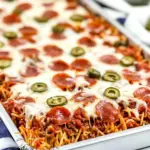
Sheet Pan Spaghetti Pizza
Ingredients
Ingredients
- 16- ozspaghetti ,uncooked
- 2/3 cupmilk
- 2 largeeggs
- 1/2 tspItalian seasoning
- 1/2 tspgarlic salt
- salt and pepper ,to taste
- 1/2 cupgrated parmesan cheese
- 3 cupsshredded mozzarella cheese ,divided
- 1 24-ozjar spaghetti sauce
- pizza toppings
Instructions
Instructions
- Preheat the oven to 400°F. Grease a 15x10x1-inch rimmed baking sheet with cooking spray.
- Bring a large pot of salted water to a boil and cook the 16-oz spaghetti according to package directions until al dente. Drain and rinse under cool running water to stop the cooking. Set the cooked spaghetti aside.
- In a large bowl, whisk together 2/3 cup milk and 2 large eggs until combined.
- Add 1/2 tsp Italian seasoning, 1/2 tsp garlic salt, and salt and pepper to taste to the milk–egg mixture; whisk to incorporate.
- Add the drained spaghetti, 1/2 cup grated Parmesan cheese, and 1 cup of the shredded mozzarella (from the 3 cups); toss or stir until the spaghetti is evenly coated.
- Transfer the spaghetti mixture to the prepared baking sheet and spread it into an even layer, pressing gently so it holds together.
- Bake the spaghetti base in the preheated 400°F oven for 15 minutes.
- Remove the pan from the oven and reduce the oven temperature to 350°F. Evenly spread the 24-oz jar of spaghetti sauce over the baked spaghetti base. Sprinkle the remaining 2 cups shredded mozzarella over the sauce and add your pizza toppings.
- Return the pan to the 350°F oven and bake for 20 to 25 minutes, or until the cheese is melted and bubbly. Let cool a few minutes before slicing and serving.
Equipment
- Rimmed baking sheet
- Mixing bowls
- 6-quart saucepot
- Rotary Cheese Grater
- 10-inch skillet
- Meat Masher Tool
Notes
My favorite store-bought spaghetti sauces are Trader Joe’s Roasted Garlic Marinara (green label), Rao’s, and La Famiglia DelGrosso.
Don’t like red sauce? You can use alfredo sauce for a white pizza.
You can use any pizza toppings that you enjoy. I used pepperoni and Italian sausage. Bell peppers, ground beef, onions, olives, and mushrooms are all delicious. Customize this to your family’s preferences.
For a lower calorie option use turkey sausage and turkey pepperoni.
Can use any combination of cheese that you enjoy. I use mozzarella and parmesan cheese. Give this a try with cheddar, feta, asiago, or fontina. YUM!
Can Baked Spaghetti Pizza be made in advance? Yes! You can assemble the casserole ahead of time and refrigerate it until ready to bake.I usually make the first layer and cover the casserole with plastic wrap and refrigerate it.
I usually make the first layer and cover the casserole with plastic wrap and refrigerate it.
Can Pizza Spaghetti Bake be frozen? Yes! Bake the casserole and cool completely. Cover the pan with plastic wrap and aluminum foil and freeze. When ready to eat, thaw and reheat covered in the oven or in the microwave.