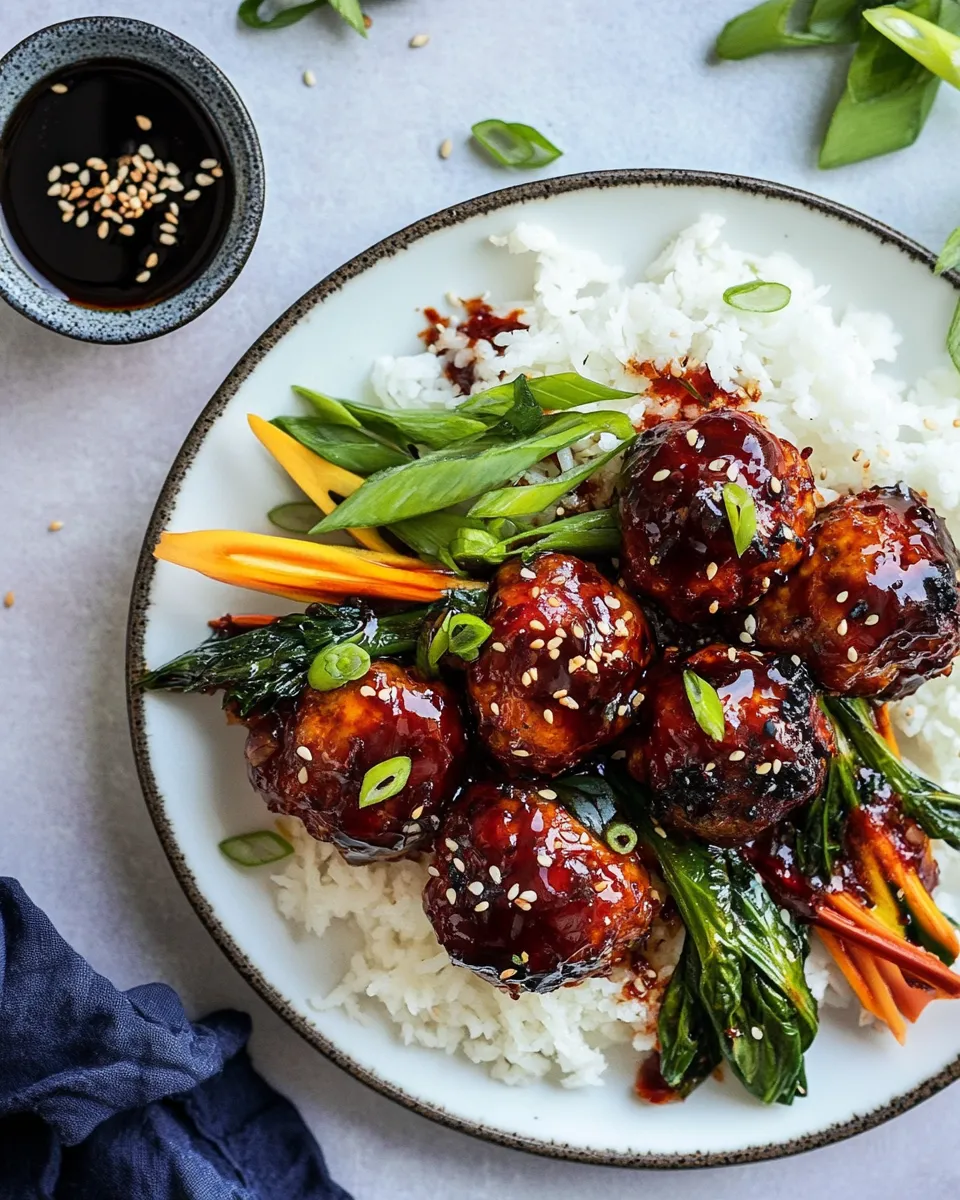
I love recipes that do the heavy lifting for dinner and still taste like you spent time on them. These sheet pan sticky Gochujang meatballs hit that sweet spot: bold Korean flavors, a glossy spicy-sweet sauce, and minimal cleanup. They roast alongside broccoli, so you get a full plate from one pan.
There’s nothing fussy about the technique. A wet meatball mix, a high-heat roast, a quick stovetop sauce, and a final glaze that turns into an irresistible sticky coating. Little choices—like how much Gochujang you add or whether you use Greek yogurt or mayo for the creamier dip—let you tune the heat and tang to your household.
Below I break the recipe down, show you exactly how to move through the steps, and share the practical swaps and storage tips I use when I want this on repeat. If you want a weeknight winner that’s bold, balanced, and easy to scale, this one’s for you.
Ingredient Breakdown
Ingredients
- 1 pound ground turkey or chicken — the lean base for tender, light meatballs; mixture will be wet but firms up when baked.
- 2 tablespoons low sodium soy sauce or tamari — seasoning and a bit of umami in the meatball mix.
- 1-2 tablespoons Gochujang (Korean chili paste) — heat and fermented depth; adjust within the range to taste.
- 3 green onions, finely chopped — freshness and mild onion bite; reserve some for garnish.
- 1 inch fresh ginger, grated — bright, warming aromatics used in both meatballs and sauce.
- 1 clove garlic, minced or grated — savory backbone for the meatball mixture.
- 1 large head broccoli, cut into florets — the roasting partner to the meatballs; caramelizes nicely at high heat.
- 2 tablespoons sesame oil or extra virgin olive oil — toss the broccoli for flavor and crisping.
- 1/3 cup low sodium soy sauce or tamari — base for the sticky Gochujang sauce.
- 2 tablespoons honey — sweetener that helps the sauce become glossy and sticky.
- 2 tablespoons rice vinegar — brightens the sauce and balances the honey.
- 1-2 tablespoons Gochujang (Korean chili paste) — more Gochujang for the sauce; match the heat level you chose for the meatballs.
- 1 inch fresh ginger, grated — a second fresh ginger for the sauce to layer that flavor.
- 2 cloves garlic, grated — extra garlic in the sauce for punch.
- 1 tablespoon toasted sesame oil — finishing oil for nutty richness in the sticky sauce.
- 1/4 cup plain Greek yogurt or avocado oil mayo — base for a creamy, spicy sauce to serve alongside.
- rice, sesame seeds, chiles, and Kimchi, for serving — simple serving components to round the meal; use as desired.
Make Sheet Pan Sticky Gochujang Chicken Meatballs: A Simple Method
- Preheat the oven to 450°F (230°C). Line a rimmed baking sheet with parchment paper.
- Prepare aromatics and scallions: finely chop all 3 green onions and set a small portion aside for serving; grate 1 inch fresh ginger and mince or grate 1 clove garlic for the meatball mix.
- Make the meatball mixture: in a medium bowl combine 1 pound ground turkey or chicken, 2 tablespoons low sodium soy sauce or tamari, 1–2 tablespoons Gochujang (adjust for heat), the finely chopped green onions (reserve a bit for garnish as noted), the grated 1 inch ginger, and the 1 clove garlic. Mix gently until just combined—the mixture will be wet but will firm up when baked.
- Form the meatballs: lightly oil your hands and roll the mixture into rounded tablespoon-size meatballs (about 15–16). Arrange the meatballs on one side of the prepared baking sheet, leaving space on the other side for the broccoli.
- Prepare the broccoli: cut 1 large head broccoli into florets. Toss the florets with 2 tablespoons sesame oil or extra virgin olive oil and spread them on the other side of the baking sheet in a single layer.
- Bake the meatballs and broccoli: roast in the preheated oven for 15 minutes, until the meatballs are cooked through and the broccoli is tender and beginning to brown.
- While they bake, make the sticky Gochujang sauce: in a small saucepan combine 1/3 cup low sodium soy sauce or tamari, 2 tablespoons honey, 2 tablespoons rice vinegar, 1–2 tablespoons Gochujang, the second grated 1 inch fresh ginger, 2 cloves garlic (grated), and 1 tablespoon toasted sesame oil. Bring to a simmer over medium heat and cook, stirring occasionally, until the sauce thickens slightly, about 3–5 minutes. Remove from heat.
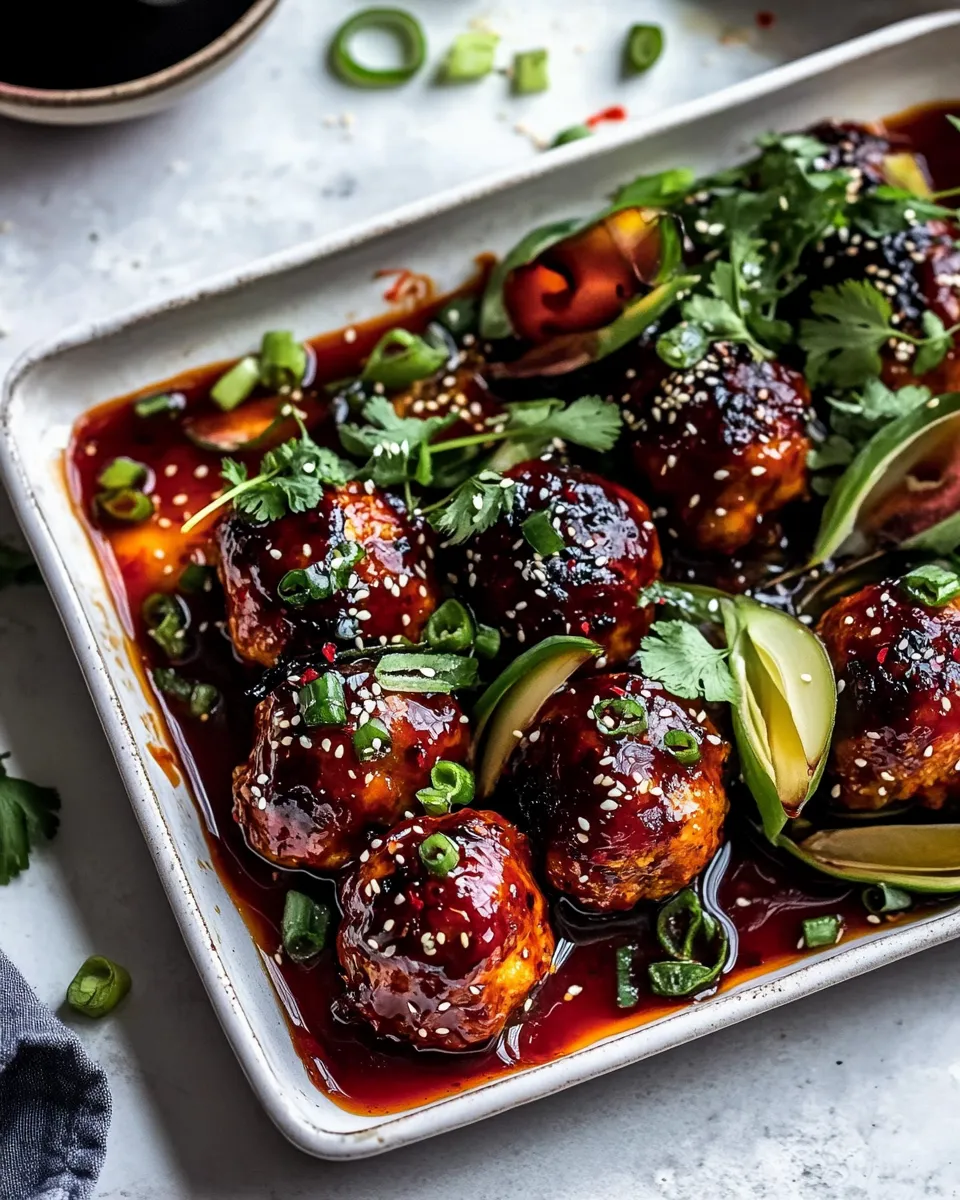
- Finish the meatballs with sauce: when the baking sheet comes out of the oven, remove the broccoli and set aside. Pour about half of the hot sticky Gochujang sauce over the meatballs and gently toss or spoon to coat. Return the coated meatballs to the oven for 2–3 minutes to let the sauce set and become glossy.
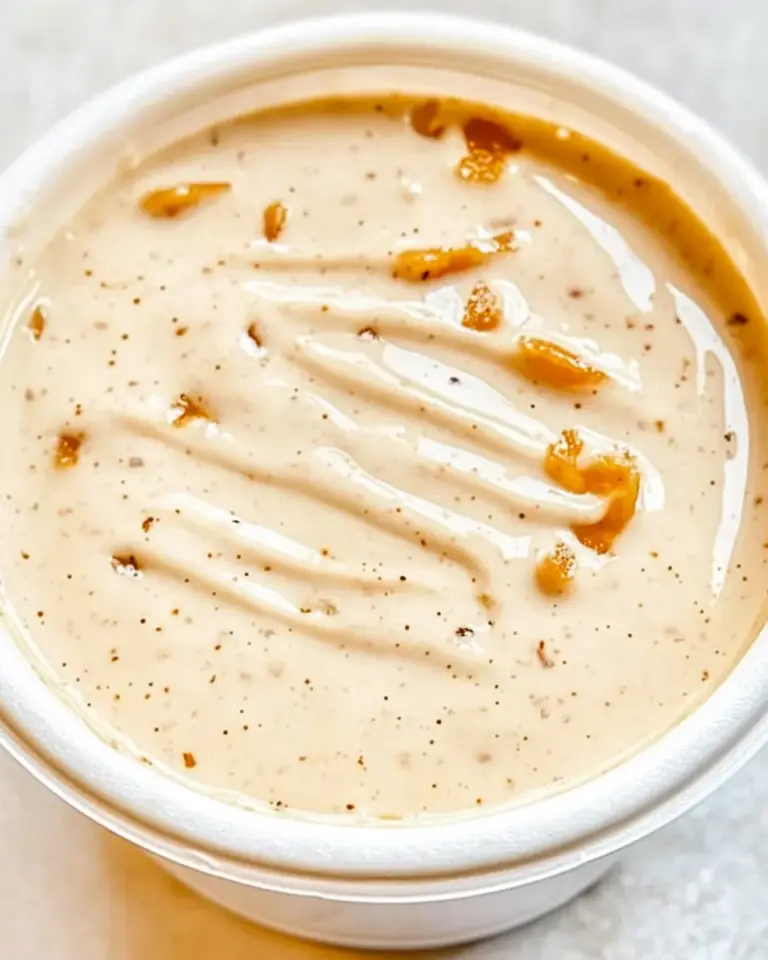
- Make the creamy sauce: stir 2–3 tablespoons of the remaining sticky Gochujang sauce into 1/4 cup plain Greek yogurt or avocado oil mayo to make a creamy, spicy sauce.
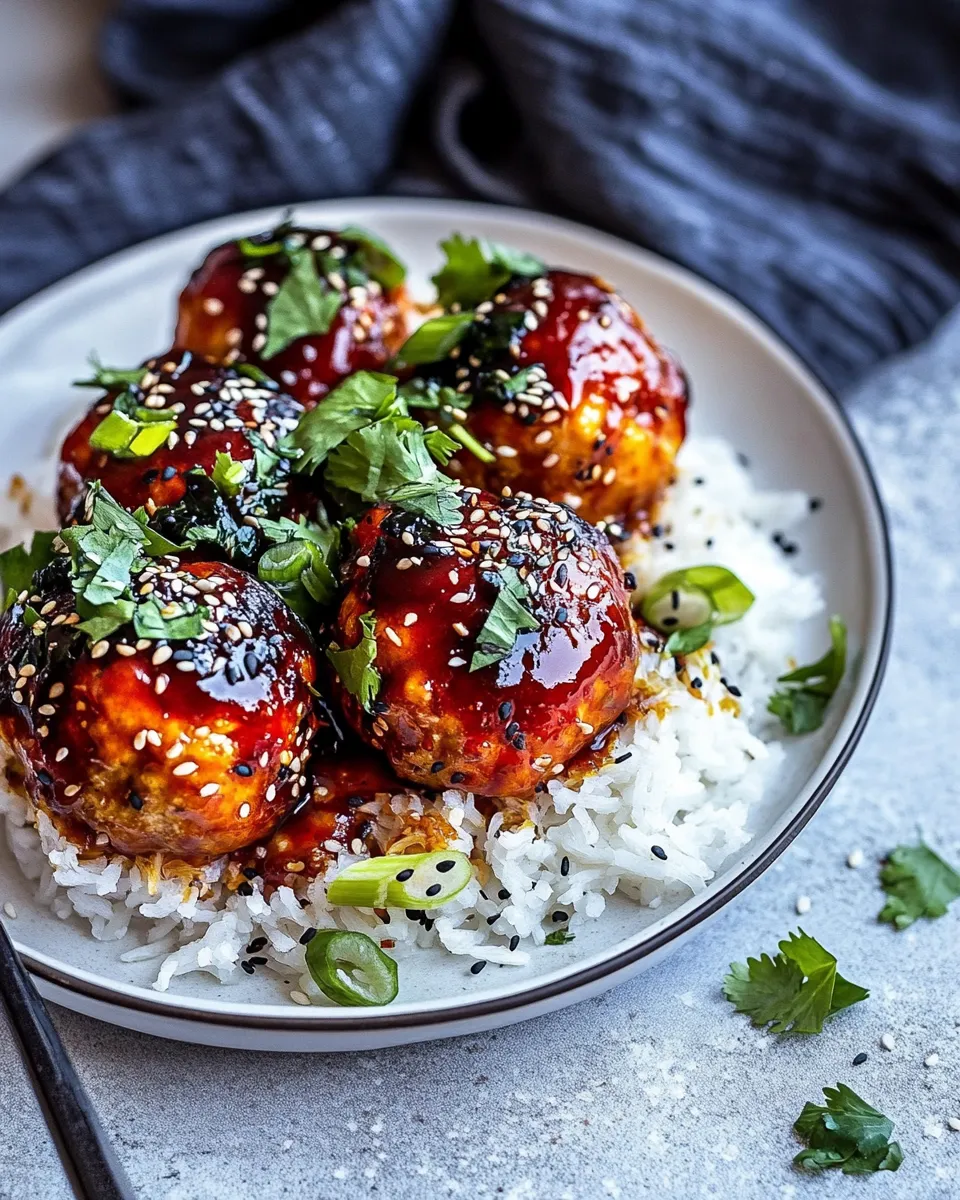
- Serve: plate the meatballs over rice, serve the roasted broccoli on the side, and top with the reserved chopped green onions and sesame seeds. Offer the creamy Gochujang-yogurt sauce on the side and serve chiles and Kimchi as desired.
Why This Recipe is a Keeper
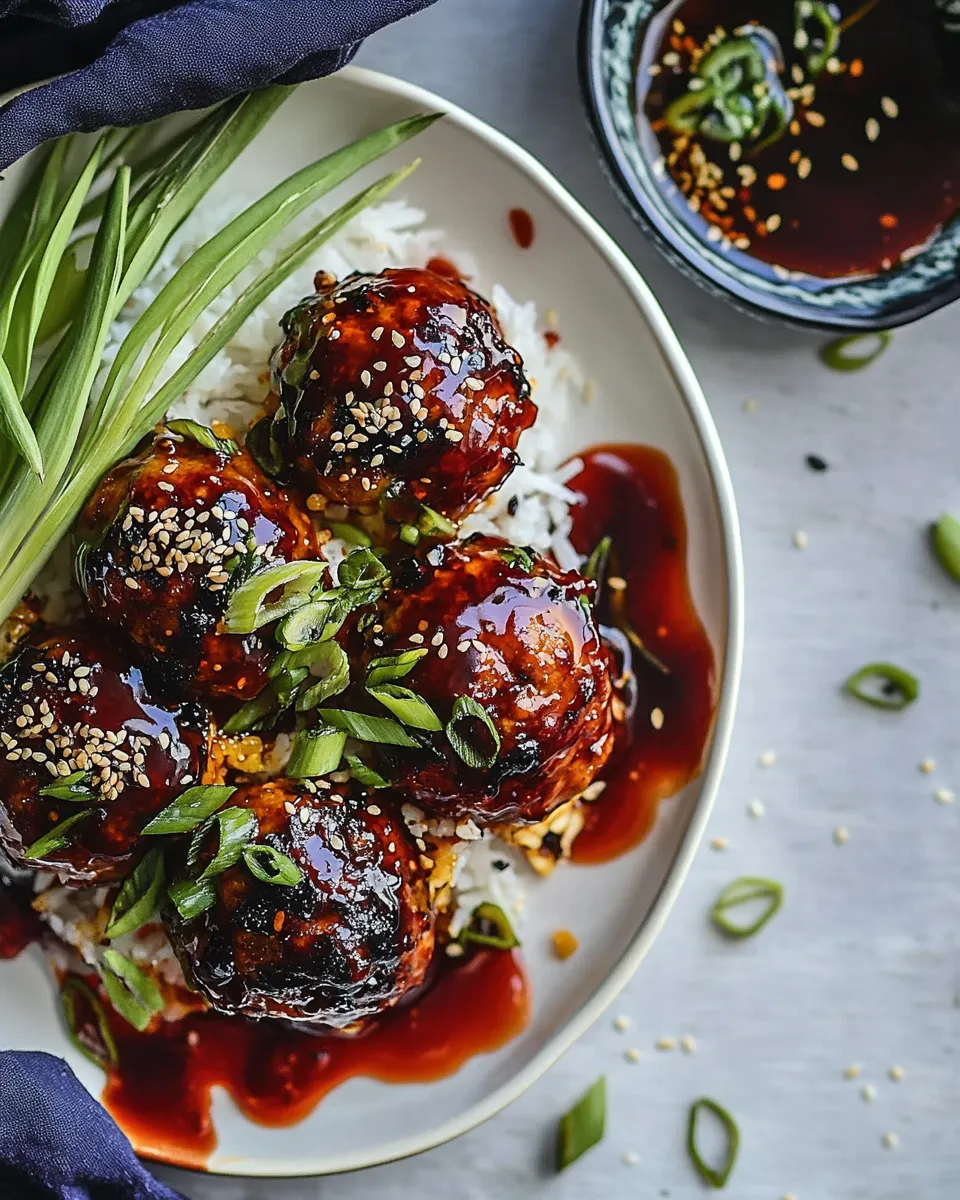
This recipe combines a few reliable ideas: one-pan roasting, a small saucy finish, and a separate creamy sauce for contrast. The high oven temperature gives the meatballs a quick sear so they stay moist inside while getting color on the outside. The sticky Gochujang glaze brings sweet, salty, tangy, and spicy in one glossy coat, which keeps everyone reaching for seconds.
It’s also forgiving. The meatball mix is intentionally wet, so it doesn’t need precise binding or long hands-on time. The sauce is made on the stovetop and reduced quickly—if it’s a hair thinner than you want, a couple more minutes of simmering will fix it. Overall, it’s efficient, flavor-forward, and easy to dial up or down.
Quick Replacement Ideas
- Protein: use either of the listed options—ground turkey or chicken—depending on what you have.
- Soy seasoning: switch between low sodium soy sauce or tamari (both are listed) for a gluten-sensitive option.
- Oil for veg: use sesame oil or extra virgin olive oil (both listed) when tossing the broccoli.
- Creamy sauce base: pick either plain Greek yogurt or avocado oil mayo (both listed) to change tang and richness.
- Gochujang heat: use the 1–2 tablespoons range listed in both the meatball mix and the sauce to control spice.
Must-Have Equipment
- Rimmed baking sheet (large enough to keep meatballs and broccoli separated).
- Parchment paper to prevent sticking and make cleanup easy.
- Medium mixing bowl for the meatball mix.
- Small saucepan for the sticky Gochujang sauce.
- Microplane or fine grater for ginger and garlic if you prefer a smooth distribution of flavor.
- Measuring spoons and cups to keep sauce proportions consistent.
Avoid These Traps
- Overmixing the meatball mix: mix gently. Overworking can make meatballs dense.
- Overcrowding the pan: arrange meatballs with space between them so they brown instead of steaming.
- Skipping the sauce reduction: the sauce needs those 3–5 minutes to thicken and shine—skip it and the glaze won’t stick properly.
- Using cold mix straight from the fridge without adjusting roast time: if your meat mix is very cold it may need an extra minute or two; watch doneness.
Adaptations for Special Diets
Gluten sensitivity: choose tamari in place of low sodium soy sauce (tamari is listed as an option).
Lower sodium: use the low sodium soy sauce option as specified in both the meatball and sauce ingredients.
Milder heat: stick to the 1-tablespoon end of the Gochujang ranges listed in the recipe for both the meatball mix and the sauce. The creamy Gochujang-yogurt or mayo dip (made from ingredients already listed) will also tame the heat on the plate.
Cook’s Notes
Texture tips
The recipe intentionally yields a wet meatball mixture. That’s okay—these are not dry, dense meatballs. The quick high-heat roast firms them up without drying them out. If you prefer a firmer meatball, refrigerate the formed balls for 15–20 minutes before baking, but this step is optional.
Timing notes
Keep an eye during the final 2–3 minutes after saucing; you want the sauce to set and become glossy, not burn. If your oven runs hot, 2 minutes may be plenty.
Serving suggestions
Serve over rice as suggested. Sprinkle with the reserved green onions and sesame seeds for freshness and crunch. Offer the creamy Gochujang-yogurt or mayo dip on the side for balancing heat.
Shelf Life & Storage
Refrigerator: store cooked meatballs and roasted broccoli in an airtight container for up to 3 days. Keep the extra sticky sauce and the creamy sauce in separate containers to preserve texture.
Freezing: cool completely, then freeze meatballs (unsauced is best) in a single layer on a tray before transferring to a freezer bag for up to 2 months. Thaw overnight in the fridge, reheat in a 350°F (175°C) oven until warmed through, and finish with the sticky sauce warmed on the stove.
Reheat tip: reheat gently in the oven or a covered skillet with a splash of water or a little extra sauce to keep things glossy and moist.
Ask the Chef
Q: Can I make the sauce ahead? A: Yes. The sticky Gochujang sauce keeps in the fridge for 4–5 days. Warm it gently before using—if it thickened too much, loosen with a teaspoon of water at a time.
Q: My family doesn’t love heat. A: Use the lower Gochujang amounts listed and lean on the creamy yogurt or mayo dip to cool each bite.
Q: Can I double this? A: Yes. Use two baking sheets or a larger sheet—don’t overcrowd. The timing will be similar, but check that meatballs are cooked through.
Time to Try It
This is one of those recipes that looks more polished than the effort it requires. The combination of quick roasting and a concentrated, sticky sauce gives you a restaurant-level finish without a restaurant-level time sink. Follow the steps, trust the brief sauce reduction, and adjust the Gochujang to your family’s favorite heat level.
Make a batch, keep the sauce in the fridge, and you’ll find yourself coming back to this pattern when you want a bold, fast, and satisfying dinner. Tag me with your variations—I want to know whether you went yogurt or mayo for the creamy dip, and how much Gochujang felt just right for your table.
Sheet Pan Sticky Gochujang Chicken Meatballs.
Ingredients
Ingredients
- 1 poundground turkey or chicken
- 2 tablespoonslow sodium soy sauce or tamari
- 1-2 tablespoonsGochujang Korean chili paste
- 3 green onions finely chopped
- 1 inchfresh ginger grated
- 1 clovegarlic minced or grated
- 1 large head broccoli cut into florets
- 2 tablespoonssesame oil or extra virgin olive oil
- 1/3 cuplow sodium soy sauce or tamari
- 2 tablespoonshoney
- 2 tablespoonsrice vinegar
- 1-2 tablespoonsGochujang Korean chili paste
- 1 inchfresh ginger grated
- 2 clovesgarlic grated
- 1 tablespoontoasted sesame oil
- 1/4 cupplain Greek yogurt or avocado oil mayo
- rice sesame seeds, chiles, and Kimchi, for serving
Instructions
Instructions
- Preheat the oven to 450°F (230°C). Line a rimmed baking sheet with parchment paper.
- Prepare aromatics and scallions: finely chop all 3 green onions and set a small portion aside for serving; grate 1 inch fresh ginger and mince or grate 1 clove garlic for the meatball mix.
- Make the meatball mixture: in a medium bowl combine 1 pound ground turkey or chicken, 2 tablespoons low sodium soy sauce or tamari, 1–2 tablespoons Gochujang (adjust for heat), the finely chopped green onions (reserve a bit for garnish as noted), the grated 1 inch ginger, and the 1 clove garlic. Mix gently until just combined—the mixture will be wet but will firm up when baked.
- Form the meatballs: lightly oil your hands and roll the mixture into rounded tablespoon-size meatballs (about 15–16). Arrange the meatballs on one side of the prepared baking sheet, leaving space on the other side for the broccoli.
- Prepare the broccoli: cut 1 large head broccoli into florets. Toss the florets with 2 tablespoons sesame oil or extra virgin olive oil and spread them on the other side of the baking sheet in a single layer.
- Bake the meatballs and broccoli: roast in the preheated oven for 15 minutes, until the meatballs are cooked through and the broccoli is tender and beginning to brown.
- While they bake, make the sticky Gochujang sauce: in a small saucepan combine 1/3 cup low sodium soy sauce or tamari, 2 tablespoons honey, 2 tablespoons rice vinegar, 1–2 tablespoons Gochujang, the second grated 1 inch fresh ginger, 2 cloves garlic (grated), and 1 tablespoon toasted sesame oil. Bring to a simmer over medium heat and cook, stirring occasionally, until the sauce thickens slightly, about 3–5 minutes. Remove from heat.
- Finish the meatballs with sauce: when the baking sheet comes out of the oven, remove the broccoli and set aside. Pour about half of the hot sticky Gochujang sauce over the meatballs and gently toss or spoon to coat. Return the coated meatballs to the oven for 2–3 minutes to let the sauce set and become glossy.
- Make the creamy sauce: stir 2–3 tablespoons of the remaining sticky Gochujang sauce into 1/4 cup plain Greek yogurt or avocado oil mayo to make a creamy, spicy sauce.
- Serve: plate the meatballs over rice, serve the roasted broccoli on the side, and top with the reserved chopped green onions and sesame seeds. Offer the creamy Gochujang-yogurt sauce on the side and serve chiles and Kimchi as desired.
Equipment
- Rimmed baking sheet
- Parchment Paper
- Medium Bowl
- Small Saucepan