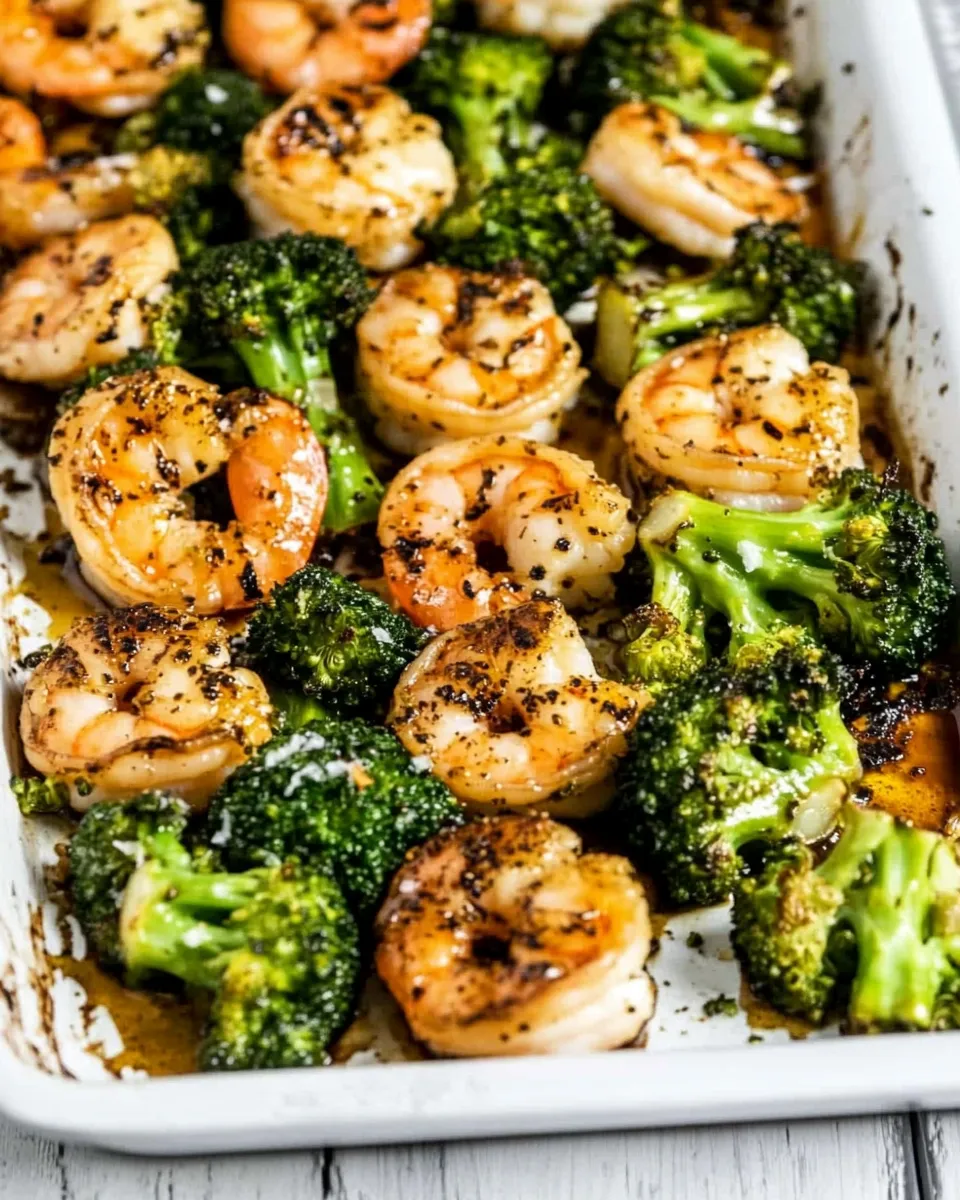
I fell in love with sheet-pan dinners the first winter I needed something reliable, fast, and not fussy. This Shrimp and Broccoli Sheet Pan Meal does exactly that: just a handful of ingredients, a hot oven, and a single baking sheet between you and a dinner that tastes fresh and bright. It’s ideal for nights when you want something wholesome on the table without babysitting a pan or dealing with lots of dishes.
The method is straightforward and forgiving. Roast the broccoli first to get a little color and caramelization, then tuck thawed shrimp into the spaces and finish everything together. Timing is forgiving, and the steps are written so you can swap cooking windows slightly to match the size of your shrimp and how tender you like your broccoli.
I’ll walk you through every detail — what goes into the dish, the exact step-by-step process, the tools that make it easier, common mistakes to avoid, and sensible tweaks if you want it lighter or need to adjust for picky eaters. No gimmicks. Just a practical, reliably tasty weeknight winner.
What Goes Into Shrimp and Broccoli Sheet Pan Meal
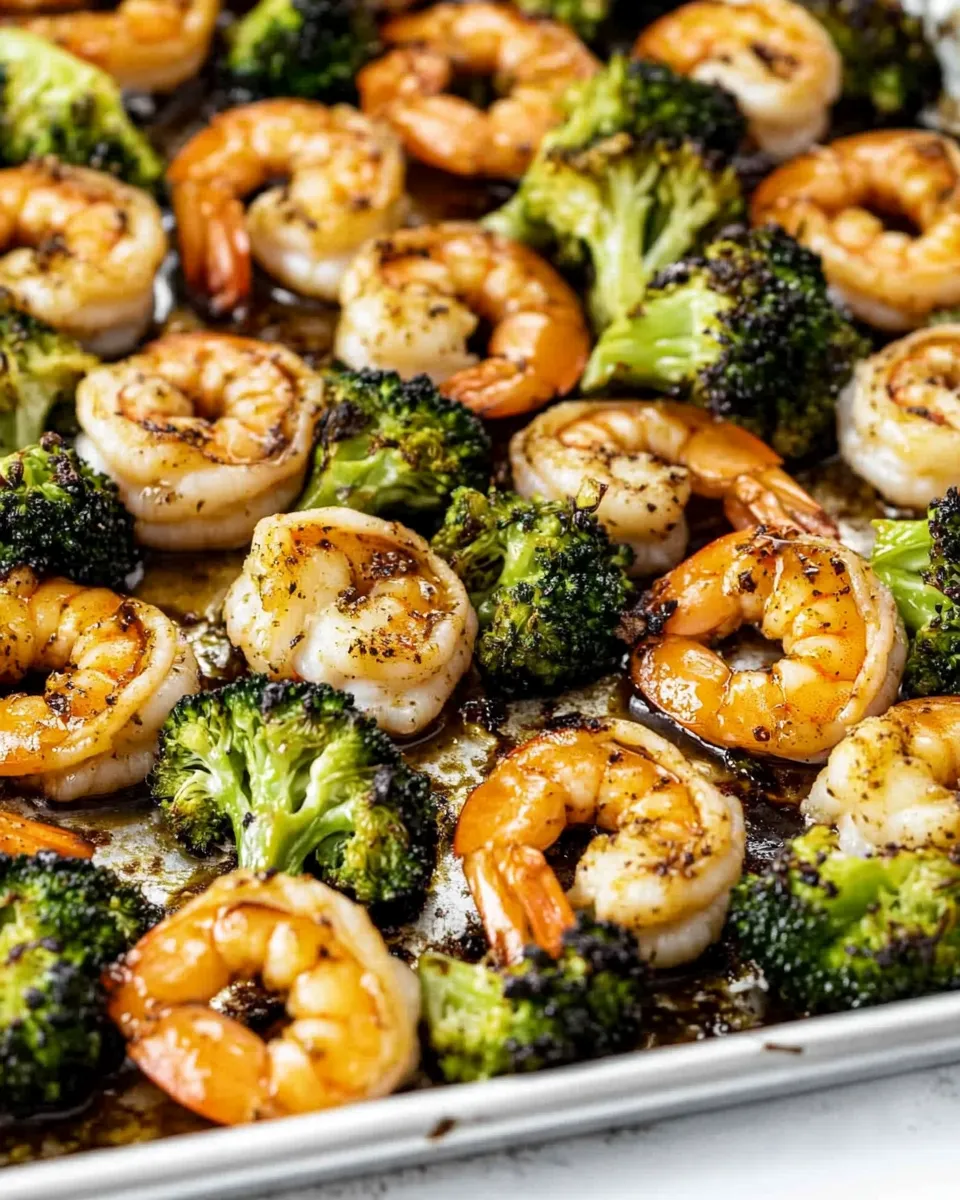
- 1 lb. large frozen shrimp, peeled and deveined (see notes) — The protein; thaw and drain well so they roast rather than steam.
- 1 lb. fresh broccoli, trimmed and cut into bite-sized pieces (see notes) — The vegetable base; bite-sized pieces roast evenly and get crisp-tender florets.
- 1 1/2 T + 2 tsp. olive oil — Divided between the broccoli and the sheet pan to encourage browning and prevent sticking.
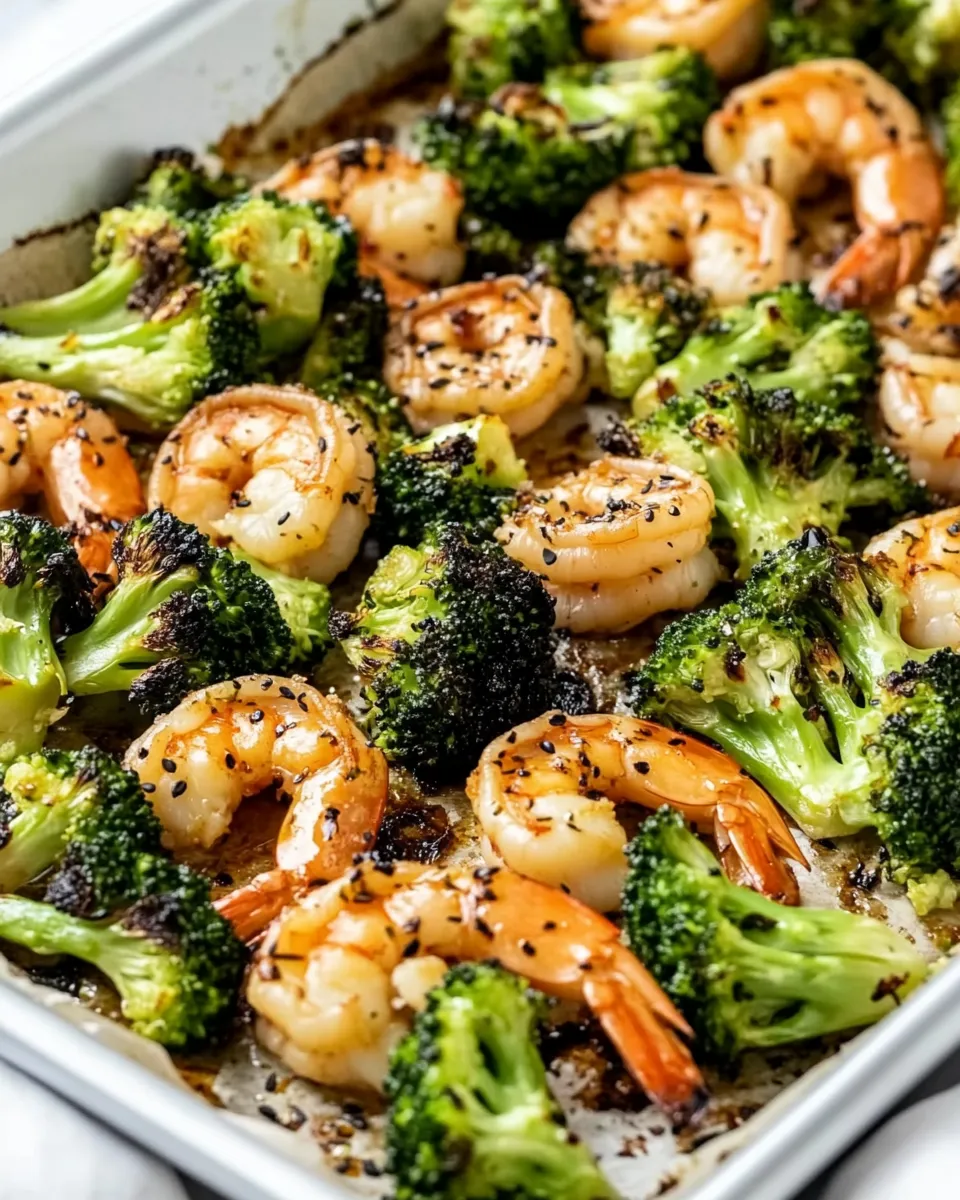
- 2 tsp. black sesame seeds (optional) — A finish that adds visual contrast and a subtle nutty note; optional but pretty.
Cooking Shrimp and Broccoli Sheet Pan Meal: The Process
- Thaw the 1 lb. frozen shrimp in the refrigerator overnight or while you are at work; when thawed, drain the shrimp thoroughly in a colander set in the sink and pat dry with paper towels.
- Preheat the oven to 400°F (200°C).
- Trim the 1 lb. fresh broccoli and cut into bite-sized pieces.
- Place the broccoli in a large bowl and toss with 1 1/2 tablespoons olive oil until evenly coated.
- Brush a large baking sheet with 2 teaspoons olive oil.
- Spread the oiled broccoli in a single layer on the prepared baking sheet, leaving some spaces between pieces.
- Roast the broccoli for 12–15 minutes, or until it reaches your preferred tender-crisp level (check a piece at 10–12 minutes if you like it fairly crisp). Note: the broccoli will cook further once the shrimp are added; if your shrimp are very small, you may want to roast the broccoli a few minutes longer before adding shrimp.
- Remove the baking sheet from the oven and arrange the thawed, drained shrimp in a single layer in the spaces between the broccoli pieces.
- Return the baking sheet to the oven and roast 6–8 minutes more, beginning to check for doneness after 4–5 minutes. Shrimp are done when they are barely firm and bright pink.
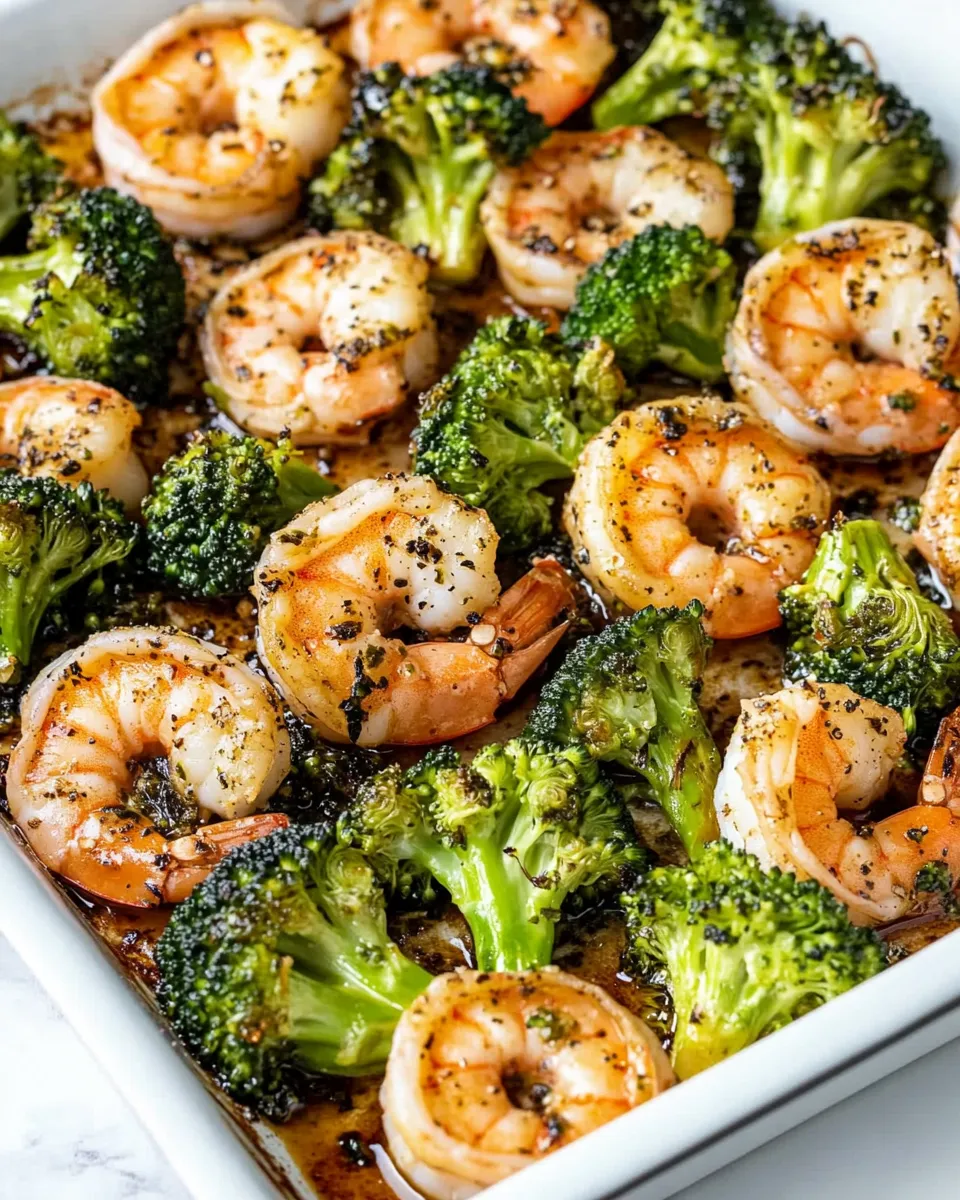
- Remove from the oven, sprinkle with the optional 2 teaspoons black sesame seeds if desired, and serve hot.
Why This Recipe is a Keeper
This meal hits the sweet spot between speed and satisfaction. Roasting concentrates flavor in the broccoli while keeping it crisp; the shrimp cook quickly and stay tender when you don’t overcook them. Because everything finishes on one sheet, there’s no juggling pans or last-minute transfers. Cleanup is faster and dinner arrives at the table still warm and uncomplicated.
It’s also flexible without being complicated. The stepwise roast-then-add approach gives you control: you can push the broccoli a little darker for deeper flavor or pull it earlier if you like a crunchier bite. The shrimp cook fast, so the recipe is naturally forgiving of busy schedules. Once you get the timing dialed in for your oven and the size of your shrimp, this becomes a weekly staple.
Healthier Substitutions
If you want to nudge this toward a lighter profile without changing the essence of the dish, choose lean sourcing and small adjustments rather than complex swaps. Use the same frozen shrimp but check labels and buy one with no added sodium or sauces. Choose extra-virgin olive oil if you prefer its flavor, and simply reduce the total oil slightly if you’re trimming calories — the broccoli will still brown with a thin, even coat.
The optional black sesame seeds are a purely visual and textural finish. If you’re avoiding added toppings, you can skip them entirely. The technique — roasting broccoli and baking thawed shrimp — remains the same and preserves the lean, protein-plus-veggie balance that makes this meal healthy by default.
Toolbox for This Recipe
- Large rimmed baking sheet — Gives you room to spread broccoli and shrimp so everything roasts instead of steams.
- Large mixing bowl — For tossing broccoli with oil so pieces are evenly coated.
- Colander and paper towels — Essential for draining thawed shrimp and removing excess moisture.
- Kitchen tongs or spatula — For arranging broccoli and placing shrimp in the spaces without crowding.
- Oven thermometer (optional) — Helpful if your oven runs hot or cool; accurate temperature helps timing.
Frequent Missteps to Avoid
- Overcrowding the pan — Crowding traps steam and prevents browning. Leave space between pieces so hot air circulates.
- Skipping the dry — If the shrimp aren’t patted dry they’ll release water and steam instead of roasting; always drain and pat them well.
- Adding shrimp too early — Shrimp cook quickly; add them only after the broccoli has had its initial roast so both components finish properly.
- Not checking shrimp early — Start checking at 4–5 minutes after adding shrimp; overcooked shrimp get rubbery fast.
Health-Conscious Tweaks
Small adjustments can improve the dish’s nutrition profile while keeping the same taste and texture. Reduce the oil by brushing it thinly across the baking sheet and tossing the broccoli with the smaller quantity; it will still brown. Use shrimp labeled with no added sodium, or rinse briefly after thawing and pat dry to remove any packing liquid. Keep portions balanced by using equal weights of protein and vegetable — this recipe’s 1:1 ratio is already a good baseline.
If you’re managing sodium or are on a restricted diet, focus on technique to build flavor rather than added seasonings: a hotter roast creates Maillard browning on the broccoli, which reads as savory and satisfying without salt. The sesame seeds are optional and purely for finish; omit them if you’re avoiding seeds or added ingredients.
Recipe Notes & Chef’s Commentary
Thawing matters. Thaw the shrimp in the refrigerator overnight or while you’re at work; cold-but-thawed shrimp hold their shape and roast cleanly. If you’re short on time you can run frozen shrimp under cold water to break them apart, then pat dry thoroughly and proceed, but the overnight refrigerator thaw gives the most consistent result.
Timing and shrimp size
Shrimp size varies. The instructions give a 6–8 minute finish time after adding shrimp, with a check at 4–5 minutes. That’s because smaller shrimp will be done sooner. Look for shrimp that are just firm and have turned bright pink. If you see opaque, curled shrimp that are springy to the touch, they’re done — pull the sheet out immediately.
Broccoli will keep cooking as the shrimp finish. If you prefer your florets very crisp, roast toward the shorter end of the initial 12–15 minute window; if you like them more tender or caramelized, aim toward the longer end. If your shrimp are on the tiny side, you can roast the broccoli a few extra minutes before adding shrimp so everything lines up.
How to Store & Reheat
Cool any leftovers to room temperature no longer than two hours after cooking, then store in an airtight container in the refrigerator for up to 3 days. Lay shrimp and broccoli in a single layer if possible, or use parchment between layers to minimize sogginess. I don’t recommend freezing the finished dish; shrimp texture suffers after a second freeze-thaw cycle.
To reheat, a hot oven or a quick skillet works best — both help restore a little texture. Spread leftovers on a baking sheet and warm at 350°F (175°C) for 8–12 minutes until heated through, or warm in a skillet over medium heat for 3–5 minutes, tossing gently. The microwave will heat quickly but can make broccoli soft; if you must microwave, use short bursts and check frequently.
Top Questions & Answers
Can I use fresh shrimp instead of frozen? Yes. If using fresh shrimp, adjust timing slightly because very large fresh shrimp may need a minute or two longer; always watch for the color and firmness cues.
My broccoli never gets brown — what am I doing wrong? Make sure the florets are spread in a single layer with space between pieces and that your oven is fully preheated to 400°F (200°C). Overcrowding or a cold oven will steam the broccoli instead of roasting it.
How do I know when shrimp are done? Shrimp are done when they’re opaque, bright pink, and just firm to the touch. Start checking after 4–5 minutes of roasting once they’re on the pan; they can go from perfect to overcooked very quickly.
Can I prep components ahead? Yes. Trim and cut the broccoli and store it refrigerated in a sealed container for up to a day. Thaw the shrimp in the fridge overnight. Toss the broccoli with oil just before roasting for the best browning.
Let’s Eat
Serve this straight from the pan while the broccoli still has a touch of bite and the shrimp are tender and juicy. Sprinkle the optional black sesame seeds if you like the little pop of color and texture. It’s a clean, bright dinner that comes together quickly and leaves you more time for the things that matter after dinner.
Enjoy — and if you make it your regular, notice how small timing tweaks for your oven and shrimp size will make it feel tailor-made every single week.
Shrimp and Broccoli Sheet Pan Meal
Ingredients
Ingredients
- 1 lb. large frozen shrimp peeled and deveined (see notes)
- 1 lb. fresh broccoli trimmed and cut into bite-sized pieces (see notes)
- 1 1/2 T + 2 tsp. olive oil
- 2 tsp. black sesame seeds optional
Instructions
Instructions
- Thaw the 1 lb. frozen shrimp in the refrigerator overnight or while you are at work; when thawed, drain the shrimp thoroughly in a colander set in the sink and pat dry with paper towels.
- Preheat the oven to 400°F (200°C).
- Trim the 1 lb. fresh broccoli and cut into bite-sized pieces.
- Place the broccoli in a large bowl and toss with 1 1/2 tablespoons olive oil until evenly coated.
- Brush a large baking sheet with 2 teaspoons olive oil.
- Spread the oiled broccoli in a single layer on the prepared baking sheet, leaving some spaces between pieces.
- Roast the broccoli for 12–15 minutes, or until it reaches your preferred tender-crisp level (check a piece at 10–12 minutes if you like it fairly crisp). Note: the broccoli will cook further once the shrimp are added; if your shrimp are very small, you may want to roast the broccoli a few minutes longer before adding shrimp.
- Remove the baking sheet from the oven and arrange the thawed, drained shrimp in a single layer in the spaces between the broccoli pieces.
- Return the baking sheet to the oven and roast 6–8 minutes more, beginning to check for doneness after 4–5 minutes. Shrimp are done when they are barely firm and bright pink.
- Remove from the oven, sprinkle with the optional 2 teaspoons black sesame seeds if desired, and serve hot.
Equipment
- Refrigerator
- Colander
- Paper Towels
- Oven
- Large Bowl
- Baking Sheet