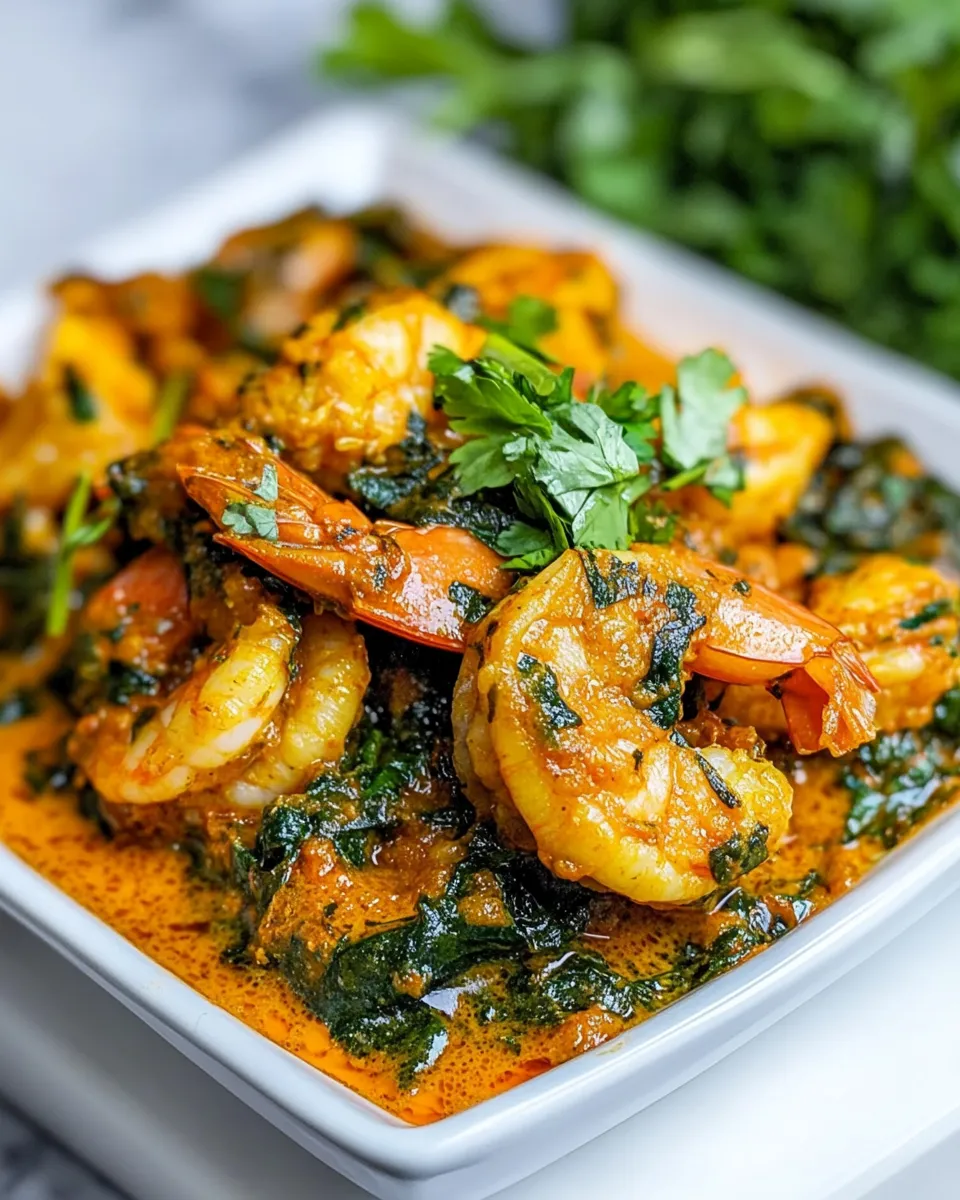
I love quick dinners that feel deliberate — food that looks like you fussed, but doesn’t make you late for life. Shrimp Saag is one of those recipes: spinach and spiced tomato-onion sauce folded with tender shrimp. It’s bold, green, and comes together in under 30 minutes once the mise en place is ready.
This version leans on a blended onion base for a smooth, deeply flavored sauce and a concentrated spice mix that blooms gently in oil. The method keeps the shrimp bright and just cooked so they stay snappy and light against the earthy spinach.
Below I’ll walk you through exactly what goes into it, the step-by-step method (unchanged from the tested instructions), why the recipe works, and practical tips for swaps, tools, and common mistakes. No frills — just straightforward guidance so you can make it tonight.
What Goes Into Shrimp Saag
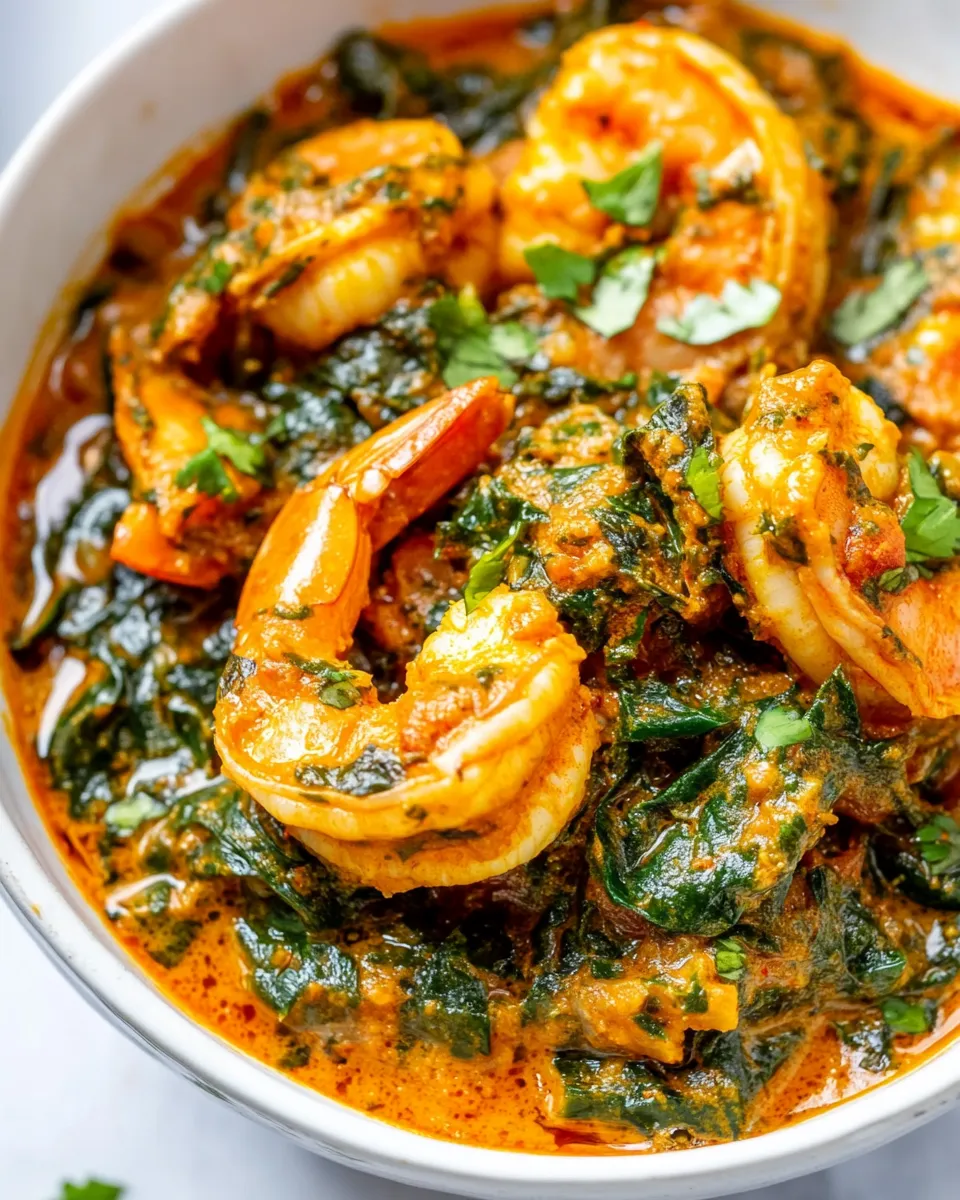
Ingredients
- 2 onions — blended into the sauce for body and natural sweetness.
- 2 tablespoons oil, neutral — for sautéing the onions and carrying the spices.
- 1 cup broth — thins and flavors the onion puree; use vegetable or chicken depending on preference.
- 2 teaspoons ground coriander — adds warm, citrusy background flavor.
- 1½ teaspoons ground fenugreek — provides that signature slightly bitter, maple-like note in saag.
- 1½ teaspoons garam masala — finishing spice mix that gives warmth and complexity.
- 1 teaspoon ground cumin — earthy backbone to the spice blend.
- ½ teaspoon sweet paprika — color and mild sweetness.
- ½ teaspoon salt — seasons the sauce; adjust to taste.
- ½ teaspoon turmeric — color and gentle earthiness.
- ¼ teaspoon ground cardamom — bright, floral lift.
- ¼ teaspoon cayenne pepper — heat; reduce or omit for milder flavor.
- 1-inch piece of ginger — grated for fresh zing.
- 2 cloves garlic — grated to aromatize the sauce.
- 3 tablespoons oil, neutral — for gently cooking ginger, garlic, and blooming the spices.
- 1 tablespoon tomato paste (or tomato puree) — deepens color and adds umami acidity.
- 2 tablespoons water — helps loosen the paste when blooming spices.
- 1 cup frozen chopped spinach, thawed — the green base of saag; no draining needed.
- 1 lb raw peeled shrimp — the protein; cook just until opaque for best texture.
Method: Shrimp Saag
- Peel and roughly chop 2 onions.
- In a large pan, heat 2 tablespoons oil over medium-high heat until shimmering.
- Add the chopped onions and cook over medium heat, stirring occasionally, until soft and golden, about 10 minutes.
- Transfer the cooked onions and any oil from the pan to a blender. Add 1 cup broth. Allow the mixture to cool slightly to avoid splatter, then puree until smooth. Set the onion puree aside.
- In a small bowl, combine the spices: 2 teaspoons ground coriander, 1½ teaspoons ground fenugreek, 1½ teaspoons garam masala, 1 teaspoon ground cumin, ½ teaspoon sweet paprika, ½ teaspoon salt, ½ teaspoon turmeric, ¼ teaspoon ground cardamom, and ¼ teaspoon cayenne pepper. Set the spice mix aside.
- Peel and grate 1-inch piece of ginger and 2 cloves garlic.
- Return the same large pan to the stove (no need to wash), and heat 3 tablespoons oil over low heat until warm.
- Add the grated ginger and garlic and cook over low heat, stirring, for about 2 minutes, until fragrant (do not brown).
- Add the prepared spice mix, 1 tablespoon tomato paste (or tomato puree), and 2 tablespoons water to the pan. Stir to combine and cook for about 1 minute to bloom the spices.
- Add the onion-broth puree to the pan, increase the heat to medium-high, and cook, stirring occasionally, until the sauce thickens and darkens slightly, about 5–7 minutes.
- Stir in 1 cup thawed frozen chopped spinach (no need to drain) until fully incorporated and heated through.
- Add 1 lb raw peeled shrimp and cook, stirring occasionally, until the shrimp are opaque and just cooked through, about 3–4 minutes.
- Serve immediately.
Why This Recipe Works
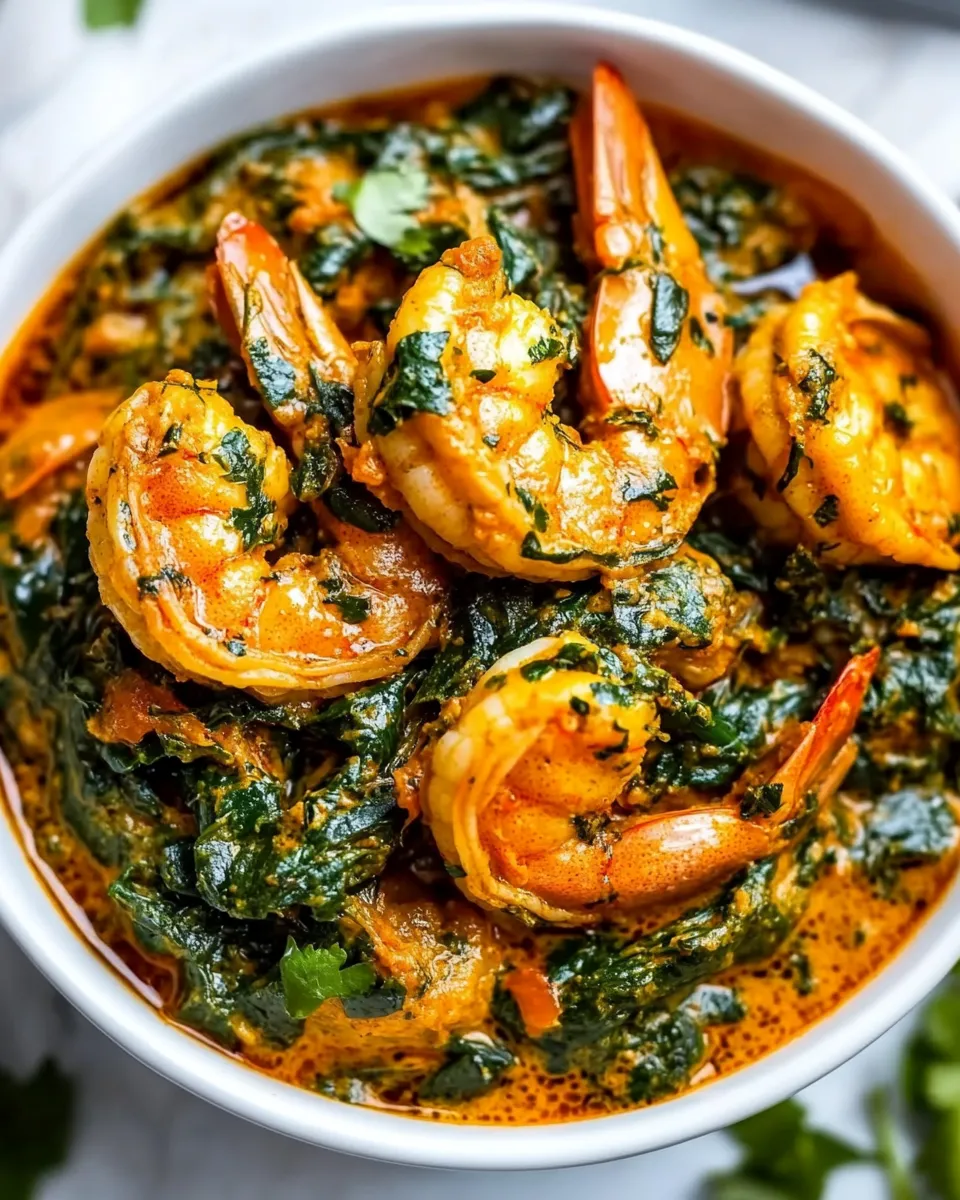
The blended onion base is the key technique here: cooking the onions slowly builds sweetness and depth, then pureeing them with broth creates a silky, cohesive sauce without relying on cream. That makes the sauce cling to the spinach and shrimp evenly.
Blooming the dry spice mix in warm oil with garlic and ginger unlocks essential oils and flavor compounds. Adding tomato paste brightens the mixture and gives structure; the paste, when toasted briefly, gains savory umami that balances the fenugreek’s bitterness and the spinach’s earthiness.
Using frozen chopped spinach keeps prep minimal and prevents excess water — thawed spinach integrates quickly and heats through without wilting the shrimp. Finally, cooking the shrimp last and only until opaque prevents overcooking; shrimp cook fast, and this timing preserves a snappy texture against the velvety saag.
Quick Replacement Ideas
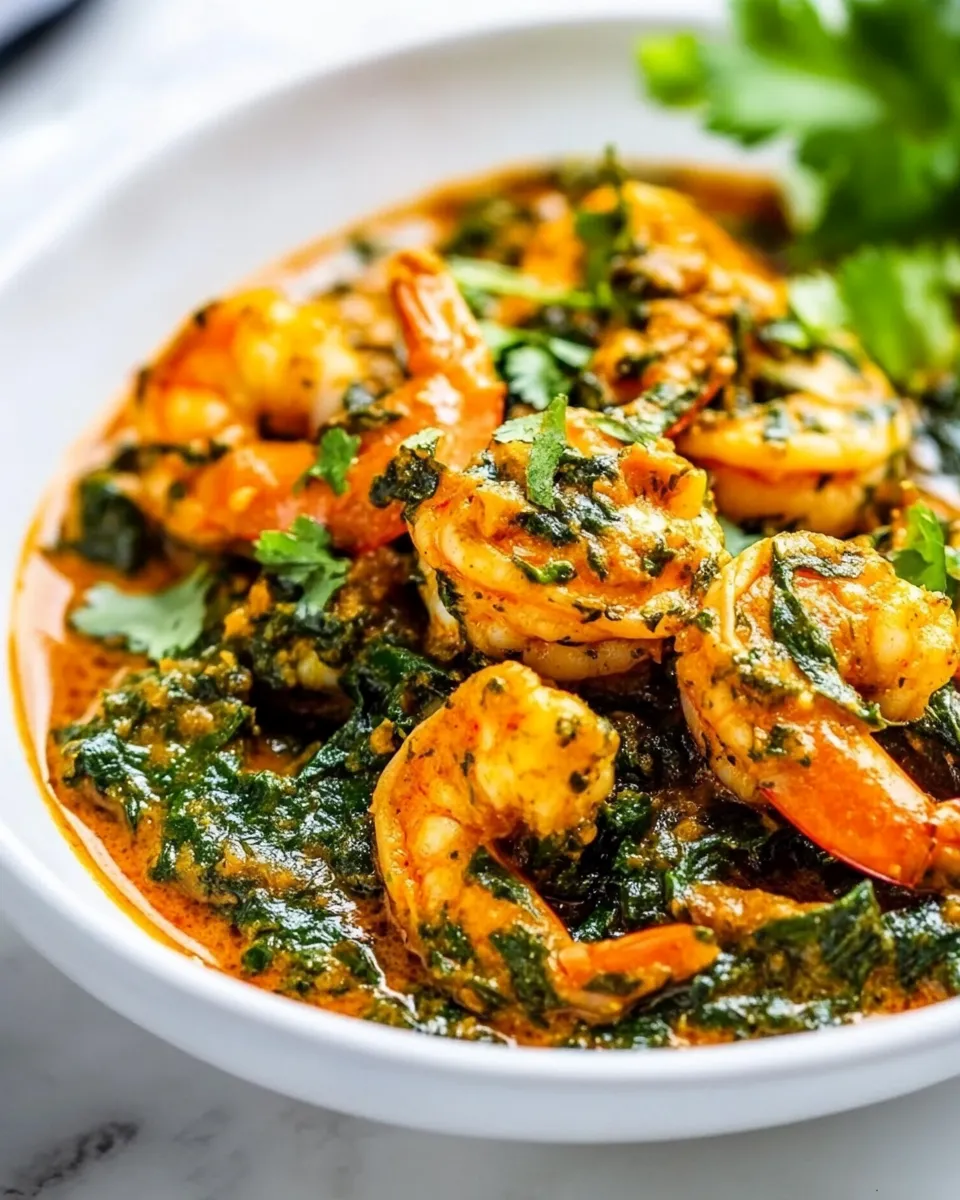
- Broth — swap chicken broth for vegetable broth if you prefer a lighter, vegetarian-style pan base for the sauce.
- Tomato paste — tomato puree can be used in place of paste for a looser sauce texture.
- Heat level — omit or reduce the ¼ teaspoon cayenne pepper to tame the spice; add a pinch extra if you like more heat.
- Spinach — if you have fresh baby spinach, you can use it; add more as needed (see notes in Adaptations) and cook until just wilted.
Recommended Tools
- Large sauté pan — wide surface for even cooking and easy stirring.
- Blender or immersion blender — for pureeing the onion-broth into a smooth sauce.
- Microplane or box grater — for quickly grating ginger and garlic.
- Small bowl — to mix the spice blend ahead of time.
- Heatproof spatula or wooden spoon — for stirring without scratching the pan.
Frequent Missteps to Avoid
- Skipping the slower onion cook — rushing the onions prevents the sauce from developing that caramelized depth; take the 10 minutes called for.
- Overheating garlic and ginger — cooking them too long or at too high heat will brown them and create bitterness; keep the oil warm and gentle for about 2 minutes.
- Adding shrimp too early — shrimp cook in minutes; adding them before the sauce is ready leads to overcooked, rubbery shrimp.
- Not blooming the spices — failing to bloom the spice mix in oil or with the tomato paste results in flat spice flavors.
- Thawing and draining spinach — unnecessary wringing can dry the spinach and reduce sauciness; the recipe uses thawed spinach as-is.
Adaptations for Special Diets
- Lower-sodium — use low-sodium broth or omit added salt; taste and adjust at the end.
- Mild spice — reduce or omit the cayenne pepper if you want a family-friendly, milder version.
- Dairy-free / lactose-free — this recipe is naturally dairy-free as written.
- Gluten-free — as long as the broth and spices you use are certified gluten-free, this dish is gluten-free.
- Shrimp allergy / vegetarian swap — for vegetarian needs, replace shrimp with a plant protein such as firm tofu or cooked chickpeas and adjust cooking time so the protein warms through without falling apart.
Chef’s Notes
Measure the spices ahead of time and keep them mixed in a small bowl — it makes the stovetop work flow smoothly, especially since you switch pans twice. The dual oil amounts (2 tablespoons for onions, 3 tablespoons later) are intentional: the first for sautéing and softening, the second for gentle spice blooming.
If your shrimp are large, watch the timing closely; jumbo shrimp may need an extra minute or two but check visually: they’re done when opaque with a slight curl. If you like a creamier finish, a splash of plain yogurt or coconut milk at the very end can soften the heat and add richness, but that changes the character slightly.
Leftovers & Meal Prep
Leftover Shrimp Saag keeps well in the fridge for 1–2 days. Store in an airtight container. Reheat gently over low heat on the stovetop or in short bursts in the microwave, stirring to distribute heat — shrimp will firm up with repeated reheating, so warm just until hot.
For make-ahead meal prep, you can prepare the onion-broth puree and the spice mix in advance. Refrigerate them separately for 1–2 days, then finish the dish with spinach and shrimp when ready. If you need to extend shelf life, cook the sauce through to the spinach stage and store; add shrimp only when reheating for service.
Your Top Questions
- Can I use fresh spinach instead of frozen? Yes — use a generous amount of fresh baby spinach and add it to the sauce in batches, cooking until just wilted. You may need to cook it down a bit longer to avoid a very loose sauce.
- What size shrimp should I use? Any peeled raw shrimp work; medium to large are easiest to manage. Adjust final cook time slightly for very large shrimp.
- Is fenugreek necessary? Fenugreek adds a characteristic saag flavor; you can reduce it slightly if you’re not used to it but it’s part of what makes the dish distinctive.
- Can I make this oil-free? You can reduce oil, but some oil is helpful for blooming spices and carrying flavor. If avoiding oil, use a small amount of water to sauté very slowly and watch closely to prevent sticking.
Time to Try It
Gather the ingredients, pre-measure the spices, and start with the onions — that’s the slowest step, and everything else moves quickly. This recipe rewards patience in the early steps with a sauce that’s deeply flavored yet fresh. Make it tonight when you want something green, comforting, and impressively simple.
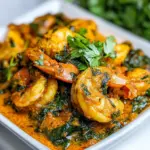
Shrimp Saag
Ingredients
Ingredients
- 2 onions see note 1
- 2 tablespoonsoilneutral
- 1 cupbroth see note 2
- 2 teaspoonsground coriander
- 1 1/2 teaspoonground fenugreek see note 3
- 1 1/2 teaspoongaram masala
- 1 teaspoonground cumin
- 1/2 teaspoonsweet paprika
- 1/2 teaspoonsalt
- 1/2 teaspoonturmeric
- 1/4 teaspoonground cardamon
- 1/4 teaspooncayenne pepper see note 4
- 1 inchpiece of ginger
- 2 clovesgarlic
- 3 tablespoonsoil- neutral
- 1 tablespoontomato paste/tomato puree
- 2 tablespoonswater
- 1 cupfrozen chopped spinachthawed see note 5
- 1 lbraw peeled shrimp see note 6
Instructions
Instructions
- Peel and roughly chop 2 onions.
- In a large pan, heat 2 tablespoons oil over medium-high heat until shimmering.
- Add the chopped onions and cook over medium heat, stirring occasionally, until soft and golden, about 10 minutes.
- Transfer the cooked onions and any oil from the pan to a blender. Add 1 cup broth. Allow the mixture to cool slightly to avoid splatter, then puree until smooth. Set the onion puree aside.
- In a small bowl, combine the spices: 2 teaspoons ground coriander, 1½ teaspoons ground fenugreek, 1½ teaspoons garam masala, 1 teaspoon ground cumin, ½ teaspoon sweet paprika, ½ teaspoon salt, ½ teaspoon turmeric, ¼ teaspoon ground cardamom, and ¼ teaspoon cayenne pepper. Set the spice mix aside.
- Peel and grate 1-inch piece of ginger and 2 cloves garlic.
- Return the same large pan to the stove (no need to wash), and heat 3 tablespoons oil over low heat until warm.
- Add the grated ginger and garlic and cook over low heat, stirring, for about 2 minutes, until fragrant (do not brown).
- Add the prepared spice mix, 1 tablespoon tomato paste (or tomato puree), and 2 tablespoons water to the pan. Stir to combine and cook for about 1 minute to bloom the spices.
- Add the onion-broth puree to the pan, increase the heat to medium-high, and cook, stirring occasionally, until the sauce thickens and darkens slightly, about 5–7 minutes.
- Stir in 1 cup thawed frozen chopped spinach (no need to drain) until fully incorporated and heated through.
- Add 1 lb raw peeled shrimp and cook, stirring occasionally, until the shrimp are opaque and just cooked through, about 3–4 minutes.
- Serve immediately.
Equipment
- Large Pan
- Blender
- Small Bowl
Notes
You can use vegetable broth or fish or shrimp stock.
If you can't find ground fenugreek, you can replace it with ½ teaspoon of mustard powder or yellow mustard seeds.
The cayenne adds heat; as written, this is medium-mild curry; you can increase the cayenne to make it spicier.
If you want to use fresh spinach, use ½lb, remove any tough stems and finely chop. You will need to give it 3-4 minutes extra cooking time to allow it to wilt down fully.
The shrimp you use in this recipe is totally up to you. You can use large or small, fresh or frozen. The only thing to remember is they must be peeled and raw. If using frozen, ensure they are fully defrosted before using.