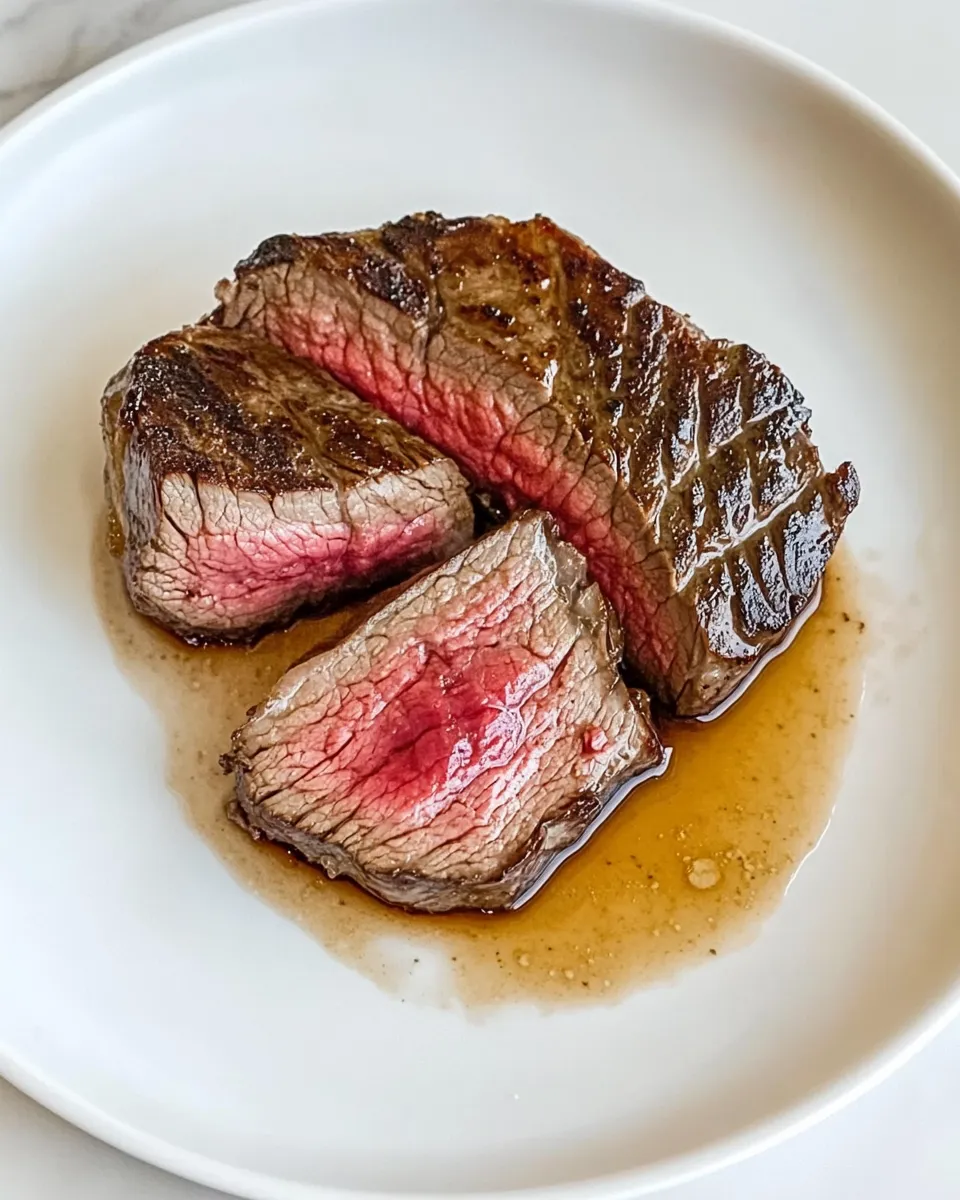
There’s a reason I return to sous vide for special steaks: it removes the guesswork. Consistent temperature control gives you an evenly cooked interior from edge to edge, and when you finish it with a quick, high-heat sear the contrast is irresistible. This version uses a tiny smear of mayonnaise to help form a fast, brown crust without adding any oil to the pan.
The technique is straightforward and forgiving. The steak cooks slowly in the water bath, so timing is flexible within a window; the mayo step is quick and precise. If you want a reliably tender ribeye with a crisp exterior and straightforward seasoning, this is a reliable method to keep in your rotation.
I keep the seasoning minimal so the beef can shine: just ½ tsp salt in the bag, a thin mayo coating, and a light dusting of pepper and garlic salt before searing. The result is a classic flavored steak with a professional finish that’s achievable at home—even on a weekday.
Ingredients at a Glance
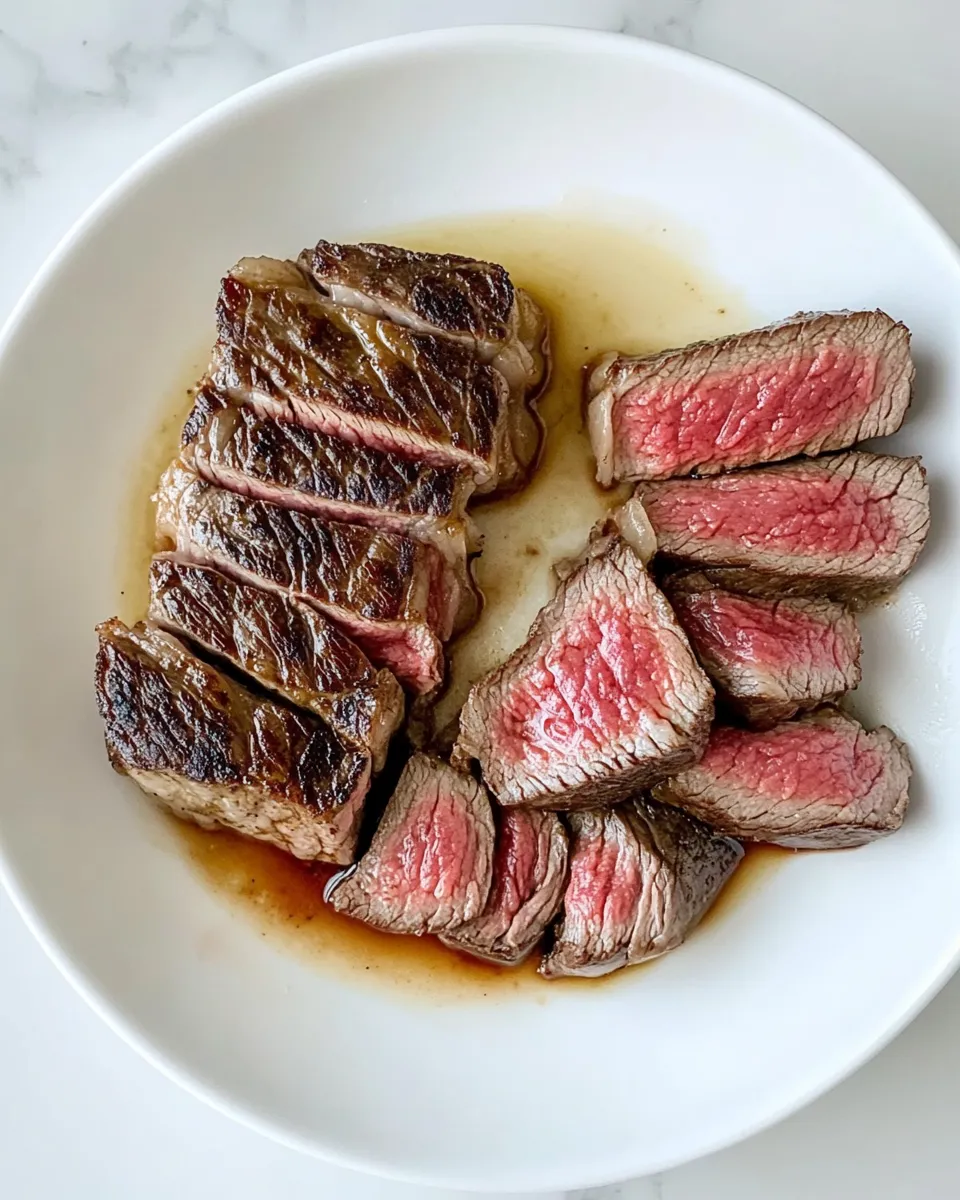
- 1 boneless ribeye steak — the central ingredient; choose a steak with good marbling for the best flavor and tenderness.
- ½ tsp salt — seasons the steak through the sous vide cook for even flavor.
- ½ tsp mayonnaise — creates a thin coating that browns quickly to form a crust without added oil.
- ¼ tsp pepper minced — adds fresh heat; sprinkle over the mayo-coated surface.
- ¼ tsp garlic salt — brings gentle savory aromatics to the outer crust.
From Start to Finish: Sous Vide Boneless Ribeye Steak With Mayo Sear
- Preheat your sous vide machine to 132°F (56°C).
- Pat the boneless ribeye steak dry with a paper towel, then season both sides evenly with ½ tsp salt.
- Place the steak in a vacuum seal bag and seal, or put it in a heavy-duty zip-top bag and remove the air using the water-displacement method, then seal the bag.
- Submerge the sealed steak in the 132°F water bath and cook for 2.5 hours. (You can cook between 1–4 hours; longer makes it more tender. If cooking from frozen, add 1 hour to the cook time.)
- When the cook is finished, remove the bag from the water. Optional: plunge the sealed bag into an ice bath for a few minutes to stop the cook.
- Remove the steak from the bag and thoroughly pat it dry with paper towels so the mayonnaise will adhere.
- Spread all of the ½ tsp mayonnaise over the steak to form a thin, even coating on all surfaces and edges.
- Evenly sprinkle ¼ tsp minced pepper and ¼ tsp garlic salt over both sides (and edges) of the mayo-coated steak.
- Heat a cast-iron skillet over medium-high heat until very hot. No additional oil or butter is needed. Sear the steak: 20–30 seconds per flat side, until a brown crust forms. If desired, briefly sear the edges to brown them as well.
- Transfer the steak to a cutting board and let it rest for at least 10 minutes before slicing and serving.
Why This Recipe Works
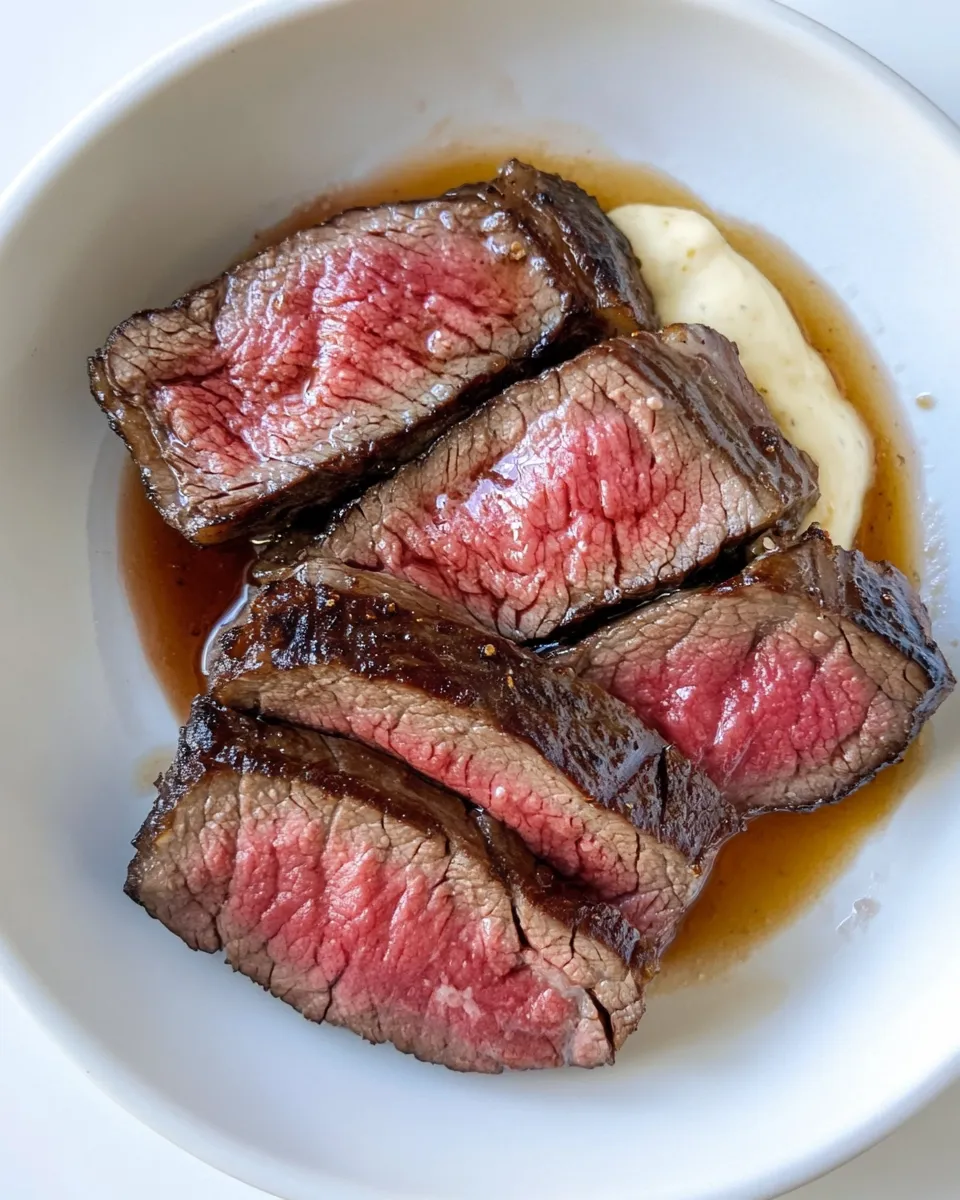
Sous vide gives you absolute control of doneness. At 132°F (56°C) the steak finishes medium-rare with a uniformly rosy interior, edge to edge. That eliminates the common problem of an overcooked band around the outside and a cooler center.
The mayo sear is deceptively clever. Mayonnaise is mostly oil emulsified with egg and a little acid. When you spread a paper-thin layer over the surface and expose it to a screaming-hot pan for a few seconds, the oils in the mayo brown quickly and the proteins crisp without needing extra fat in the skillet. The result is a fast, even crust that won’t drown the steak in grease.
Keeping the seasoning minimal (salt inside the bag and a light outer seasoning) ensures the beef’s flavor remains front and center. The method combines the precision of sous vide with the sensory satisfaction of a roasted, caramelized exterior.
If You’re Out Of…
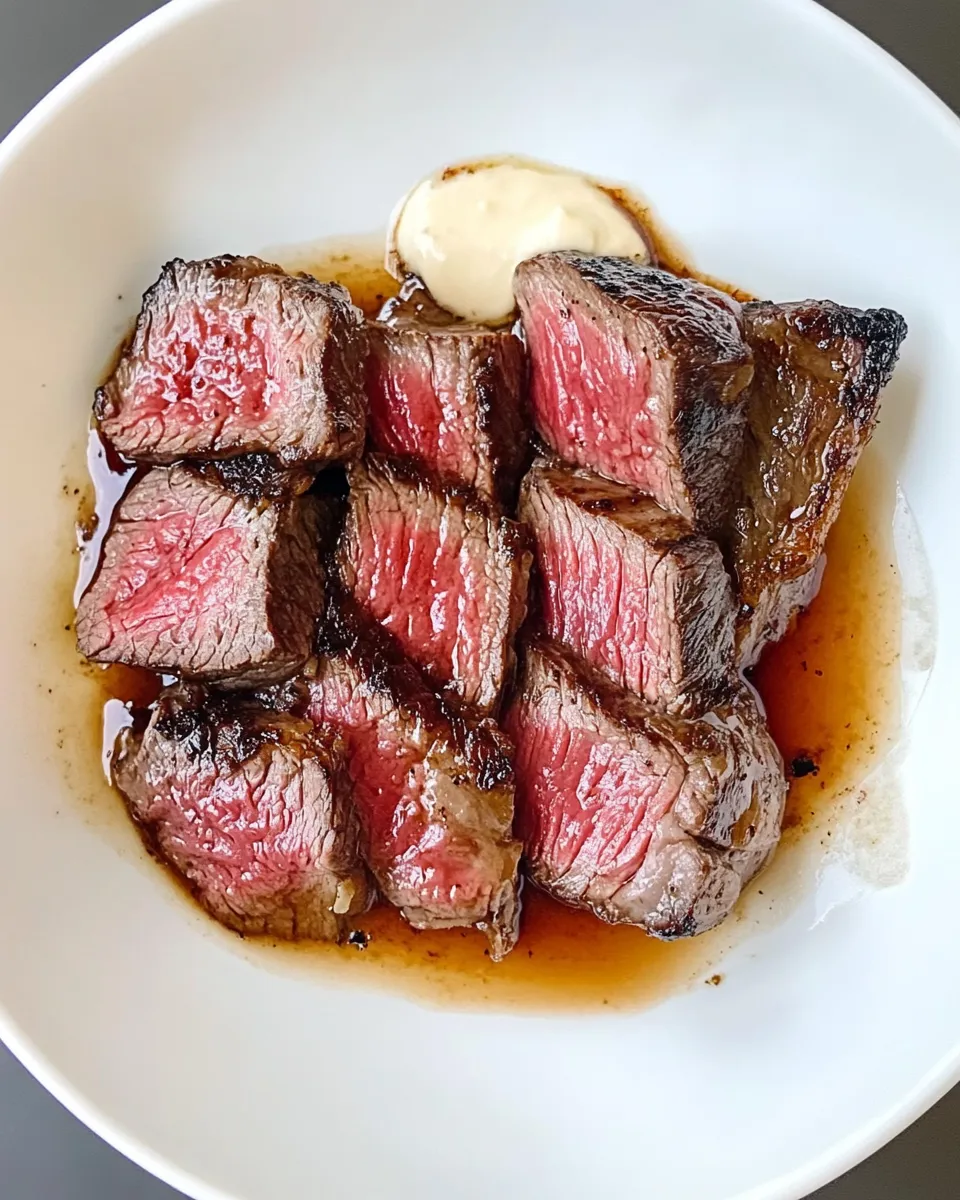
If you don’t have mayonnaise or prefer not to use it, you can skip the mayo step and dry-sear the steak, but the crust will be different: slightly less even and slower to form. Make sure the steak is bone-dry before it hits the pan to get the best browning possible without the mayo.
Out of a cast-iron skillet? Use another heavy skillet that holds heat well—stainless steel or carbon steel will do. The important part is a very hot surface so the mayo browns in the 20–30 second window described above.
If you’re missing minced pepper or garlic salt, simply use freshly cracked black pepper or plain salt to taste; the steak is forgiving and the sous vide step helps seasoning penetrate. Keep substitution notes simple and avoid changing quantities in the finished recipe.
Must-Have Equipment
- Sous vide immersion circulator or water oven — controls water temperature precisely for consistent doneness.
- Vacuum sealer and bags, or heavy-duty zip-top bags — a sealed environment keeps the steak submerged and prevents dilution of flavor.
- Cast-iron skillet — holds high heat for that quick, high-temperature sear the mayo needs to brown rapidly.
- Paper towels — for thorough drying before searing so the mayo adheres and the crust forms evenly.
- Tongs and a carving board — for safe handling and a proper rest before slicing.
Pitfalls & How to Prevent Them
Not drying the steak well enough before applying mayo is the most common mistake. Any remaining surface moisture will prevent the mayo from sticking and will steam the exterior instead of browning it. Pat the steak thoroughly—press paper towels into the surface and the edges until they come away dry.
Using too much mayonnaise is another trap. The recipe calls for ½ tsp total; spread it thinly and evenly. Excess mayo will pool in the pan, smoke more, and produce a greasy finish. A whisper of mayo is all you need to make the crust.
Over-searing is easy when you’re tempted to chase a darker crust. The prescribed 20–30 seconds per flat side is short by design. The steak is already cooked through by the sous vide step; this final sear is purely about color and texture. If you stay within the short sear window you’ll preserve the interior doneness.
Failing to seal the bag properly can let water in and reduce flavor, or float the steak so parts cook unevenly. Use the water-displacement method correctly with zip-top bags: submerge slowly to push air out before sealing, or use a vacuum sealer if you have one.
Tailor It to Your Diet
For a lower-fat approach, you can omit the mayo and focus on a dry-sear—again, make sure the surface is bone dry. The interior will still be perfectly cooked thanks to the sous vide bath, but the crust will be slightly less rich and caramelized.
If you’re watching sodium, reduce or omit the ¼ tsp garlic salt used for finishing and rely on the ½ tsp salt inside the bag to carry most of the seasoning. Taste preference varies; sous vide allows you to under- or over-season slightly because the interior flavor actually intensifies during the cook.
People on high-protein diets will appreciate the straightforward nature of this method: minimal added ingredients, maximum control over texture. The small amount of mayonnaise contributes flavor and surface browning without adding significant calories when used sparingly.
Cook’s Notes
Timing flexibility is one of sous vide’s strengths. The recipe calls for 2.5 hours at 132°F (56°C) as a sweet spot. If you’re tight on time, the same steak will be acceptable after 1 hour; if you want an even more tender result, you can extend up to 4 hours. For frozen steaks, add 1 hour to the cook time to ensure it reaches temperature.
The optional ice bath after the water bath is useful if you’re not searing right away. Plunging the sealed bag in ice for a few minutes immediately halts the cooking. This lets you refrigerate the steak and sear later without changing the finished doneness.
When you sear, make sure the pan is very hot. No added fat is necessary because of the mayo, but a screaming-hot, well-seasoned cast-iron surface does all the work. Keep the sear quick to avoid cooking the already-perfect interior.
Save It for Later
Leftover slices store well in the fridge. Cool the steak completely, slice if you prefer, then wrap tightly and chill. Reheat gently: a quick sous vide reheat at 120–130°F or a short stint in a hot skillet for just long enough to warm through will keep the texture intact. Avoid prolonged high heat when reheating; the steak is already cooked to your desired doneness.
Sous Vide Boneless Ribeye Steak With Mayo Sear Q&A
Q: What if I want a different doneness than medium-rare? A: Adjust the sous vide temperature to your preferred final doneness, then follow the same timing guidelines. The sear remains the same; it’s only for color and texture.
Q: Is the mayo just for flavor? A: It’s for browning and crust formation more than flavor. Mayonnaise’s oil content helps the steak form a brown, crisp surface rapidly without adding extra fat to the pan. The flavor contribution is subtle but pleasant.
Q: Can I use a different finishing seasoning? A: Yes. The recipe finishes with ¼ tsp minced pepper and ¼ tsp garlic salt. If you prefer other seasonings, use them sparingly so they don’t overpower the beef. The sous vide cooking intensifies the meat’s natural taste, so subtlety works best.
Q: My sear smoked a lot—what went wrong? A: Two likely causes: too much mayo on the surface or the pan was hotter than needed. Use only the specified ½ tsp spread thinly. If your kitchen is prone to smoke, open a window or turn on ventilation and keep the sear time to 20–30 seconds per side.
Q: Is the ½ tsp salt inside the bag enough? A: Yes. Salt inside the bag seasons the steak during the sous vide cook. Since the steak cooks evenly, you don’t need to over-salt; the finishing garlic salt and pepper add the final surface flavor.
Final Bite
This method gives you a reliably tender, evenly cooked ribeye with a beautifully browned crust that looks like it came from a restaurant. It’s practical and repeatable: precise sous vide temperature control, a whisper of mayo for the finish, and a very hot skillet. Try it on a night when you want an effortless centerpiece that rewards patience and a little technique.
Sous Vide Boneless Ribeye Steak With Mayo Sear
Ingredients
Ingredients
- 1 boneless ribeye steak
- 1/2 tspsalt
- 1/2 tspmayonnaise
- 1/4 tsppepperminced
- 1/4 tspgarlic salt
Instructions
Instructions
- Preheat your sous vide machine to 132°F (56°C).
- Pat the boneless ribeye steak dry with a paper towel, then season both sides evenly with ½ tsp salt.
- Place the steak in a vacuum seal bag and seal, or put it in a heavy-duty zip-top bag and remove the air using the water-displacement method, then seal the bag.
- Submerge the sealed steak in the 132°F water bath and cook for 2.5 hours. (You can cook between 1–4 hours; longer makes it more tender. If cooking from frozen, add 1 hour to the cook time.)
- When the cook is finished, remove the bag from the water. Optional: plunge the sealed bag into an ice bath for a few minutes to stop the cook.
- Remove the steak from the bag and thoroughly pat it dry with paper towels so the mayonnaise will adhere.
- Spread all of the ½ tsp mayonnaise over the steak to form a thin, even coating on all surfaces and edges.
- Evenly sprinkle ¼ tsp minced pepper and ¼ tsp garlic salt over both sides (and edges) of the mayo-coated steak.
- Heat a cast-iron skillet over medium-high heat until very hot. No additional oil or butter is needed. Sear the steak: 20–30 seconds per flat side, until a brown crust forms. If desired, briefly sear the edges to brown them as well.
- Transfer the steak to a cutting board and let it rest for at least 10 minutes before slicing and serving.
Equipment
- Sous vide immersion circulator
- vacuum sealer or heavy-duty zip-top bag
- Cast-Iron Skillet
- Paper Towels
- ice bath (optional)
- Cutting Board
Notes
See the recipe:
See the recipe :
https://youtu.be/paD5du3bGo4