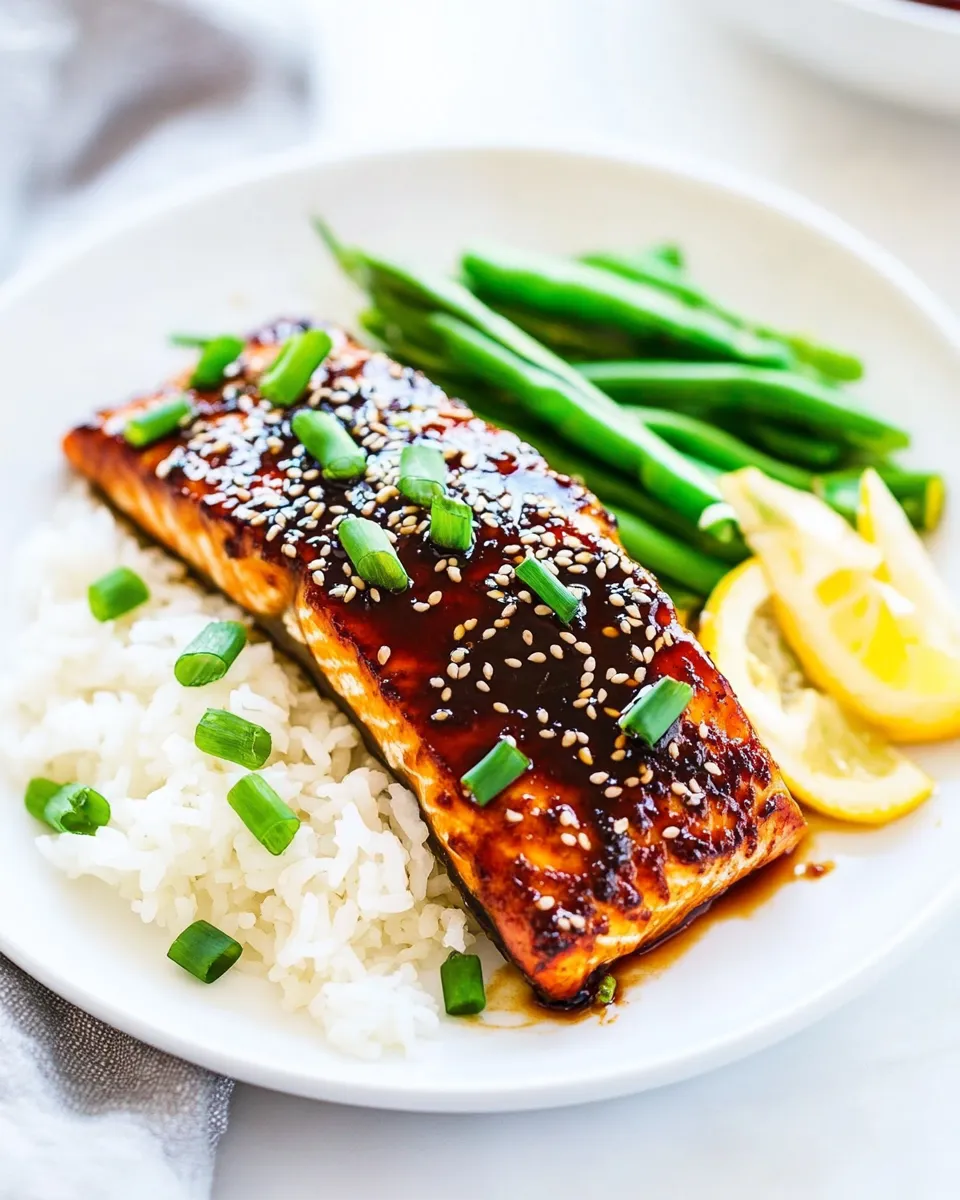
I want you to have a reliable weeknight dinner that feels special without demanding an afternoon of prep. This soy-ginger salmon hits that sweet spot: a simple glaze of soy, rice vinegar, garlic, ginger and a touch of honey that caramelizes just enough to give the fish real flavor and a glossy finish. It’s quick, forgiving, and beautiful on the plate.
You’ll learn exactly what to do and why each step matters. I’ll walk you through equipment choices, tiny technique fixes that make a big difference, smart swaps for what you have on hand, and how to store or reheat leftovers so they still taste great. No fluff—just practical guidance so this becomes one of your go-to salmon recipes.
The Essentials
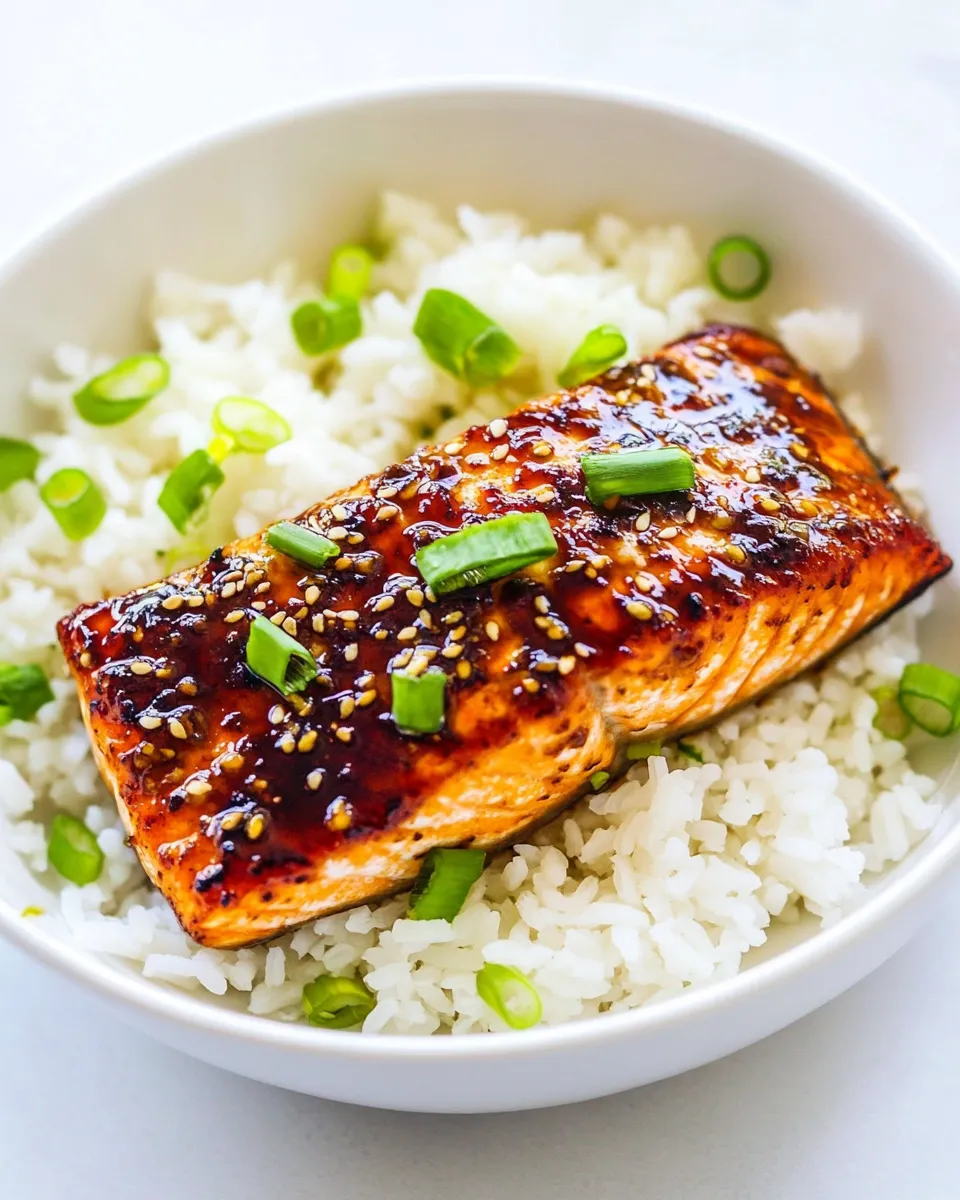
This recipe is built around a salty-sour-sweet-heat glaze and a straightforward sear-then-roast method that gives you a crisp exterior and a tender, slightly rosy center. You’ll make the glaze on the stove, reserve a bit for serving, sear the fillets skin-side up in a hot skillet, flip and brush with glaze, then finish in a hot oven. A short rest at the end finishes the cooking gently and keeps the fish juicy.
Timing is compact: total active time is mostly a few minutes on the stove and the skillet, then 6 minutes in a 425°F oven and 4–5 minutes resting. The flavors are layered—ginger and garlic built in the glaze, honey for balance, and optional chili for a little kick—so the dish reads as composed rather than thrown together.
Ingredients
- 3 tablespoons low-sodium soy sauce — backbone of the glaze; low-sodium prevents it from overpowering the fish.
- 1 tablespoon rice vinegar — brightens and balances the soy’s saltiness.
- 2 cloves garlic, minced (about 2 teaspoons) — aromatic base; mince fine so it melds into the glaze.
- 2 teaspoons grated fresh ginger — gives the glaze fresh warmth and a ginger bite.
- 1 teaspoon honey — sweetens and helps the glaze caramelize.
- 1/2 teaspoon garlic-chili paste (sriracha), or 1/4 teaspoon red pepper flakes — adds controlled heat; choose paste for more body, flakes for a drier spice.
- 1 pound skin-on salmon fillet — at room temperature, cut into 3–4 portions; skin-on helps protect the flesh during searing and makes handling easier.
- 2 teaspoons canola oil — neutral oil with a high smoke point for searing.
- Chopped green onions — for serving; fresh, bright garnish that adds a mild onion crunch.
- Toasted sesame seeds — for serving; texture and a toasty flavor note.
Soy Ginger Salmon — Do This Next
- Position a rack in the center of the oven and preheat to 425°F (218°C).
- In a small saucepan, stir together the soy sauce, rice vinegar, minced garlic, and grated ginger. Bring to a gentle simmer over medium‑high heat. Remove from the heat and stir in the honey and the garlic‑chili paste (or red pepper flakes). Spoon out a few tablespoons of the cooked glaze into a small bowl and set aside for serving; leave the remaining glaze in the saucepan.
- Pat the salmon dry with paper towels. Drizzle the 2 teaspoons canola oil over the salmon and brush or rub so the pieces are evenly coated.
- Heat an ovenproof skillet over medium‑high heat until hot (a drop of water should sizzle and evaporate on contact).
- Place the salmon skin‑side up in the hot skillet and cook undisturbed for about 3 minutes, until the top develops a crust and the sides start to turn opaque.
- Using a flexible spatula, flip each piece so it is skin‑side down. Brush or spoon the remaining glaze from the saucepan over the tops of the salmon.
- Immediately transfer the skillet to the preheated oven and bake for 6 minutes (the centers may look slightly undercooked).
- Remove the skillet from the oven, cover the salmon loosely with foil, and let rest 4–5 minutes.
- Serve each portion topped with the reserved glaze, chopped green onions, and toasted sesame seeds.
Top Reasons to Make Soy Ginger Salmon
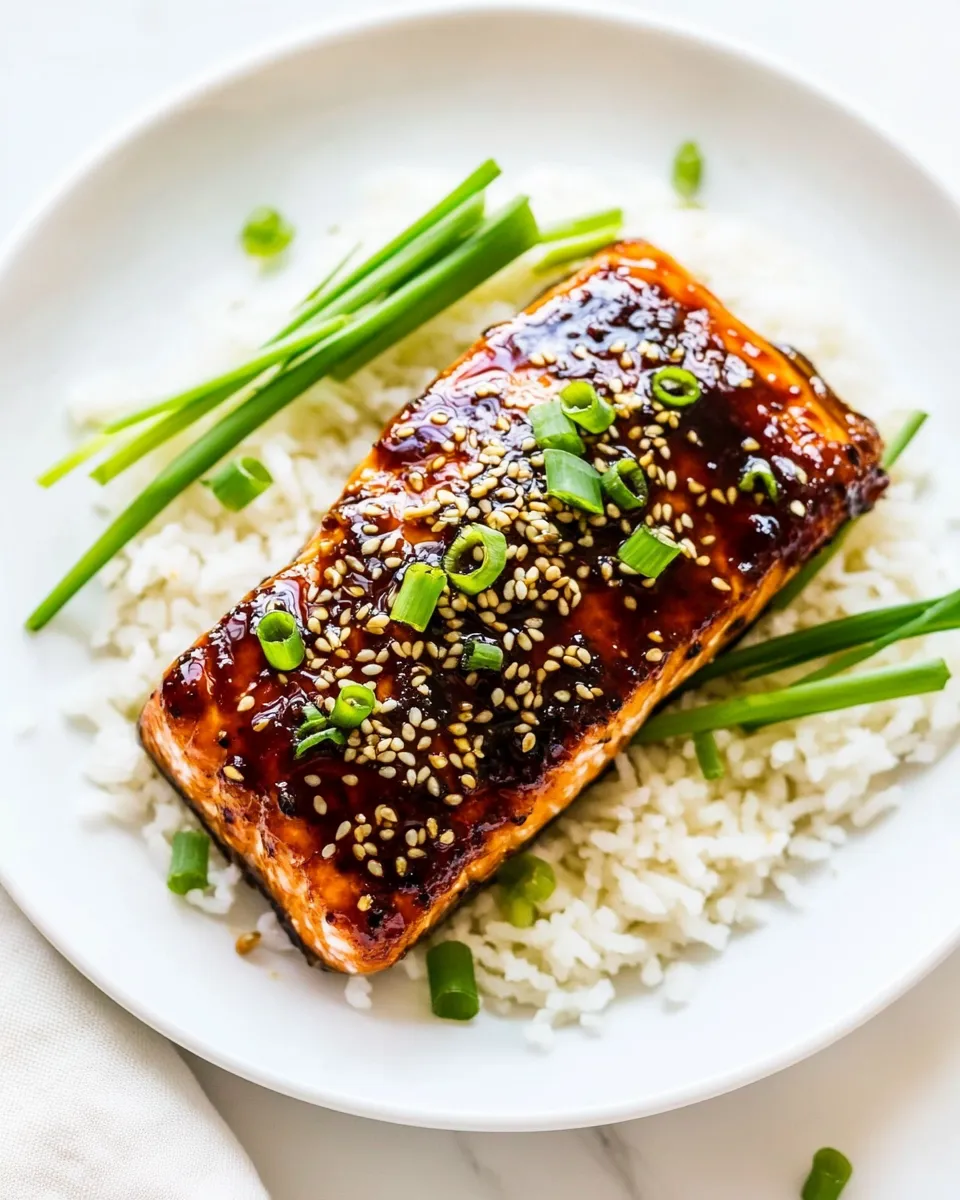
This recipe is fast and reliable for busy evenings. The glaze is made in minutes and can be prepared while your oven heats. The sear-then-roast technique creates a textured exterior and a juicy interior without overcooking. It’s also highly adaptable: swap rice vinegar or chili options, change the garnish, or pair it with rice, salad or steamed vegetables.
You get restaurant-quality flavor with minimal effort. The glaze doubles as a serving sauce, so every bite tastes intentional. Lastly, using skin-on fillets makes searing predictable and helps you handle portions without falling apart.
Ingredient Swaps & Substitutions
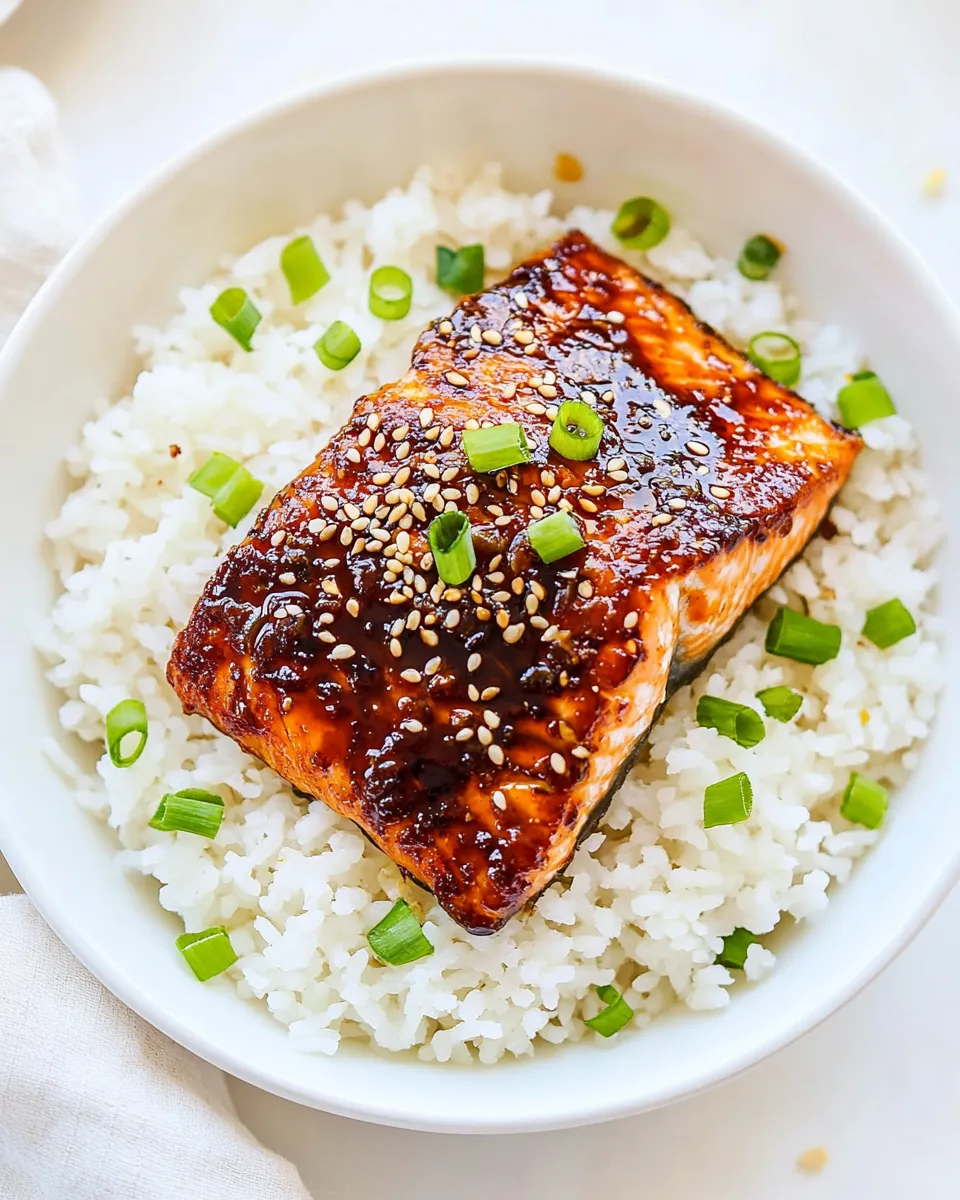
If you don’t have one item, you can make minor swaps without derailing the dish. Use tamari instead of soy sauce for a gluten-free option (keep the “low-sodium” idea if you want to control salt). If you have apple cider vinegar instead of rice vinegar, use it sparingly—its flavor is stronger. For sweetness, maple syrup is a fine substitute for honey but will change the glaze’s aromatic profile. For heat, any chili paste or a pinch more red pepper flakes do the job; adjust to taste.
Do not omit the acid entirely—the rice vinegar balances salt and sweet and keeps the glaze lively. If canola oil isn’t available, use a neutral oil with a high smoke point like vegetable or grapeseed oil.
Setup & Equipment
You only need a few items: a small saucepan for the glaze, an ovenproof skillet (cast iron or stainless steel works best for searing), tongs or a flexible spatula for flipping, and a rack in your oven set to 425°F (218°C). Paper towels for drying the salmon matter: moisture is the enemy of a good sear.
If you don’t have an ovenproof skillet, sear in a regular skillet and transfer the fish to a preheated baking sheet to finish in the oven, but be gentle—salmon is delicate when flipped.
Easy-to-Miss Gotchas
– Don’t skip drying the fish: wet skin steams not sears. Pat well with paper towels.
– Make sure the skillet is hot before adding the salmon; a proper sizzle is needed to build the initial crust.
– When cooking skin-side up first, resist stirring or moving the fillets; let the crust form undisturbed.
– Flip gently with a flexible spatula; pulling the fish can tear it.
– Baking time is short—centers will look slightly underdone coming out of the oven but will finish during the rest period. That rest is not optional; it completes the carryover cooking and keeps the fillets moist.
Adaptations for Special Diets
– Gluten-free: use tamari or a certified gluten-free soy sauce. Everything else stays the same.
– Lower-sugar: reduce the honey slightly or replace with a lower-sugar sweetener, but expect less caramelization.
– Spicier: increase garlic-chili paste or add a touch more red pepper flakes.
– Whole-family friendly: omit the chili paste if cooking for children, and add a drizzle of the reserved glaze at the table for adults who want heat.
If you follow the core technique—sear then roast—the recipe adapts well to different dietary needs while maintaining the flavor profile.
Chef’s Rationale
I use a quick stovetop glaze because heating the soy-vinegar mixture softens the raw sharpness of garlic and ginger and concentrates the flavors slightly without reducing too far. Reserving a small amount of the cooled glaze for finishing keeps an intense flavor to spoon on the cooked fish without overcooking it during the last minutes in the oven.
Searing skin-side up first develops a crust on the flesh and prevents the skin from tightening and curling prematurely. Flipping skin-side down and finishing in a hot oven gives the skin time to crisp gently and cooks the fish evenly through residual heat. The short bake followed by a rest avoids drying the salmon while ensuring safe and pleasant doneness.
Storing, Freezing & Reheating
Store leftover cooked salmon in an airtight container in the refrigerator for up to 2 days. Keep the reserved glaze separate if possible; it keeps the fish from getting soggy. To reheat, use a low oven (275–300°F / 135–150°C) for 8–10 minutes, covered loosely with foil to warm through without drying, then reheat the glaze briefly on the stove and spoon over. Microwaving will work in a pinch but often makes the texture softer.
Freezing cooked glazed salmon isn’t ideal; it loses texture. If you must, flash-freeze portions on a baking sheet, then transfer to a freezer bag for up to 1 month. Thaw in the refrigerator overnight and reheat gently in the oven as above.
Handy Q&A
Can I make the glaze ahead?
Yes—make it and store in the fridge for up to 3 days. Warm it gently before using; the honey can thicken when cold.
How do I tell when salmon is done?
Look for opaque sides and a slightly translucent center when it comes out of the oven; it will finish while resting. If using a thermometer, aim for around 120–125°F (49–52°C) for medium-rare to medium after resting.
What if my fillets are thicker or thinner than specified?
Adjust oven time slightly: thicker pieces may need 1–3 more minutes in the oven. Thinner pieces will cook faster—watch closely.
Can I grill this instead?
Yes, but brush the glaze on near the end of grilling to avoid burning the sugars. Reserve some glaze for serving.
Save & Share
If this recipe becomes a weeknight lifesaver for you, save it to a favorites list or bookmark the post. It also travels well to dinner parties—double the glaze, sear in two skillets or in batches, and finish in the oven while you attend to sides. If you share photos, show a close-up of the glaze and a shot with the chopped green onions and sesame seeds for contrast. Tag friends who need an easy but impressive salmon dinner.
Enjoy this soy-ginger salmon as an efficient, flavorful meal that rewards careful but brief work in the kitchen.
Soy Ginger Salmon
Ingredients
Ingredients
- 3 tablespoonslow-sodium soy sauce
- 1 tablespoonrice vinegar
- 2 clovesgarlicminced about 2 teaspoons
- 2 teaspoonsgrated fresh ginger
- 1 teaspoonhoney
- 1/2 teaspoongarlic-chili pastesriracha or 1/4 teaspoon red pepper flakes
- 1 poundskin-on salmon fillet*at room temperature cut into 3–4 portions
- 2 teaspoonscanola oil
- Chopped green onionsfor serving
- Toasted sesame seedsfor serving
Instructions
Instructions
- Position a rack in the center of the oven and preheat to 425°F (218°C).
- In a small saucepan, stir together the soy sauce, rice vinegar, minced garlic, and grated ginger. Bring to a gentle simmer over medium‑high heat. Remove from the heat and stir in the honey and the garlic‑chili paste (or red pepper flakes). Spoon out a few tablespoons of the cooked glaze into a small bowl and set aside for serving; leave the remaining glaze in the saucepan.
- Pat the salmon dry with paper towels. Drizzle the 2 teaspoons canola oil over the salmon and brush or rub so the pieces are evenly coated.
- Heat an ovenproof skillet over medium‑high heat until hot (a drop of water should sizzle and evaporate on contact).
- Place the salmon skin‑side up in the hot skillet and cook undisturbed for about 3 minutes, until the top develops a crust and the sides start to turn opaque.
- Using a flexible spatula, flip each piece so it is skin‑side down. Brush or spoon the remaining glaze from the saucepan over the tops of the salmon.
- Immediately transfer the skillet to the preheated oven and bake for 6 minutes (the centers may look slightly undercooked).
- Remove the skillet from the oven, cover the salmon loosely with foil, and let rest 4–5 minutes.
- Serve each portion topped with the reserved glaze, chopped green onions, and toasted sesame seeds.
Equipment
- Small Saucepan
- ovenproof skillet
- flexible spatula
- Paper Towels
- Oven
Notes
Serving a crowd? Feel free to scale up this recipe to suite as many fillets as you need—just don’t crowd them in the skillet or they will not sear properly.
This recipe is best enjoyed the day it is made. If you have leftovers, try letting them come to room temperature for about 10 minutes, then adding them to a salad or even scrambled eggs or scrambled tofu.